
Reviewed · NAGARKOT TOURS FROM KATHMANDU
Explore Kathmandu in 2 Days: UNESCO Sites & Nagarkot Sunrise Tour
Kathmandu’s best sights come in a wonderfully concentrated package here: sacred courtyards, cremation ghats, hilltop stupas, Newar palaces, and a pre-dawn drive to Nagarkot. You get a private guide and car, so the schedule can feel more personal than a large bus tour.
I like the mix of UNESCO monuments and living religious places, especially Boudhanath’s Tibetan feel and Patan’s carved wood and stonework. I also like the practical hotel pickup and the chance to see sunrise over the Himalayas without arranging a separate trip.
The main drawback is the pace. You cover a lot in two days, and the price does not include meals, tips, or about $35 in entrance fees. The Nagarkot morning also begins around 4am, so this is not a gentle holiday schedule.
Key points to know before booking
- Five major temple and palace areas: Pashupatinath, Boudhanath, Swayambhunath, Patan, and Bhaktapur fill the two-day plan.
- Nagarkot starts around 4am: The drive from Kathmandu takes about 1 hour and 30 minutes each way.
- Private touring: Only your group takes part, with hotel pickup and drop-off by tourist car.
- Prakash may be your guide: He is specifically named in the supplied feedback for making the visit more interesting and fun.
- Budget an extra $35: Entrance fees are listed separately at NPR 4,600, or about $35, per person.
- Local arts are part of the day: You visit a Thangka painting center, and the package also includes a singing and healing bowl center.
Why this two-day plan works
Kathmandu Valley is not a place where one grand monument tells the whole story. The character comes from the contrast between Hindu shrines, Buddhist stupas, royal squares, small alleys, working craft areas, and busy streets. This tour gives you a broad first look without asking you to arrange transport between each site.
Day one focuses on Kathmandu and Patan. Day two heads east to Nagarkot and Bhaktapur. That layout makes sense geographically, although the schedule remains full. You will spend much of the day moving between stops, walking through temple grounds, and listening to explanations from your guide.
Because the activity is private, you are not tied to a large group. That matters at places such as Swayambhunath, where the climb can take effort, and at Patan, where you may want time to examine a carved window or small shrine. The supplied feedback also highlights punctuality, communication, and guide quality, all useful traits when a schedule begins before dawn.
More UNESCO heritage sites in Kathmandu:
- Private Kathmandu Sightseeing Tour | UNESCO World Heritage sites
★ 5.0 · 756 reviews - Kathmandu: Full Day 7 UNESCO Tour with Lunch – Private/Group
★ 5.0 · 415 reviews - Kathmandu: Full Day Top 4 UNESCO Tour with Lunch – Private/Group
★ 5.0 · 269 reviews
Pashupatinath, where faith and ritual meet
Your first stop is Pashupatinath Temple, one of Nepal’s most important Hindu religious sites. The temple is dedicated to Shiva and sits along the Bagmati River. The riverbank is also known for open cremation ceremonies, making this a place of active religious practice rather than a quiet monument frozen in time.
You should approach Pashupatinath with respect. Dress modestly, follow your guide’s advice, and remember that ceremonies are not performances arranged for visitors. The central temple has restrictions for non-Hindu visitors, but the wider complex still offers plenty to see.
The two-hour allocation gives you time to understand the site rather than simply photograph the entrance. Admission is not included, so keep part of your extra budget for the day’s fees.
Boudhanath and the Tibetan heart of Kathmandu
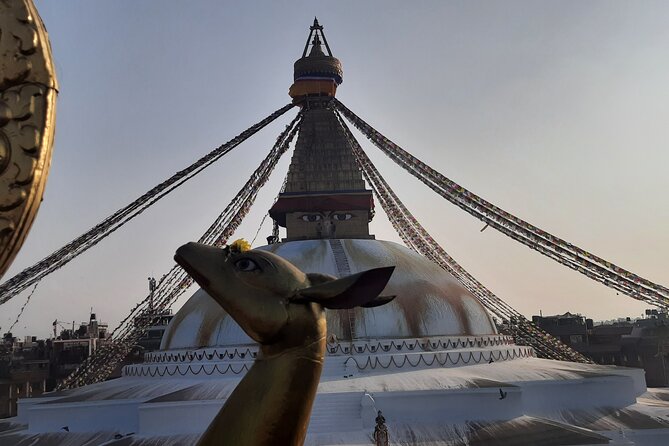
Boudhanath Stupa offers a very different mood. Its great white dome and watchful Buddha eyes form the center of a large Buddhist area surrounded by monasteries and religious buildings. The site has a strong Tibetan cultural influence, which you can feel in the prayer activity, art, and monastic setting.
This is one of the places where a guide adds real value. The basic shape of the stupa is easy to see, but the symbols and customs take explanation. You can use the two-hour stop to walk around the main structure and look into the surrounding area without rushing.
The tour also includes a visit to a Thangka painting art school. You will see paintings made on cotton cloth with natural colors, including mandalas, wheels of life, scenes from Buddha’s life, and single-point meditation designs. The visit is listed as free, though you should treat it as an art stop rather than assume you need to buy something.
Swayambhunath, the hilltop Monkey Temple
Swayambhunath sits on a hill above Kathmandu and is reached by a long staircase. The climb is part of the experience, not just a way to reach the monument. You get a changing view as the city opens below, along with monkeys around the temple area.
The two-hour stop should suit most people who are comfortable with stairs, but you should not treat this as an effortless photo stop. The climb may feel demanding after a full morning at Pashupatinath and Boudhanath. Wear shoes with a secure grip and carry the water supplied with the tour.
At the top, the main stupa and its setting give you a clear sense of Kathmandu’s religious mix. The hilltop position also offers a break from the city’s streets, even though Kathmandu remains visible around you.
More Nagarkot sunrise trips:
- Nagarkot Sunrise View and Day Hiking from Kathmandu
★ 5.0 · 471 reviews - Private Bhaktapur and Nagarkot Day Tour From Kathmandu
★ 5.0 · 305 reviews - Kathmandu: Nagarkot Sunrise View & Morning Hike with Lunch
★ 4.9 · 188 reviews - Kathmandu: Nagarkot Sunrise and Hike Tour to Changu Narayan
★ 4.7 · 151 reviews
Patan Durbar Square and Newar craftsmanship
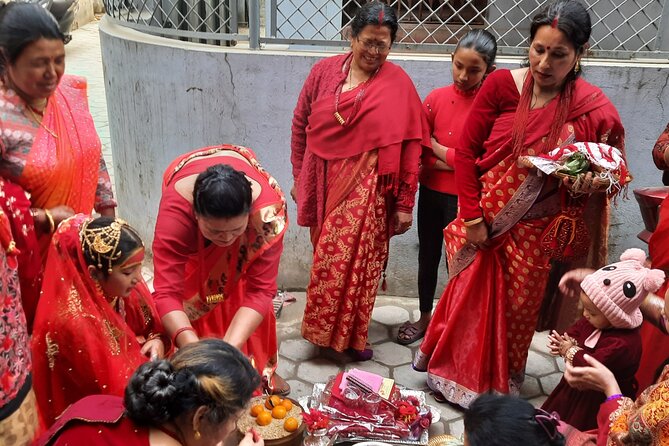
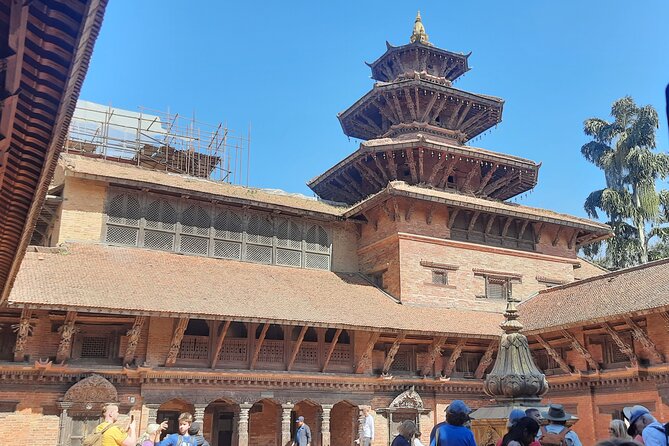
Patan Durbar Square is the artistic center of the first day. Located in Lalitpur, it reflects the high point of Newar architecture during the rule of the Malla kings. The square is filled with temples, palace buildings, carved windows, stone figures, and detailed metal and wood work.
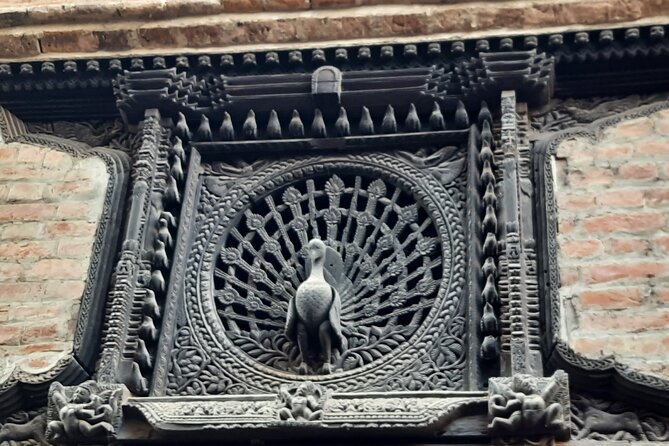
This is where you should slow down and look up. Some of the best details are not at eye level. Wooden windows, temple struts, doorways, and small carved figures reward patient viewing. The square’s appeal comes from the amount of work packed into a relatively compact area.
The stone Krishna Temple is one of the key sights. Its craftsmanship differs from the surrounding pagoda buildings, and the contrast helps you understand the range of styles within the old palace complex. The tour allows about two hours here, followed by the nearby Golden Temple.
The Golden Temple in a small Patan courtyard
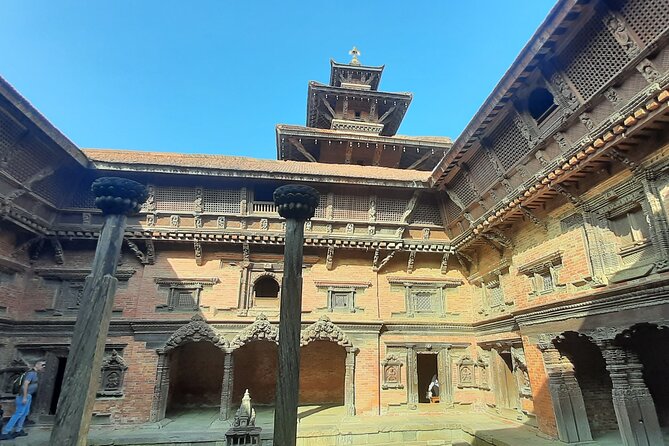
Hiranya Varna Mahavihar is commonly called the Golden Temple because of the gold-colored frontage. It dates to the 12th century and is described as one of Patan’s most attractive temples.
The visit lasts about 30 minutes, which is enough for a focused look but not a long exploration. The temple is a good reminder that Patan’s appeal is not limited to the large royal square. Smaller courtyards can hold some of the city’s most memorable architectural details.
Admission is not included, so the entrance costs can add up across the two days. The tour’s stated total for five UNESCO World Heritage Site entrance fees is NPR 4,600, or about $35 per person.
Nagarkot before breakfast
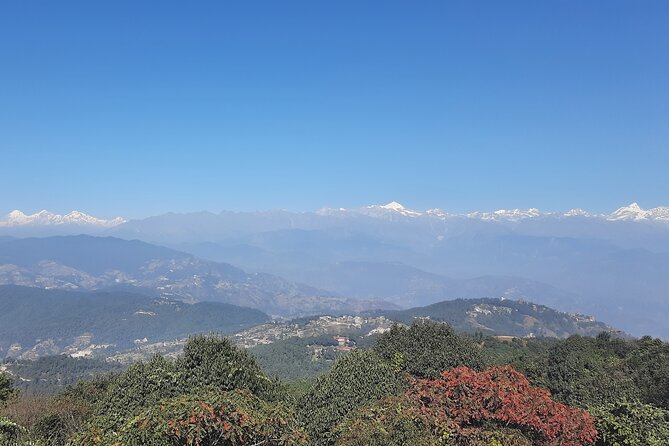
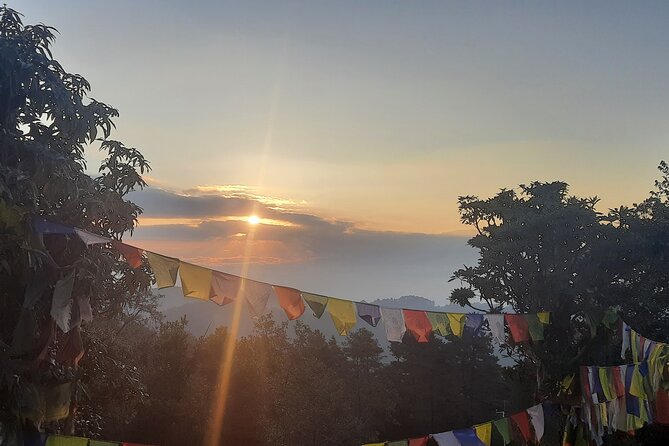
Day two begins early, around 4am. You drive roughly 35 kilometers from Kathmandu to Nagarkot, a journey listed at about 1 hour and 30 minutes. The purpose is simple: reach the hill in time for sunrise and possible Himalayan views.
On a clear morning, you may see the sun rise over the mountains, with views toward Mt. Everest and other Himalayan peaks, as well as Kathmandu Valley and Bhaktapur. Mountain visibility depends on weather and air conditions, so you should book this for the chance of the view, not as a guarantee.
The early departure is the tour’s biggest practical test. You will need to prepare clothing and essentials the night before, and the morning may feel cold compared with Kathmandu. The Nagarkot stop lasts about three hours, giving you time for the sunrise period before continuing to Bhaktapur.
There is no admission charge listed for Nagarkot. Breakfast is not included, and all meals and drinks are your responsibility. Plan for that clearly, since the day begins before normal restaurant hours.
Bhaktapur, a living museum of Newar design
After Nagarkot, the tour continues to Bhaktapur Durbar Square. Bhaktapur is known as the city of devotees and is often described as a living museum. That phrase makes sense once you see how temples, palace spaces, shrines, and working craft areas fit into the old city.
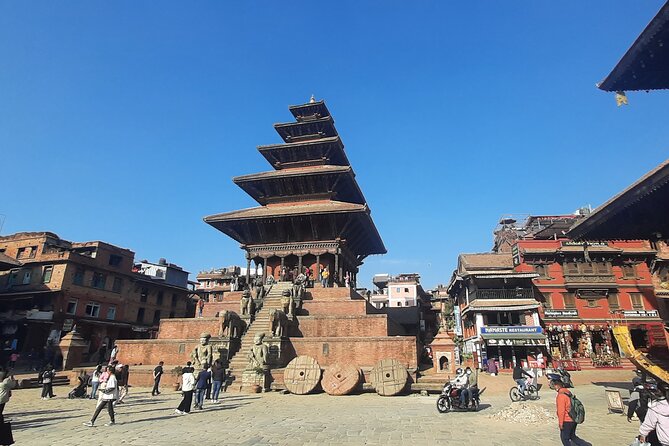
The itinerary allows two hours at the square, then adds focused stops at Nyatapola Temple, Dattatreya Temple, and Pottery Square. You get a useful spread of architecture and local craft, although the time is tight if you want to examine every corner.
Bhaktapur’s main square gives you the broad setting. Nyatapola supplies the grand vertical view. Dattatreya connects the city to Hindu worship, and Pottery Square shows that Bhaktapur is not only a collection of old buildings.
Nyatapola and Dattatreya temples
Nyatapola is the tallest temple in Bhaktapur and is dedicated to the goddess Siddhi Laxmi. Its five-level pagoda form is one of the clearest examples of traditional Nepali temple design in the program. The stop lasts about 20 minutes and is free according to the tour details.
That short visit is enough to see the temple and its setting, but you may want to use your time carefully. The nearby Bhairab Temple is also noted as part of the area, so ask your guide how the stops fit together.
Dattatreya Temple is dedicated to Dattatreya, a Hindu deity understood here as a combined form of Brahma, Vishnu, and Shiva. The temple has a different religious focus from the Buddhist sites of the first day, making it a useful comparison. Admission is not included.
Pottery Square and the value of seeing work in progress
Pottery Square is one of the most practical stops in the program. Local makers produce different items by hand, and the area also offers Bhaktapur souvenirs. The visit lasts about 20 minutes and is listed as free.
I like this stop because it connects the old architecture to present-day work. You are not only looking at buildings from the past. You are also seeing a craft tradition still used to make objects for daily life and for people taking a small piece of Bhaktapur home.
The short visit means you may only get a quick look. If pottery interests you, tell your guide early so you can make the most of the available time.
What the $100 price really covers
The listed cost is $100 per person. For that price, you receive a private tourist car, hotel pickup and drop-off, a professional guide, bottled water, the Thangka art-school visit, and a singing and healing bowl center visit.
The private format is the strongest part of the value. You are not paying only for admission to monuments. You are paying for transport between scattered sites, a guide across two packed days, and a sunrise trip that would be awkward to arrange on your own.
Still, the advertised price is not the final trip budget. Meals, drinks, tips, and entrance fees are extra. The entrance fees are listed at about $35 per person, so the basic cost becomes about $135 before food and gratuities.
Group discounts are available, though no specific discount amount is provided. Since only your group participates, the per-person value may improve if you are booking with friends or family.
Timing, comfort, and who should book
This experience suits you if you want a strong first look at Kathmandu Valley and prefer a private schedule. It is especially useful if you have only two days and want major religious sites, royal squares, local art, and a mountain viewpoint in one booking.
You should be comfortable with early starts, stair climbing, walking through temple areas, and a full sightseeing schedule. The long morning at Nagarkot is the main challenge, while Swayambhunath adds a substantial climb.
Guide Prakash is named in the supplied feedback, with specific praise for his knowledge, communication, punctuality, and ability to make the visit more enjoyable. You cannot assume he will lead every departure, but you can ask when booking if having him is important to you.
Hotel pickup is offered, and confirmation is provided when you book. Most people can take part, and the activity is private. Free cancellation is available up to 24 hours before the start time. Changes or cancellations inside that window are not refunded.
Should you book this Kathmandu tour?
Book it if you want the main Kathmandu Valley sights handled in a private two-day plan, and if you are willing to pay the extra entrance fees and rise before dawn for Nagarkot. The mix of Pashupatinath, Boudhanath, Swayambhunath, Patan, and Bhaktapur gives you much more than a palace-only city tour.
Skip it if you prefer slow mornings, long meals, or extended time at one museum or monument. This is an efficient introduction, not a leisurely study of Kathmandu.
For most first-time visitors with limited time, I see good value in the combination of private transport, guide service, and a sunrise outing. Just budget about $35 more for entrance fees, confirm the guide assignment, and accept that the best two days will also be the busiest.
FAQ
How long is the Kathmandu and Nagarkot experience?
The tour lasts approximately two days. Day one visits Pashupatinath, Boudhanath, Swayambhunath, Patan Durbar Square, the Golden Temple, and a Thangka art center. Day two includes Nagarkot and Bhaktapur.
Is hotel pickup included?
Yes. Hotel pickup and drop-off by tourist car are included.
Is this a private tour?
Yes. Only your group participates in the activity.
What is not included in the $100 price?
Meals, drinks, gratuities, and entrance fees are not included. Entrance fees are listed at NPR 4,600, or about $35 per person.
What time does the Nagarkot portion begin?
The Nagarkot trip starts early in the morning, at about 4am. The drive from Kathmandu is approximately 1 hour and 30 minutes.
Can I cancel for a full refund?
Yes, if you cancel at least 24 hours before the experience start time. Cancellations within 24 hours are not refunded.
More two-day trips in Kathmandu
- 2 Days Chitwan Jungle Safari Tour from Pokhara/Kathmandu
★ 4.5 · 27 reviews - 1 Night 2 Days Chitwan Jungle Safari Tour from Kathmandu
★ 3.5 · 19 reviews - From Kathmandu: Nagarkot Tour Package 1 Nights 2 Days
★ 4.8 · 10 reviews - Pokhara: 2 Day Ghorepani & Poon Hill Private Trekking
★ 4.9 · 8 reviews
More early-start tours in Kathmandu
- Nagarkot Sunrise & Hike to Changu Narayan Day Tour from Kathmandu
★ 5.0 · 126 reviews - Kathmandu: Nagarkot Sunrise & Hike with Lunch -Private/Group
★ 4.9 · 122 reviews - Nagarkot Sunrise Trip & Day Hike with Lunch from Kathmandu
★ 4.5 · 83 reviews - Nagarkot Sunrise View & Day Hiking with Lunch – Private/Group
★ 5.0 · 73 reviews
Just added around Kathmandu
- Traditional Momo Making Class★ 5.0 · 10 reviews
- Wildlife Adventure in Chitwan Nepal★ 4.0 · 4 reviews
- Kathmandu 2 Nights 3 Days Chitwan Jungle Safari Tour★ 5.0 · 9 reviews
- Walking tour of real Kathmandu through back streets.★ 5.0 · 3 reviews
- Kathmandu Street Food Walking Tour – Eat Like a Local★ 5.0 · 3 reviews
- Private Manaslu Circuit Trek at Himalayas★ 5.0 · 3 reviews
- Walking tour of Kathmandu with awesome local guides★ 5.0 · 4 reviews
- Visit Swayambhunath and Bauddhanath Stupa with Guide★ 5.0 · 5 reviews
Nagarkot Tours from Kathmandu, compared.
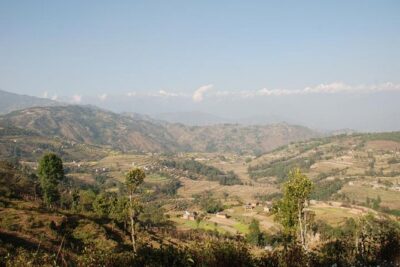
Nagarkot Sunrise View and Day Hiking from Kathmandu
Read our review →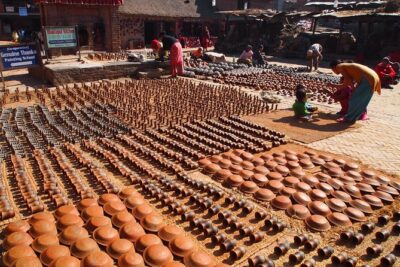
Private Bhaktapur and Nagarkot Day Tour From Kathmandu
Read our review →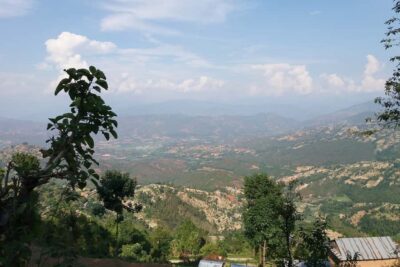
Nagarkot Sunrise and Hike Tour to Changu Narayan
Read our review →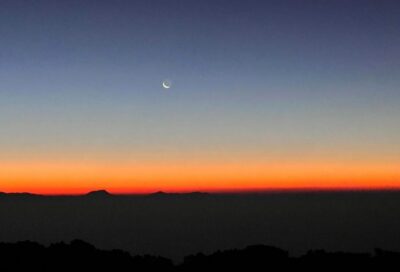
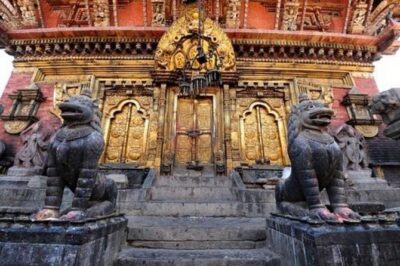
Nagarkot Sunrise & Hike to Changu Narayan Day Tour from Kathmandu
Read our review →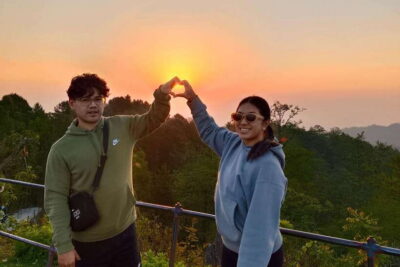
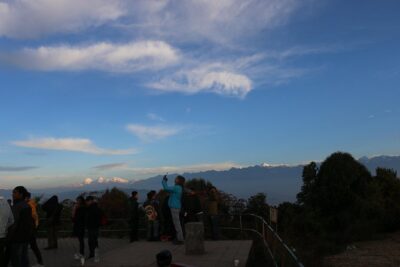
Nagarkot Sunrise Trip & Day Hike with Lunch from Kathmandu
Read our review →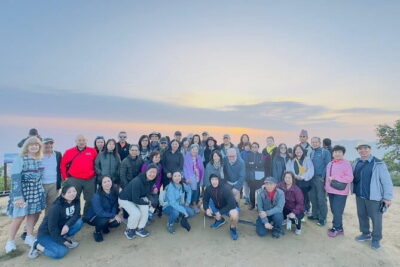
Nagarkot Sunrise View & Day Hiking with Lunch – Private/Group
Read our review →Browse the lists this tour appears in