
Reviewed · MANASLU CIRCUIT TREKS FROM KATHMANDU
Private Manaslu Circuit Trek at Himalayas
The great appeal of this Manaslu Circuit Trek is the change in scenery. You start beside warm river valleys and subtropical forest, then walk through Tibetan-influenced villages, high meadows, glacial country, and finally across 5,160-meter Larkya La Pass. I especially like the quiet character of the route and the chance to see monasteries, prayer wheels, mani walls, and old trading villages without the feel of a crowded trekking highway.
I also like that the $1,500 price covers the awkward pieces that can add up fast: restricted-area permits, conservation permits, transport, meals, a licensed guide, lodging, and basic gear when needed. The main caution is the altitude and the long road transfers. This is a serious high-mountain walk, not a soft sightseeing trip, and a porter is not included in the listed price.
Key points at a glance
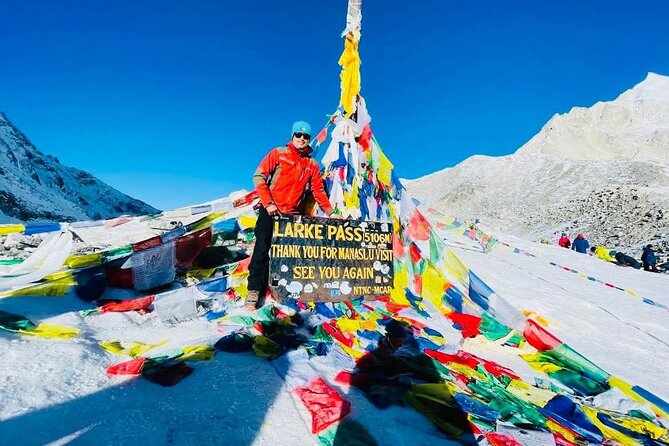
- Larkya La Pass reaches 5,160 meters, the hardest and highest day of the route.
- Manaslu Base Camp provides the acclimatization hike, with a maximum altitude of 4,400 meters.
- The trek starts and ends with long road journeys, including a 7 to 8 hour ride to Machha Khola and an 8 to 10 hour return from Dharapani.
- Tibetan-influenced villages shape the cultural side, especially Namrung, Lho, Sama Gaon, and Samdo.
- The private format suits a pair or small party, but at least two people must book because this is a restricted trekking area.
- Guides such as Yaka and Raj are worth requesting by name, while Laxman has been associated with carrying bags on the route. Confirm porter arrangements, since porter service is not included.
What the Manaslu Circuit feels like
The Manaslu Circuit is a 13-day trip through one of Nepal’s more remote trekking regions. The prize is Mt. Manaslu, rising to 8,163 meters, along with views of Himalchuli, Ganesh Himal, Manaslu, Cho Danda, and Larkya Peak.
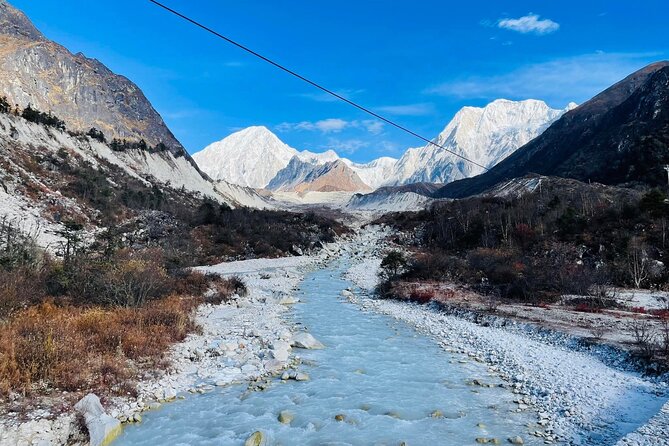
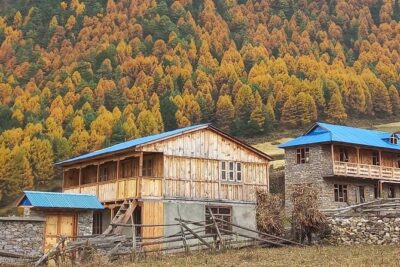
What I like most is the steady change in altitude and culture. Lower sections follow the Budhi Gandaki River through forests, bridges, hot springs, and narrow paths. Higher up, the villages take on a Tibetan feel, with Buddhist monasteries, prayer wheels, and stone walls carved with prayers.
The route is not designed for speed. Even when the walking hours look modest, the high altitude, rough trails, cold mornings, and changing weather demand patience. You need a moderate level of fitness, and you should be comfortable walking several hours a day over uneven ground.
This is a private trip, so only your own group participates. That gives you more control over the pace than a large scheduled departure. It also makes the choice of guide more important. Guides named in connection with the experience include Yaka and Raj, both associated with careful pacing and altitude management, while Laxman has been praised for carrying bags and being good company. Since a porter is excluded from the price, ask exactly who will carry your main bag before you go.
More Manaslu Circuit treks:
- Manaslu Circuit Trek (15 Days)
★ 5.0 · 50 reviews - 16 Day Private Manaslu Circuit Trek from Kathmandu
★ 5.0 · 42 reviews - Manaslu Circuit Trek 13 Days
★ 5.0 · 30 reviews
Days 1 and 2: The long road to Jagat
Your first day is mostly about getting to the trailhead. The drive from Kathmandu to Machha Khola takes about 7 to 8 hours, so you should expect a full day of road travel rather than a gentle introduction.
That transfer is necessary, but it is also one of the least comfortable parts of the trip. The road journey can feel long after arriving in Nepal, and the route description identifies the starting point as Machha Khola. Keep your day bag close with water, snacks, medication, and warm layers.
On Day 2, you walk for roughly 6 to 7 hours toward Jagat. The path crosses the Tharo Khola, passes Khorlabesi, and reaches a hot spring. You also cross a suspension bridge, one of several features that give the early section its rough Himalayan character.
Jagat sits at about 1,410 meters. This first walking day is a useful test of your legs and footwear. The altitude is still moderate, but the trail is narrow in places. I would not treat this day as a warm-up stroll. Use it to settle into your guide’s pace and learn how your body responds to repeated climbs and descents.
Days 3 and 4: River valleys to Namrung
Day 3 takes about 7 hours to Pewa, at approximately 1,860 meters. The route continues through the Budhi Gandaki valley, with bridges, forest, and small settlements along the way.
Pewa is less about a major landmark and more about the rhythm of the trek. You are now moving farther from the road system and deeper into a walking-only section. Simple overnight stops help keep the focus on the route rather than on comfort.
On Day 4, you walk around 6 hours to Namrung, which sits at 2,630 meters. This is where the character of the trek begins to change. The lower valley greenery gives way to cooler mountain surroundings, and the Tibetan influence becomes easier to notice in village design and Buddhist details.
Namrung is an important altitude step. You are not yet at extreme elevation, but the rise from Pewa is significant enough that a steady pace matters. Let your guide set the speed, drink regularly, and avoid trying to prove anything on the uphill sections.
Days 5 and 6: Lho and Sama Gaon
Day 5 is a shorter walking day, around 4 hours to Lho at 3,180 meters. Short days are valuable here. They give you time to look around, eat properly, and let your body adjust instead of treating every day as a race to the next lodge.
Lho is known for its spiritual atmosphere and mountain setting. The village is part of the Tibetan-influenced upper valley, where monasteries, prayer wheels, and mani walls become part of the daily view. The route also begins to offer stronger views toward the Manaslu range.
Day 6 continues for about 7 hours to Sama Gaon, at 3,530 meters. The supplied itinerary calls this another short adventure, but seven hours is still a substantial day at increasing altitude. Sama Gaon is one of the most important stops on the circuit because it gives you access to high mountain views and the acclimatization walk that follows.
At this point, I would pay close attention to sleep, appetite, headaches, and energy. A licensed guide with altitude experience is more than a walking companion here. The guide should help decide when to slow down, when to stop, and when symptoms need serious attention.
More day hikes and treks in Kathmandu:
- Everest Base Camp Trek – 14 Days
★ 5.0 · 1,499 reviews - Everest Base Camp Trekking
★ 5.0 · 485 reviews - Nagarkot Sunrise View and Day Hiking from Kathmandu
★ 5.0 · 471 reviews - Annapurna Circuit Trek with Tilicho Lake
★ 5.0 · 368 reviews
Day 7: Acclimatizing at Manaslu Base Camp
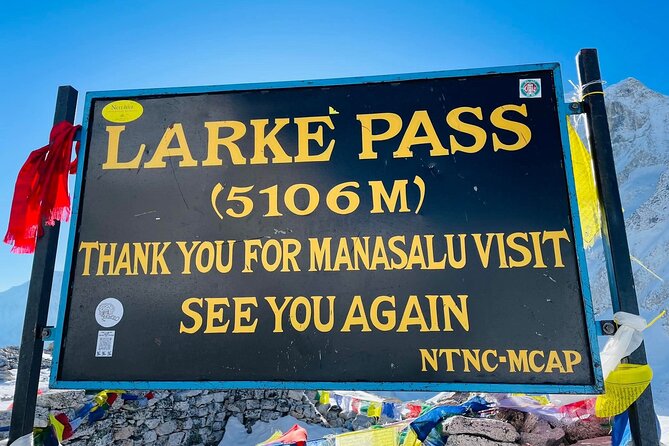
Day 7 is set aside for acclimatization, with a maximum altitude of 4,400 meters at Manaslu Base Camp. This is not a wasted day. It is one of the most useful parts of the schedule.
The idea is to gain height during the day and return to a lower sleeping altitude at Sama Gaon. The route offers broad views of the Manaslu range and a closer look at the high mountain setting. You will likely notice the air becoming thinner and the walking effort increasing, even when the trail is not especially long.
I like that this itinerary includes a proper acclimatization day before the highest pass. Some fast itineraries cut rest days to save time, but that can make the pass day harder and less safe. Keep your expectations realistic. Acclimatization does not guarantee that you will feel perfect, but it gives your body a better chance to adjust.
Days 8 and 9: Samdo and the Tibetan frontier
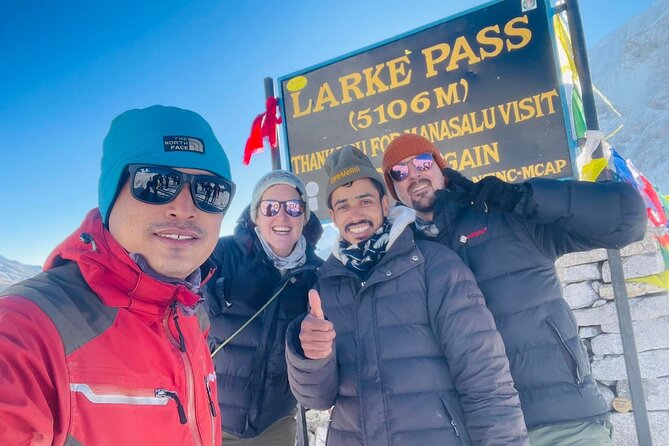
Day 8 takes about 4 to 5 hours to Samdo, at 3,690 meters. The route descends toward the Budhi Gandaki River before continuing toward the Manaslu Base Camp area and the Larkya La trail.
Samdo is close to the old trade routes leading toward Tibet. That location gives the village a strong sense of the borderland culture of the upper valley. The mountain scenery is broad and spare, and the route begins to feel much more exposed than the forested sections below.
Day 9 is another acclimatization day at Samdo. You explore the village and may hike higher into the valley toward one of the traditional trade passes to Tibet. The main reward is the view, but the larger value is practical: you spend another night at altitude before moving toward Larkya Phedi.
This is a good day to ask your guide about the next two stages. The pass day begins early and can be cold, long, and tiring. Knowing the plan helps you manage food, clothing, water, and sleep.
Day 10: Larkya Phedi at 4,460 meters
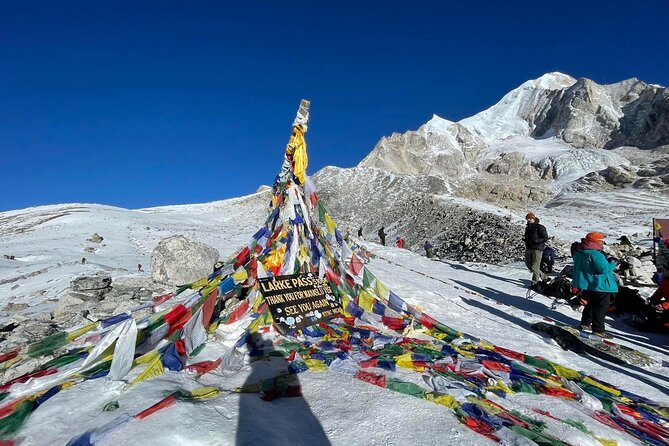
On Day 10, you walk 4 to 5 hours toward Dharamshala, also called Larkya Phedi or Larkya Base Camp. The route crosses a wooden bridge over the Budhi Gandaki and passes two streams.
Larkya Phedi sits at about 4,460 meters. This is a high overnight stop, and the facilities are likely to feel basic compared with Kathmandu or lower villages. The point is not comfort. It is position. You need to sleep as close as possible to the pass so you can cross Larkya La the next day.
This short walking day can still feel demanding because of the altitude. Eat what you can, prepare your layers before bedtime, and keep your day bag organized. A warm sleeping bag and down jacket may be provided if necessary, but confirm what is available for your departure and what must be returned after the trek.
Day 11: Crossing Larkya La Pass
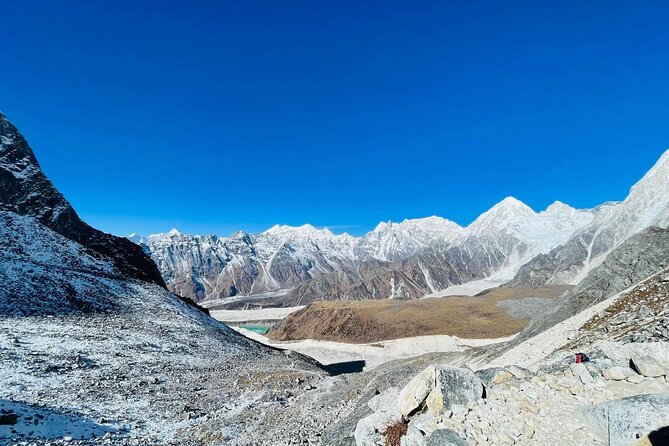
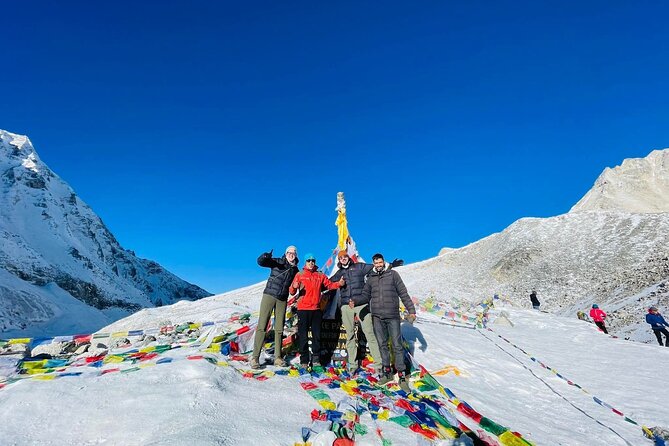
Day 11 is the central challenge of the trek. You walk 7 to 8 hours and reach 5,160 meters at Larkya La Pass.
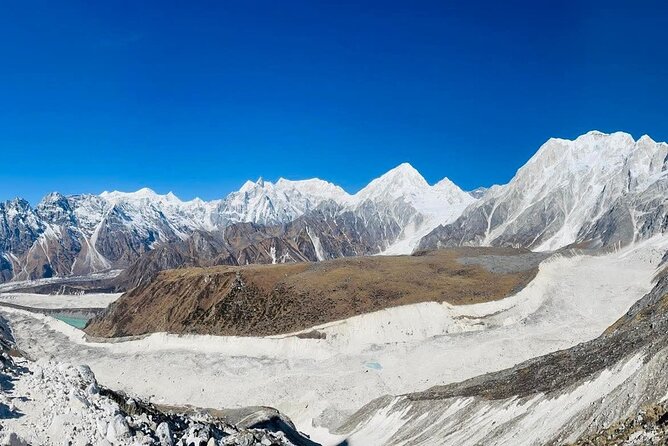
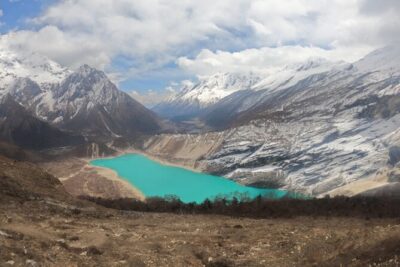
The route passes through a valley with views of Cho Danda and Larkya Peak, then continues over glacial moraines. The terrain is high, cold, and demanding. The pass is not a casual viewpoint reached by a short path. You need stamina, careful footing, and enough time for a slow pace.
This is where a good guide matters most. A guide who matches your speed, as Raj has been associated with doing, can help keep the day controlled rather than frantic. I would rather cross slowly and safely than arrive early and exhausted.
Weather can affect the pass day, and mountain conditions are never fully predictable. Your itinerary may need to change if the guide decides that conditions are unsafe. The stated emergency plan says helicopter service can be arranged and paid through your travel insurance, but rescue and evacuation are not included in the tour price. Personal insurance with high-altitude trekking coverage is essential.
Days 12 and 13: The descent to Bimthang and Dharapani
After the pass, Day 12 takes about 9 hours to Bimthang, at 3,720 meters. The descent is rewarding because the route changes again, but it can be tough on tired knees.
Bimthang marks the end of the most demanding high section. You are still in the mountains, but the lower altitude should feel easier after Larkya La. The day remains long, so do not assume that going downhill makes it effortless.
Day 13 takes another 8 to 10 hours to Dharapani, at approximately 1,963 meters. This final stage combines walking and the return journey from the trekking area. The trip then continues by bus from Dharapani to Kathmandu.
The return road transfer is another long day. It is a practical ending rather than a leisurely finale, but it completes the point-to-point route from Machha Khola to Dharapani. A farewell dinner in Kathmandu is included, giving you a proper final evening after nearly two weeks of mountain travel.
What the $1,500 price really covers
At $1,500 per person, this trip offers solid value if you want the major logistics handled. The price includes:
- Bus transport from Kathmandu to Machha Khola
- Bus transport from Dharapani to Kathmandu
- A government-licensed trekking guide
- Guide food and insurance
- Tea house or lodge accommodation
- Manaslu restricted-area permit
- Manaslu Conservation Area Permit
- Annapurna Conservation Area Permit
- Breakfast for 13 days
- Lunch for 13 days
- Dinner for 12 days
- Sleeping bag, down jacket, and duffle bag when necessary
- First-aid kit and oximeter
- Taxes and service charges
- A farewell dinner in Kathmandu
That list matters because permits and transport in a restricted trekking area are not small details. Buying the trek as a package also gives you one point of contact for the route, guide, lodges, and emergency planning.
You still need to budget for Kathmandu meals, drinks, personal insurance, tips, international airfare, visa costs, and porter service. Kathmandu accommodation upgrades are also extra. The lack of a porter is the biggest practical omission for many people. You can carry your own bag, but that adds strain on the long days and the pass crossing.
Who should book this trek
I would recommend it to fit hikers who want a quieter Himalayan route and who value cultural contact as much as famous mountain views. It suits people who can handle several hours of walking, basic tea house lodging, long road transfers, and a high pass day.
The private format is a good choice if you want to keep your own pace or travel with a partner. It is not suitable for a solo booking under the stated rules, since at least two people are required for this restricted area.
I would be cautious if you dislike rough transport, simple accommodation, cold mornings, or uncertain mountain schedules. You also need travel insurance that covers trekking and evacuation. The tour price does not cover rescue costs.
The cancellation terms are fairly strict near departure. You can receive a full refund by canceling at least six full days ahead, while cancellations two to six days before departure receive 50 percent. Cancellations less than two full days before the start are not refunded.
Should you book it?
Book this Manaslu Circuit Trek if you want a demanding, scenic route with strong cultural character and a private guide team. The included permits, meals, lodging, guide, gear support, and road transport make $1,500 a reasonable package price.
Before paying, confirm three things: who your guide will be, whether a porter can be added, and what insurance level is required for evacuation. If Yaka or Raj is available, you can ask for them by name. If Laxman is assigned to help carry bags, clarify whether that is part of a separate porter arrangement.
This is a good choice for an active pair who wants Nepal at a slower, quieter pace. It is not the right trip for someone looking for comfort, short walking days, or a simple mountain holiday.
FAQ
How long is the Manaslu Circuit Trek?
The scheduled experience lasts approximately 13 days, from the drive to Machha Khola through the trek to Dharapani and the return journey toward Kathmandu.
What is the highest point on the trek?
The highest point is Larkya La Pass at 5,160 meters. The itinerary also includes Manaslu Base Camp at 4,400 meters.
Is this a private trek?
Yes. Only your own group participates. At least two people are required to book because the Manaslu area is restricted.
Is a porter included?
No. Porter service for your bag is not included in the stated price. A sleeping bag, down jacket, and duffle bag may be supplied when necessary, but these items are returned after the trek.
What meals are included?
The package includes 13 breakfasts, 13 lunches, and 12 dinners during the trek. Meals in Kathmandu and drinks during the trek are not included.
What permits are included?
The price includes the Manaslu Restricted Permit, Manaslu Conservation Area Permit, and Annapurna Conservation Area Permit.
Just added around Kathmandu
- Traditional Momo Making Class★ 5.0 · 10 reviews
- Wildlife Adventure in Chitwan Nepal★ 4.0 · 4 reviews
- Walking tour of real Kathmandu through back streets.★ 5.0 · 3 reviews
- Kathmandu 2 Nights 3 Days Chitwan Jungle Safari Tour★ 5.0 · 9 reviews
- Kathmandu Street Food Walking Tour – Eat Like a Local★ 5.0 · 3 reviews
- Walking tour of Kathmandu with awesome local guides★ 5.0 · 4 reviews
- Visit Swayambhunath and Bauddhanath Stupa with Guide★ 5.0 · 5 reviews
- Regular Yoga for all levels of practitioners in Kathmandu★ 5.0 · 4 reviews
Manaslu Circuit Treks from Kathmandu, compared.
16 Day Private Manaslu Circuit Trek from Kathmandu
Read our review →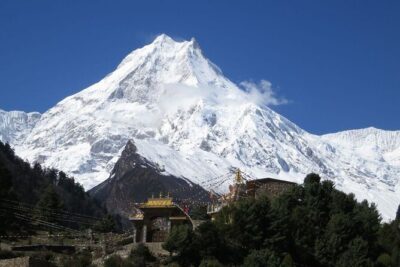
10 Days Manaslu Circuit Trek in Larke La Pass
Read our review →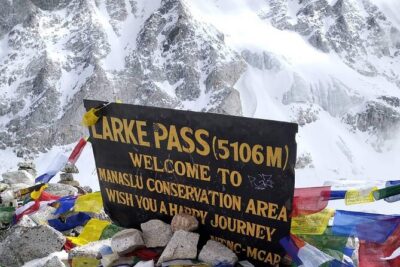
Manaslu Circuit Trek 8th Highest in the World
Read our review →
Manaslu Circuit Trek to the Beauty of 8th Highest Mountain
Read our review →
Browse the lists this tour appears in