
Reviewed · KATHMANDU COOKING CLASSES
Traditional Momo Making Class
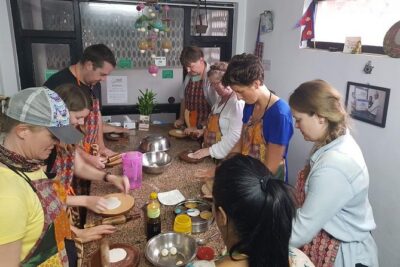
Nepal’s most lovable comfort food is not hard to make once someone shows you the trick. At Women Led Namaste Cooking School in Thamel, local women chefs guide you through kneading dough, seasoning fillings, and folding momos into neat shapes before you sit down to eat them. It is a hands-on class, not a cooking demonstration where you watch someone else do the work.
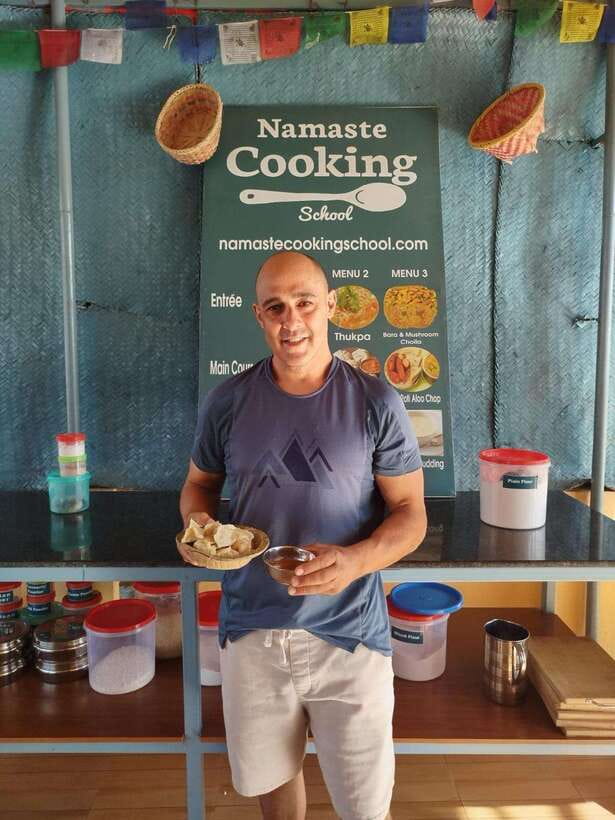
I like the friendly local instruction, especially with lead trainer Sushi, and the clean, bright kitchen that makes the class feel easy for first-time cooks. I also like the price: $15 includes ingredients, instruction, your handmade momos, and welcome masala chai. The main point to note is timing. The activity is sold as 1.5 hours, but you should allow extra time, since a class can run longer when the group is chatting and having fun.
Key points at a glance
- Sushi leads the class: Lead trainer Sushi teaches in English and helps turn each stage into a practical cooking lesson.
- You make the entire momo: The class covers dough, filling, folding, and tasting, rather than only showing you one part of the process.
- Fresh ingredients and Nepali spices: The food preparation gives you a close look at everyday local flavors and techniques.
- A clean, bright setting: The kitchen has been praised for being tidy, peaceful, and well suited to a hands-on class.
- Good for families: An 11-year-old participant was able to help with chopping and folding, making this a workable choice for children who enjoy cooking.
- Plan for flexible timing: The advertised class lasts 1.5 hours, but the experience may continue beyond that.
Why momos make such a good Kathmandu food class
Momos are one of the easiest ways to connect food with daily life in Nepal. You see them everywhere in Kathmandu, but eating a plate in a restaurant does not show you how much care goes into each dumpling.
This class lets you handle the complete process. You start with the dough, prepare the filling, and learn how to bring the edges together. The folding is the part that looks simple until you try it. A local chef can correct your grip, show you how much filling to use, and help you produce a shape that will hold together during cooking.
That practical focus is the real value. You are not just tasting Nepalese food. You are learning a dish you can recreate at home, using the recipe and methods introduced during the class. One participant from Singapore planned to make momos at home after returning, which is a good sign for anyone who wants a lasting souvenir rather than another photograph.
Momos also have a place in Nepali celebrations as well as ordinary meals. The class gives you some cultural context without turning the afternoon into a lecture. You learn why this dish matters while working with the ingredients and eating the result.
More cooking classes in Kathmandu:
- Half day cooking class in Thamel kathmandu
★ 5.0 · 607 reviews - Kathmandu: Local Women-Led Nepali Cooking & Momo Class
★ 4.9 · 360 reviews - Kathmandu: Local Lead Nepali Cooking & Momo-Making Class
★ 5.0 · 212 reviews
Arriving in Thamel for the cooking lesson
The school is in Thamel, Kathmandu’s popular visitor district. Hotel pickup and drop-off are not included, so you need to make your own way there. For a smooth start, arrive about 10 minutes early, especially if you are unfamiliar with the surrounding streets.
Thamel is useful for this kind of activity because you can pair the class with time on foot before or after it. You might browse the area first, then arrive ready to cook, or save your walk for afterward when you have a new appreciation for the food on local menus.
The exact meeting arrangement and starting time should be checked when you book. The class is offered in English, which makes it practical for international visitors who want to ask questions as they work. Wear comfortable clothes and shoes suitable for cooking. You do not need formal attire, but loose sleeves and footwear you can stand in comfortably are sensible choices.
Welcome masala chai and the first introductions
The class begins with welcome masala chai. It is a small touch, but it sets the tone better than rushing straight to a work surface. You have a moment to meet the chefs, settle in, and get familiar with the kitchen.
The women leading the class are part of what gives the experience its personal feel. The instruction is described as warm and cheerful, and Sushi is specifically identified as the lead trainer. She teaches in English and guides participants through the steps rather than leaving them to guess.
This is also where the group atmosphere matters. The class can be social, and the time may stretch when people are talking and enjoying themselves. That is pleasant if you have room in your schedule. It is less convenient if you have a tight appointment immediately afterward, so do not book this right before a flight, timed museum visit, or other fixed plan.
Kneading dough from scratch
The first real cooking task is the dough. You learn how to combine and knead it so the wrappers have enough structure to hold the filling without becoming tough.
For a beginner, this is a useful place to start because dough teaches you to pay attention to texture. You are working with your hands, and the chef can show you what the mixture should feel like instead of asking you to follow an abstract recipe. That kind of guidance is hard to get from a cookbook.
The dough stage also gives the class a good pace. You are not expected to produce perfect dumplings immediately. You learn the foundation first, then use it for the more visual folding work later.
If you have children with you, this may be one of the easiest jobs for them to join. An 11-year-old participant was keen to help with the chopping and did well with folding. The class is not described as a special children’s program, but the hands-on format can suit a family with a child who enjoys taking part in kitchen tasks.
Same city, a completely different sort of day:
- Everest Base Camp Trek – 14 Days
★ 5.0 · 1,499 reviews - Private Kathmandu Sightseeing Tour | UNESCO World Heritage sites
★ 5.0 · 756 reviews - Everest Base Camp Helicopter Tour landing at Everest View Hotel
★ 5.0 · 668 reviews - Everest Base Camp Trekking
★ 5.0 · 485 reviews
Preparing fillings with local ingredients
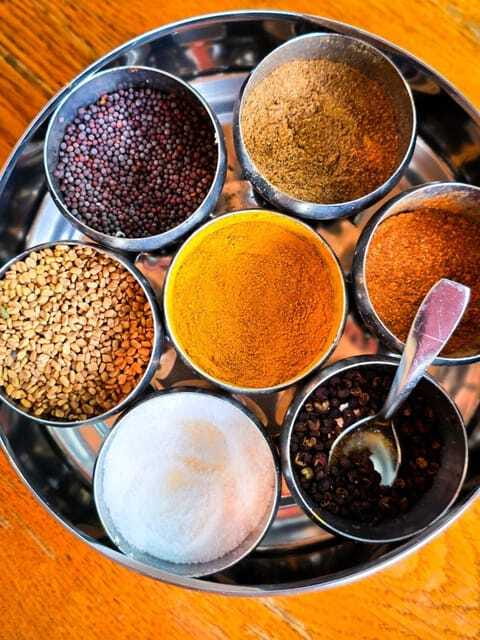
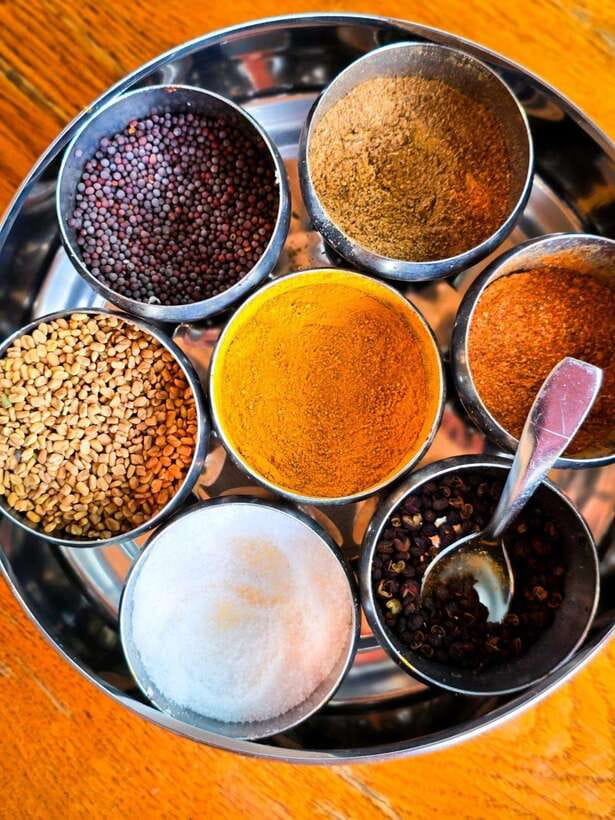
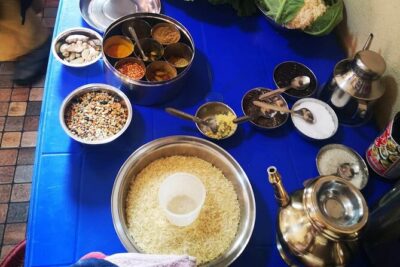
Next comes the filling. The school uses fresh, locally sourced ingredients and authentic Nepali spices, giving you a direct look at the flavors behind the finished dish.
The exact filling recipe is not specified, so you should not expect a particular meat or vegetable version unless the school confirms it before class. What is clear is that you will prepare the filling yourself, rather than simply receiving a bowl that someone else has made.
This stage is valuable because the balance of filling affects everything that follows. Too much makes folding difficult. Too little leaves a disappointing bite. You also learn how seasoning works in a dumpling, where the wrapper softens the flavor and the filling needs enough character to carry the dish.
The preparation is kept approachable. You are there to learn a useful Nepali dish, not to pass a professional cooking exam. Experienced chefs explain each step and let you do the work, which gives you a better chance of remembering the method once you are back home.
Learning the folds that make a momo
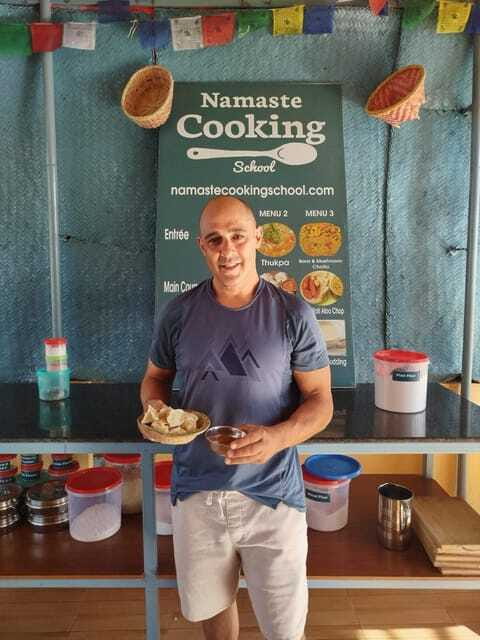
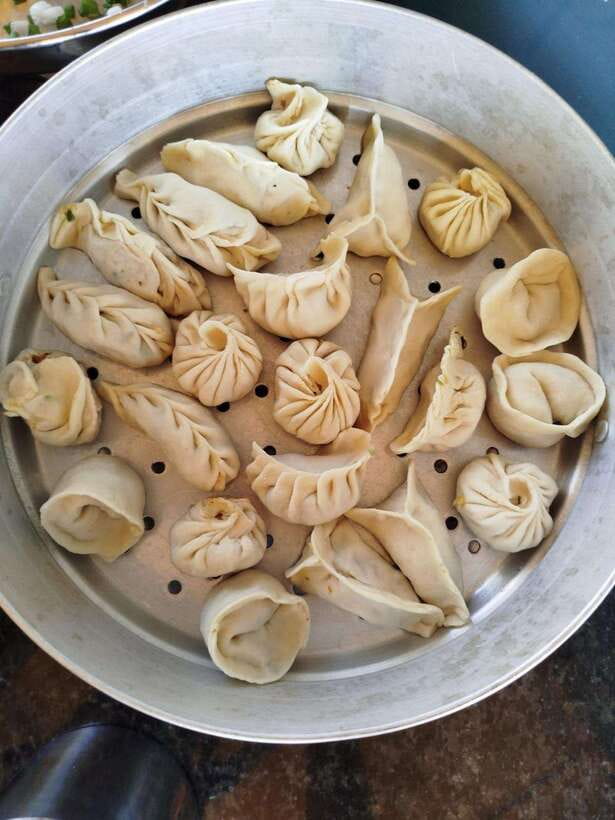
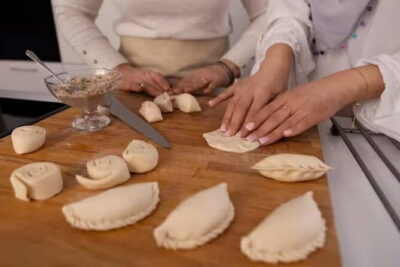
Folding is the most distinctive part of the class. The chefs show you how to shape the dumplings into traditional forms, then you try it yourself.
This is where the class becomes playful. Your first momo may not look like the chef’s, and that is part of the fun. You get to practice the pressure of your fingers, the amount of filling, and the pattern of the folds. As you make more, the movements begin to feel natural.
Do not judge the class by how perfect your first dumpling looks. The point is to understand the technique well enough to repeat it at home. The guidance matters here, since a demonstration alone cannot show you why one fold holds and another opens.
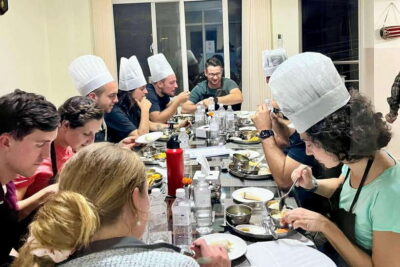
The class also gives you a small window into the social side of cooking. A group making dumplings together tends to talk, compare shapes, and laugh at the odd-looking ones. Traditional Nepali music may be part of the atmosphere, and one family even danced a little during the session. That will not appeal to someone seeking a silent, formal lesson, but it suits the relaxed character described for the school.
Cooking and tasting your own momos
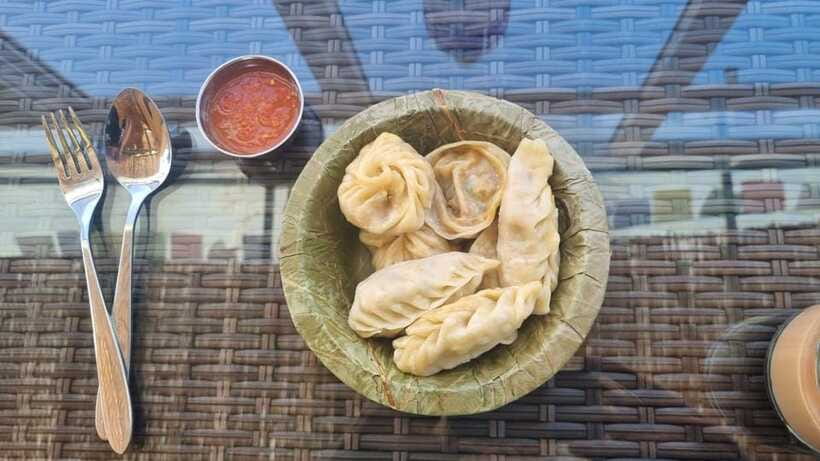
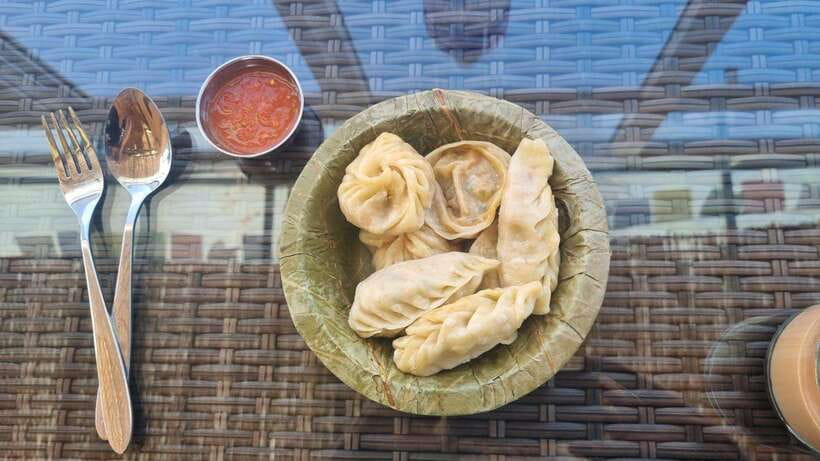
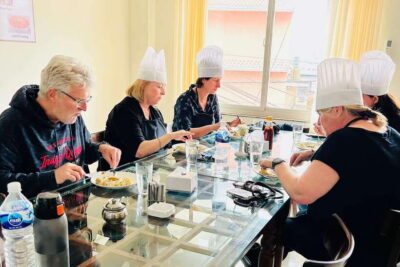
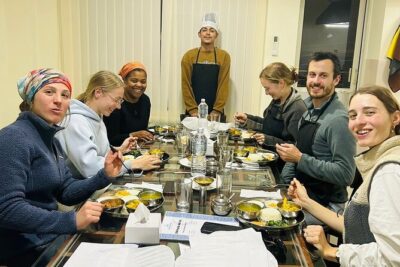
At the end, you taste the momos you made. This is more satisfying than receiving a prepared dish because you have followed every stage from flour to finished dumpling.
You get to assess the result for yourself. Is the wrapper too thick? Did the filling stay juicy? Did your fold hold together? Those observations help the recipe stick in your mind. Even an imperfect plate can teach you something useful for the next batch.
The food is only one part of the payoff. You also get the pleasure of sitting down with the people who taught you and sharing what you prepared. The setting has been described as calm, light-filled, and clean, with some classes held on a rooftop terrace. The available information does not promise that every session takes place there, so treat the rooftop as a possible feature rather than a guarantee.
The class includes the ingredients and tasting, so you do not need to pay extra for the food made during the lesson. Welcome masala chai is also included. Any other meal, drink, or food outside the class is not specified, so do not plan on this replacing a full day of eating in Kathmandu.
What the $15 price really covers
At $15 per person, this is a strong value if you want an activity that combines a meal with a skill. You receive 1.5 hours of instruction, ingredients, guidance from local chefs, tasting, and masala chai. You also leave with a method you can try again at home.
The value is especially good for solo visitors and couples who want more than a restaurant meal but do not want to spend a large amount on a full culinary program. Families may also find it worthwhile because children can take part in chopping and folding, provided they are comfortable following kitchen instructions.
The price does not include transportation. Since the school is in Thamel, you need to arrange your own route, and you should also account for the fact that the session may last longer than advertised. The listed duration is 1.5 hours, while the longer description refers to three hours. That conflict is worth clarifying before you reserve. At minimum, keep your schedule open beyond the 90-minute mark.
The flexible booking policy helps if your Kathmandu plans are still moving around. You can reserve now and pay later, and cancellation is allowed up to 24 hours before the start time for a full refund. Those terms make it easier to fit the class into a changing itinerary.
Who will enjoy this class most
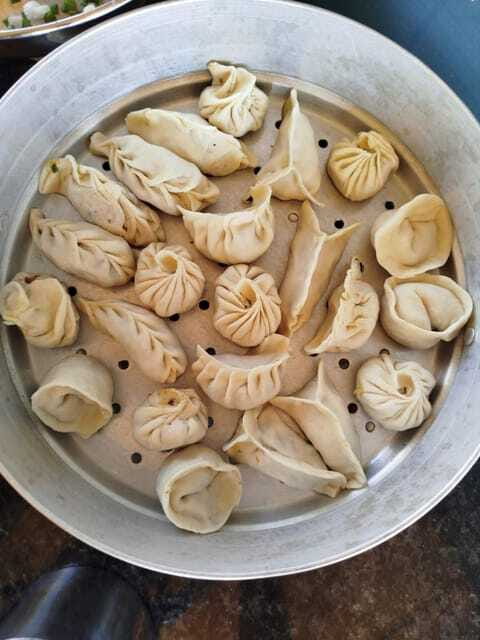
I would choose this for you if food is one of your main ways of understanding a place. You do not need advanced cooking skills. In fact, beginners may get the most from the clear sequence: dough, filling, folds, then tasting.
It also suits:
- Families with children who enjoy practical activities
- Couples looking for a shared afternoon in Kathmandu
- Solo visitors who like meeting local people through food
- Home cooks who want a Nepali recipe to repeat later
- Anyone who has eaten momos but never learned how they are made
You may want to skip it if you dislike group cooking, have a strict schedule, or want a highly formal lesson with exact professional timings. The social side is part of the appeal, and the class may run long when the group is engaged.
The activity is taught in English. The available information does not give a full breakdown of dietary accommodations, filling choices, allergies, or kitchen accessibility. If any of those affect your decision, ask the school before booking rather than assuming the standard class will meet your needs.
A practical plan for your Kathmandu day
Set aside more than the advertised 1.5 hours. Arrive 10 minutes early, allow time to find the school in Thamel, and leave a cushion afterward in case the class continues beyond the planned end.
Wear clothing you can cook in without worry. You will be handling dough, fillings, spices, and kitchen tools, so comfort matters more than looking dressed up. Shoes should be suitable for standing and moving around a cooking space.
You do not need to arrange a separate meal immediately before the class if you prefer to arrive hungry enough to taste your work. Still, the information provided does not promise a large meal, so treat the tasting as part of the lesson rather than a full restaurant lunch or dinner.
For the best day, pair the class with a walk around Thamel. The district gives you something to do before or after, and the location means you can keep this as a compact Kathmandu activity rather than committing to a long transfer across the city.
Is the Traditional Momo Making Class worth booking?
Yes, if you want a friendly, affordable food lesson with real participation. The strongest reasons to book are the local women chefs, English instruction, clean cooking space, practical recipe, and the chance to eat what you make. Sushi’s cheerful teaching style and the relaxed atmosphere add a human touch that a standard demonstration lacks.
Book with two cautions in mind. You must arrange your own transport, and the duration is not perfectly clear. Confirm the timing if your schedule is tight, then leave room for the class to run over.
For $15, this is an easy choice for curious cooks, families, and anyone who wants to carry a small part of Nepal home in a usable form. If you only want to eat momos, a restaurant is faster. If you want to understand them, make them, and share a relaxed kitchen hour with local chefs, this class earns its place in a Kathmandu itinerary.
FAQ
Where does the momo making class take place?
The class takes place at Women Led Namaste Cooking School in Thamel, Kathmandu, in Nepal’s Bagmati Zone.
How long does the class last?
The activity is listed as 1.5 hours. The longer description and direct experience information indicate that it may continue beyond that, so leave extra time in your schedule.
How much does the class cost?
The price is $15 per person.
Is the class taught in English?
Yes. The instructor language is English, and lead trainer Sushi is identified as an English-speaking teacher.
What is included in the price?
The price includes the 1.5-hour momo making class, ingredients, guidance from local chefs, tasting of your handmade momos, and welcome masala chai.
Is transportation included?
No. Hotel pickup and drop-off are not included, so you must arrange your own transportation to and from the school.
Can I cancel for a full refund?
Yes. You can cancel up to 24 hours before the experience starts for a full refund.
Just added around Kathmandu
- Wildlife Adventure in Chitwan Nepal★ 4.0 · 4 reviews
- Walking tour of real Kathmandu through back streets.★ 5.0 · 3 reviews
- Kathmandu 2 Nights 3 Days Chitwan Jungle Safari Tour★ 5.0 · 9 reviews
- Kathmandu Street Food Walking Tour – Eat Like a Local★ 5.0 · 3 reviews
- Private Manaslu Circuit Trek at Himalayas★ 5.0 · 3 reviews
- Walking tour of Kathmandu with awesome local guides★ 5.0 · 4 reviews
- Visit Swayambhunath and Bauddhanath Stupa with Guide★ 5.0 · 5 reviews
- Regular Yoga for all levels of practitioners in Kathmandu★ 5.0 · 4 reviews
Kathmandu Cooking Classes, compared.
The best Private Nepali Cooking Class in Kathmandu
Read our review →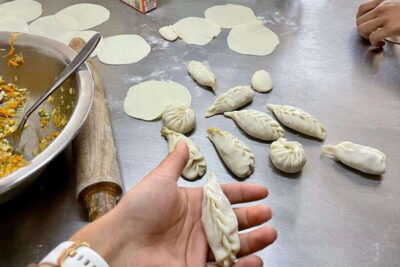
Browse the lists this tour appears in