
Reviewed · KATHMANDU COOKING CLASSES
Kathmandu: Traditional Momo Making Class & Pickup
The best part of this Kathmandu class is that you do not simply sit down to eat momo. You learn the whole process, from choosing ingredients at a local market or shop to folding dough and steaming the dumplings. The small-group format means you can ask questions and get help with the tricky shapes.
I like the choice of fillings, including veggie, vegan, and chicken, and I like that you can try regular momo or soup momo. The complimentary masala tea is a fine finish. The one thing to consider is timing: the class starts at 1 PM and may last from 1.5 to 2 hours, so it is less useful if you need a quick meal between tight sightseeing plans.
Key points at a glance
- Make momo from scratch: Prepare the dough, filling, folds, and steaming with local instruction.
- Shop for fresh ingredients: Begin with a guided market or shop visit for the food you will cook.
- Pick your momo style: Choose veggie, vegan, or chicken fillings, with regular or soup momo available.
- Eat what you make: Finish with a tasting session and a cup of Nepali masala tea.
- Small class size: Groups are limited to 10, allowing more direct help at the cooking table.
- Easy Kathmandu access: Walk about 10 to 15 minutes from Thamel, or arrange optional pickup within Kathmandu Valley.
Why momo makes a good Kathmandu food lesson
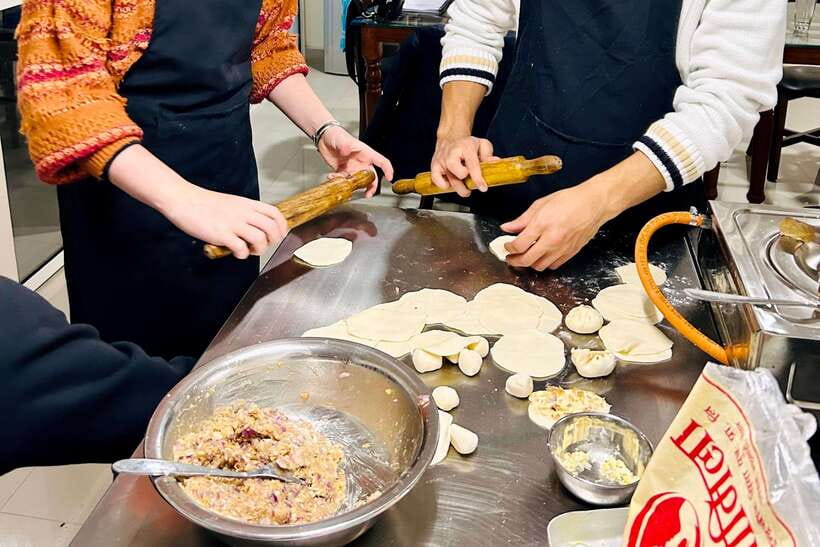
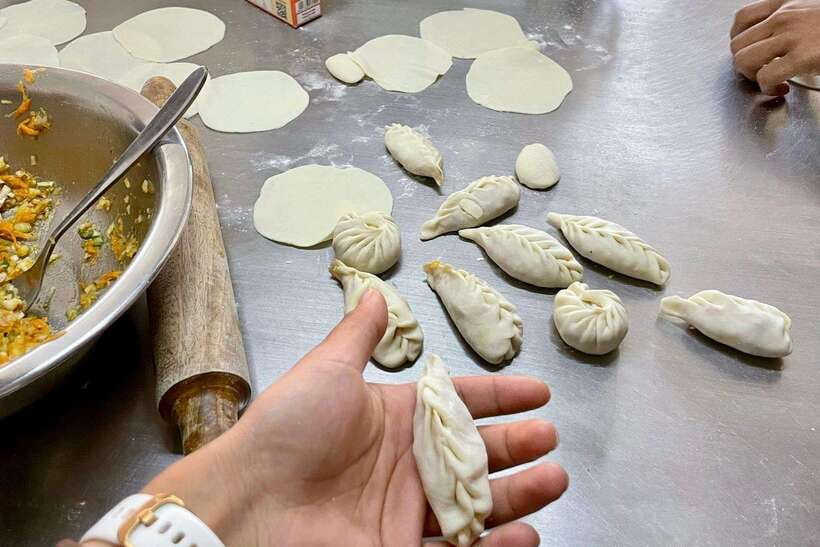
Momo is one of Nepal’s most familiar foods, but eating a plate of dumplings does not tell you much about how they are made. This class gives you the useful middle step. You handle the ingredients, learn the dough, and practice the folding until the shapes begin to look less like accidental parcels and more like momo.
That hands-on work is the reason I would choose this class over a simple restaurant meal. You leave with a better sense of the time, care, and technique behind a dish you will likely encounter all over Kathmandu.
The experience takes place at Kathmandu Cooking Academy, in an area that is easy to reach from Thamel. If you are staying nearby, the 10 to 15 minute walk is simple enough. Look for the academy signboard outside the building, then head inside to the registration area.
The listed price is $4 per person, which makes this unusually inexpensive for a two-hour food activity. At that rate, the value comes from the combination of instruction, ingredients, equipment, tasting, and tea. Optional hotel pickup is also available within Kathmandu Valley, though you should provide your hotel information in advance if you choose it.
More cooking classes in Kathmandu:
- Half day cooking class in Thamel kathmandu
★ 5.0 · 607 reviews - Kathmandu: Local Women-Led Nepali Cooking & Momo Class
★ 4.9 · 360 reviews - Kathmandu: Local Lead Nepali Cooking & Momo-Making Class
★ 5.0 · 212 reviews
Starting with a local ingredient stop
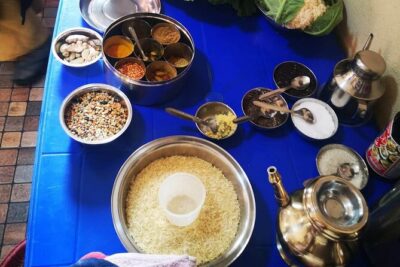
The class begins with a market or shop tour to select fresh ingredients. This is a short but useful part of the experience because it shows you what goes into the dish before the cooking starts.
For a visitor, the ingredient stop can make the recipe easier to understand. Instead of seeing a finished dumpling and trying to guess what is inside, you can connect the vegetables, chicken, seasonings, and dough with the final plate. The tour is also a chance to see a little of Kathmandu’s everyday food shopping.
The supplied information describes the ingredient selection as covering vegetable or chicken momo. If you need vegan food, contact the academy before booking so the kitchen can prepare for your request. You should also report allergies or other dietary restrictions ahead of time. Do not wait until the cooking begins, especially if several people in your group need different fillings.
The market portion is not a full sightseeing tour, and it should not be treated as one. Its main purpose is practical: gather ingredients and set up the meal you will prepare. That keeps the focus on cooking.
Preparing the dough and filling
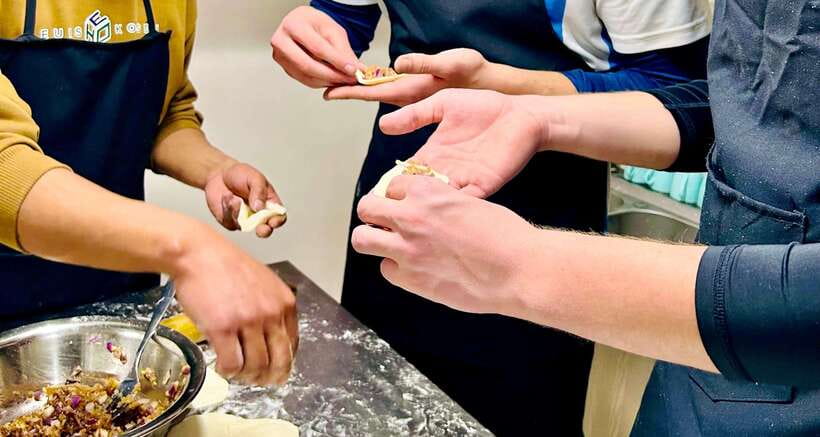
Back at the academy, the instructor takes you through the basic stages. You prepare the dough, make the filling, and learn how to combine everything before shaping the dumplings.
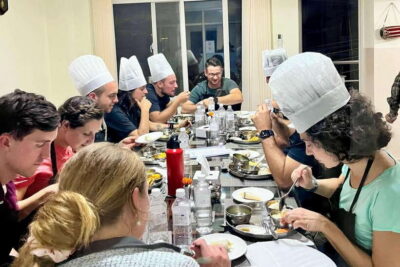
This is where the small group matters. The class is limited to 10 participants, so you have a better chance of getting direct help instead of watching from the back of a crowded room. Several cooks have taught the class, including instructors named Bikram and Birfan in past sessions. The staff may vary, but the format is built around local cooks working directly with the group.
The cooking equipment and accessories are provided. You do not need to pack special tools or ingredients. Bring a camera if you want pictures, but keep your hands free during the work itself. Momo making involves repeated chopping, mixing, rolling, and folding, so this is an activity rather than a demonstration.
The class suits first-time cooks. You do not need to arrive knowing how to fold a dumpling. The teaching includes easy ways to chop and combine ingredients, and the instructor helps you correct the shape as you practice.
Learning the fold without losing patience
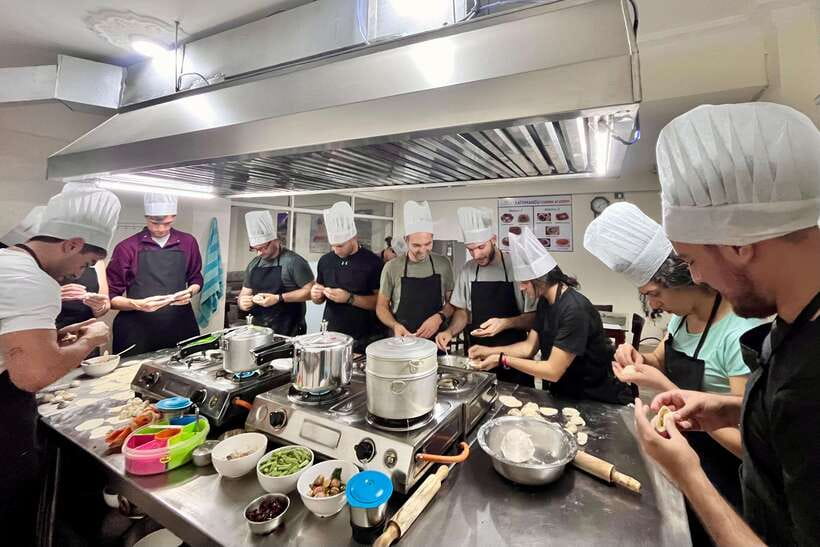
Folding momo looks simple until you try it. The dough has to be thin enough to work with, but strong enough to hold the filling. The dumpling then needs a sealed edge so it survives steaming.
Expect your first few pieces to look uneven. That is part of the fun, and the class allows time to practice. One useful point from the cooking sessions is that patience matters more than neatness at the start. A calm instructor can show you a simpler way to form the shape, then let you repeat it.
The teaching style appears to be encouraging and practical. Bikram has worked with groups ranging from children to older adults, and another instructor, Birfan, has led a small group through local recipes. The class is not limited to serious food students. It can work for a family, a couple, or a solo visitor who wants an activity with a clear result.
Children under five are not suitable for this experience, and the stated upper age limit is 95. Those limits are worth noting for multigenerational groups. A past family group included ages from 7 to 75, which gives you a useful sense of the activity’s range, but you should still consider how long each person can comfortably stand, chop, and work at a kitchen table.
Same city, a completely different sort of day:
- Everest Base Camp Trek – 14 Days
★ 5.0 · 1,499 reviews - Private Kathmandu Sightseeing Tour | UNESCO World Heritage sites
★ 5.0 · 756 reviews - Everest Base Camp Helicopter Tour landing at Everest View Hotel
★ 5.0 · 668 reviews - Everest Base Camp Trekking
★ 5.0 · 485 reviews
Regular momo or soup momo
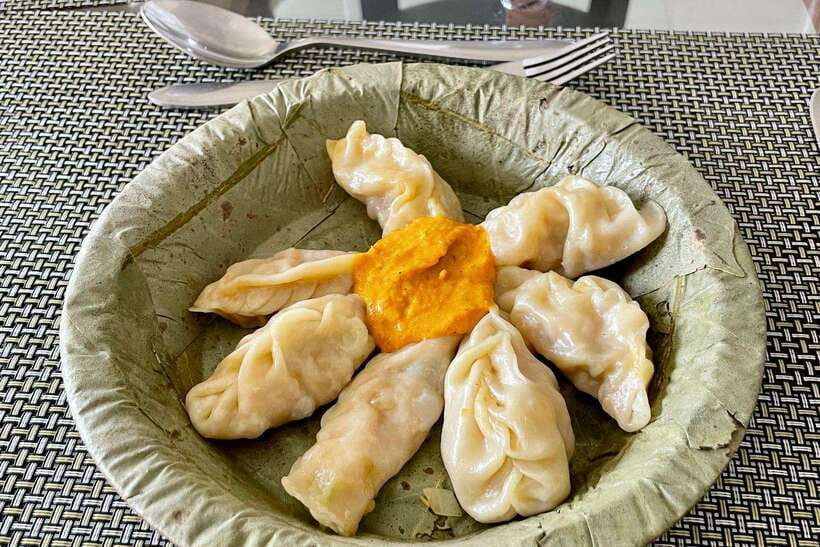
You can choose between regular momo and soup momo. Regular momo are the familiar steamed dumplings served with their filling inside. Soup momo offer a different challenge, since the liquid filling makes sealing and handling more important.
The choice gives the class some flexibility. If you are new to momo, regular dumplings may be the straightforward starting point. If you want to try something less familiar, soup momo add another technique to the lesson.
The available fillings include veggie, vegan, and chicken. That makes the class workable for different diets, but special requests need to be made before booking. The menu is not described as an open-ended cooking course, so do not assume you can request any ingredient or dish on the day.
Some past sessions have included more than momo, such as aloo chop, thukpa soup, or yomari. Those dishes appeared in particular cooking sessions, but the experience described here centers on the momo class. If you are specifically hoping to cook several Nepali dishes, ask the academy what your chosen session includes before you pay.
Steaming, tasting, and masala tea
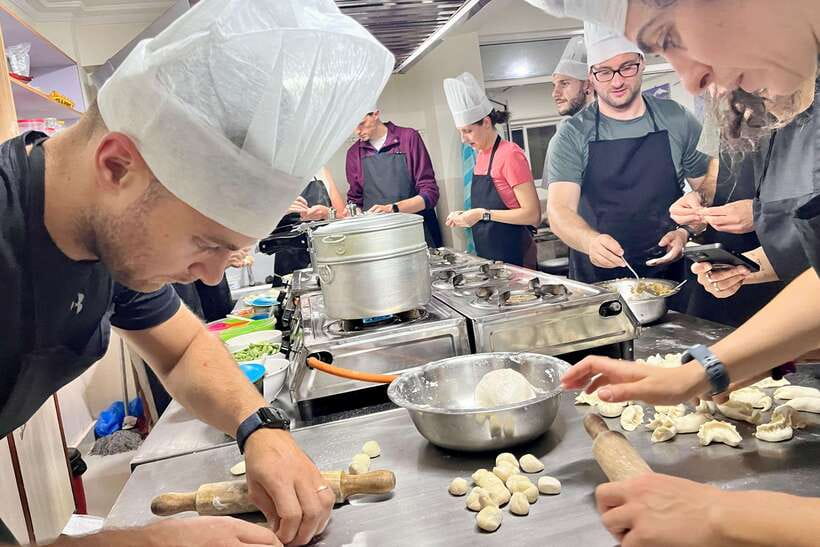
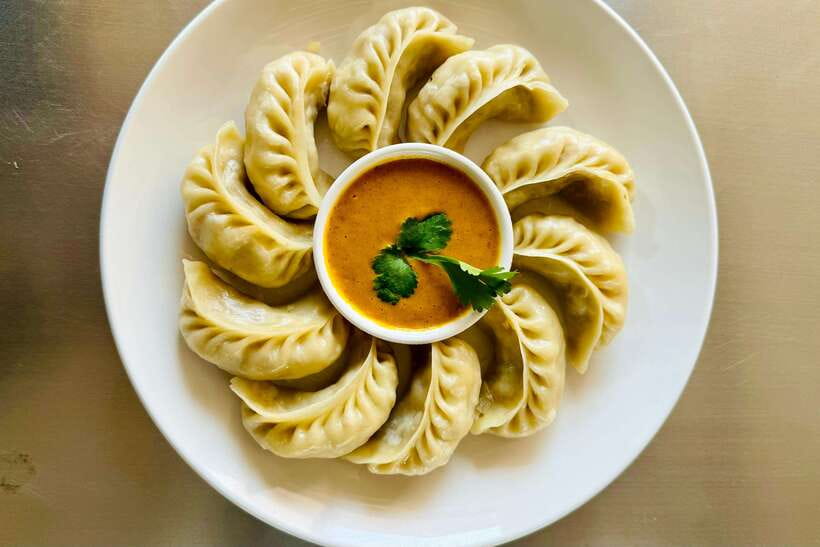
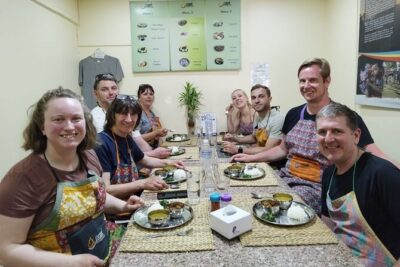
Once the dumplings are shaped, you steam them and then sit down to eat what you made. This tasting session is the payoff, but it is also part of the lesson. You can see how the dough, filling, folds, and cooking time come together in the finished food.
A cup of Nepali masala tea is included. It gives the class a pleasant close and adds a familiar Nepalese flavor beyond the dumplings. Specialty and alcoholic drinks are not included, so plan to pay separately if you want anything beyond the provided tea.
The food itself is likely to be the strongest reason to book. The class is short, but you are not simply watching a chef prepare lunch. You eat dumplings made through your own work, which makes the final plate more memorable and gives you a recipe you can try again at home.
The recipe book may need a little care. One participant found that some ingredients were missing from the written recipe, so take notes as the instructor explains the method. If you want to recreate the momo later, write down the filling proportions, seasoning, dough texture, and steaming time rather than relying only on the handout.
Timing, pickup, and the walk from Thamel
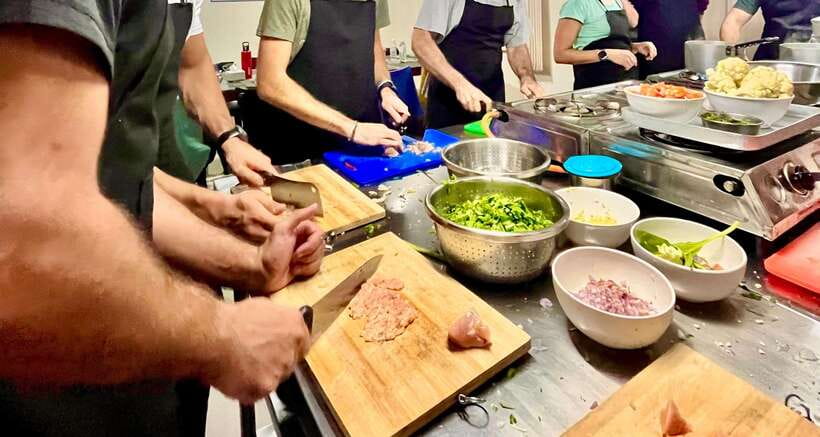
The class starts at 1 PM and lasts about 1.5 to 2 hours. The advertised duration is two hours, so allow the full two-hour window when planning your afternoon.
That start time works well after a morning of sightseeing. It is less convenient if you have a fixed afternoon tour, an airport transfer, or a long-distance departure. You should also allow time to reach the academy, especially if you are not staying near Thamel.
The academy is about a 10 to 15 minute walk from Thamel. The exact route depends on your starting point, and you should look for the signboard outside the building. Staff meet you at the entrance and direct you to registration.
Pickup and drop-off are available from any location within Kathmandu Valley when selected. This is helpful if you are staying outside the central Thamel area or prefer not to navigate Kathmandu traffic on your own. Give the academy your hotel details in advance. Pickup is optional, so the low advertised price should not be assumed to include transport unless you have selected that option.
How much value do you get for $4?
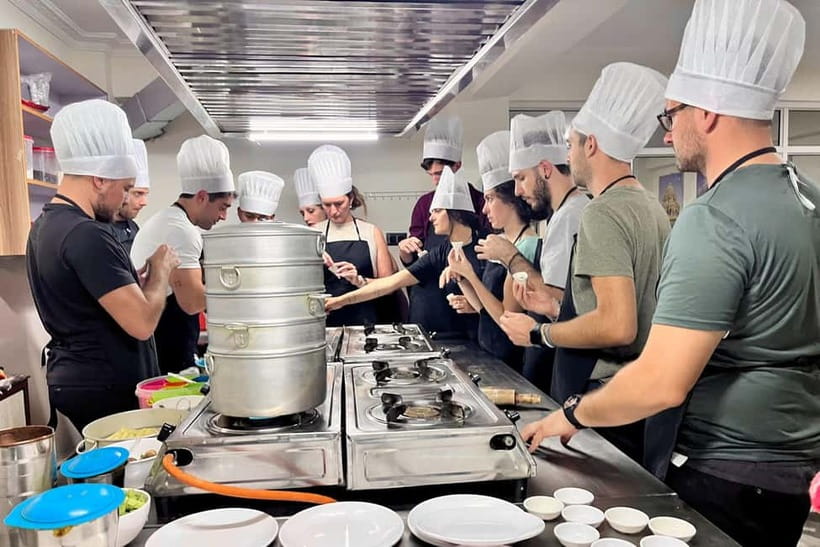
At $4 per person, this class offers strong value if the published inclusions match your needs. You receive local instruction, ingredients for the cooking session, equipment, a market or shop visit, the food you prepare, and masala tea.
The price is especially appealing for solo visitors and couples who want an affordable afternoon activity. It also keeps the financial risk low if you are unsure about taking a cooking class for the first time.
There are limits. Specialty drinks cost extra, and pickup is an optional service rather than an automatic part of the basic booking. The experience is also focused on one main food tradition, even though some sessions may include additional dishes. I would book it for the personal instruction and meal, not as a full Kathmandu food tour.
The free cancellation policy allows you to cancel up to 24 hours in advance for a full refund. You can also reserve and pay later, which helps if your Kathmandu schedule is still changing.
Who should book this class?
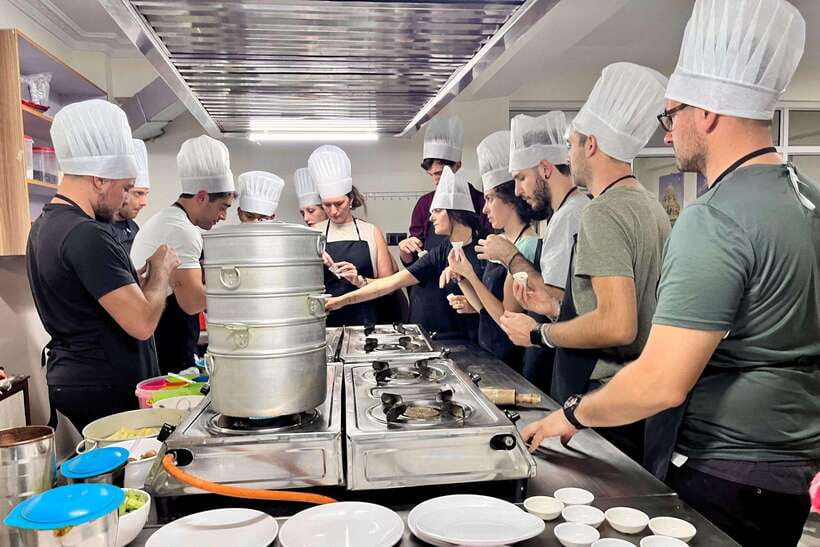
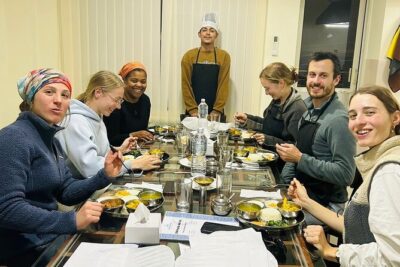
I would recommend it to anyone who likes food and wants more than a restaurant table. It is a good fit for beginners because the instructor demonstrates each stage and helps with the folding. It also suits people who want to learn a recipe they can attempt at home.
Families with children over five can enjoy the activity, provided everyone can take part safely. The past teaching setup has included both children and older adults, but the class still involves kitchen work, so younger children will need close adult help.
Vegetarians and vegans should contact the academy ahead of time. Chicken is also available for those who prefer it. The class is conducted in English, making it practical for English-speaking visitors who want to ask questions as they cook.
This is less suitable for anyone who dislikes hands-on activities or wants a polished restaurant lunch with no effort. You will chop, mix, shape, and wait for the dumplings to steam. That work is the point.
Should you book the Kathmandu momo class?
Book it if you want an inexpensive, social afternoon with a clear connection to Nepalese food. The combination of a local ingredient stop, direct instruction, choice of filling, and tasting makes the $4 price hard to fault.
I would make two checks before booking: confirm your dietary needs in advance and leave the full 1.5 to 2 hours free. If you do that, this class offers a simple way to understand momo from the inside out, and you may leave ready to host a momo meal at home.
FAQ
Where does the momo-making class take place?
The class takes place at Kathmandu Cooking Academy in Kathmandu. The academy is about a 10 to 15 minute walk from Thamel.
How long does the class last?
The session starts at 1 PM and lasts about 1.5 to 2 hours. The advertised duration is two hours.
Is hotel pickup available?
Yes. Optional pickup and drop-off are available from locations within Kathmandu Valley. Provide your hotel details in advance if you select pickup.
What types of momo can I make?
You can choose veggie, vegan, or chicken momo. Regular momo and soup momo are available options.
Is the class taught in English?
Yes. The instructor language is English.
Is this a small-group activity?
Yes. The group is limited to 10 participants.
Are ingredients and cooking equipment included?
Yes. The class includes ingredients selected during the market or shop tour, as well as the necessary cooking equipment and accessories.
Is food included at the end?
Yes. You eat the momo you prepare during a tasting session. A cup of Nepali masala tea is also included.
Are drinks included?
Nepali masala tea is included. Specialty drinks and alcoholic drinks are not included.
Can I cancel the booking?
You can cancel up to 24 hours in advance for a full refund. Reserve now and pay later is also available.
Just added around Kathmandu
- Traditional Momo Making Class★ 5.0 · 10 reviews
- Wildlife Adventure in Chitwan Nepal★ 4.0 · 4 reviews
- Walking tour of real Kathmandu through back streets.★ 5.0 · 3 reviews
- Kathmandu 2 Nights 3 Days Chitwan Jungle Safari Tour★ 5.0 · 9 reviews
- Kathmandu Street Food Walking Tour – Eat Like a Local★ 5.0 · 3 reviews
- Private Manaslu Circuit Trek at Himalayas★ 5.0 · 3 reviews
- Walking tour of Kathmandu with awesome local guides★ 5.0 · 4 reviews
- Visit Swayambhunath and Bauddhanath Stupa with Guide★ 5.0 · 5 reviews
Kathmandu Cooking Classes, compared.
The best Private Nepali Cooking Class in Kathmandu
Read our review →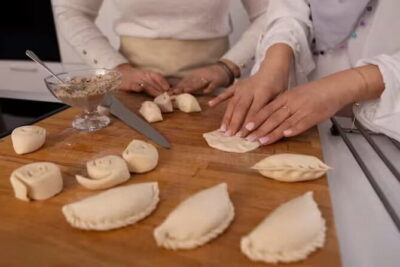
Best Nepali Cooking Class in Thamel with Local Market Trip
Read our review →Browse the lists this tour appears in