
Reviewed · KATHMANDU COOKING CLASSES
Kathmandu: Local Women-Led Nepali Cooking & Momo Class
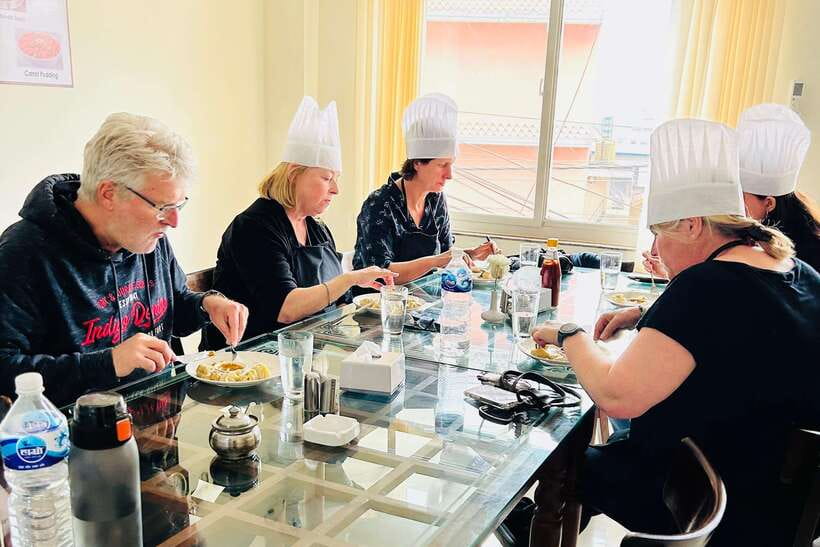
Momos are the star here, but the real treat is making an entire Nepali meal from raw ingredients. You walk through a local market, choose vegetables and spices, then return to the kitchen to shape dumplings, prepare fillings, and cook alongside local instructors such as Nishma, Nish, and Bikram.
I like the hands-on format, since you make the dough, filling, dipping sauce, and other dishes rather than simply watching a demonstration. I also like the women-led, small-group setting, which gives you time to ask questions and work at a comfortable pace.
The main consideration is access. The kitchen may involve stairs, and some routes through Thamel include steep sections. The advertised price is also unusually low at $4 per person, so check exactly which menu and pickup option your booking includes.
Key Points
- Market visit first: Help choose vegetables, spices, and other ingredients before cooking.
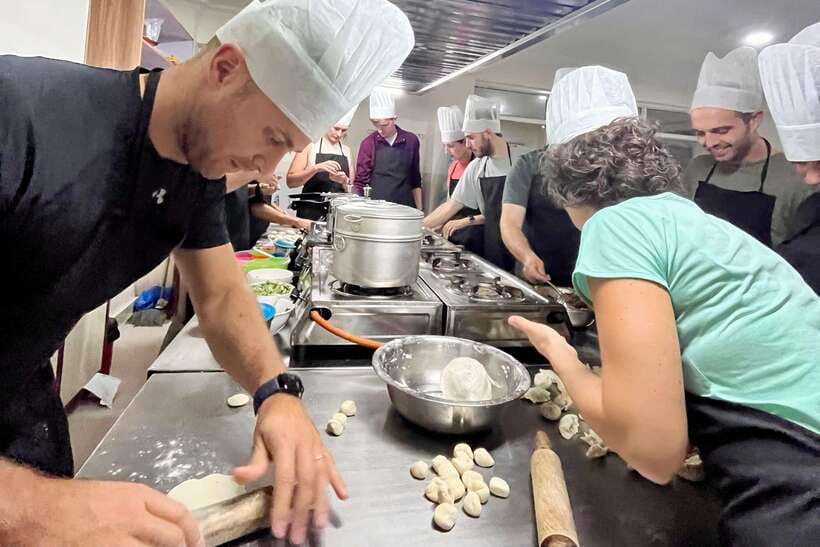
- Momos from scratch: Prepare the dough, filling, folding technique, and dipping sauce.
- More than dumplings: Depending on your selection, you may cook dal bhat, chatamari, bara, curry, thukpa, yomari, or dessert.
- Local instruction: Nishma, Nish, Bikram, and other academy staff lead the class in English.
- A full meal at the end: Sit down to eat the dishes you helped prepare, with Nepali masala tea included.
- Good value for a short stop: The class lasts about three hours and can include hotel pickup if that option is selected.
Why Momos Make This Kathmandu Class Worth Your Time
If you have eaten momos in Nepal, you already know why they deserve a place in your itinerary. These small dumplings are common across Kathmandu, but the pleasure here comes from learning what goes into them. You prepare the filling, mix or shape the dough, fold each dumpling, and cook the finished batch.
The folding takes a little practice. Your first momo may look more like a tied pouch than a neat crescent, but the instructors give you time to improve. The class is not built around perfect presentation. It is built around getting your hands into the work and understanding the method well enough to try again at home.
The experience also puts momos in a wider Nepali food setting. You might prepare dal bhat, the everyday combination of rice, lentils, curry, and side dishes. Other menu choices include vegetarian or chicken momos, chatamari, bara, chicken curry with roti, thukpa, mushroom choila, yomari, kheer, and carrot pudding.
That range matters. A momo-only lesson is fun, but a class with several dishes gives you a better sense of how Nepali meals balance grains, lentils, vegetables, spices, meat, and sweet dishes. You also get to compare textures: crisp bara, soft dumpling dough, brothy thukpa, and the sticky sweetness of yomari.
More cooking classes in Kathmandu:
- Half day cooking class in Thamel kathmandu
★ 5.0 · 607 reviews - Kathmandu: Local Lead Nepali Cooking & Momo-Making Class
★ 5.0 · 212 reviews - The best Private Nepali Cooking Class in Kathmandu
★ 5.0 · 83 reviews
Starting in Thamel With Nishma, Nish, and Bikram
The class takes place in Thamel, Kathmandu’s main visitor district, with the precise meeting point depending on the option you choose. Some people can walk from nearby hotels, while pickup and drop-off are available if selected during booking.
Arrive about 15 minutes early. That small cushion is useful in Thamel, where streets can be busy and map directions may send you up a steep lane. The cooking academy may also involve stairs, so tell the provider in advance if mobility is a concern. Wheelchair users and people with visual impairments are specifically advised that this activity is not suitable.
Instruction is in English. The class is designed for a small group, which makes a real difference when you are learning a fiddly skill such as momo folding. You can ask Nishma, Nish, or Bikram to slow down, show a technique again, or explain an unfamiliar ingredient.
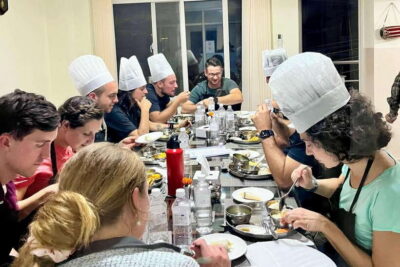
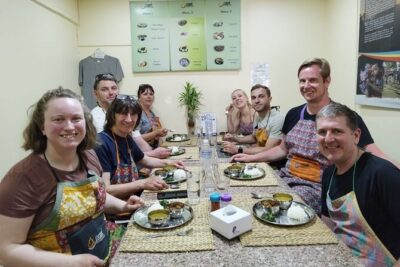
The tone is informal. You cook, chat, and share jobs with the other people at your table. Several participants have found the social side a major part of the appeal, particularly if they are traveling alone or want an easy way to meet people without signing up for a long sightseeing tour.
The women-led format is also worth noting. Nishma and Nish are frequently involved in the teaching, and their patient, lively approach gives the class a welcoming feel. Bikram may handle ingredient preparation or teach alongside them. The exact staff lineup can vary, but the focus remains on local instruction and practical cooking.
The Market Walk: Choosing Vegetables and Spices
The market visit gives the class a useful beginning. Rather than arriving at a kitchen where every ingredient has already been measured, you help shop for the food you will cook. This connects the dishes to everyday shopping in Kathmandu and lets you see the produce, spices, and meat before they reach the chopping board.
You may choose ingredients for a selected menu, with the main focus usually on momos and dal bhat. If you want chicken or vegetarian dishes, say so before the class or during the menu discussion. Dietary preferences and allergies should be shared in advance.
The market portion is not a full food tour. Its purpose is practical: gather what the class needs and learn something about the ingredients. If you want a detailed explanation of every spice or a long guided walk through Kathmandu’s food culture, this may feel brief. One useful improvement would be more time explaining the different foods and seasonings as you shop.
Still, the visit makes the cooking feel less staged. You see the raw materials, carry them back, and then turn them into lunch or dinner. For many people, that simple connection is more useful than a polished demonstration with ingredients hidden behind the scenes.
In the Kitchen: Making Dough, Fillings, and Sauces
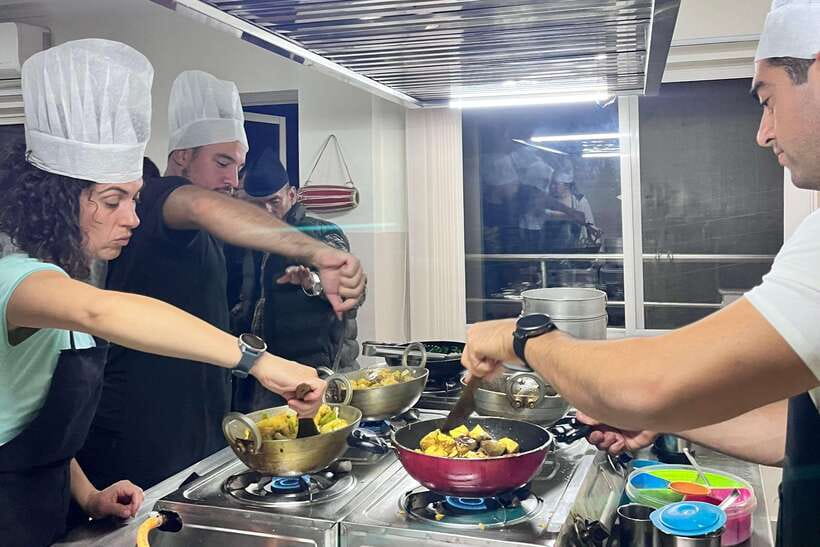
Back in the kitchen, the work becomes fully hands-on. You may prepare a vegetable or meat filling, mix spices, work with dough, and make a dipping sauce. The class provides cooking equipment, accessories, and aprons, so you only need comfortable clothing and a camera if you want photos.
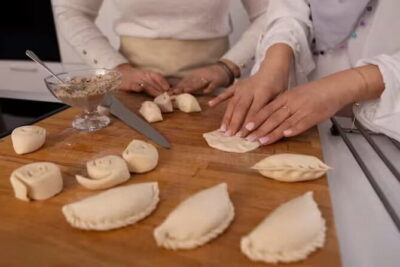
Momo making usually takes the most attention. The dough must be thin enough to fold but sturdy enough to hold the filling. You learn how much filling to use and how to close the edges without leaving gaps. The first few may be uneven, but the process is forgiving. Even the imperfect ones taste good.
The instructors explain each step rather than rushing through it. That is especially helpful for beginners, though experienced cooks can still learn how Nepali seasoning and folding differ from familiar dumplings. If you know mandu or another filled dough, you may recognize the basic idea while still picking up new techniques.
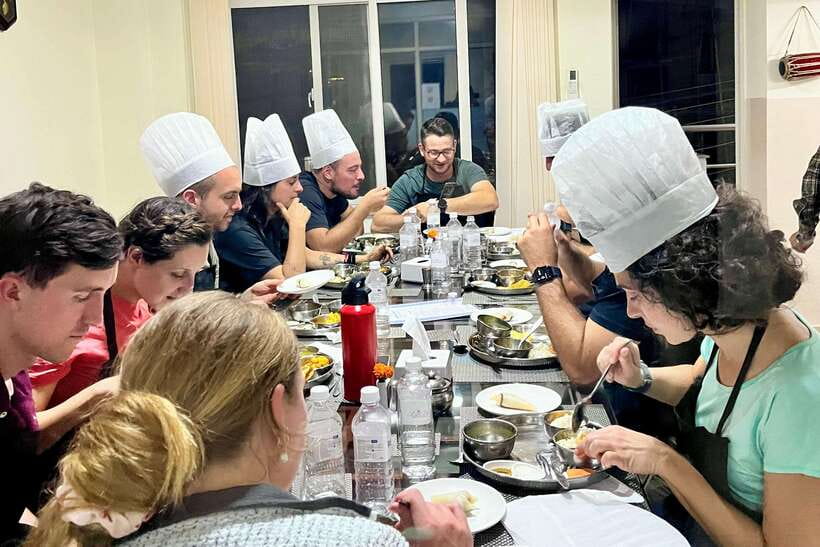
The group setup means everyone has a role. You may chop, stir, fold, or help assemble another dish. In a larger group, some people may wait briefly for the next task, but the class is structured so everyone takes part. The relaxed pace leaves room for conversation and questions.
Hygiene is treated seriously, and the kitchen is described as clean and organized. You should still tell the staff about allergies or medical conditions before cooking. Vegetarian options are available, and the menu can accommodate dietary needs when arranged ahead of time. One plant-based, gluten-free participant was even able to work with millet flour, though you should not assume every request can be handled without advance notice.
Same city, a completely different sort of day:
- Everest Base Camp Trek – 14 Days
★ 5.0 · 1,499 reviews - Private Kathmandu Sightseeing Tour | UNESCO World Heritage sites
★ 5.0 · 756 reviews - Everest Base Camp Helicopter Tour landing at Everest View Hotel
★ 5.0 · 668 reviews - Everest Base Camp Trekking
★ 5.0 · 485 reviews
Beyond Momos: Choosing a Nepali Menu
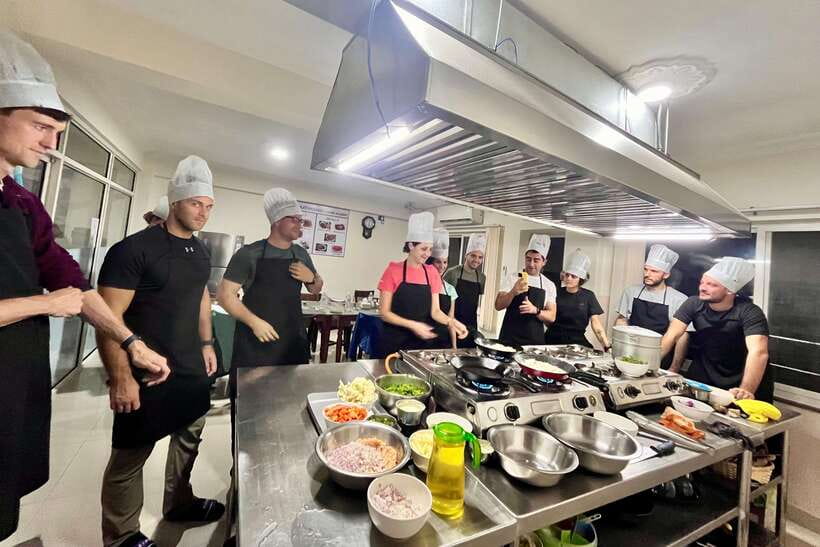
The menu is flexible, but momos and dal bhat are the central dishes. Ask what choices are available when you arrive, since the exact combination depends on the option booked and the group’s preferences.
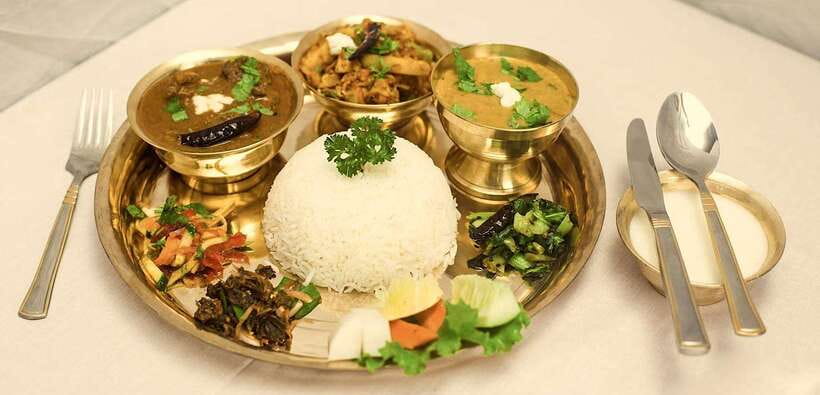
Dal bhat
Dal bhat combines rice and lentil soup with curry and accompaniments. It is one of the best choices if you want a basic understanding of Nepali home-style eating. The dish is not flashy, but it shows how lentils, rice, spices, and vegetables work together in a complete meal.
Chatamari
Chatamari is often called Nepali pizza, though the comparison only goes so far. It is a flatbread with toppings and a different texture from Italian pizza. Making it gives you another way to work with batter and toppings while learning about Newari food traditions.
Bara
Bara is a lentil patty fried until crisp on the outside and tender within. It is a good class choice if you enjoy snacks with a firm texture and savory spice. The recipe also shows how lentils can be used in Nepal beyond soup.
Yomari and carrot pudding
Yomari is a sweet dumpling filled with jaggery and sesame seeds. It provides a clear contrast with savory momos and lets you practice a different kind of filled dough. Carrot pudding offers another style of Nepali dessert, with a softer texture and gentle sweetness.
Chicken curry, roti, thukpa, and choila
Chicken curry with roti gives you a straightforward introduction to spice-based cooking. Thukpa, a hearty noodle soup with Tibetan roots, is useful on a cool Kathmandu day. Mushroom choila brings sharper, more aromatic flavors through marinated mushrooms and spices.
Not every class prepares all of these foods. Think of them as possible selections rather than a guaranteed menu. If you have your heart set on a particular dish, confirm it before booking or contact the provider.
Eating What You Cooked
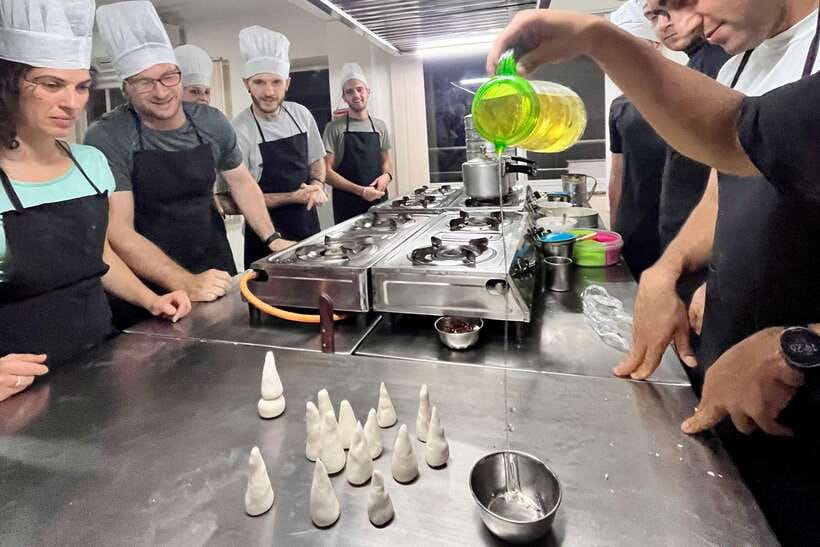
The meal at the end is not an afterthought. You sit down with the food you prepared and taste the results while the techniques are still fresh in your mind. The portion can be generous, especially when the group prepares several dishes.
Masala tea is included during the lesson. It is a fitting companion to the cooking, with black tea and warming spices. Some sessions also include small local tastes such as peanut sadeko, but extras can vary, so do not book expecting a specific complimentary dish beyond the included tea.
Come hungry. You may prepare more food than you expect, and the class is meant to finish with a proper lunch or dinner rather than a single sample. If you cannot eat everything, ask whether leftovers can be packed. At least one participant was able to take extra momos away in a goodie bag.
The meal also gives you a chance to compare your work with the instructor’s technique. You can ask why a filling tastes a certain way, how to adjust spice, or how to recreate the dish at home. That final conversation is often more useful than simply receiving a printed recipe.
What You Take Home From the Class
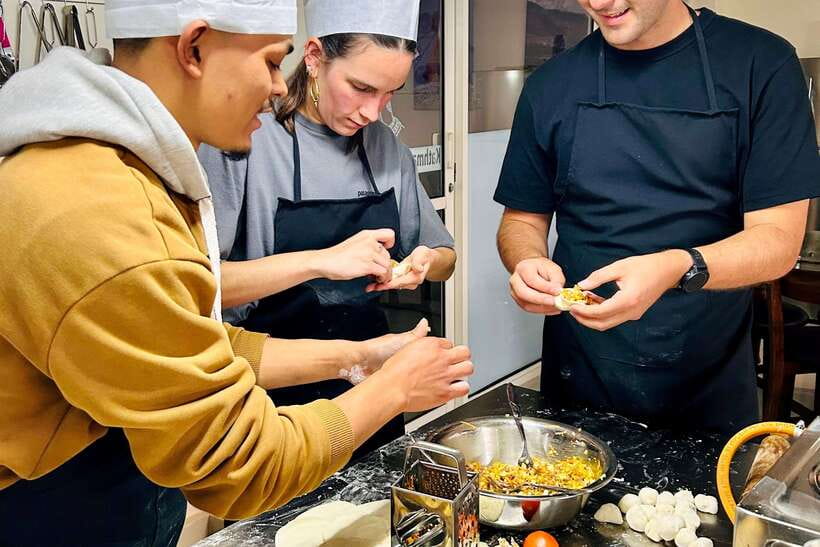
The most practical souvenir is the method. After class, you can request a PDF recipe book through WhatsApp. Physical recipe books are available for an added fee.
You should still take notes if you want to repeat the dishes accurately. Write down how much filling went into each momo, how thin the dough was rolled, and which spices were added at each stage. Nepali cooking often depends on personal judgment, so a recipe may give you the ingredients without fully capturing the look and feel of the finished mixture.
The class is well suited to people who want a food memory they can recreate. Several participants have left feeling ready to make momos at home, which is a fair measure of the teaching. You will not become a Nepali chef in three hours, but you can leave with a workable starting point.
Price, Timing, and Practical Value
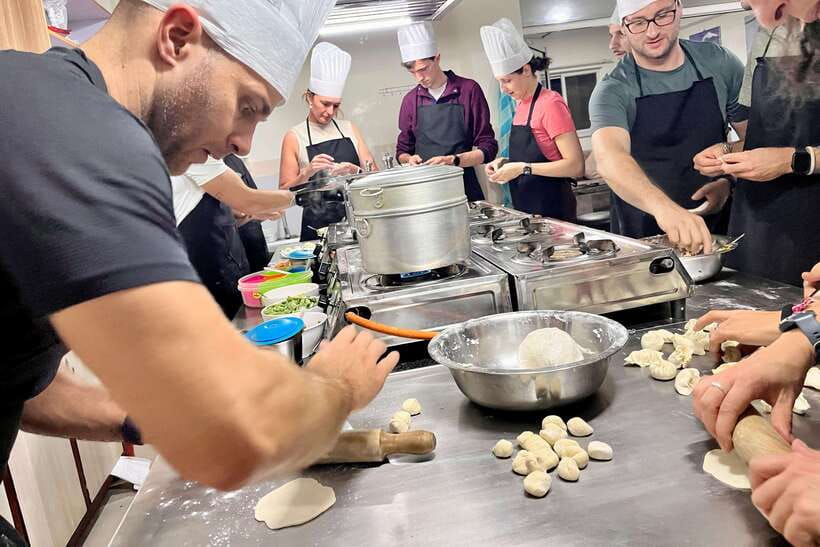
At the advertised $4 per person, this is exceptional value if that rate applies to the menu and option you select. For a two to four-hour activity that includes instruction, ingredients, equipment, tea, a market visit, and the meal you cook, the price is far below what many cooking classes cost.
That low price deserves a careful check. Hotel pickup and drop-off are included only when the selected option says so, and specialty or alcoholic drinks are not included. The class usually lasts around three hours, but the full range is listed as two to four hours, so leave some flexibility in your schedule.
Free cancellation is available up to 24 hours before the activity, and you can reserve now and pay later. The instructor language is English, and pickup can be arranged from locations within Kathmandu when selected.
The 4.9 rating from 360 reviews suggests a very strong record, with 87 percent giving the transport a perfect score. I would treat that as support for the overall value, not as a guarantee that every session will be identical. Group size, menu choice, meeting point, and staff lineup can affect the experience.
Who Should Book This Kathmandu Food Class?
I would recommend it to first-time visitors who want a practical introduction to Nepali food. It is also a good fit for couples, families, solo visitors, and friends who enjoy learning by doing rather than watching.
You do not need cooking experience. Beginners receive step-by-step help, and the instructors are used to explaining the process clearly. More experienced cooks may prefer a class with greater technical depth, but the market visit, local ingredients, and unfamiliar dishes still provide plenty to learn.
This is especially useful if you have only a few hours in Kathmandu. It gives you food, conversation, and a small amount of neighborhood context without taking up a full day. The activity is not a substitute for a dedicated market tour, a restaurant crawl, or an advanced culinary course.
The class is less suitable if you need step-free access, cannot stand or work in a kitchen comfortably, or want a completely fixed itinerary. It is also not ideal for anyone with serious dietary restrictions who has not arranged them in advance.
Should You Book It?
Book this class if you want to make momos from scratch, eat a full Nepali meal, and spend a few relaxed hours with local instructors. Nishma, Nish, and Bikram bring the personal guidance that turns a basic recipe lesson into a social Kathmandu experience.
Before booking, confirm the menu, pickup details, dietary arrangements, and the exact meeting point. Arrive early, wear comfortable clothes, and save room for plenty of food.
At $4, the class offers unusually strong value, provided the advertised option matches your needs. For most visitors, it is an easy choice: you leave with a full stomach, a better grasp of Nepali cooking, and recipes you can attempt again at home.
FAQ
How long does the Kathmandu cooking class last?
The activity lasts between two and four hours, with the usual experience taking about three hours. That includes the market visit, cooking session, and meal tasting.
What dishes will I learn to cook?
Momos and dal bhat are the main dishes. Depending on the option and menu selected, you may also prepare chatamari, bara, yomari, chicken curry with roti, thukpa, mushroom choila, kheer, carrot pudding, or other Nepali dishes.
Is the class suitable for vegetarians?
Yes. Vegetarian and meat options are available. Tell the provider about your dietary preferences or restrictions in advance.
Is hotel pickup included?
Hotel pickup and drop-off are included only if you select an option that offers them. Pickup can be arranged from locations within Kathmandu, and you should provide your hotel details when booking.
What language is the class taught in?
The class is taught in English.
What should I bring and wear?
Bring a camera if you want photos and wear comfortable clothing for cooking. Aprons and cooking equipment are provided. Arrive 15 minutes before the scheduled start time.
Just added around Kathmandu
- Traditional Momo Making Class★ 5.0 · 10 reviews
- Wildlife Adventure in Chitwan Nepal★ 4.0 · 4 reviews
- Walking tour of real Kathmandu through back streets.★ 5.0 · 3 reviews
- Kathmandu 2 Nights 3 Days Chitwan Jungle Safari Tour★ 5.0 · 9 reviews
- Kathmandu Street Food Walking Tour – Eat Like a Local★ 5.0 · 3 reviews
- Private Manaslu Circuit Trek at Himalayas★ 5.0 · 3 reviews
- Walking tour of Kathmandu with awesome local guides★ 5.0 · 4 reviews
- Visit Swayambhunath and Bauddhanath Stupa with Guide★ 5.0 · 5 reviews
Kathmandu Cooking Classes, compared.
The best Private Nepali Cooking Class in Kathmandu
Read our review →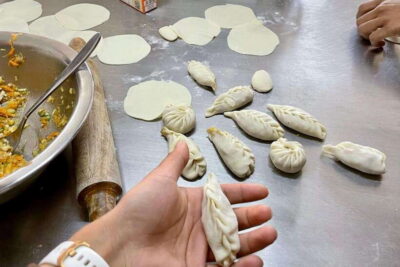
Best Nepali Cooking Class in Thamel with Local Market Trip
Read our review →Browse the lists this tour appears in