
Reviewed · KATHMANDU TEMPLE AND MONASTERY TOURS
PashupatiNath and BoudhaNath – Private/Small Group
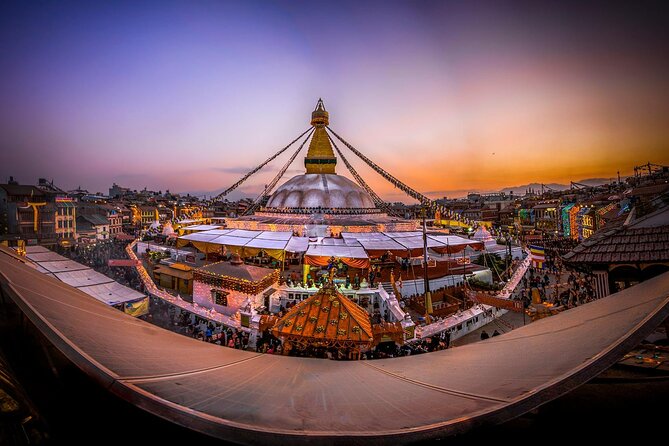
At Pashupatinath, you come close to one of Hinduism’s most serious and personal moments: the cremation of the dead beside the Bagmati River. Later, at Boudhanath, you shift to Buddhist ideas, prayer, meditation, and symbolic art. The contrast gives this three-hour Kathmandu tour its real value.
I like the small group limit of five, since it leaves room for questions and makes it easier to hear explanations in crowded religious areas. I also like the route itself: it links two major faiths through deer park, temple, shrine, monastery, and art school stops rather than treating Pashupatinath and Boudhanath as isolated sights.
The main drawback is cost clarity. The advertised price is $15 per person, but entrance fees add about $13, bringing the practical total to roughly $28. You should also be comfortable seeing active cremation rites, and the tour does not end where it begins.
Key points to know before booking
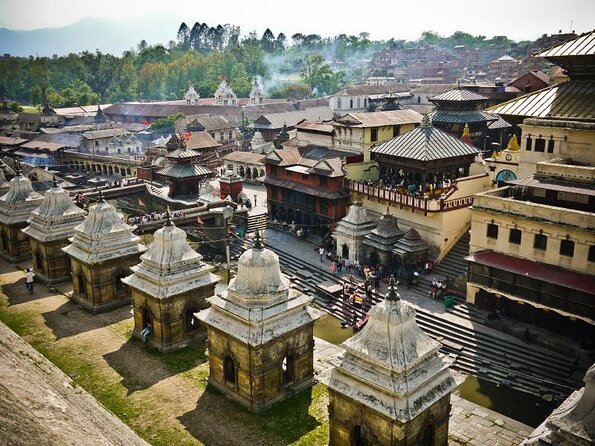
- Pashupatinath includes Aryaghat cremation grounds, where your guide explains Hindu funeral rites and the 16 Samskaras.
- The group is capped at five people, a useful size for questions and personal attention.
- Boudhanath focuses on Vajrayana Buddhism, including prayer flags, the five elements, the Four Noble Truths, and the Eightfold Path.
- The tour moves through several smaller religious sites, including Mrigasthali Deer Park, Gorakhnath Mandir, and Guhyeshwari Shaktipeeth.
- Santosh is praised for flexible, clear guiding, including adjusting timing so one group could see an aarati ceremony.
- The tour ends at Boudhanath Gate, giving you time to continue exploring on your own.
Why this Kathmandu route works
Many Kathmandu sightseeing plans place Pashupatinath and Boudhanath on the same day. That pairing makes sense, but visiting without context can leave you looking at sacred symbols without understanding them. This tour gives you a basic framework for Hinduism and Buddhism, then uses the sites to make those ideas concrete.
You begin at Gaushala Bus Stop on Ring Road and finish at the Boudhanath Gate. The route is designed as a one-way experience, not a return trip. That is useful if you want to continue around Boudha afterward, but you need to arrange your own way back to your accommodation.
The group size matters here. Pashupatinath is an active religious complex, not a quiet museum. At Boudhanath, you may want to stop and ask about a prayer flag, a symbol, or a ritual you have just seen. A group of five gives the guide a better chance to answer without losing everyone in the crowd.
The tour includes an English-speaking guide, but not the entrance tickets. Confirmation is provided when you book, mobile tickets are available, and the experience can be cancelled for a full refund up to 24 hours before the start time.
More temples and monasteries in Kathmandu:
- Kathmandu Spiritual Sites: Bodhnath & Pashupatinath Tour
★ 5.0 · 185 reviews - Kathmandu: Nagarkot Sunrise and Hike Tour to Changu Narayan
★ 4.7 · 151 reviews - From Kathmandu: Everest View from Nagarkot & hike to Changu
★ 4.8 · 140 reviews
Pashupatinath: approaching a living Hindu temple
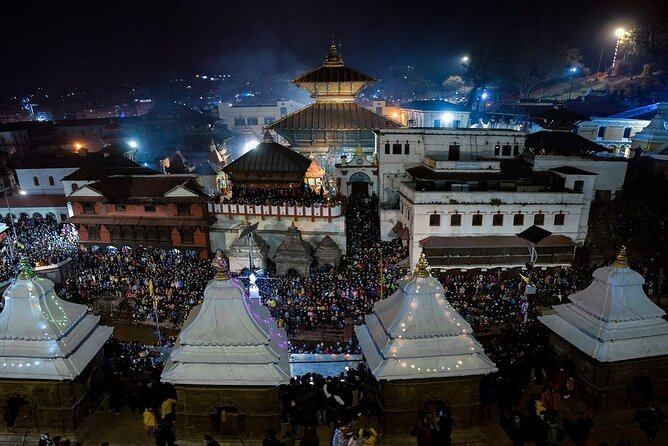
Pashupatinath is the oldest Hindu temple in the Kathmandu Valley and one of the most important Hindu pilgrimage sites in Nepal. Non-Hindus cannot enter the main temple, so this part of the visit focuses on the surrounding area and the riverfront cremation grounds.
That restriction is not a flaw in the tour. It is part of understanding how the site works. You are not being shown a religious building as a tourist attraction. You are being brought to the edge of a place that remains active for worship, pilgrimage, death, and mourning.
Your guide explains the role of Pashupatinath and the traditions connected with Lord Shiva. This is where a good guide makes a clear difference. Without help, you may see shrines, offerings, painted figures, and ritual activity without knowing what belongs to daily worship and what has a deeper symbolic role.
The scheduled time here is about 15 minutes before moving toward Aryaghat. That is enough for an introduction, but not enough for an unhurried independent exploration of the full temple area. If you want extended time for photography or quiet observation, this tour may feel brisk.
Dress and behavior matter at Pashupatinath. The supplied information does not set out a clothing code, but this is an active Hindu sacred site, so respectful conduct is essential. Follow the guide’s instructions about where to stand, what to photograph, and how close to ceremonies you should go.
Aryaghat and the Hindu 16 rites of passage
Aryaghat is the emotional center of the tour. This is the cremation area where Hindu last rites take place beside the river. The guide discusses the Shodasha Samskaras, or 16 rites of passage that mark important stages in Hindu life.
The subject is direct and sometimes difficult. You may see cremation activity, so this is not a sightseeing stop for everyone. The best way to approach it is with quiet attention. People are being mourned here, and the area calls for restraint rather than casual photography or loud conversation.
The 30-minute explanation helps place cremation within the larger Hindu view of life. Instead of treating the cremation pyres as an isolated spectacle, the guide connects them to the wider sequence of rites that shape a Hindu life. That context is one of the strongest reasons to book a guide.
This stop also gives you a better sense of the religious harmony discussed throughout the tour. Hindu practice here is not presented as a collection of exotic customs. You are shown how religion is tied to family, identity, food, death, and community life in Nepal.
If active funeral rites would be upsetting, think carefully before booking. The tour description is clear about what you will see, and the 30-minute stop is long enough for the subject to receive serious attention.
Mrigasthali Deer Park and Gorakhnath Mandir
After Aryaghat, the route becomes less intense. Mrigasthali Deer Park offers a change of pace and a chance to hear the story of Lord Shiva’s journey to the area. The stop lasts about 15 minutes.
The park is useful because it adds a local legend to the religious picture. Sacred places are often shaped by stories as much as by buildings, and this stop shows how mythology helps explain a location’s name and importance.
You then continue to Gorakhnath Mandir, where the scheduled visit and rest take about 30 minutes. The guide explains the story of Guru Gorakhnath before continuing toward Boudhanath through Guhyeshwari.
This portion of the route may appeal to you if you like connections between myth, landscape, and worship. It is less visually famous than Pashupatinath or Boudhanath, but it prevents the tour from becoming a simple two-stop checklist.
The supplied information does not specify private transport between each point. Plan for movement between sites and wear comfortable shoes. The tour is only about three hours, so the pace is purposeful rather than leisurely.
A handful more Kathmandu trips to weigh up
- Private Kathmandu Sightseeing Tour | UNESCO World Heritage sites
★ 5.0 · 756 reviews - Kathmandu: Full Day 7 UNESCO Tour with Lunch – Private/Group
★ 5.0 · 415 reviews - Private Bhaktapur and Nagarkot Day Tour From Kathmandu
★ 5.0 · 305 reviews - Kathmandu: Full Day Top 4 UNESCO Tour with Lunch – Private/Group
★ 5.0 · 269 reviews
Guhyeshwari Shaktipeeth and the journey to Boudhanath
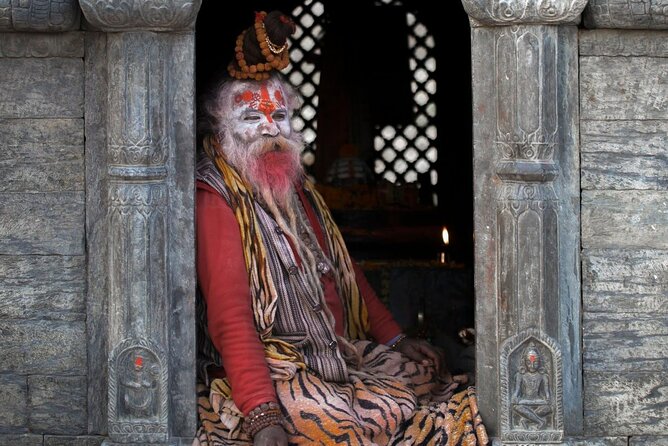
At Guhyeshwari Shaktipeeth Temple, your guide explains the story of Satidevi and the idea of Shaktipeeth sites. The temple visit is listed as free, and the stop takes about 20 minutes.
This is another place where a guide adds meaning. Shaktipeeth traditions connect particular locations with the divine feminine power of Shakti. You do not need prior knowledge of Hindu philosophy to follow the basic story, but the explanation helps you see why this temple matters within a larger religious network.
The route then takes about 20 minutes to reach Boudhanath. This transition links two major religious centers while also shifting the focus from Hindu beliefs to Buddhism. The change is part of the design, not dead time.
The tour presents Nepal as a place where Hindu and Buddhist traditions exist side by side. It also touches on shared food and everyday cultural connections. That makes the experience more useful than a narrow temple tour, especially if you want to understand how religion appears in ordinary Nepali life.
Boudhanath Stupa and Vajrayana Buddhist ideas
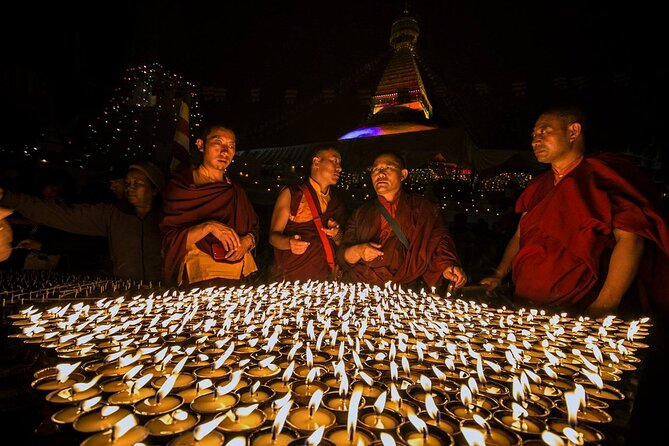
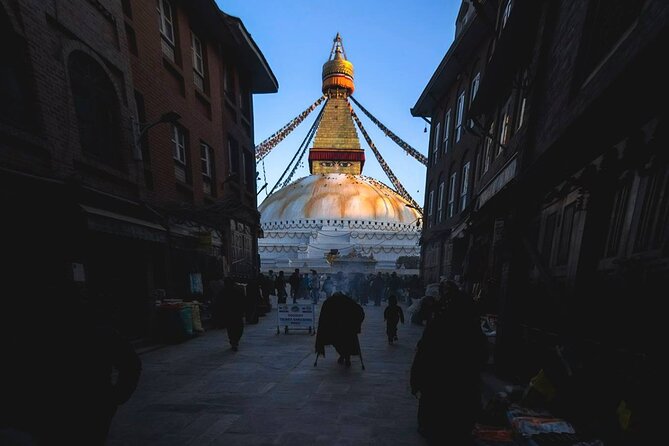
Boudhanath is the second-largest stupa of its kind in the world and one of Kathmandu’s best-known centers of Tibetan Buddhism, also called Vajrayana Buddhism. The main stop lasts about 45 minutes, making it the longest single visit on the route.
Here you learn the basic meaning of Buddhist prayer flags, the five elements, the Four Noble Truths, and the Eightfold Path. The guide may also explain how the stupa functions as a place of prayer and movement rather than simply as a monument to admire.
Boudhanath can be hard to read at first. There are layers of symbols, colors, objects, and repeated actions. A guide helps you connect those details to Buddhist teaching instead of reducing them to decoration.
The tour does not promise an advanced lesson in Buddhist philosophy. That is actually a strength for many people. In 45 minutes, you receive an accessible introduction, enough to make later visits to monasteries, prayer wheels, and Buddhist sites more meaningful.
The entrance fee is listed at about NRP 400, or roughly $4, payable in cash. Pashupatinath is listed at about NRP 1,000, or roughly $9. Carry Nepali currency for both fees, since those charges are not included in the $15 tour price.
Guru Lhakhang Monastery and Thanka painting
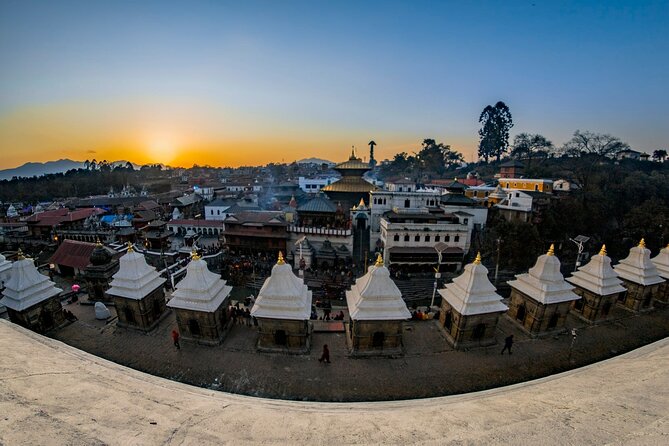
At Guru Lhakhang Monastery, you see a typical Buddhist monastery and hear about Guru Padmasambhava. The stop lasts about 10 minutes, so expect a compact introduction rather than a long period for quiet study.
The guide also explains Dharma Chakra Pariwartana. Even a short monastery visit can help you notice how Buddhist teaching is represented in a working religious setting, not just at the large stupa.
The final stop is the Boudha Stupa Thanka Center, where you learn about Thanka painting, mandalas, and healing bowls. Thanka art is intricate, and the idea of the mandala gives you another way to understand Buddhist symbols and visual order.
This stop lasts about 15 minutes and is included in the tour. It can be useful if you are curious about Buddhist art or want to understand why certain painted images appear in monasteries and religious shops around Boudha.
The tour ends at the Boudhanath Gate after the Thanka center. You are free to continue around Boudhanath or return to your accommodation. That open ending is practical, since many people want more time around the stupa than a three-hour guided visit allows.
The guides and the value of personal explanation
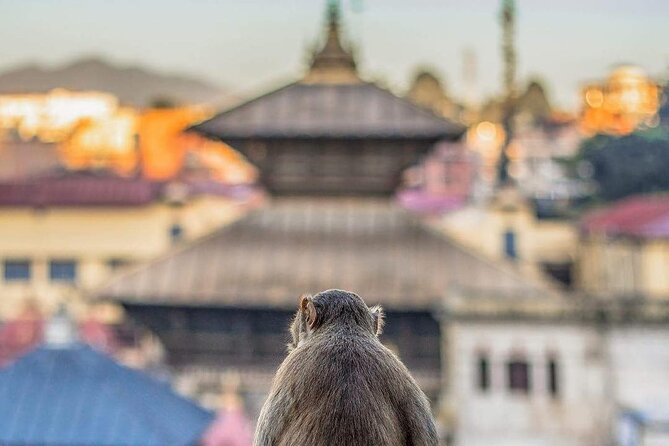
The strongest praise for this experience centers on the guides’ ability to explain religion, culture, history, and food in plain language. Santosh is repeatedly singled out for answering questions, adapting the schedule, and responding to individual interests. One group wanted to see the aarati ceremony, and he adjusted the timing to make that possible.
That flexibility is worth noting, but you should not assume every departure will include the same ceremony or schedule. Aarati timing and guide availability can change. Ask about it when booking if that ritual is important to you.
Santosh is described as having studied culture, history, and archaeology. Shreya is also named as a guide who has helped people with Kathmandu and Bhaktapur, local life, culture, and history. The confirmation should make clear who is assigned to your departure.
A private guide can cost more than joining a large group, but this tour keeps the price low by limiting the group to five rather than selling it as a fully private experience. At $15 before admission fees, the guide cost is fair for a three-hour route through several major religious sites. With the two entrance charges, plan on about $28 per person in total.
Who should book this three-hour experience?
I would choose this tour if you are visiting Kathmandu for the first time and want a clear introduction to Hindu and Buddhist traditions. It also suits anyone who prefers asking questions instead of reading short signs or wandering through a complex alone.
It is a good match for people interested in:
- Hindu funeral customs and rites of passage
- Tibetan and Vajrayana Buddhism
- Nepal’s religious coexistence
- Temple stories and sacred geography
- Buddhist art, mandalas, and healing bowls
- A small group with an English-speaking guide
I would think twice if you want a slow, photography-focused visit, dislike active cremation sites, or need a fully accessible pace. The schedule covers eight stops in about three hours, so it is built around explanation and range rather than long pauses.
At 4.8 out of 5 from 18 ratings, with 100 percent recommending it, the experience has a strong record. Still, the right choice depends on your comfort with religious ceremonies and your interest in guided interpretation.
Should you book Pashupatinath and Boudhanath?
Book it if you want the meaning behind Kathmandu’s most important religious sites, especially if you are likely to have questions about cremation, Hindu rites, Buddhist teaching, or religious symbolism. The small group, one-way route, and guide-led explanations offer good value at about $28 total when admission fees are included.
Skip it if you want to explore only at your own pace or prefer to avoid cremation grounds. For everyone else, this is a compact way to connect Pashupatinath and Boudhanath while seeing several smaller sites that are easy to miss on a basic city tour.
FAQ
How long does the Pashupatinath and Boudhanath tour last?
The tour lasts approximately three hours. The listed stops total about three hours, including Pashupatinath, Aryaghat, Mrigasthali Deer Park, Gorakhnath Mandir, Guhyeshwari, Boudhanath, Guru Lhakhang Monastery, and the Thanka center.
What is included in the tour price?
An English-speaking guide is included. The tour also includes admission to Mrigasthali Deer Park, Gorakhnath Mandir, Guhyeshwari, and the Boudha Stupa Thanka Center where stated.
Are entrance fees included?
No. Pashupatinath costs about NRP 1,000, or approximately $9, and Boudhanath costs about NRP 400, or approximately $4. These fees are paid in cash at the entrances.
Can non-Hindus enter Pashupatinath Temple?
Non-Hindus cannot enter the main temple. The tour passes through the surrounding area and continues to Aryaghat, where the guide explains Hindu last rites and the 16 Samskaras.
Where does the tour start and finish?
The tour starts at Gaushala Bus Stop on Ring Road in Kathmandu. It ends at the Boudhanath Gate, and you are free to continue exploring Boudhanath afterward or return to your accommodation.
How many people can join the tour?
The maximum group size is five people. This keeps the experience small enough for questions and direct interaction with the guide.
Which guides lead the experience?
Santosh and Shreya are among the guides associated with this experience. Santosh is praised for explanations about religion, culture, food, and history, as well as for adjusting timing to suit individual interests.
What is the cancellation policy?
You can cancel at least 24 hours before the start time for a full refund. Cancellations or changes made less than 24 hours before the experience are not refunded or accepted.
Just added around Kathmandu
- Traditional Momo Making Class★ 5.0 · 10 reviews
- Wildlife Adventure in Chitwan Nepal★ 4.0 · 4 reviews
- Walking tour of real Kathmandu through back streets.★ 5.0 · 3 reviews
- Kathmandu 2 Nights 3 Days Chitwan Jungle Safari Tour★ 5.0 · 9 reviews
- Kathmandu Street Food Walking Tour – Eat Like a Local★ 5.0 · 3 reviews
- Private Manaslu Circuit Trek at Himalayas★ 5.0 · 3 reviews
- Walking tour of Kathmandu with awesome local guides★ 5.0 · 4 reviews
- Visit Swayambhunath and Bauddhanath Stupa with Guide★ 5.0 · 5 reviews
Kathmandu Temple and Monastery Tours, compared.
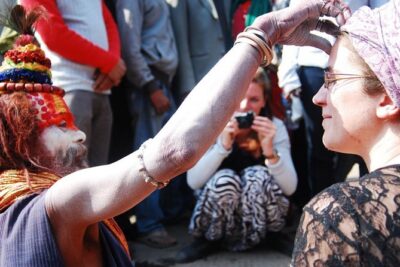
Kathmandu Spiritual Sites: Bodhnath & Pashupatinath Tour
Read our review →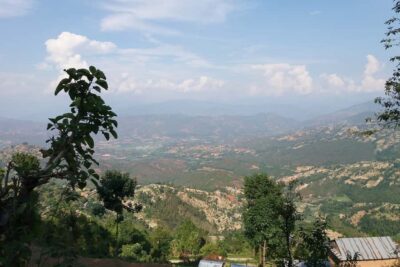
Nagarkot Sunrise and Hike Tour to Changu Narayan
Read our review →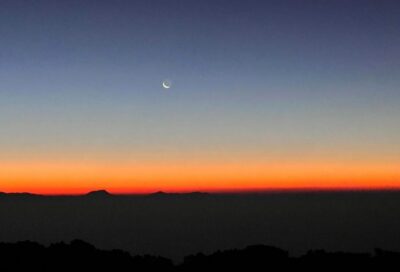
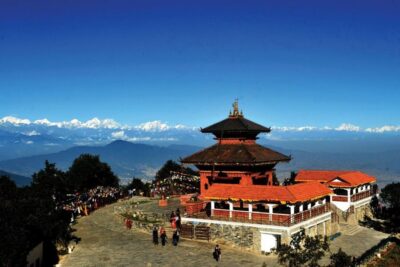
Nagarkot Sunrise & Hike to Changu Narayan Day Tour from Kathmandu
Read our review →
Mt Everest view from Nagarkot -hiking to Changu UNESCO site
Read our review →Browse the lists this tour appears in