
Reviewed · PASHUPATINATH AARATI EVENING TOURS
Pashupatinath Temple, Hindu Crematorium and Aarati in-depth Tour
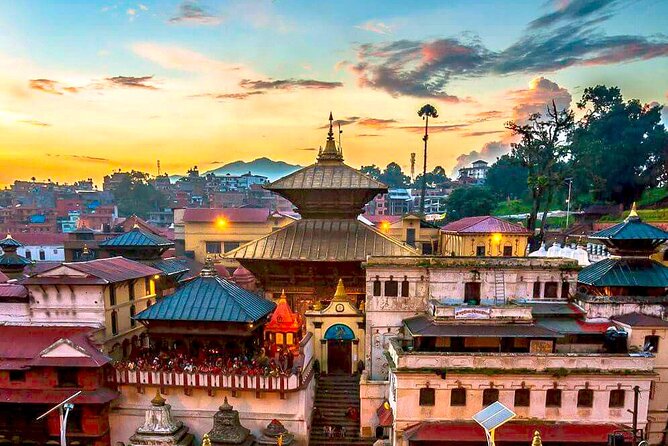
Pashupatinath is not a museum piece. It is a working place of worship, prayer, cremation, music, offerings, holy men, monkeys, and daily Hindu life. This private afternoon tour takes you from the temple precinct to the cremation ghats, then back for the Bagmati River Aarati, when priests offer lamps and incense before a large local crowd.
I like the way the tour gives you time to see more than the main shrine. Guides such as Nabin and Nirajan explain both the myths and the present-day customs, and they know paths and corners you could easily miss alone. I also like that the cremation area is treated as a cultural and religious setting, not as a spectacle.
The main drawback is the length. Four to five hours is a serious block of your Kathmandu afternoon, and the cremation section may feel emotionally demanding. If you want only a quick temple visit, $90 per person may feel high. If you want clear explanations and private transport, the price makes better sense.
Key points to know before booking
- The tour ends with the Bagmati River Aarati: You finish with a formal lamp-and-incense ceremony attended by hundreds of local people.
- The cremation ghats are a major part of the visit: An expert explains Hindu funeral customs while cremations may be taking place.
- You get a private experience: Only your group participates, so you can ask questions without keeping pace with a large tour.
- Guides bring academic and local insight: Nabin and Nirajan are among the named guides, and the lead expertise includes a Ph.D. in the tangible and intangible heritage of Pashupatinath.
- The afternoon timing matters: Start time is 2:00 pm, with the final ceremony built into the four to five-hour schedule.
- The price covers the basics: Private transport, bottled water, entrance fees, taxes, and guiding are included, while tips and donations are extra.
Why Pashupatinath needs more than a quick look
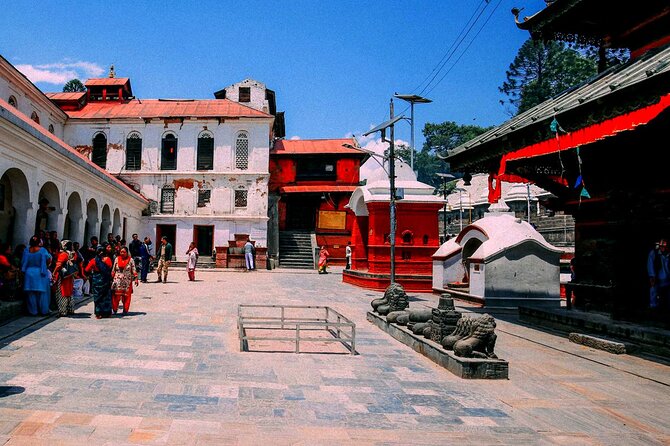
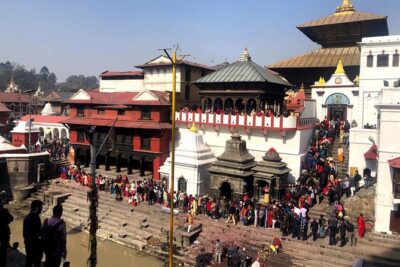
Pashupatinath is one of Hinduism’s most sacred temple sites and one of the oldest temple areas in the world. You are not simply walking up to a grand building, taking a photograph, and leaving. The meaning of the site comes from the rituals taking place around it.
The tour’s value is in connecting those separate scenes. You begin with the temple area and its religious customs, continue to the cremation grounds, and then return for the evening Aarati. That sequence gives you a practical way to understand how worship, death, public ceremony, and community life share the same sacred setting.
I would not choose this experience if you only want architectural information. It is aimed at the wider life of Pashupatinath, including beliefs, customs, ritual objects, holy men, offerings, and the role of the Bagmati River.
The guides are central to the experience. The lead guide’s academic work concerns both the physical heritage of Pashupatinath and its living traditions. That matters here because the site can be confusing. You may see a shrine, a procession, a sadhu, a cremation fire, and a group preparing for Aarati within a short walk of one another.
A good guide helps you understand what you are seeing without reducing it to a list of exotic sights. Nabin and Nirajan are named as guides associated with the experience. Past tours have also included guides working under the direction of the Pashupati Area Development Trust, giving the cremation section a closer connection to the site’s own management and cultural setting.
More Pashupatinath evening aarati tours:
- Kathmandu: Pashupatinath Temple Evening Aarati Tour
★ 5.0 · 36 reviews - Kathmandu: Pashupatinath Temple Aarti Night Tour
★ 4.8 · 29 reviews - Pashupatinath Evening Aarati: Few Divinely Hours in Kathmandu
★ 4.5 · 23 reviews
Beginning at 2:00 pm in the temple precinct
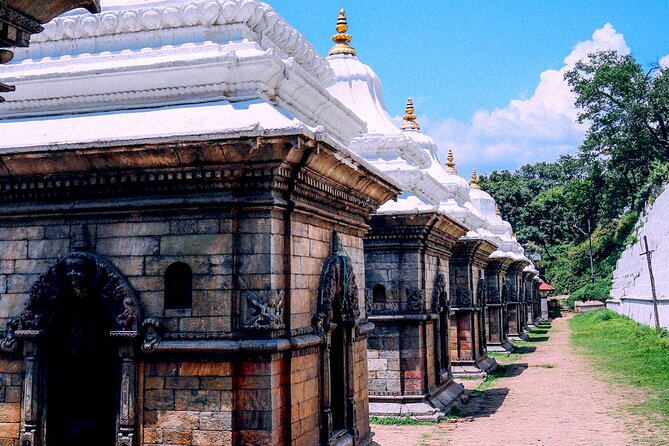
The meeting time is 2:00 pm. Pickup is offered, and private transportation is included, so you do not have to arrange your own ride between the hotel and the temple area. The tour is private, which means the pace can suit your group better than a fixed large-group outing.
Your first two hours focus on Pashupatinath Temple and its surrounding attractions. The emphasis is not just on the central shrine. You move through the wider temple area while the guide explains religious practices, traditional stories, and the current role of Hinduism at Pashupatinath.
This is where the tour earns its in-depth label. You can ask about the customs you see instead of trying to work them out from a distance. If you are interested in the difference between mythology and present-day practice, the guide’s approach is intended to deal with both in a logical and practical way.
The setting can feel crowded and lively, with bells, incense, movement, and animals forming part of the scene. One of the most useful details from the experience is the use of less obvious paths through the temple area. A guide familiar with the grounds can show you places you might miss on a self-guided walk.
You should allow time for walking and standing. The tour lasts several hours, and it is not designed as a short, vehicle-based sightseeing stop. Wear practical shoes and be ready for changing surroundings as you move from the temple buildings toward the river and cremation area.
The cremation ghats and the difficult questions
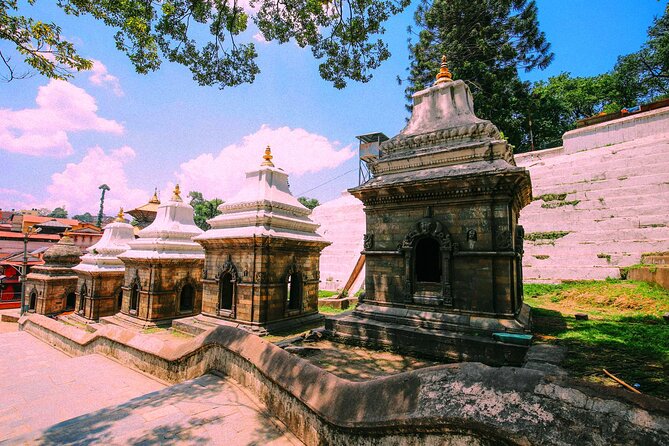
The cremation section lasts about one hour. Here, the guide explains the Hindu process of cremating the dead, including the cultural meaning of the rituals and the place of cremation within Hindu religious life.
This is the most serious part of the tour. You may see an active cremation, and the guide describes the process in a live setting rather than through a museum display or lecture room. That can make the customs easier to understand, but it also requires care and respect.
I appreciate that the purpose is explanation, not entertainment. You are being asked to look at how a community handles death, ritual duty, mourning, and the relationship between the body and the sacred river. The subject may be uncomfortable, especially if you have never seen an open cremation before.
Keep your behavior restrained. Follow the guide’s instructions, avoid treating the area like a photo opportunity, and remember that people may be carrying out private religious duties nearby. The supplied information does not set out a separate photography rule, so ask your guide before taking any pictures.
The cremation ghats also make the temple’s religious role clearer. Pashupatinath is not only a place where people come to pray. It is part of a cycle of worship and death that remains active today. That connection is one of the strongest reasons to choose this tour rather than a standard temple visit.
You may find the hour passes quickly because there is much to explain. At the same time, this is the point where the advertised four to five hours may feel long for anyone who prefers light sightseeing. I would choose it only if you are ready to give the subject your attention.
Returning for the Sandhya Aarati
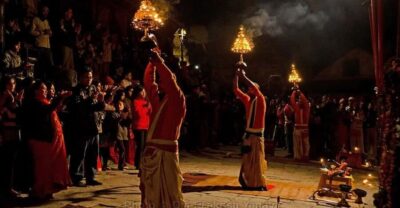
The final two hours return to the Pashupatinath area for the Sandhya Aarati. Aarati is a ceremony in which priests offer lamps and incense through precise ritual movements. At Pashupatinath, it takes place beside the Bagmati River and draws hundreds of local people.
This closing ceremony changes the mood of the afternoon. The cremation ghats are solemn and personal. Aarati is public, rhythmic, and communal, with ritual action taking place before a large gathering. Seeing both parts in one visit gives you a fuller sense of how the site functions.
The guide can help you follow what is happening rather than simply watching lights and smoke. You will have a better chance of understanding why the ceremony matters, how it relates to Pashupatinath, and why local people gather for it.
The ceremony is also the strongest visual moment of the experience. Lamps, incense, priests, the riverbank, and the crowd create a scene that is difficult to grasp from photographs alone. I would plan to stay focused on the ceremony rather than trying to record every moment on your phone.
The schedule allows about two hours for this final part, though the precise rhythm of a religious ceremony is not the same as a timed attraction. The tour is built around the event, so expect the evening Aarati to shape the end of your day.
More temples and monasteries in Kathmandu:
- Kathmandu Spiritual Sites: Bodhnath & Pashupatinath Tour
★ 5.0 · 185 reviews - Kathmandu: Nagarkot Sunrise and Hike Tour to Changu Narayan
★ 4.7 · 151 reviews - From Kathmandu: Everest View from Nagarkot & hike to Changu
★ 4.8 · 140 reviews - Kathmandu: Chandragiri Cable Car and Monkey Temple Tour
★ 4.8 · 139 reviews
What the guide adds to the visit
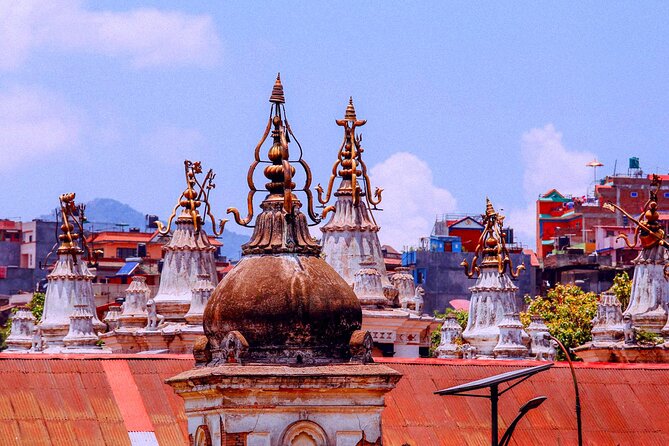
Without a guide, you can see the buildings and observe the ceremonies, but many details will remain unclear. Pashupatinath contains layers of belief, practice, and local tradition that are not obvious to someone walking through for the first time.
The guiding approach here is particularly useful if you want explanations that go beyond mythology. The tour promises a connection between traditional beliefs and the current status of Hinduism, presented in a logical and scientific manner. That is a helpful balance at a site where visitors can otherwise receive either a very simple religious explanation or a confusing collection of legends.
Nabin is praised in the supplied material for answering questions patiently and responding to individual interests. Nirajan is also named as an informed guide who can navigate less familiar paths and explain Hindu customs. Since this is a private activity, you can ask the guide to spend more time on the parts that matter most to you.
You should still understand the difference between an academic explanation and a personal religious interpretation. The guide can provide context and describe practices, but your own response to the site will depend on your background and comfort with the subject.
The private format is especially useful for couples, families, and small groups with different levels of prior knowledge. You can ask basic questions without embarrassment, or spend more time on detailed cultural topics if that suits your group.
Is $90 per person fair value?
The price is $90 per person. That is more than you would pay for a simple independent visit, but this is not a simple entrance stop. The fee includes private transportation, bottled water, all fees and taxes, and an expert guide.
The strongest value comes from the time and interpretation. You receive roughly four to five hours, including the temple area, cremation ghats, and Aarati. You also avoid the work of arranging transport and finding your way through a large and complex religious site.
For a solo visitor, the cost may feel substantial. For a private group, the equation improves, especially because group discounts are offered. The more your group cares about detailed explanations and a flexible question-and-answer format, the more useful the price becomes.
Tips for the guide and driver are not included. Donations or offerings to sadhus and temples are also separate, and you should not feel that these optional contributions are part of the tour price.
The tour is a better buy for someone who values context than for someone collecting quick photographs. If you are already well versed in Hindu practice and only want to attend Aarati, you may not need the full experience. If Pashupatinath is one of your main reasons for visiting Kathmandu, the private format gives you a more substantial visit.
Practical details that affect your day
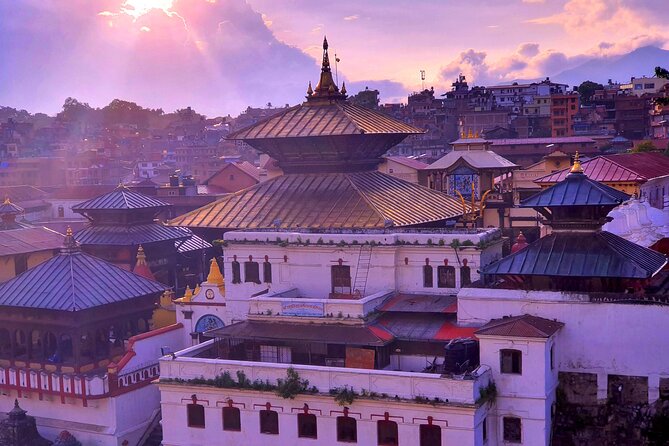
Confirmation is provided when you book. The experience is private, so only your own group participates. Pickup is offered, and the tour begins at 2:00 pm.
Public transportation is nearby, and a public toilet is available. Service animals are allowed, and the activity information says most people can participate. No special fitness requirement is stated, but you should expect several hours in and around a busy religious complex.
The experience includes bottled water, which is useful during a long afternoon. Still, wear comfortable clothing and shoes, and dress in a way that suits a sacred temple environment. The supplied details do not state a specific dress code, so your guide can clarify any site-specific expectations.
Free cancellation is available up to 24 hours before the start time for a full refund. Cancellations or changes made within 24 hours are not accepted for a refund, and the cut-off follows local time.
Who should book this Pashupatinath tour?
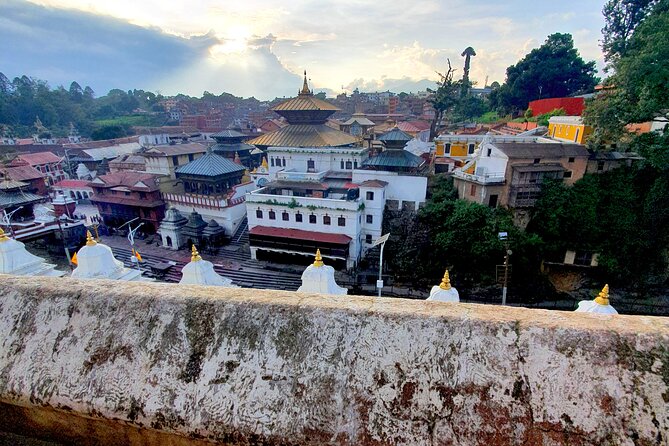
I would choose this tour if you want to understand Hindu customs rather than simply view them. It suits you if you enjoy asking questions, can give an afternoon to one major site, and are comfortable with the serious subject of cremation.
It is also a good fit if you prefer private guiding over a fixed group. Nabin, Nirajan, or another guide from the team can adjust the explanation to your interests, and the route may reveal parts of Pashupatinath you would not find on your own.
Families with older children may find the cultural lessons valuable, though parents should decide if the cremation section is suitable for their children. The subject is direct and real, not softened into a display.
I would skip it if you want a short, casual stop or if you know that witnessing funeral rites would distress you. I would also compare the cost carefully if you are traveling alone and do not care about private transport or extended explanations.
Should you book it?
Book it if Pashupatinath is more than a checkbox on your Kathmandu plan. The combination of temple customs, cremation rites, and the Bagmati River Aarati gives you three different views of the same sacred place.
The best reason to book is the guide. A specialist such as Nabin or Nirajan can turn confusing sights into understandable cultural practice, while the private format gives you room to ask questions. The main caution is time and subject matter: this is a serious four to five-hour experience, not a quick sightseeing visit.
For a thoughtful look at living Hindu tradition in Kathmandu, I would put this high on your list.
FAQ
How long does the Pashupatinath tour last?
The tour lasts approximately four to five hours. The temple visit takes about two hours, the cremation section about one hour, and the final Pashupatinath visit with Sandhya Aarati about two hours.
What time does the tour begin?
The stated start time is 2:00 pm.
Is transportation included?
Yes. Private transportation is included, and pickup is offered.
Is this a private tour?
Yes. Only your group participates in the activity.
Are entrance fees included?
Yes. All fees and taxes are included in the price.
What is not included in the price?
Tips for the guide and driver are not included. Donations and offerings to sadhus or temples are also separate.
Just added around Kathmandu
- Traditional Momo Making Class★ 5.0 · 10 reviews
- Wildlife Adventure in Chitwan Nepal★ 4.0 · 4 reviews
- Walking tour of real Kathmandu through back streets.★ 5.0 · 3 reviews
- Kathmandu 2 Nights 3 Days Chitwan Jungle Safari Tour★ 5.0 · 9 reviews
- Kathmandu Street Food Walking Tour – Eat Like a Local★ 5.0 · 3 reviews
- Walking tour of Kathmandu with awesome local guides★ 5.0 · 4 reviews
- Private Manaslu Circuit Trek at Himalayas★ 5.0 · 3 reviews
- Visit Swayambhunath and Bauddhanath Stupa with Guide★ 5.0 · 5 reviews
Pashupatinath Aarati Evening Tours, compared.
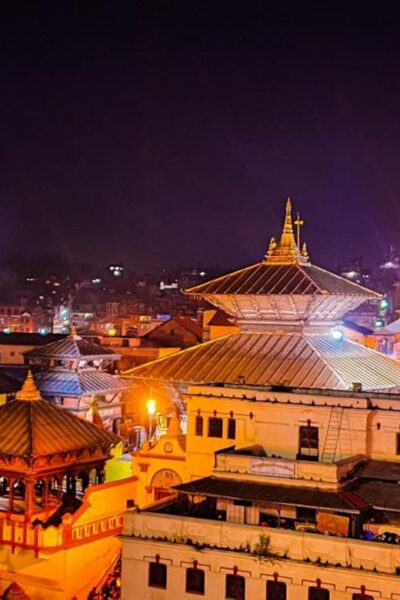
Pashupatinath Evening Aarati: Few Divinely Hours in Kathmandu
Read our review →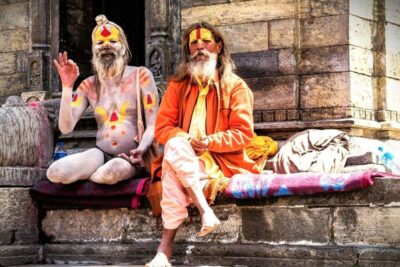
Sacred Pashupatinath: Aarati,Cremation Rites & Boudha Stupa
Read our review →
Katmandu: Pashupatinath Open Cremation & Evening Aarati
Read our review →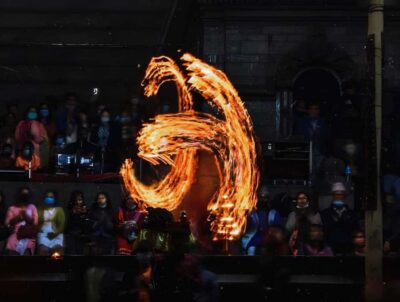
Browse the lists this tour appears in