
Reviewed · PASHUPATINATH AARATI EVENING TOURS
Kathmandu: Pashupatinath Temple Aarti Night Tour
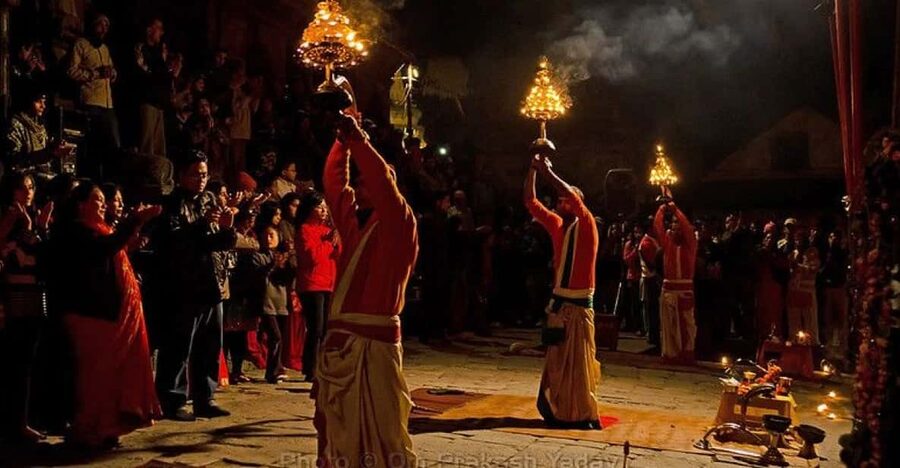
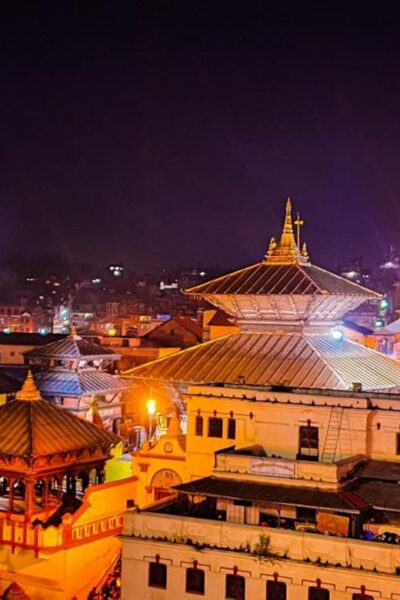
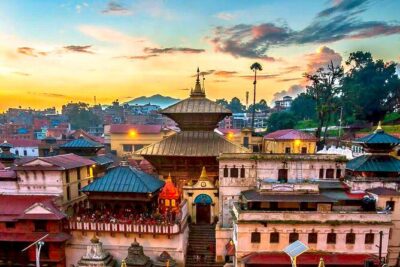
Pashupatinath is most powerful after sunset, when lamps glow beside the Bagmati River and the evening aarti begins. You’ll see one of Nepal’s holiest Hindu sites, with its golden roof, silver doors, shrines, ashrams, and cremation ghats. The ceremony is the main event, but the setting gives it weight.
I like the ease of this tour: hotel pickup, private transport, an English-speaking guide, entry, and return to your hotel are all handled. I also like the chance to see the complex at a meaningful hour rather than rushing through it in daylight. The main drawback is timing, since one late pickup caused a visitor to miss the start of the aarti.
Key points to know before you book
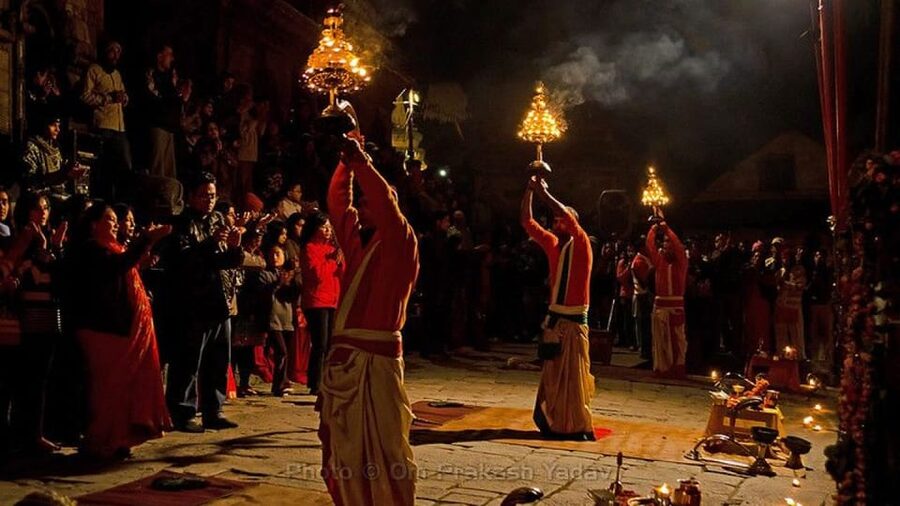
The Bagmati Aarti is the evening focus, with lamps and prayers beside the river.
The private three-hour format gives you a guide and vehicle rather than a large group.
The temple complex includes Arya Ghat, an active Hindu cremation site, so parts of the visit can feel solemn.
Guide Madhu has received special praise for his stories and enthusiasm, though guide assignments can vary.
Hotel pickup and drop-off are included, which is useful in Kathmandu’s evening traffic.
The price is $71 per person, a fairer deal for solo visitors or couples who value private transport and explanation.
Why Pashupatinath feels different at night
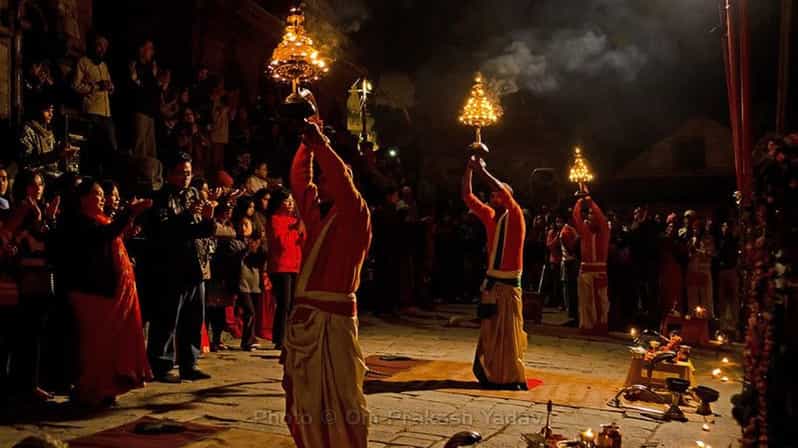
Pashupatinath is not simply a monument to admire and leave. It is an active place of worship, pilgrimage, cremation, prayer, and daily religious life. That matters because you are not visiting a staged cultural show. You are entering a working sacred complex where the evening ceremony has a real purpose for local worshippers.
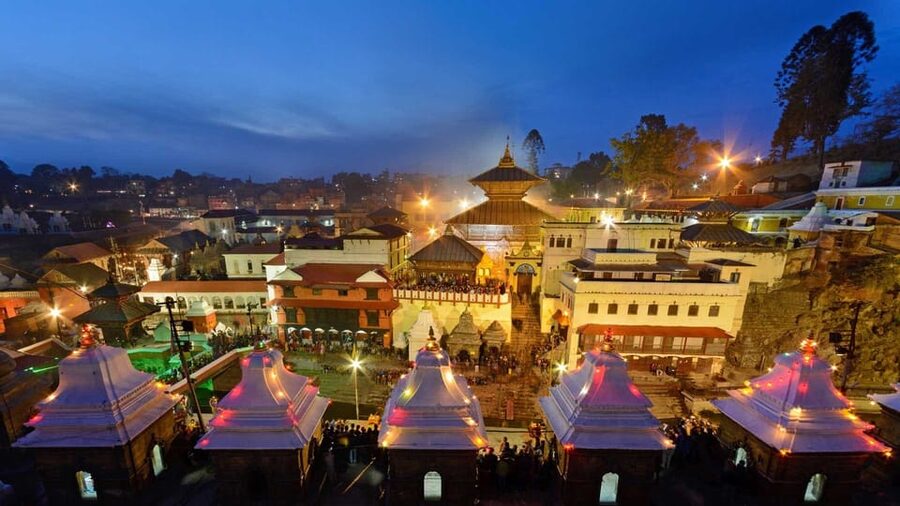
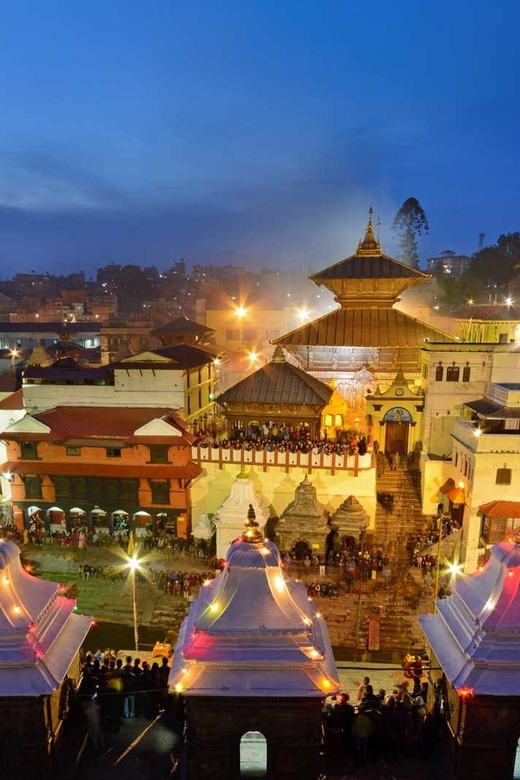
The main temple is dedicated to Pashupatinath, an incarnation of Lord Shiva. The site is regarded as one of the most important Hindu pilgrimage places in the world. Its central pagoda-style building has a golden roof and carved silver doors, details that become especially striking when lit at night.
The first temple on this ground is believed to have been built in the 5th century. The structure you see today dates mainly from the 17th century, after repeated rebuilding. An English-speaking guide can help connect those dates to the buildings around you instead of leaving you with only a quick photograph and a name.
The complex reaches along both banks of the Bagmati River. Smaller temples and ashrams spread through the area, so the visit is about more than the main shrine. You’ll get a sense of how worship, river ritual, and death are tied together in Hindu practice.
More Pashupatinath evening aarati tours:
- Kathmandu: Pashupatinath Temple Evening Aarati Tour
★ 5.0 · 36 reviews - Pashupatinath Temple, Hindu Crematorium and Aarati in-depth Tour
★ 5.0 · 25 reviews - Pashupatinath Evening Aarati: Few Divinely Hours in Kathmandu
★ 4.5 · 23 reviews
Hotel pickup and the ride to the temple
The tour begins with pickup at your hotel. You are asked to wait in the lobby 15 minutes before the scheduled time, a sensible precaution in Kathmandu, where traffic can slow even a short drive. Transportation to and from Pashupatinath is included, along with all taxes.
The transport is private, and the service has received a strong score for comfort and quality. One recent departure included a comfortable car and a punctual pickup. That said, timing is worth watching. A late vehicle on another departure caused the visitor to miss the beginning of the ceremony, though the rest of the visit remained worthwhile.
I would keep your phone available and be ready in the lobby early. If the aarti is your main reason for booking, the pickup time matters more than it might on a standard sightseeing tour. The ceremony follows a set schedule, and a delay cannot be recovered once the opening prayers have passed.
The drive itself is not presented as a separate sightseeing stop. Its value is practical: you avoid arranging a taxi at night and return directly to your hotel after the visit. For a first evening in Kathmandu, that simplicity can be worth paying for.
Entering the Pashupatinath complex
Once you arrive, your guide leads you through the temple area and explains its role in Nepali religious life. Pashupatinath is a UNESCO World Heritage Site and a symbol of devotion to Shiva, but the label alone does not tell you much. The useful part is hearing how the site functions for pilgrims and families today.
The main temple’s golden roof and silver doors are the most recognizable architectural features. The pagoda design gives the shrine a distinctly Nepali look, while the metalwork catches the last light and the glow from lamps after dark.
Access rules can vary around Hindu temples, and the supplied information does not specify which areas every visitor may enter. You should follow your guide’s instructions and treat the site as a place of worship first. This is not the setting for casual behavior, loud conversation, or intrusive photography.
The complex includes smaller shrines and ashrams. You may find the smaller spaces more revealing than the main structure because they show how broad the religious grounds are. A good guide can explain what you are looking at and prevent the visit from becoming a walk past unfamiliar buildings.
One guide named Madhu has been praised for sharing historical stories as he moved through the temple area. His style was described as enthusiastic and informative. Your guide may be someone else, but the tour is designed around live English explanation rather than an audio guide or printed handout.
The Bagmati River and Arya Ghat
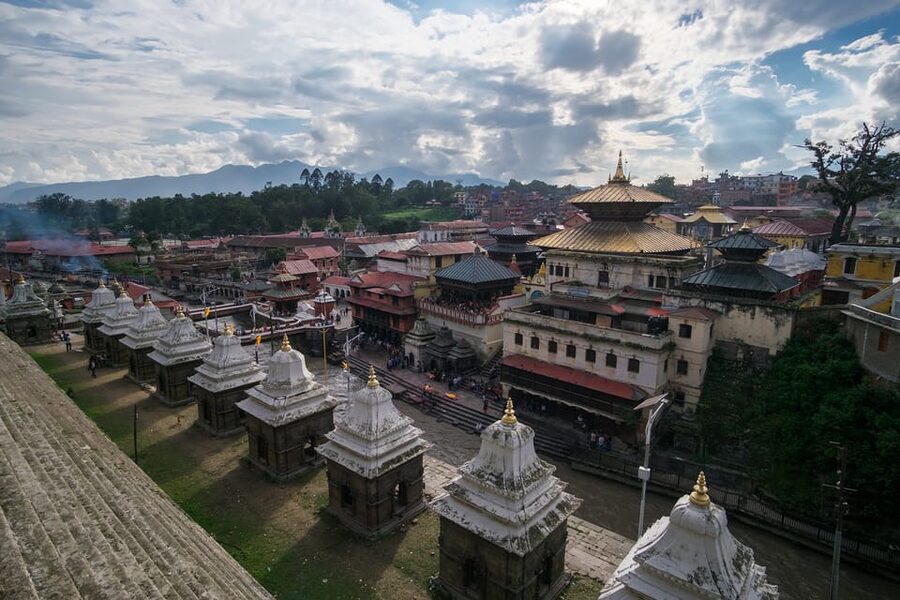
The Bagmati River runs through the temple complex and gives the visit much of its emotional force. Along its banks, Arya Ghat serves as an important Hindu cremation site. Hindu belief holds that cremation here can help the deceased soul reach moksha, or release from the cycle of rebirth.
You may see a live cremation during the visit. One recent account described watching a cremation alongside the evening light ceremony as a moving experience. This is not entertainment, and your attitude matters. Keep a respectful distance, follow local instructions, and do not treat families’ grief as a photo opportunity.
For some people, Arya Ghat will be the most meaningful part of the evening. It offers a direct look at a religious tradition in which death is part of the public life of the community. For others, it may feel too intense. If you know that cremation sites are difficult for you, be honest with yourself before booking.
The guide’s role is important here. The facts about moksha and the river are easy to repeat, but the setting needs care and context. A calm explanation can help you understand what you are seeing without turning a solemn ritual into a lesson detached from real people.
More temples and monasteries in Kathmandu:
- Kathmandu Spiritual Sites: Bodhnath & Pashupatinath Tour
★ 5.0 · 185 reviews - Kathmandu: Nagarkot Sunrise and Hike Tour to Changu Narayan
★ 4.7 · 151 reviews - From Kathmandu: Everest View from Nagarkot & hike to Changu
★ 4.8 · 140 reviews - Kathmandu: Chandragiri Cable Car and Monkey Temple Tour
★ 4.8 · 139 reviews
The evening aarti beside the river
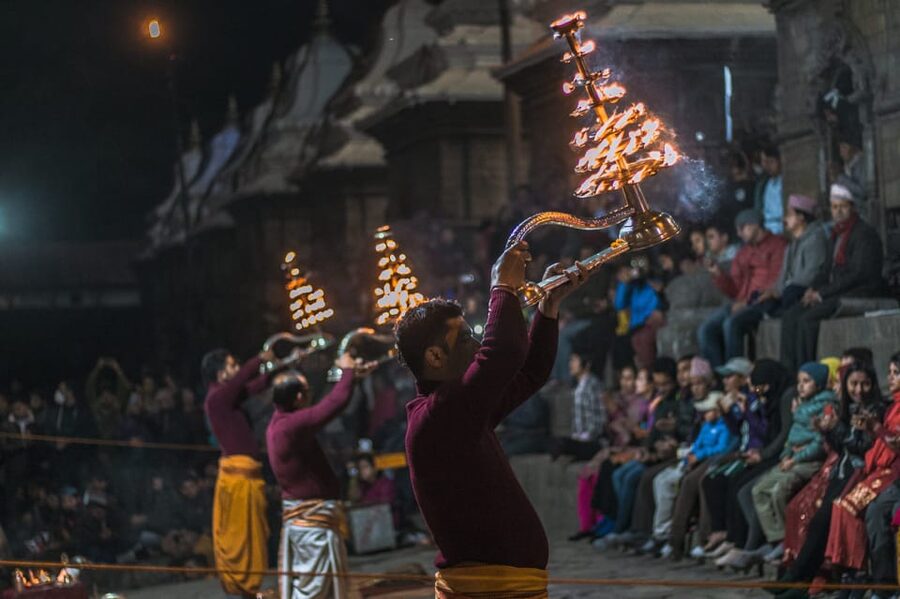
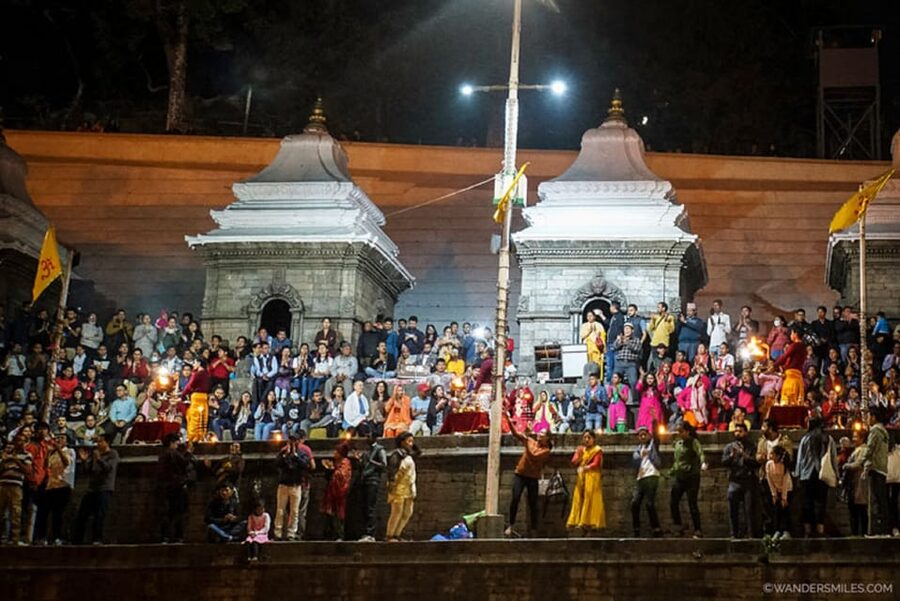
The aarti is the central reason to choose this night tour. This is a Hindu prayer ceremony using light, with lamps raised during worship. At Pashupatinath, the ceremony takes place beside the Bagmati River and creates a striking scene of flame, prayer, and gathered devotion.
The atmosphere changes as daylight fades. The gold of the temple roof gives way to the warmer glow of ritual lamps. You’ll have a chance to watch the ceremony and see how Nepali worshippers express devotion to Pashupatinath.
The exact flow and viewing position are not specified, so you should not expect a guaranteed front-row place or a fixed performance length. The tour promises access to the special aarti ceremony, but arrival time remains crucial. If you reach the complex late, you may see only part of it.
This is where the three-hour duration works well. You have time for the temple area, the riverbank, the cremation site, and the ceremony instead of stopping only for a quick photograph. Still, the evening has a firm rhythm. Ask your guide early about when the aarti begins and how long you will remain at the river.
The ceremony is also the part most likely to appeal to people seeking a cultural experience rather than a checklist of monuments. You are not just looking at architecture. You are seeing a living religious practice in its proper setting.
What the private format adds
This is a private group tour, which changes the pace. You can ask questions without holding up a busload of people, and the guide can spend more time on the parts that interest you. If you want more explanation about Shiva, the temple’s rebuilding, or Hindu cremation customs, you have a better chance to ask as you go.
Private transport also removes a few common evening hassles. You do not need to find a taxi to the temple, negotiate a return ride, or work out where to meet after the ceremony. Pickup and drop-off at your hotel are included.
The private format does not guarantee that everything will run perfectly. One late pickup shows the practical limit of any scheduled evening tour. If the aarti is essential, be ready early and confirm the pickup details when you book.
The tour is listed as wheelchair accessible, which is useful information for anyone who needs accessible arrangements. The complex includes riverbanks, religious buildings, and outdoor paths, but the supplied details do not explain the condition of every surface or route. You should confirm any specific mobility needs in advance.
Is $71 a fair price?
At $71 per person, this is not the cheapest way to reach Pashupatinath. You are paying for a private group, hotel transport, an English-speaking guide, entry, and a return ride, not just admission to the temple.
The price makes the most sense for a solo visitor, couple, or small party that wants a planned evening. Hiring separate transport and arranging an English-speaking guide may cost less or more depending on the deal you find, but it would require extra coordination. Here, the basic pieces are bundled into one booking.
The value is strongest if you care about context. The gold roof and river ceremony are easy to see, but understanding the temple’s connection to Shiva, Arya Ghat, and moksha gives the evening more meaning. If you prefer to walk independently and do not need transport, $71 may feel high.
Food and drinks are not included. Since the tour lasts three hours and focuses on the temple complex, you should eat beforehand or plan your own meal before or after the visit. No meal stop is part of the experience.
The cancellation terms add useful flexibility. You can cancel up to 24 hours ahead for a full refund, and you can reserve now and pay later. Those policies do not improve the visit itself, but they reduce the risk of fixing your evening plans too early.
Who will enjoy this night tour most?
I would recommend this experience to you if you want a guided introduction to Hindu worship in Nepal and prefer an organized evening. It suits first-time visitors who want to see Pashupatinath without arranging transport or researching the site alone.
It is also a good fit for solo women who value a private pickup and guide. One solo woman described feeling safe and well informed throughout her visit. That is not a guarantee for every departure, but the private structure gives you a clear point of contact during the evening.
History-minded visitors should appreciate the combination of architecture and explanation. The 5th-century origins, 17th-century rebuilding, golden roof, silver doors, smaller temples, and riverbank rituals give the guide plenty to explain.
You should think twice if you want a quiet, self-directed visit with no set schedule. The aarti has a fixed timing, and the cremation site can be emotionally heavy. You also should not book this expecting a food tour, a broad Kathmandu city tour, or a long stop at several unrelated sights. The focus is Pashupatinath.
Practical advice for a respectful visit
Bring your passport, or a copy, since it is listed as required. Wear clothing suitable for a major religious site, although the supplied details do not set out a formal dress code. Modest behavior is the safest approach.
Keep your camera ready for architecture and general surroundings, but be cautious around the cremation area. Ask your guide before taking photographs, especially near families, mourners, or active religious rites.
Arrive in the hotel lobby 15 minutes before pickup. This small step matters because the tour is tied to the evening ceremony. A late start can cost you part of the aarti, as one departure showed.
The tour is conducted in English. If you need another language, this experience may not suit you because English is the only language specified.
The overall rating is 4.8 from 29 ratings, and transport received a perfect score from 86 percent of participants. Those figures suggest a dependable service, while the late pickup shows why you should still build in a little patience for Kathmandu traffic.
Should you book the Pashupatinath Aarti Night Tour?
Book it if you want a guided and private evening at one of Nepal’s most important religious sites, especially if you value hotel transport and clear explanation. The aarti, golden roof, silver doors, Bagmati River, and Arya Ghat create a serious, memorable visit.
The strongest reason to choose this tour is its balance of access and context. You see the ceremony, but you also learn why the temple matters and how the riverbank fits into Hindu religious life. The main caution is timing. Arrive early for pickup, and understand that a cremation site may be emotionally demanding.
At $71, I see this as a convenience and interpretation purchase rather than a bargain admission ticket. For a first visit to Kathmandu, that can be money well spent. If you want to see the aarti without transport worries and have a guide explain what is happening, I would book it.
FAQ
How long does the Pashupatinath Aarti Night Tour last?
The tour lasts three hours, including hotel pickup, the visit to Pashupatinath Temple, and return transportation to your hotel.
Is hotel pickup included?
Yes. Pickup and drop-off at your hotel are included. You should wait in the hotel lobby 15 minutes before the scheduled pickup time.
Is the tour private?
Yes. The experience is arranged for a private group rather than a shared public group.
What language does the guide speak?
The live guide speaks English. English is the only language specified for this activity.
What should I bring?
You should bring your passport. A copy of your passport is also accepted.
Can I cancel the tour for a full refund?
Yes. You can cancel up to 24 hours before the activity for a full refund. You can also reserve now and pay later.
More evening and night tours in Kathmandu
- Kathmandu Sunset Tour by Rickshaw Including Durbar Square Visit
★ 5.0 · 73 reviews - 3 Nights 4 Days Chitwan National Park with Tower Night Stay
★ 5.0 · 41 reviews - 3 night 4 Day Yoga & Ayurveda Retreat to Detox the Body & Mind, Nepal
★ 5.0 · 37 reviews - 2 Night 3 Days Pokhara City Tour
★ 5.0 · 22 reviews
Just added around Kathmandu
- Traditional Momo Making Class★ 5.0 · 10 reviews
- Wildlife Adventure in Chitwan Nepal★ 4.0 · 4 reviews
- Walking tour of real Kathmandu through back streets.★ 5.0 · 3 reviews
- Kathmandu 2 Nights 3 Days Chitwan Jungle Safari Tour★ 5.0 · 9 reviews
- Kathmandu Street Food Walking Tour – Eat Like a Local★ 5.0 · 3 reviews
- Private Manaslu Circuit Trek at Himalayas★ 5.0 · 3 reviews
- Walking tour of Kathmandu with awesome local guides★ 5.0 · 4 reviews
- Visit Swayambhunath and Bauddhanath Stupa with Guide★ 5.0 · 5 reviews
Pashupatinath Aarati Evening Tours, compared.
Pashupatinath Temple, Hindu Crematorium and Aarati in-depth Tour
Read our review →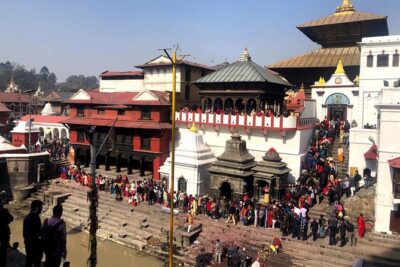
Pashupatinath Evening Aarati: Few Divinely Hours in Kathmandu
Read our review →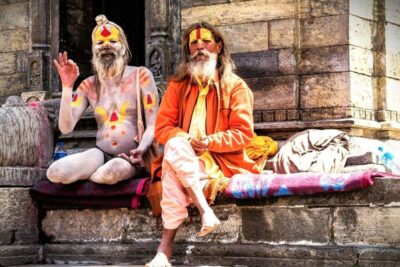
Sacred Pashupatinath: Aarati,Cremation Rites & Boudha Stupa
Read our review →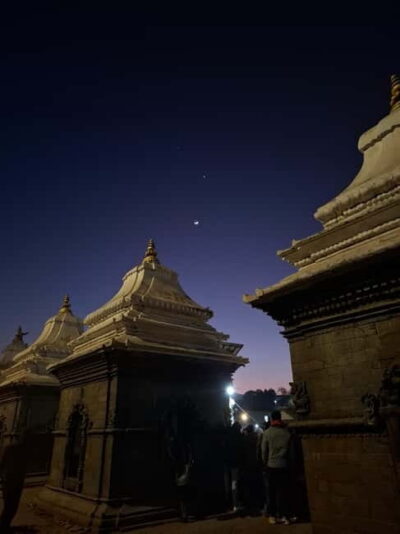
Katmandu: Pashupatinath Open Cremation & Evening Aarati
Read our review →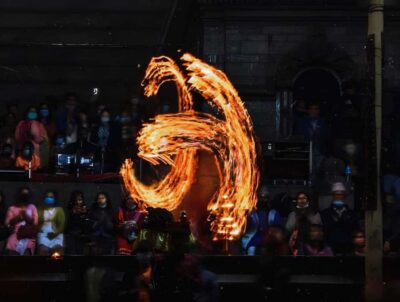
Browse the lists this tour appears in