
Reviewed · PASHUPATINATH AARATI EVENING TOURS
Katmandu: Pashupatinath Open Cremation & Evening Aarati
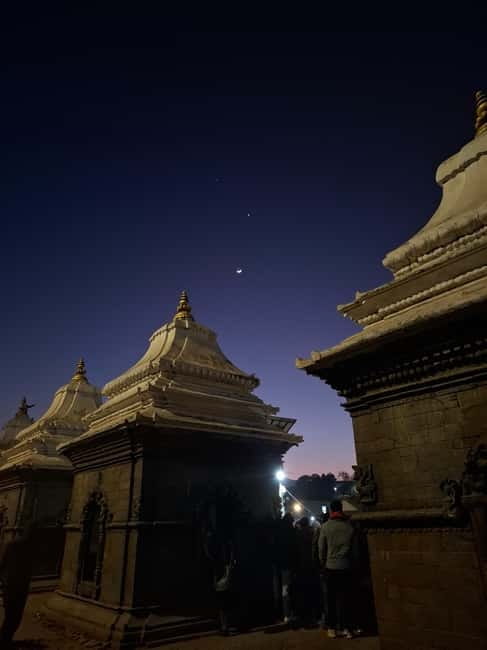
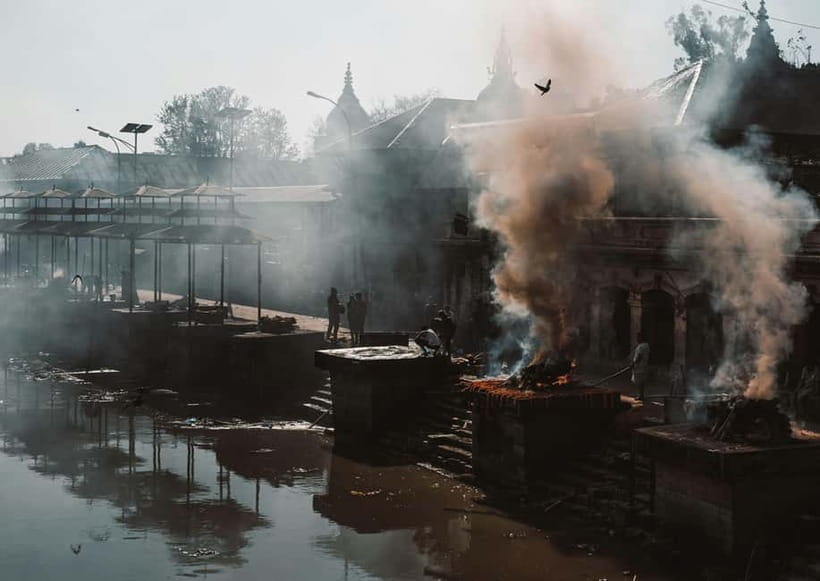
At Pashupatinath, funeral pyres burn beside the Bagmati River while, a short walk away, worshippers raise lamps and chant to Lord Shiva. This is not a polished stage show. It is a working religious site where death and devotion share the same riverbank, and that makes the evening unusually serious and memorable.
I like two things here. First, the visit gives you a look at Hindu beliefs about cremation and moksha, or liberation, in the place where those rites are actually practiced. Second, the Aarati, held from about 6:00 to 6:30 PM, adds music, oil lamps, and communal prayer to the solemn setting. The main drawback is that the service details are not fully consistent: the booking information says no guide is included, while some recent bookings were handled by Bhum Raj Tiwari, whose English explanations were highly praised.
Key points to know
- Open cremations at Arya Ghat: You observe Hindu funeral rites from the public viewing areas along the Bagmati River.
- Aarati begins around 6:00 PM: Arrive by 5:30 PM if you want a better place on the stone seating area.
- Bhum Raj Tiwari may be your guide: He has been praised for clear English and careful explanations, but guide availability should be confirmed.
- Private pickup and drop-off: A driver collects you in Kathmandu, provides drinking water, and returns you to your original location.
- About three hours, sometimes longer: Traffic and your pickup location can stretch the visit to three or four hours.
- Not a light family outing: Children under nine, wheelchair users, and people with mobility or back problems are advised not to join.
Why Pashupatinath feels different at dusk
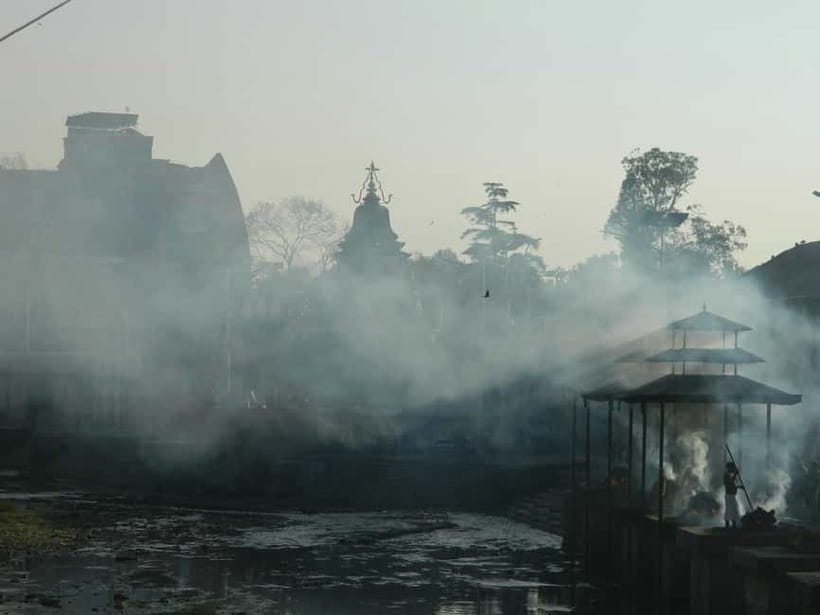
Pashupatinath is one of those places where the setting does much of the teaching. The Bagmati River runs beside the temple complex, and Arya Ghat is used for open Hindu cremations. At the same time, the wider temple area fills with worshippers preparing for the evening Aarati.
You are not simply visiting a monument and taking photographs. You are watching a living religious practice. That can feel uncomfortable at first, especially if you come from a culture where funeral rites are private and closed to public view. The best approach is quiet attention, modest clothing, and respect for families using the cremation area.
The tour’s central value is this direct encounter with two sides of Hindu worship. Cremation is linked to the belief in moksha, liberation from the cycle of rebirth. Aarati uses sound, flame, and prayer to honor Lord Shiva. Seen together, the two ceremonies give the evening a clear theme: life, death, faith, and continuity are not kept in separate rooms.
More Pashupatinath evening aarati tours:
- Kathmandu: Pashupatinath Temple Evening Aarati Tour
★ 5.0 · 36 reviews - Kathmandu: Pashupatinath Temple Aarti Night Tour
★ 4.8 · 29 reviews - Pashupatinath Temple, Hindu Crematorium and Aarati in-depth Tour
★ 5.0 · 25 reviews
Pickup from Kathmandu and the ride to the temple
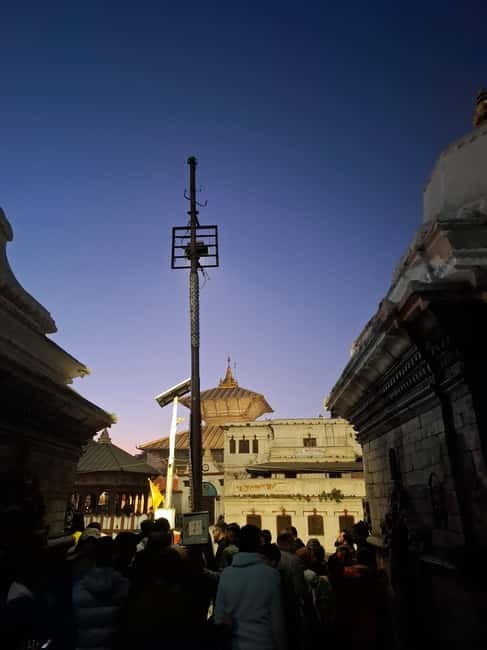
The visit begins with pickup at your Kathmandu hotel, accommodation entrance, or another clearly visible location. You are asked to wait in the lobby or at the main entrance, and the driver is expected within a 15-minute window of the agreed time.
This detail matters in Kathmandu. Narrow lanes, busy streets, and hard-to-find private residences can slow a pickup, so give clear directions when you book. If your lodging is tucked into an alley, arrange a meeting point that a vehicle can reach.
Transport is by private air-conditioned vehicle according to the tour description. The driver provides drinking water and takes you to the main entrance of Pashupatinath. The drive itself is not the point of the outing, but private transport is useful because the visit ends after dark and traffic can make a simple taxi ride less predictable.
There is one practical caution. A serious service complaint described a late pickup, a dirty vehicle without working air conditioning, and missing seat belts, along with a driver who spoke no English. That account conflicts with the smoother arrangements described elsewhere, so I would confirm the vehicle, seat belts, air conditioning, and language support before paying. The overall recorded score is 3.8 from five ratings, which suggests a worthwhile visit but uneven delivery.
Walking to Arya Ghat
After being dropped at the main temple entrance, you walk toward Arya Ghat. The tour description allows about three hours at Pashupatinath, but the full outing can take three to four hours once Kathmandu traffic and pickup distance are counted.
Wear shoes you can walk in comfortably. The route to the cremation area involves walking, and the information provided specifically warns that the outing may not suit people with mobility issues. Wheelchair users, people with back problems, and people with pre-existing medical conditions are advised not to take part.
The walk also gives you time to shift from city traffic to the tone of the temple complex. You may want to keep your camera ready, but remember that this is a sacred place, not a photo set. Ask before photographing people, and do not treat funeral rites as a spectacle.
The tour includes a short briefing about what to do and what to avoid. That briefing is important because the site demands more care than an ordinary sightseeing stop. Stay with the instructions you are given, keep your voice low near the cremation area, and avoid intruding on grieving families.
Observing the open cremation rites
At Arya Ghat, you can watch Hindu funeral rites along the Bagmati River. The cremations are open to public view, but that does not mean they are performed for an audience. Your role is to observe from an appropriate distance and allow the families privacy.
This is the part of the evening that may affect you most. A visitor from Europe or North America might find the practice startling because cremation is often hidden from public view in those places. One recorded account described the setting as difficult to take in at first, yet also valued the chance to understand why Hindus follow these rites.
A guide who can explain the customs without turning them into a simple show is valuable here. Bhum Raj Tiwari was singled out for strong English and clear explanations of why the rituals matter. His background was also described as useful during conversation. If he is assigned to your booking, you can expect more context than a basic driver transfer. Still, the official details also say that a tour guide is not included and that the driver provides assistance, so confirm this point directly.
The belief in cremation at this holy site is tied to moksha. The tour does not ask you to adopt that belief. It gives you a chance to understand how a religious idea shapes an actual ceremony. That difference matters. You can find the practice moving, confronting, or both without pretending it is your own tradition.
More temples and monasteries in Kathmandu:
- Kathmandu Spiritual Sites: Bodhnath & Pashupatinath Tour
★ 5.0 · 185 reviews - Kathmandu: Nagarkot Sunrise and Hike Tour to Changu Narayan
★ 4.7 · 151 reviews - From Kathmandu: Everest View from Nagarkot & hike to Changu
★ 4.8 · 140 reviews - Kathmandu: Chandragiri Cable Car and Monkey Temple Tour
★ 4.8 · 139 reviews
Finding a place for the evening Aarati
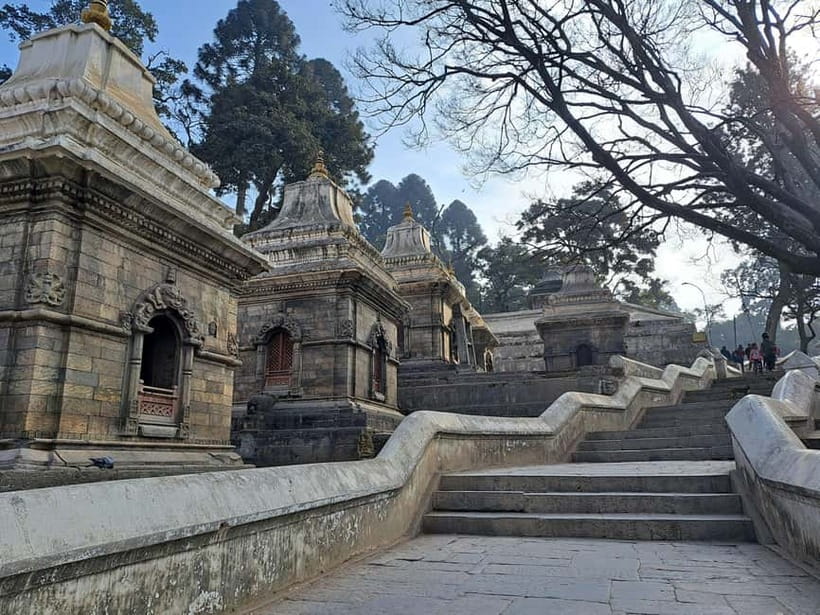
The Aarati is scheduled for 6:00 to 6:30 PM, and you are advised to reach the viewing area by 5:30 PM. Arriving early is sensible because the best viewing places may fill before the ceremony begins.
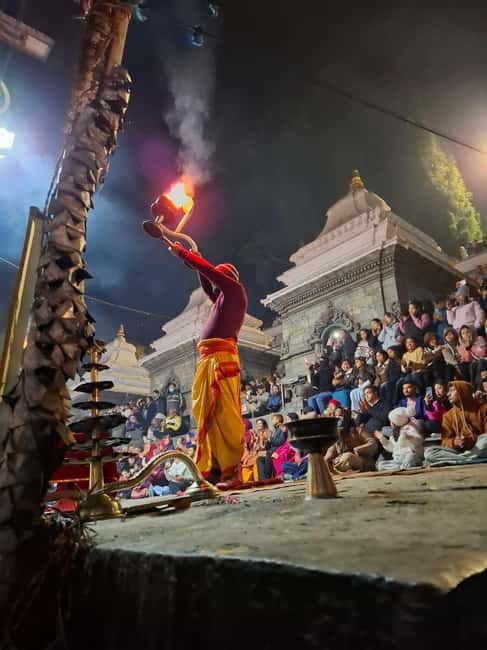
The ceremony is dedicated to Lord Shiva. You can expect devotional songs, rhythmic chanting, and the glow of oil lamps. The activity description presents the Aarati as a collective act of worship rather than a short performance for sightseers. You may watch from the stone seating areas and take in how the crowd responds to the prayers.
The timing creates a striking contrast. Cremation rites continue in the background while the Aarati gathers people around light, sound, and devotion. The two scenes are close enough to feel connected, but they are not the same ritual. That is why the evening can feel so powerful: the site does not tidy away the difficult parts of religious life.
For the best experience, arrive early, sit quietly, and let the ceremony unfold without trying to record every minute. A camera is listed among the recommended items, but the atmosphere is easier to appreciate when your attention is not fixed on a screen.
What the private format adds
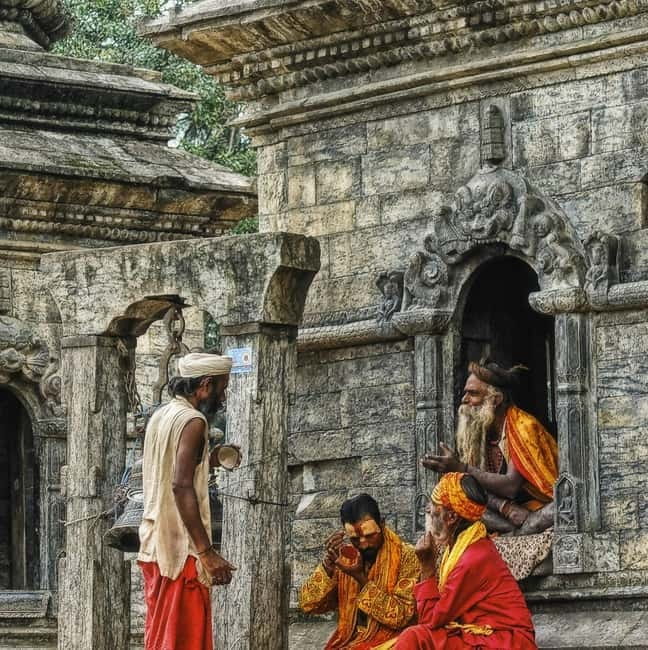
This is a private group outing rather than a large shared coach tour. That can make the evening easier to manage, especially when you need to coordinate pickup, walking, and the 5:30 PM arrival for Aarati.
Private transport also gives you a direct return to your original location. That is useful after dark, when you may not want to negotiate a taxi from the temple area. The trade-off is that the quality of the experience depends more heavily on the assigned driver or guide. A thoughtful guide can explain the site and help you behave respectfully. A driver who only drops you off and waits outside provides much less value.
The available information is mixed on this point. The package includes an experienced driver, water, and pickup and drop-off, but excludes entry tickets, meals, and a tour guide. At the same time, the activity information labels the outing as having a live guide, and Bhum Raj Tiwari received especially strong praise for his English explanations. Ask these questions before booking:
- Is a live guide included in your specific reservation?
- Will the guide accompany you to Arya Ghat and the Aarati area?
- Is the driver also the person explaining the rituals?
- Are entry tickets paid separately on arrival?
Those answers determine whether you are buying transport with basic assistance or a properly explained cultural visit.
Is $27 a fair price?
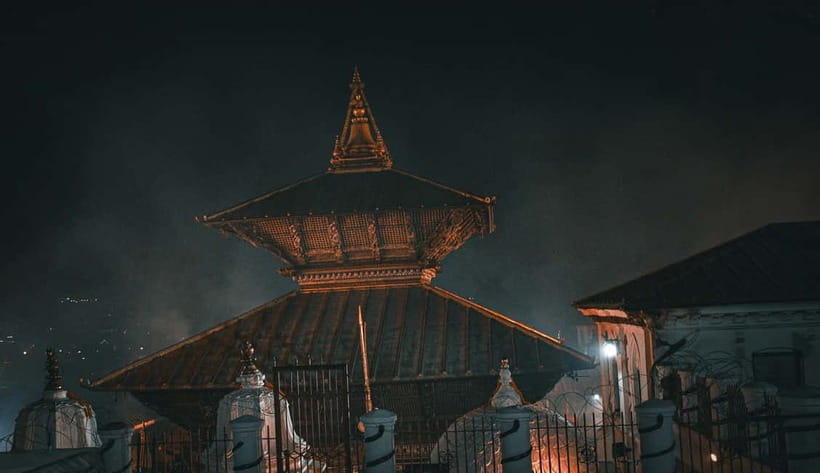
At $27 per person, the price can be fair if the private pickup, return transport, and cultural explanation all work as promised. It is especially useful if you are staying outside the immediate temple area or do not want to arrange a late return yourself.
The value is weaker if you receive only a vehicle transfer with no guide and poor transport conditions. Since entry tickets and meals are not included, your total cost will be a little higher than the advertised amount. You should also remember that the listed price does not guarantee a particular guide unless that is confirmed in writing.
For a visitor who wants context, Bhum Raj Tiwari’s reported performance is the strongest reason to consider this arrangement. Clear English explanations are particularly helpful at Arya Ghat, where cultural misunderstandings can happen quickly. For someone who only wants to see the Aarati, a professional taxi and independent temple visit may cost less, though you would lose organized pickup and any included explanation.
The cancellation terms are friendly. You can cancel up to 24 hours in advance for a full refund, and you can reserve now and pay later. That flexibility is useful when your Kathmandu schedule depends on weather, traffic, or an uncertain arrival time.
Clothing, packing, and respectful behavior
Wear modest clothing because Pashupatinath is an active religious site. Comfortable clothes and walking shoes are practical, and a light jacket is sensible for an outdoor evening.
Bring your passport or another ID card, cash, and water if you prefer more than the included bottle. A camera is allowed as a recommended item, but use it with care. The cremation area should never be treated like a normal sightseeing stop.
The experience is not recommended for children under nine. It also may be unsuitable for people with mobility impairments, wheelchair users, people with back problems, or anyone with a pre-existing medical condition. The walking and emotional nature of the visit both deserve honest consideration before you book.
Who should book this evening?
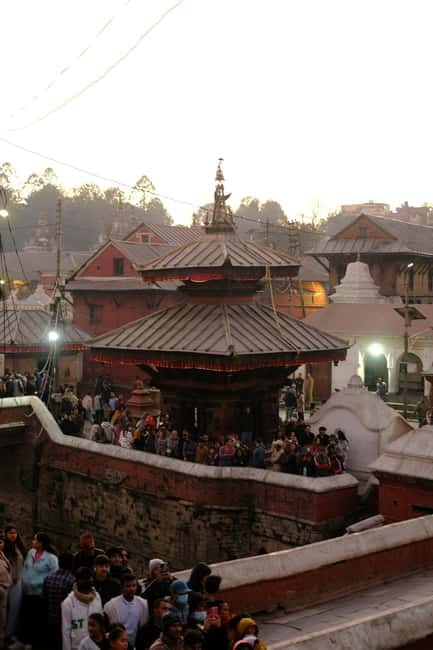
I would recommend this outing to an adult who wants a serious look at Nepal’s religious life rather than a quick temple photo. It suits you if you are comfortable witnessing funeral customs respectfully, can walk to Arya Ghat, and want to pair the cremation site with the evening Aarati.
It is less suitable if you want a polished cultural show, dislike crowded viewing areas, or prefer not to witness death rituals. It is also a poor fit for anyone who needs step-free access or dependable family-oriented entertainment.
Should you book the Pashupatinath evening tour?
Book it if the chance to see open cremation rites and the Shiva Aarati in one evening matters to you, and if you confirm the guide and vehicle details first. The setting offers a rare, direct look at how Hindu faith connects death, prayer, and community.
I would ask for Bhum Raj Tiwari by name if he is available, or request a guide who speaks clear English. I would also confirm that the vehicle has working air conditioning and seat belts, and that the driver or guide will accompany you rather than simply dropping you off.
With those points settled, $27 can be a sensible price for private transport and a difficult but meaningful cultural encounter. Without them, you may be paying mainly for a ride.
FAQ
How long does the Pashupatinath tour last?
The visit is advertised as about three hours, but the full outing can take three to four hours depending on your pickup location and Kathmandu traffic.
What time should I arrive for the Aarati?
You should reach the Aarati viewing area by 5:30 PM. The ceremony is scheduled from about 6:00 to 6:30 PM.
Is a tour guide included?
The information is inconsistent. It says a tour guide is not included and that the driver provides assistance, while other details describe a live guide. Confirm whether a guide is included in your specific booking. Bhum Raj Tiwari has been praised for clear English explanations when assigned.
Are entry tickets included in the price?
No. Entry tickets are not included. Meals are also not included.
What should I wear to Pashupatinath?
Modest clothing is recommended because the temple complex is a religious site. Comfortable shoes are important because you will walk to the cremation area.
Who should not join this activity?
The tour is not suitable for children under nine, wheelchair users, people with mobility impairments, people with back problems, or people with pre-existing medical conditions.
More evening and night tours in Kathmandu
- Kathmandu Sunset Tour by Rickshaw Including Durbar Square Visit
★ 5.0 · 73 reviews - 3 Nights 4 Days Chitwan National Park with Tower Night Stay
★ 5.0 · 41 reviews - 3 night 4 Day Yoga & Ayurveda Retreat to Detox the Body & Mind, Nepal
★ 5.0 · 37 reviews - Pashupatinath Evening Aarati: Few Divinely Hours in Kathmandu
★ 4.5 · 23 reviews
Just added around Kathmandu
- Traditional Momo Making Class★ 5.0 · 10 reviews
- Wildlife Adventure in Chitwan Nepal★ 4.0 · 4 reviews
- Walking tour of real Kathmandu through back streets.★ 5.0 · 3 reviews
- Kathmandu 2 Nights 3 Days Chitwan Jungle Safari Tour★ 5.0 · 9 reviews
- Kathmandu Street Food Walking Tour – Eat Like a Local★ 5.0 · 3 reviews
- Private Manaslu Circuit Trek at Himalayas★ 5.0 · 3 reviews
- Walking tour of Kathmandu with awesome local guides★ 5.0 · 4 reviews
- Visit Swayambhunath and Bauddhanath Stupa with Guide★ 5.0 · 5 reviews
Pashupatinath Aarati Evening Tours, compared.
Pashupatinath Temple, Hindu Crematorium and Aarati in-depth Tour
Read our review →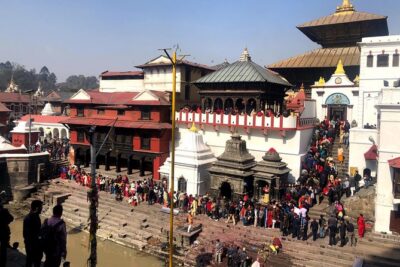
Pashupatinath Evening Aarati: Few Divinely Hours in Kathmandu
Read our review →
Sacred Pashupatinath: Aarati,Cremation Rites & Boudha Stupa
Read our review →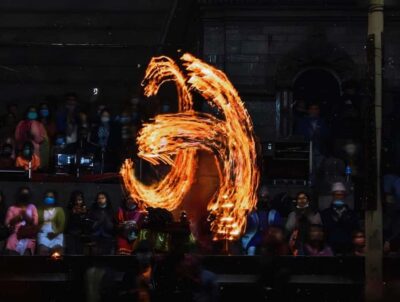
Browse the lists this tour appears in