
Reviewed · PASHUPATINATH AARATI EVENING TOURS
Sacred Pashupatinath: Aarati,Cremation Rites & Boudha Stupa
Pashupatinath is the reason to take this tour. Along the Bagmati River, Hindu cremation fires burn in public view while bells, chants, and conch shells fill the air. It is serious, moving, and not easy entertainment. Your guide helps you understand what you are seeing without turning a sacred ceremony into a photo stop.
I like the pairing of Boudhanath’s calm prayer circuit with Pashupatinath’s emotional force. I also like the access to local guides such as Razz, Pranav, Karma, Anish, and Sudhir, who explain the symbols and rituals in clear English. The main consideration is that the advertised $11 price does not include the NRs 1,000 Pashupatinath entry fee or NRs 400 Boudhanath fee, and cremation rites may be difficult to watch.
Key points to know before booking
- Walk the kora at Boudhanath: Circle the white stupa with pilgrims, prayer wheels, monasteries, flags, and small shops.
- See Pashupatinath’s public cremation ghats: Your guide explains the Hindu customs, the sacred Bagmati River, and the meaning of the fire.
- Watch the Aarati ceremony: Evening chants, bells, lamps, and conch shells create the tour’s most intense spiritual moment.
- Expect an outer-complex visit: Non-Hindus cannot enter the main temple sanctum, but the surrounding grounds contain shrines, statues, and important views.
- Plan for extra costs: Admission, food, drinks, shopping, and transportation may not be included in your selected option.
- Choose the right pace: The experience lasts about two to five hours and can be private or conducted in a small group.
Two holy sites, two very different moods
This is a compact Kathmandu experience built around contrast. Boudhanath gives you space to slow down. Pashupatinath asks you to pay attention to life, death, faith, and public ritual.
The two sites are both UNESCO World Heritage attractions, but they do not feel like museum pieces. People pray, trade, light lamps, walk in circles, make offerings, and carry out religious customs here. You are not simply looking at old buildings. You are entering places still used for worship.
That is the tour’s greatest value. A guide can point out a statue or name a deity, but a good guide also explains why people walk clockwise around the stupa, why cremations take place beside the Bagmati, and what happens during the Aarati. Guides named in the feedback include Razz, Pranav, Karma, Anish, and Sudhir. Availability depends on the day and booking, so you should not assume a particular person will lead your visit.
The tour can last from two to five hours. That wide range matters. A shorter visit may cover the main sights briskly, while a longer version may leave time for markets, quiet observation, questions, or the full evening ceremony.
More Pashupatinath evening aarati tours:
- Kathmandu: Pashupatinath Temple Evening Aarati Tour
★ 5.0 · 36 reviews - Kathmandu: Pashupatinath Temple Aarti Night Tour
★ 4.8 · 29 reviews - Pashupatinath Temple, Hindu Crematorium and Aarati in-depth Tour
★ 5.0 · 25 reviews
Boudhanath Stupa and the rhythm of the kora
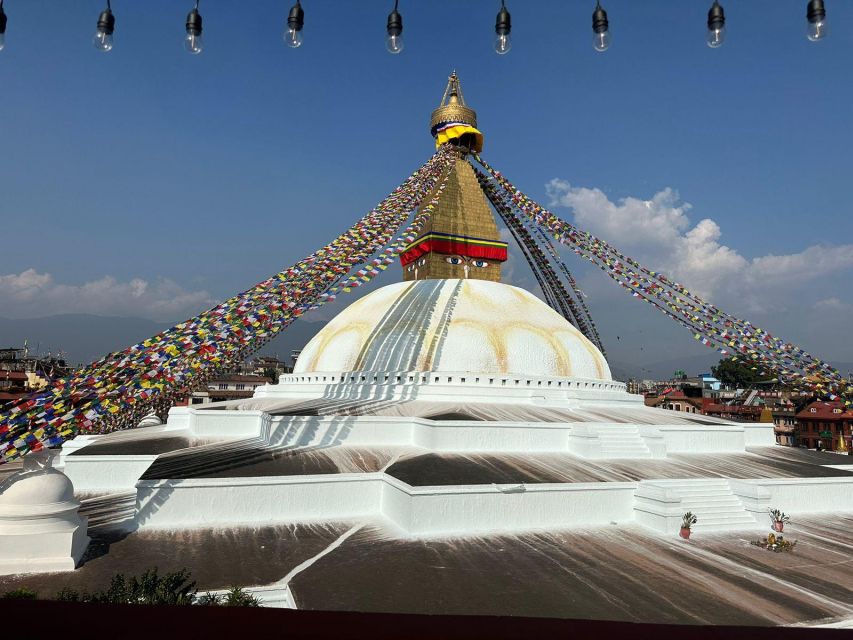
Boudhanath is usually the gentler opening stop. The huge white dome and golden spire rise above the surrounding streets, with colorful prayer flags adding movement overhead. Around the base, pilgrims walk the kora, the traditional clockwise circuit around the stupa.
You can join the circuit at your own pace. Prayer wheels line parts of the route, and the nearby courtyards lead toward monasteries and small shops selling religious objects, artwork, and other souvenirs. The guide’s role is useful here because Boudhanath contains symbols that can blur together when you first arrive.
I especially like the chance to pause rather than rush through. The tour allows time for photographs, a walk, and scenic views. A rooftop café can be a good place to sit with tea and watch the stupa change in the light, although food and drinks are your own expense.
The surrounding market adds a local-life element. You might find spiritual artifacts, singing bowls, or painted religious art. One visitor described watching artists work on Thangka paintings and taking part in a short singing bowl meditation and massage. Those extras may not be guaranteed, but the area gives you a chance to see how religious practice and commerce meet around a major pilgrimage site.
Shopping requires a little discipline. You may be approached by sellers, but a polite no is generally enough. Keep the visit focused on the stupa and its meaning rather than feeling obliged to buy something.
Why the Boudhanath stop earns its place
Boudhanath is not just a warm-up for Pashupatinath. It gives you a different way to understand Kathmandu’s religious life.
The kora is repetitive by design. Walking, turning prayer wheels, and watching others follow the same path can settle the pace of the visit. Your guide can explain the imagery and customs, but you also need a few quiet minutes without a running commentary.
For photographers, the stupa offers strong visual details: white plaster, gold, painted eyes, prayer flags, monastery courtyards, and people moving in a steady circle. Still, remember that this is a place of worship. Ask before photographing people closely, and do not treat active prayer as a performance.
The stop is also useful if you have limited time in Kathmandu. You get a major Buddhist site, access to nearby markets, and an introduction to Tibetan Buddhist practice without spending an entire day outside the city.
Entering Pashupatinath’s sacred complex
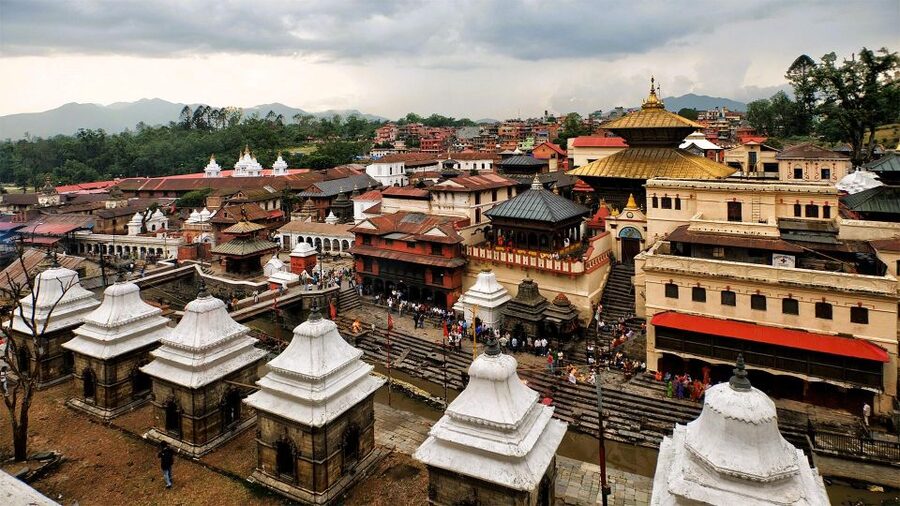
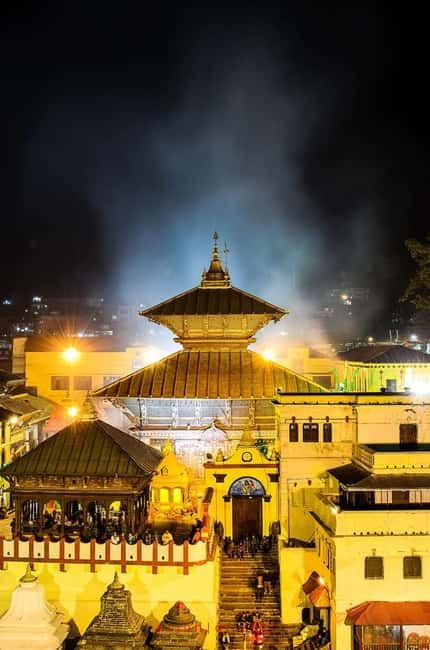
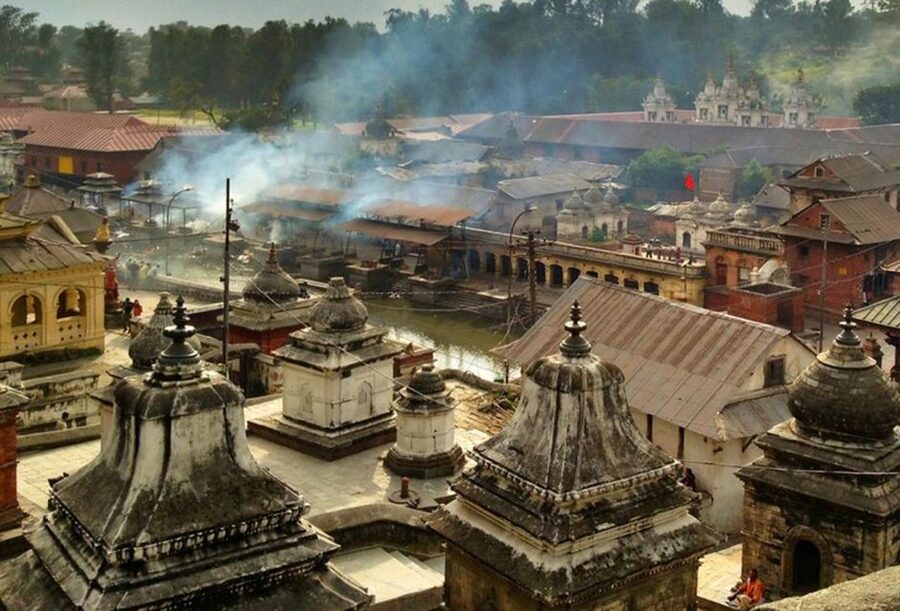
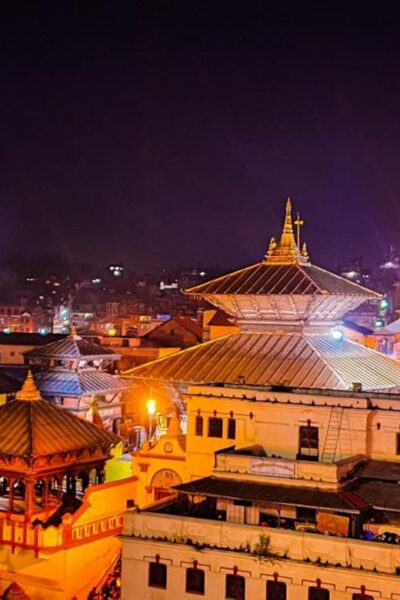
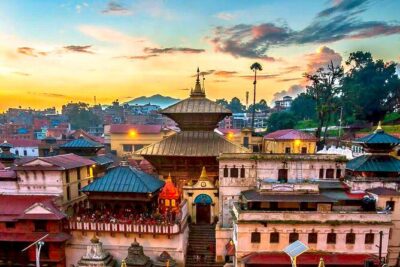
Pashupatinath brings a sharper change of mood. It is Nepal’s most important Hindu shrine dedicated to Lord Shiva in his form as Pashupati, the protector of animals. The temple complex lies beside the Bagmati River, and the riverbank ghats are used for open-air cremations.
Non-Hindus cannot enter the main sanctum. That restriction is important, but it does not make the visit pointless. Your guide takes you through the outer complex, where you can see architecture, smaller shrines, statues, religious figures, and views toward the river.
The temple grounds can feel crowded and visually busy. That is part of the experience, but it can also make it hard to know where to look. A guide such as Pranav or Karma can help connect the buildings and rituals instead of leaving you with disconnected photographs.
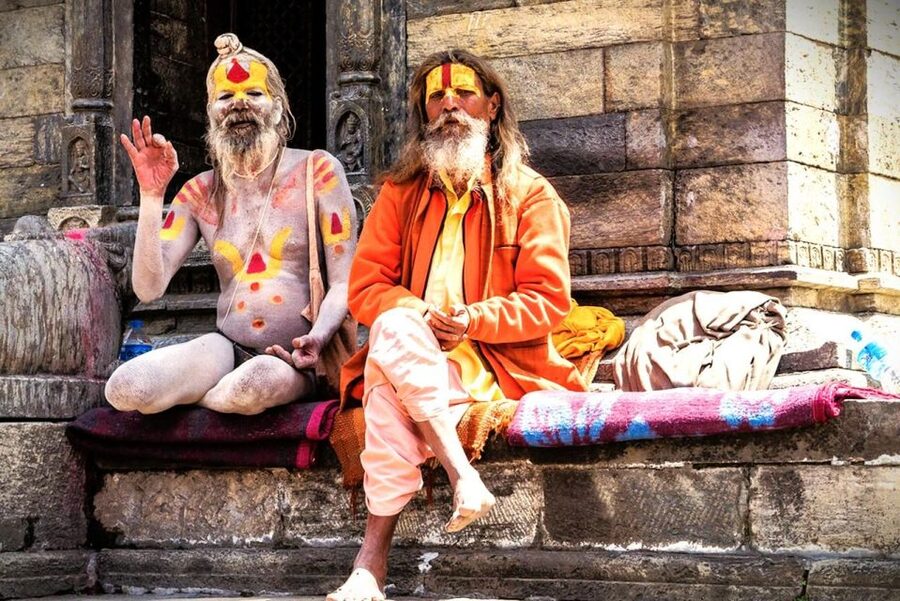
You may also encounter sadhus, Hindu holy men who live a religious life marked by renunciation. Their clothing, paint, and presence are part of Pashupatinath’s distinctive atmosphere. Treat them with respect, and ask your guide before taking a close photograph.
More temples and monasteries in Kathmandu:
- Kathmandu Spiritual Sites: Bodhnath & Pashupatinath Tour
★ 5.0 · 185 reviews - Kathmandu: Nagarkot Sunrise and Hike Tour to Changu Narayan
★ 4.7 · 151 reviews - From Kathmandu: Everest View from Nagarkot & hike to Changu
★ 4.8 · 140 reviews - Kathmandu: Chandragiri Cable Car and Monkey Temple Tour
★ 4.8 · 139 reviews
Understanding the cremation rites beside the Bagmati
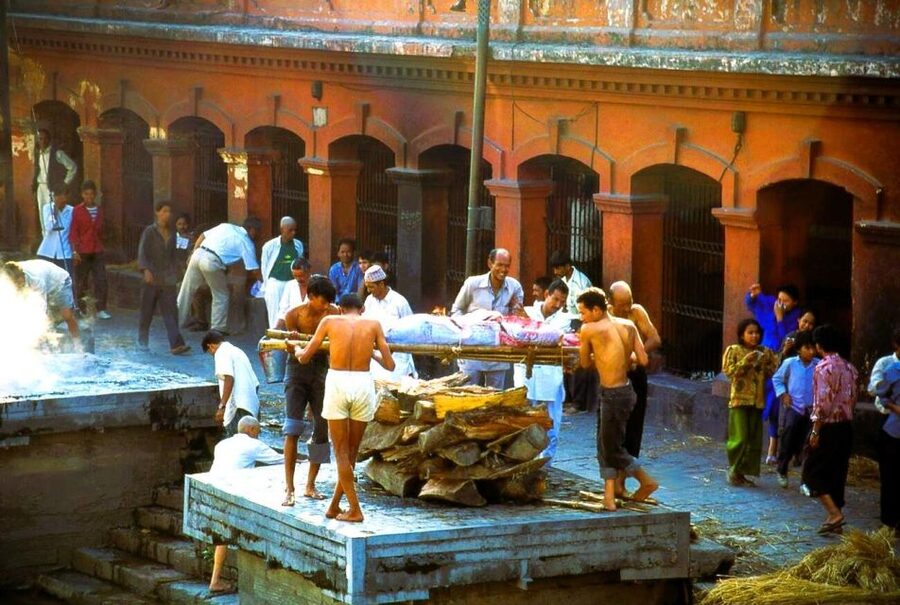
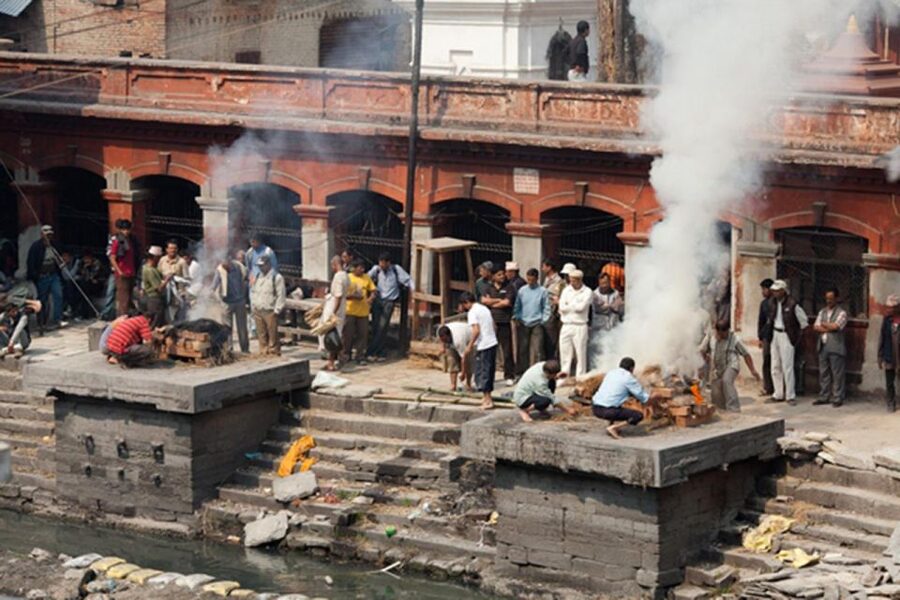
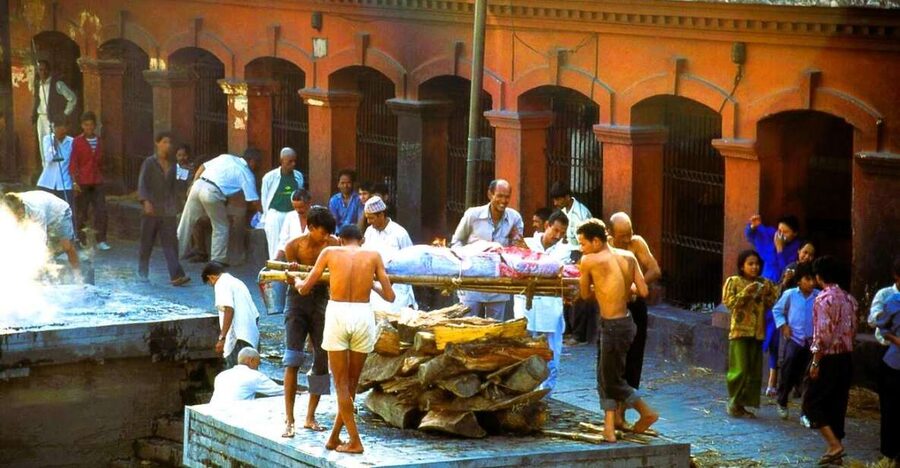
The cremation ghats are the tour’s most sensitive section. You may see a body being prepared, a fire burning, or family members taking part in rites beside the river. These ceremonies are public, but they are not staged for visitors.
The guide explains the role of the sacred fire, the river, and the Hindu belief in the soul’s passage after death. That context does not remove the emotional weight, but it helps you understand why cremation takes place here and why the ritual is carried out in a public religious setting.
I recommend standing back and following your guide’s instructions. Do not treat the ceremony as a spectacle, and be careful with photography. The experience can feel dark, intimate, or upsetting. One person described the ceremony as deeply moving, while another found the Aarati emotionally hard to watch. Both reactions are reasonable.
The tour description uses the phrase close and personal, but you should interpret that as an opportunity to witness the rites from the temple area, not permission to intrude. Your presence should remain quiet and respectful.
This is not a suitable outing for every child or every adult. The activity is not recommended for children under 12, and people with respiratory issues should take particular care. Smoke from cremation fires may be present, and the setting can be emotionally intense.
The Aarati ceremony after sunset
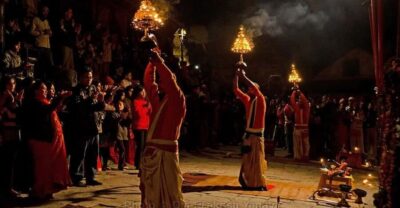
The Aarati is often the emotional high point. As daylight fades, chants, bells, lamps, and conch shells bring a new energy to the temple area. The ceremony is a Hindu act of worship using light, sound, and movement.
A guide can make a major difference here. Pranav, for example, was praised for explaining each part of the ceremony and helping find a good viewing place. That does not guarantee the same guide or position, but it shows what you should expect from a well-run visit: an explanation of what is happening rather than a silent crowd scene.
The ceremony is beautiful, but it is not lightweight entertainment. You may feel uplifted, solemn, confused, or moved. Give yourself room for that reaction. You do not need to understand every chant to appreciate the order and devotion of the ritual.
If the Aarati is central to your plans, check the starting time when booking. The tour offers different schedules, and the total duration can vary. A short daytime visit may not include the full evening ceremony.
How much value do you get for $11?
At $11 per person, the base price is low for a guided visit to two major religious sites. The value comes mainly from having someone explain the rituals and help you navigate the two complexes in a limited amount of time.
The important catch is the extra admission. The stated fees are NRs 1,000 for Pashupatinath and NRs 400 for Boudhanath, so your real cost is higher than the headline price. Food, drinks, market purchases, and optional shopping are also separate.
Transportation needs careful checking. Some options include hotel pickup and drop-off, while the meeting instructions say the guide meets you at the Pashupatinath ticket counter and that you arrange transportation yourself unless you purchase transport from the agency. Confirm exactly what your selected option includes before paying.
For a private or small-group visit, the price can be especially good if you value questions and a flexible pace. In a larger group, the cost may remain attractive, but you may have less control over how long you stay at the cremation ghats or Boudhanath cafés.
Guides, languages, and group size
Live guiding is available in English, Chinese, Hindi, and Russian. English-language guides named in the feedback include Razz, Pranav, Karma, Anish, and Sudhir, with repeated praise for clear explanations, friendly manners, and strong command of English.
That personal guidance matters more here than at a standard sightseeing stop. Religious symbols are easy to misread, and the difference between observing a rite and interrupting it is not always obvious to a first-time visitor.
Private and small-group options are available. Choose private service if you want to ask many questions or take more time at one site. A small group can offer good value while still allowing some contact with the guide.
Bring a passport or ID card, though a copy is accepted. Large bags and luggage are not allowed. Drones, alcohol, drugs, and nudity are prohibited. Wear practical, respectful clothing and keep your hands free for walking.
Timing, transport, and what to clarify
The advertised duration is two to five hours. That is enough for a focused visit, but not enough to linger everywhere if you choose the longer option. Boudhanath is listed for about one hour, and Pashupatinath for about one hour, with breaks, sightseeing, free time, and shopping included depending on the option.
Pickup can be optional. If you do not select hotel service, make your way to the Pashupatinath ticket counter for the meeting point. Kathmandu traffic can affect the day, so build in time if you are arranging your own transport.
The return locations listed are Kathmandu and Thamel. Confirm which one applies to your booking, especially if your hotel is outside the central area.
Cancellation is flexible up to 24 hours before the activity for a full refund, and reserve-now-pay-later booking is offered. These terms are useful if your Kathmandu schedule may shift, but they do not replace checking the exact start time and inclusions of your chosen option.
Who should book this Kathmandu tour?
I would recommend it to you if you want religious context rather than a quick photograph at two famous sites. It suits adults who are comfortable with public cremation rites, walking, smoke, crowds, and emotionally serious subject matter.
It is also a good fit if you have only part of a day in Kathmandu. Boudhanath gives you a calmer Buddhist setting, while Pashupatinath shows a more intense Hindu ritual world. Together, the visits offer a fuller picture of the valley’s living religious culture.
I would hesitate if you want a light, cheerful sightseeing trip, dislike witnessing death rituals, or have respiratory problems. The activity is not recommended for children under 12, and even adults should prepare themselves for what they may see.
Should you book it?
Book this tour if the Aarati and cremation rites are your main reasons for visiting Pashupatinath and you want a guide to explain them with care. The best guides, including those praised by name such as Razz, Pranav, Karma, Anish, and Sudhir, can turn a confusing visit into a meaningful one.
Before booking, confirm four things: your guide language, pickup arrangement, start time, and total cost after the NRs 1,400 in site fees. If you understand the emotional weight of the cremation ghats and plan to behave respectfully, this is a strong-value way to see two of Kathmandu’s most important sacred places.
FAQ
How long does the tour last?
The activity lasts between two and five hours, depending on the selected option and schedule.
What sites does the tour visit?
It visits Boudhanath Stupa and Pashupatinath Temple in Kathmandu.
Can non-Hindus enter Pashupatinath Temple?
Non-Hindus cannot enter the main sanctum, but you can visit the outer complex with a guide.
Are entrance fees included?
No. The stated entrance fees are NRs 1,000 for Pashupatinath and NRs 400 for Boudhanath.
Is hotel pickup included?
Pickup is optional and depends on the selected option. If you do not choose it, the meeting point is the Pashupatinath Temple ticket counter.
What languages are available for the guide?
Guiding is available in English, Chinese, Hindi, and Russian.
Is the activity suitable for children?
It is not suitable for children under 12 years old.
What should I bring?
Bring a passport or ID card. A copy is accepted, and large bags or luggage are not allowed.
Just added around Kathmandu
- Traditional Momo Making Class★ 5.0 · 10 reviews
- Wildlife Adventure in Chitwan Nepal★ 4.0 · 4 reviews
- Walking tour of real Kathmandu through back streets.★ 5.0 · 3 reviews
- Kathmandu 2 Nights 3 Days Chitwan Jungle Safari Tour★ 5.0 · 9 reviews
- Kathmandu Street Food Walking Tour – Eat Like a Local★ 5.0 · 3 reviews
- Private Manaslu Circuit Trek at Himalayas★ 5.0 · 3 reviews
- Walking tour of Kathmandu with awesome local guides★ 5.0 · 4 reviews
- Visit Swayambhunath and Bauddhanath Stupa with Guide★ 5.0 · 5 reviews
Pashupatinath Aarati Evening Tours, compared.
Pashupatinath Temple, Hindu Crematorium and Aarati in-depth Tour
Read our review →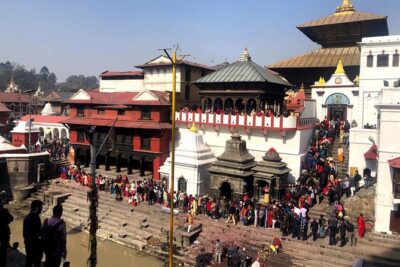
Pashupatinath Evening Aarati: Few Divinely Hours in Kathmandu
Read our review →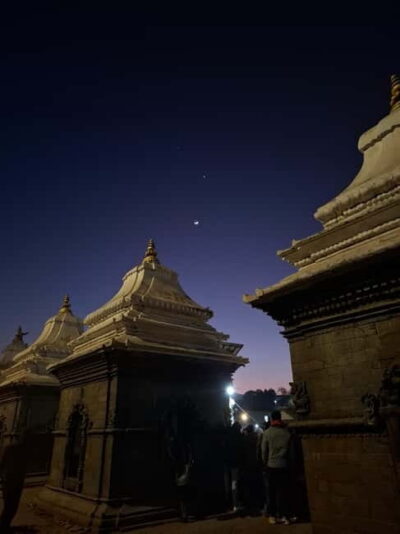
Katmandu: Pashupatinath Open Cremation & Evening Aarati
Read our review →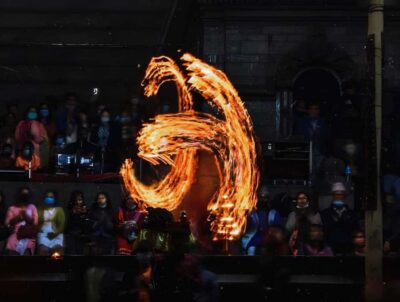
Browse the lists this tour appears in