
Reviewed · KATHMANDU YOGA AND MEDITATION RETREATS
21 Day Ayurveda & Yoga Retreat in the Himalayan country, Nepal
Kathmandu is an unusual place for a long wellness stay. You get Ayurvedic treatments and yoga in a homelike setting, yet you are still close to temples, shops, restaurants, and the sights of the capital. The retreat includes 20 nights, three meals a day, daily therapies, doctor consultations, and two yoga sessions each day.
I like the all-in-one price: at $2,100, your room, meals, yoga, and much of the treatment program are bundled together. I also like the human scale. The center offers a family-style setting, a rooftop garden, a yoga hall, steam facilities, and a maximum group size of 25.
The main caution is that Panchakarma and related cleansing treatments are not simply spa pampering. One person describes the detox process as difficult, while others report relief from stress, constipation, sleep trouble, and back pain. You should speak with the Ayurvedic doctor openly and expect a structured health program, not a casual holiday.
Key points to know before booking
- Twenty nights in Kathmandu: You stay in accommodation with an attached bathroom, rather than moving between several hotels.
- Two yoga sessions each day: Yoga, meditation, and Ayurveda form the regular rhythm, with Sunday as the weekly day off.
- Serious cleansing treatments: Panchakarma may include therapies such as Vasti, Virechana, Nasya, herbal enemas, and steam treatments.
- Three Ayurvedic meals daily: Breakfast, lunch, and dinner are included and can be shaped by the doctor’s advice.
- A practical city base: The center is described as being in or near Thamel, with attractions and public transport nearby.
- Good value for a long stay: Airport transfers, treatments, consultations, Wi-Fi, yoga, food, and lodging are part of the package, but airfare and sightseeing are not.
What three weeks at the Kathmandu Ayurveda center feels like
This retreat is best understood as a temporary routine, not a sightseeing tour with a few massages added. Your days revolve around yoga, meditation, meals, consultations, and treatments. The goal is to slow down enough for the program to examine sleep, digestion, stress, movement, and general habits together.
The center presents Ayurveda as a balance of food, thoughts, exercise, rest, and natural therapies. That broad approach is useful for someone who wants practical structure. You are not left to guess which massage to book or what to eat next. The staff, therapists, yoga teachers, and doctor guide the process.
At the same time, the description does not provide a fixed hour-by-hour schedule. Treatment timing and the exact order of therapies may depend on your consultation. Think of the following as the rhythm you can expect rather than a guaranteed daily timetable.
More yoga and meditation retreats in Kathmandu:
- 200 Hours Yoga Teacher Training at Nepal Yoga Home (starts on 1st of everymonth)
★ 5.0 · 125 reviews - 3 night 4 Day Yoga & Ayurveda Retreat to Detox the Body & Mind, Nepal
★ 5.0 · 37 reviews - 10 Days Ayurveda & Yoga Retreat in Kathmandu, Nepal
★ 5.0 · 24 reviews
Arrival, airport transfer, and your first consultation
The program begins at 12:15 pm at Ayurveda Health Home, listed at Dhapasi Center, Tilingatar, Ring Road 7, Kathmandu 44600. Airport transfers are provided, which is useful after a long flight and especially welcome if this is your first visit to Kathmandu.
There is a location detail worth checking before you go. The retreat is described as being in Thamel, while the stated meeting point is in the Dhapasi Center area. Both are in Kathmandu, but they are not the same neighborhood. Confirm the exact arrival point and transfer arrangements before departure so you do not arrive with a suitcase and an unclear taxi plan.
Your first stage should include contact with an Ayurvedic doctor. The program includes doctor consultations and prescribed Ayurvedic care, so this meeting matters. Tell the doctor about current symptoms, regular medication, food concerns, past conditions, and what you hope to gain from the retreat.
The best way to approach the consultation is with modest expectations. Ayurveda may offer you a useful daily framework and relaxing body treatments, but you should not treat it as a replacement for necessary medical care. Ask what each therapy involves, how it may feel, and when you should speak up if you feel unwell.
Yoga and meditation: the daily backbone
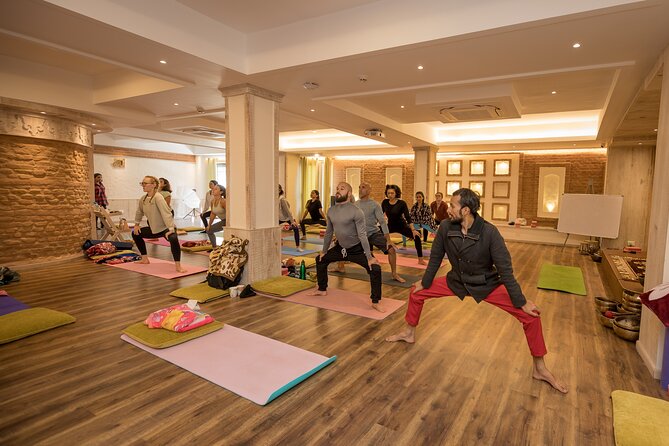
You receive two yoga sessions each day, six days a week, with Sunday off. That is enough practice to make yoga the backbone of the stay rather than a side activity. The retreat also includes meditation and lessons, so you are not only repeating physical poses.
The program suits people who want to build a steady practice over three weeks. Feedback describes the teachers as supportive and experienced, and several people connect the sessions with less stress, a lighter feeling, and improved emotional balance. Those are personal outcomes, not promises, but they point to the value of having time to practice consistently.
You should be ready for repetition. A retreat lasting 21 days needs a regular pattern, and you may prefer that to a packed program of new activities. If your main aim is a Nepal sightseeing holiday, two daily sessions plus treatments will take up much of your time.
Sunday gives the week some breathing room. You can rest, walk around Kathmandu, visit nearby attractions, or arrange a separate outing. Day trips and sightseeing are not included, so budget separately and avoid filling every free hour. The value of a rest day is that it lets your body catch up with the treatment schedule.
What the Ayurvedic treatment program includes
The list of treatments is long, and the names may be unfamiliar. Here is what they mean in practical terms:
- Abhyanga: An Ayurvedic oil massage intended to relax the body.
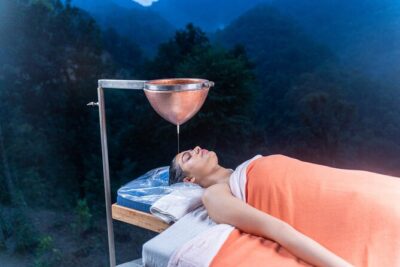
- Shirodhara: A treatment involving a steady flow of oil over the forehead.
- Akshi Tharpana: An Ayurvedic eye care treatment.
- Pinda Sweda: A heated herbal bundle treatment used with massage.
- Vashpa Swedanam: Steam therapy.
- Eakanga Vaspaswedana: A localized steam treatment.
- Vasti: An Ayurvedic enema treatment.
- Virechana: A purgative cleansing treatment.
- Nasya: An Ayurvedic nasal treatment.
- Herbal enema therapy: Cleansing care listed separately from Vasti.
- Ayurvedic facial and skin care: Beauty and skin treatments.
- Back and spinal care: Targeted treatment for the back area.
- Spa treatments: Additional relaxation care as part of the program.
Not every treatment will necessarily be given to every person in the same way. The retreat includes prescribed care from an Ayurvedic doctor, so your plan may change according to your consultation and progress.
This is the point at which the retreat differs from an ordinary spa break. Massage, Shirodhara, facial care, and steam can feel gentle and restorative. Vasti, Virechana, Nasya, and herbal enema treatments are more medical or cleansing in character and may feel intimate or uncomfortable.
One direct account describes Panchakarma as difficult, with detoxing being no easy task. Take that seriously. Ask for a clear explanation before treatment, and do not assume every procedure is compulsory simply because it appears on the program list. A good retreat experience depends on communication and informed consent.
Same city, a completely different sort of day:
- Everest Base Camp Trek – 14 Days
★ 5.0 · 1,499 reviews - Private Kathmandu Sightseeing Tour | UNESCO World Heritage sites
★ 5.0 · 756 reviews - Everest Base Camp Helicopter Tour landing at Everest View Hotel
★ 5.0 · 668 reviews - Half day cooking class in Thamel kathmandu
★ 5.0 · 607 reviews
Panchakarma and the reality of detox
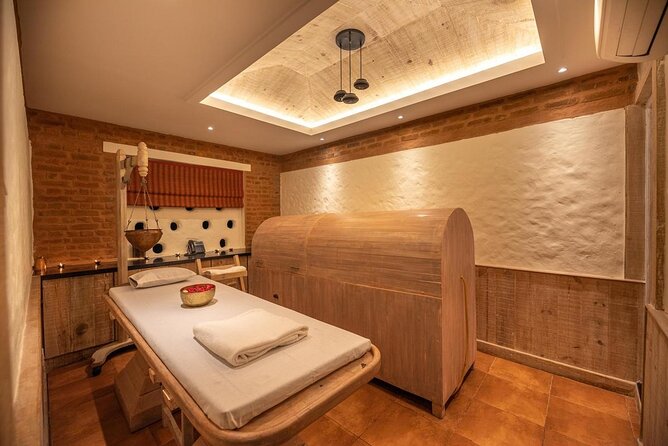
Panchakarma is one of the main reasons people choose this experience. It is also the part that requires the most preparation. The program combines cleansing therapies with food changes, rest, yoga, and doctor supervision rather than treating detox as a single afternoon treatment.
Some people associate detox with feeling refreshed. Personal accounts connected this retreat with relief from constipation, gastritis, chronic backache, sleep problems, stress, and emotional strain. You should read these as individual experiences, not guaranteed results.
The practical question is whether you have enough time. With 21 days, the retreat can allow a slower process than a weekend package. You are not rushing from one treatment to the next before returning to work two days later. Still, the program may affect your energy, appetite, or plans, especially during more intensive cleansing stages.
If your priority is relaxation, ask how much of the stay will involve massage and spa care and how much will involve cleansing. If your priority is learning, ask how the Ayurveda lessons are organized. The supplied information confirms lessons and consultations, but it does not promise a formal qualification or a set number of classroom hours.
Ayurvedic food for 20 nights
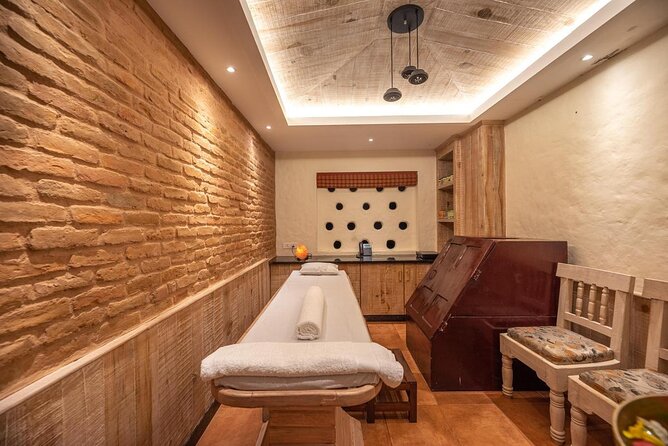
Breakfast, lunch, and dinner are included for the entire stay. That is a major part of the value because eating out in Kathmandu for three weeks would add both cost and decision fatigue.
Meals are described as healthy Ayurvedic food, with some accounts noting that the food followed the doctor’s prescription during detox. This is important. You may not receive the same meals as another person, and the food may be simpler than what you would order at a Kathmandu restaurant.
I like this arrangement because food is central to any long wellness program. When the kitchen, treatment plan, and yoga routine point in the same direction, you have a better chance of maintaining a calm schedule. You also avoid spending each evening deciding where to eat.
The tradeoff is reduced choice. If you want to sample Nepalese dishes freely every day, this retreat may feel restrictive. Ask about allergies, dietary restrictions, portion expectations, and whether special meals can be arranged before you book.
The homestyle setting and useful facilities
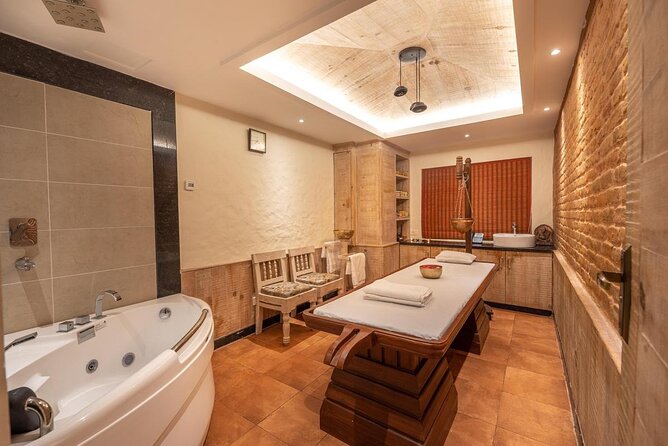
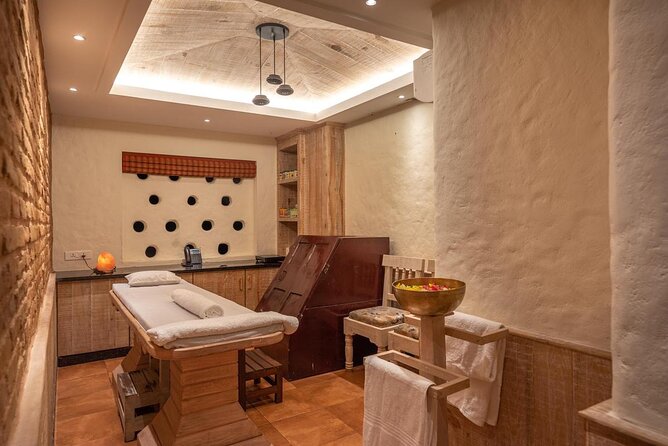
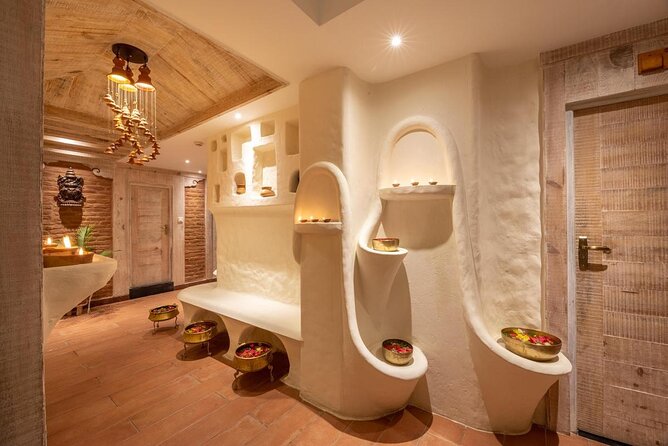
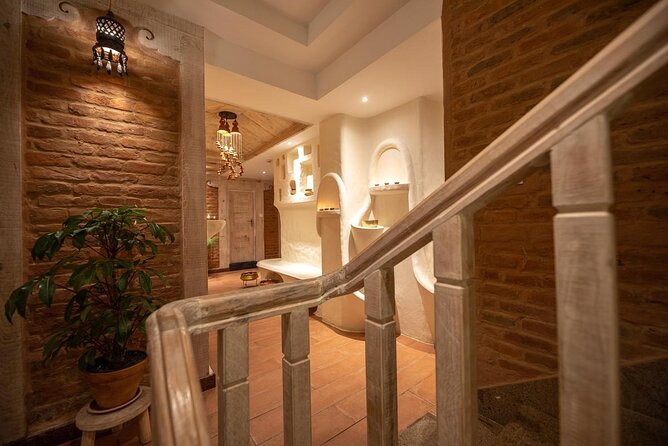
The accommodation includes an attached bathroom, Wi-Fi, and access to a rooftop garden. The center also has a yoga hall, spa facilities, massage services, and steam bath facilities. These details matter because you will spend much more time on-site than you would during a normal hotel stay.
The rooftop garden is a welcome feature in a city retreat. It gives you somewhere to pause between yoga and treatment without needing to arrange transport. The setting is described as comfortable and homestyle, which suggests a personal atmosphere rather than a large resort.
That atmosphere will not suit everyone. If you want polished hotel service, a swimming pool, or a wide range of restaurants and entertainment on the property, this is probably not the right type of stay. The strength here is the family-style care and steady routine.
The group maximum is 25 people. That is small enough to avoid the feel of a huge wellness resort, though it does not guarantee private treatment or one-to-one yoga every day. If personal attention is essential, ask how many teachers and therapists will be working during your dates.
Using Kathmandu during your free time
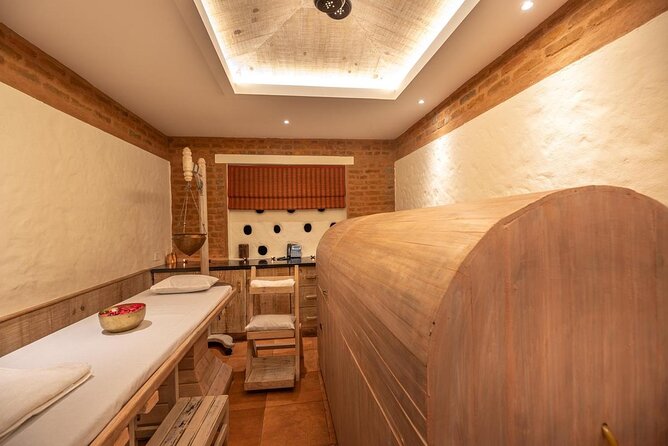
The retreat gives you a base in Kathmandu rather than isolating you in a remote mountain center. The location is described as close to attractions and near public transport, and the program leaves Sunday free. This lets you add temples, city walks, shopping, or separate sightseeing if your energy allows.
The setting also gives the retreat cultural value. You are working on a wellness routine in a Himalayan capital with a long connection to yoga and Ayurveda, rather than attending a generic resort program. The center itself presents Nepal as a place with abundant herbs from its mountains, forests, rivers, and higher regions.
Keep your free-time plans flexible. Kathmandu can be tiring, and the retreat may leave you ready for a quiet afternoon rather than a full day out. Day trips and sightseeing are not included, so check costs and transport separately. Do not assume an excursion is part of the $2,100 package.
Is $2,100 a fair price?
For 20 nights, the price works out to about $105 per night before considering the value of meals, yoga, consultations, therapies, and transfers. Since breakfast, lunch, dinner, accommodation, and the core Ayurveda and yoga program are included, the price looks strong for someone who intends to use the full three-week schedule.
The comparison changes if you plan to skip treatments, eat elsewhere, or spend much of the stay sightseeing. Airfare, day trips, sightseeing, laundry, and extra expenses are not included. Add those costs before deciding that the package covers everything.
I see the price as particularly good for a person who wants a structured health retreat and would otherwise pay separately for lodging, daily meals, massage, yoga classes, and doctor visits. It is less compelling for a person who mainly wants a Kathmandu hotel and occasional spa treatment.
The experience is booked on average 53 days ahead, so planning early is sensible. Confirmation is normally received at booking, though a reservation made within one day of travel is subject to availability. Free cancellation is available up to 24 hours before the start time. Weather or minimum-participant issues can also lead to a changed date or full refund under the stated policy.
Who should book this Kathmandu retreat?
I would recommend it to you if you want:
- A three-week pause from a stressful routine
- A regular yoga and meditation schedule
- Traditional Ayurvedic therapies with doctor guidance
- A homestyle setting instead of a large resort
- Healthy meals included with your accommodation
- Some access to Kathmandu during free time
- A chance to study massage, spa care, yoga, or Ayurveda in addition to receiving treatments
I would be more cautious if you want a luxury resort, a fixed sightseeing itinerary, or a purely relaxing spa holiday. The cleansing treatments may be demanding, and the program details do not guarantee that every listed therapy will be used for every participant.
You should also ask questions before booking if you have a medical condition, take regular medication, have food allergies, or are uncertain about enemas, purgative care, nasal treatments, or fasting-style restrictions. The doctor consultation is a key part of the retreat, but it is still your responsibility to share complete information and make informed choices.
Final verdict: a serious wellness stay with strong value
I like the combination of three weeks in one place, daily yoga, Ayurvedic meals, and hands-on care. It gives you enough time to form a routine rather than simply sampling a massage and heading back to the airport. The rooftop garden, Wi-Fi, attached bathroom, airport transfer, and city location make the practical side easier.
The strongest feature is the caring, family-style atmosphere described throughout the experience. Personal accounts also give special credit to the therapists, teachers, doctor, and staff, with several people returning to the themes of stress relief, better sleep, digestive comfort, and emotional calm.
Book it if you want a structured Ayurveda and yoga program and are prepared for the harder side of Panchakarma. Skip it if you want a flexible vacation with no dietary limits, no intensive cleansing, and plenty of time for independent touring.
FAQ
How long is the retreat?
The retreat lasts approximately 21 days and includes 20 nights of accommodation.
Where does the retreat take place?
It takes place in Kathmandu, Nepal. The program is described as being in or near Thamel, while the stated meeting point is Ayurveda Health Home at Dhapasi Center, Tilingatar, Ring Road 7, Kathmandu 44600.
What time does the activity start?
The stated start time is 12:15 pm.
Is airport transfer included?
Yes. Airport transfers are included in the retreat package.
Are meals included?
Yes. Breakfast, lunch, and dinner are included throughout the stay.
How many yoga sessions are held each day?
The program includes two yoga sessions each day, six days a week. Sunday is the day off.
Is accommodation included?
Yes. The package includes 20 nights of accommodation with an attached bathroom.
Which treatments are included?
Listed treatments include Abhyanga massage, Shirodhara, Akshi Tharpana, Panchakarma, Pinda Sweda, steam treatments, herbal enema therapy, Vasti, Virechana, Nasya, Ayurvedic facial and skin care, back and spinal care, and spa treatments. The exact treatment plan is prescribed by the Ayurvedic doctor.
Are sightseeing and day trips included?
No. Day trips and sightseeing are not included. Laundry and airfare are also extra expenses.
What is the cancellation policy?
You can cancel up to 24 hours before the experience start time for a full refund. Changes or cancellations made less than 24 hours before the start time are not accepted for a refund. If poor weather or insufficient participation cancels the activity, you are offered another date or experience, or a full refund.
Just added around Kathmandu
- Traditional Momo Making Class★ 5.0 · 10 reviews
- Wildlife Adventure in Chitwan Nepal★ 4.0 · 4 reviews
- Walking tour of real Kathmandu through back streets.★ 5.0 · 3 reviews
- Kathmandu 2 Nights 3 Days Chitwan Jungle Safari Tour★ 5.0 · 9 reviews
- Kathmandu Street Food Walking Tour – Eat Like a Local★ 5.0 · 3 reviews
- Private Manaslu Circuit Trek at Himalayas★ 5.0 · 3 reviews
- Walking tour of Kathmandu with awesome local guides★ 5.0 · 4 reviews
- Visit Swayambhunath and Bauddhanath Stupa with Guide★ 5.0 · 5 reviews
Kathmandu Yoga and Meditation Retreats, compared.

200 Hours Yoga Teacher Training at Nepal Yoga Home (starts on 1st of everymonth)
Read our review →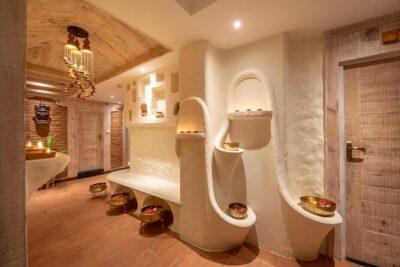
3 night 4 Day Yoga & Ayurveda Retreat to Detox the Body & Mind, Nepal
Read our review →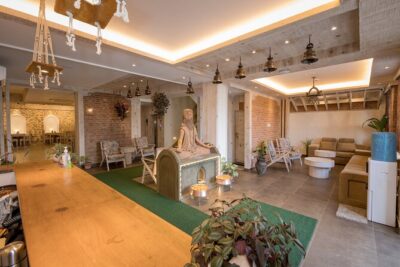
10 Days Ayurveda & Yoga Retreat in Kathmandu, Nepal
Read our review →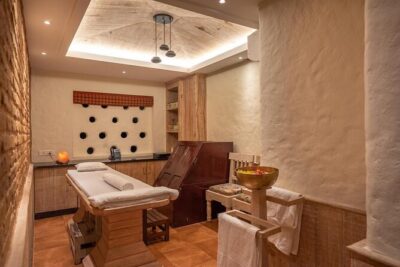
14 Day Ayurveda + Yoga Detox Retreat in Nepal
Read our review →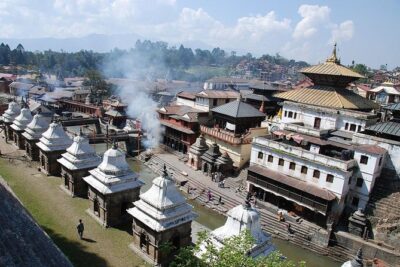
5 Days Hiking, Tour, Meditation and Yoga Retreat in Kathmandu, Nepal
Read our review →

Browse the lists this tour appears in