
Reviewed · MULTI-DAY NEPAL TOUR PACKAGES FROM KATHMANDU
10 Days Nepal Adventure Tour from Kathmandu
Nepal packs an impressive amount into these 10 days: temple squares in Kathmandu, whitewater on the Trishuli River, wildlife in Chitwan, lake views in Pokhara, and a two-night trek through Gurung villages. I like that the route shows you several very different sides of the country instead of keeping you in the mountains alone.
I also like the practical support: airport transfers, private rides for several legs, trekking permits, and a small group capped at 12 people. The main catch is the amount of time spent on the road, with journeys of five to eight hours and some rough or narrow sections. You should be fit enough for mountain walking and comfortable with long drives.
Key points at a glance
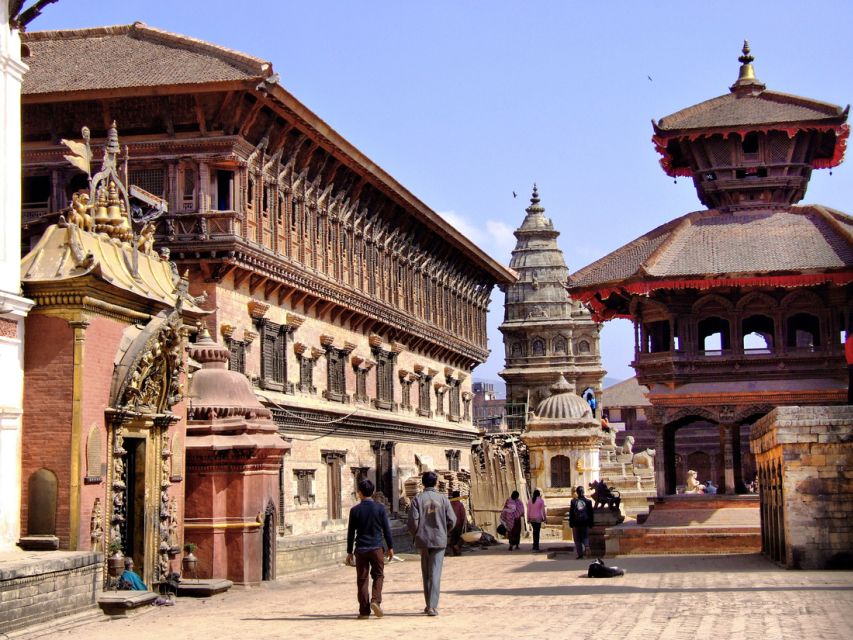
- Four UNESCO World Heritage Sites in one Kathmandu day: Bhaktapur Durbar Square, Pashupatinath, Boudhanath, and Swoyambhunath.
- Trishuli River rafting en route to Chitwan: This is a clever way to turn a transfer day into an adventure.
- Chitwan combines several activities: Safari, canoeing, birdwatching, and a Tharu cultural presentation.
- Ghandruk gives you a short taste of Himalayan trekking: Expect village life, Gurung culture, forests, and mountain views without a long expedition.
- The route covers three distinct regions: Kathmandu’s urban culture, the Terai lowlands, and the Annapurna foothills.
- The $1,080 price includes major transport and guiding: You still need to budget for several entrance fees, meals, drinks, trekking gear, insurance, and tips.
Why this route works for a first Nepal trip
I see this as a sampler of Nepal rather than a single-purpose holiday. You get religious sites and old royal cities first, then river adventure, subtropical wildlife, a lakeside town, and mountain villages. That range is the tour’s main strength.
The order also makes sense. Kathmandu gives you cultural context before you head into rural areas. Chitwan offers a lower, warmer change of pace after the city. Pokhara then brings you closer to the Himalayas, and the Ghandruk trek adds the walking experience many first-time visitors want.
You will not get long, quiet stretches in one place. The route moves often, and two days involve major road travel. Still, if you have only 10 days and want variety, this plan makes good use of them.
The group size, limited to 12, matters here. Small groups make airport transfers and roadside stops easier, and they allow the guide to keep an eye on everyone during rafting and trekking. The experience provider is Himalayan Smile Treks and Adventures, and guides mentioned for this program include Pramod Pangeni and Dharma. Ask in advance who will lead your departure, since the quality of your explanations and support depends heavily on the individual guide.
More multi-day Nepal packages:
- 3-Day Chitwan National Park Jungle Safari Tour Package with Pick Up
★ 5.0 · 184 reviews - 8 Days Tour in Nepal (3 Star Accommodation)
★ 5.0 · 113 reviews - Best Nepal Tour Package
★ 5.0 · 45 reviews
Kathmandu’s temples and old royal cities
Your first day is simple: airport pickup, hotel check-in, and a trip briefing. That is useful after an international flight, since Kathmandu can feel noisy and confusing at first.
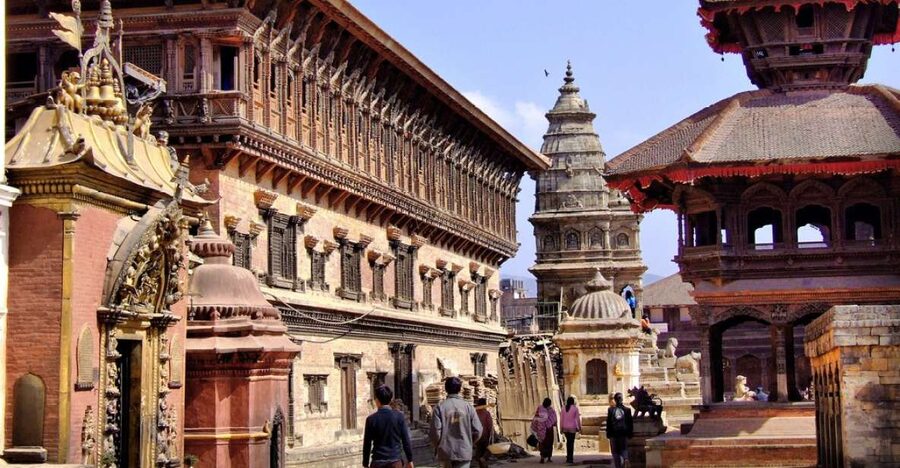
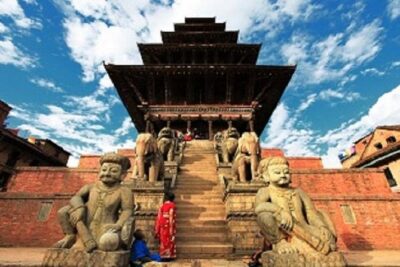
Day two is a full cultural circuit. At Bhaktapur Durbar Square, you see the former royal center and its traditional Newar architecture. Pashupatinath introduces you to one of the most important Hindu temple areas in Nepal, while Boudhanath offers a major Buddhist setting centered on its large stupa.
The day ends at Swoyambhunath, often called the Monkey Temple. Together, these sites show how Hindu and Buddhist traditions share space in the Kathmandu Valley. You should expect entrance charges at Kathmandu sightseeing sites, which are not included in the tour price.
This day will be strongest if your guide gives clear background on what you are seeing. One past experience with the program found that some guides offered less detail than expected, and one guide had limited English, though he remained attentive. I would ask questions freely and confirm whether your guide will provide the main explanations at each monument.
You also need to pace yourself. Four major sites in one day means plenty of walking, stairs, crowds, and visual information. It is a good introduction, but not a relaxed museum day.
Rafting the Trishuli River on the road to Chitwan
Day three turns a long transfer into a more memorable day. You travel toward Chitwan and stop for whitewater rafting on the Trishuli River. The river section adds action without requiring a separate rafting trip from Kathmandu.
The exact intensity can vary, and the supplied information does not specify the length or difficulty of the rafting section. You should ask the operator what equipment is supplied and what river conditions are expected for your departure. Bring the items requested for the tour, including your passport or ID card and a passport-sized photo, and follow the operator’s advice on clothing and personal gear.
The road to Chitwan takes about five to seven hours. Construction around Malekhu and Benighat can mean bumps, but much of the route is described as smooth blacktop. This is not a quick transfer, so prepare for a full day that combines driving, river activity, and arrival at your lodge.
That evening, a Tharu cultural display introduces local music and dance. It is a welcome change from sightseeing at monuments because it connects the Chitwan region with the people who live there. The tour includes two nights in the Chitwan area, with three meals provided there, unlike the city and trekking portions.
Chitwan National Park, from canoe to jungle trails
Day four is the wildlife day. The program includes jungle safari activities, canoeing, birdwatching, and elephant bathing. Chitwan is particularly useful for anyone who wants nature without committing to a long mountain trek.
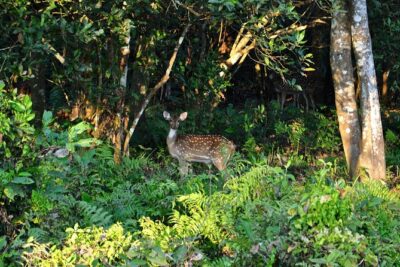
The mix of activities is better than relying on one safari outing. Canoeing gives you a low view along the water, birding rewards patience, and safari time gives you a chance to look for larger animals. One guide was especially praised for spotting many kinds of wildlife, but sightings are never guaranteed. Your experience will depend on weather, season, and luck.
The elephant bathing activity deserves a little thought. It is listed as part of the program, but the details do not explain the setting or animal welfare standards. Ask the company how this activity is run before booking if that matters to you. You can also ask how much time is spent on each activity and what transport is used inside the park.
The lodge stay includes three meals, but drinks are not included. Carry money for water and other beverages. Chitwan also changes the rhythm of the trip. After Kathmandu’s temples and traffic, you get open space, wildlife, and a quieter evening.
Same city, a completely different sort of day:
- Everest Base Camp Trek – 14 Days
★ 5.0 · 1,499 reviews - Private Kathmandu Sightseeing Tour | UNESCO World Heritage sites
★ 5.0 · 756 reviews - Everest Base Camp Helicopter Tour landing at Everest View Hotel
★ 5.0 · 668 reviews - Half day cooking class in Thamel kathmandu
★ 5.0 · 607 reviews
Pokhara’s falls, caves, and lakeside evenings
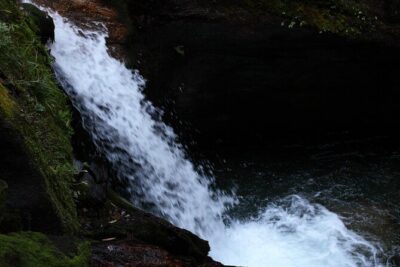
On day five, you drive from Chitwan to Pokhara and stop at Davis Falls, Gupteshwor Caves, and a Tibetan Refugee Camp. These stops break up the road journey and give you a look at the area’s natural and cultural features.
Davis Falls and Gupteshwor Caves are paired visits, with the waterfall above and the cave system below. Watch your footing in cave areas and expect a sightseeing stop rather than a major hike. The Tibetan Refugee Camp adds a human and cultural element to the day.
Pokhara itself is one of the tour’s gentler stops. In the evening, you can relax beside Phewa Lake, and day eight includes another walk around the lakeside after the trek. The town serves as a useful pause between road travel and mountain walking.
Two nights in Pokhara are included with breakfast. Lunch and dinner are not included, so you can choose your own meals, but you should plan for those costs. Sightseeing entrance fees in Pokhara are also extra.
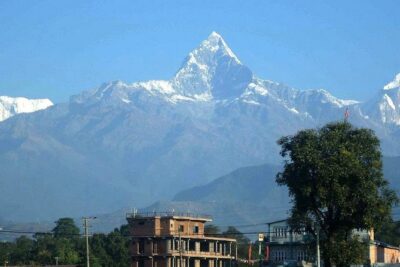
The mountain views from Pokhara are one of the program’s selling points, but visibility depends on conditions. You may see clear Himalayan views, or clouds may soften the panorama. The tour does not promise a specific peak sighting, so treat the views as a bonus rather than a guarantee.
Two nights in Ghandruk and the Annapurna foothills
The trek begins on day six with a drive to Nayapul, followed by a walk to Ghandruk. The village is associated with the Gurung people and is known for mountain views and local ways of life. This is the part of the trip for you if you want a genuine trekking taste without signing up for a long Himalayan expedition.
You do not need mountaineering experience. The operator recommends basic preparation through hiking, running, or swimming, and you should take that advice seriously. The route still involves uphill and downhill walking, uneven paths, and two nights in mountain lodges.
Ghandruk is more than a stop for photographs. The value is in walking through villages and seeing how people live in the Annapurna Conservation Area. Your trekking guide can explain the local culture, but you should not expect the comforts or meal choices of a city hotel.
The trek continues toward Pothana on day seven. The route passes through forests, villages, and mountain viewpoints. This should be a satisfying walking day, but the itinerary does not give distances, elevation gains, or estimated walking hours. Ask for those details before you book, especially if you have knee problems or limited hiking experience.
Mountain lodging and trekking meals are not included in the stated price. That is one of the most important budget details. You will also need to arrange trekking gear, personal medical supplies, and a porter if you do not want to carry your own bag.
One guide named Dharma was noted for checking that walkers were comfortable and even carrying a backpack at times. You should not assume porter service from that example. Porter hire is specifically excluded, so arrange it with the company if you need one.
Dhampus, Phedi, and the return to Pokhara
On day eight, you trek from Ghandruk to Phedi through Dhampus, then drive back to Pokhara. Dhampus adds another village and viewpoint to the route, while Phedi marks the end of the walking section.
This day combines a final mountain walk with a vehicle transfer. It may feel tiring after the previous two days, but it also gives you a clear transition from rural trekking back to the comfort of Pokhara. A private vehicle is included for the Phedi to Pokhara transfer.
The second evening beside Phewa Lake is well placed. You can walk, rest, or simply enjoy a slower pace before the long trip back to Kathmandu. Since the tour provides two nights in Pokhara, you are not forced to leave immediately after finishing the trek.
Road time, group size, and what the price really covers
At $1,080 per person, the tour offers good value if you want one company to coordinate the full route. The price covers airport transfers, three Kathmandu hotel nights with breakfast, two Pokhara hotel nights with breakfast, two Chitwan nights with three meals, guiding, permits, rafting, sightseeing arrangements, jungle activities, and several private transfers.
It does not cover everything. Set aside extra money for:
- Kathmandu and Pokhara entrance fees
- Lunch and dinner in Kathmandu and Pokhara
- Trekking meals and mountain lodge costs
- Drinks
- Trekking gear
- Travel insurance
- Personal medical supplies
- Porter service
- Tips
The transport is the main trade-off. Kathmandu to Chitwan takes five to seven hours, while Pokhara to Kathmandu can take six to eight hours. Some road sections are new and smooth, while others are dusty, narrow, or under widening work. You will see fine mountain views along the routes, but road conditions can make the journeys tiring.
Pokhara to Kathmandu transportation is listed by bus, while the Nayapul and Phedi connections use private transport. Confirm the exact vehicle arrangements before departure if comfort matters to you.
Who should book this Nepal adventure
I would recommend this tour to a reasonably fit first-time visitor who wants culture, wildlife, rafting, and an easy-to-moderate trek in one trip. It also suits people who prefer a guide and organized transport rather than arranging every hotel, permit, and transfer themselves.
It is less suitable if you want a slow holiday, a serious multi-day trek, or luxury road travel. The itinerary keeps moving, the road sections are long, and several costs remain outside the headline price.
The feedback on the program is very strong overall, with a 4.9 rating from six reviews. The most consistent praise focuses on caring guides, good hotel locations, smooth organization, and the range of activities. The main warning is worth taking seriously: guide quality and English explanations may vary, and you may be taken to shops where you feel pressure to buy. Tell your guide clearly if you are not interested in shopping.
The booking terms are flexible, with cancellation up to 24 hours before the activity for a full refund and a reserve-now, pay-later option. The tour is not suitable for wheelchair users, and it is not intended for people over 95.
Final call: a strong sampler with an active schedule
Book this tour if your ideal Nepal visit includes a little of nearly everything. You will see major sacred sites, paddle a river, search for wildlife, walk through Gurung villages, and end with Nepalese food, folk music, and dance.
Before paying, confirm the trek’s daily walking hours, the rafting details, your guide’s name, the hotel standards, and the extra costs. If you accept the long drives and prepare for the trek, this is a well-rounded way to experience Nepal in 10 days.
FAQ
How long is the Nepal Adventure Tour?
The tour lasts 10 days, including arrival in Kathmandu and departure from Kathmandu.
What places does the tour visit?
The route includes Kathmandu, Bhaktapur, Chitwan National Park, Pokhara, Ghandruk, Pothana, Dhampus, and Phedi.
Is rafting included?
Yes. Rafting on the Trishuli River is included on the journey from Kathmandu toward Chitwan.
What activities are included in Chitwan?
The Chitwan portion includes jungle safari activities, canoeing, birdwatching, and elephant bathing. A Tharu cultural display is also scheduled after arrival.
How difficult is the Ghandruk trek?
Previous trekking experience is not required, but you should be reasonably fit and comfortable walking in mountain areas. Training through hiking, running, or swimming is suggested.
Are trekking meals included?
No. Mountain lodge costs and meals during the trek are not included. Drinks are also excluded.
Are meals included in Kathmandu and Pokhara?
Breakfast is included with the Kathmandu and Pokhara hotel stays. Lunch and dinner in both cities are not included.
How long are the road journeys?
The Kathmandu to Chitwan journey takes about five to seven hours. The trip from Pokhara to Kathmandu takes about six to eight hours, with some dusty, narrow, or active construction sections.
What is the group size?
The tour is a small-group experience limited to 12 participants.
Is travel insurance included?
No. Travel insurance, personal medical kits, trekking gear, and porter service are not included.
Just added around Kathmandu
- Traditional Momo Making Class★ 5.0 · 10 reviews
- Wildlife Adventure in Chitwan Nepal★ 4.0 · 4 reviews
- Walking tour of real Kathmandu through back streets.★ 5.0 · 3 reviews
- Kathmandu 2 Nights 3 Days Chitwan Jungle Safari Tour★ 5.0 · 9 reviews
- Kathmandu Street Food Walking Tour – Eat Like a Local★ 5.0 · 3 reviews
- Private Manaslu Circuit Trek at Himalayas★ 5.0 · 3 reviews
- Walking tour of Kathmandu with awesome local guides★ 5.0 · 4 reviews
- Visit Swayambhunath and Bauddhanath Stupa with Guide★ 5.0 · 5 reviews
Multi-Day Nepal Tour Packages from Kathmandu, compared.
3-Day Chitwan National Park Jungle Safari Tour Package with Pick Up
Read our review →
Shamanism Tour in Nepal – One-to-one Consultation with Sharmans
Read our review →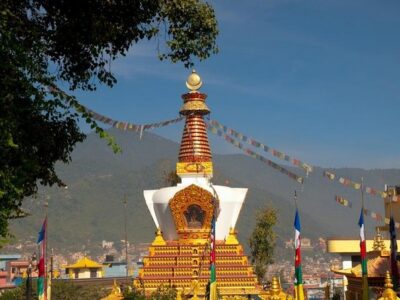
Browse the lists this tour appears in