
Reviewed · MULTI-DAY NEPAL TOUR PACKAGES FROM KATHMANDU
Buddhist Pilgrimage Tour In Nepal
Kathmandu’s Buddhist sites offer a clear look at how Hindu and Buddhist traditions share the same valley. This one-day tour links Boudhanath Stupa, Kopan Monastery, and Swayambhunath, giving you three very different settings for prayer, study, and quiet observation.
I like the small maximum group of 10, which should make it easier to hear your English-speaking guide and ask questions about Buddhism in Nepal. I also like that private ground transport is included, since Kathmandu traffic can make moving between sites tiring on your own.
The main consideration is timing. The tour lasts about one day, but the schedule includes three major stops, city traffic, and a planned lunch in Thamel. If you want long, unhurried time at each site, this may feel brisk.
Key points to know before booking
- Boudhanath opens the day with Nepal’s best-known Tibetan Buddhist setting, centered on one of the world’s largest stupas.
- Kopan Monastery offers a more focused religious setting, with its roots in the Gelug tradition of Tibetan Mahayana Buddhism.
- Swayambhunath adds a hilltop temple experience, though the supplied schedule gives little detail about the time planned there.
- Private vehicles and an English-speaking guide are included, along with staff costs, insurance, and local and government taxes.
- The group is limited to 10 people, a useful middle ground between private touring and a large coach group.
- The $150 price is strongest for visitors who value transport and interpretation, rather than those seeking only independent sightseeing.
Why this Buddhist day tour works in Kathmandu
Nepal is often described through its Hindu temples, but Buddhism is woven into the country’s daily life and culture. Buddha was born in Nepal, and the Kathmandu Valley has long been a meeting point for Buddhist traditions, especially those connected with Tibet and the wider Himalaya.
I like this tour because it does not treat Buddhism as a single idea or a single kind of building. Boudhanath gives you a public place of worship surrounded by city life. Kopan Monastery gives you a more formal monastic setting. Swayambhunath brings you to one of Kathmandu’s most recognizable religious sites.
That range matters. You are not simply checking off three monuments. You are seeing how Buddhism can function as a neighborhood faith, a monastic practice, and a major temple tradition. Your guide is there to explain those differences and answer questions about culture and religion.
The experience begins at 9:15 am, with pickup from your hotel or the stated meeting point in Kathmandu. All ground transportation is private, and the vehicles are described as comfortable. That is a practical advantage in Kathmandu, where crossing the valley can take patience even when distances look short on a map.
More Nepal pilgrimage trips:
- Kathmandu Spiritual Sites: Bodhnath & Pashupatinath Tour
★ 5.0 · 185 reviews - From Kathmandu: 2 Stupas and Kopan Monastery Spiritual Tour
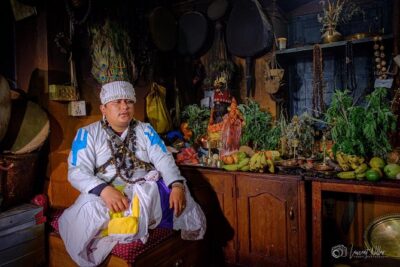
★ 4.8 · 115 reviews - Shamanism Tour in Nepal – One-to-one Consultation with Sharmans
★ 4.5 · 42 reviews
Boudhanath Stupa, the tour’s strongest opening
The first stop is Boudhanath Stupa, about four miles from central Kathmandu. You have about one hour here, with admission included.
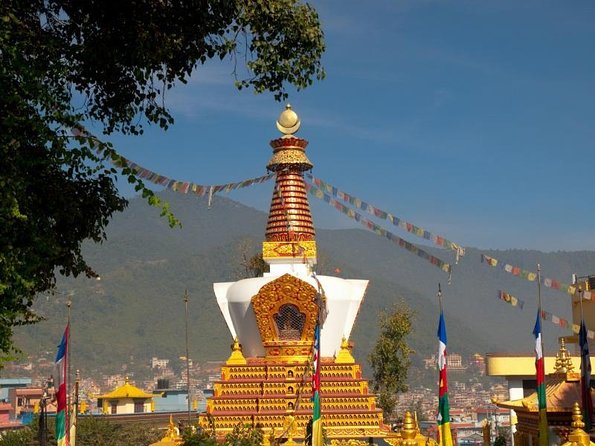
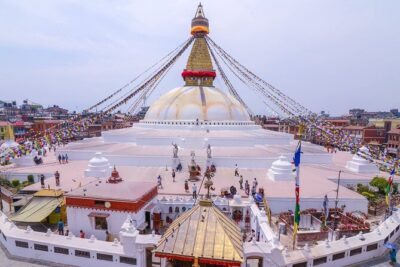
Boudhanath is one of the world’s largest stupas and one of the most important Buddhist pilgrimage sites in the Kathmandu Valley. Its great white dome, square base, prayer flags, and prominent Buddha eyes create the visual setting many people associate with Tibetan Buddhism in Nepal.
One hour is enough to get a strong first impression, walk around the stupa, and listen to your guide explain what you are seeing. It is also enough time to notice how religious activity and ordinary city life share the same space. The stupa is not presented as an isolated museum piece. It is part of a living area, with people coming to pray, turn prayer wheels, meet others, and carry on daily business nearby.
I would pay close attention to the direction and rhythm of movement around the stupa. Your guide can help you understand how to behave respectfully and why the site matters. The value of the stop is not only the architecture. It is the chance to see a major Buddhist center being used as a place of worship.
The one-hour limit is the first point to watch. If you want extensive photography, shopping, or a long period of quiet reflection, you may wish you had more time. Still, as the opening stop, Boudhanath gives the day a clear focus and helps you understand the religious side of Kathmandu before moving on.
Kopan Monastery and the quieter middle of the day
After Boudhanath, the tour continues through Kathmandu traffic to Kopan Monastery. The scheduled visit lasts about one hour, and admission is included.
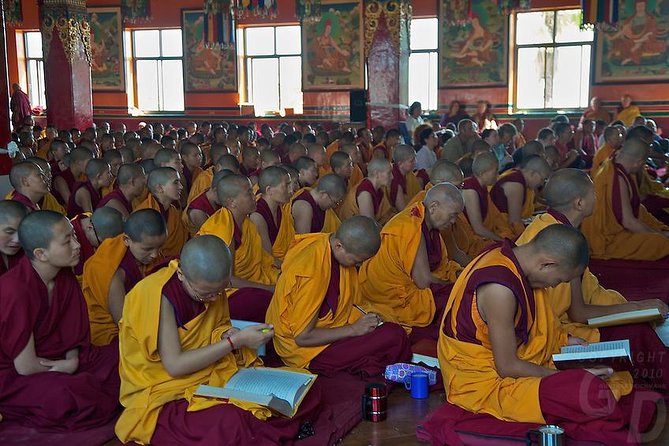
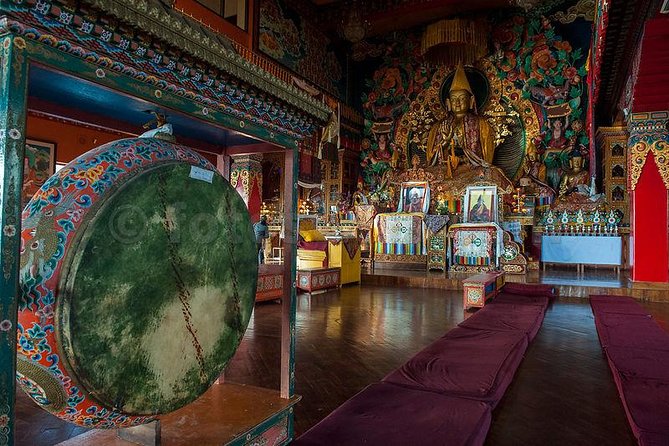
Kopan is associated with the Gelug tradition of Tibetan Mahayana Buddhism. That detail gives the stop a different character from Boudhanath. Instead of a large public stupa surrounded by urban activity, you are visiting a monastery connected with Buddhist teaching and practice.
I find this kind of contrast useful. A guide can explain how a monastery functions and how Tibetan Buddhist traditions are represented in Nepal. You will have a chance to ask questions about religious life, meditation, monks, and the role of Buddhist institutions in the valley, though the exact activities available during your visit are not specified.
The tour description emphasizes chanting and spiritual reflection. You should treat that as the tone of the experience rather than a guaranteed formal session. Specific ceremonies, monk meetings, or meditation instruction are not promised, so do not book this expecting a structured retreat.
Kopan is also where the pace may begin to feel tight. One hour gives you a useful introduction, but it is not a full monastery study visit. The private vehicle helps you avoid arranging transport between distant sites, yet the traffic between stops remains part of the day. Kathmandu’s roads can turn a short transfer into a slow one.
That said, the stop is valuable for anyone who wants more than a quick look at a famous stupa. It brings religious teaching and monastic life into the day, not just monumental architecture.
Lunch in Thamel and the final Swayambhunath visit
The route then heads toward Thamel for lunch. A table is reserved at The Ship Restaurant and Bar, where dal-bhat, Nepal’s familiar lentil-and-rice meal, is planned.
Meals are not included in the tour price, so you should budget separately. The benefit of a reserved table is convenience. You do not have to spend part of your limited sightseeing time choosing a restaurant, and dal-bhat gives you a straightforward introduction to a staple Nepalese meal.
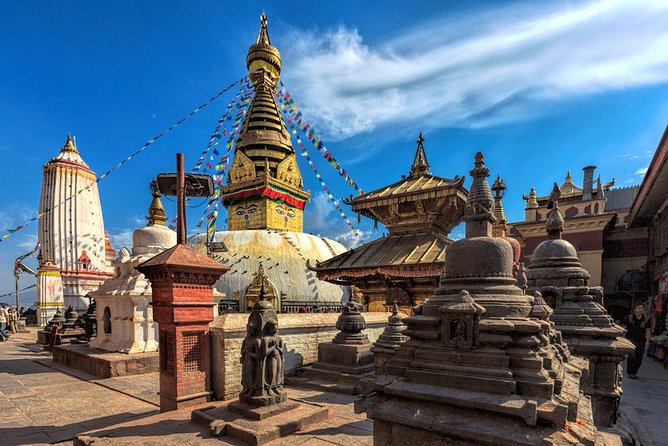
The supplied schedule labels the next stop as Swayambhunath, also commonly called the Monkey Temple. It gives the stop one minute in the written timing and describes the lunch transfer, but it does not provide a clear visit duration or detailed activities at the temple. I would confirm the exact amount of time planned at Swayambhunath before booking if this site is your main reason for taking the tour.
Swayambhunath is one of Kathmandu’s most famous Buddhist and Hindu religious sites. The name Monkey Temple comes from the monkeys associated with the complex, while the temple area itself is known for its Buddhist imagery and elevated position above the city. Since the available schedule does not spell out the visit details, you should not assume a long guided walk, a particular ceremony, or a set amount of free time.
This is the biggest planning question in the day. Boudhanath and Kopan each receive about an hour in the schedule. Swayambhunath is listed as the final religious stop, but the timing provided is unclear. Ask for clarification if you want to photograph the site, explore the full complex, or spend quiet time there.
More multi-day Nepal packages:
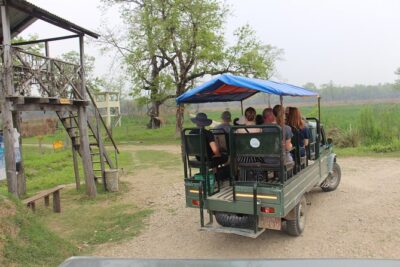
- 3-Day Chitwan National Park Jungle Safari Tour Package with Pick Up
★ 5.0 · 184 reviews - 8 Days Tour in Nepal (3 Star Accommodation)
★ 5.0 · 113 reviews - Best Nepal Tour Package
★ 5.0 · 45 reviews - Nepal Classic Tour -12 Days
★ 5.0 · 27 reviews
What the $150 price really covers
At $150 per person, this is not the cheapest way to visit three Buddhist sites. You are paying for more than admission. The cost includes private ground transportation, an English-speaking professional guide, staff salary, staff insurance, and government and local taxes.
That package can make sense if you are visiting Kathmandu for a short time, prefer not to negotiate local transport, or want cultural context at each stop. It also removes some common day-trip decisions. You have a planned start, private vehicle, driver, guide, and a restaurant arrangement for lunch.
The value is less clear if you are comfortable arranging taxis, using public transport, or visiting the sites independently. The tour lasts approximately one day, and the listed admission tickets are included, but meals and accommodation are not. Tips are also not included, and optional activities during free time cost extra.
For two people, the total price becomes significant. For a solo visitor who wants a dedicated vehicle and a guide, the price may feel more reasonable. Group discounts are available, though the amount is not specified, so ask about the discount before paying.
The 5 out of 5 rating from 27 reviews and the 100 percent recommendation figure point to strong satisfaction, especially with the guide’s ability to answer questions about Buddhism and Nepalese culture. The most praised feature is the personal guidance, not simply the list of sites. That is important when comparing this tour with a basic transport-only outing.
Group size, guide quality, and the feel of the day
The group has a maximum of 10 people. I consider that a useful size for a religious tour. It is small enough for questions and group movement, but it is not necessarily a private tour for each person.
Your guide is English-speaking and described as professionally trained. No guide’s name is provided, so you cannot request a particular individual based on the available information. The strongest description of the guide’s role is as a person who can answer questions about both Buddhism and wider Nepalese culture.
That distinction matters. At religious sites, a good guide should explain what you are seeing without turning worship into a performance. You can ask about symbols, traditions, and the relationship between Hinduism and Buddhism in Nepal. You should also feel free to say when you want a few quiet minutes rather than continuous commentary.
The tour’s title suggests chanting with monks, but the confirmed inclusions only promise visits, transport, a guide, and admission. Chanting or direct participation with monks is not listed as a guaranteed activity. I would regard it as an atmosphere the tour aims to introduce, not a fixed program.
The tour is near public transportation, and most people can participate. No special accessibility details are provided, so you should ask the operator about stairs, walking surfaces, and vehicle arrangements if those points are important to you.
Timing, cancellations, and practical planning
The start time is 9:15 am, and the activity ends back at the meeting point. Pickup is provided from your hotel according to the tour description, but the exact pickup range is not listed, so confirm the address and timing after booking.
The tour is often booked 18 days ahead. That is a useful sign for planning, particularly if your Kathmandu stay is short. A maximum group of 10 also means that leaving the reservation until the last moment may reduce your options.
Free cancellation is available if you cancel at least 24 hours before the local start time. Cancellations made less than 24 hours before the start are not refunded, and late changes are not accepted. I would pay attention to the local-time cutoff if your booking and travel plans involve different time zones.
Nepal visa fees are not included. The tour information advises bringing accurate US dollar cash and two passport photographs for the visa process. Meals, lodging, tips, and services not specifically listed are also outside the price.
Who will get the most from this pilgrimage tour
I would recommend this experience to a first-time visitor who wants a clear introduction to Buddhist Kathmandu without arranging transport between sites. It also suits anyone who values explanation and cultural context more than a completely free-form day.
It is a good match for:
- Visitors with only one day for Buddhist sites
- Solo visitors who want a guide and private vehicle
- Couples or small groups seeking a structured cultural outing
- People curious about the link between Hindu and Buddhist traditions in Nepal
- Anyone who wants Boudhanath and Kopan included in one route
I would be more cautious if you want a long meditation session, an extended monastery visit, or a slow photographic tour. The day includes traffic, three sites, and lunch, while the detailed timing for Swayambhunath is unclear.
Should you book this Kathmandu Buddhist pilgrimage?
Book it if you want a guided introduction to three important Buddhist sites, private transportation, and a small group with room for questions. The guide’s cultural and religious explanations are the heart of the experience, and the route gives you a useful range of Buddhist settings in one day.
Before paying, confirm how much time you will have at Swayambhunath and what, if anything, is planned beyond sightseeing at Kopan Monastery. If those details suit you, the $150 price offers solid convenience for a visitor who would rather spend the day learning than arranging transport.
FAQ
How long does the Buddhist pilgrimage tour last?
The experience lasts approximately one day.
What time does the tour start?
The stated start time is 9:15 am.
Which Buddhist sites are included?
The tour includes Boudhanath Stupa, Kopan Monastery, and Swayambhunath, also called the Monkey Temple.
Is transportation included?
Yes. All ground transportation is provided in private, comfortable vehicles.
How large is the group?
The activity has a maximum of 10 participants.
Is lunch included in the price?
No. Lunch and other meals are not included, although a table is reserved at The Ship Restaurant and Bar in Thamel, where dal-bhat is planned.
Can I cancel for a full refund?
Yes, if you cancel at least 24 hours before the experience begins. Cancellations made less than 24 hours before the start time are not refunded.
Just added around Kathmandu
- Traditional Momo Making Class★ 5.0 · 10 reviews
- Wildlife Adventure in Chitwan Nepal★ 4.0 · 4 reviews
- Walking tour of real Kathmandu through back streets.★ 5.0 · 3 reviews
- Kathmandu 2 Nights 3 Days Chitwan Jungle Safari Tour★ 5.0 · 9 reviews
- Kathmandu Street Food Walking Tour – Eat Like a Local★ 5.0 · 3 reviews
- Private Manaslu Circuit Trek at Himalayas★ 5.0 · 3 reviews
- Walking tour of Kathmandu with awesome local guides★ 5.0 · 4 reviews
- Visit Swayambhunath and Bauddhanath Stupa with Guide★ 5.0 · 5 reviews
Multi-Day Nepal Tour Packages from Kathmandu, compared.
3-Day Chitwan National Park Jungle Safari Tour Package with Pick Up
Read our review →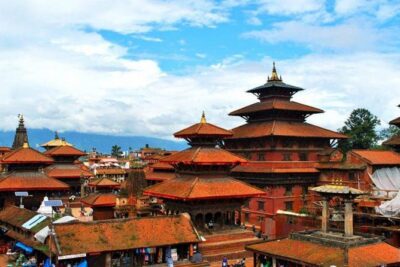
Shamanism Tour in Nepal – One-to-one Consultation with Sharmans
Read our review →
Browse the lists this tour appears in