
Reviewed · EVENING EXPERIENCES
Evening Photography Tour of Kathmandu
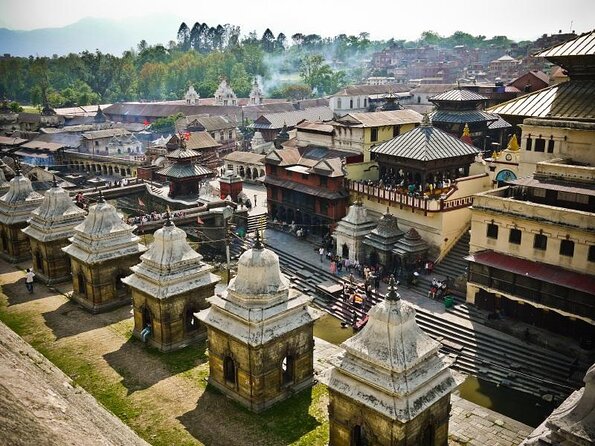
At dusk, Boudhanath Stupa glows with butter lamps while Buddhist devotees circle the white dome in prayer. Later, at Pashupatinath, chanting and fire rituals unfold beside the Bagmati River. This tour gives you access to two major sacred sites at the hour when both become most atmospheric.
I like the private transport from central Kathmandu and the fact that a guide helps you find the right places to photograph instead of leaving you to guess. I also like the cultural context, especially if you want more than attractive night pictures. The main drawback is that the tour is built around religious activity, not a long technical photography lesson, and one past booking found the promotional image a little misleading.
Key things to know before booking
- Boudhanath after dark: Photograph butter lamps, monks, devotees, and the evening circumambulation around one of Tibetan Buddhism’s most important pilgrimage sites.
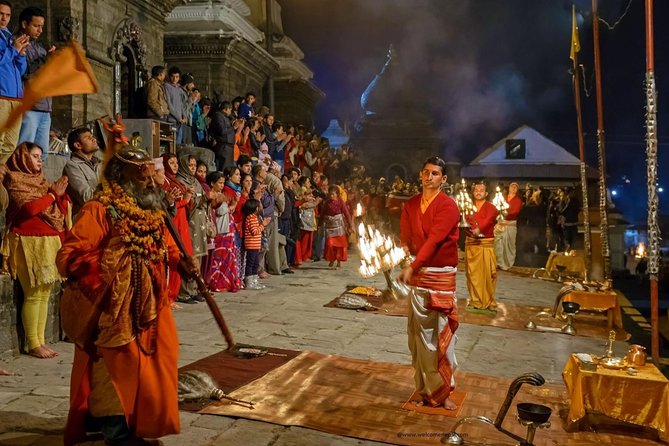
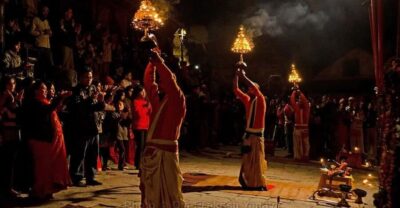
- Pashupatinath’s aarti: The Hindu fire ceremony includes chanting, singing, sacred hymns, and flames offered to Lord Shiva.
- Private experience: Only your group takes part, so you can ask questions and spend more time on scenes that interest you.
- Guides with local insight: Bikash and Deepa are named in especially positive feedback, with praise for clear explanations and professional service.
- Three to four hours: The schedule includes about one hour at each main site, with travel time between them.
- $102 per person: The price is easiest to justify for solo photographers or small groups who value private transport and site guidance.
Why Kathmandu works so well after sunset
Kathmandu is a city of sacred routines. During the day, its major temples and stupas can feel crowded with sightseeing groups and daytime activity. In the evening, the focus shifts toward prayer, lamps, chanting, and ceremony. That change gives you a better chance to photograph people taking part in living religious traditions rather than simply posing beside monuments.
This private half-day outing links two important places with very different visual and religious identities. Boudhanath is a center of Tibetan Buddhism, with its white dome, prayer activity, monks, and butter lamps. Pashupatinath is a Hindu shrine devoted to Lord Shiva, where the evening aarti uses music, chanting, and fire.
I see the tour as a guided access plan for a photographer. You bring the camera. The guide handles the transport, points out useful positions, and explains what you are seeing. That matters in Kathmandu, where a good image often depends on understanding the action around you, not simply finding a famous building.
The experience lasts roughly three to four hours. Each site receives about an hour, with the remaining time used for transportation and the change from one part of the city to another. It is long enough to make the evening worthwhile without taking over your entire night.
Other Kathmandu days people book alongside this one:
- Everest Base Camp Trek – 14 Days
★ 5.0 · 1,499 reviews - Private Kathmandu Sightseeing Tour | UNESCO World Heritage sites
★ 5.0 · 756 reviews - Everest Base Camp Helicopter Tour landing at Everest View Hotel
★ 5.0 · 668 reviews
Photographing Boudhanath’s circle of prayer
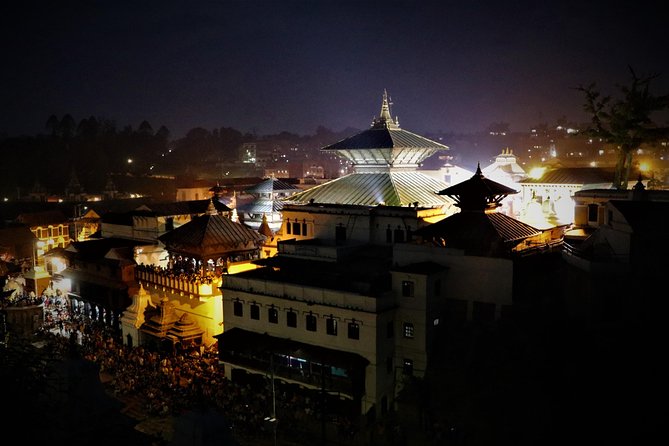
Boudhanath is the calmer and more graphic of the two stops. The great white stupa is lit in the evening, and the surrounding religious activity gives you several layers to work with: the dome, lamps, monks, devotees, and people walking clockwise around the monument.
The circumambulation, known as parikrama, is central to the visit. Devotees move around the stupa while praying for the well-being of all sentient beings and for world peace. For photography, this creates a repeating flow of movement around a fixed structure. You can look for contrasts between the steady white dome and the smaller human moments below it.
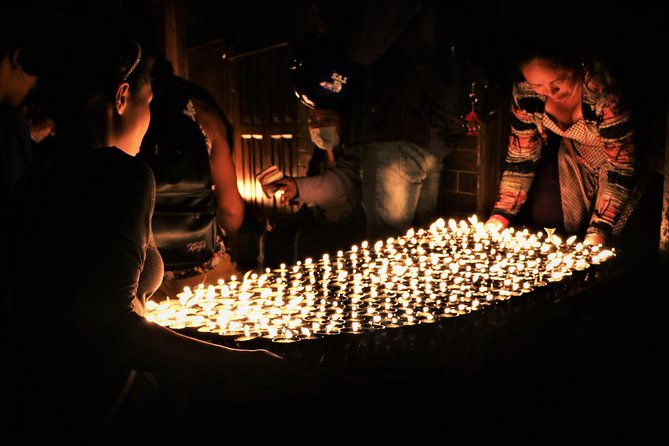
Butter lamps add the warm points of light that make evening photography here so appealing. Their glow can bring attention to hands, faces, prayer gestures, or small groups gathered in devotion. Your guide can help you locate settings where these details are easier to see and photograph.
You receive about one hour at Boudhanath, with admission included. That is enough for a focused visit, especially if you arrive with a clear idea of what you want to capture. It is not a full photography workshop, so I would not book this expecting extended instruction on exposure, lenses, or post-processing.
The strongest benefit is knowing where to look. A guide familiar with the site may help you avoid spending the whole hour circling the stupa without finding the scenes you hoped for. The guide also provides the religious background, which makes the images more meaningful and helps you behave respectfully around prayer.
Keep your approach quiet and observant. This is an active pilgrimage center, not a staged photo set. The most useful photographs may come from waiting patiently for a natural gesture or a well-placed lamp rather than asking people to repeat an action.
Pashupatinath and the evening aarti
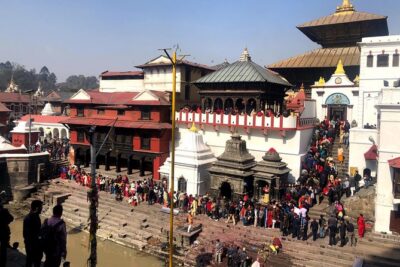
The second stop shifts from Tibetan Buddhist practice to Hindu worship at Pashupatinath Temple. This ancient temple is dedicated to Lord Shiva, known here as Pashupatinath, or protector of all living beings.
The evening aarti is the dramatic center of the visit. Priests offer light from flames to the gods while sacred Vedic verses and hymns are chanted. Singing, movement, and fire give this part of the tour a stronger sense of ceremony than the quieter, circular rhythm at Boudhanath.
The setting beside the Bagmati River adds another layer to the photographs. The experience description specifically places the fire devotion on the riverbanks, giving you the chance to frame the ritual with the water and temple surroundings. Your guide can explain the meaning of the ceremony and help you find a useful position for viewing it.
You spend about one hour here, and admission is included. Timing matters because the aarti is an evening ritual. This is not simply a visit to a temple that happens to remain open after dark. The point is to arrive for the ceremony, so your pickup time and the local schedule should be confirmed when you book.
Pashupatinath may feel more intense than Boudhanath. The chanting and fire rituals create a strong visual and emotional setting, but you should remember that this is worship. Photograph with restraint, follow the guide’s advice, and avoid treating the ceremony as a performance staged for cameras.
The tour does not promise entry into every temple space or unrestricted access to all areas. It promises a visit to Pashupatinath and the chance to document the evening aarti. That distinction is useful if you have a particular shot in mind.
What the private format changes
This is a private tour, so only your own group takes part. That is a real advantage for photography. You can ask the guide to pause for a scene, request more explanation, or adjust your pace without waiting for a large group to gather.
Private transport is included from central Kathmandu. That removes the need to arrange a taxi between Boudhanath and Pashupatinath, which is especially helpful when your attention is on camera equipment and evening timing. All fees and taxes are also included.
The English-speaking licensed city guide is an important part of the experience. At Boudhanath and Pashupatinath, the guide is not just there to point at a building. The religious practices carry meanings that may not be obvious from the outside. A good explanation can help you understand why people are walking, lighting lamps, chanting, or gathering beside the river.
Bikash is specifically praised for his strong knowledge of Kathmandu and its heritage sites, along with professional and polite service. Deepa is also named in especially warm feedback connected with the night ceremony. Guide assignments can change, so you should not assume either person will lead your booking, but these names give you a useful sense of the kind of guide experience associated with the operator.
The private format also makes the $102 price easier to assess. For one person, it is a substantial evening expense. For two or more people sharing a private vehicle and guide, the value becomes more reasonable, particularly if you would otherwise pay for separate transport and arrange site visits on your own.
More evening and night tours in Kathmandu:
- Kathmandu Sunset Tour by Rickshaw Including Durbar Square Visit
★ 5.0 · 73 reviews - 3 Nights 4 Days Chitwan National Park with Tower Night Stay
★ 5.0 · 41 reviews - 3 night 4 Day Yoga & Ayurveda Retreat to Detox the Body & Mind, Nepal
★ 5.0 · 37 reviews - Kathmandu: Pashupatinath Temple Evening Aarati Tour
★ 5.0 · 36 reviews
Is $102 a fair price for a photo-focused evening?
The price is $102 per person. Dinner, bottled water, and alcoholic drinks are not included. You should plan your evening meal separately and carry your own water, since neither is part of the package.
I would not compare this cost with a basic temple transfer. The tour includes private transportation, entry fees, and a licensed English-speaking city guide, plus help locating scenes at two major sites. The value is strongest if you care about timing, cultural explanation, and not having to organize the route yourself.
The value is weaker if you have already visited both places, know Kathmandu well, and only need a driver. One person with a strong independent plan may find the price high. A small private group, however, can make better use of the arrangement, especially with group discounts available.
The average booking lead time is about 12 days. That suggests you should not leave this until the last minute if the dates of your Nepal trip are fixed. Confirmation is provided at booking, but the experience depends on suitable weather and a minimum number of participants. If poor weather or insufficient bookings force cancellation, you are offered another date, another experience, or a full refund.
Who will enjoy this evening most?
I would recommend this outing to photographers who want access to religious scenes but prefer some guidance on location and timing. It also suits first-time visitors to Kathmandu who want an efficient introduction to two major spiritual sites.
You do not need to be an expert photographer. The central benefit is not a formal lesson in camera settings. It is the chance to be in the right places during meaningful evening activity, with someone who can explain what is happening.
The tour also works well for a couple or small private group with mixed interests. One person can focus on photography while another listens to the cultural explanation. Since the schedule is private, the guide can answer questions in a more direct way than on a large group outing.
I would be more cautious if your main aim is street photography across Kathmandu. This route concentrates on Boudhanath and Pashupatinath. It gives you religious settings, not a broad tour of markets, alleys, food stalls, or nightlife.
I would also avoid booking it if you expect a classroom-style photography session. The available information emphasizes access, local knowledge, and finding strong settings. It does not promise instruction on manual exposure, composition, night lenses, or editing.
Practical advice for getting more from the tour
Bring the camera you already know how to use. You do not need special equipment according to the tour details, but evening scenes with lamps and fire can be demanding. If you have a camera with manual controls, you may find them useful, but the guide is not described as a technical photography instructor.
Arrive ready to work in low light and around moving people. At Boudhanath, the repeating movement around the stupa may reward patience. At Pashupatinath, the aarti happens at a set time and may offer fewer chances to reposition once the ceremony begins.
Ask your guide early about the best viewing points and about respectful behavior. The guide can also explain which parts of the ceremony are suitable for photography. That advice is worth more than a rushed attempt to capture every moment.
The two stops are close enough to fit into one evening program, but the tour still involves transportation between them. Keep your equipment manageable. A heavy bag can make a short evening outing less pleasant, especially when you are moving between active religious sites.
The tour is near public transportation, and most people can participate. Pickup is offered, with transportation from central Kathmandu included. The supplied details do not describe a specialized accessibility service, so anyone with particular mobility needs should ask the provider before booking.
Book it if you want meaning behind the pictures
You should book this tour if you want to photograph Boudhanath’s lamps and devotional walking, then see Pashupatinath’s chanting and fire ritual in the same evening. The private format, included transport, admission fees, and guide support make it a practical choice for a first visit or a small photography group.
Think twice if you have already explored both sites and only want casual evening sightseeing. You may find the fixed route repetitive, and the price is less attractive without the need for a guide.
For the right visitor, this is a focused Kathmandu evening: two major sacred places, two different faith traditions, and a guide who helps turn a confusing scene into a photograph with context. The 4.9 rating from nine reviews supports a strong overall impression, with the most consistent praise going to the guides’ local knowledge, professionalism, and ability to make the ceremony easy to find and understand.
FAQ
How long does the Evening Photography Tour of Kathmandu last?
The tour lasts approximately three to four hours, including travel between Boudhanath and Pashupatinath.
Which sites are included?
The tour visits Boudhanath Stupa and Pashupatinath Temple.
What can I photograph at Boudhanath?
You can photograph the illuminated stupa, devotees performing parikrama, Buddhist monks, prayer activity, and butter lamps.
What happens at Pashupatinath in the evening?
The evening aarti includes chanting, singing, sacred Vedic hymns, and fire offered to the gods as part of a Hindu ritual.
Is transportation included?
Yes. Private transportation from central Kathmandu is included.
Is this a private tour?
Yes. Only your group participates in the activity.
Is a guide included?
Yes. An English-speaking licensed city guide is included.
Are admission fees included?
Yes. Admission tickets and all fees and taxes are included.
What is not included in the price?
Dinner, bottled water, and alcoholic beverages are not included. The price is $102 per person, and group discounts are offered.
Just added around Kathmandu
- Traditional Momo Making Class★ 5.0 · 10 reviews
- Wildlife Adventure in Chitwan Nepal★ 4.0 · 4 reviews
- Walking tour of real Kathmandu through back streets.★ 5.0 · 3 reviews
- Kathmandu 2 Nights 3 Days Chitwan Jungle Safari Tour★ 5.0 · 9 reviews
- Kathmandu Street Food Walking Tour – Eat Like a Local★ 5.0 · 3 reviews
- Private Manaslu Circuit Trek at Himalayas★ 5.0 · 3 reviews
- Walking tour of Kathmandu with awesome local guides★ 5.0 · 4 reviews
- Visit Swayambhunath and Bauddhanath Stupa with Guide★ 5.0 · 5 reviews
Evening Experiences, compared.
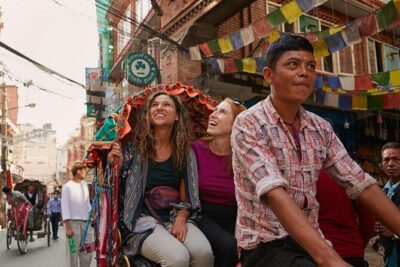
Kathmandu Sunset Tour by Rickshaw Including Durbar Square Visit
Read our review →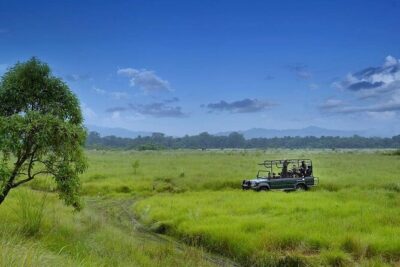
3 Nights 4 Days Chitwan National Park with Tower Night Stay
Read our review →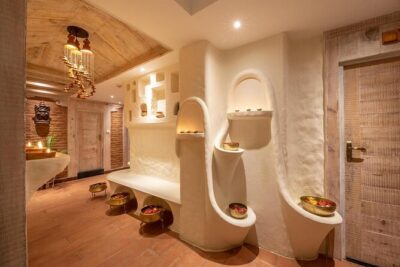
3 night 4 Day Yoga & Ayurveda Retreat to Detox the Body & Mind, Nepal
Read our review →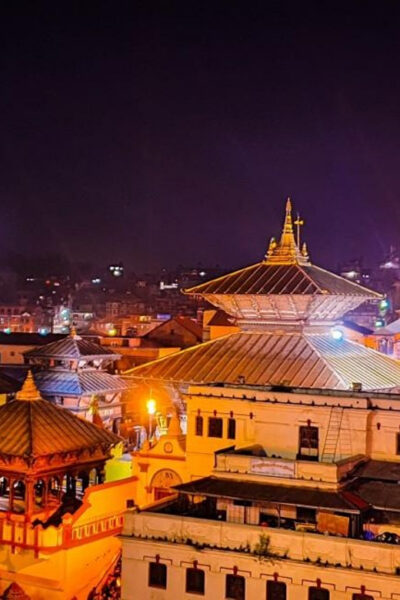
Pashupatinath Evening Aarati: Few Divinely Hours in Kathmandu
Read our review →
1 Night 2 Days Chitwan Jungle Safari Tour from Kathmandu
Read our review →Browse the lists this tour appears in