
Reviewed · PASHUPATINATH AARATI EVENING TOURS
Pashupatinath Evening Aarati: Few Divinely Hours in Kathmandu
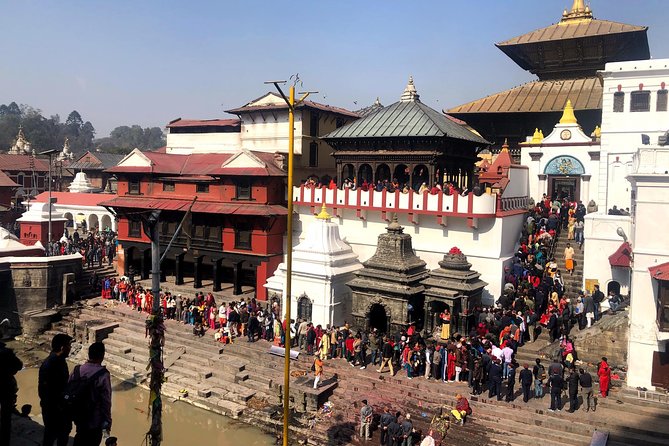
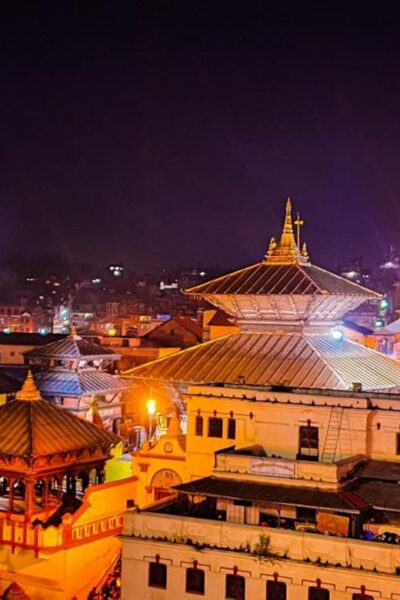
At Pashupatinath, the day ends with fire, bells, devotional singing, flowers, incense, and hundreds of worshippers gathered beside the Bagmati River. The one-hour Aarati ceremony is the heart of this short Kathmandu outing, but the surrounding temple grounds and cremation ghats give the evening its full meaning.
I like the small time commitment and the chance to see a living religious ceremony rather than only admire an old building. I also like the practical help from guides such as Mani, Mahesh, and Amber, who explain Shiva, Hindu customs, and what is happening around you.
The main consideration is timing. You may arrive after the best viewing places are taken, and the tour’s one reported missed pickup shows why you should confirm the meeting details before leaving your hotel.
Key points to know before you book
- The Aarati begins around 6:00 PM to 7:00 PM: The exact time changes with the season, so hotel pickup usually takes place between 4:30 PM and 5:30 PM.
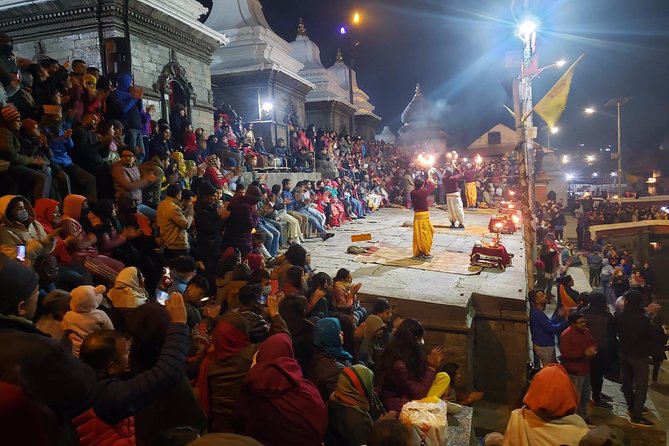
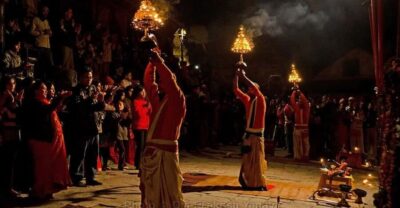
- The ceremony uses fire, flowers, incense, and song: Hindu priests lead the closing ritual for Lord Shiva while devotees join in devotional singing.
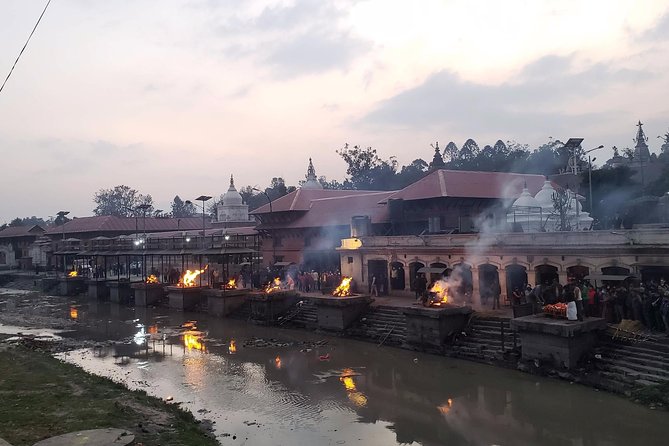
- The Bagmati River adds a serious human dimension: The outing includes views of Hindu cremation ceremonies along the riverbank.
- Guiding is a major part of the value: Mani, Mahesh, and Amber are named guides associated with especially helpful explanations and good communication.
- The $35 price covers transport, not every entrance cost: You receive air-conditioned vehicle service, hotel pickup, and drop-off, while the Pashupati Temple premises entry fee is not included.
- You need to allow two to four hours: Traffic, pickup time, the ceremony, nearby monuments, and the return ride all affect the total length.
Why the evening Aarati matters
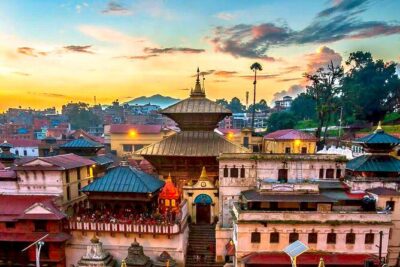
Pashupatinath is Nepal’s most revered Hindu temple, dedicated to Lord Shiva. The evening Aarati is a day-closing offering, with priests presenting light, flowers, incense, and other ritual objects.
You are not simply watching a performance staged for visitors. You are seeing a religious gathering attended by devotees, with the priests leading the ceremony and live Bhajana, or devotional songs, carrying across the riverbank.
That distinction matters. The event has a tourist appeal, but its purpose is religious. I would approach it with the same care you would bring to any active place of worship: keep your voice low, watch where you stand, and let your guide explain the proper way to observe.
The ceremony lasts about an hour. That gives you enough time to understand its sequence without giving up an entire day in Kathmandu. The setting also makes the experience more memorable than a simple temple visit, since firelight, music, river activity, and evening crowds come together in one place.
More Pashupatinath evening aarati tours:
- Kathmandu: Pashupatinath Temple Evening Aarati Tour
★ 5.0 · 36 reviews - Kathmandu: Pashupatinath Temple Aarti Night Tour
★ 4.8 · 29 reviews - Pashupatinath Temple, Hindu Crematorium and Aarati in-depth Tour
★ 5.0 · 25 reviews
From hotel pickup to the temple grounds
Your guide and driver are scheduled to meet you at your hotel between 4:30 PM and 5:30 PM. The wide pickup window reflects the need to reach Pashupatinath before the ceremony begins, not just at its advertised start.
The included vehicle is air-conditioned, which is useful after a day in Kathmandu. It also means you do not have to arrange a taxi for both directions or work out the temple location on your own.
The total outing lasts roughly two to four hours. The variation likely comes from pickup time, traffic, the time spent around the temple grounds, and the return trip. You should keep the rest of your evening flexible rather than scheduling dinner immediately after the expected end.
Communication is worth taking seriously. One booking problem resulted in a guide not arriving, with contact coming only the following morning. The company apologized and offered a refund or rescheduling, and a full refund was provided in that case, but the incident is a reminder to confirm your pickup before the appointed time.
Seeing Pashupatinath beyond the main ceremony
The temple area is the first stop, but the evening is not limited to sitting in front of the Aarati. You also visit other monuments in the surrounding area and observe activity along the Bagmati River.
Pashupatinath is especially important because it remains an active center of Hindu worship. The surrounding area gives you a look at rituals and memorial practices that cannot be understood from a quick photo stop.
The cremation ceremonies along the river are part of the experience. This can be difficult to watch, particularly if you have not previously seen Hindu funeral customs. I recommend reading a little about those practices before you go, so the ceremony does not feel shocking or confusing.
Your guide’s explanation is important here. The best use of the tour is not merely finding a place to watch the fire ceremony. It is learning how the temple, the river, Shiva worship, devotional music, and cremation customs relate to one another.
You should also remember that this is not a show put on for an audience. Cremation is a private and sacred family event, even when it takes place in a public setting. Follow your guide’s instructions about distance, photographs, and respectful behavior.
The one-hour fire ceremony beside the Bagmati
The Aarati begins around 6:00 PM to 7:00 PM, depending on the season. The priests lead the ritual with lamps and other offerings, while devotional songs create a shared rhythm for the gathered crowd.
The use of fire is the visual center. Incense, flowers, music, and movement add layers to the ceremony, but the lamps draw your eye as the priests present them to Lord Shiva.
You may be watching from among hundreds of devotees. That makes the experience feel immediate, but it also creates a practical issue: a good place to sit or see the priests may be gone if you arrive late. One visitor specifically wished for an earlier arrival and a better view.
That is why the pickup window matters. You are not paying only for a ride to a ceremony that lasts one hour. You are also paying for someone to get you there in time, guide you through the surrounding area, and help explain what you are seeing.
Still, expectations should stay realistic. This is a group outing, not a private viewing platform. The crowd may limit your sightline, and the ceremony may feel less intimate than a quiet temple visit. For many people, the shared setting is part of its power.
More temples and monasteries in Kathmandu:
- Kathmandu Spiritual Sites: Bodhnath & Pashupatinath Tour
★ 5.0 · 185 reviews - Kathmandu: Nagarkot Sunrise and Hike Tour to Changu Narayan
★ 4.7 · 151 reviews - From Kathmandu: Everest View from Nagarkot & hike to Changu
★ 4.8 · 140 reviews - Kathmandu: Chandragiri Cable Car and Monkey Temple Tour
★ 4.8 · 139 reviews
What the guides add to the experience
The strongest part of this outing is the guiding. Mani is described as friendly, detailed, and well informed about local rituals and Hindu culture. Mahesh is praised for explaining the area carefully and for accommodating a longer walk through Kathmandu.
Amber is also associated with making sure the ceremony was both seen and understood. That phrase captures the difference between arriving at Pashupatinath alone and having someone interpret the scene as it unfolds.
You should not expect every booking to have the same guide. The names connected with the experience include Mani, Mahesh, and Amber, but guide assignment can vary. What matters is that the tour is designed around explanation, not only transportation.
A good guide can explain why the ritual is held at the close of day, who leads it, what the offerings represent, and how the activity around the Bagmati fits into Hindu practice. Without that help, the sound, movement, and crowd may be beautiful but hard to understand.
Communication has generally been part of the positive experience, including clear timing and hotel pickup and drop-off. The missed appointment described above was an exception, but it remains sensible to confirm the arrangement directly.
Is $35 a fair price?
At $35 per person, the value depends on what you want from the evening. The price includes an air-conditioned vehicle, hotel pickup, a local guide, the temple area, and help understanding the ceremony and nearby sites.
It does not include the entry fee to the Pashupati Temple premises. The supplied details also describe admission as free, so you should ask the provider exactly which area or fee applies before booking. That small uncertainty is worth clearing up, especially if you are budgeting carefully.
For a short cultural outing, the price is reasonable if you value transport and interpretation. A taxi could get you near Pashupatinath, but it would not necessarily help you understand the Aarati, the cremation ghats, or the other monuments.
The outing also offers group discounts and a mobile ticket. Those features make it easier to fit into a Kathmandu schedule, particularly if you are traveling with several people and want a shared evening plan.
I would not book it solely to see the building. The value comes from the combination of ritual, explanation, and setting. If you already have a private guide and comfortable transport, the added benefit may be smaller.
Who will enjoy this Kathmandu evening
I would recommend this experience to you if you want a direct look at Hindu religious practice and prefer a guide to help explain unfamiliar customs. It suits first-time visitors to Kathmandu who want to see Pashupatinath without spending an entire day there.
It is also a good choice for people interested in religion, funerary customs, and living cultural traditions. The ceremony offers a clear focal point, while the riverbank and nearby monuments add context.
You may want to reconsider if you are uncomfortable seeing cremation ceremonies. That is not a minor side detail. It is part of the area’s religious life and one of the subjects the tour includes.
The experience may also disappoint you if you expect a quiet, private ceremony or guaranteed front-row seating. The Aarati is attended by a large crowd, and your view can depend on when you arrive and where the group is placed.
Families and most able participants can take part, according to the supplied information. The practical question is less about fitness and more about comfort with crowds, religious observance, and the emotional weight of the riverbank.
How to prepare for a respectful visit
Before you go, read a short explanation of Hindu funeral customs. You do not need a textbook. A basic understanding will help you recognize that the cremation activity is part of a sacred process, not a spectacle.
Wear clothing suitable for a temple area and follow the guide’s directions. The supplied details do not set out a dress code, so I would keep your clothing modest and practical rather than assuming the visit is a casual sightseeing stop.
Arrive ready to listen. The most useful questions concern Shiva, the meaning of the offerings, the role of the priests, and the connection between the Aarati and the wider temple area.
Photography requires care. The supplied details do not state specific photo rules, so ask the guide before taking pictures, especially near cremation ceremonies or worshippers. A good image is never worth intruding on a family’s religious rite.
The ceremony takes place in the evening, and the best viewing area may fill before the main ritual begins. Keep your phone ticket available, confirm your hotel pickup, and avoid planning another fixed event too soon afterward.
Cancellation and practical booking notes
You receive confirmation at the time of booking, and cancellation is free if you cancel at least 24 hours before the local start time. Cancellations made within 24 hours are not refunded, and changes during that period are not accepted.
The tour is offered with hotel pickup, an air-conditioned vehicle, and mobile ticketing. Group discounts may help if you are booking for several people.
The listed provider is Three Jewels Adventures. Since the ceremony’s meaning is tied to its evening timing, ask for the exact pickup time and seasonal Aarati start before the day of your visit.
Should you book Pashupatinath Evening Aarati?
Book this experience if you want more than a quick temple photograph. The ceremony gives you a close look at Hindu devotional practice, and the guide can help you understand the fire offering, songs, Shiva worship, nearby monuments, and cremation activity beside the Bagmati River.
I especially like it for a first Kathmandu visit because it fits into one evening and includes transport. The price is fair when you count the vehicle, hotel service, and cultural explanation.
Skip it if you want a light sightseeing stop or if cremation ceremonies would make you uneasy. Also, confirm the pickup carefully and aim to arrive early enough for a clear view.
For the right visitor, this is a serious, memorable evening rather than a standard city tour.
FAQ
What time does the Pashupatinath Aarati begin?
The Aarati takes place each evening around 6:00 PM to 7:00 PM, with the exact timing depending on the season.
What time is hotel pickup?
Pickup is scheduled between 4:30 PM and 5:30 PM. Your exact meeting time should be confirmed when you book.
How long does the experience last?
The total duration is approximately two to four hours.
Is hotel pickup included?
Yes. The experience includes hotel pickup and drop-off, along with an air-conditioned vehicle.
Is the Pashupatinath Temple admission fee included?
The supplied details say the entry fee to the Pashupati Temple premises is not included. They also list admission as free, so you should confirm which area or charge applies before visiting.
What happens during the Aarati?
Hindu Brahmin priests lead a day-closing ceremony offering light, flowers, incense, and other objects to Lord Shiva. Devotional songs are performed while devotees gather to participate.
Does the experience include cremation ceremonies?
Yes. The outing includes observing cremation ceremonies along the bank of the Bagmati River, as well as visiting other monuments in the surrounding area.
What is the cancellation policy?
You can cancel for a full refund at least 24 hours before the experience begins. Cancellations or changes made less than 24 hours before the start time are not accepted for a refund.
More evening and night tours in Kathmandu
- Kathmandu Sunset Tour by Rickshaw Including Durbar Square Visit
★ 5.0 · 73 reviews - 3 Nights 4 Days Chitwan National Park with Tower Night Stay
★ 5.0 · 41 reviews - 3 night 4 Day Yoga & Ayurveda Retreat to Detox the Body & Mind, Nepal
★ 5.0 · 37 reviews - 2 Night 3 Days Pokhara City Tour
★ 5.0 · 22 reviews
Just added around Kathmandu
- Traditional Momo Making Class★ 5.0 · 10 reviews
- Wildlife Adventure in Chitwan Nepal★ 4.0 · 4 reviews
- Walking tour of real Kathmandu through back streets.★ 5.0 · 3 reviews
- Kathmandu 2 Nights 3 Days Chitwan Jungle Safari Tour★ 5.0 · 9 reviews
- Kathmandu Street Food Walking Tour – Eat Like a Local★ 5.0 · 3 reviews
- Private Manaslu Circuit Trek at Himalayas★ 5.0 · 3 reviews
- Walking tour of Kathmandu with awesome local guides★ 5.0 · 4 reviews
- Visit Swayambhunath and Bauddhanath Stupa with Guide★ 5.0 · 5 reviews
Pashupatinath Aarati Evening Tours, compared.
Pashupatinath Temple, Hindu Crematorium and Aarati in-depth Tour
Read our review →
Sacred Pashupatinath: Aarati,Cremation Rites & Boudha Stupa
Read our review →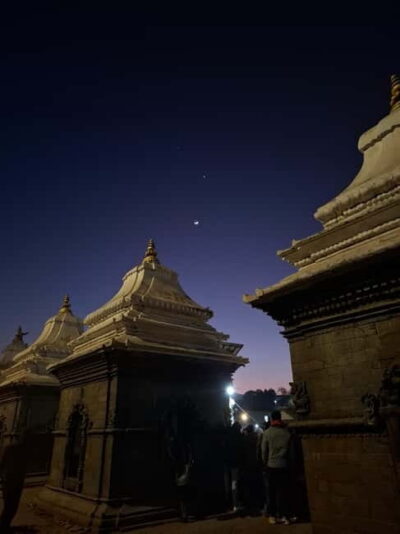
Katmandu: Pashupatinath Open Cremation & Evening Aarati
Read our review →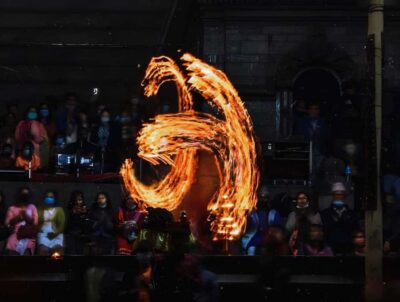
Browse the lists this tour appears in