
Reviewed · KATHMANDU
Rainbow Mo:Mo
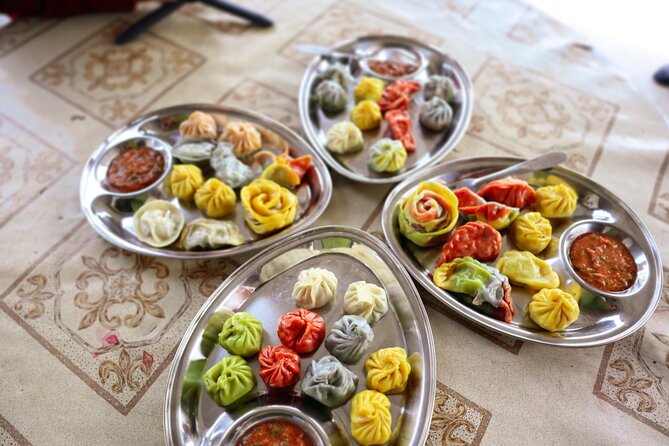
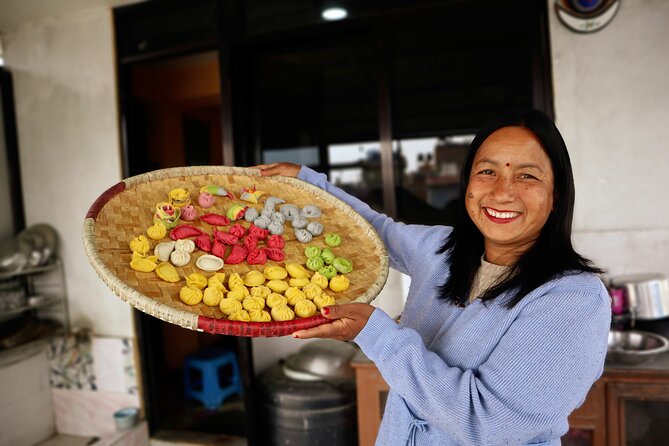
Rainbow Mo:Mo turns one of Nepal’s best-known foods into a small cooking lesson, a creative workshop, and a celebration of queer identity. You’ll make dough and fillings, add natural color from beetroot, spinach, carrot, and butterfly pea, then learn the careful pinch that gives a momo its shape.
I like the hands-on format and the fact that the colors come from food rather than artificial dye. I also like the personal scale: the class accepts no more than 15 people, and one participant even received individual attention when attending alone. The main consideration is simple: this is a short, focused class, not a full Kathmandu food tour, so you book it for the momo-making itself.
Key points at a glance
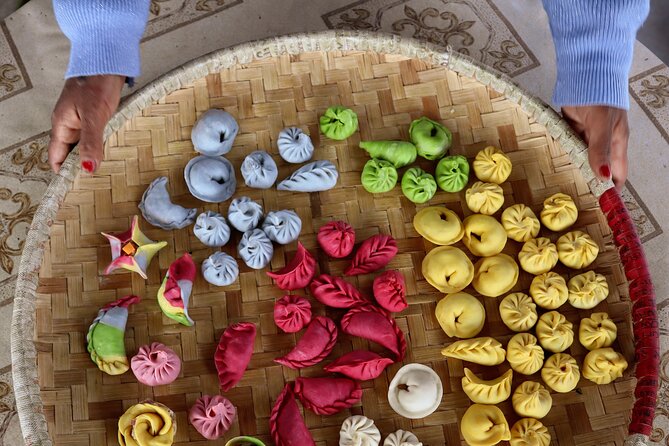
- Four natural colors: Beetroot, spinach, carrot, and butterfly pea bring pink, green, orange, and blue tones to the dumplings.
- A queer-forward setting: The class connects cooking with diversity, acceptance, and playful humor.
- Two ways to eat them: Your momos are served steamed and fried, giving you a useful taste comparison.
- Personal help from named hosts: Prajeet handles pickup support when arranged, while Aayam teaches the momo-making technique.
- Easy central meeting point: The class starts and finishes at Garden of Dreams on Tridevi Sadak.
- Small maximum group: Up to 15 people can join, with mobile tickets and pickup offered.
Making momo more than a meal
Momos are a familiar sight in Kathmandu, but this class asks you to slow down and handle the food yourself. You are not simply handed a plate. You make the pieces, shape them, and see how small changes in pressure and folding affect the final dumpling.
The queer-forward theme gives the class its personality. Cooking is treated as a shared space where difference is welcome, not something to tuck away. The language is playful, with the folding process compared to cosmetic work: put the Botox in the face, then pinch, pinch, pinch. It is silly, but it also gives you a useful reminder that shaping a momo takes patience.
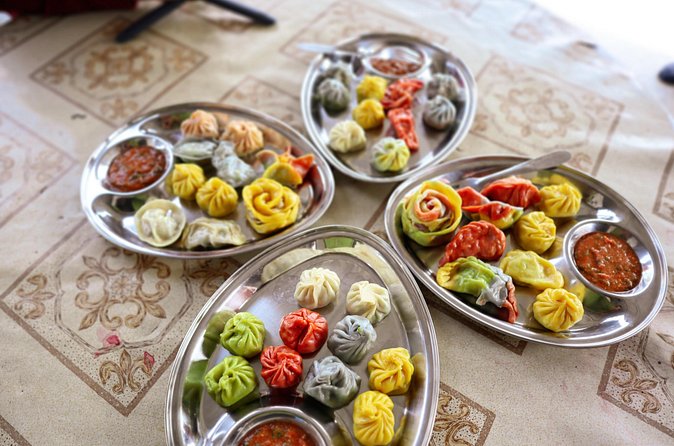
The food carries the message without turning the class into a lecture. Beetroot can give the dough a pink tone. Spinach adds green. Carrot brings orange, while butterfly pea creates blue. These ingredients make the lesson easy to understand: the color comes from something you can identify and taste, not from a packet of food coloring.
I like that the activity keeps the focus on doing. You’ll have something to talk about, something to eat, and a skill you can try again after leaving Nepal. The class also gives you a better sense of the care behind a food that can look simple on a restaurant plate.
Other Kathmandu days people book alongside this one:
- Everest Base Camp Trek – 14 Days
★ 5.0 · 1,499 reviews - Private Kathmandu Sightseeing Tour | UNESCO World Heritage sites
★ 5.0 · 756 reviews - Everest Base Camp Helicopter Tour landing at Everest View Hotel
★ 5.0 · 668 reviews
Starting at Garden of Dreams
The meeting point is Garden of Dreams, at Tridevi Sadak in Kathmandu. The activity ends back at this same location, which makes the plan fairly easy to fit into a day in the city.
A central meeting point matters in Kathmandu, where traffic and walking times can be hard to judge. If you arrange pickup, Prajeet may collect you from your hotel lobby. One participant specifically praised his punctual arrival, so keep your phone available and make sure your hotel details are correct when booking.
The posted operating period runs from November 3, 2024, through November 25, 2026. Sessions are listed every day from 9:15 a.m. to 4:15 p.m. That gives you useful flexibility, though the class itself lasts about two hours, so confirm the actual start time you select.
Garden of Dreams is also near public transportation. You do not need to depend on a private car if you are already in central Kathmandu, and the return to the meeting point keeps the end of the activity clear.
The color lesson: beetroot, spinach, carrot, and butterfly pea
The most distinctive part of Rainbow Mo:Mo is the use of four natural ingredients for color. You’ll work with beetroot, spinach, carrot, and butterfly pea to create different shades in the momo dough.
This is not only about appearance. It gives you four simple examples of how familiar plants can change the look of a dish. The colors make the activity especially appealing if you enjoy food photography, but the bigger value is practical. You can remember the ingredients and experiment with them later if you make dumplings at home.
Do not expect every piece to look identical. That is part of the fun, and the class is built around the act of shaping rather than factory-level precision. Your first few momos may have uneven folds. The lesson is designed to help you understand the motion, not to test whether you can produce perfect restaurant pieces immediately.
The colored dough also makes the class more social. You can see the difference between each batch, compare shapes, and notice how the same folding technique looks across several colors.
Pinching, folding, and the art of the momo face
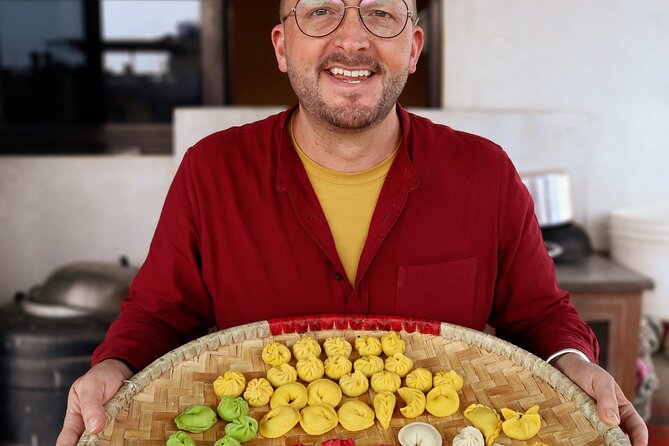
The shaping stage is where the class becomes genuinely hands-on. The humorous cosmetic comparison describes the process well: you put the filling in, then pinch and fold the dough into its final form.
You’ll need a light touch. Too much filling can make the dough hard to close. Too little may leave you with a flat or loose dumpling. The exact folding style is less important than learning how to seal the edges and keep the filling inside.
Aayam leads the teaching portion, and the available information points to a personal, demonstration-based lesson. If you are new to momo making, pay close attention to the first example before rushing into your own batch. Watch where the fingers press, how the dough is held, and how the final pinch closes the top.
The small group limit helps here. With a maximum of 15 people, the class is not designed as a large production line. It can still feel busier if the group fills, but it is more manageable than a mass cooking demonstration. If you attend alone, you may receive more individual attention. One solo participant had a particularly personal session, with Aayam teaching the technique and Prajeet helping with pickup.
Same city, a completely different sort of day:
- Half day cooking class in Thamel kathmandu
★ 5.0 · 607 reviews - Everest Base Camp Trekking
★ 5.0 · 485 reviews - Nagarkot Sunrise View and Day Hiking from Kathmandu
★ 5.0 · 471 reviews - Kathmandu: Full Day 7 UNESCO Tour with Lunch – Private/Group
★ 5.0 · 415 reviews
Steamed and fried: two textures from one class
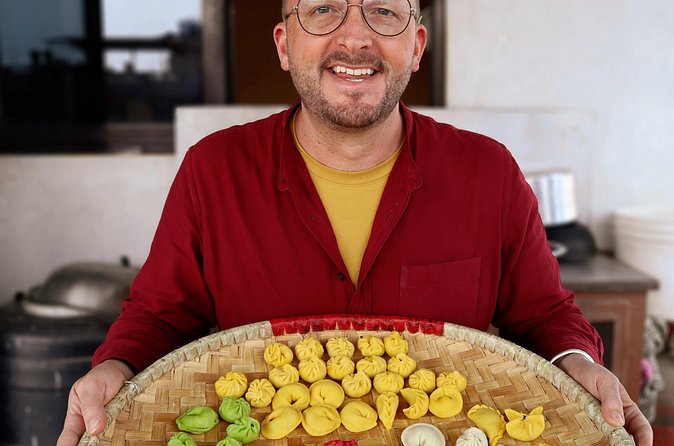
Your finished momos are served in two forms, steamed and fried. This is a smart part of the experience because it lets you compare texture rather than tasting only one version.
Steamed momos show off the softness of the dough and the tenderness of the filling. Fried momos bring a firmer, crispier outside. You’ll notice the difference even if the filling and shape remain similar.
The two preparations also make the class feel more complete. You are not only practicing a cooking technique and then watching someone else finish the food. The dumplings become the meal at the end of the session.
The supplied experience details do not specify the exact filling, sauces, or side dishes, so do not book this expecting a detailed menu or a full lesson in Nepalese cuisine. The clear promise is the colorful momo-making process, followed by steamed and fried versions.
What the two hours are really worth
At $44 per person, Rainbow Mo:Mo costs more than buying a plate of momos in Kathmandu. That comparison is fair, but it misses the point. You are paying for instruction, ingredients, a planned activity, and the chance to make the food yourself in a queer-forward setting.
For me, the value is strongest if you want an experience rather than a quick meal. The class gives you a story to take home, a basic technique to repeat, and a clearer sense of how much work goes into each dumpling. The four natural colors also make it more distinctive than a standard cooking lesson.
The value is weaker if you already know how to make momos or only want to eat them. In that case, $44 could buy several restaurant meals, depending on where you eat. You should also remember that the session lasts about two hours. It is a compact activity, not a full-day cultural program.
The price may feel more justified for solo visitors and couples who want an organized activity without committing to a large group. A maximum of 15 participants keeps the class from becoming an enormous workshop, while the possibility of hotel pickup removes one small Kathmandu logistics problem.
A welcoming class with a clear point of view
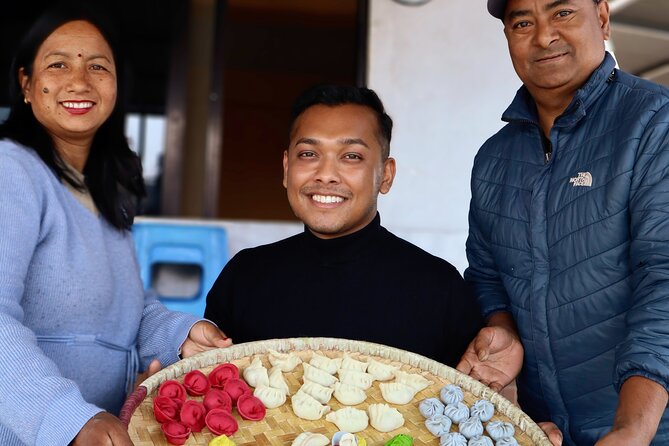
The queer-forward approach is not just a label attached to an ordinary cooking class. It shapes the tone. The language is playful, the colors carry a message, and the class links food with acceptance and self-expression.
That makes this a good fit for LGBTQ+ participants, allies, and anyone who prefers activities that openly support inclusion. You do not need to be an expert cook or a momo fan with strong technique. The format is about learning together and enjoying the process.
At the same time, it is worth knowing what you are choosing. This is not presented as a formal culinary school session. The tone is light and humorous, and the central theme is celebration. If you want a serious, technical study of dough hydration, regional fillings, or the history of Himalayan dumplings, you may find the class too narrow.
If you enjoy people-centered activities, the social side may be just as important as the food. You can pinch, laugh, make uneven dumplings, and still finish with something worth eating.
Who should book Rainbow Mo:Mo
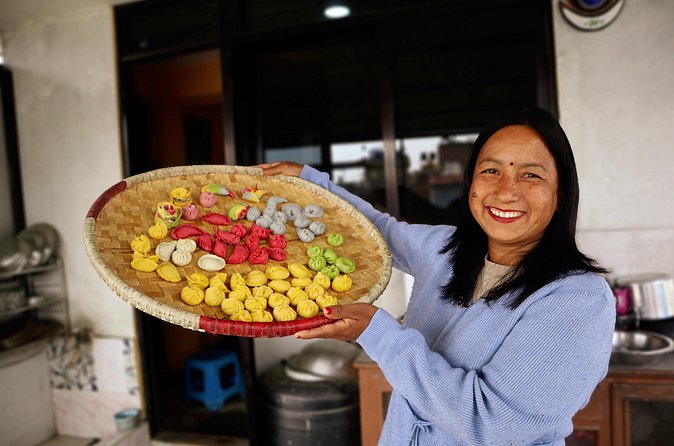
I would point this class toward several types of visitors:
- First-time visitors to Kathmandu who want a short food activity near the center of the city.
- Solo participants who like the option of a small group and possible one-to-one guidance.
- LGBTQ+ visitors and allies looking for a welcoming, explicitly queer-forward experience.
- Food lovers who want to learn a practical technique instead of only taking a restaurant meal.
- Creative cooks who enjoy natural food colors and want ideas they can repeat at home.
- People with a busy itinerary who can spare two hours and appreciate a fixed start and finish point.
I would hesitate if your priority is a long cultural tour, a market visit, or a broad introduction to Nepalese cooking. None of those are clearly part of this activity. Its strength is its focus.
Timing, pickup, and practical details
The class is available Monday through Sunday during the stated operating period, with hours listed from 9:15 a.m. to 4:15 p.m. Since the session takes about two hours, check the exact booking time rather than assuming you can arrive at any point within that window.
Pickup is offered, and Prajeet may meet you at your hotel lobby when this is arranged. The central meeting point is Garden of Dreams, and the activity returns there at the end. The location is near public transportation, which gives you another way to reach it.
You receive confirmation at booking, and a mobile ticket is available. Service animals are allowed. The maximum group size is 15 people.
Cancellation is free if you cancel at least 24 hours before the start time. Changes or cancellations inside that window are not refunded. The activity also requires a minimum number of participants, so if the provider cancels for that reason, you can choose another date or experience, or receive a full refund.
Should you book this momo class?
Book Rainbow Mo:Mo if you want a short, colorful, hands-on activity with a clear queer-forward message. The strongest reasons are the four natural dough colors, the chance to eat both steamed and fried momos, and the personal guidance from Aayam, with pickup help from Prajeet when arranged.
Skip it if you are looking for a full Kathmandu food tour or a long technical cooking course. At $44, the class earns its price through participation and personality, not through the amount of food alone.
For most visitors who enjoy making things, meeting people, and trying a familiar dish in a new way, this is an easy two-hour addition to a Kathmandu itinerary. The practical tip is to choose a time that leaves room for the full session, arrive at Garden of Dreams or arrange pickup clearly, and give yourself permission to make a few imperfect momos before the pinching starts to feel natural.
FAQ
Where does Rainbow Mo:Mo start?
The class starts at Garden of Dreams on Tridevi Sadak, Kathmandu 44600, Nepal.
Where does the activity finish?
The activity ends back at the Garden of Dreams meeting point.
How long does the momo class last?
The experience lasts approximately two hours.
How much does Rainbow Mo:Mo cost?
The listed price is $44 per person.
Is hotel pickup available?
Yes. Pickup is offered, and Prajeet has provided hotel lobby pickup for participants when arranged.
Who teaches the momo-making class?
Aayam teaches the momo-making portion of the activity.
What ingredients are used to color the momos?
The class uses beetroot, spinach, carrot, and butterfly pea for natural color.
Can I cancel for a full refund?
Yes, if you cancel at least 24 hours before the experience start time. Cancellations made less than 24 hours before the start time are not refunded.
Just added around Kathmandu
- Traditional Momo Making Class★ 5.0 · 10 reviews
- Wildlife Adventure in Chitwan Nepal★ 4.0 · 4 reviews
- Walking tour of real Kathmandu through back streets.★ 5.0 · 3 reviews
- Kathmandu 2 Nights 3 Days Chitwan Jungle Safari Tour★ 5.0 · 9 reviews
- Kathmandu Street Food Walking Tour – Eat Like a Local★ 5.0 · 3 reviews
- Private Manaslu Circuit Trek at Himalayas★ 5.0 · 3 reviews
- Walking tour of Kathmandu with awesome local guides★ 5.0 · 4 reviews
- Regular Yoga for all levels of practitioners in Kathmandu★ 5.0 · 4 reviews