
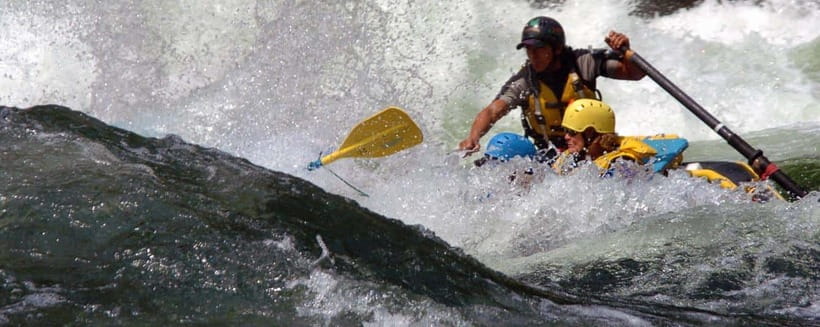
Reviewed · KATHMANDU RIVER RAFTING DAY TRIPS
Beginner-Friendly Rafting Adventure on the Trishuli River
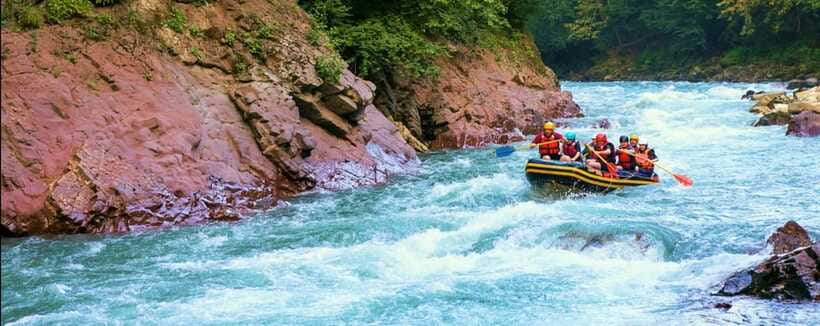
The best part of this day is the quick change from Kathmandu traffic to a raft sliding through the Trishuli Gorge. You get calm water, sharp bends, narrow rock walls, and rapids rated Class I to IV, so the river can entertain a first-timer without feeling tame.
I like two things in particular: the private vehicle, which makes the long road journey more comfortable, and the riverside lunch on a boulder-strewn beach. The main drawback is the road time. The drive to Charaudi takes about three hours, and the full day is listed as roughly 12 hours.
- Class I to IV rapids: Gentle water gives beginners room to learn, while rougher sections bring real excitement.
- Trishuli Gorge: Narrow channels and steep walls create the most dramatic rafting section.
- Private Kathmandu transport: You avoid sharing a crowded bus and can travel in greater comfort.
- Riverside lunch: A two-hour first run ends at a beach with unusual boulders and a meal included.
- Mountain and village scenery: Forest, waterfalls, valleys, and rural settlements fill the quieter stretches.
- Safety support: The trip includes helmets, life jackets, a safety kayak, trained staff, a first aid kit, and a river permit.
Why the Trishuli is Nepal’s easiest rafting choice
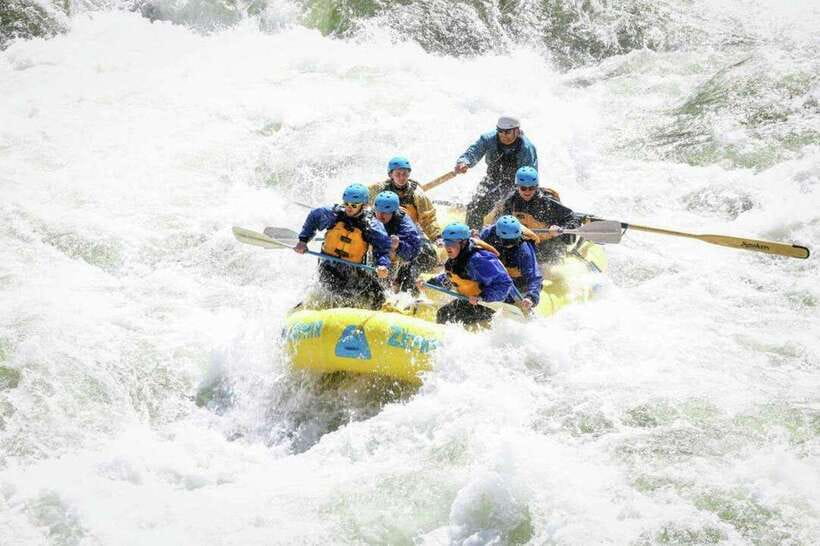
The Trishuli River begins in the Langtang Himal of central Nepal. From there, it runs through wooded valleys and rocky gorges before becoming one of the country’s best-known rafting rivers.
That reputation makes sense for a day trip from Kathmandu. The river offers a useful mix of moods. You may spend one stretch paddling through relatively gentle water, then face a faster rapid where the boat rises, drops, and turns between rocks. The Class I to IV scale covers a broad range, so this is not simply a mild float with a few splashes.
For a first rafting trip, that variety matters. You get time to listen to the guide, learn how to paddle, and settle into the boat before the more active sections arrive. If you already enjoy outdoor sports, the stronger rapids and narrow gorge keep the day from feeling too gentle.
The scenery adds plenty between rapids. Expect forested slopes, small waterfalls, steep gorge walls, and villages along the river. The route also offers a view of the cable car leading to Manakamana, a well-known Hindu temple. The river is the main event, but these details give your eyes something to do during calmer water.
The three-hour road to Charaudi
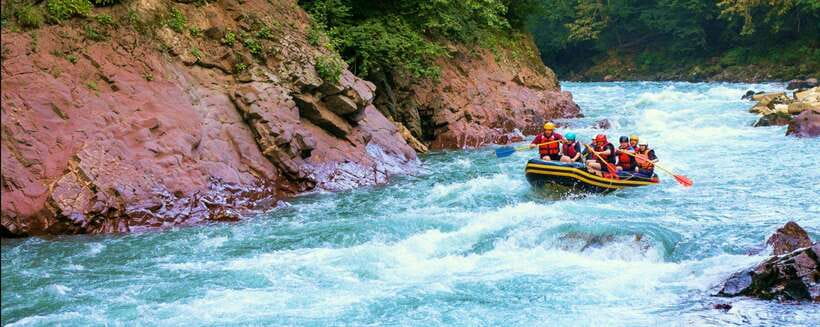
Your day begins with hotel pickup in Kathmandu and a private drive to Charaudi, the put-in point. The trip takes about three hours, so this is an early start and a long day out.
The private vehicle is a real part of the value here. The road journey can feel tiring, especially when you have a full afternoon of paddling ahead. A private car gives you more comfort than a standard shared transfer, and it lets the rafting day feel like one organized outing rather than a series of disconnected rides.
Still, do not book this expecting a quick escape from the city. The road is a major part of the schedule. One German customer described the journey from Kathmandu as difficult, though manageable in a private car. That is useful advice: bring water, keep your morning simple, and treat the drive as part of the outing rather than an inconvenience that will somehow disappear.
As you near Charaudi, the setting changes. The urban feel gives way to river valleys, wooded slopes, and small settlements. Local people gather near the put-in point to watch the rafting preparations, adding a bit of everyday river life to the start of the trip.
More river rafting trips in Kathmandu:
- Himalayan White Water Rafting Day Trip from Kathmandu
★ 4.0 · 22 reviews - Rafting in Nepal: Trishuli, Bhotekoshi & Other River Rafting
★ 4.5 · 5 reviews - Rafting Tour In Trishuli river
★ 4.0 · 5 reviews
Safety briefing before the first rapid
At Charaudi, the crew prepares the raft and distributes the required equipment. You receive a life jacket, helmet, plastic paddle, and other safety equipment. A dry bag and camera barrels are available for gear and photography, though you should still follow the crew’s instructions about what belongs on the boat.
Before you get wet, the staff gives a safety briefing and paddling lesson. This is especially important if you have never rafted before. You need to learn how to hold the paddle, follow commands, and work with the rest of the boat. The value of a good briefing is not just safety. It makes the first rapid less confusing and lets you enjoy the river instead of wondering what to do.
The package also includes a safety kayak, first aid equipment, guides, and helpers. Wetsuits are provided during winter on certain rivers, though you should not assume one will be supplied for every date on the Trishuli. Ask when booking if you are concerned about cold water or clothing.
You should arrive ready to take part. Comfortable clothes, swimwear, sun protection, and a full change of clothes are practical choices. Bring comfortable shoes that can get wet, sunglasses, a sun hat, and a waterproof camera if you want photos. Biodegradable sunscreen is specifically recommended.
The first two hours, learning the Trishuli’s rhythm
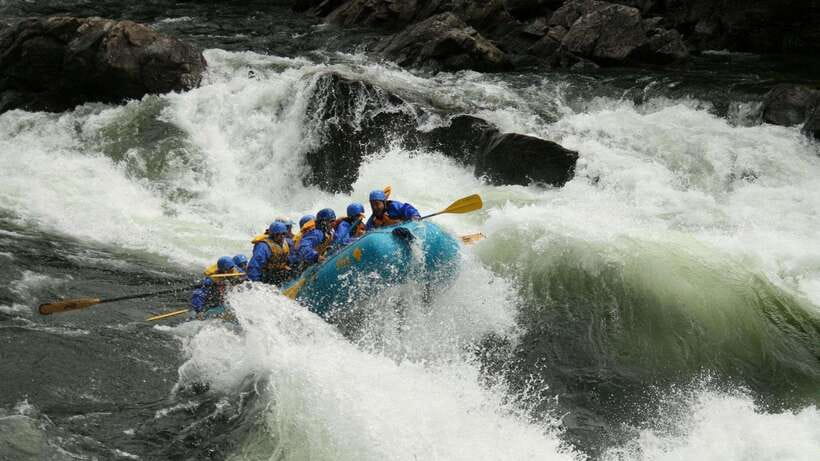
The first run lasts about two hours and includes Class I to Class III rapids. This is the most useful part of the route for beginners because it gives you a gradual introduction to paddling.
The gentler stretches let you look around. You can take in the steep valley sides, forest, waterfalls, and villages without having to concentrate on every second of the river. Then a rapid arrives and the crew calls for paddling. The change keeps the experience lively without making the entire first section feel like a test.
For a beginner, the crew’s communication is central. The activity has an English-speaking guide, plus helpers and a safety kayak. You should pay attention during the briefing and follow instructions closely, especially as the river quickens.
The natural setting is a strong part of this first section. The Trishuli does not offer only open water and distant mountains. It moves through bends, narrow passages, and rocky sections where the river feels connected to the surrounding hills. Small villages offer glimpses of rural life, while waterfalls add movement along the banks.
You may also have time for a short swim or a photo stop during the wider, calmer parts of the outing. Swimming is included in the scheduled activities, but the actual timing depends on the river conditions and the guide’s judgment.
Lunch on a boulder-strewn river beach
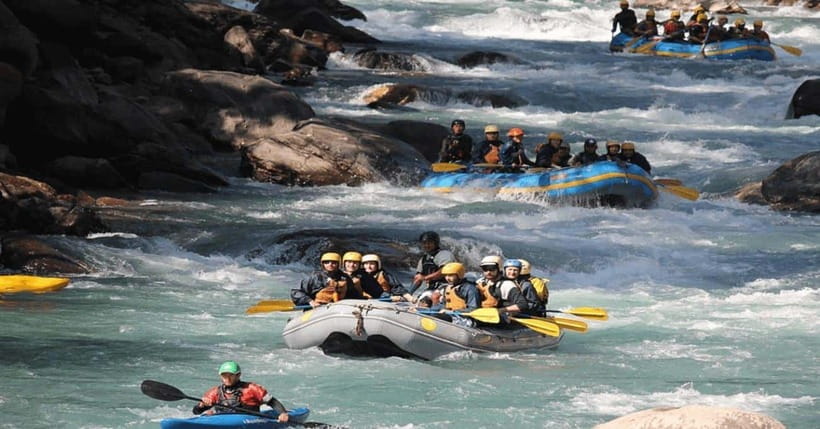
After roughly two hours, the raft reaches a scenic beach with unusually shaped boulders. This is the day’s natural rest stop and the point where the pace changes from active paddling to a relaxed outdoor meal.
Lunch is included, with Western and continental food provided during the rafting trip. That is a useful inclusion because you do not need to arrange a separate meal in the middle of a remote river day. You can eat beside the water, dry off a little, and enjoy the setting before returning to the raft.
Do not expect a restaurant service or a long, formal break. This is an outdoor lunch in a river environment. Keep your expectations practical, and protect personal items from water and sand. Mineral water, cold drinks, and alcohol are not included, so bring or purchase drinking water according to the operator’s arrangements.
The beach stop also helps break up the long day. Two hours of paddling, even with easier sections, can be tiring for a first-timer. The rest gives you a chance to eat, take photographs, and reset before the more exciting gorge section.
Same city, a completely different sort of day:
- Everest Base Camp Trek – 14 Days
★ 5.0 · 1,499 reviews - Private Kathmandu Sightseeing Tour | UNESCO World Heritage sites
★ 5.0 · 756 reviews - Everest Base Camp Helicopter Tour landing at Everest View Hotel
★ 5.0 · 668 reviews - Half day cooking class in Thamel kathmandu
★ 5.0 · 607 reviews
Into the Trishuli Gorge
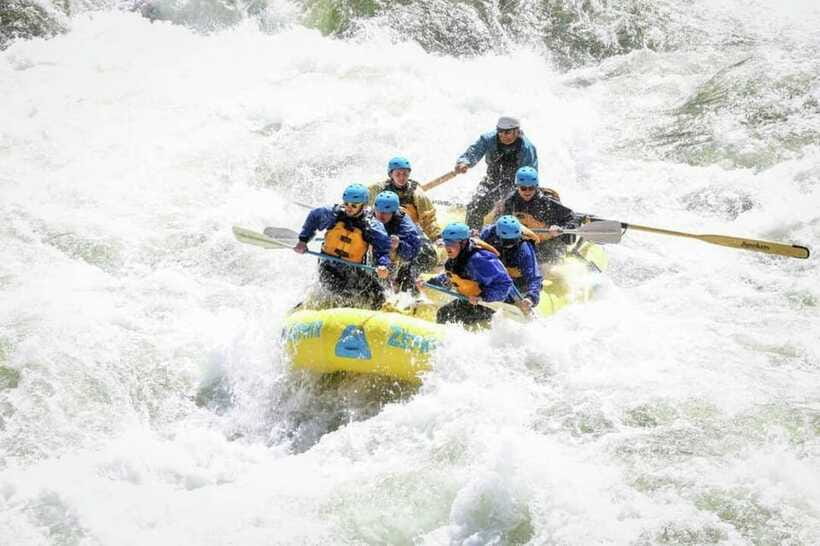
After lunch, you continue downstream toward the most dramatic part of the route. The Trishuli Gorge narrows between steep walls, creating tighter passages and more frequent rapids.
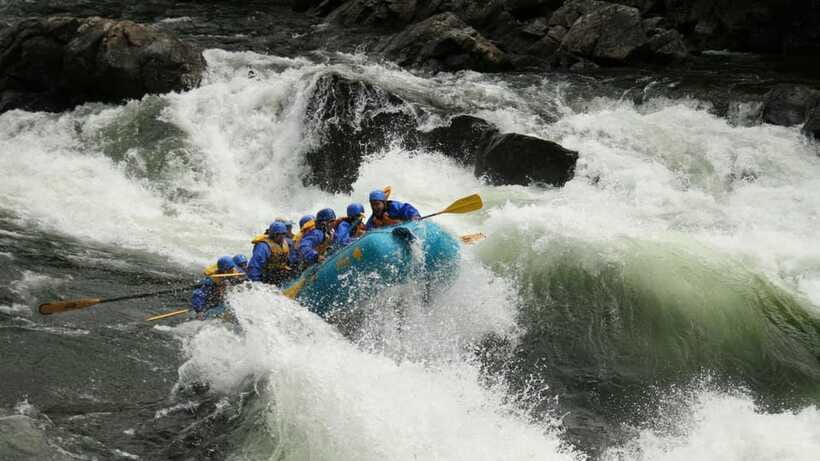
This is where the trip feels most like a proper white-water adventure. The gorge limits the river’s room to spread out, so the current becomes more direct and the boat’s movements feel sharper. You may paddle hard, brace against the raft, and respond quickly to the guide’s commands.
The stronger water is also why the safety setup matters. The helmets, life jackets, safety kayak, first aid kit, and trained crew are not decorative inclusions. They give the activity a proper support system while you handle the river’s more active sections.
The gorge is beautiful, but it is not the easiest place for relaxed sightseeing. Your attention will be divided between the rock walls and the next rapid. Save your camera for calm stretches and use the supplied camera barrels or dry storage as directed. A phone held loosely in a raft is a poor substitute for a waterproof camera.
What the $63 price really covers
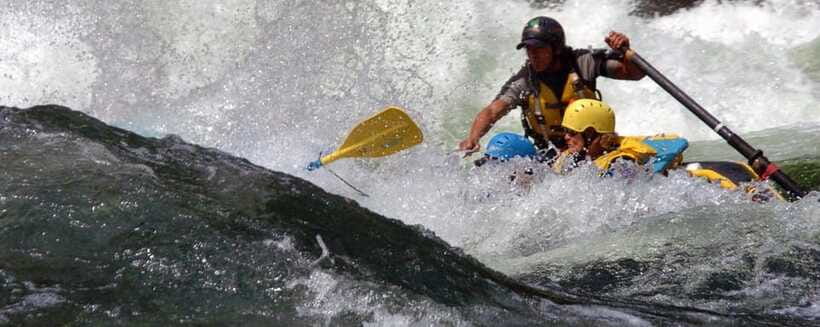
At $63 per person, the value comes from combining several costs in one day. The price includes private transport between Kathmandu and Charaudi, lunch, the river permit, the raft, standard safety equipment, a guide team, helpers, a safety kayak, and first aid equipment.
Private transport is especially important here. A cheaper shared transfer might reduce the price, but the road to Charaudi is long enough that comfort has real value. You are paying for a full-day outing with door-to-door transport rather than making separate arrangements for a bus, river operator, food, and equipment.
The inclusions also reduce the amount of planning you need to do. You do not need to rent a raft, find a qualified river guide, arrange a permit, or work out how to return to Kathmandu. For someone with limited time in Nepal, that simplicity can make the price fair.
Several costs remain outside the package. Mineral water, soft drinks, alcoholic drinks, personal items, emergency evacuation, accommodation, hotel meals, and member insurance are not included. International airport transfers are also separate, though they can be requested.
The price is strongest for a visitor who wants a one-day adventure from Kathmandu with transport handled. It is less compelling if you already have your own vehicle, river equipment, or several days to arrange rafting independently.
Who should book this river day
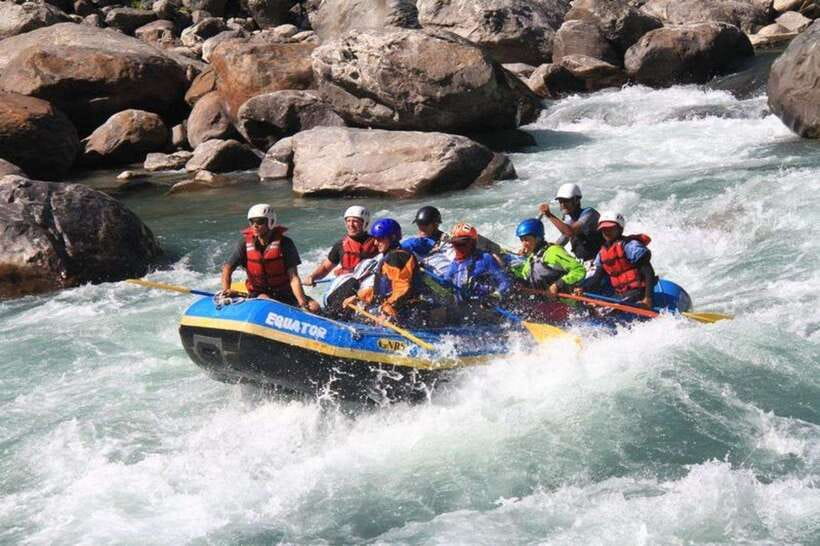
This outing suits first-time rafters, active couples, groups of friends, and nature lovers who want more than a city tour. The mix of gentle water and Class I to III sections in the opening run makes it approachable, while the gorge and stronger rapids give experienced paddlers something to enjoy.
You should be comfortable with a full, active day. The schedule is listed as 12 hours, including the road journey, time by the river, lunch, and the return drive. You will get wet, spend time outdoors, and take part in physical activity.
The trip is not suitable for people over 70. The information provided does not give a detailed medical suitability guide, so anyone with health concerns should check before booking. Intoxication, alcohol, and drugs are not allowed, including drinks in the vehicle.
A child policy is not provided, so families should ask before reserving. The same applies to exact departure times, since availability determines the starting time.
The safety and crew support make this a sensible introduction to rafting, but do not confuse beginner-friendly with risk-free. Class IV water can be serious, and river conditions can affect how the day feels. Listen to the guide, use the supplied gear, and do not treat the calmer stretches as permission to ignore instructions.
The ride back to Kathmandu
At the end of the river section, you return to Kathmandu by private vehicle. After the excitement of the gorge, the drive gives you time to dry out, rest, and look back on the day.
The return journey is also the least glamorous part of the experience. You have already spent hours on the road in the morning, and the paddling can leave you tired. This is another reason the private vehicle matters. You can settle into your own transport instead of dealing with a crowded group transfer.
Plan your clothing with the return in mind. Keep a dry change of clothes accessible rather than buried in a bag. Comfortable clothes, sun protection, and a towel or extra layer can make the final hours much easier.
Small details that improve the day
A few practical choices can make a real difference:
- Use biodegradable sunscreen because some of it may wash into the river.
- Keep sunglasses secure with a strap.
- Put valuables in the dry bag or storage barrel, not in loose pockets.
- Bring a waterproof camera rather than risking an ordinary phone.
- Carry drinking water, since mineral water is not included.
- Expect a wet, active day and keep dry clothes ready for the return drive.
- Do not bring alcohol or drinks for the vehicle.
- Ask about winter wetsuits if cold water is a concern.
The activity has free cancellation up to 24 hours before departure and allows you to reserve now and pay later. Those terms help if your Kathmandu schedule is still shifting, but they do not remove the need to check the start time and transport details before you book.
Should you book the Trishuli rafting day?
Book it if you want a practical introduction to Nepalese white water without giving up a full day to complicated transport planning. The river offers enough calm water for beginners, enough rapids for excitement, and enough gorge scenery to make the journey feel special. The private car, included lunch, equipment, safety kayak, and guide team give the $63 price solid value.
Think twice if long road journeys wear you down or if you want a short activity with lots of free time in Kathmandu. The drive is tiring, and the day can run to about 12 hours. For most active visitors with one spare day, though, the Trishuli is a well-balanced choice: real river action, strong scenery, and a clear level of support for someone trying rafting for the first time.
FAQ
How long does the Trishuli rafting activity last?
The activity lasts one day, and the scheduled itinerary is listed as about 12 hours, including transport, rafting, stops, lunch, and the return to Kathmandu.
Where does the rafting begin?
The private vehicle takes you from Kathmandu to Charaudi, which is the put-in point for the rafting section.
How long is the drive from Kathmandu to Charaudi?
The drive to Charaudi takes about three hours.
What class of rapids are included?
The Trishuli has rapids ranging from Class I to Class IV. The first rafting section includes Class I to Class III rapids, followed by more frequent rapids through the Trishuli Gorge.
Is lunch included?
Yes. Lunch is included and consists of Western and continental food served during the rafting trip.
What equipment is provided?
The activity includes a self-bailing raft, life jacket, helmet, plastic paddle, dry bag, camera barrels, safety equipment, a safety kayak, first aid equipment, and a wetsuit during winter on certain rivers.
What should I bring?
Bring comfortable shoes, swimwear, comfortable clothes, a change of clothes, sunglasses, a sun hat, sunscreen, biodegradable sunscreen, and a waterproof camera. A face mask or protective covering is also listed among the recommended items.
Just added around Kathmandu
- Traditional Momo Making Class★ 5.0 · 10 reviews
- Wildlife Adventure in Chitwan Nepal★ 4.0 · 4 reviews
- Walking tour of real Kathmandu through back streets.★ 5.0 · 3 reviews
- Kathmandu 2 Nights 3 Days Chitwan Jungle Safari Tour★ 5.0 · 9 reviews
- Kathmandu Street Food Walking Tour – Eat Like a Local★ 5.0 · 3 reviews
- Private Manaslu Circuit Trek at Himalayas★ 5.0 · 3 reviews
- Walking tour of Kathmandu with awesome local guides★ 5.0 · 4 reviews
- Visit Swayambhunath and Bauddhanath Stupa with Guide★ 5.0 · 5 reviews
Kathmandu River Rafting Day Trips, compared.
Himalayan White Water Rafting Day Trip from Kathmandu
Read our review →
Rafting in Nepal: Trishuli, Bhotekoshi & Other River Rafting
Read our review →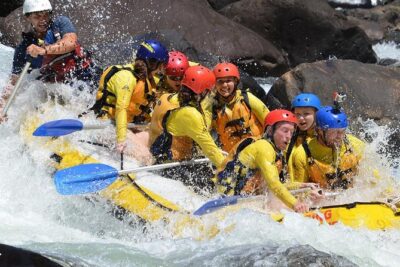
From Kathmandu / Pokhara / Chitwan: River Rafting – 1 Day
Read our review →Browse the lists this tour appears in