
Reviewed · EVEREST BASE CAMP HELICOPTER TOURS FROM KATHMANDU
Everest Base Camp helicopter tour with landing
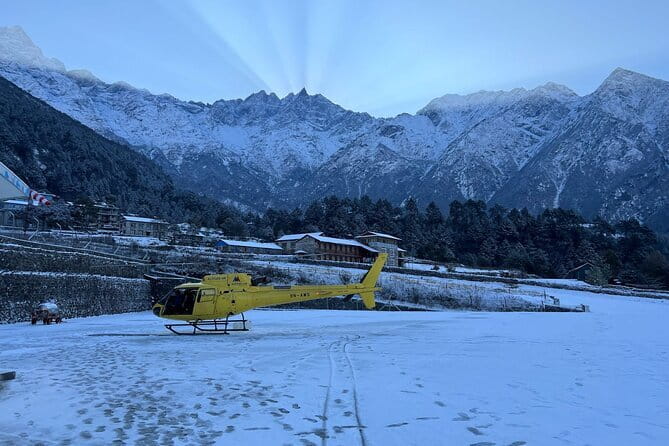
Seeing Everest from the air is the main event here, but the real treat is the mix of close mountain views and a high-altitude landing without committing to a two-week trek. You fly over Lukla, Kala Patthar, Everest Base Camp, Lhotse, and Nuptse, then stop near Syangboche for time at the Everest View Hotel.
I like the early hotel pickup, which gets you to the airport before Kathmandu traffic takes over. I also like the small private setup, with a maximum of five people, passenger insurance, oxygen, first-aid equipment, and an oximeter included. The catch is the price: at $1,600 per person, this is a major splurge, and cloud cover can affect the day.
The itinerary is listed at about five to six hours, with roughly five hours of flight time and several stops. Expect a polished, carefully managed outing, but confirm the exact landing point before paying, since the program describes both a Base Camp landing and a landing at Kala Patthar or Syangboche.
Key points to know before booking
- Early 5:30 am pickup: You leave your Kathmandu hotel before the city gets busy and head to the domestic airport.
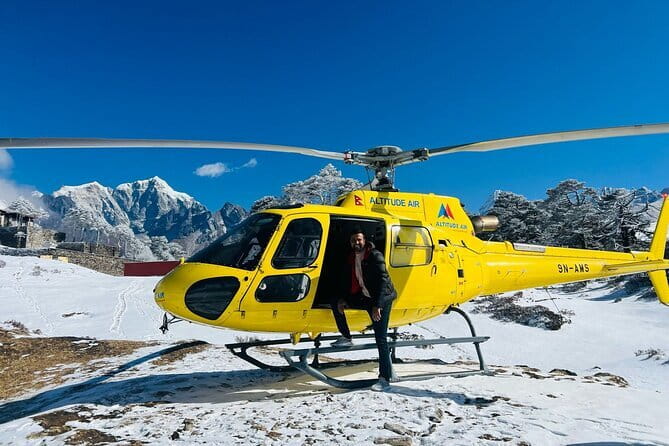
- Private helicopter for up to five people: The small group keeps the flight more personal and helps spread the cost of the aircraft.
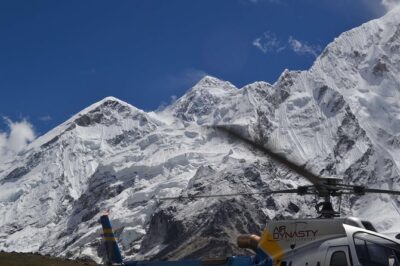
- Everest, Lhotse, Nuptse, and Kala Patthar views: The flight gives you several angles on the Khumbu region rather than one quick pass by Everest.
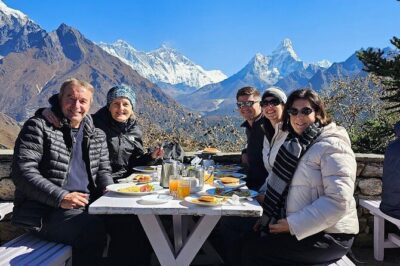
- Syangboche stop at the Everest View Hotel: This is the main ground stop described in the schedule, with time for the mountain setting and a meal.
- Safety equipment included: Passenger helicopter insurance, oxygen, first-aid supplies, and an oximeter are part of the package.
- Weather matters: Poor conditions can cancel the flight, with a new date or full refund offered.
What $1,600 buys you in the Everest region
At $1,600 per person, this is not a budget sightseeing flight. It is priced as a private helicopter charter, with a maximum of five people, rather than a standard large-group excursion.
That distinction matters. If five people share the aircraft, the cost feels easier to justify than it does for one person paying alone. You are paying for speed, access, and the chance to see the Everest region in one morning instead of spending days walking to Base Camp and arranging lodges, permits, meals, and guides.
The package also includes private transportation from your Kathmandu hotel, the helicopter flight to the Everest region and back, passenger helicopter insurance, oxygen, first-aid equipment, and an oximeter. Those inclusions remove several small decisions from your morning.
You still pay extra for breakfast, listed at $35, the Sagarmatha National Park permit at $45 per person, and the Tribhuvan International Airport tax at $7 per person. Travel insurance is not included. These costs are small beside the tour price, but you should add them to your total before deciding.
The best value is for someone who has limited time, does not want to trek, or cannot spend weeks at altitude. If you already plan to trek in the Khumbu, this flight may feel less necessary. If this is your only chance to see Everest, the price buys a very efficient view of a remote part of Nepal.
More Everest helicopter tours:
- Everest Base Camp Helicopter Tour landing at Everest View Hotel
★ 5.0 · 668 reviews - Everest Base Camp Helicopter Tour landing at Hotel Everest View
★ 5.0 · 218 reviews - Everest Base Camp Helicopter Tour with Hotel Everest View Landing
★ 5.0 · 52 reviews
Leaving Kathmandu before sunrise
Pickup begins at 5:30 am from your Kathmandu hotel. The early start is practical, not decorative. Morning traffic is lighter, and mountain flights benefit from the clearer conditions that often occur earlier in the day, although the tour still depends on safe weather.
The drive takes about an hour in the stated schedule. At the airport, the company handles the transfer process and takes you to the helicopter area. One useful detail from the supplied accounts is that the airport procedure was described as smooth, with staff guiding people through ticketing and onward to the aircraft.
You may have time for coffee or a quick breakfast, but do not assume breakfast is included. It costs an additional $35, so ask in advance what is available and where. With a 5:30 am pickup, a small snack the night before may be sensible.
The package lists private transportation, which means you do not need to arrange your own taxi to the airport. That is a real convenience in Kathmandu, where an early ride can otherwise become one more thing to manage.
The flight toward Lukla and the Khumbu peaks
The helicopter heads toward Lukla, the mountain airstrip officially known as Tenzing-Hillary Airport. Lukla is the usual gateway for trekking in the Everest region, and the stop gives you a first look at the steep terrain that walkers spend days crossing.
The itinerary gives about 20 minutes for one Lukla segment and another 25 minutes for a Lukla landing. The exact order may vary with air traffic, fueling, and weather. One account describes a refueling stop in a small mountain settlement, with the group waiting while the aircraft was serviced. You should allow for this practical pause rather than expecting five straight hours in the air.
Lukla is interesting because it turns the scale of the trip upside down. Kathmandu feels far away, and the airstrip sits among the hills rather than on a broad plain. It is not the main scenic stop, but it helps you understand the route trekkers use to reach Everest.
The operator works with an experienced pilot, and one supplied account specifically names Fishtail Air. The company also provides an oxygen tank, first-aid kit, and oximeter. These are sensible safeguards in a high-altitude setting, though they do not remove the need to pay attention to how you feel.
Flying over Kala Patthar and Everest Base Camp
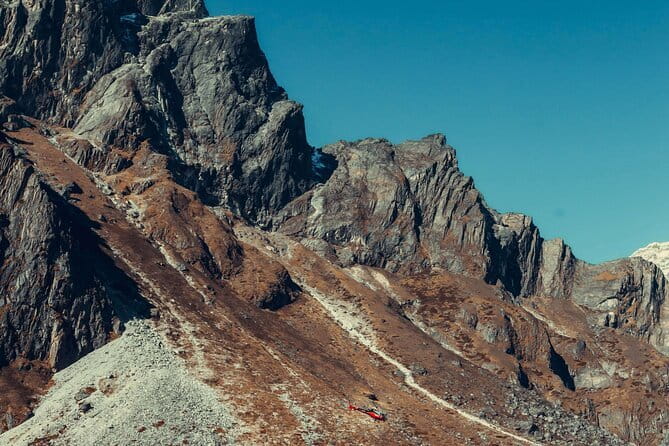
The aerial section over Kala Patthar and Everest Base Camp is the heart of the tour. From the helicopter, you get a wide view of the Khumbu area, with the aircraft offering angles that are impossible from a single trail viewpoint.
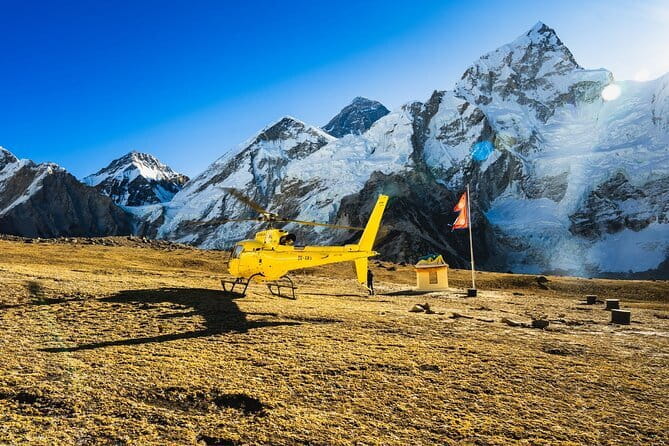
Kala Patthar is famous for its close view toward Everest, while Base Camp is tied to the climbing route and the Khumbu Icefall. From above, you may see the camp area and surrounding ice and rock, depending on conditions and the flight path.
The schedule allows about 30 minutes for this portion. That may sound short, but a helicopter covers ground quickly. The pilot can point out major peaks, and the aerial perspective gives you several viewpoints in a compact period.
There is one important detail to clarify. The tour title and overview promise a landing at Everest Base Camp, while the stop descriptions refer to a flyover of Base Camp and Kala Patthar, followed by a landing at Syangboche. Accounts also refer to a Kala Patthar landing. Because landing conditions, permits, and operational rules can affect the route, ask Adventure Master Trek to confirm the exact landing location for your date.
That question is not nitpicking. Standing on the ground at a high-altitude viewpoint feels very different from seeing Base Camp through the helicopter window. If the landing is at Kala Patthar or another approved site rather than Base Camp itself, you should know that before booking.
Same city, a completely different sort of day:
- Everest Base Camp Trek – 14 Days
★ 5.0 · 1,499 reviews - Private Kathmandu Sightseeing Tour | UNESCO World Heritage sites
★ 5.0 · 756 reviews - Half day cooking class in Thamel kathmandu
★ 5.0 · 607 reviews - Everest Base Camp Trekking
★ 5.0 · 485 reviews
Syangboche and the Everest View Hotel
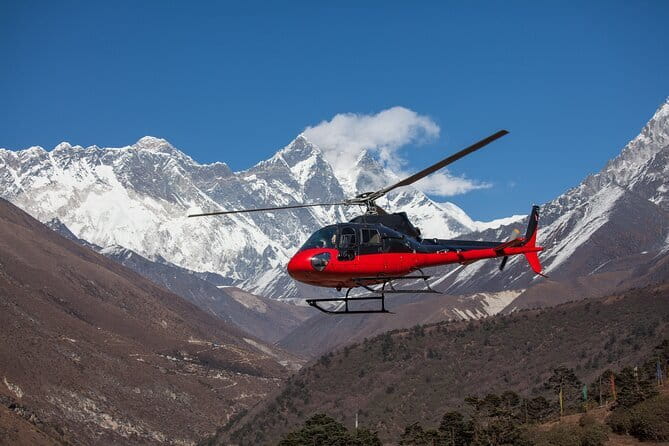
The main ground stop described in the program is Syangboche, where you go to the Everest View Hotel. The itinerary allows about an hour here.
This stop gives the tour a needed pause after the flight. You can step out, take in the mountain setting, and enjoy the hotel’s famous viewpoint. The location is the point, not a long cultural program or a serious hike. You are there for the high-altitude scenery and a meal or refreshment in a memorable setting.
The tour overview refers to a gourmet mountain picnic, while the itinerary describes dining at the Everest View Hotel. Confirm what meal is actually included, since breakfast is separately listed as an extra charge. The difference matters when you are comparing the advertised price with your final cost.
An hour is enough for photos and a short rest, but it is not a long stay. Keep your expectations realistic. This is a scenic stop built into a helicopter circuit, not a full day at the hotel.
Altitude can also affect how you feel. The tour asks for moderate physical fitness, and the aircraft carries oxygen and an oximeter. You are not being asked to trek, but you are still visiting a high mountain environment. Walk slowly, follow the crew’s directions, and tell the staff if you feel unwell.
What the small private group changes
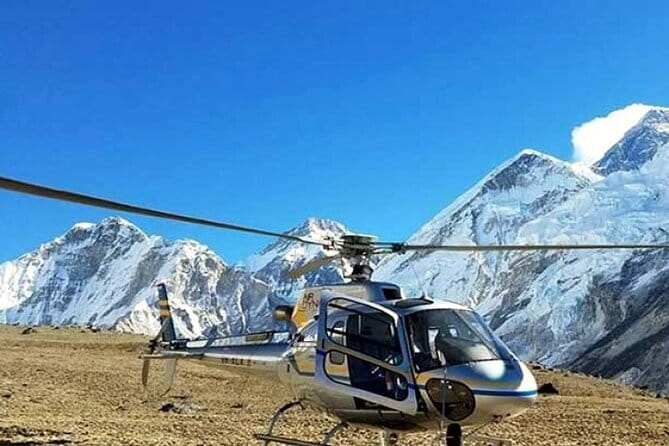
The helicopter carries up to five people per ride. That is a valuable feature if you want a more personal outing and a better chance of seeing the scenery from your seat.
A small group also makes airport transfers and instructions easier to manage. You are not trying to keep up with a large bus group at dawn, and the operator can tailor parts of the itinerary to conditions and preferences.
Still, private does not mean fully flexible. Helicopter routes in the Everest region are controlled by safety, weather, air traffic, fuel, and landing rules. The description says the itinerary can be tailored, but that flexibility has limits.
Seat views can vary. The person next to a window may have a better angle for one part of the route, while another passenger gets the better side later. Ask how seating is arranged and whether the aircraft layout allows everyone a clear view. The tour promises plush seating, but the mountain views are the reason to book, so sight lines matter more than luxury upholstery.
There is also a total weight limit of 207 pounds per passenger. If you weigh more than 100 kilograms, an extra charge applies. Give accurate weight information at booking. Helicopter weight limits are a safety matter, not a minor administrative detail.
Safety, weather, and the practical limits
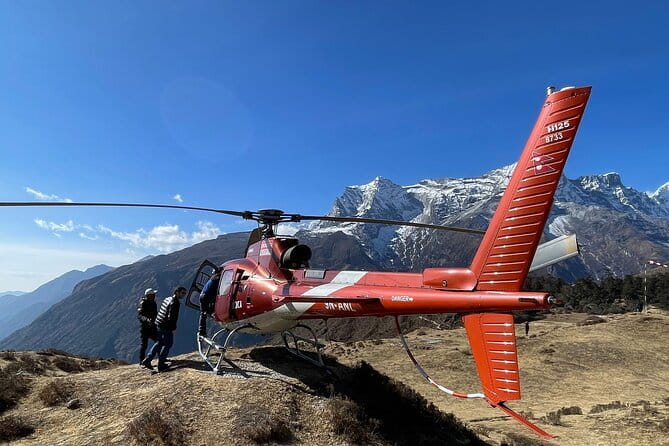
The operator includes passenger helicopter insurance, an oxygen tank, first-aid equipment, and an oximeter that checks pulse, oxygen saturation, and heart rate. These inclusions show that high altitude is being treated as a real operating concern.
They do not guarantee that the flight will operate. The tour requires good weather, and poor conditions can lead to cancellation. In that case, you are offered another date or a full refund.
You can cancel for a full refund if you do so at least 24 hours before the start time. Cancellations made inside that window are not refunded, and changes are not accepted within 24 hours. The cutoff uses local Nepal time.
Book with some flexibility if you can. Mountain weather is one of the few parts of this experience you cannot control. A clear forecast is helpful, but the final decision belongs to the operator and pilot.
The tour requires moderate physical fitness. You will not be trekking for hours, but you must manage airport movement, helicopter boarding, a high-altitude stop, and short walks around the landing area or hotel. The experience is a poor match if you need a fully accessible, low-altitude activity, since no accessibility details are provided.
Who will get the most from this flight?
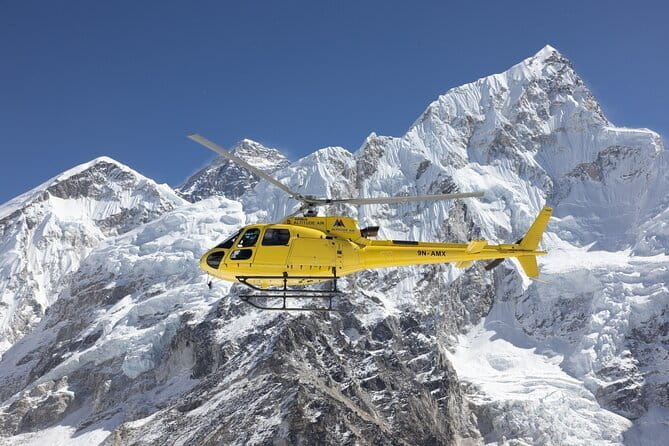
I would consider this tour for four kinds of people:
- You have only a short stay in Nepal and want to see Everest without a long trek.
- You are not a climber or trekker but still want to reach the Everest region.
- You are traveling with a small private group that can share the aircraft cost.
- You want a major scenic experience and accept that weather may change the plan.
I would think twice if you are mainly interested in local village life, walking trails, or a slow connection with the region. A helicopter gives you access and dramatic views, but it cannot replace the experience of spending days in the Khumbu.
I would also avoid booking until you clarify the landing point. The difference between flying over Base Camp, landing at Kala Patthar, and stopping at Syangboche is significant. The tour may include more than one of these, but the supplied schedule uses different wording in different places.
Is the Everest helicopter tour worth the price?
For a non-trekker with limited time, this is one of the most efficient ways to see Everest, and the strong points are clear: early pickup, a small private aircraft, experienced flight operations, a Syangboche stop, and safety equipment included.
The cost is hard to justify for a solo budget traveler. It becomes more reasonable when five people share the helicopter, especially if you value time and comfort more than saving money. Remember to add the $35 breakfast, $45 national park permit, $7 airport tax, and your own travel insurance.
I would book it if the flight is a once-only chance to see Everest, you can handle the cost, and you have flexibility for weather. Before final payment, confirm the exact landing site, meal arrangements, passenger weight rules, and whether your preferred date can move if conditions turn poor.
FAQ
How long does the Everest Base Camp helicopter tour last?
The tour lasts approximately five to six hours. The listed flight time is about five hours, with time for airport transfers, Lukla, the Everest region, and the Syangboche stop.
What time does pickup begin?
Pickup begins at 5:30 am from your Kathmandu hotel.
How many people can join the private helicopter?
The helicopter carries a maximum of five travelers per ride.
Is hotel pickup included?
Yes. Private transportation and pickup from your Kathmandu hotel are included.
Does the tour land at Everest Base Camp?
The tour is advertised with a landing, but the supplied schedule describes a flyover of Everest Base Camp and a landing at Syangboche. Some descriptions also refer to a Kala Patthar landing. Confirm the exact landing point with Adventure Master Trek before booking.
What mountains can you see?
The tour includes views of Mount Everest, Lhotse, Nuptse, Kala Patthar, Everest Base Camp, and the surrounding Everest region.
Is breakfast included?
No. Breakfast is not included and is listed at an additional cost of $35.
Are permits and airport tax included?
No. The Sagarmatha National Park permit is listed at $45 per person, and the Tribhuvan International Airport tax is listed at $7 per person.
Is helicopter insurance included?
Yes. Helicopter insurance covering passengers is included. Travel insurance is not included.
What happens if bad weather cancels the flight?
If poor weather causes cancellation, you are offered a different date or a full refund. You can also cancel for a full refund if you cancel at least 24 hours before the start time.
Just added around Kathmandu
- Traditional Momo Making Class★ 5.0 · 10 reviews
- Wildlife Adventure in Chitwan Nepal★ 4.0 · 4 reviews
- Walking tour of real Kathmandu through back streets.★ 5.0 · 3 reviews
- Kathmandu 2 Nights 3 Days Chitwan Jungle Safari Tour★ 5.0 · 9 reviews
- Kathmandu Street Food Walking Tour – Eat Like a Local★ 5.0 · 3 reviews
- Private Manaslu Circuit Trek at Himalayas★ 5.0 · 3 reviews
- Walking tour of Kathmandu with awesome local guides★ 5.0 · 4 reviews
- Visit Swayambhunath and Bauddhanath Stupa with Guide★ 5.0 · 5 reviews
Everest Base Camp Helicopter Tours from Kathmandu, compared.
Everest Base Camp Helicopter Tour landing at Everest View Hotel
Read our review →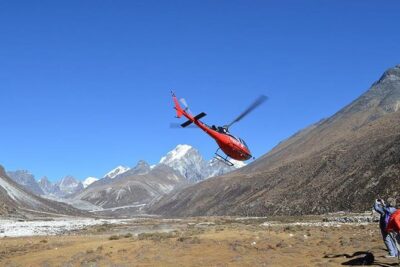
Everest Base Camp Helicopter Tour landing at Hotel Everest View
Read our review →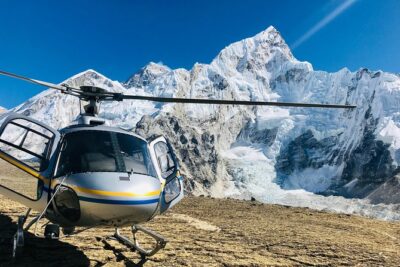
Everest Base Camp Helicopter Tour with Hotel Everest View Landing
Read our review →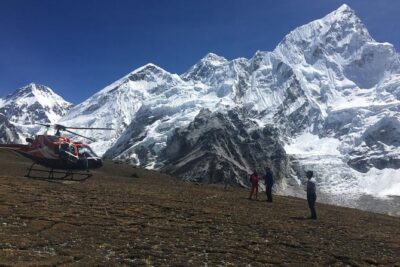
Guaranteed Landing at Everest Base Camp Kalapathar by Helicopter
Read our review →Everest Base Camp Helicopter Tour landing at Everest View Hotel.
Read our review →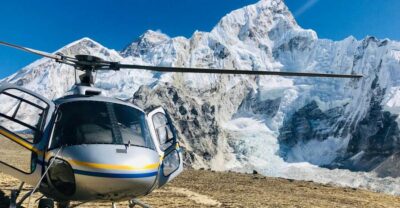
Browse the lists this tour appears in