
Reviewed · KATHMANDU UNESCO WORLD HERITAGE TOURS
Kathmandu Highlights: Private UNESCO World Heritage Sites Tour
Kathmandu’s best-known sacred and royal sites are spread across the valley, and this private tour gives you a practical way to connect them in one long day. You can see Patan, Bhaktapur, Boudhanath, Swayambhunath, Pashupatinath, and Kathmandu Durbar Square without figuring out local transport on your own. The guides named in past bookings include Mukesh Shah and Subash, both noted for explaining history and adjusting the pace.
I like the private vehicle and guide, especially for a first visit when traffic and unfamiliar streets can eat up time. I also like the chance to shape the day around your interests, as one two-day booking was customized by site and timing. The main caution is the extra entrance cost, which can add a substantial amount, and the published description also mentions a Nagarkot to Changunarayan hike that does not match the eight-stop city itinerary.
Key points before you book
- Eight major Kathmandu Valley sights are listed: Changunarayan, Patan Durbar Square, Bhaktapur Durbar Square, Boudhanath, Swayambhunath, Kathmandu Durbar Square, and Pashupatinath, with Kathmandu also appearing as a general stop.
- Private touring gives you control: Your group travels by private air-conditioned vehicle, with hotel pickup and drop-off included.
- Entrance fees are not included: The stated charges are NPR 2,600 for four UNESCO sites or NPR 6,000 for seven UNESCO sites.
- The day can run from five to ten hours: That is a wide range, so confirm the exact route and number of monuments before setting other plans.
- The Nagarkot hiking description needs clarification: The overview promises a five-hour hike to Changunarayan, while the detailed stop list describes a city sightseeing circuit.
- Comfortable shoes matter: You will walk through courtyards, temple grounds, and historic squares, and the physical requirement is listed as moderate.
What this Kathmandu tour actually covers
The title suggests a private UNESCO World Heritage Sites tour, and the detailed plan is built around the Kathmandu Valley’s major cultural landmarks. This is not a quick photo drive. At roughly 30 minutes per listed stop, the schedule gives you a taste of many places, though a full visit to every site would make for a very long day.
The published overview creates some confusion. It describes a private five-hour hike from Nagarkot to Changunarayan, including village paths, Himalayan views, lunch, bottled water, and entrance fees. The detailed itinerary instead lists eight sightseeing stops around Kathmandu Valley, with private transport and several entrance fees excluded.
That difference matters. If you want a country walk with mountain views, ask the operator to confirm that you are booking the Nagarkot to Changunarayan hike. If you want a city tour covering several UNESCO sites, confirm that the vehicle-based circuit is the service you will receive. Do this before booking, not after you arrive in Kathmandu.
More UNESCO heritage sites in Kathmandu:
- Private Kathmandu Sightseeing Tour | UNESCO World Heritage sites
★ 5.0 · 756 reviews - Kathmandu: Full Day 7 UNESCO Tour with Lunch – Private/Group
★ 5.0 · 415 reviews - Kathmandu: Full Day Top 4 UNESCO Tour with Lunch – Private/Group
★ 5.0 · 269 reviews
Private transport makes a packed day workable
Kathmandu Valley’s sights are not gathered in one compact museum district. Patan is south of the city center, Bhaktapur is farther east, Boudhanath and Pashupatinath sit in different parts of the valley, and Swayambhunath rises on a hill to the west.
A private air-conditioned vehicle helps you link these places without arranging separate taxis or negotiating each ride. Hotel pickup and drop-off are included, which is useful when your accommodation is in Kathmandu and you want to start early or finish without hunting for transport.
Your guide travels with you, and the private format means only your group participates. That is the biggest practical advantage over a large group circuit. You can ask for more time at a temple, move faster through a site that interests you less, or adjust the order if traffic or opening conditions affect the day.
The tradeoff is that the number of stops may tempt you into rushing. Thirty minutes works for a first look, a few photographs, and a short explanation. It does not allow a relaxed examination of every courtyard, shrine, museum room, and carving. If architecture is your main interest, ask to reduce the number of sites and spend longer at the most important ones.
Changunarayan and the Nagarkot question
Changunarayan is described as an ancient Hindu temple dedicated to Lord Vishnu, located near Bhaktapur. Its place in the cultural story of the valley makes it a worthwhile addition to a Kathmandu tour, especially if you want something beyond the central city sights.
The overview presents a very different experience: a drive to Nagarkot, followed by a five-hour hike through small villages to Changunarayan. That version promises broad views toward the Himalayas, Kathmandu, and Bhaktapur, along with a look at rural life in Nepal. It also includes a packed lunch and bottled water in the description.
The detailed itinerary gives Changunarayan only 30 minutes and marks admission as free. It does not list the hiking route, village walk, lunch, or Nagarkot as separate stops. You should therefore treat the hiking element as unconfirmed until Breakfree Adventures Pvt. Ltd. tells you exactly what is included.
If the hike is the experience you want, ask four clear questions: Is the starting point Nagarkot? Is the walk really about five hours? Are lunch and water provided? Does the private vehicle meet you at Changunarayan afterward? These answers will tell you if the booking matches the outdoor trip described.
Patan Durbar Square and the Newar details
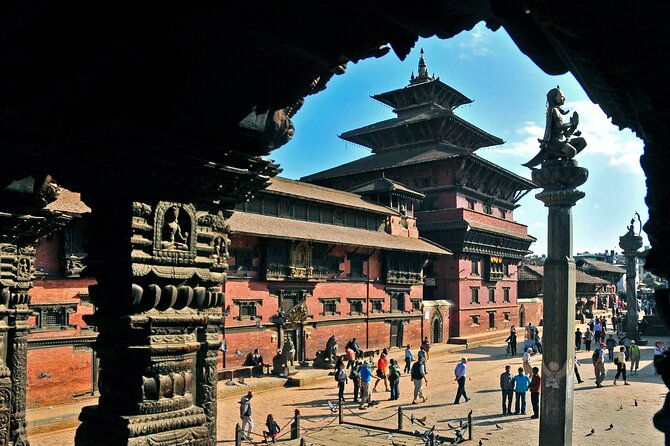
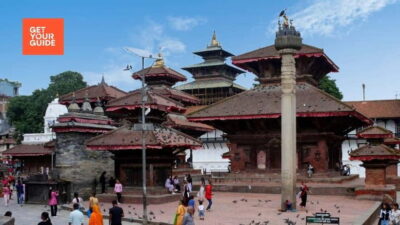
Patan Durbar Square, in Lalitpur, is one of the strongest stops for anyone interested in Newar architecture. The square is known for its finely worked temples, artistic details, and former royal palace.
The listed visit lasts about 30 minutes, which is enough for an introduction but not a deep architectural study. I would use your guide here for context. The value is not simply seeing another old square. It is learning how the palace, temple forms, courtyards, and local artistic traditions fit together.
Patan has a separate entrance charge, and the fee is not included in the advertised price. If you are watching your budget, ask whether the day is based on the four-site or seven-site monument package. The stated fees are NPR 2,600 for four UNESCO sites and NPR 6,000 for seven, so the final cost can be much higher than the headline price of $49.50 per person.
Same city, a completely different sort of day:
- Everest Base Camp Trek – 14 Days
★ 5.0 · 1,499 reviews - Everest Base Camp Helicopter Tour landing at Everest View Hotel
★ 5.0 · 668 reviews - Half day cooking class in Thamel kathmandu
★ 5.0 · 607 reviews - Everest Base Camp Trekking
★ 5.0 · 485 reviews
Bhaktapur’s medieval streets and squares
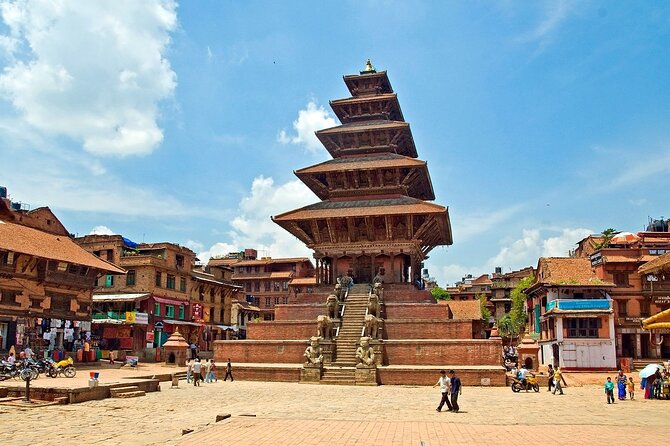
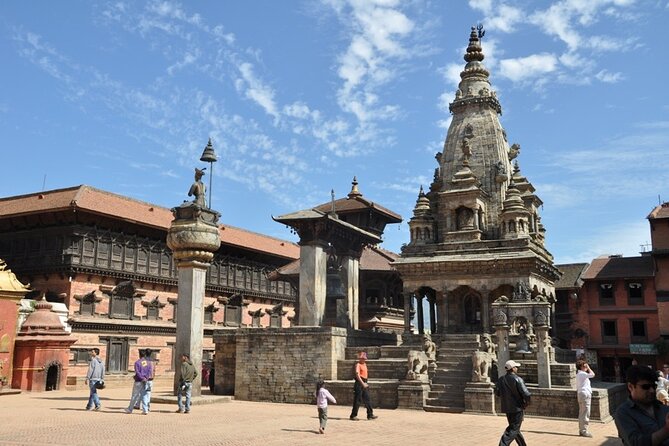
Bhaktapur Durbar Square is presented as a well-preserved medieval city area with palaces, pagoda-style temples, and a strong cultural identity. It is one of the places where the valley’s old urban design becomes easy to understand.
A half-hour stop gives you a useful first impression, but Bhaktapur is also the kind of place where slowing down pays off. You may want time to look at carved woodwork, temple roofs, palace courtyards, and the surrounding lanes rather than simply moving from one landmark to the next.
The schedule lists admission as not included. That is important because Bhaktapur is one of the paid monuments, and the total entrance bill depends on how many sites you visit. Have the guide explain the charges before entering each major complex so there are no surprises during the day.
Boudhanath, the great Buddhist stupa
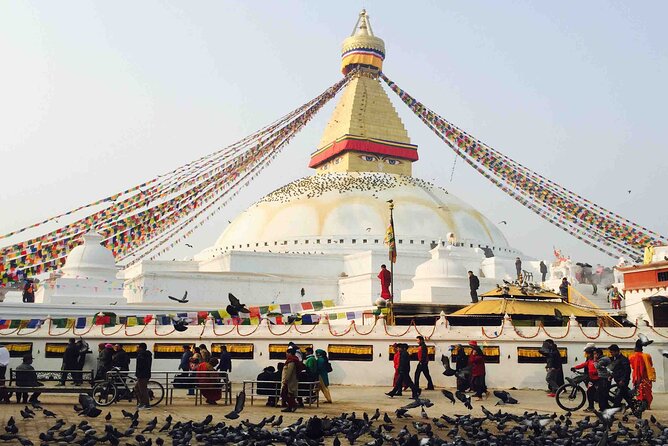
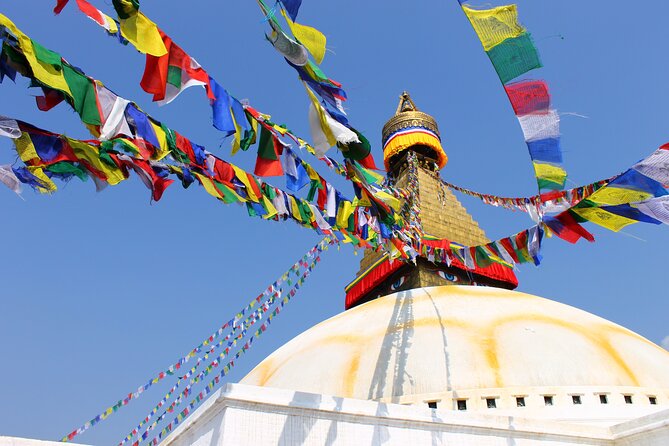
Boudhanath Stupa is described as one of the largest Buddhist stupas in the world and an important center for Tibetan Buddhism. The white dome, painted eyes, prayer activity, and surrounding religious buildings make this a very different experience from the Hindu temples and former royal squares.
The planned 30-minute stop is short. You can circle part of the stupa, listen to an explanation, and take in the religious setting, but you may not have time for a slow walk around the entire area. If Buddhist art or ritual matters to you, ask whether this stop can be extended.
Boudhanath also carries an admission charge according to the general fee information. The guide’s role is useful here because the site is more than a landmark for photographs. You will get more from it if you understand how the stupa functions as a place of worship and why people move around it in a particular way.
Swayambhunath and the hilltop view
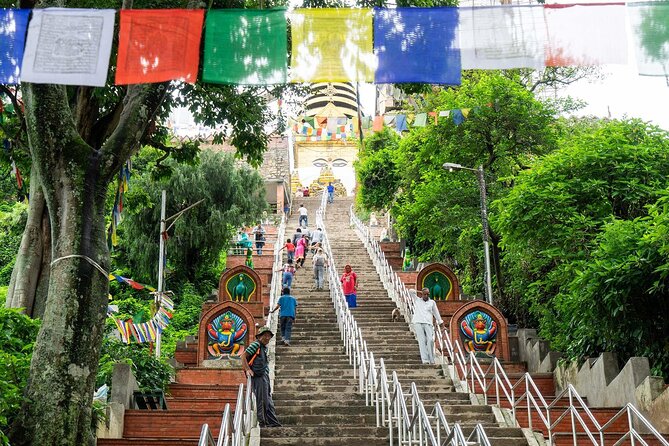
Swayambhunath is the hilltop stupa known for its views across Kathmandu and its collection of Buddhist sacred sites. The itinerary marks admission as free and allows around 30 minutes.
The hilltop setting makes this stop different from the valley-floor squares. You should expect some walking and, depending on the route used, a moderate physical effort. The tour information advises comfortable shoes and says participants should have a moderate fitness level.
This is a good place to ask the guide about the religious meaning of the stupa as well as the view. The city panorama gives you a sense of Kathmandu’s size and setting, while the shrines and surrounding sacred spaces show why the hill matters beyond sightseeing.
Kathmandu Durbar Square and the old royal center
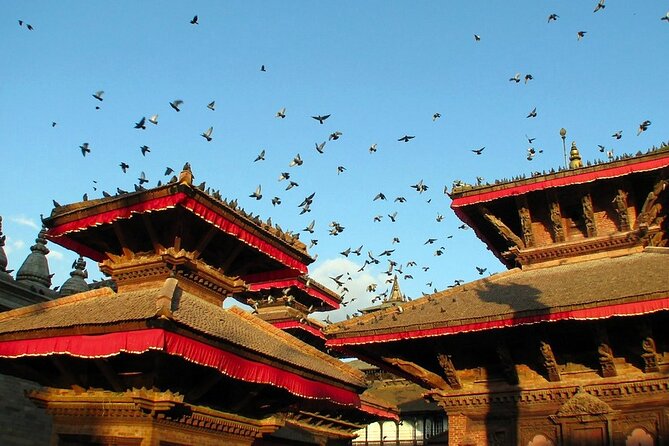
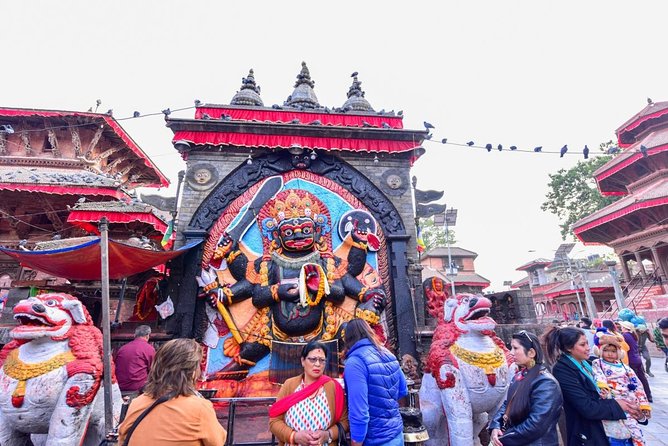
Kathmandu Durbar Square is the historic palace complex of Nepal’s former kings. Its temples, courtyards, and traditional architecture make it a central stop for understanding the capital’s royal and religious past.
The itinerary lists this area twice in different forms, once as Kathmandu and once as Kathmandu Durbar Square. That may be a simple duplication in the schedule, but you should ask the operator whether these are separate visits or the same complex counted twice.
Admission is listed as not included for Kathmandu Durbar Square. Your guide can help you focus on the most important courtyards and temples if time is tight. You should also be realistic about the 30-minute allocation. This is an orientation visit, not a complete exploration of the palace area.
Pashupatinath and the Bagmati River
Pashupatinath Temple is a major Hindu temple on the Bagmati River, known for religious ceremonies and cremation ghats. It is one of the most culturally serious stops on the route, and you should approach it with respect rather than treating it as a standard monument.
The itinerary gives you about 30 minutes and lists admission as not included. The guide can explain what you are seeing and help you understand the setting, but you should follow local instructions carefully around ceremonies and cremation areas.
This stop may feel more intense than the grand squares and stupas. That is part of its importance. It shows living religious practice, not only preserved architecture. Keep your attention on the place and the people using it for worship.
What the guide adds to the day
A private guide is most useful when the schedule includes many sites with limited time. You need someone who can explain the difference between a royal square, a Buddhist stupa, and a Hindu temple without reducing every stop to a date and a name.
Mukesh Shah is specifically identified as a guide who explained the history and spiritual importance of the monuments and worked well with a solo visitor. Subash is also named as a guide who accommodated changes to the sites and timing across two booked days.
Guide assignments can change, so you should not assume one particular person will lead your tour unless the operator confirms it. Still, these examples show the kind of service to request: clear explanations, a cooperative pace, and honest advice about which sites deserve more time.
The private format also helps solo visitors. You are not tied to a group’s fixed interests, and the guide can adjust the route to suit your energy and priorities. Families benefit from the same flexibility, though the listed minimum age is three and the physical requirement is moderate.
Price, extra fees, and real value
The advertised price is $49.50 per person. That looks appealing for a private vehicle, hotel transfers, an English-speaking guide, and a potentially full day of sightseeing. Taxes and service charges are included.
The headline price does not include personal expenses, meals and drinks, gratuities, or monument entry fees. The fee information gives NPR 2,600 for four UNESCO sites and NPR 6,000 for seven UNESCO sites. One booking raised a concern that the total cost was much higher than expected because of the seven-site admission charge.
That complaint points to the key budgeting issue. The tour can be good value if you want private transport and a guide across several distant sights, but the final cost depends on how many paid monuments you enter. Ask for a written estimate that separates the tour price from admission fees before you commit.
There is also a mismatch between the overview and inclusions. The overview mentions packed lunch and bottled water, while the inclusion list only confirms the guide, private vehicle, air conditioning, taxes, and service charges. Confirm food and water directly. Do not assume they are included simply because they appear in one part of the description.
Timing, walking, and comfort
The stated duration is approximately five to ten hours. That broad range reflects the difference between a compact route and a full circuit with multiple monuments, traffic, and walking time.
You will spend time in the vehicle, but this is not a sit-back-only experience. The sites include hilltop and historic areas where you will walk over uneven surfaces and through courtyards. Comfortable shoes are a practical requirement, not a minor suggestion.
If you choose the Nagarkot to Changunarayan version, the physical demand is higher because the description calls for a five-hour hike. If you choose the city sightseeing version, the walking is broken into separate visits but may still add up across the day. Make sure the operator knows which experience you expect.
Free cancellation is available if you cancel at least 24 hours before the local start time. Changes or cancellations made inside that window are not accepted for a refund.
Who should book this experience?
I would choose this tour if you have limited time in Kathmandu, want a private vehicle, and prefer a guide to handle the route between major cultural sites. It suits solo visitors, couples, families, and small private groups that value flexible pacing.
It is also a good fit if you want an introduction rather than an exhaustive study of every monument. The 30-minute stops let you see the valley’s major categories of culture in one day: Hindu temples, Buddhist stupas, royal squares, traditional architecture, and living religious sites.
I would hesitate if you want a relaxed walk through each historic area or if the entrance fees would strain your budget. I would also pause if your main goal is the Nagarkot hike until the operator confirms that the hiking itinerary, lunch, water, and village route are actually included.
Should you book the Kathmandu UNESCO sites tour?
Book it if private transport, a personal guide, and a broad first look at Kathmandu Valley matter more to you than long visits at individual sites. The strongest parts are the route flexibility, hotel transfers, and guide-led context, especially with guides such as Mukesh Shah or Subash if available.
Before paying, confirm the exact itinerary, the number of monuments included, the entrance fees, and whether this is the city circuit or the Nagarkot to Changunarayan hike. With those details settled, the $49.50 starting price can offer solid value. Without that clarification, the extra fees and conflicting descriptions can turn a simple day tour into an avoidable budget surprise.
FAQ
How long does the tour last?
The stated duration is approximately five to ten hours. The exact length depends on the route and number of sites visited.
Is hotel pickup and drop-off included?
Yes. Hotel pickup and drop-off by private vehicle are included.
Is transportation private?
Yes. The tour uses private air-conditioned transportation, and only your group participates.
Are monument entrance fees included?
No. The stated charges are NPR 2,600 for four UNESCO sites or NPR 6,000 for seven UNESCO sites.
Is a guide included?
Yes. A professional English-speaking tour guide is included.
Is the tour suitable for young children?
The minimum age is three years. Participants should also have a moderate level of physical fitness.
Is the Nagarkot to Changunarayan hike included?
The overview describes a five-hour hike from Nagarkot to Changunarayan, but the detailed itinerary lists a vehicle-based tour of Kathmandu Valley sites. Confirm the exact experience with the provider before booking.
Just added around Kathmandu
- Traditional Momo Making Class★ 5.0 · 10 reviews
- Wildlife Adventure in Chitwan Nepal★ 4.0 · 4 reviews
- Walking tour of real Kathmandu through back streets.★ 5.0 · 3 reviews
- Kathmandu 2 Nights 3 Days Chitwan Jungle Safari Tour★ 5.0 · 9 reviews
- Kathmandu Street Food Walking Tour – Eat Like a Local★ 5.0 · 3 reviews
- Private Manaslu Circuit Trek at Himalayas★ 5.0 · 3 reviews
- Walking tour of Kathmandu with awesome local guides★ 5.0 · 4 reviews
- Visit Swayambhunath and Bauddhanath Stupa with Guide★ 5.0 · 5 reviews
Kathmandu UNESCO World Heritage Tours, compared.
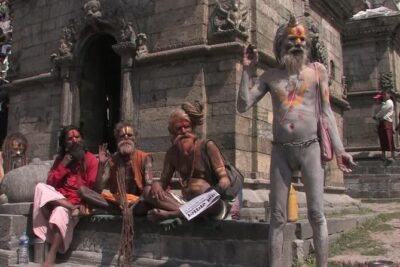
Private Kathmandu Sightseeing Tour | UNESCO World Heritage sites
Read our review →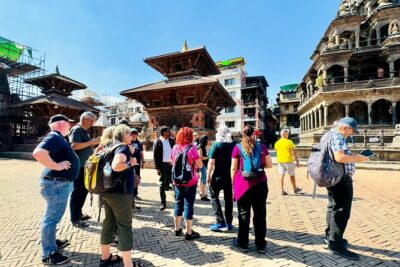
Full Day 7 UNESCO Tour with Lunch – Private/Group
Read our review →
Full Day Top 4 UNESCO Tour with Lunch – Private/Group
Read our review →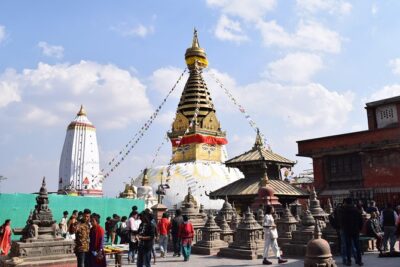
Browse the lists this tour appears in