
Reviewed · LUNCH EXPERIENCES
Kathmandu: Pharping, Dakshinkali and Chobhar Tour with Lunch
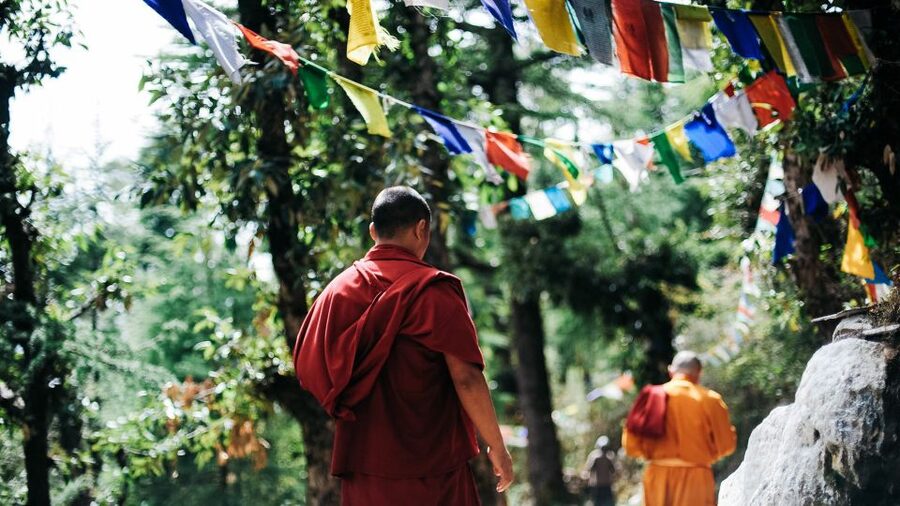
Pharping packs an unusual amount into a small area: Buddhist meditation caves, Hindu temples, prayer flags, forested hills, and the dramatic gorge where Kathmandu Valley’s ancient lake is said to have drained. This private six-hour outing gives you a close look at both religious traditions without sending you far from Kathmandu.
I like the mix of sacred places and open-air scenery, especially the chance to climb toward Asura Cave and see prayer flags above Pharping. I also like that lunch, transport, a guide, hotel pickup, and entrance fees are included. The main caution is that the schedule is tight, and access to particular caves or temples can change.
Key points to know before booking
- Asura Cave requires a climb: Wear proper walking shoes and allow time for stairs and uneven ground.
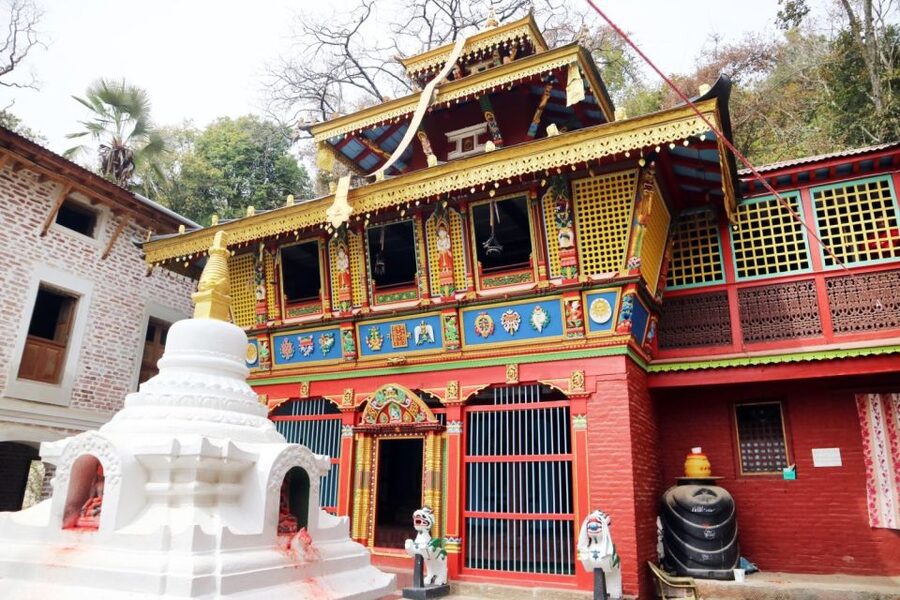
- Pharping brings Buddhist and Hindu traditions together: You may visit Asura Cave, Vajrayogini, Shesnarayan, and Gorakhnath sites in one compact area.
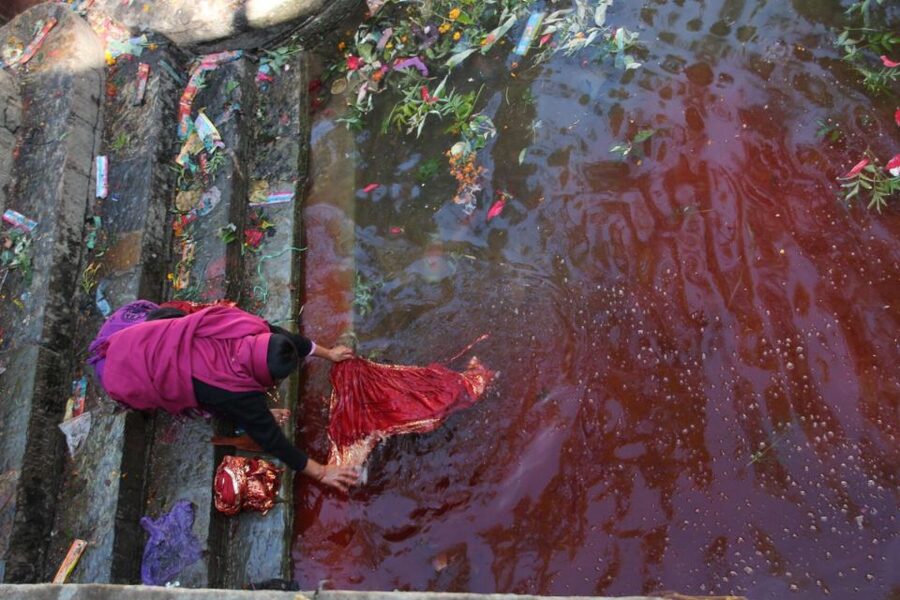
- Dakshinkali can be confronting: Animal sacrifice is associated with the temple, and the bloody river may distress some people.
- Taudaha Lake and Chobhar add breathing room: The lake is known for birdlife, while the gorge connects local scenery with Kathmandu Valley legend.
- The private format gives you flexibility: A guide can adjust the pace, though changes may also reduce the number of planned stops.
- The $83 price is strongest for solo visitors or small groups: Lunch, a private vehicle, guide, entry fees, and hotel transfers are all included.
Why Pharping is the heart of the day
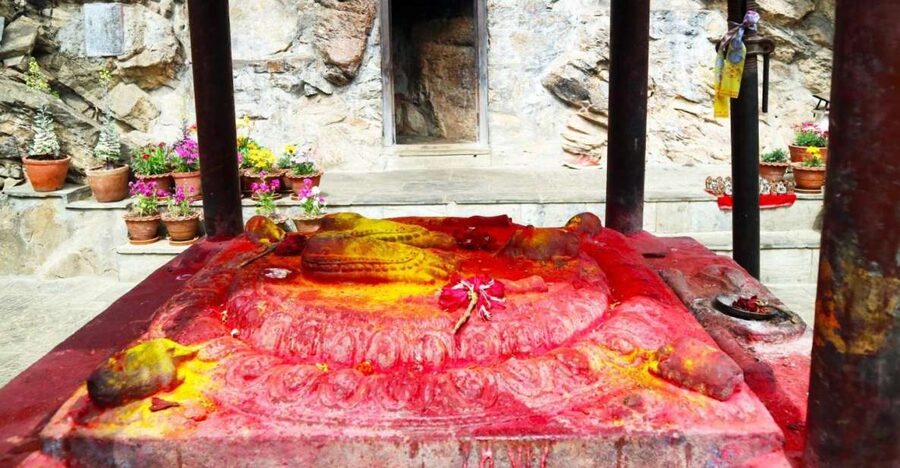
Pharping lies about 19 kilometers south of Kathmandu, roughly an hour by road depending on traffic. It is not simply a stop on the way to somewhere else. The town is an important pilgrimage center for both Hindus and Buddhists, and the surrounding hills hold several places of worship within a short distance of one another.
The day begins with pickup at your Kathmandu hotel. This is limited to hotels inside the city ring road, so you need to confirm the boundary before booking. If your hotel is outside it, an additional charge applies. Be ready in the lobby five minutes before pickup.
The private vehicle matters here. Kathmandu traffic can be slow, and a private ride means you do not have to wait for a larger group at every stop. It also allows some room for a slower walk or a longer prayer stop, although six hours is still a fairly ambitious timetable.
More tours with lunch included in Kathmandu:
- Kathmandu: Full Day 7 UNESCO Tour with Lunch – Private/Group
★ 5.0 · 415 reviews - Kathmandu: Full Day Top 4 UNESCO Tour with Lunch – Private/Group
★ 5.0 · 269 reviews - Kathmandu: Full-Day 7 UNESCO Tour with Lunch – Private/Group
★ 4.9 · 247 reviews
Asura Cave and the climb above Pharping
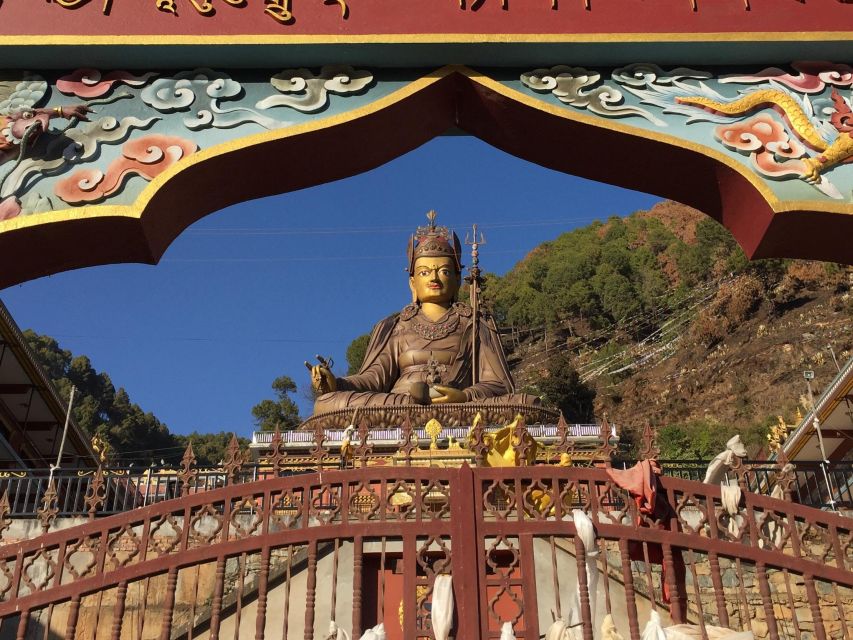
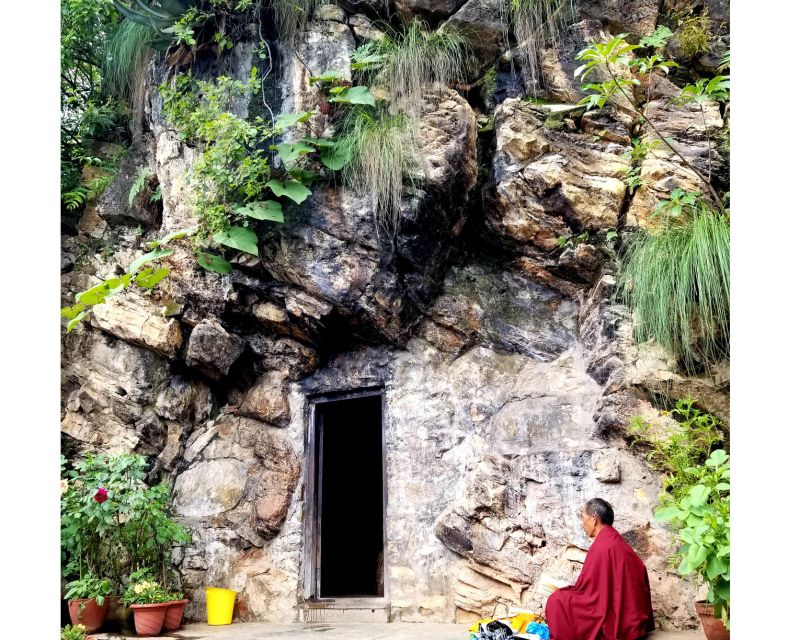
Asura Cave is the spiritual high point for many people on this outing. Buddhist tradition connects the cave with Guru Rinpoche, also known as Padmasambhava, who is said to have meditated here and reached enlightenment.
The cave is located above the village, so this is not a simple roadside photo stop. You should expect stairs and a climb. One useful tip is to continue upward rather than stopping too soon. The route leads toward prayer flags and a Hindu temple at the top, giving you a stronger sense of how Buddhist and Hindu places share this hill.
Inside and around the cave, the atmosphere is more important than visual spectacle. This is a place for quiet observation, prayer, and respect. You may find the space crowded or access restricted, depending on local conditions. That uncertainty is worth accepting if you want a religious experience rather than a polished sightseeing attraction.
Wear closed, comfortable shoes. Open-toed footwear is not allowed on the tour, and sandals would be a poor choice for the stairs anyway. Sunglasses, a hat, and sunscreen are also sensible because parts of the walk may be exposed.
Vajrayogini, Shesnarayan, and Gorakhnath
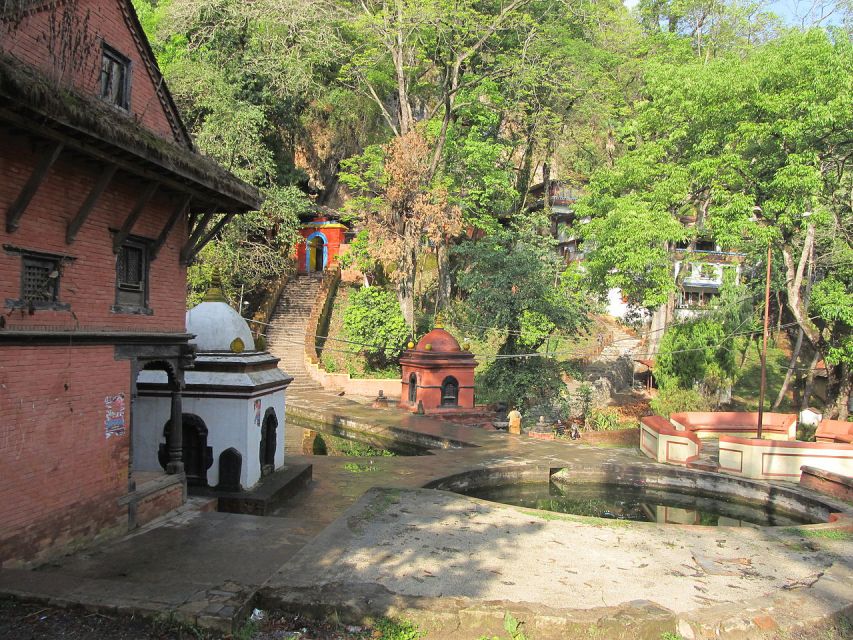
The nearby temples give the Pharping visit its cultural range. Vajrayogini is associated with Buddhist worship, while Shesnarayan is an ancient Hindu temple and one of the four Narayana temples of the Kathmandu Valley. Its origins are linked with the Licchavi period and King Vishnugupta.
Shesnarayan is valuable because it feels tied to the wider religious geography of the valley. Your guide can help explain the meaning of the shrine and how it fits into Hindu worship in Nepal. The stop is short, so listen closely and ask questions rather than expecting a long formal tour.
Gorakhnath Temple adds another layer. The temple is connected with Guru Gorakhnath and the Nath tradition of yogis. The description of this experience places the temple in the Pharping area, so your guide is the best person to clarify the local shrine and its connection to the wider Gorakhnath tradition.
A guide can make a major difference at these stops. One guide named Rajat is specifically praised for giving clear answers, useful facts, and a friendly explanation of the sites. Guides can change, but the best approach is to ask about the difference between Buddhist and Hindu ritual practice, not just the construction date of each temple.
Access is not guaranteed at every religious site. Some areas may be closed to visitors, and you may need to view a temple from outside. That is frustrating if you expect to enter every building, but it is also a normal possibility at active places of worship.
Dakshinkali and the realities of a living temple
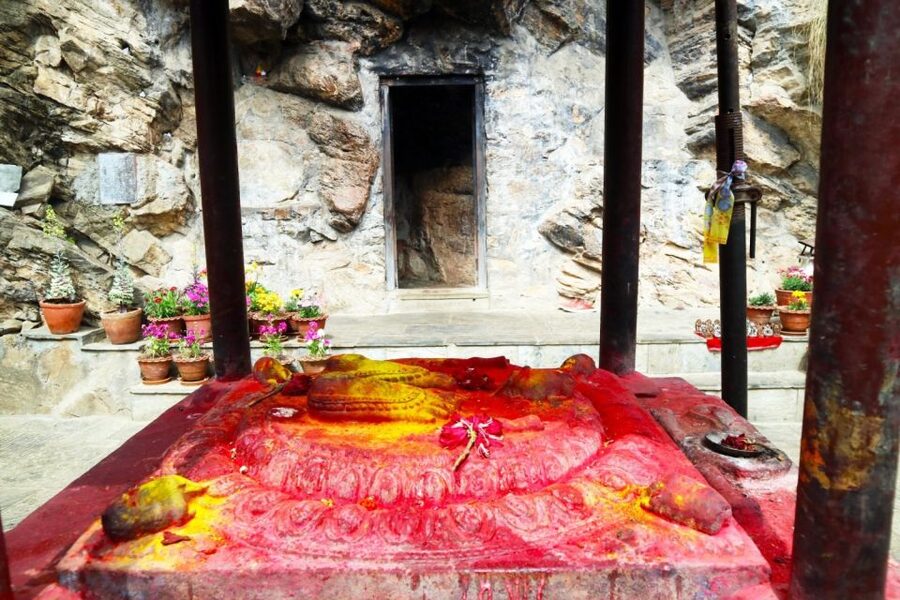
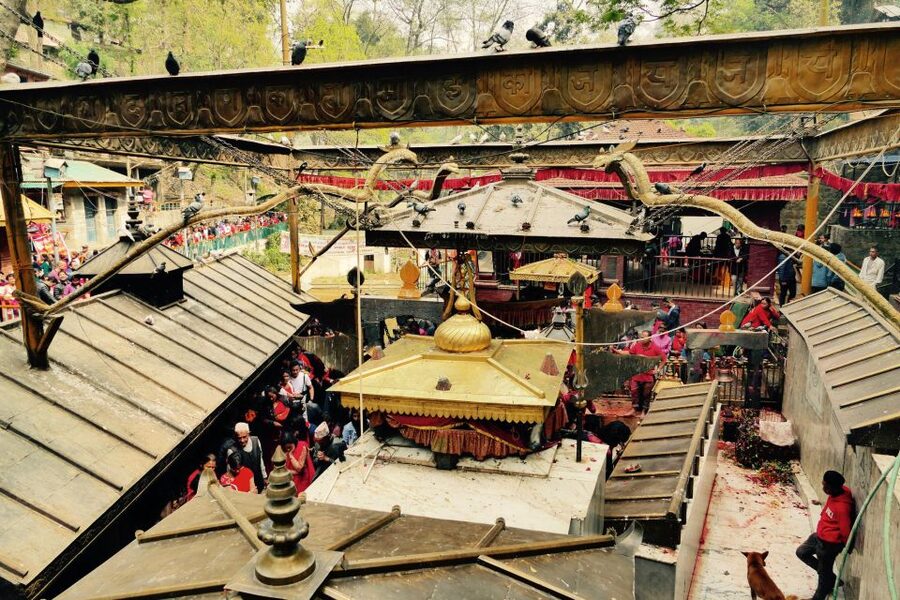
Dakshinkali Temple sits about 22 kilometers from Kathmandu and roughly one kilometer outside Pharping. It is dedicated to Kali, one of the major Hindu goddesses, and is one of the most significant temple stops on the route.
This is not a quiet monument with a single viewing platform. Dakshinkali is an active religious site, and animal sacrifice is associated with worship there. The provided information specifically warns that the bloody river and temple practices may be distressing. Take that warning seriously.
You can still visit respectfully without taking part in any ritual. Dress modestly, follow your guide’s instructions, and avoid photographing people or ceremonies unless permission is clear. If you know that scenes involving blood or animal sacrifice will upset you, this may be the one stop that makes the tour a poor fit.
The planned visit allows about an hour and a half, including sightseeing and free time. In practice, the exact duration may change with traffic, temple activity, and the group’s pace. This is also a place where a good guide earns the cost of the tour by explaining what you are seeing without turning it into a shock spectacle.
Same city, a completely different sort of day:
- Everest Base Camp Trek – 14 Days
★ 5.0 · 1,499 reviews - Private Kathmandu Sightseeing Tour | UNESCO World Heritage sites
★ 5.0 · 756 reviews - Everest Base Camp Helicopter Tour landing at Everest View Hotel
★ 5.0 · 668 reviews - Half day cooking class in Thamel kathmandu
★ 5.0 · 607 reviews
Lunch and what the $83 covers
Lunch is included, and one particularly positive experience featured a meal on a pleasant rooftop. The exact restaurant is not specified, so do not book expecting a particular menu or dining room. Still, including lunch makes the day simpler, especially when the stops are spread across the southern edge of the valley.
At $83 per person, the value depends heavily on your group size. For a solo visitor, the cost is fairly reasonable because it covers a private vehicle, hotel pickup and drop-off within the ring road, an expert guide, entrance fees, and lunch. A small private group can also find it convenient, since the price buys flexibility and direct transport rather than a crowded bus.
For a budget traveler who only wants to see one temple, the cost may feel high. You are paying for a full half-day of transport and interpretation, not simply admission to Dakshinkali or a short ride to Pharping. The experience makes the most sense if you want several religious sites explained in context.
Extra monument charges are not included. This matters if the day changes and you visit another attraction, such as a different city monument. A previous outing was redirected toward Patan when Chobhar access changed, and that replacement sightseeing involved an entrance fee paid separately. It is wise to carry some cash in case the route changes.
Taudaha Lake, a slower stop after the temples
Taudaha Lake is described as the largest natural lake in Kathmandu Valley and is known as a bird sanctuary. After the noise, ritual activity, and climbing around the temples, the lake gives you a quieter part of the day.
The stop is best understood as a pause rather than a major sightseeing monument. You can enjoy the water, watch for birds, and take photographs. The time here may also help you reset before the final stop at Chobhar.
Do not expect an extensive nature walk or a formal birding program. The tour provides time to enjoy the area, but it does not promise specialist bird equipment or a naturalist. If you like adding calmer outdoor places to a temple day, Taudaha improves the balance of the route.
Chobhar Gorge and the story of the drained lake
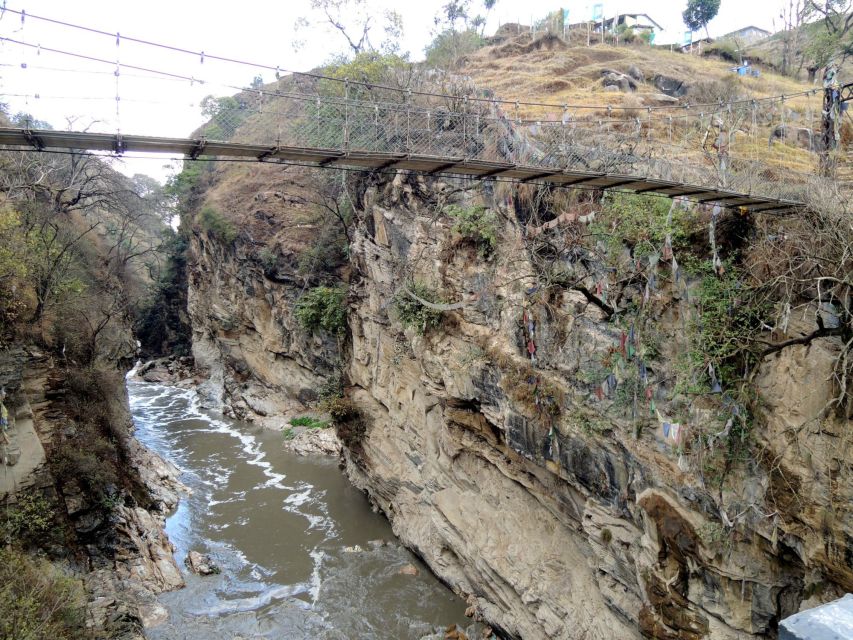
Chobhar Gorge is one of the most interesting landscape features on the route. Local tradition says Kathmandu Valley was once a lake, and the bodhisattva Manjushri cut through the gorge to release the water. The drained valley then became land where people could live.
That story gives the gorge more meaning than a simple viewpoint. You are looking at a place tied to the origin story of the valley itself. Nearby caves are also part of the planned sightseeing.
There is an important practical warning: the Chobhar cave may be closed. If it is inaccessible, you may only see the gorge and exterior areas. In that situation, the guide may alter the route or substitute another sight. Flexibility is useful, but it can also mean the day no longer matches the original plan exactly.
The tour is advertised as six hours, with an approximate morning departure and return around the afternoon. The suggested stop times overlap in places, so treat them as a rough outline, not a promise that every site will receive its stated number of minutes. Traffic between Kathmandu, Dakshinkali, Taudaha, and Chobhar can quickly reshape the day.
What the private format does well
A private group is the clearest strength of this experience. You can ask direct questions, pause for photographs, and set a pace that suits your walking ability. A strong guide can also explain the difference between a sacred cave, an active temple, and a historic monument without reducing them all to photo stops.
The language options are English and Japanese. The quality of the day depends in part on the guide assigned to you. One guide, Rajat, is singled out for being friendly, informative, and able to answer questions across the route. Earlier experiences also raise concerns about uneven guiding and poor explanations, so I would confirm the guide language and planned stops when booking.
The driver is another important part of the experience. The route includes several road transfers, and a competent driver helps the day run smoothly. The private vehicle is described as luxury transport, but the exact vehicle is not specified, so I would not book this expecting a particular make or model.
Who should book this Pharping day trip?
I would recommend it to someone visiting Kathmandu for the first time who wants more than the major city squares. It suits you especially well if you enjoy religious sites, short walks, local legends, and a day that combines Buddhist and Hindu traditions.
It is also a good match for solo visitors who prefer not to organize several taxi rides. The private setup gives you a guide for questions and a vehicle for a route that would be awkward to piece together independently.
You should think twice if you have back or heart problems, kidney problems, or limited mobility. Wheelchair users may find the stairs, caves, and uneven access unsuitable. The experience is also not recommended for people over 95 or over 100 kilograms, according to the provided restrictions.
Do not choose this tour if your main goal is a guaranteed visit inside every cave and temple. Religious sites can close, and one previous route change replaced Chobhar with Patan sights. If you need a fixed schedule, the six-hour plan may feel too compressed.
Should you book it?
Book this tour if you want a private, guide-led introduction to Pharping’s Buddhist and Hindu sites, and if Dakshinkali’s difficult subject matter does not put you off. The combination of Asura Cave, prayer flags, temples, a lake, and Chobhar Gorge gives the day more variety than a single monument visit.
At $83, it offers fair value when you use the included guide, vehicle, lunch, transfers, and entrance fees. Ask about current access to Asura Cave, Chobhar Cave, and the temples before departure. If those details matter most to you, that quick check can prevent disappointment.
FAQ
How long does the tour last?
The tour duration is six hours, with pickup in Kathmandu and return to Kathmandu. Traffic and the time spent at each site can change the schedule.
Where does hotel pickup apply?
Pickup and drop-off are provided for hotels inside Kathmandu city ring road. Hotels outside the ring road require an additional charge.
Which languages are available?
A live guide is available in English or Japanese.
Is lunch included?
Yes, lunch is included in the tour price. The exact restaurant and menu are not specified.
Are entrance fees included?
Entrance fees are included, but fees for extra monuments visited because of a route change are not included.
Is Dakshinkali suitable for everyone?
Dakshinkali may be distressing because of the temple’s association with animal sacrifice and the bloody river. Consider skipping this tour if those sights would upset you.
What should I bring?
Bring comfortable closed shoes, sunglasses, a sun hat, and sunscreen. Open-toed shoes are not allowed.
Just added around Kathmandu
- Traditional Momo Making Class★ 5.0 · 10 reviews
- Wildlife Adventure in Chitwan Nepal★ 4.0 · 4 reviews
- Walking tour of real Kathmandu through back streets.★ 5.0 · 3 reviews
- Kathmandu 2 Nights 3 Days Chitwan Jungle Safari Tour★ 5.0 · 9 reviews
- Kathmandu Street Food Walking Tour – Eat Like a Local★ 5.0 · 3 reviews
- Private Manaslu Circuit Trek at Himalayas★ 5.0 · 3 reviews
- Walking tour of Kathmandu with awesome local guides★ 5.0 · 4 reviews
- Visit Swayambhunath and Bauddhanath Stupa with Guide★ 5.0 · 5 reviews
Lunch Experiences, compared.
Full Day 7 UNESCO Tour with Lunch – Private/Group
Read our review →
Full Day Top 4 UNESCO Tour with Lunch – Private/Group
Read our review →
Full Day Private Top 4 UNESCO Heritage Tour W/Lunch.
Read our review →
Nagarkot Sunrise Trip & Day Hike with Lunch from Kathmandu
Read our review →Browse the lists this tour appears in