
Reviewed · KATHMANDU UNESCO WORLD HERITAGE TOURS
Kathmandu: Private/Group Unesco Heritage Sites Guided Tour
Kathmandu’s great religious sights are spread across the valley, and this six-hour guided tour gives you a practical way to connect them. You’ll climb to Swayambhunath for wide views, wander Patan’s artistic center, visit sacred Pashupatinath, and finish at Boudhanath’s huge white stupa.
I like the hotel pickup and air-conditioned transport, especially in a city where traffic can make independent sightseeing tiring. I also like the human side of the tour: guides such as Manoj KC and Rabina have been praised for adding cultural context, food tips, shopping advice, and extra time when needed.
The main caution is cost clarity. The tour is advertised at $40 per person, but entrance fees for the heritage sites are listed at about $43 extra unless you choose the all-inclusive option. Six hours is also a brisk schedule for four major stops, particularly if traffic is slow.
Key points to know before booking
- Four major Kathmandu Valley sights: Visit Swayambhunath, Patan, Pashupatinath, and Boudhanath in one day.
- Guide quality matters here: Past bookings have included Manoj KC and Rabina, both praised for personal explanations and thoughtful attention.
- Patan gets about 90 minutes: Enough for a useful introduction, but not a leisurely exploration of every courtyard and temple.
- The tour is religious as well as historic: Hindu cremation traditions, Buddhist prayer wheels, Shiva worship, and pilgrimage customs all enter the conversation.
- Plan for extra entrance costs: Fees may total about NPR 5,800, or roughly $43, if they are not included in your selected package.
- Best for active sightseers: The tour involves walking, temple steps, and hilltop access, so it is not suitable for people with mobility impairments.
Why this route works for a first day in Kathmandu
Kathmandu Valley can feel confusing at first. Its major sights are not gathered into one neat historic quarter, and each one belongs to a different religious tradition. This route helps you get your bearings quickly while putting a guide beside you to explain what you are seeing.
The order also has a nice rhythm. Swayambhunath begins the day above the city, Patan brings you into an old royal and artistic center, Pashupatinath shifts the focus to Hindu devotion, and Boudhanath closes with the calmer, circular movement of a Buddhist stupa.
You will spend about 90 minutes at each main stop. That is enough time for a guided visit and some photographs, but not enough to inspect every shrine or spend a long time sitting quietly. I would treat this as an orientation tour, not a full study of Kathmandu’s monuments.
Pickup is available from hotels in Kathmandu, Patan, or Bhaktapur, with drop-off in those same areas. The vehicle is air-conditioned and bottled water is included. Small traffic delays of three to five minutes are possible, and Kathmandu traffic can make the timing less exact than the printed schedule suggests.
More UNESCO heritage sites in Kathmandu:
- Private Kathmandu Sightseeing Tour | UNESCO World Heritage sites
★ 5.0 · 756 reviews - Kathmandu: Full Day 7 UNESCO Tour with Lunch – Private/Group
★ 5.0 · 415 reviews - Kathmandu: Full Day Top 4 UNESCO Tour with Lunch – Private/Group
★ 5.0 · 269 reviews
Swayambhunath, the hilltop beginning
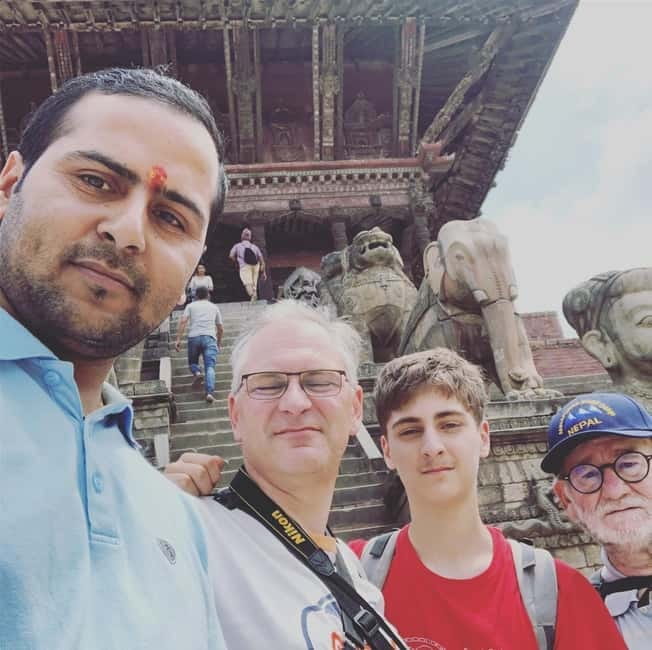
Swayambhunath is the first major stop and receives about 90 minutes. It is often called the Monkey Temple, and the hilltop position gives you excellent views across Kathmandu Valley. That viewpoint is one of the clearest reasons to begin here: you can see the city from above before spending the rest of the day at street level.
The site is an important pilgrimage place, not simply a scenic lookout. Your guide can help explain the Buddhist symbols, shrines, and religious practices, which makes the visit more meaningful than a quick climb for photographs.
You should expect walking and uphill access here. The activity specifically excludes people with mobility impairments, so this is not the place to test your knees after a long flight. Bring water, wear comfortable shoes, and keep your pace steady.
The one-hour-plus allocation is useful because it gives you time to see the main shrine, take in the view, and listen to an introduction. Still, you will not have unlimited time to explore every corner. If the view is obscured or traffic has delayed the start, the stop may feel short.
Patan and the artistic heart of Lalitpur
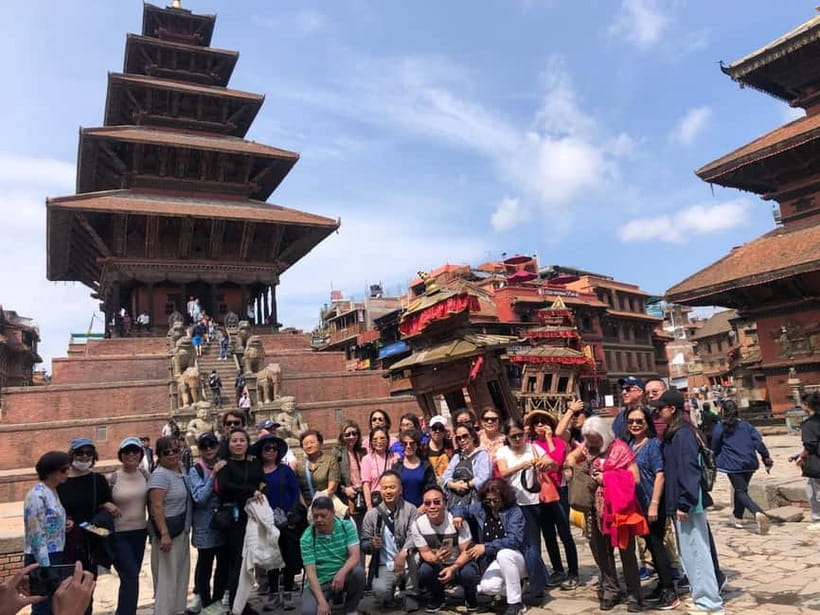
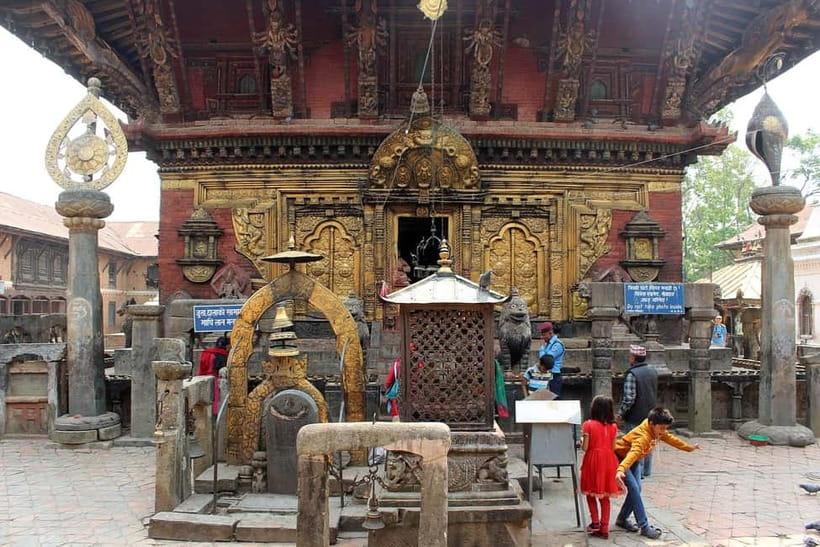
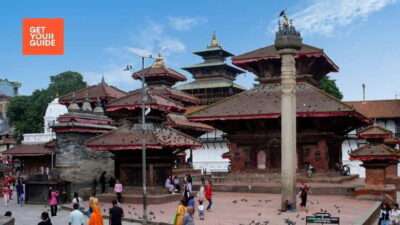
The tour then moves to Lalitpur, commonly known as Patan. This city is known for its cultural and artistic heritage, and the visit includes temples, old architecture, guided sightseeing, photographs, and free time.
Patan is an important contrast to Swayambhunath. Instead of looking over Kathmandu from a hill, you are reading the city through its courtyards, shrines, and buildings. The tour gives you a chance to notice carved architectural details and understand why Patan is regarded as one of the valley’s major cultural centers.
Lunch is planned around this part of the day, but food and drinks are not included. That is useful to know before you arrive hungry. You should carry cash for lunch and personal purchases, as cash is specifically listed among the recommended items.
I like having a guide in Patan because the meaning of a temple or carving is not always obvious from the street. Past bookings have included advice on where to eat and shop, and that sort of local direction can be more useful than another string of dates and names.
The trade-off is time. Ninety minutes disappears quickly once you include walking, explanations, photographs, and lunch arrangements. If Patan is your main interest, you may prefer a longer dedicated visit on another day. On this tour, you get a strong introduction rather than a complete tour of Lalitpur.
Pashupatinath and the Bagmati River
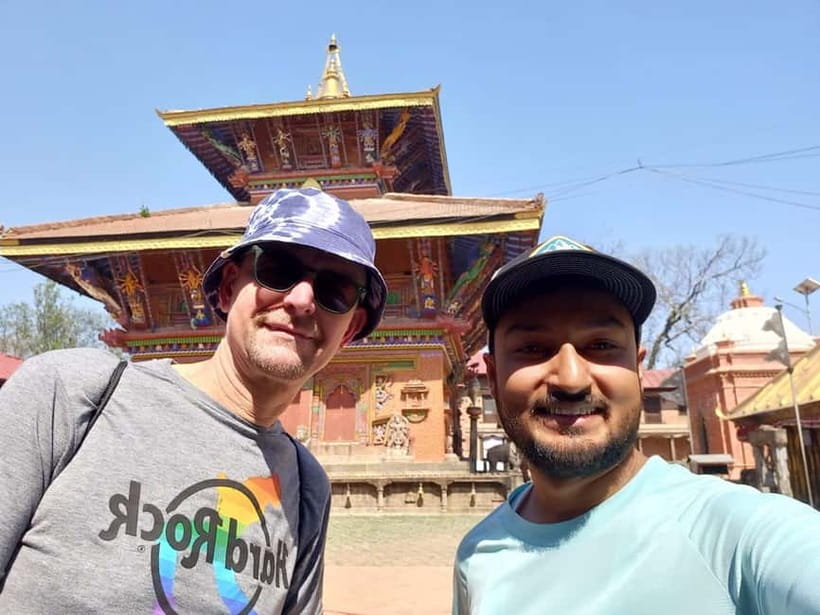
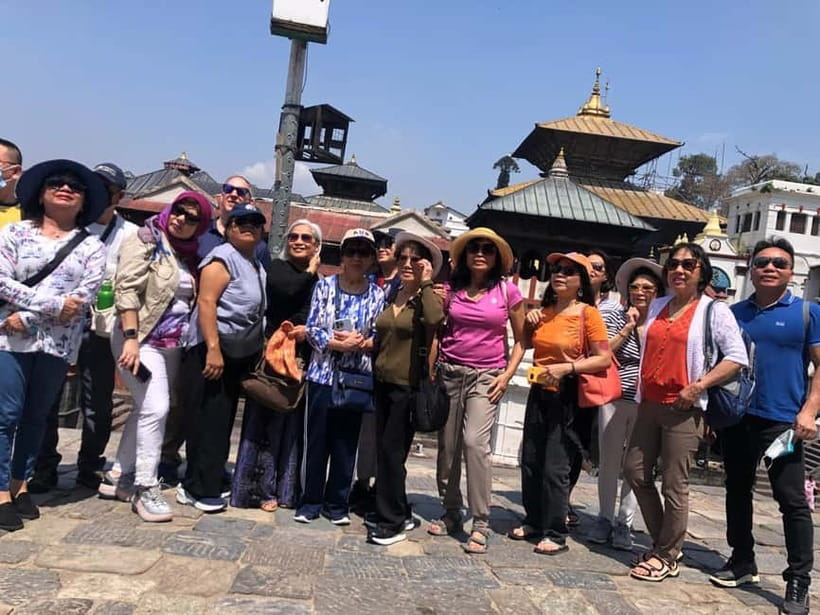
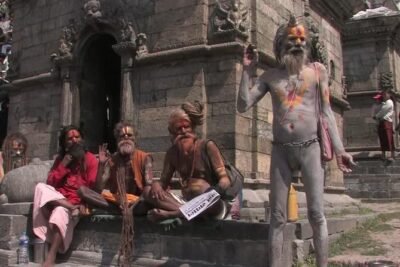
Pashupatinath is one of the most important Hindu shrines in Nepal and one of the most spiritually serious stops on the route. The focus here is Lord Shiva, whose importance to Hindu worship your guide will explain.
The temple area sits beside the Bagmati River, and the river is connected with Hindu purification beliefs. The tour description refers to a spiritual swim in the river, thought to wash away sins. Treat this as a religious practice, not a casual swimming stop, and follow local guidance carefully.
Pashupatinath can be an intense place to visit because it is both an active religious center and a major sightseeing site. I appreciate that the tour includes an explanation of the beliefs surrounding the temple rather than presenting it as just another old building.
You will have around 90 minutes here for a guided visit, photographs, and sightseeing. That is enough to understand the site’s role, but your experience may feel more observational than leisurely. Respectful clothing and behavior are important at any active shrine, even though the provided information does not set out a formal dress code.
This stop also shows why a guided route can be worthwhile. Hindu customs can be easy to misunderstand when you are seeing them for the first time. A guide can explain what you are looking at and help you avoid treating a sacred practice as a photo opportunity.
Same city, a completely different sort of day:
- Everest Base Camp Trek – 14 Days
★ 5.0 · 1,499 reviews - Everest Base Camp Helicopter Tour landing at Everest View Hotel
★ 5.0 · 668 reviews - Half day cooking class in Thamel kathmandu
★ 5.0 · 607 reviews - Everest Base Camp Trekking
★ 5.0 · 485 reviews
Boudhanath and the turning prayer wheels
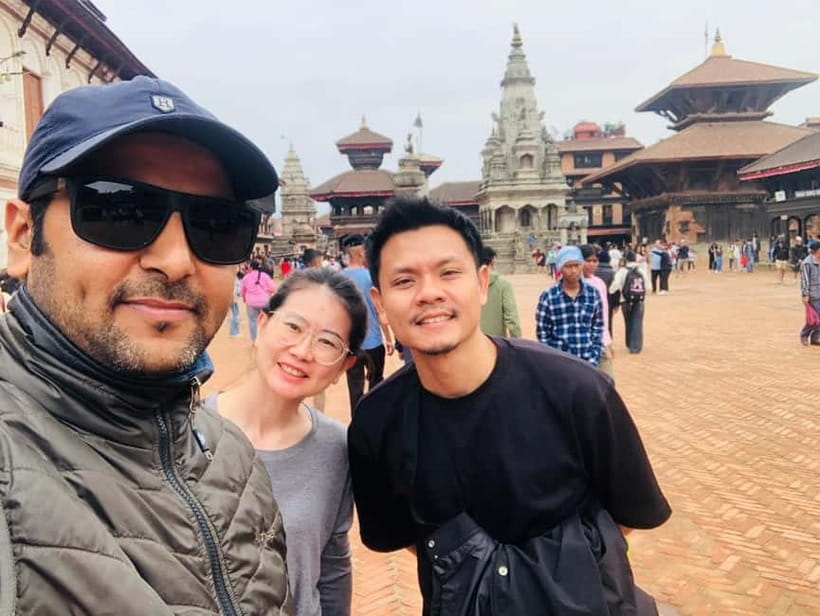
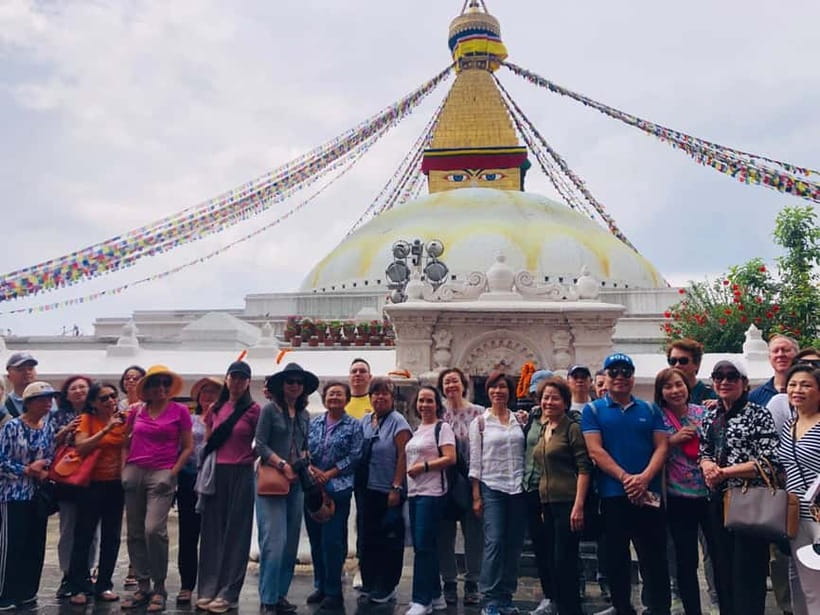
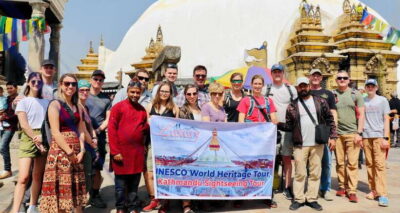
Boudhanath, also written as Boudha, is the final major stop. Its large white stupa is marked by four pairs of eyes facing the four directions. Those eyes are understood as watching over people and their actions, a detail that gives the monument a strong sense of presence.
You will have about 90 minutes for a break, guided sightseeing, photographs, walking, free time, and shopping. The most distinctive activity is turning the prayer wheels as you move around the stupa. This is a simple action, but it helps you take part in the rhythm of the site rather than only viewing it from the edge.
Boudhanath provides a calmer finish after the movement of the city and the intensity of Pashupatinath. You can take photographs, listen to the guide’s explanation, and have some unhurried time to look around. The schedule still matters, though. Shopping and a full circuit of the stupa will use part of the 90-minute window.
If you are interested in Buddhist practice, this may be the stop you remember most clearly. If your main interest is architecture, the scale and symbolism of the stupa give you plenty to study. Either way, it is a fitting final visit because the route ends with reflection rather than another hurried transfer.
The guides can shape the whole day
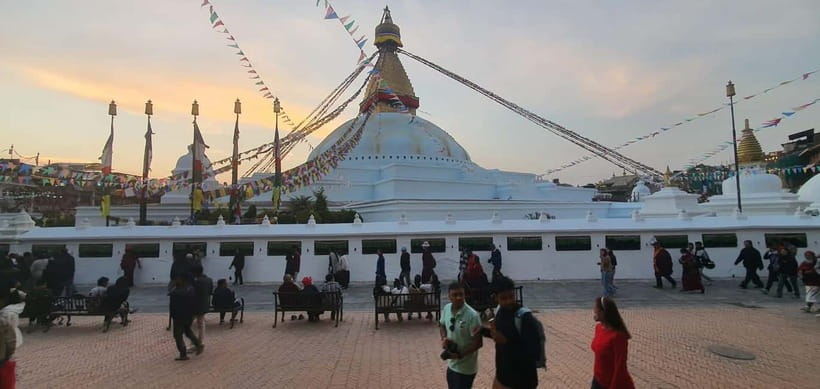
The strongest part of this experience is likely to be the guide, not the vehicle or the printed route. The sights are major attractions in their own right, but a good explanation changes how you read them.
Manoj KC has been noted for explaining Kathmandu’s culture and sites in detail, along with useful suggestions for food and shopping. He also extended the time at some locations. Rabina has been praised for providing extensive background, answering questions, following individual interests, and helping a solo woman feel comfortable with a female guide and driver.
Those names are useful reference points, but they do not guarantee who will lead your booking. The advertised language is English, with an English audio guide also included. A private group is available, which gives you more control over questions and pace than a large shared departure.
The guide and driver are separate roles. The driver handles Kathmandu’s roads while the guide explains the monuments, which is a sensible arrangement on a day with several transfers. One booking also specifically praised both guide and driver for being polite and informative.
Is $40 a good value?
At first glance, $40 per person for six hours of private or group touring, hotel pickup, transport, a guide, and bottled water is reasonable. The value improves if you are staying outside central Kathmandu or do not want to negotiate several separate taxi rides.
The important question is the entrance fee. The provided information says heritage-site entry fees total approximately $43, or NPR 5,800, per person. It also says those fees are included only when you select the all-inclusive option. That means the advertised price may not be your final total.
Check the exact package before paying. If the all-inclusive price is clearly higher but includes the listed admissions, compare it with the cost of arranging transport and tickets yourself. For a solo visitor, the tour may still be good value because you are paying for a guide, vehicle, and a structured day. For a group already sharing taxis, independent sightseeing could cost less.
Food and drinks are not included. Budget for lunch, water beyond the supplied bottle, and any shopping at Patan or Boudhanath. Carry cash, as the activity specifically recommends it.
Timing, walking, and practical comfort
This is a compact day. Each of the four main stops receives roughly 90 minutes, with road time fitted between them. You should expect a useful overview, not long periods of quiet exploration.
The tour starts with hotel pickup, but the exact starting time depends on availability. Confirm it when booking. A three to five minute delay may occur because of traffic or coordinating other participants, so do not schedule a tight flight, train, or appointment immediately after drop-off.
The route is not suitable for people with mobility impairments. Swayambhunath includes a hilltop visit, and all four sites involve walking. Comfortable shoes are more important here than stylish ones.
You should bring:
- Passport or another ID card
- Cash for food, drinks, shopping, and possible entrance fees
- Comfortable shoes
- Water beyond the included bottle if you prefer to drink often
The tour includes free cancellation up to 24 hours before the activity for a full refund, and you can reserve now and pay later. Those terms help if your Kathmandu schedule is still shifting.
Who should book this Kathmandu heritage tour?
I would recommend it to a first-time visitor who wants to see the valley’s major religious and cultural sights without arranging four separate excursions. It is also a good fit if you want explanations rather than simply collecting photographs.
Solo visitors may appreciate the hotel pickup, private transport, and option of a female guide if one is available for the booking. The personal attention described in Rabina’s guiding style is especially useful for someone who wants to ask many questions or focus on specific interests.
It is less suitable if you want a slow day, extensive shopping, or a long lunch. It is also not the right choice if walking and hilltop access are difficult for you. And if you have already visited several of these sites, a private guide focused on one area may offer more depth.
Should you book it?
Book this tour if you want a well-organized first look at Kathmandu Valley, with transport and cultural explanations handled for you. The route covers four important places and gives you a useful mix of Buddhist and Hindu traditions.
Before confirming, check the final price with entrance fees, ask which guide language and package are assigned, and allow for traffic. If you accept the brisk pace, the tour offers a practical introduction with enough guided context to make the monuments more than a series of photo stops.
FAQ
How long does the tour last?
The tour lasts six hours, including visits to Patan, Swayambhunath, Boudhanath, and Pashupatinath.
Where can pickup and drop-off take place?
Pickup and drop-off are available from hotels in Kathmandu, Bhaktapur, or Patan, also called Lalitpur.
Which sites are included?
The route includes Lalitpur or Patan, Swayambhunath Temple, Boudhanath Stupa, and Pashupatinath Temple.
Is transportation included?
Yes. The activity includes private air-conditioned transportation, hotel pickup, hotel drop-off, and bottled water.
Are entrance fees included?
Entrance fees are included only with the all-inclusive option. Otherwise, fees for all heritage sites are listed at approximately $43, or NPR 5,800, per person.
Is lunch included?
No. Food and drinks are not included, so you should carry cash for lunch and refreshments.
What language does the guide speak?
The live tour guide speaks English, and an English audio guide is also included.
Can I cancel the booking?
You can cancel up to 24 hours in advance for a full refund. The activity also offers a reserve-now, pay-later option.
Just added around Kathmandu
- Traditional Momo Making Class★ 5.0 · 10 reviews
- Wildlife Adventure in Chitwan Nepal★ 4.0 · 4 reviews
- Walking tour of real Kathmandu through back streets.★ 5.0 · 3 reviews
- Kathmandu 2 Nights 3 Days Chitwan Jungle Safari Tour★ 5.0 · 9 reviews
- Kathmandu Street Food Walking Tour – Eat Like a Local★ 5.0 · 3 reviews
- Walking tour of Kathmandu with awesome local guides★ 5.0 · 4 reviews
- Private Manaslu Circuit Trek at Himalayas★ 5.0 · 3 reviews
- Visit Swayambhunath and Bauddhanath Stupa with Guide★ 5.0 · 5 reviews
Kathmandu UNESCO World Heritage Tours, compared.
Private Kathmandu Sightseeing Tour | UNESCO World Heritage sites
Read our review →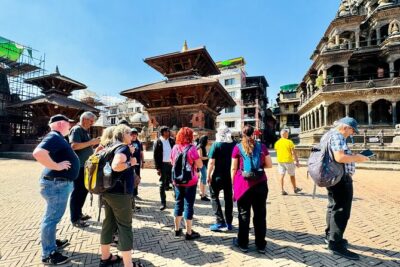
Full Day 7 UNESCO Tour with Lunch – Private/Group
Read our review →
Full Day Top 4 UNESCO Tour with Lunch – Private/Group
Read our review →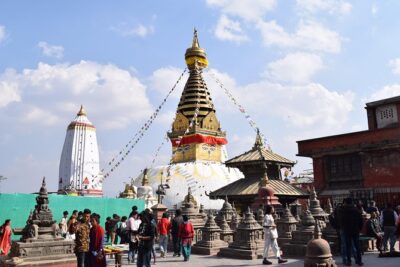
Browse the lists this tour appears in