
Reviewed · BHAKTAPUR TOURS FROM KATHMANDU
Kathmandu: Private Patan and Bhaktapur Sightseeing Tour
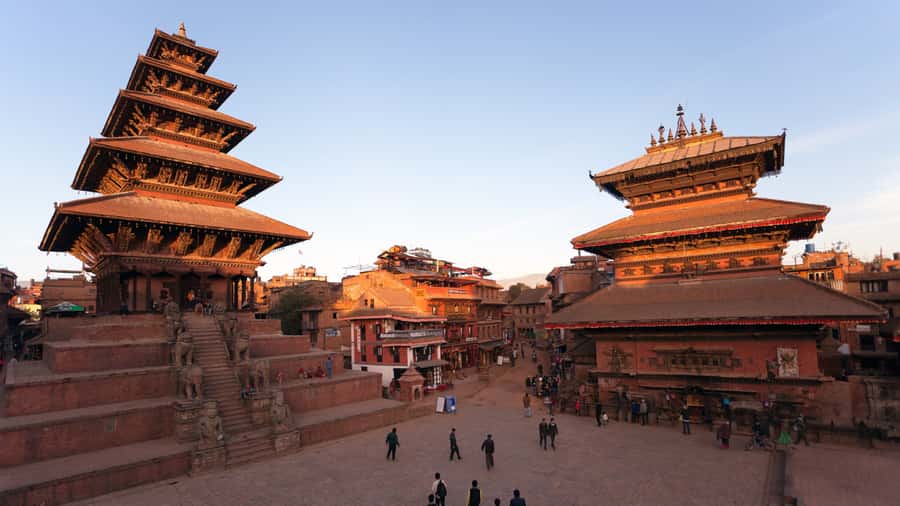
The best part of this six-hour private tour is the chance to compare two former kingdoms in one day. Patan feels rich in palace art and religious craftsmanship, while Bhaktapur preserves a more complete medieval setting, with Nyathapole Temple, the Golden Gate, and the 55 Window Palace.
I like the private vehicle and hotel pickup, which save you from sorting out transport between Kathmandu, Patan, and Bhaktapur. I also like the guide-led approach. Shankar Bhattarai is praised for his friendly manner and flexible planning, while Dishee is noted for explaining the temples, palaces, and religious traditions in clear detail.
The main consideration is cost beyond the advertised $49 price. Entrance fees are not included, and you need Nepalese rupees in cash. Six hours also gives you a useful introduction rather than unlimited time at every courtyard and museum.
Key Points to Know Before You Go
- Two UNESCO-listed historic centers: Visit Patan and Bhaktapur, each shaped by a separate royal past.
- Patan Durbar Square: See palaces, Hindu temples, ancient courtyards, a museum, carved facades, and ornate details.
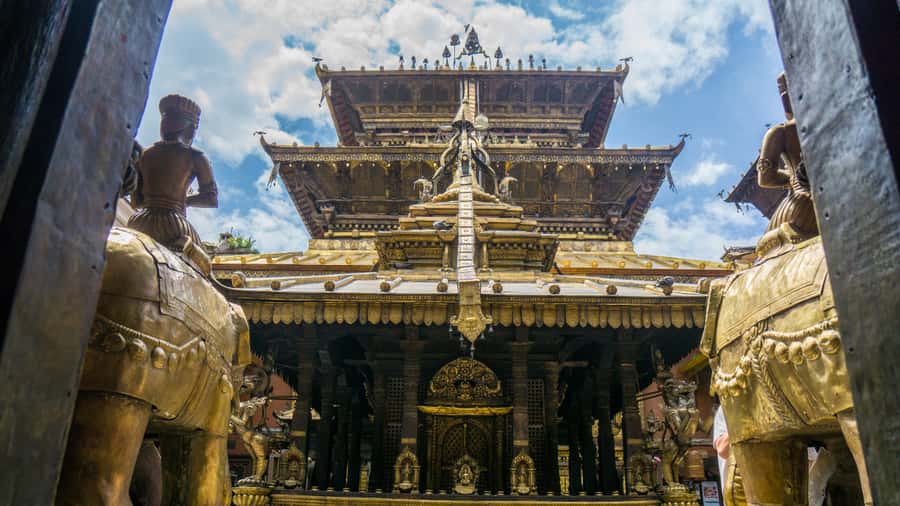
- Bhaktapur’s medieval character: Visit Nyathapole Temple, the Golden Gate, 55 Window Palace, and a museum of art and artifacts.
- Private transport included: Hotel pickup, drop-off, and a private vehicle make the six-hour route simple.
- English-speaking guide: Guides such as Shankar Bhattarai and Dishee provide historical and religious context.
- Bring Nepalese cash: Entrance fees are separate, so carry rupees for the sites.
Kathmandu is only the starting point for this tour. The real focus is the Kathmandu Valley’s old royal centers, where palace squares, temples, shrines, monasteries, and courtyards still reveal how political power and religious life once worked together.
You visit Patan and Bhaktapur in a private vehicle with an English-speaking guide. That arrangement matters here. The buildings are striking on their own, but a good explanation helps you understand why a square contains both royal halls and active temples, or why one temple form differs from another.
The tour costs $49 per person. Since transportation, hotel pickup and drop-off, and a professional guide are included, that is a reasonable price for a half-day private outing. Still, the entry fees are extra, and food and drinks are not included. Your total cost will therefore be higher than the advertised rate.
Why Patan and Bhaktapur Work Well Together
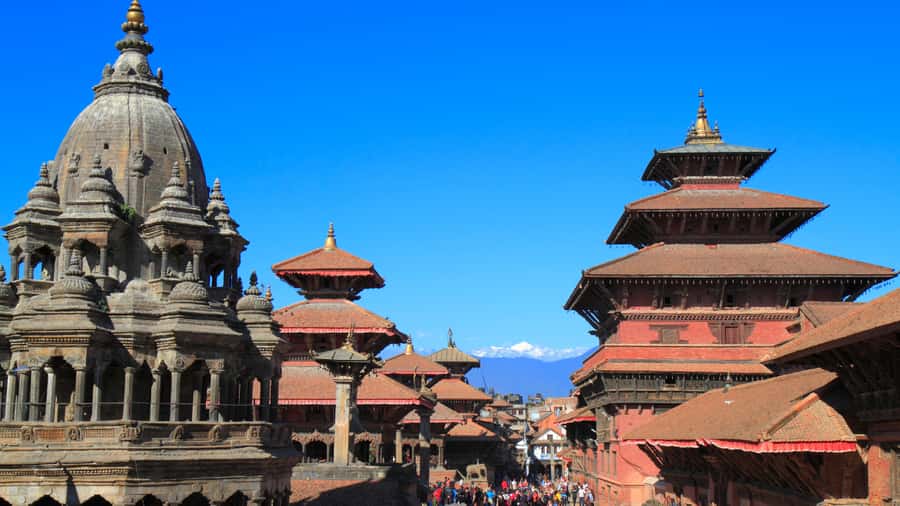
Patan and Bhaktapur are not interchangeable stops. Each was once a separate kingdom, and each has its own architectural mood.
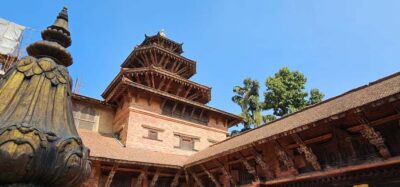
Patan is known for its Durbar Square, where palace buildings, Hindu temples, courtyards, and a museum gather around one central area. It is a good place to study carved wood, stone, and metalwork at close range. The façades are filled with small details, so you will want comfortable shoes and enough time to look upward and into the courtyards.
Bhaktapur, about 12 kilometers from Kathmandu city, is often called the City of Devotees. Its historic center retains a strong medieval character, with major monuments set around broad public spaces. The appeal is not just one famous temple. It is the way the square, palace, gates, shrines, and museum fit together.
Seeing both in one outing lets you compare them rather than treating each as an isolated monument. I find that especially useful if you have limited time in Kathmandu and want more than a single palace square.
More Patan day tours:
- Bhaktapur & Patan Durbar Square Day Tours
★ 5.0 · 122 reviews - Patan and Bhaktapur City Full Day Tour
★ 5.0 · 24 reviews - City tour of Bhaktapur and Patan Durbar Square
★ 4.5 · 20 reviews
Patan Durbar Square and Its Carved Royal Details
Patan Durbar Square is the first major focus described for the tour. The square contains a museum, palaces, Hindu temples, and old courtyards, giving you several types of site in a compact area.
The most rewarding part is the detail. Carved façades and ornate decorations show the skill used during the period of the Malla kings. Your guide can help connect those details to the city’s royal and religious past, rather than leaving you to see only a collection of beautiful façades.
The square is also a useful place to notice how public space works in these historic cities. Palaces point to royal authority, temples to religious practice, and courtyards to the quieter spaces between them. Even without a long lecture, this mix gives Patan a strong sense of place.
Patan’s museum adds another layer. The tour description does not specify its exact collection or how long you will spend inside, so you should treat it as a featured stop rather than expect a detailed museum visit with a fixed schedule. If you enjoy art, artifacts, and craftsmanship, tell your guide early so your time can reflect that interest.
The square’s appeal comes with a small challenge: there is plenty to notice. A rushed visit can reduce the experience to a quick walk and a few photographs. The private format helps because the guide can adapt the visit to your preferences. Shankar Bhattarai is specifically noted for adjusting the tour according to what the guest wanted to see.
The Temples, Shrines, and Courtyards of Patan
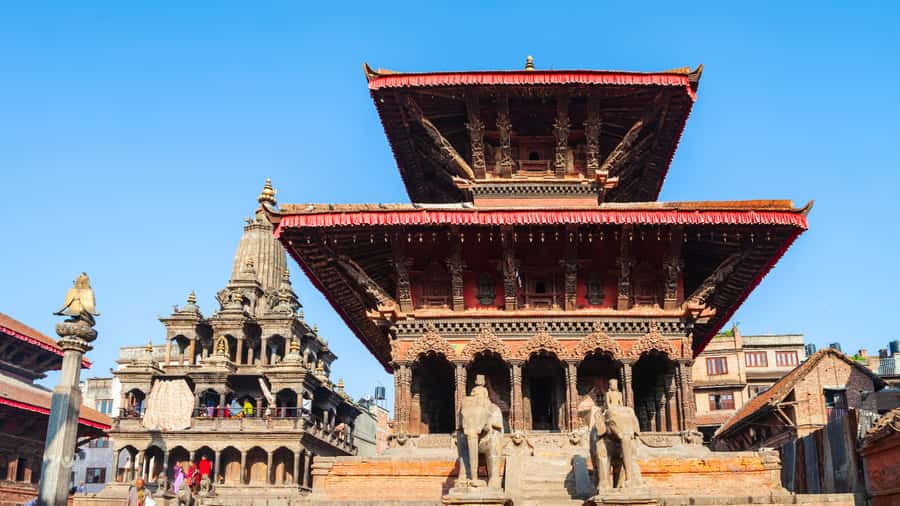
Patan is not only about the main royal buildings. Its temples, shrines, and courtyards give the area a more layered feel. You may find yourself moving from an open square into a more enclosed courtyard, then back toward a façade covered in fine decoration.
This is where a guide adds real value. The religious traditions represented in the square can be difficult to understand from architecture alone. Dishee is praised for explaining the temples, palaces, and religions in detail, which is helpful if you want context instead of a simple list of names.
The tour is conducted in English, and the guide is live rather than an audio recording. That gives you the chance to ask about a symbol, a building, or a detail that catches your eye. It also makes the private format more useful, since you do not have to follow the interests or pace of a large group.
Patan’s historic center is best suited to visitors who enjoy close looking. You will get more from the stop if you pay attention to the woodwork, stone carving, decorative patterns, and changes in scale from the formal square to the smaller courtyards.
Bhaktapur and the City of Devotees
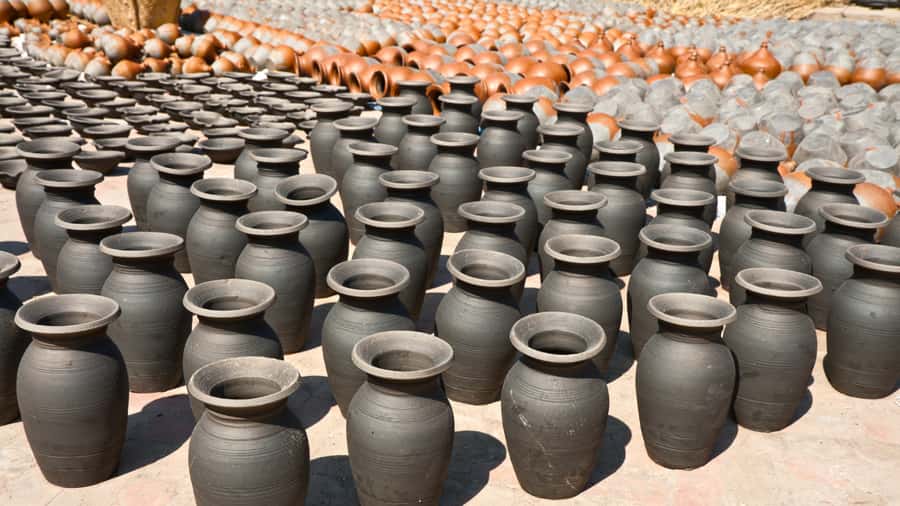
Bhaktapur gives the tour a different setting. Located about 12 kilometers from Kathmandu city, it has kept more of its medieval spirit and is known as the City of Devotees.
Bhaktapur Durbar Square is the center of the visit. The square contains several of the city’s best-known sights, including Nyathapole Temple, the Golden Gate, the 55 Window Palace, and a museum with art and artifacts.
Nyathapole Temple is one of the visual anchors of the square. Its name and form make it easy to remember, but the guide’s explanation can help you place it within the city’s religious setting. The temple is not just a photogenic stop. It is part of the larger pattern of shrines, palaces, and public spaces that gives Bhaktapur its character.
The Golden Gate provides another memorable detail. As its name suggests, it is a highly decorated entrance, and it leads your attention toward the royal complex. The 55 Window Palace adds a strong connection to Bhaktapur’s former court life. Together, these sights help you read the square as a royal center, not simply as an old town with attractive buildings.
More Bhaktapur day tours:
- Private Bhaktapur and Nagarkot Day Tour From Kathmandu
★ 5.0 · 305 reviews - Day Trip to Bhaktapur and Panauti from Kathmandu
★ 5.0 · 184 reviews - Nagarkot Sunrise & Bhaktapur UNESCO Heritage Private Tour
★ 5.0 · 66 reviews - Bhaktapur & Nagarkot Day Tour with Lunch – Private/Group
★ 4.9 · 62 reviews
A Museum Visit With Room for Personal Interests
Both Patan and Bhaktapur include museum attractions, and the tour gives you a chance to see art and historical objects along with the buildings themselves. That combination is important. Temples and palaces show you the setting, while museum pieces can reveal the craftsmanship and religious art in a more focused way.
The exact amount of museum time is not fixed in the information provided. For that reason, I would tell your guide at the start if the museum matters most to you. The private arrangement should make it easier to give extra attention to the collection, though the six-hour limit still applies to the entire outing.
The museums may be especially useful after seeing the carved structures outside. You can look at the exterior decoration, then see related art and artifacts in a more controlled setting. That makes the tour more than a drive between two famous squares.
What the Guide Adds to the Day
This is a guide-dependent experience, and the available feedback points to that as one of its strongest features. Shankar Bhattarai is described as punctual, friendly, polite, and willing to adapt the route to personal preferences. Dishee is praised for explaining the history, temples, palaces, and religions in detail.
Those details matter because Patan and Bhaktapur can otherwise become a blur of similar-looking monuments. You may remember the broad shapes, but miss why the buildings differ or how the former kingdoms shaped the squares.
An English-speaking guide also gives you a practical way to manage the day. You can ask how much time remains, decide if you want more museum time, or focus on architecture rather than religious background. The tour is not presented as a fixed audio route, so use that flexibility.
The strongest reports also point to restoration after the earthquake and the craftsmanship visible in the buildings. You can expect to see careful architectural work and signs of a long preservation effort. The tour does not promise a detailed account of restoration at every site, but the subject is a worthwhile one to ask about.
Transport, Timing, and the Six-Hour Limit
Hotel pickup and drop-off are included from your Kathmandu accommodation. Transportation is provided in a private vehicle, which makes this much easier than arranging separate rides to both historic centers.
The stated duration is six hours, with starting times based on availability. Since traffic and site timing can affect the day, check the available departure options before booking. The route includes two major cultural centers, so the schedule is full even without adding meals or other attractions.
A six-hour tour is a good fit if you want an organized introduction. It is less suitable if you want to inspect every museum display, spend long periods sketching, or linger at each courtyard. You can make the most of it by deciding beforehand what matters most: royal architecture, religious sites, museums, or a broad look at both cities.
You should also wear comfortable shoes. There is enough walking around historic squares and courtyards that sightseeing footwear will make the day easier. Sunglasses and a sun hat are also recommended.
What the $49 Price Really Covers
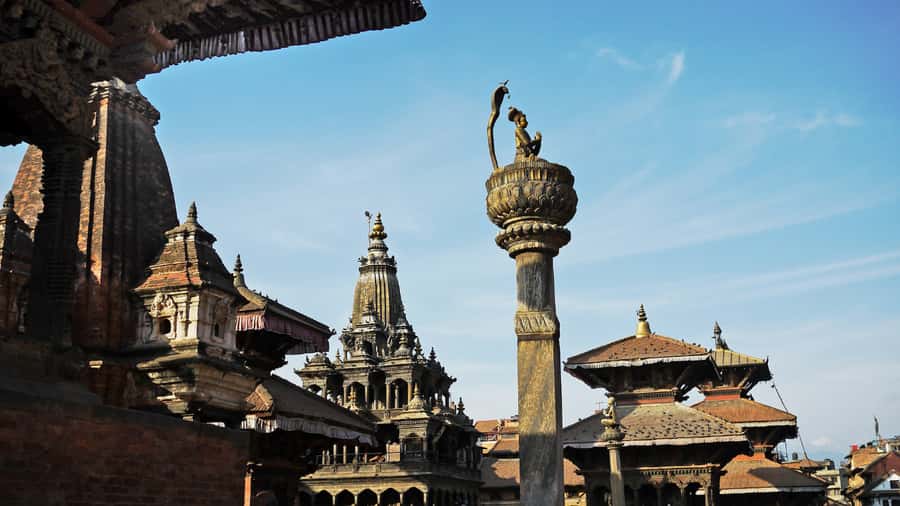
At $49 per person, the price buys more than transport alone. You receive hotel pickup and drop-off, a private vehicle, and a professional English-speaking guide for six hours.
That is good value if you want the convenience of a private route and the benefit of interpretation at both sites. It is particularly useful if you are staying in Kathmandu and do not want to arrange transport, negotiate separate fares, or work out the order of the stops yourself.
The price does not include entrance fees, food, or drinks. Bring cash in Nepalese rupees for the entry charges. Because the fee amounts are not provided here, you should not assume that $49 is your final spend.
The tour offers free cancellation up to 24 hours in advance for a full refund. You can also reserve now and pay later, which helps if you are still arranging your Kathmandu schedule. These policies add flexibility, but the main value remains the private transport and guide time.
Who Will Get the Most From This Tour
I would choose this tour if you have one free half-day and want a clear introduction to Nepal’s royal architecture and religious heritage. It is a practical fit for first-time visitors who prefer a guide to explain what they are seeing.
It also suits couples, families, and small private parties who want to adjust the focus as they go. If one person cares most about museums while another wants temple architecture, the private format gives you more room to balance those interests.
You may want a longer or more specialized visit if you are a serious art student, photographer, or architectural historian. Six hours across two cities gives you breadth, but not unlimited time. Also, remember to budget separately for entrance fees and refreshments.
Should You Book the Patan and Bhaktapur Tour?
Book it if you want two major historic centers, private transportation, hotel pickup, and an English-speaking guide in one manageable day. The combination of Patan’s carved royal square and Bhaktapur’s medieval monuments gives you a useful comparison of Nepal’s former kingdoms.
I would especially favor it for visitors who value clear explanations and flexible pacing. The guide work is a key part of the experience, with Shankar Bhattarai and Dishee receiving particular praise for friendliness, historical detail, and personal attention.
Skip it if you want to explore at a very slow pace or spend most of the day inside museums. Also, keep extra Nepalese cash ready for entrance fees. For a focused six-hour introduction from Kathmandu, though, this tour offers a sensible balance of convenience, culture, and architectural detail.
FAQ
How long does the Patan and Bhaktapur tour last?
The tour lasts six hours. Starting times depend on availability when you check the booking options.
What locations does the tour visit?
The tour visits Patan and Bhaktapur, including their historic royal squares, temples, palaces, courtyards, shrines, and museums.
Are Patan and Bhaktapur UNESCO World Heritage Sites?
The tour includes two designated UNESCO World Heritage Sites, Patan and Bhaktapur.
Is hotel pickup included?
Yes. Pickup and drop-off from your hotel in Kathmandu are included.
Is transportation provided?
Yes. The tour uses a private vehicle for transportation between your Kathmandu accommodation, Patan, and Bhaktapur.
Is a tour guide included?
Yes. A professional, live English-speaking guide is included.
Are entrance fees included in the $49 price?
No. Entrance fees are separate. Bring cash in Nepalese rupees to pay them.
Are food and drinks included?
No. Food and drinks are not included in the tour price.
What should I bring?
Bring comfortable shoes, sunglasses, and a sun hat. You should also bring Nepalese rupees in cash for entrance fees.
Can I cancel the tour for a refund?
Yes. You can cancel up to 24 hours in advance for a full refund. The tour also offers a reserve-now, pay-later option.
More sightseeing tours in Kathmandu
- Private Kathmandu Sightseeing Tour | UNESCO World Heritage sites
★ 5.0 · 756 reviews - Kathmandu Private Sightseeing Tour | UNESCO World Heritage Sites
★ 5.0 · 109 reviews - Kathmandu Valley City Day Tour
★ 5.0 · 40 reviews - Nepal Cultural Highlights Tour in 10 Days
★ 5.0 · 40 reviews
Just added around Kathmandu
- Traditional Momo Making Class★ 5.0 · 10 reviews
- Wildlife Adventure in Chitwan Nepal★ 4.0 · 4 reviews
- Walking tour of real Kathmandu through back streets.★ 5.0 · 3 reviews
- Kathmandu 2 Nights 3 Days Chitwan Jungle Safari Tour★ 5.0 · 9 reviews
- Kathmandu Street Food Walking Tour – Eat Like a Local★ 5.0 · 3 reviews
- Private Manaslu Circuit Trek at Himalayas★ 5.0 · 3 reviews
- Walking tour of Kathmandu with awesome local guides★ 5.0 · 4 reviews
- Visit Swayambhunath and Bauddhanath Stupa with Guide★ 5.0 · 5 reviews
Bhaktapur Tours from Kathmandu, compared.
Private Bhaktapur and Nagarkot Day Tour From Kathmandu
Read our review →
Day Trip to Bhaktapur and Panauti from Kathmandu
Read our review →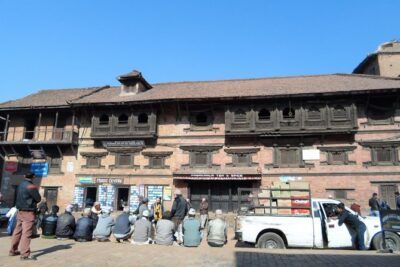
Nagarkot Sunrise & Bhaktapur UNESCO Heritage Private Tour
Read our review →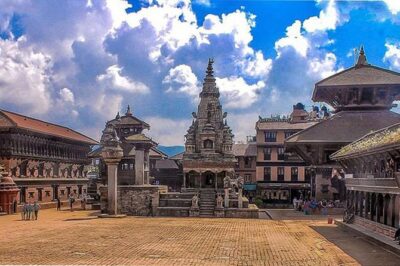
Nagarkot Sunrise & Bhaktapur Heritage Tour -Private Full Day Trip
Read our review →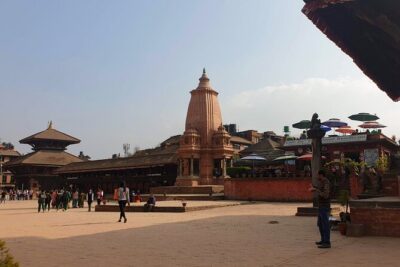
Browse the lists this tour appears in