
Reviewed · KATHMANDU UNESCO WORLD HERITAGE TOURS
Kathmandu Private Tour of UNESCO World Heritage Sites
Kathmandu Valley packs seven UNESCO World Heritage sites into one remarkable day, from hilltop Buddhist shrines to royal squares and riverside Hindu rituals. This private nine-hour tour gives you a guide, driver, and air-conditioned vehicle, so you can cover ground without being tied to a large group.
I like the personal format and the range of places. You get the famous Monkey Temple and Boudhanath, but also Changu Narayan, an older and quieter temple away from the city center. I also like that the route links Kathmandu, Patan, and Bhaktapur, three different urban centers with distinct royal squares.
The catch is simple: this is a packed day. Several stops receive only a short listed visit, and entrance fees add another $48 per person in cash if you visit all seven sites. You will see a great deal, but this is a grand overview rather than a slow look at every courtyard.
Key points at a glance
- Seven UNESCO sites in one day: Cover Kathmandu Durbar Square, Patan Durbar Square, Bhaktapur Durbar Square, Swayambhunath, Boudhanath, Pashupatinath, and Changu Narayan.
- A genuinely private outing: Only your group participates, which gives you more freedom than a standard shared bus tour.
- Changu Narayan adds an older, quieter stop: The temple dates to the Licchavi period, around 450 to 750 AD.
- An English-speaking guide travels with you: Guides such as Pranav have been specifically praised, along with driver Bijaya.
- Comfort matters on this route: Private transport and an air-conditioned vehicle help during a full day across the valley.
- Budget for the real total: The tour costs $47.50 per person, while entrance fees for all seven sites total $48 per person, paid in cash.
Why this private Kathmandu route works
The clever part of this tour is not any one monument. It is the way the day connects the valley’s main religious and royal centers.
Kathmandu Valley is not one compact old town. Its major sights are spread among Kathmandu, Lalitpur, Bhaktapur, and the area around Changu Narayan. A private vehicle saves you from arranging several separate rides, and a guide can give the sites a common thread.
You begin at 9:00 am and spend about nine hours on the outing. That is enough time for a broad introduction, but you should expect traffic, walking, stairs, and quick transitions. The private format helps because you are not waiting for strangers at every stop.
The tour suits you best if this is your first visit and you want to get your bearings quickly. It also works well if you have only one full day for the valley’s major sights. If you prefer to linger over carvings, take long photo breaks, or sit quietly at a stupa, you may find the schedule brisk.
The strongest part of the arrangement is the combination of a private car and a personal guide. A good guide can explain how Buddhist and Hindu worship overlap in the valley, point out architectural details, and help you understand why these places remain active religious centers rather than simple monuments.
More UNESCO heritage sites in Kathmandu:
- Private Kathmandu Sightseeing Tour | UNESCO World Heritage sites
★ 5.0 · 756 reviews - Kathmandu: Full Day 7 UNESCO Tour with Lunch – Private/Group
★ 5.0 · 415 reviews - Kathmandu: Full Day Top 4 UNESCO Tour with Lunch – Private/Group
★ 5.0 · 269 reviews
Changu Narayan, the day’s oldest-feeling stop
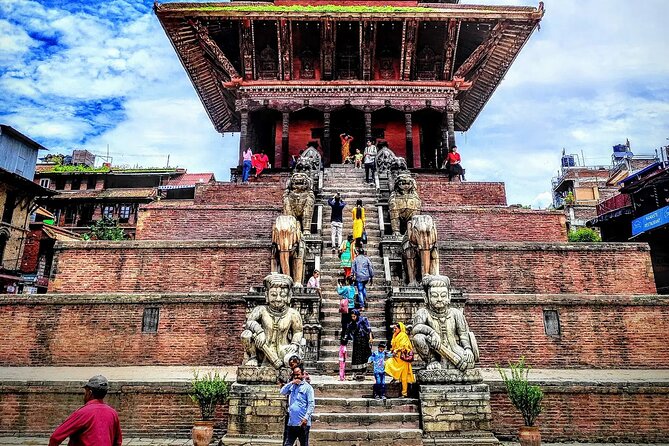
Changu Narayan is listed first and receives about an hour. Set in a quiet forested area, the temple has a calmer feel than the better-known squares. Its two-tiered pagoda style and Licchavi-era origins make it especially useful for putting the valley’s later buildings into context.
The temple dates from roughly 450 to 750 AD, a fact that gives this stop real weight. You are not simply ticking off another shrine. You are seeing one of the oldest places on a route filled with centuries-old religious buildings.
I like that Changu Narayan is included because many quick Kathmandu programs focus only on the central squares. The tradeoff is that it is less central, so adding it helps explain why the tour lasts a full day. The quiet setting also makes it a good place to begin before the denser urban sites.
Admission is not included. Keep cash ready for the day’s entry charges, and ask your guide how the fee applies at each location.
Bhaktapur Durbar Square and its four connected squares
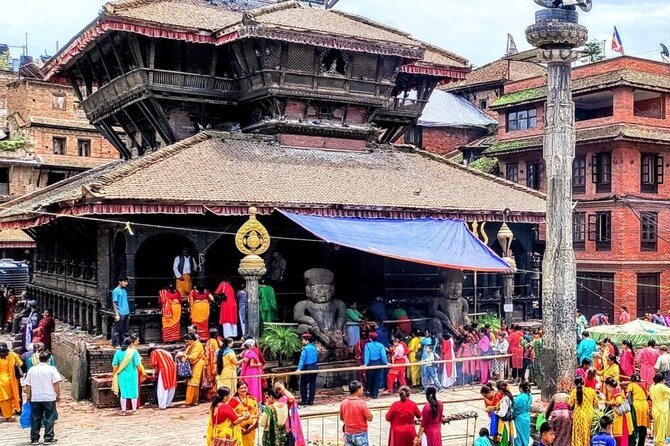
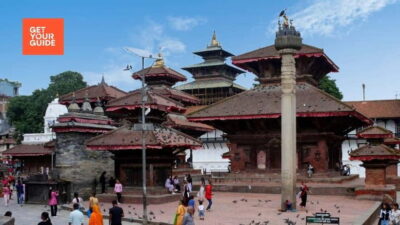
Bhaktapur receives about an hour, though you may want more. This old royal center is organized around four named areas: Pottery Square, Dattatreya Square, Taumadhi Square, and the main Durbar Square.
That layout gives the stop a different rhythm from a single open plaza. You can move through temple-lined spaces, see traditional urban design, and get a sense of how royal, religious, and craft areas fit together. The square is one of the most visually rewarding parts of the route.
The difficulty is time. One hour does not leave much room for a slow walk through all four sections, especially if the area is busy. You should listen closely to your guide at the start and decide which details matter most to you.
Bhaktapur is also one of the places where the private format pays off. You can ask for a little more time in a specific square if the day allows, though you should not expect unlimited flexibility with six other major sites still ahead.
Boudhanath and the rhythm of the prayer flags
Boudhanath is described with only a one-minute listed visit, so treat that figure as a very brief itinerary marker rather than a meaningful amount of sightseeing time. The stupa deserves more than a glance, and your actual pause should be confirmed with the guide.
The great white dome rises about 36 meters, or 118 feet, and is topped with the familiar Buddha eyes. Prayer flags and Buddhist artwork give the site its unmistakable look. This is one of Kathmandu’s best-known Buddhist places and an important contrast to the Hindu rituals at Pashupatinath.
Boudhanath is a place where observation matters. You can watch the movement around the stupa, notice the prayer flags, and let the guide explain the religious setting. Even on a tightly timed tour, this stop gives the day a welcome change of mood.
The practical point is to avoid assuming that the schedule’s one-minute notation is enough for a visit. Ask how much time is planned and decide if you want to prioritize a proper circuit around the stupa or keep to the larger route.
Same city, a completely different sort of day:
- Everest Base Camp Trek – 14 Days
★ 5.0 · 1,499 reviews - Everest Base Camp Helicopter Tour landing at Everest View Hotel
★ 5.0 · 668 reviews - Half day cooking class in Thamel kathmandu
★ 5.0 · 607 reviews - Everest Base Camp Trekking
★ 5.0 · 485 reviews
Pashupatinath beside the Bagmati River
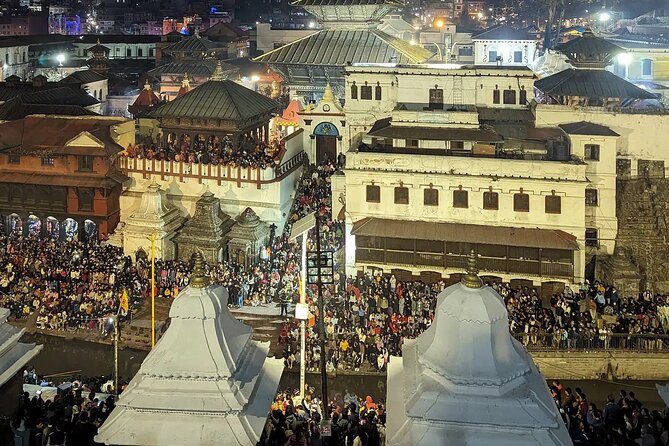
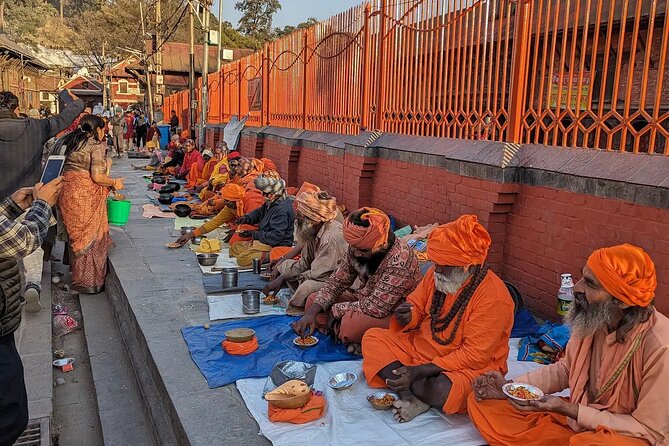
Pashupatinath receives about an hour and is one of the most significant stops on the tour. This is Nepal’s holiest Hindu shrine, dedicated to Lord Shiva and built in a pagoda style beside the sacred Bagmati River.
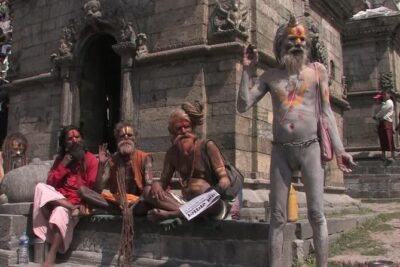
The setting can feel intense and solemn. Religious activity here is not staged for sightseeing, so respectful behavior matters. Your guide is particularly useful at Pashupatinath, where the meaning of the temple, river, architecture, and rituals may not be obvious at first glance.
The stop also gives the itinerary a spiritual balance. Swayambhunath and Boudhanath show Buddhist traditions, while Pashupatinath introduces a major Hindu center. Seeing all three in one day helps you understand how closely different religious practices shape life in the valley.
Again, one hour is enough for an introduction, not a complete exploration. You may need to follow the guide’s route and avoid trying to photograph everything. The location along the Bagmati River is important, but the experience is about more than architecture.
Patan Durbar Square and Newar craftsmanship
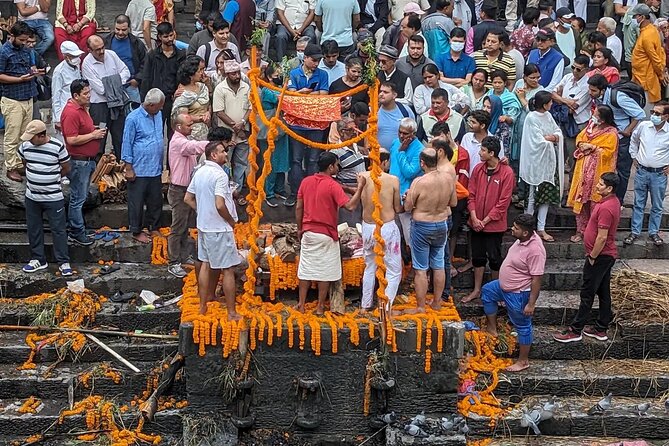
Patan Durbar Square, in Lalitpur District, receives about an hour. The square is known for its temples, palaces, and detailed artistic work. It is a strong stop for anyone interested in the carving and metalwork that define much of Kathmandu Valley architecture.
Patan feels like an essential middle chapter between Bhaktapur and Kathmandu. Each royal square has its own arrangement and character, and a guide can help you compare them rather than seeing a blur of pagodas by late afternoon.
The drawback is fatigue. By the time you reach Patan, you may already have spent hours walking through religious and royal sites. Good footwear and realistic expectations will help. You should also keep some attention in reserve for Kathmandu Durbar Square and Swayambhunath, which come later.
Admission is not included, and Patan is part of the quoted $48 total entrance cost if you visit all seven locations.
Kathmandu Durbar Square and the city’s royal center
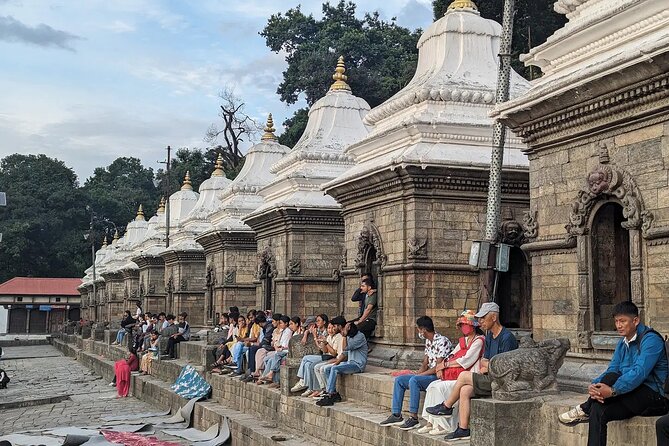
Kathmandu Durbar Square, also called Basantapur and Hanuman Dhoka, is one of the valley’s central historic areas. It belongs to the group of ancient royal squares that give the tour its main architectural theme.
The listed time is only one minute, so you should clarify the planned stop. A proper visit requires more than a quick drive-by, especially if you want to understand the relationship between the palace area, temples, and surrounding city.
This is where a private vehicle can be both useful and limiting. It helps you reach the area efficiently, but the old center is best experienced on foot. Ask where the walk begins and how much time you have before moving on.
If you are choosing between seeing all seven sites and spending longer in fewer places, this is one of the stops to discuss with your guide. The full route gives you breadth, while a longer Kathmandu Durbar Square visit gives you more time to notice the details.
Swayambhunath and the best valley view
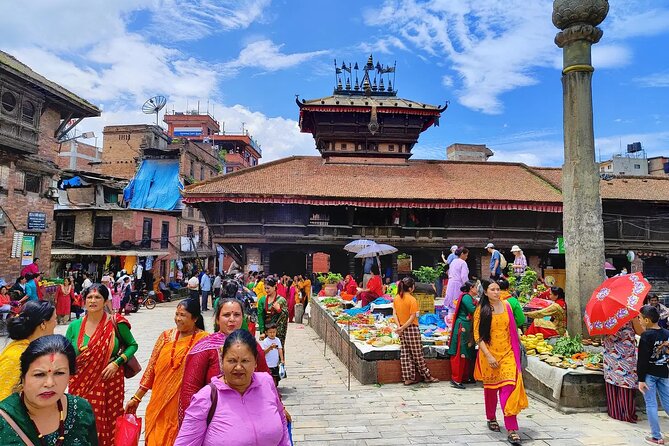
Swayambhunath receives about an hour and finishes the major sightseeing portion. The stupa sits high on a hill and is widely known as the Monkey Temple. Its white dome, Buddha’s all-seeing eyes, and hilltop position make it one of Kathmandu’s most recognizable sights.
The view is the payoff. From above, you can look across Kathmandu Valley and better understand how the city and surrounding towns fit together. After a day of squares and shrines, this final stop gives you space to step back and take in the wider setting.
The hill location also means some physical effort. The provided information says most people can participate, but it does not give a detailed stair or walking breakdown. If mobility is a concern, ask the operator for current access details before booking.
Admission is listed as free, but the tour still states that visiting all seven sites carries a total entrance cost of $48 per person. Clarify the current charges before setting out, and carry cash for temple authorities.
What the $47.50 price really covers
At $47.50 per person, the tour price is reasonable for a private nine-hour outing with an English-speaking guide and air-conditioned transport. The value is strongest for two or more people who want their own vehicle and do not want to organize the valley’s far-flung sites independently.
The entry fees change the calculation. Visiting all seven sites adds $48 per person, paid in cash. Lunch is also separate. In practical terms, your day costs the tour price plus almost the same amount again for admissions, along with whatever you spend on food.
That does not make the experience poor value. It simply means the advertised tour price is not the full sightseeing budget. If you are comparing options, look at the combined total rather than the headline figure.
Group discounts may be available, and only your own group participates. For a couple, family, or small party, the private setup can be worth paying for because you gain control over questions, pacing, and short stops.
Who should book this day
I would choose this tour if you want a strong first look at Kathmandu Valley and have limited time. It is especially useful for first-time visitors who want the seven UNESCO sites arranged into one practical route.
You should also consider it if you value having a guide explain religious customs and architectural details. Specific guides such as Pranav have received warm praise, and driver Bijaya has also been singled out for helping create a memorable day. Availability of those individuals is not guaranteed, so ask when booking if a particular guide matters to you.
I would be more cautious if your ideal day involves long meals, extended photography, or sitting quietly at each stupa. Seven major sites in nine hours is ambitious. You will see more places, but you will have less time at each one.
The tour is private, most people can participate, and service animals are allowed. Pickup is offered, but confirm the exact pickup arrangement when you book. Confirmation is provided at booking, and free cancellation is available up to 24 hours before the start time.
Should you book the Kathmandu UNESCO sites tour?
Book it if your priority is coverage, comfort, and a personal guide. The route gives you the valley’s main royal squares, two major Buddhist sites, Nepal’s most important Hindu shrine, and the older Changu Narayan temple in one organized day.
Skip it if you want a slow, detailed study of fewer monuments. The listed one-minute stops at Boudhanath and Kathmandu Durbar Square make it especially important to ask about actual time on site.
For most first visits, I think the private format is the sensible choice. Just budget another $48 per person for entrance fees, carry cash, plan for lunch separately, and accept that this is a fast-moving introduction rather than a leisurely heritage walk.
FAQ
How long is the Kathmandu UNESCO sites tour?
The tour lasts approximately nine hours.
What time does the tour start?
The stated start time is 9:00 am.
Is the tour private?
Yes. Only your group participates in the activity.
Which sites are included in the route?
The route includes Changu Narayan Temple, Bhaktapur Durbar Square, Boudhanath Stupa, Pashupatinath Temple, Patan Durbar Square, Kathmandu Durbar Square, and Swayambhunath.
What is included in the tour price?
The price includes an air-conditioned vehicle and a professional English-speaking tour guide.
Are entrance fees included?
No. If you visit all seven sites, the stated total entrance fee is $48 per person, paid in cash to the temple authorities.
Is lunch included?
No. Lunch is not included.
Can I cancel the tour for a full refund?
Yes, if you cancel at least 24 hours before the experience start time. Cancellations or changes made less than 24 hours in advance are not accepted for a refund.
Just added around Kathmandu
- Traditional Momo Making Class★ 5.0 · 10 reviews
- Wildlife Adventure in Chitwan Nepal★ 4.0 · 4 reviews
- Walking tour of real Kathmandu through back streets.★ 5.0 · 3 reviews
- Kathmandu 2 Nights 3 Days Chitwan Jungle Safari Tour★ 5.0 · 9 reviews
- Kathmandu Street Food Walking Tour – Eat Like a Local★ 5.0 · 3 reviews
- Private Manaslu Circuit Trek at Himalayas★ 5.0 · 3 reviews
- Walking tour of Kathmandu with awesome local guides★ 5.0 · 4 reviews
- Visit Swayambhunath and Bauddhanath Stupa with Guide★ 5.0 · 5 reviews
Kathmandu UNESCO World Heritage Tours, compared.
Private Kathmandu Sightseeing Tour | UNESCO World Heritage sites
Read our review →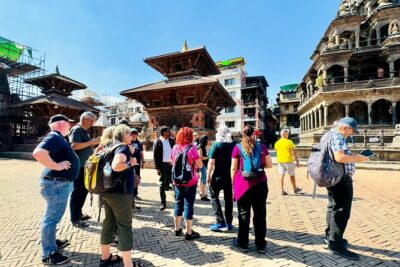
Full Day 7 UNESCO Tour with Lunch – Private/Group
Read our review →
Full Day Top 4 UNESCO Tour with Lunch – Private/Group
Read our review →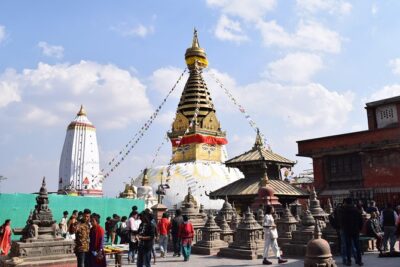
Browse the lists this tour appears in