
Reviewed · KATHMANDU UNESCO WORLD HERITAGE TOURS
Kathmandu Top 4 or 2 UNESCO World Heritage Sites Day Tour
Kathmandu’s best-known sacred sites are spread across a crowded valley, and this private tour gives you a sensible way to connect them in one day. You’ll move from Hindu cremation ghats at Pashupatinath to the Tibetan Buddhist prayer circuit at Boudhanath, then on to the hilltop Monkey Temple and the Newari palace courtyards of Patan.
I like the hotel pickup and private car, which save time and spare you the trouble of arranging transport between districts. I also like the chance to see a thangka painting school and singing bowl center, since these visits add living craft traditions to the usual monument checklist.
The main drawback is pace. Five to seven hours is enough for a strong introduction, but not a slow, detailed study of four major sites. Entrance fees, food, and tips are extra, and the long stair climb at Swayambhunath may be tiring for some people.
Key points to know before booking
- Four major sites in one private outing: Visit Pashupatinath, Boudhanath, Swayambhunath, and Patan Durbar Square by car.
- A shorter two-site option is available: This can suit a brief stay or a slower day.
- Prakash Aryal is a frequently named guide: His explanations of religion, history, and local customs are a strong part of the experience when he leads the tour.
- The craft stops are included: You’ll visit a thangka painting school and a center offering a singing bowl demonstration.
- The price is not the final cost: The tour is $40 per person, plus $20 per person for four UNESCO sites or $10 for two.
- Private means flexible: Only your group joins, so you can ask questions and shape the pace more easily than on a large coach tour.
Why this private Kathmandu route works
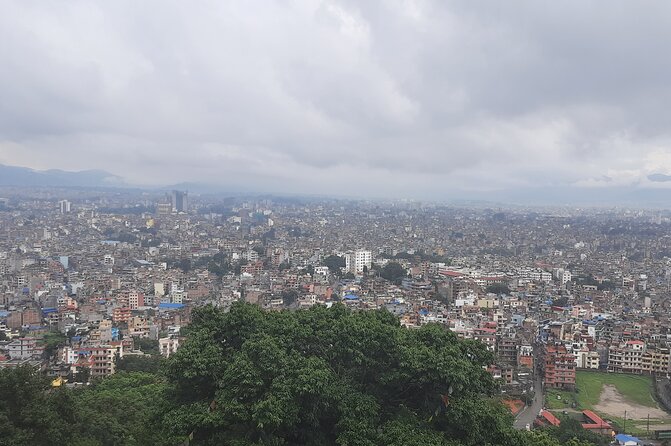
Kathmandu Valley is compact on a map but slow to cross by road. The four sites on this route are in different parts of the valley, and traffic can turn a simple visit into a day of guesswork. Having a driver meet you at your hotel gives you a clear start and finish, while a guide supplies the religious and architectural context that can be hard to pick up on your own.
The tour lasts about five to seven hours. The advertised visit times add up to six hours: two hours at Pashupatinath, one at Boudhanath, two at Swayambhunath, and one at Patan Durbar Square. Road conditions and the time you spend asking questions will affect the final length.
I see this as a strong first look at Kathmandu, not a replacement for several slow days in the valley. You get Hindu, Buddhist, and Newari traditions in one sweep. You also avoid spending your limited time figuring out which taxi or local connection to take next.
The private format matters. You are not tied to the interests or energy level of a large group, and the guide can explain a ceremony, artwork, or building when you ask. The tour is also suitable for a pair, family, or small group that wants the convenience of a car without paying for a fully elaborate custom itinerary.
More UNESCO heritage sites in Kathmandu:
- Private Kathmandu Sightseeing Tour | UNESCO World Heritage sites
★ 5.0 · 756 reviews - Kathmandu: Full Day 7 UNESCO Tour with Lunch – Private/Group
★ 5.0 · 415 reviews - Kathmandu: Full Day Top 4 UNESCO Tour with Lunch – Private/Group
★ 5.0 · 269 reviews
Pashupatinath: Hindu faith beside the Bagmati River
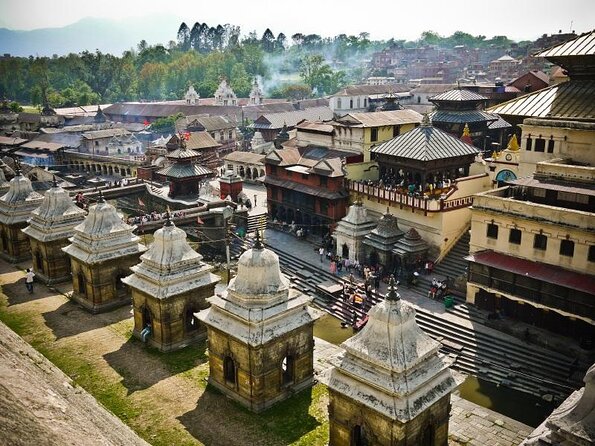
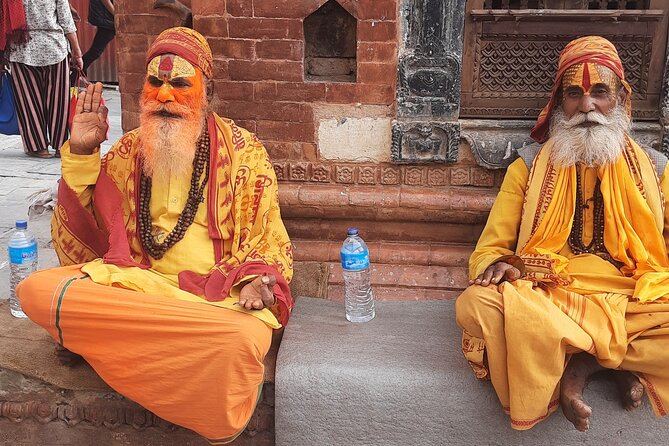
Pashupatinath is devoted to Lord Shiva and sits beside the holy Bagmati River in eastern Kathmandu Valley. It is the most emotionally powerful stop on the route because this is not simply an old temple complex preserved for sightseeing. It remains an active Hindu religious center.
You can expect to spend about two hours here. The guide helps you understand the temple grounds, the role of the river, and the religious meaning of the site. The main temple is sacred to Hindus, so access to certain areas is restricted, but the wider complex offers plenty to see.
One of the most striking parts of a visit can be the open-air cremation ceremonies along the river. This is a serious religious setting, not a performance arranged for visitors. If a ceremony is taking place, you should watch quietly, keep a respectful distance, and follow your guide’s advice about photography.
I consider Pashupatinath the stop that most benefits from a good guide. Without context, you might see shrines, smoke, stone steps, and crowds without understanding how the pieces fit together. With explanation, the visit becomes a direct look at Hindu practice in present-day Nepal.
The setting can also feel intense. You may see grief, cremation, and strong religious devotion at close range. That makes this stop unsuitable for anyone looking only for polished monuments, but it is valuable if you want to see faith as part of daily life.
Boudhanath: Tibetan Buddhist rhythm around the stupa
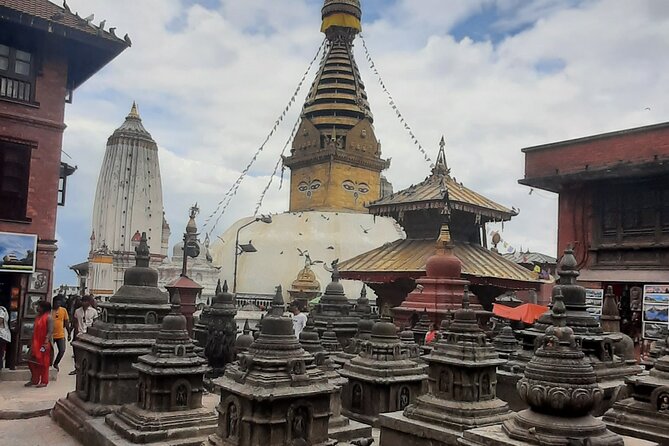
Boudhanath offers a marked change in mood. The huge white stupa is surrounded by monasteries and has a strong Tibetan Buddhist influence. The visit lasts about an hour, giving you time to view the stupa, walk around its base, and take in the surrounding religious buildings.
This is the place to pay attention to movement and sound. Prayer wheels, devotional walking, monastery activity, and the stupa’s watchful painted eyes create a setting that feels active rather than museum-like. Your guide can explain the Buddhist symbols and the role of the surrounding monasteries.
An hour is enough for a useful introduction, but it may feel short if you want to linger, enter several monasteries, or sit quietly for a while. The private format helps here because you can tell the guide if you want more time at Boudhanath and less time elsewhere, although the overall day still has to fit within the planned schedule.
I like the contrast between Boudhanath and Pashupatinath. One centers on Buddhist devotional practice, the other on Hindu worship and cremation. Seeing both on the same day gives you a better sense of Kathmandu’s religious mix than visiting a single famous monument would.
Swayambhunath: the hilltop visit with a physical challenge
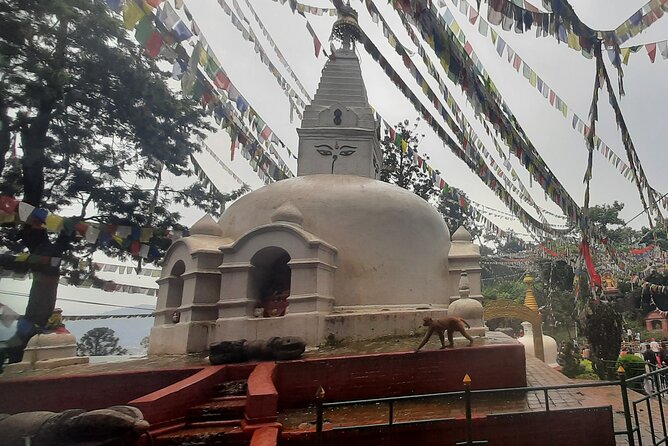
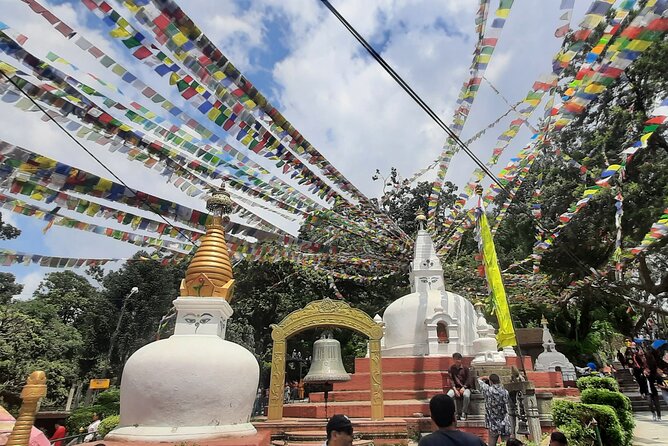
Swayambhunath, often called the Monkey Temple, sits on a hill above Kathmandu. The main stupa is reached by a long staircase, and the climb is an important part of the visit. You should treat the two-hour stop as more than a quick photo break.
The stairs can be tiring, especially after Pashupatinath and Boudhanath. The tour information says most people can participate, but it does not promise a step-free route or special mobility arrangements. If climbing is difficult for you, ask about the practical plan before booking.
At the top, the reward is the hilltop setting and the chance to examine one of Kathmandu’s best-known Buddhist sites. The guide can point out the religious features and explain why the location matters. The name Monkey Temple reflects the animals commonly seen around the complex, though you should still keep your belongings secure and avoid treating them as pets.
This stop is also a good reason to choose the private version. You can set a steadier pace and pause when needed rather than trying to keep up with a group. On the other hand, a two-hour visit may be longer than you need if you are mainly interested in the view and the stupa itself.
Wear practical shoes and save some energy for the stairs. Bottled water is included, with one bottle per person, but you should not count on that as a substitute for carrying what you normally need during a half-day outing.
Same city, a completely different sort of day:
- Everest Base Camp Trek – 14 Days
★ 5.0 · 1,499 reviews - Everest Base Camp Helicopter Tour landing at Everest View Hotel
★ 5.0 · 668 reviews - Half day cooking class in Thamel kathmandu
★ 5.0 · 607 reviews - Everest Base Camp Trekking
★ 5.0 · 485 reviews
Patan Durbar Square and the Newari artistic tradition
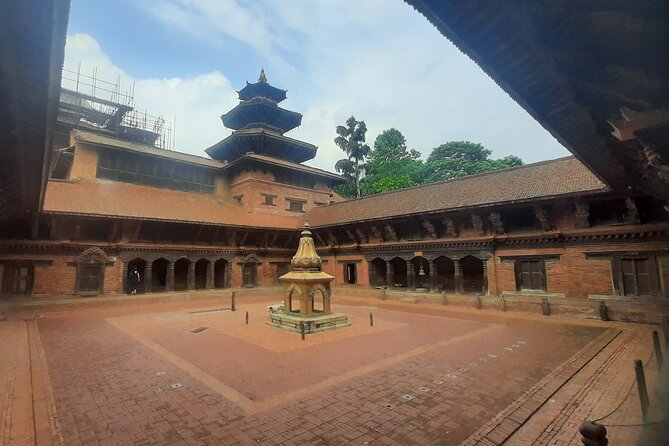
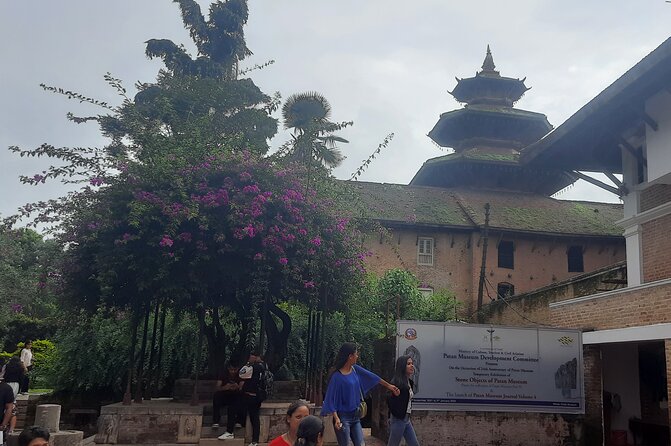
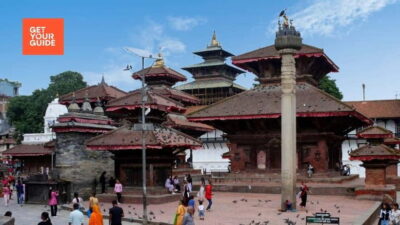
Patan Durbar Square is in the city of Patan, also known as Lalitpur, and represents the high point of Newari architecture under the Malla kings. The square brings together palace buildings, temples, carved details, and courtyards in a compact historic setting.
The planned visit lasts about one hour. That makes Patan an efficient final stop, but it also means you will need to make choices. You can focus on the main palace area, study the carved wood and metalwork, or ask the guide to point out key buildings and religious details.
Patan is especially important for visitors interested in architecture and traditional arts. The craftsmanship is not limited to the size of the buildings. Look closely at door frames, windows, roof supports, temple figures, and courtyard details. A guide can help you notice work you might otherwise pass without seeing.
The day also includes a visit to a thangka painting school. Thangka paintings are traditional Buddhist works made with careful attention to religious imagery and symbols. This is more than another monument stop. You get to see an art tradition being explained in a working setting, and you can ask how the paintings relate to Buddhist practice.
A visit to the singing bowl demonstration center adds another layer. The demonstration introduces the sound and use of traditional bowls, while the guide provides the surrounding context. Since these craft visits are included, you should ask questions and take your time rather than treating them as quick shopping stops.
You may also be offered time at handicraft shops. That can be useful if you want a small Nepalese souvenir, but keep your buying decisions separate from the tour’s cultural value. The main benefit is access to local arts and explanations, not pressure to purchase anything.
What the guides add to the day
A professional guide is included, and the guide’s role is central to the experience. The best-known guide associated with this tour is Prakash Aryal, who has led visitors through the four-site route and is often praised for clear explanations, flexibility, and a calm manner.
A good guide makes a major difference at Pashupatinath, where religious activity needs careful explanation, and at Patan, where the finest details are easy to miss. You can also ask direct questions about Hindu and Buddhist practice, Newari architecture, or the craft demonstrations.
The company’s responses and tour information also identify other guides and drivers, including Niroj as a driver on one outing. Your assigned guide may differ, so it is best to treat Prakash as a possible guide rather than a guarantee.
Because the tour is private, you have room to say what interests you. If you care most about religious sites, ask for more explanation at Pashupatinath and Boudhanath. If you prefer art and architecture, use your time at Patan and the thangka school well.
Price, extra costs, and the real value
The listed price is $40 per person. That covers transportation according to the route, a professional guide, hotel pickup and drop-off, the thangka painting school, the singing bowl demonstration, and one bottle of water per person.
Entrance fees are separate. For all four UNESCO sites, budget an additional $20 per person. If you choose the two-site version, the listed entrance cost is $10 per person. Food and tips for the guide and driver are also excluded.
That makes the four-site outing $60 per person before food and tips. I still consider it fair value if you have only one day for Kathmandu’s main heritage sites, especially because the private car and guide remove much of the transport trouble. The value is weaker if you have several free days and enjoy arranging local transport on your own.
The two-site option may be the better buy for some people. It lowers the entrance cost and gives you a more focused outing. You lose some variety, but you may gain more time at the sites you care about most.
Group discounts are offered, though the exact discount is not specified. Since the activity is private, ask how the per-person price changes for your group before paying.
Timing, comfort, and practical limits
Hotel pickup and drop-off are included, which is especially helpful in a city where finding the right meeting point can be difficult. The tour also offers a mobile ticket and is near public transportation, though you do not need to arrange public transport for the listed route.
The day is fairly full. Four sites, road transfers, a hill climb, and two craft visits leave little room for a long meal or an unplanned detour. Food is not included, so confirm how a meal break will fit into your schedule if you need one.
The activity is private, and only your group participates. That gives you more control than a standard group excursion, but it does not eliminate traffic or shorten the walking routes. The long stairway at Swayambhunath remains the main physical concern.
Most people can participate, according to the tour information, but no special accessibility details are provided. If you have mobility, stamina, or stair concerns, contact the provider before booking and ask specifically about Swayambhunath and the walking required at each site.
Free cancellation is available if you cancel at least 24 hours before the start time. Changes or cancellations made inside that window are not accepted for a refund.
Who should book this Kathmandu tour?
I would choose this tour if you have limited time, want the four major sites in one organized outing, or prefer having a guide explain religious customs and architecture as you go. It is also a good match for first-time visitors who do not want to negotiate transport between Kathmandu, Boudhanath, and Patan.
The tour suits couples, families, and small groups that value privacy. It is particularly useful if you want to ask many questions or adjust the balance between religious sites, architecture, and traditional arts.
I would think twice if you want a slow photographic day, dislike fixed schedules, or already know Kathmandu well. Four major sites in one day can feel like a lot, and the craft visits may not appeal if you are not interested in Buddhist art or handmade objects.
Choose the two-site option if you prefer a less crowded schedule. Choose all four if this is your main chance to see the valley’s landmark heritage sites and you are comfortable with several hours of sightseeing and walking.
FAQ
How long does the Kathmandu UNESCO sites tour last?
The tour lasts approximately five to seven hours. The planned visit times are two hours at Pashupatinath, one hour at Boudhanath, two hours at Swayambhunath, and one hour at Patan Durbar Square.
Which UNESCO sites are included?
The four-site version visits Pashupatinath Temple, Boudhanath Stupa, Swayambhunath, and Patan Durbar Square. A two-site version is also available.
Is hotel pickup and drop-off included?
Yes. The tour includes hotel pickup and drop-off, with transportation provided according to the itinerary.
Are entrance fees included in the tour price?
No. Entrance fees are listed separately at $20 per person for four sites or $10 per person for two sites.
Is the tour private?
Yes. Only your group participates in the activity, and the private format allows more time for questions and some itinerary flexibility.
Are food and tips included?
No. Food, guide tips, and driver tips are not included. One bottle of water per person is provided.
Can I cancel for a full refund?
Yes, if you cancel at least 24 hours before the experience start time. Cancellations or changes made less than 24 hours in advance are not accepted for a refund.
Just added around Kathmandu
- Traditional Momo Making Class★ 5.0 · 10 reviews
- Wildlife Adventure in Chitwan Nepal★ 4.0 · 4 reviews
- Walking tour of real Kathmandu through back streets.★ 5.0 · 3 reviews
- Kathmandu 2 Nights 3 Days Chitwan Jungle Safari Tour★ 5.0 · 9 reviews
- Kathmandu Street Food Walking Tour – Eat Like a Local★ 5.0 · 3 reviews
- Private Manaslu Circuit Trek at Himalayas★ 5.0 · 3 reviews
- Walking tour of Kathmandu with awesome local guides★ 5.0 · 4 reviews
- Visit Swayambhunath and Bauddhanath Stupa with Guide★ 5.0 · 5 reviews
Kathmandu UNESCO World Heritage Tours, compared.
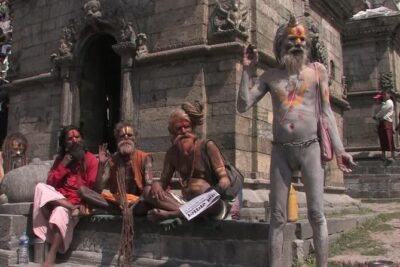
Private Kathmandu Sightseeing Tour | UNESCO World Heritage sites
Read our review →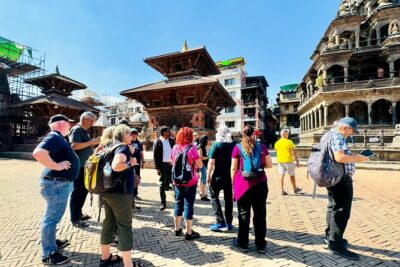
Full Day 7 UNESCO Tour with Lunch – Private/Group
Read our review →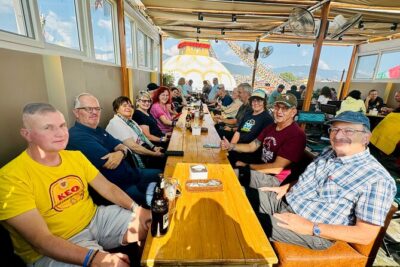
Full Day Top 4 UNESCO Tour with Lunch – Private/Group
Read our review →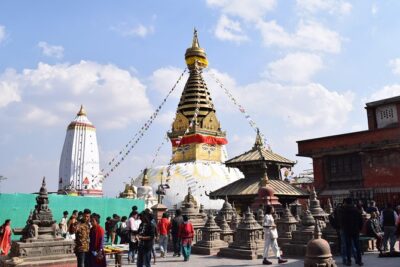
Browse the lists this tour appears in