
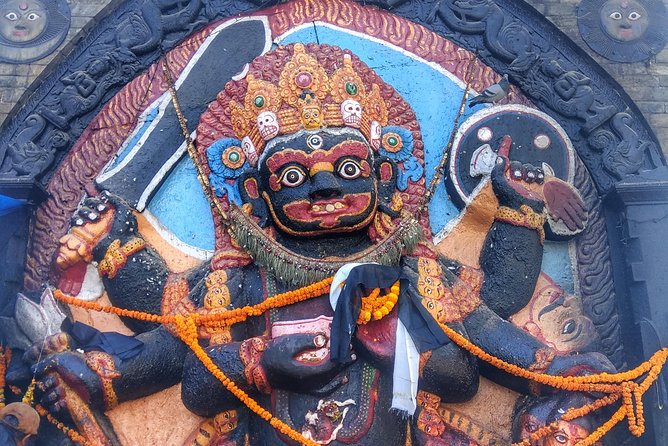
Reviewed · KATHMANDU WALKING TOURS
Walking tour of real Kathmandu through back streets.
Kathmandu reveals itself best away from the main roads, where shopkeepers sort vegetables, worshippers enter small temples, and old courtyards connect one crowded lane to the next. This private walk with licensed guide Anil Manandhar takes you through Ason market, Indra Chowk, Kathmandu Durbar Square, Kumari Temple, Hanuman Dhoka Palace, and Freak Street. I like the direct look at ordinary city life and the fact that one walk links so many important sights.
I also like the small private format, with only your group taking part, and the clear value for up to 10 people at $68. The main consideration is that entrance fees are not included, and the narrow back streets, market traffic, and several hours on foot may feel tiring if you prefer a slower sightseeing day.
Key points at a glance
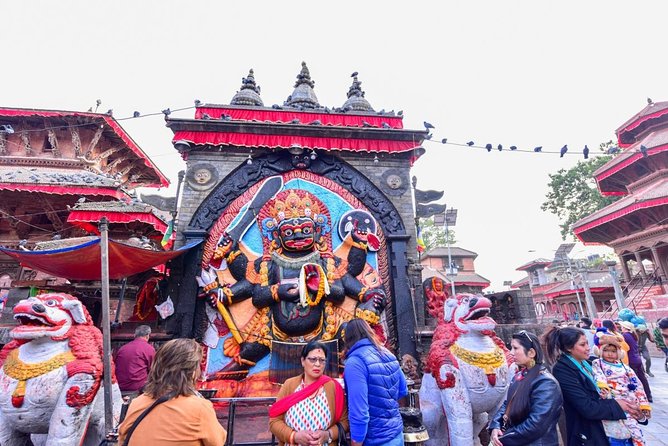
- Ason market puts everyday Kathmandu first: This traditional market works like an open-air supermarket, with vegetable and grocery stalls woven into old city streets.
- Anil Manandhar leads the walk: He is a licensed guide with 32 years of experience, according to the experience information.
- One route covers major landmarks: You visit Kathmandu Durbar Square, Kumari Temple, Hanuman Dhoka Palace, Indra Chowk, and Freak Street.
- Private groups keep the pace flexible: Your group of up to 10 people takes part without strangers joining.
- The price favors groups: At $68 per group, the cost becomes especially reasonable when shared by several people.
- Plan for extra entrance costs: Admission fees are separate, so keep money aside for the sites that charge entry.
Why the back streets are the real introduction to Kathmandu
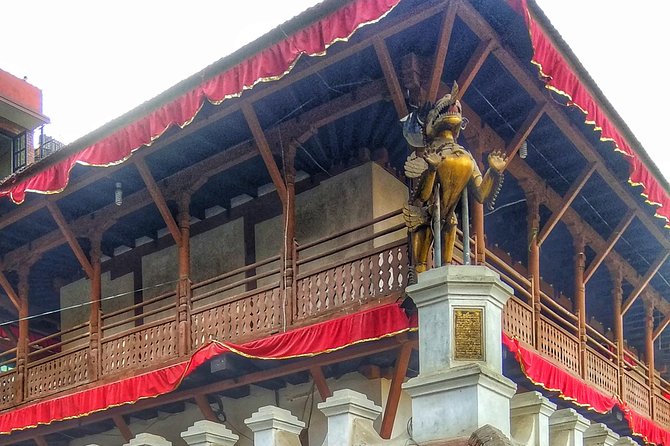
Kathmandu Durbar Square is important, but the walk becomes more useful when you reach it through the city’s working lanes. Instead of seeing the square as a single monument stop, you get a sense of how temples, courtyards, shops, shrines, and markets fit together in daily life.
That matters because Kathmandu is not a city where the best experience always comes from checking off one grand building at a time. A small courtyard may be as revealing as a palace facade. A pile of vegetables or a grocery stall can tell you more about the city’s routine than a polished sightseeing area.
The route is designed around this contrast. You move between public spaces and major religious or royal landmarks, with Ason market acting as the bridge between them. I like that balance. You get famous places, but you also see the ordinary activity that gives those places meaning.
Anil Manandhar is the named guide for this experience. Information provided about his work gives him 32 years of experience as a Nepal travel guide. That kind of long practice can be especially useful in Kathmandu, where the significance of a shrine, palace courtyard, or festival custom may not be obvious from the street.
More walking tours in Kathmandu:
- Kathmandu Food and Drink Walking Tour
★ 5.0 · 266 reviews - Kathmandu: Food and Drink Walking Tour
★ 4.9 · 119 reviews - Walking Street Food Tour in Kathmandu
★ 5.0 · 111 reviews
Starting at the Garden of Dreams
The meeting point is the Garden of Dreams on Tridevi Sadak. The tour is scheduled between 9:15 in the morning and 2:15 in the afternoon, and the walk lasts about three to four hours, with the main itinerary described as three hours.
This timing gives you a useful morning and early afternoon option. You can begin after breakfast, walk through the old city during the middle part of the day, and finish back where you started. The return to the Garden of Dreams makes the tour easier to fit into a larger Kathmandu plan because you are not left at an unfamiliar ending point.
You should arrive ready to walk. The tour is not a vehicle sightseeing circuit, and the appeal comes from using the streets at ground level. Wear comfortable shoes and keep your schedule open enough that you do not have to hurry through the last stops.
The experience is private, so your group sets the social atmosphere. A couple can ask more questions without holding up a large party. A family or group of friends can also share the cost, which changes the value considerably. The $68 price is per group of up to 10 people, not per person.
Ason market: Kathmandu’s open-air supermarket
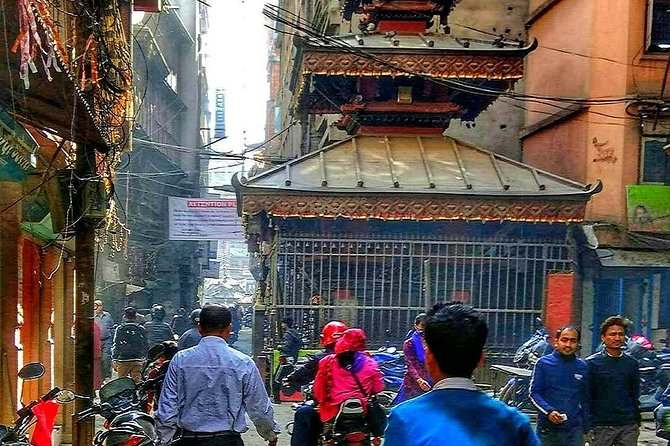
Ason, also written as Asan, is the heart of the walk. It is described as Kathmandu’s traditional and oldest market area, with vegetable and grocery markets packed into the city’s daily flow.
This is the kind of place where you should watch before you photograph. Look at what people are buying, how goods are displayed, and how the market works as part of the neighborhood rather than as a performance for sightseers. You might find vegetables, food supplies, and ordinary household shopping sharing the same tight streets.
The market is valuable because it gives you a practical view of Kathmandu. This is not only a historic district or religious center. It is also where people shop, work, meet, and move through their day.
Expect noise, crowds, and limited personal space. Those conditions are part of the market experience, but they can be tiring. If you have mobility concerns or dislike crowded streets, ask Anil about the walking pace at the start. The supplied information says most people can participate, but it does not promise a fully step-free route.
Ason also gives the guide plenty of chances to explain the city in context. Anil’s long experience should be most useful here, since a market can seem like a jumble of stalls unless someone points out how the pieces fit together.
Indra Chowk and the transition into the old city
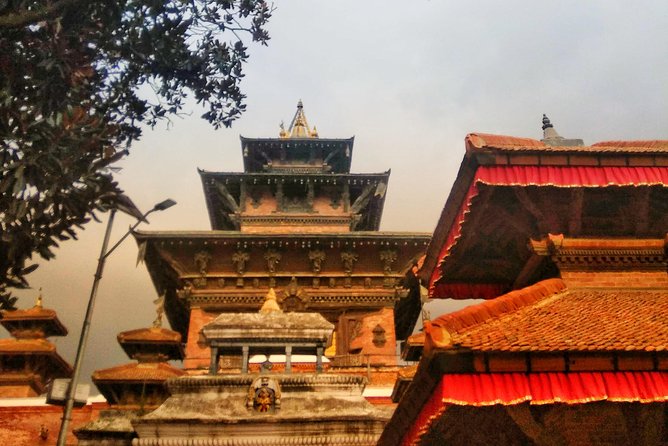
From Ason, the route includes Indra Chowk, another key public area in central Kathmandu. The importance of this stop is not simply that it appears on a sightseeing list. It helps you see how the commercial streets connect with temples, courtyards, and historic buildings.
You may notice that Kathmandu’s old center does not separate shopping, religion, and civic life into neat zones. They overlap. A busy trading area can sit close to a temple, while a palace complex is reached through streets that still serve local residents.
That combination is one of the strongest reasons to choose this walk instead of visiting only the major square by taxi. You are not just being delivered to a monument. You are following the routes that connect the city’s main pieces.
Keep your attention on the small details while walking between stops. The experience is built around the setting, and rushing from one named place to another would miss much of its point.
Same city, a completely different sort of day:
- Everest Base Camp Trek – 14 Days
★ 5.0 · 1,499 reviews - Private Kathmandu Sightseeing Tour | UNESCO World Heritage sites
★ 5.0 · 756 reviews - Everest Base Camp Helicopter Tour landing at Everest View Hotel
★ 5.0 · 668 reviews - Half day cooking class in Thamel kathmandu
★ 5.0 · 607 reviews
Kathmandu Durbar Square and the royal center
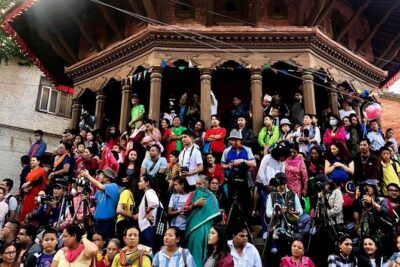
Kathmandu Durbar Square is the main historical stop. Here, the walk brings together temples, public courtyards, palace buildings, and the Kumari Temple.
The square gives the tour its grandest setting, but it is best understood after Ason and Indra Chowk. By this point, you have already seen the city’s working streets. The palace and temple buildings then appear as part of a living urban center rather than as isolated attractions.
The itinerary includes Hanuman Dhoka Palace, the former royal palace complex associated with the square. You can expect Anil to explain the buildings and their place in Kathmandu’s royal and religious life, though the exact amount of interior access depends on current site rules and the entrance arrangements on the day.
The Kumari Temple is another major stop. It is associated with the Kumari, Kathmandu’s living goddess tradition. The information provided confirms that the temple is included, but it does not promise that you will see the Kumari herself. Keep that distinction in mind when planning your expectations.
One especially unusual detail appears in the account of a previous walk with Anil: the guest described seeing a Pachali Bhairav dance at the palace. That sounds tied to a particular cultural event or performance, not a guaranteed feature of every departure. Still, it shows why timing can matter in Kathmandu. If a festival, ritual, or public ceremony happens during your visit, Anil may be able to explain what you are seeing.
Entrance fees are not included. The tour price covers the licensed guide service, while admission to sites is paid separately. Ask for the current fee details when booking or before you begin, since the supplied information does not give an amount.
Freak Street and Kathmandu’s changing identity
The route also includes Freak Street, a famous Kathmandu street with a different feel from the palace area and market lanes. Its name points to an older association with foreign visitors and counterculture, giving the walk another layer beyond temples and royal buildings.
Freak Street is useful because it shows how Kathmandu has been shaped by more than one kind of visitor. A walk that includes it does not pretend the city is only a place of shrines and old palaces. It also acknowledges the city’s modern travel culture and the way certain streets gain a reputation of their own.
The tour does not provide a detailed list of businesses or stops on Freak Street, so you should treat it as part of the city walk rather than a food, shopping, or nightlife tour. Its value is in seeing another side of central Kathmandu and hearing how it fits into the city’s story.
What the private format is worth at $68
At $68 for a group of up to 10, this tour is priced very differently from a per-person group excursion. One person alone pays the full amount, so the value is modest for a solo participant. For two people, it is $34 each. For four, it is $17 each, and for 10, it works out to $6.80 per person before entrance fees.
That makes this an especially practical choice for families, couples traveling with friends, or a small organized group. You receive a licensed guide for several hours and visit a long list of central sights without paying a separate per-person guiding price.
The trade-off is that the price does not cover admission. You should budget for those costs separately, and the listing does not state the current amounts. The walk also does not include transportation, meals, or any extra activity beyond the guided route.
I would judge the price by the quality of the guiding rather than by the number of stops. The city’s back streets are easier to understand when someone can explain what you are seeing. Anil’s 32 years of guide experience and his reported knowledge of Kathmandu’s cultural events add weight to that part of the offer.
Who will get the most from this walk
I would recommend this experience to you if you want a first look at Kathmandu that combines famous sights with ordinary city life. It suits visitors who prefer walking, local markets, religious architecture, and historical explanation over a quick ride between attractions.
It is also a good fit if you have only one half-day in the city. The route covers many of the places most people want to see in central Kathmandu, while Ason and the back streets keep the experience from feeling like a palace-only visit.
Groups should pay close attention to the pricing. The private format is the biggest financial advantage, especially when shared among several people. You can also ask questions freely and adjust the pace within reason.
I would be more cautious if you want a quiet, slow-paced outing. Market streets can be crowded, and the tour includes several locations over roughly three hours. It may also be less suitable if you need a route with guaranteed accessibility, since the provided details do not describe surfaces, stairs, or step-free access.
The same applies if you need exact admission costs in advance. The entrance fees are separate, and no amount is provided. That is not a serious problem, but it does require a little planning.
Booking, weather, and practical details
Confirmation is received at the time of booking, and the activity is private for your group only. The tour begins and ends at the Garden of Dreams, which is useful when arranging the rest of your day.
Free cancellation is available if you cancel at least 24 hours before the start time. Changes or cancellations made within 24 hours are not refunded or accepted. The local time controls the cut-off.
The experience requires good weather. If poor weather forces a cancellation, you are offered another date or a full refund. Since the walk takes place outdoors and through open streets, this policy is sensible, but check the forecast before committing to other fixed plans around it.
The stated operating dates run from December 5, 2019, through November 25, 2026, with departures listed Monday through Sunday between 9:15 a.m. and 2:15 p.m. Confirm the exact start time when booking, since the listed hours cover a wider window than the walk itself.
Should you book this Kathmandu walking tour?
Book it if you want Kathmandu explained at street level. The strongest part is the mix of Ason market and Kathmandu Durbar Square, with Indra Chowk, Kumari Temple, Hanuman Dhoka Palace, and Freak Street filling out the route.
The tour makes the most financial sense for a group, and Anil Manandhar’s long experience is a useful reason to choose a guide-led walk rather than explore the old city without context. Just budget for entrance fees, wear good walking shoes, and accept that the market streets will be busy.
I would choose this as an early Kathmandu activity, especially for a first visit. It gives you a working sense of the city before you spend later days visiting sights farther afield.
FAQ
How long does the Kathmandu back-street walking tour last?
The experience lasts approximately three to four hours. The main itinerary describes the walking portion as three hours.
Where does the tour begin?
The tour begins at the Garden of Dreams on Tridevi Sadak in Kathmandu.
Where does the tour finish?
The activity ends back at the Garden of Dreams, the same meeting point where it begins.
What time is the tour available?
The listed operating hours are Monday through Sunday from 9:15 a.m. to 2:15 p.m. Confirm your exact start time when booking.
How much does the tour cost?
The price is $68 per group, with up to 10 people included.
Is this a private tour?
Yes. Only your group participates in the activity.
Who is the guide?
The experience is provided by Anil Manandhar, a licensed guide. The supplied information describes him as having 32 years of experience as a Nepal travel guide.
Are entrance fees included?
No. Admission fees are not included in the tour price.
Which places are included in the walk?
The route includes Ason market, Indra Chowk, Kathmandu Durbar Square, Kumari Temple, Hanuman Dhoka Palace, and Freak Street. It also includes Buddhist and Hindu religious sites and public courtyards.
What happens if bad weather cancels the tour?
If poor weather causes the experience to be canceled, you are offered a different date or a full refund.
Just added around Kathmandu
- Traditional Momo Making Class★ 5.0 · 10 reviews
- Wildlife Adventure in Chitwan Nepal★ 4.0 · 4 reviews
- Kathmandu 2 Nights 3 Days Chitwan Jungle Safari Tour★ 5.0 · 9 reviews
- Kathmandu Street Food Walking Tour – Eat Like a Local★ 5.0 · 3 reviews
- Private Manaslu Circuit Trek at Himalayas★ 5.0 · 3 reviews
- Walking tour of Kathmandu with awesome local guides★ 5.0 · 4 reviews
- Visit Swayambhunath and Bauddhanath Stupa with Guide★ 5.0 · 5 reviews
- Regular Yoga for all levels of practitioners in Kathmandu★ 5.0 · 4 reviews
Kathmandu Walking Tours, compared.
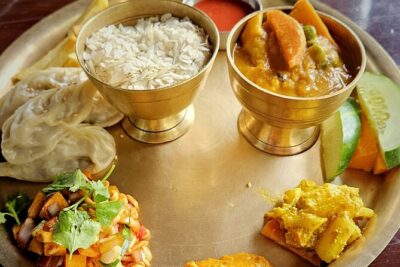
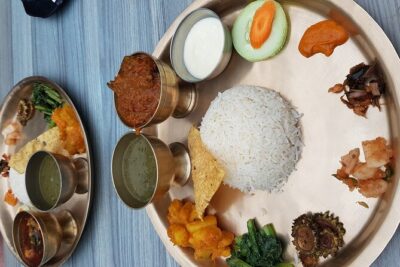

Walking Food Tour in Hidden Local Eateries of Kathmandu
Read our review →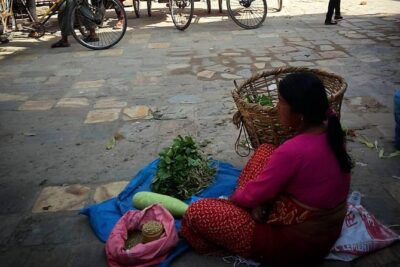
Old Kathmandu Walking Tour, Historic World Heritage Durbar Square
Read our review →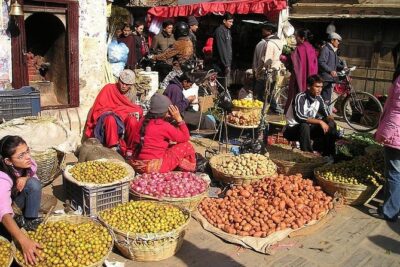
Browse the lists this tour appears in