
Reviewed · KATHMANDU FOOD TOURS
Kathmandu: Food and Drink Walking Tour
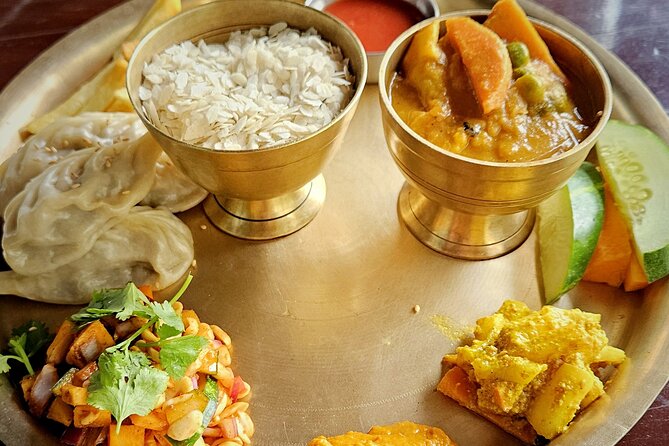
Kathmandu’s best introduction may come one small plate at a time. This three-hour food walk takes you from one carefully chosen eatery to another, with at least nine tastings ranging from momos and noodles to sweets, tea, and street snacks. Guide Deepak brings the useful local touch: he explains what you are eating, where it comes from, and how it fits into Nepali life.
I like two things right away. First, the route gets you into local places you might skip on your own, especially if you are unsure how to order or enter a crowded little shop. Second, the food arrives in enough variety to make this a full meal, not a token sample. The main caution is simple: come very hungry, and tell the guide early about dietary needs, allergies, or foods you do not eat.
Key points to know before you book
- Nine or more tastings: Expect a generous spread of Nepali food, drinks, snacks, and desserts.
- Deepak leads with local insight: He explains dishes, ingredients, customs, and everyday life in Kathmandu.
- Thamel on foot: The route explores central streets and local restaurants, with food stops along the way.
- A full dinner for many people: The portions add up quickly, so do not eat a large meal beforehand.
- Good for a first evening: The walk helps you learn the area and gives you a safe introduction to unfamiliar foods.
- $28 is a fair food-and-guide price: Transportation to the meeting point and personal expenses are extra.
Why this food walk works as a first look at Kathmandu
Food tours can be little more than a string of bites. This one aims for something more useful: it shows you how to recognize Nepali dishes, where locals eat them, and how food links Nepal’s ethnic groups and regions.
You meet near Kathmandu’s Kaiser Library, then set off on foot with your guide. The exact food sequence can change, but the experience usually moves between restaurants, snack shops, and street-food stops in and around Thamel. That changing route is part of the appeal. You are not sitting in one restaurant for three hours. You are walking, looking around, and learning how the city eats.
I especially like this approach at the start of a Nepal trip. The guide can help you pronounce food names, explain what is spicy or filling, and point out dishes you can seek out later. You also get a working sense of central Kathmandu before you set off for temples, mountain areas, or longer journeys.
The tour is social, but it can also work for a solo visitor. One person may join a small group, while another evening may be a private-feeling walk with the guide. The experience is built around conversation, so it suits you best if you enjoy asking questions rather than simply receiving a plate and moving on.
More walking tours in Kathmandu:
- Kathmandu Food and Drink Walking Tour
★ 5.0 · 266 reviews - Walking Street Food Tour in Kathmandu
★ 5.0 · 111 reviews - Walking Food Tour in Hidden Local Eateries of Kathmandu
★ 5.0 · 40 reviews
Meeting Deepak near Kaiser Library
The stated meeting point is Kathmandu’s Kaiser Library, with pickup and drop-off listed there. Transportation to the meeting point is not included, so allow time to reach it and make sure your phone is working for messages or calls from the provider.
Deepak is the main guide associated with this experience, and the food walk depends heavily on his personal style. He is presented as a local foodie who knows the city’s food traditions and enjoys introducing visitors to places they might not enter alone. Laxmi may also assist on some departures.
That matters because local food can feel intimidating on a first night. Menus may be unfamiliar, signs may be hard to read, and a small shop full of local customers can seem like the wrong place to interrupt. A guide who orders, explains, and keeps the group moving removes much of that friction.
You can also expect cultural conversation beyond food. The guide discusses Nepal, Kathmandu, local customs, and the stories behind particular dishes. Several people have found the walk helpful for understanding Newari food, not just the more familiar momo dumplings.
The first tastings: snacks, drinks, and a quick education
The opening stops may include tea or coffee, light snacks, and drinks. These early tastings help ease you into the meal and give you a chance to ask questions before the heavier dishes arrive.
Possible drinks include tea, coffee, lassi, and sugar cane juice with lemon. The sugar cane drink has been a particular favorite, but tastes differ. It is sweet, fresh, and a useful reminder that Nepali refreshment is not limited to packaged soft drinks.
You may also try panipuri, a crisp shell filled with flavored water and other ingredients. It is a fun street snack, though the texture and sharp flavors can be unfamiliar. If you prefer mild food, ask what is inside before taking a full portion.
These first stops show why the tour is more than a restaurant meal. You are trying foods in the setting where people actually buy them. The guide can explain how a snack is assembled and why it is popular, while you get a better feel for the pace of eating in Kathmandu.
Momos, noodles, and the heart of the meal
Momos are one of Nepal’s essential foods, and they are a major part of this tour. These savory dumplings may come with meat or vegetarian fillings, depending on the stop and your needs. They are familiar enough for first-time visitors, but local versions can be quite different from dumplings you have eaten elsewhere.
The tasting list also includes noodles with soup, including a buffalo noodle dish. Buffalo meat is common in Newari cooking, and this is one of the points where the tour can take you beyond the standard tourist menu. If you eat meat, this may be one of the more distinctive plates of the evening.
Another likely highlight is chatamari, sometimes described as a Newari rice pancake. It is a good example of the range you get here: it is not simply another dumpling or curry, but a different texture and style of Nepali food.
The guide explains what each dish is made from and how it is served. That context is valuable because the same word on a menu may not tell you much. You learn which foods are snacks, which are meal dishes, and which belong to particular local traditions.
Keep your appetite in reserve. The portions are described as tastings, but nine or more tastings can add up to a substantial dinner. Several people have needed a long walk after the tour simply because there was so much food. That is a pleasant problem, but it is still a problem if you arrive after a large lunch.
More food tours in Kathmandu:
- Secret Food Tour – Food Bites and Sights Kathmandu 14+ Testings
★ 5.0 · 82 reviews - Kathmandu Secret Food Crawl & Local Market Tour
★ 4.7 · 54 reviews - Kathmandu Food Crawl & Market Tour
★ 5.0 · 26 reviews - Discover Ranjana Lipi the Traditional Newari Script
★ 5.0 · 9 reviews
Newari dishes and places you might miss alone
A strong part of this experience is its focus on Newari food. Kathmandu Valley has a long-standing Newari culinary tradition, and the tour may include dishes associated with that community alongside broader Nepali favorites.
Stops can include local restaurants such as Thirsty Newari Restaurant and Khana Khaja Ghar, though the exact route may vary. You may also visit small food shops and street stalls. These are not polished dining rooms built for sightseeing. Their character is part of the point.
That does not mean every dish will suit every palate. Fried snacks, strong spices, buffalo, sour flavors, and unusual textures can divide opinion. The tour gives you a chance to sample rather than commit to a full plate, which makes experimentation easier.
The food stops are described as clean and carefully selected. That will reassure many visitors who are cautious about street food, especially during the first days of a trip. Still, normal food care applies. Tell the guide about allergies, vegetarian preferences, or foods you avoid before the first stop, not after a dish is already served.
Vegetarians can find suitable choices, and the tour has included vegetarian dishes such as paneer momos. The supplied information does not promise a dedicated vegetarian itinerary, so specific requests should be made in advance.
Sweets, pastries, and the final round
Do not assume dessert means the tour is winding down quickly. The tastings can include cookies, donuts, pancakes, pastries, and other local sweets, as well as drinks.
A pancake or donut may sound less distinctly Nepali than chatamari or momos, but these stops add contrast to the meal. They also show how Kathmandu’s food culture includes both traditional dishes and outside influences. The result is a more honest picture than a tour built only around famous national foods.
Tea or coffee may appear again toward the end. A warm drink gives you time to slow down and talk with the guide after the faster street-food stops. You may also have the chance to finish with another drink or continue the conversation briefly after eating, but personal expenses are not included.
The key practical point is portion control. If you are full, say so clearly. The guide’s enthusiasm for food can keep the plates coming, and polite travelers sometimes continue eating because they do not want to seem difficult. You are allowed to stop.
What the walking route adds
The food is the main event, but the walk helps you understand central Kathmandu. The route has been described as moving through Thamel and nearby streets, with time to notice temples, shops, street scenes, and local neighborhoods between stops.
Thamel is useful for a first walk because it brings together restaurants, shops, hotels, and narrow lanes. It can also be noisy and crowded, especially in the evening. Watch your footing, keep your belongings secure, and expect the pace to include pauses for ordering and eating rather than a long sightseeing march.
This is not a formal city tour with major monuments at every stop. The sightseeing is incidental and food-centered. Still, the route can help you get your bearings and identify places you may want to revisit later.
An evening departure can be especially atmospheric, with lights and active streets adding energy to the walk. A rainy evening is also possible, so sensible footwear and a light waterproof layer are wise. The food stops do not remove the need to prepare for Kathmandu weather.
Price, duration, and what you actually receive
At $28 per person, this is a strong value if the promised nine or more tastings are served. The price covers the guide and food listed in the experience, including local dishes, noodles, momos, pancakes, cookies, donuts, drinks, tea or coffee, snacks, and desserts.
You are not paying only for calories. Part of the fee covers the guide’s judgment about where to eat, how to order, and how to explain dishes that may be hard to decode on your own. It also reduces the risk of wasting money on a meal you do not understand or enjoy.
The tour lasts three hours, with the walking and food portion described in the itinerary as about two and a half hours. That leaves room for meeting, transitions, and a relaxed finish. Starting times vary, so check the available departure when booking.
Transportation to and from Kaiser Library is not included. Personal expenses are also separate, so budget extra if you want additional drinks, souvenirs, or food after the tour. The provider offers cancellation up to 24 hours before departure for a full refund and allows you to reserve now and pay later.
The activity is listed as wheelchair accessible, but Kathmandu’s narrow streets, uneven surfaces, and restaurant entrances can still vary. Ask the provider for current route details if access is important to you.
Who should book this Kathmandu food tour?
I would recommend it most strongly to:
- First-time visitors who want an easy introduction to Nepali food
- Solo visitors who prefer company and local guidance
- Curious eaters who want Newari dishes as well as familiar choices
- People staying near Thamel who want to learn the area by walking
- Visitors arriving early in their trip and looking for a safe starting point
- Vegetarians who are willing to explain their preferences in advance
It is less suitable if you want a quiet, seated meal with fixed courses. It may also be a poor fit if you dislike trying unfamiliar food, cannot manage a large amount of food, or expect a major-monument sightseeing tour.
The language list is unusually broad, including English, Nepali, Chinese, Hindi, French, Japanese, Russian, German, Korean, and Spanish. Confirm the language available for your departure rather than assuming every language is offered at every time.
Should you book it?
Book this tour if you want to eat your way into Kathmandu rather than start with a lecture or a standard sightseeing circuit. The combination of nine or more tastings, a walking route through Thamel, and Deepak’s personal explanations gives you both dinner and a useful cultural orientation.
I would book it near the beginning of a Kathmandu stay. You will learn dishes to order later, find places you might return to, and gain confidence entering local eateries. Just arrive hungry, wear comfortable shoes, and be honest about your limits.
At $28, the value is strongest for people who would otherwise struggle to choose food or avoid local shops altogether. If you want a small, carefully guided taste of Nepali food with plenty of conversation, this is a sensible choice. If you are already an experienced Kathmandu eater and want a fixed culinary menu, you may prefer a more formal dining experience.
FAQ
Where does the Kathmandu food tour meet?
The listed meeting point is Kaiser Library in Kathmandu. Pickup and drop-off are also listed there, and transportation to the meeting point is not included.
How long does the food tour last?
The activity lasts three hours. The food and walking portion is described as about two and a half hours, with the remaining time covering meeting and transitions.
How many foods and drinks will I try?
You will receive at least nine tastings. These can include Nepali food, momos, noodles with soup, chatamari or another pancake, cookies, donuts, snacks, tea or coffee, drinks, and desserts.
Is this a full meal?
For many people, yes. The tastings are generous enough to leave you full, so avoid eating a large meal before the tour.
Who guides the experience?
Deepak is the main guide associated with the tour. Laxmi may also assist on some departures. The guide is a local foodie who explains the dishes and their connection to Nepali culture.
Is vegetarian food available?
Vegetarian options are available, including vegetarian momos. Tell the provider or guide about your dietary needs before the tour so the stops can be handled appropriately.
Is transportation included?
No. You are responsible for getting to and from the meeting point. Personal expenses are also not included.
Can I cancel or pay later?
You can cancel up to 24 hours in advance for a full refund. The booking option also allows you to reserve your place and pay later.
Just added around Kathmandu
- Traditional Momo Making Class★ 5.0 · 10 reviews
- Wildlife Adventure in Chitwan Nepal★ 4.0 · 4 reviews
- Walking tour of real Kathmandu through back streets.★ 5.0 · 3 reviews
- Kathmandu 2 Nights 3 Days Chitwan Jungle Safari Tour★ 5.0 · 9 reviews
- Kathmandu Street Food Walking Tour – Eat Like a Local★ 5.0 · 3 reviews
- Private Manaslu Circuit Trek at Himalayas★ 5.0 · 3 reviews
- Walking tour of Kathmandu with awesome local guides★ 5.0 · 4 reviews
- Visit Swayambhunath and Bauddhanath Stupa with Guide★ 5.0 · 5 reviews
Kathmandu Food Tours, compared.
Secret Food Tour – Food Bites and Sights Kathmandu 14+ Testings
Read our review →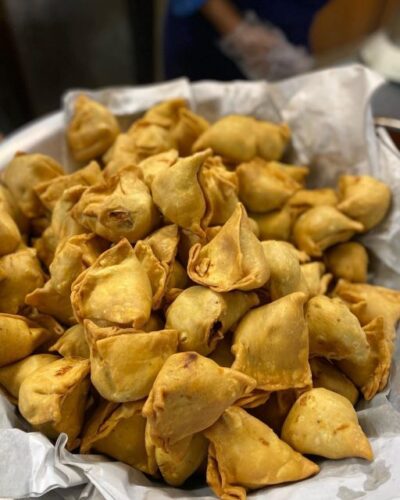
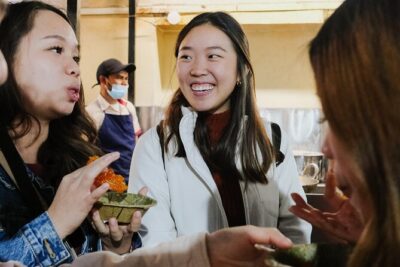
Walking Food Tour in Hidden Local Eateries of Kathmandu
Read our review →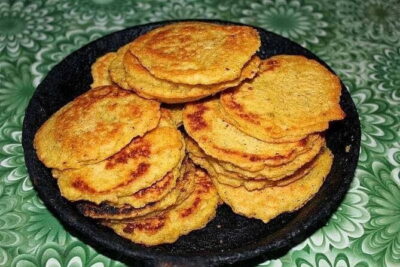
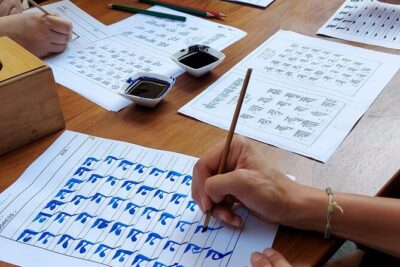
Discover Ranjana Lipi the Traditional Newari Script
Read our review →Browse the lists this tour appears in