
Reviewed · KATHMANDU FOOD TOURS
Secret Food Tour – Food Bites and Sights Kathmandu 14+ Testings
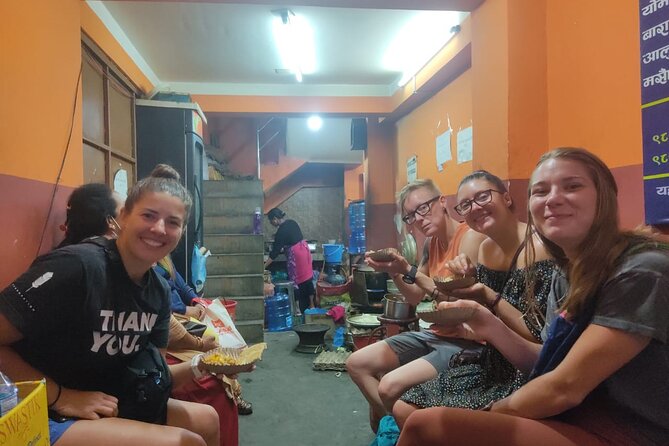
Kathmandu’s best food moments often happen away from polished restaurant fronts. This three-hour walk takes you from the Thamel meeting point into old market streets, where 14 or more tastings may include momos, jerry, pani puri, local drinks, and foods you might never spot on your own.
I like the mix of eating and sightseeing, especially the walk through Indra Chowk’s spice market, temple areas, old houses, and narrow courtyards. I also like the guides, including Swoyam, Jivraj, and Namrata, who bring local context and keep the mood easygoing. The catch is simple: some food stops are basic and very local, so cleanliness may concern cautious eaters.
Key points to know before you book
- 14 or more tastings: Come with a truly empty stomach because portions are generous and the food keeps coming.
- Indra Chowk by foot: The route includes one of Kathmandu’s oldest market areas, with spices, temples, traditional houses, and side alleys.
- Local eating spots: Several stops are small food stalls or eateries that are not easy to find on a map.
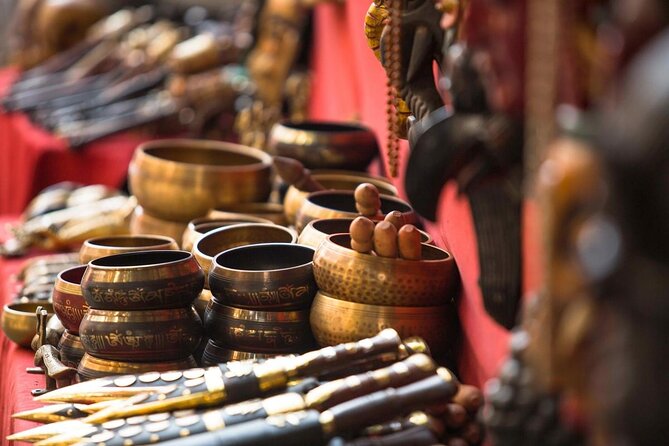
- A sightseeing walk as well as a food tour: You pass old courtyards, religious sites, souvenir shops, and Thamel’s shopping streets.
- Small-group format: The maximum group size is 15 people, with mobile tickets and group discounts available.
- Good value at $35: Food, drinks, a local guide, and three hours of walking make this a strong introduction to Nepali cuisine.
Why this food walk works as a Kathmandu introduction
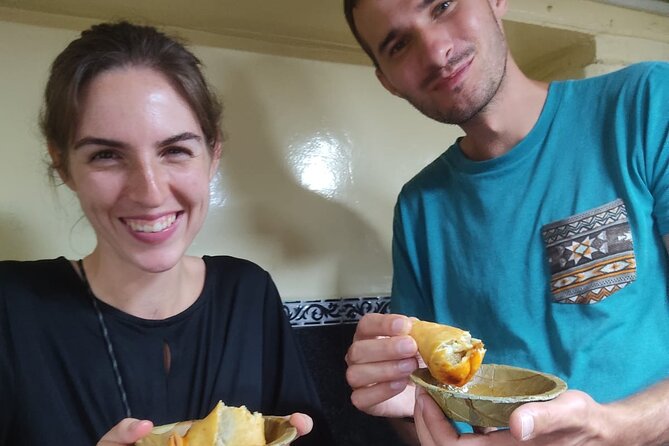
I like a food tour early in a trip because it gives you a practical way to understand a place. You learn what people eat, where they eat it, and how dishes fit into daily life. This tour does that while moving through some of Kathmandu’s oldest and most visited areas.
The route is not just a series of restaurant visits. You walk between stops, so the meal comes with a look at Kathmandu’s streets, religious buildings, old homes, market stalls, and courtyards. That matters here. The city’s food culture is tied closely to neighborhood life, and you get a better sense of it by seeing the places where people shop and eat.
The experience lasts about three hours and begins at Purple Haze Rock Bar on Paryatan Marg in Thamel. It ends back at the same meeting point. Pickup is offered, but the published starting point is the practical detail to plan around, and no air-conditioned vehicle is included. In other words, this is a walking tour, not a drive between restaurants.
More food tours in Kathmandu:
- Kathmandu Food and Drink Walking Tour
★ 5.0 · 266 reviews - Kathmandu: Food and Drink Walking Tour
★ 4.9 · 119 reviews - Walking Street Food Tour in Kathmandu
★ 5.0 · 111 reviews
Starting in Thamel near Purple Haze Rock Bar
Thamel is Kathmandu’s main tourist district and shopping center. It has handicraft shops, clothing stores, jewelry, restaurants, bars, and hotels, making it an easy place to reach and a useful base for a walking tour.
The meeting point at Purple Haze Rock Bar gives you a clear starting location on Paryatan Marg. From there, the route moves beyond the familiar tourist streets. That transition is part of the appeal. You begin in an area built for visitors, then see older neighborhoods and local food places that are less obvious from the main roads.
Your guide may be Swoyam, Jivraj, Namrata, or another member of the local team. The strongest part of the guiding is the personal explanation of food and city life. Swoyam is especially praised for his English, enthusiasm, and ability to make the walk feel relaxed. Jivraj is described as friendly and easy to spend several hours with, while Namrata is noted for her warm, casual approach.
Because the group can include up to 15 people, the feel may vary from a nearly private walk to a fuller small group. That is still a manageable size for a market route, though it is worth remembering that narrow lanes and crowded food stalls can feel less comfortable with a larger group.
Indra Chowk and Kathmandu’s old market streets
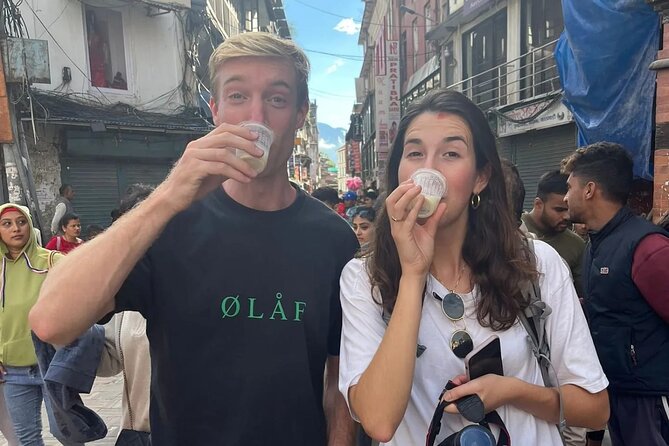
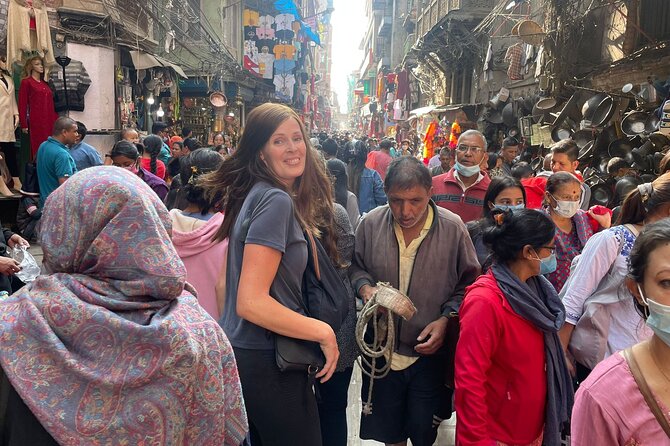
Indra Chowk is the main sightseeing and food section of the route. It is one of Kathmandu’s old market areas, known for its traditional bazaar, spice sellers, temples, old houses, and narrow lanes.
This is where the tour becomes more than a meal. You pass through courtyards and side streets that can be easy to miss if you are simply following a map between major sights. The buildings and market activity give you a closer look at everyday Kathmandu than a quick visit to a single restaurant would.
The spice market is a useful stop for understanding how food begins before it reaches your plate. You may see ingredients sold in a setting that feels practical rather than staged for sightseeing. The area also has souvenir shops and traditional architecture, so there is plenty to look at between tastings.
The drawback is that old market streets are not polished spaces. Surfaces may be uneven, alleys can be crowded, and food stalls may look plain or worn. One point to consider is hygiene. A guide can take you to places popular with local diners, but a local stall may not have the appearance or setup you expect from a tourist restaurant. If you are cautious about food safety, bring hand wipes and ask questions before trying each item.
The food stops: many small bites, not one large meal
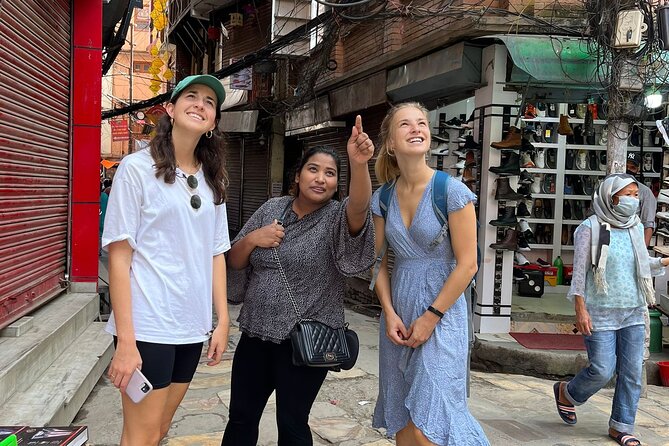
The tour is promoted around 14 or more tastings, and the food is served across several stops. Descriptions of the route refer to roughly six or seven food locations, though the exact order and menu may change.
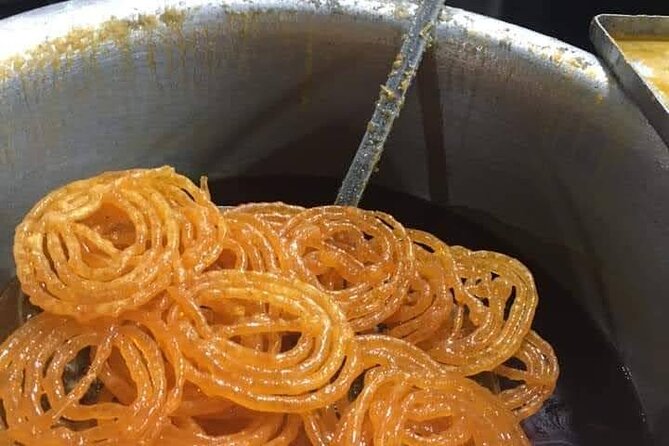
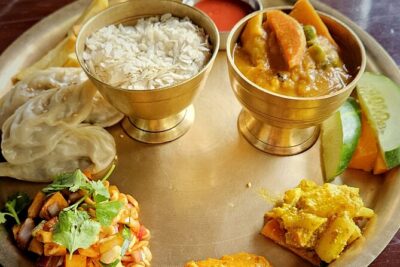
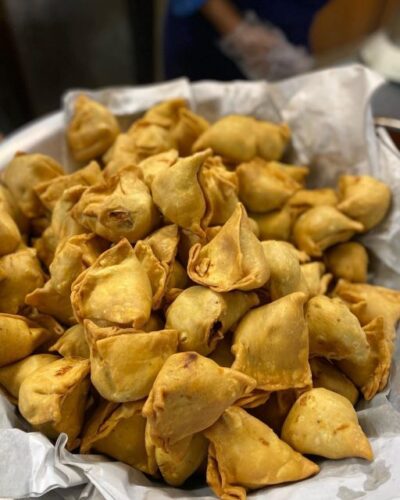
You should expect a broad sample rather than a single signature dish. Momos are among the familiar favorites, and jerry is another frequently enjoyed item. Pani puri may be available, especially if you ask to try it. The food can also include less familiar local dishes and drinks, which is where the tour has its greatest value.
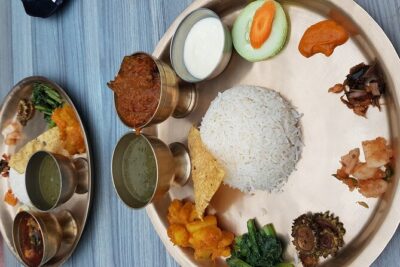
Many visitors arrive expecting only momos and dal bhat. Those are important parts of Nepali food culture, but the tour aims to show more than the two dishes most commonly associated with Nepal. You may taste foods that do not appear on standard restaurant menus or that are difficult to identify from an English-language menu.
That uncertainty is part of the fun, but it also calls for an open mind. Not every dish will suit every palate. The tour is a better fit if you enjoy trying unfamiliar food without needing every course to be a favorite.
The servings sound generous for a tasting walk. Several people needed to stress the same advice: do not eat beforehand. A light breakfast or early meal may be wise if you are joining later in the day, but arriving full would make it difficult to enjoy the range of food.
Coffee and tea are included, along with different types of local food and drinks. The supplied details do not provide a fixed menu, so you should not book expecting a guaranteed list of exact dishes. The advantage is flexibility, since the guide can work with what is available at the time.
Same city, a completely different sort of day:
- Everest Base Camp Trek – 14 Days
★ 5.0 · 1,499 reviews - Private Kathmandu Sightseeing Tour | UNESCO World Heritage sites
★ 5.0 · 756 reviews - Everest Base Camp Helicopter Tour landing at Everest View Hotel
★ 5.0 · 668 reviews - Half day cooking class in Thamel kathmandu
★ 5.0 · 607 reviews
What makes the local stops worth finding
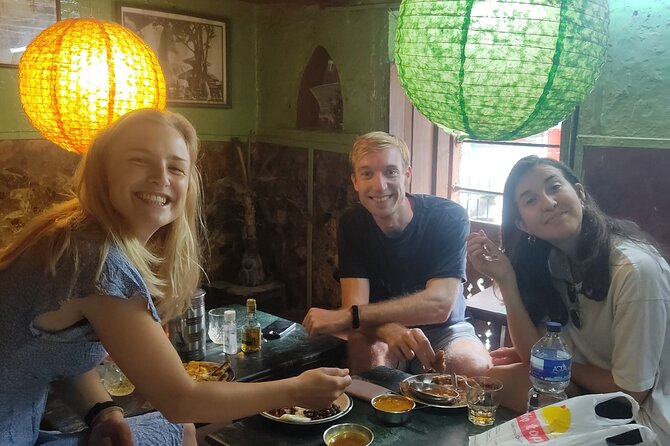
Some of the eateries and stalls are not listed on Google Maps. That is a real benefit in Kathmandu, where the best small food places may have little online presence and no obvious sign for visitors.
You could spend days walking through Thamel and the old city without knowing which doorway leads to a good local snack. A guide saves you that guesswork. The route also helps with ordering and explanation, which is useful when a dish has no clear English label.
The settings are likely to be modest. That is not a flaw by itself, but it affects the type of experience you are buying. You are paying for access, interpretation, and a wide range of tastings, not tablecloths or a refined dining room.
I would keep your expectations practical. Local does not always mean spotless, and a busy stall may look less inviting than a restaurant designed for international diners. At the same time, the most ordinary-looking places can provide the clearest view of how food is eaten in the city. Bring hand wipes, use your own judgment, and tell the guide about any dietary concerns before you begin.
From temples and courtyards to Thamel’s shops
The route combines food with cultural sights in the old city. Between tastings, you may see beautiful temples, traditional houses, courtyards, and tucked-away alleys.
This pacing helps prevent the tour from feeling like a three-hour eating contest. You get short breaks to walk, look around, and ask questions. The old architecture also gives context to the food. Kathmandu’s neighborhoods are not just backdrops, they are where markets, religious spaces, homes, and food vendors operate side by side.
The final section returns toward Thamel. This part is useful if you want to shop after the tour. Thamel has handicrafts, jewelry, clothing, and souvenirs, so you can continue browsing once the food walk ends.
There is a practical tradeoff. The tour covers a lot in three hours, but it is not a dedicated temple tour or a full historical walk. You will see cultural places along the way, yet the guide’s main focus remains food and local life. If your priority is detailed architectural history, book a separate sightseeing tour.
Guide quality and the value of local explanation
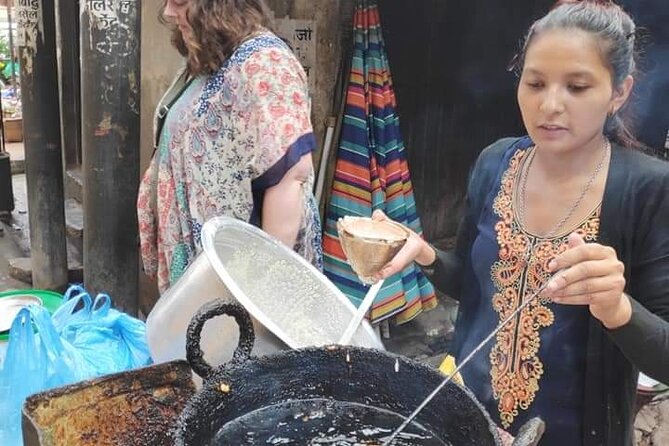
A good food tour depends heavily on the guide, and the named guides receive strong praise for their communication and attitude. Swoyam is repeatedly described as enthusiastic, fluent in English, and able to explain local culture in a personal way. Jivraj is praised for being friendly and helpful, while Namrata is described as fun and easygoing.
That human element is important. A plate of momos tells you only so much. The guide can explain where people eat, how a food fits into daily life, and why a small stall matters even if it looks unremarkable.
The tour also works for repeat visitors. One person joining with a first-time family member found it useful as a way to get oriented, while a repeat visitor still learned new things about Kathmandu. That makes the experience suitable for first visits, but not limited to them.
The guide can also respond to reasonable requests. Pani puri was added when requested during one walk, which suggests some flexibility, although you should not assume every food request can be met. If there is a dish you particularly want to try, mention it at the start.
Is $35 a good price for three hours?
At $35 per person, this is a good-value experience if you want a large amount of food and a guided walk through the old city. The price includes the guide, local food, drinks, and roughly three hours of activity. It also gives you access to places you might not locate on your own.
The value is strongest for first-time visitors who want a quick introduction to Nepali food. You get several dishes in one outing instead of paying separately for full meals at restaurants, and you learn how the food connects to the market districts around you.
It is less compelling if you want an elegant dining experience or if you prefer to choose every dish yourself. The stops are local and sometimes basic. You are paying for variety and access, not comfort or a fixed tasting menu.
Group discounts are available, and the maximum group size is 15. The mobile ticket is useful for keeping the booking on your phone. Confirmation is provided at booking, and service animals are allowed. The activity is near public transportation, but because the tour is on foot, comfortable shoes are the sensible choice.
Free cancellation is available until 24 hours before the start time. Cancelling within 24 hours, or changing the booking during that period, does not qualify for a refund. Poor weather can also affect the tour, in which case you are offered another date or a full refund.
Who should book this Kathmandu food tour?
I would recommend it to you if you want to:
- Try more than the standard momos and dal bhat
- Eat at local stalls and small restaurants
- Walk through Indra Chowk and the old city
- See temples, courtyards, old homes, and market streets during a meal
- Get comfortable with Nepali flavors early in your trip
- Let a guide handle the food choices and ordering
- Eat a large number of small servings for a modest price
You may want to skip it if you need a highly controlled food environment, dislike unfamiliar dishes, or prefer air-conditioned transport. The route includes local places that may look rough around the edges, and the food selection is not presented as a fixed menu.
Families and mixed-age groups can use it as an easy first look at Kathmandu, provided everyone is comfortable walking and tasting unfamiliar foods. It also suits solo visitors because the guide provides company and removes much of the uncertainty around where to eat.
My final call: book if you arrive hungry
I would book this tour as an early Kathmandu activity, especially if you want help finding the city’s local side without spending hours guessing which stalls are worth trying. The strongest features are the number of tastings, the old market route, and guides such as Swoyam, Jivraj, and Namrata who add personality and local explanation.
Come hungry, wear comfortable shoes, and bring hand wipes. If you accept that some stops will be plain and that not every dish will be familiar, the $35 price buys a useful introduction to Kathmandu’s food culture and streets.
FAQ
How long does the Kathmandu food tour last?
The tour lasts approximately three hours.
How many foods will I taste?
The experience is advertised with 14 or more tastings. Food is served at several locations, with descriptions of about six or seven stops.
Where does the tour begin and end?
It begins at Purple Haze Rock Bar on Paryatan Marg in Kathmandu and ends back at the same meeting point.
Is transportation included?
No air-conditioned vehicle is included. This is primarily a walking experience, although pickup is offered.
What areas does the tour visit?
The route includes Thamel, Indra Chowk, old market streets, temples, traditional houses, courtyards, spice sellers, souvenir shops, and narrow alleys.
Is the tour suitable for a group of 15?
Yes. The activity has a maximum group size of 15 travelers.
Can I cancel for a full refund?
Yes, if you cancel at least 24 hours before the experience starts. Cancellations and changes made within 24 hours are not refunded. If poor weather causes the tour to be canceled, you are offered another date or a full refund.
Just added around Kathmandu
- Traditional Momo Making Class★ 5.0 · 10 reviews
- Wildlife Adventure in Chitwan Nepal★ 4.0 · 4 reviews
- Walking tour of real Kathmandu through back streets.★ 5.0 · 3 reviews
- Kathmandu 2 Nights 3 Days Chitwan Jungle Safari Tour★ 5.0 · 9 reviews
- Kathmandu Street Food Walking Tour – Eat Like a Local★ 5.0 · 3 reviews
- Private Manaslu Circuit Trek at Himalayas★ 5.0 · 3 reviews
- Walking tour of Kathmandu with awesome local guides★ 5.0 · 4 reviews
- Visit Swayambhunath and Bauddhanath Stupa with Guide★ 5.0 · 5 reviews
Kathmandu Food Tours, compared.
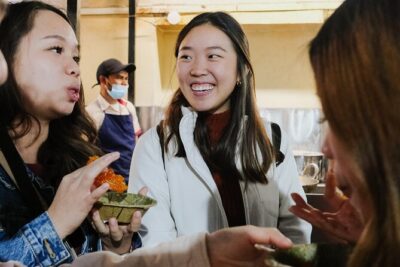
Walking Food Tour in Hidden Local Eateries of Kathmandu
Read our review →
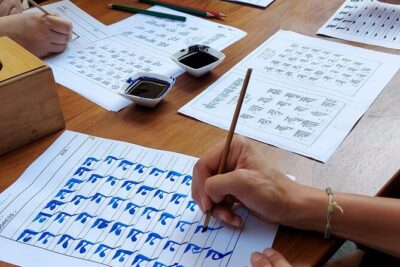
Discover Ranjana Lipi the Traditional Newari Script
Read our review →Browse the lists this tour appears in