
Reviewed · BHAKTAPUR TOURS FROM KATHMANDU
Bhaktapur: Experience the Art of Clay, Curd, and Chant
Bhaktapur’s best moments are often hands-on: your fingers press wet clay into shape, a spoon breaks through cool jujudhau, and temple voices carry the day toward evening. This 4.5-hour outing brings those simple pleasures together with a guided walk through Bhaktapur Durbar Square.
I like the 1.5-hour pottery workshop, which gives you time to do more than watch an artisan work. I also like the local flavor of jujudhau and the chance to sit with a traditional bhajan rather than simply photograph a temple. One consideration is timing: the bhajan is available only on evening departures, so an afternoon start will not include every part of the experience.
Key points to know
- Pottery Square is the hands-on centerpiece: You shape clay with guidance from local artisans using long-established methods.
- Jujudhau is served in a clay bowl: The famous Bhaktapur curd adds a tasty link between the pottery and food portions of the outing.
- Bhaktapur Durbar Square gives the afternoon its historic setting: You get a guided walk and time for photographs.
- The bhajan is an evening-only addition: Plan carefully if the traditional music session is important to you.
- Private transport starts and ends in Kathmandu: This keeps the half-day plan simple, especially when you are staying in the capital.
- A guide from Bhaktapur can add useful local context: Maya Trips also offers guiding in Chinese, English, French, German, Italian, and Spanish.
Why this Bhaktapur afternoon works
Bhaktapur is not just a place to pass through on the way to another sight. Its courtyards, temples, workshops, food traditions, and religious gatherings are closely tied to daily life. This outing gives you several ways to meet the city: by walking through its landmark square, making something with your hands, tasting a local specialty, and listening to a communal devotional performance.
That mix is the main reason I find the plan appealing. Many short city visits become a chain of photo stops. Here, the pottery class slows the pace, while the curd tasting and bhajan give you small but memorable contact with local customs.
The plan lasts 4.5 hours, including private transport from Kathmandu and the return trip. That makes it a good fit if you have only one free afternoon or want a cultural outing without giving up an entire day.
More Bhaktapur day tours:
- Private Bhaktapur and Nagarkot Day Tour From Kathmandu
★ 5.0 · 305 reviews - Day Trip to Bhaktapur and Panauti from Kathmandu
★ 5.0 · 184 reviews - Bhaktapur & Patan Durbar Square Day Tours
★ 5.0 · 122 reviews
From Kathmandu to Bhaktapur Durbar Square
Your pickup is in Kathmandu, followed by a drive to Bhaktapur. The transport is private, so you do not need to manage a public bus connection or fit your plans around a large group. The exact drive time is not provided, and Kathmandu traffic can affect the schedule, so leave some breathing room around the booking.
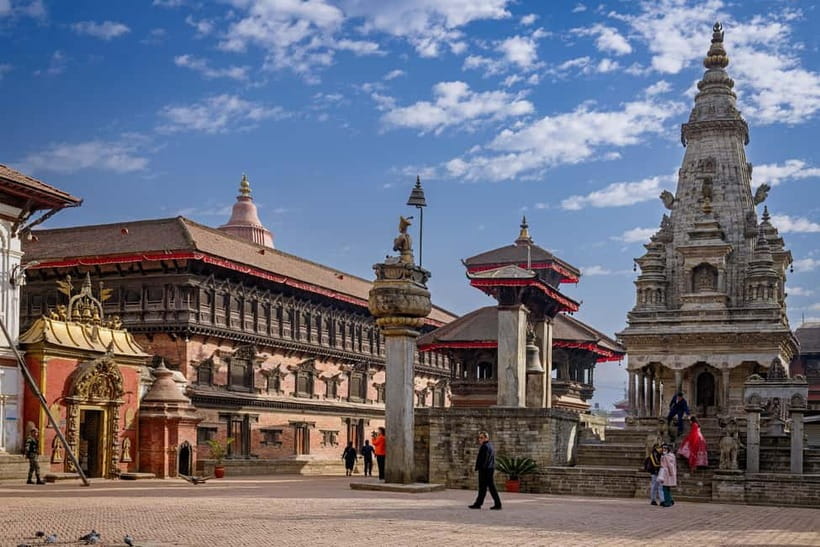
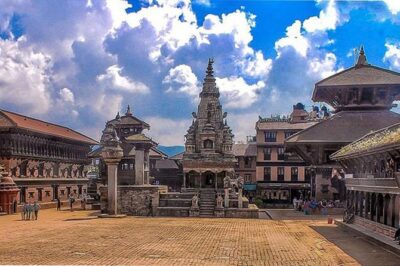
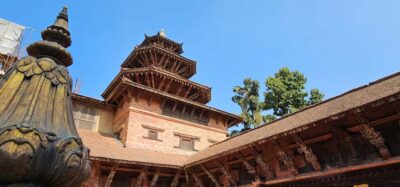
The first main stop is Bhaktapur Durbar Square. Your guide leads you through the UNESCO World Heritage site, with time for sightseeing and photographs. This portion gives you the visual setting for everything that follows: the old Newar town, its carved architecture, and the public spaces where religious and craft traditions continue.
I would treat the square as more than a quick camera stop. Ask your guide how the buildings and courtyards connect to Bhaktapur’s local culture. A guide who knows the city personally can help you read details that are easy to miss when you walk alone.
The schedule describes this section as a guided walk, not a full museum program. That is useful to know. You should expect an overview of the square and its major sights rather than a detailed tour of every monument or an extended archaeology lesson.
Getting your hands dirty at Pottery Square
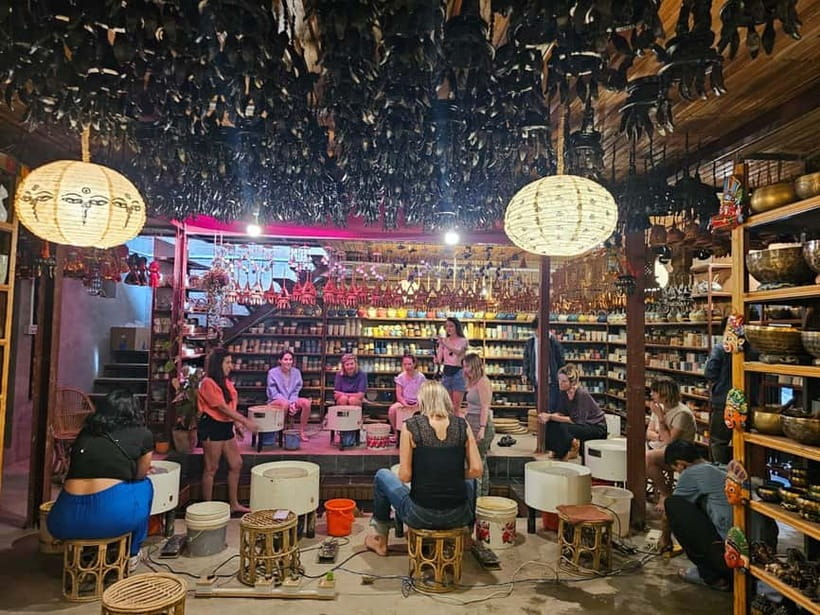
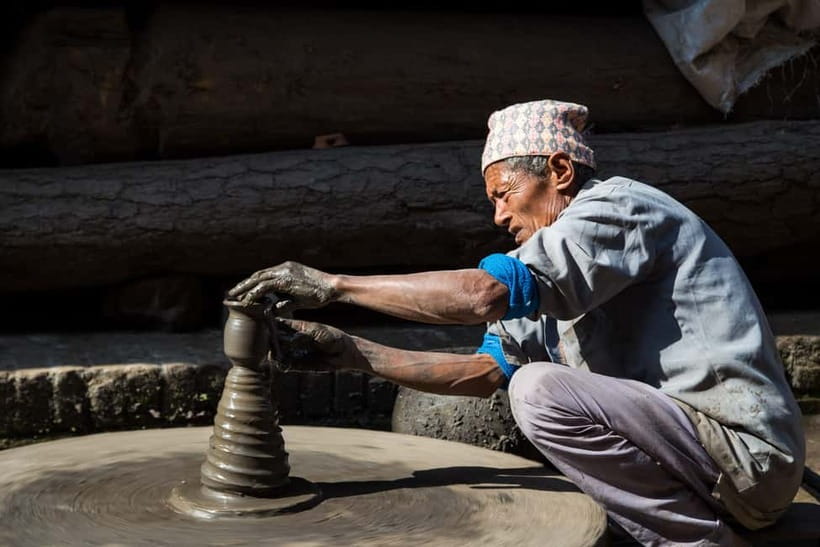
The pottery session is the most active part of the afternoon. At Pottery Square, local artisans show you age-old clay techniques, then guide you as you shape the material yourself. The workshop lasts about 1.5 hours, enough time for an introduction, practice, and a proper attempt at making something.
That length matters. A brief demonstration can be interesting, but it leaves you as a spectator. Ninety minutes gives you a chance to discover that clay has its own opinions. Press too hard and the form shifts; move too fast and the shape can lose balance. The fun comes from trying, adjusting, and laughing at the result.
You do not need to arrive with pottery experience. The activity is designed as a guided class, and the local artisans provide the instruction. Still, keep your expectations sensible. The supplied details do not promise that you will fire a finished piece, take one home, or produce professional-quality pottery. The value is in the making and in seeing a traditional craft from the inside.
This portion should suit families, couples, solo visitors, and anyone who prefers doing something over simply looking at it. It may be less appealing if you dislike hands-on activities or want a fast-moving sightseeing tour.
A guide from Bhaktapur can make this workshop especially useful. The city connection adds context to the craft, and it also helps the session feel tied to the place rather than dropped into the itinerary as a generic activity. Maya Trips provides an English-speaking guide, with other language options available when booking.
Tasting jujudhau in its traditional setting
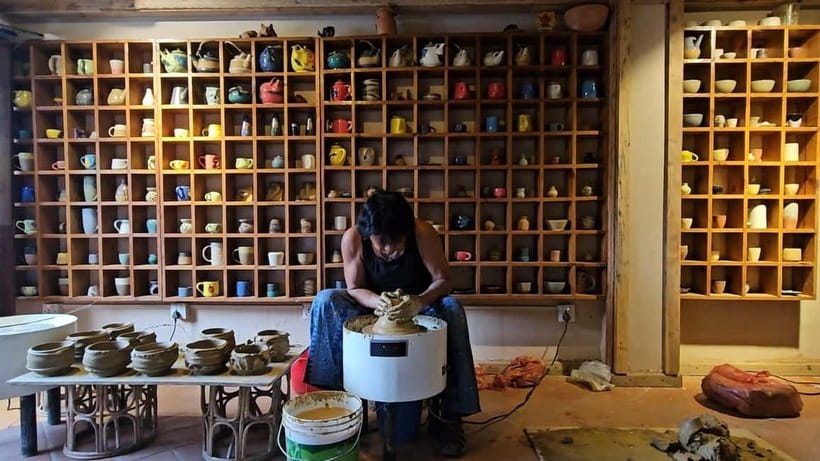
After the workshop, you taste Bhaktapur’s famous jujudhau, also called King curd. It is served in a traditional clay bowl, which links the food stop neatly to the pottery experience.
Jujudhau is more than a snack on this outing. It gives you a taste of a local specialty and a chance to pause after the workshop. The creamy, sweet curd is one of the signature foods associated with Bhaktapur, and the clay bowl makes the presentation feel connected to the town’s craft traditions.
The information provided does not specify the portion size, recipe details, or whether other food is included. Plan on this as a tasting rather than a full meal. If you are booking around lunch or dinner, keep your own meal plans in place.
I like this part because it is simple and specific. You are not just told that Bhaktapur has a food culture. You get to try one of the city’s named specialties, in a serving vessel that reflects the work you have just been learning about.
Same city, a completely different sort of day:
- Everest Base Camp Trek – 14 Days
★ 5.0 · 1,499 reviews - Private Kathmandu Sightseeing Tour | UNESCO World Heritage sites
★ 5.0 · 756 reviews - Everest Base Camp Helicopter Tour landing at Everest View Hotel
★ 5.0 · 668 reviews - Half day cooking class in Thamel kathmandu
★ 5.0 · 607 reviews
The evening bhajan at a local temple
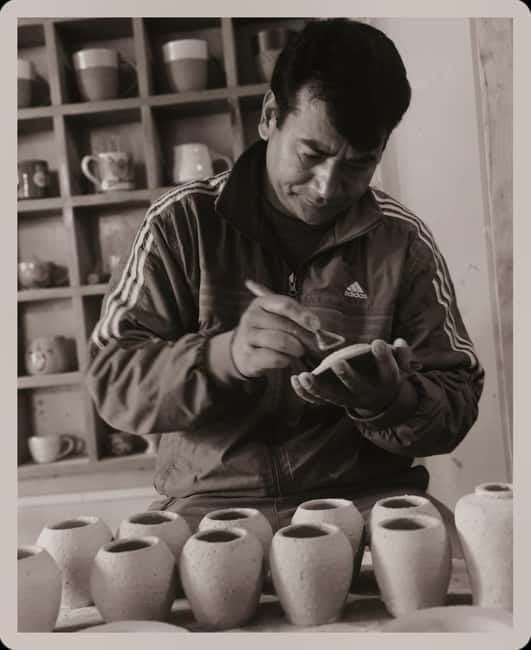
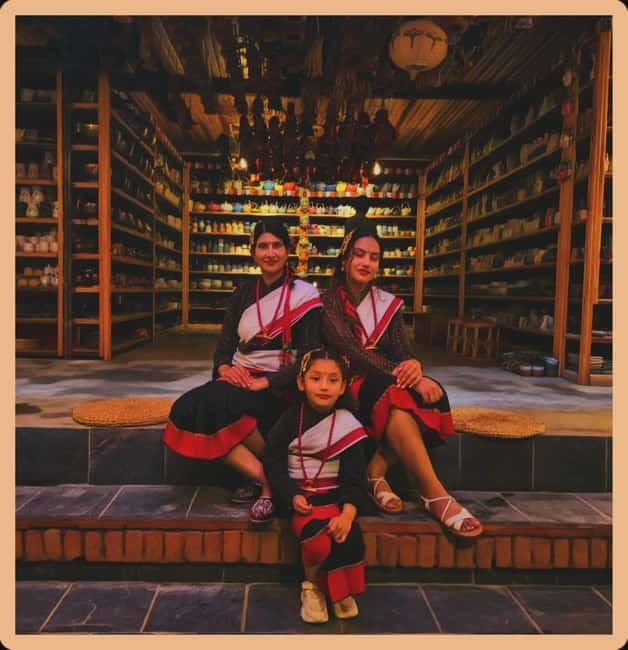
The final cultural element is a traditional evening bhajan with local devotees at a serene temple. A bhajan is a form of devotional folk music, and the experience centers on voices, rhythm, and shared participation. It is a quieter ending than another monument or shopping stop.
This is the part that requires the most careful planning. The bhajan is available only during evening time slots. If you choose a daytime departure, you may still receive the pottery, food, and Durbar Square portions, but you should not expect the temple music session.
The session is also not presented as a concert staged for tourists. You join a local setting where devotees are taking part in a religious musical tradition. That means you should follow your guide’s lead on where to sit or stand, keep your voice low, and dress and behave respectfully.
The experience may appeal most to people who enjoy cultural encounters that are calm and observational. If you want a dramatic performance with a formal start and finish, this may feel less predictable. The point is the atmosphere and the connection to local religious life, not a polished stage show.
What the $86 price includes
At $86 per person, this is not the cheapest way to reach Bhaktapur. The price makes more sense when you look at what is bundled together: private transportation from Kathmandu, an English-speaking guide, a guided Durbar Square walk, a 1.5-hour pottery workshop, jujudhau tasting, and the evening bhajan when the timing allows.
For a solo visitor, the cost may feel substantial for a half-day. For a couple, family, or small private group, private transport and a dedicated guide can make the amount easier to justify. You are paying for a planned sequence rather than arranging several separate pieces on your own.
The private-group option is useful if you want to ask questions freely or spend more time at the workshop. It also avoids the compromises of a large group, though the available details do not specify the maximum group size or how the price changes for different numbers of people.
The strongest value comes from the combination of activities. A simple Durbar Square visit would likely cost less if arranged independently, but it would not give you the pottery instruction, organized curd tasting, and temple music in one short outing. If those three elements matter to you, the price is easier to defend.
Timing, languages, and practical planning
The experience runs for 4.5 hours, but the order and exact start time depend on availability. Check the departure options before booking, especially if you want the bhajan. An evening slot is essential for that part of the program.
The guide language choices are unusually broad for a short cultural tour: Chinese, English, French, German, Italian, and Spanish are listed. Confirm your preferred language at booking rather than assuming every departure offers every option.
Private transportation is included, with pickup in Kathmandu and return to Kathmandu. That is convenient if you are based in the capital and want a straightforward outing. The supplied information does not specify hotel pickup boundaries, vehicle type, or whether entrance fees beyond the stated activities are included, so confirm those details if they affect your budget.
Maya Trips is described as punctual and clear in its communication. That matters for a compact itinerary, since delays can cut into the workshop or make the evening temple visit difficult. The provider also offers free cancellation up to 24 hours before the activity and a reserve-now, pay-later option, which can help if your Nepal plans are still changing.
Who will enjoy this experience most
I would recommend this outing to you if you want more than landmark photographs. It suits people who like craft demonstrations, local food, and small cultural encounters that require some participation.
It is also a good choice for a first visit to Bhaktapur. The guide gives you an introduction to Durbar Square, while the pottery and jujudhau add details you would not get from a walk through the monuments alone.
Families may enjoy the clay workshop because it gives children a clear activity and a chance to make something. Couples and small groups may appreciate the private transport and the slower temple finish. The multilingual guide options also make the tour accessible to a wider range of visitors.
You may want a different plan if you prefer a full-day historical tour, extensive monument interiors, or a packed list of sights. You should also choose another departure if your schedule does not allow an evening time slot and the bhajan is the main reason you are interested.
Final call: book it for the mix, not just the square
I would book this experience if you want a compact introduction to Bhaktapur that combines making, tasting, walking, and listening. The pottery workshop is the clear anchor, while jujudhau adds a local flavor and the bhajan gives the afternoon a reflective close.
The $86 price is fair for a private half-day package when you value transport, guiding, and several arranged activities. It is less compelling if you only want to see Durbar Square or if you are counting every dollar and can organize the visit independently.
Choose an evening departure, confirm your guide language, and leave room around the transport schedule. If you do that, this is a thoughtful way to meet Bhaktapur through its crafts and customs rather than simply passing through its famous square.
FAQ
How long does the Bhaktapur experience last?
The experience lasts 4.5 hours, including private transportation from Kathmandu and the return journey.
Where does the tour start?
Pickup is in Kathmandu.
Is the pottery workshop included?
Yes. A guided pottery-making workshop is included, and the workshop lasts about 1.5 hours.
Do I get to taste jujudhau?
Yes. The experience includes a tasting of Bhaktapur’s iconic jujudhau, also called King curd, served in a traditional clay bowl.
Is the bhajan available on every departure?
No. The bhajan experience is available only with evening time slots.
Which languages are available for the guide?
Guiding is available in Chinese, English, French, German, Italian, and Spanish.
Can I cancel the booking?
Yes. You can cancel up to 24 hours in advance for a full refund. The experience also offers a reserve-now, pay-later option.
Just added around Kathmandu
- Traditional Momo Making Class★ 5.0 · 10 reviews
- Wildlife Adventure in Chitwan Nepal★ 4.0 · 4 reviews
- Walking tour of real Kathmandu through back streets.★ 5.0 · 3 reviews
- Kathmandu 2 Nights 3 Days Chitwan Jungle Safari Tour★ 5.0 · 9 reviews
- Kathmandu Street Food Walking Tour – Eat Like a Local★ 5.0 · 3 reviews
- Private Manaslu Circuit Trek at Himalayas★ 5.0 · 3 reviews
- Walking tour of Kathmandu with awesome local guides★ 5.0 · 4 reviews
- Visit Swayambhunath and Bauddhanath Stupa with Guide★ 5.0 · 5 reviews
Bhaktapur Tours from Kathmandu, compared.
Private Bhaktapur and Nagarkot Day Tour From Kathmandu
Read our review →
Day Trip to Bhaktapur and Panauti from Kathmandu
Read our review →

Nagarkot Sunrise & Bhaktapur UNESCO Heritage Private Tour
Read our review →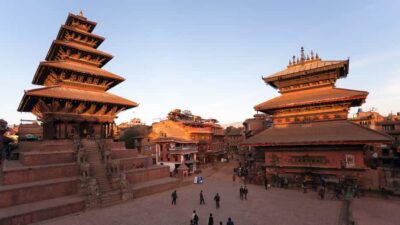
Nagarkot Sunrise & Bhaktapur Heritage Tour -Private Full Day Trip
Read our review →
Browse the lists this tour appears in