
Reviewed · BHAKTAPUR TOURS FROM KATHMANDU
Kathmandu Bhaktapur Patan Authentic Local Tour +7 UNESCO WH Sites
Bhaktapur’s Juju Dhau making, Patan’s old artisan lanes, and Kathmandu’s Ason market give this three-day tour its real character. You are not simply ticking off temples. You are seeing how food, craft, worship, and trade still fit into daily life.
I like the native Newar guides, especially the local connection offered by guides such as Nirajan, who comes from Bhaktapur. I also like the private vehicle, included entrance fees, and the chance to visit small courtyards and workshops that a quick city tour usually skips.
The main drawback is the pace. You cover a lot in three long days, and the price of $385 per person does not include meals or accommodation. You will get more depth than on a basic sightseeing tour, but you should still expect plenty of walking, stairs, traffic, and temple fatigue.
Key points to know before booking
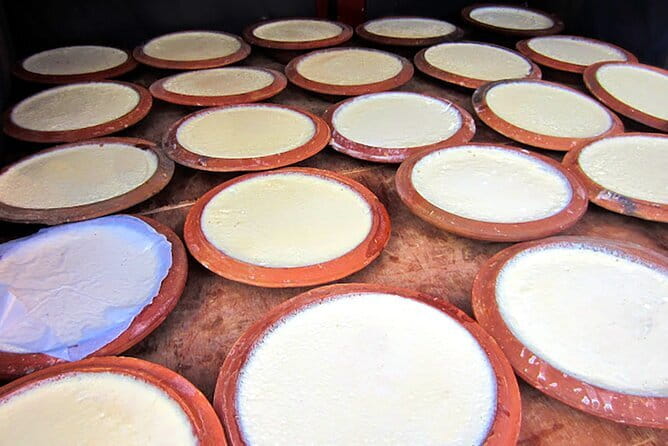
- Juju Dhau in Bhaktapur: Watch the famous thick, sweet yogurt being prepared, then sample local Newari food if you wish.
- Seven UNESCO World Heritage sites: The program connects the major historic and religious areas of Kathmandu Valley.
- Craft traditions up close: See pottery in Bhaktapur, religious idol carving in Patan, and old woodwork along local lanes.
- Private touring: Your group travels in an air-conditioned vehicle, with a professional local tour leader and entrance fees included.
- Three cities, three personalities: Bhaktapur feels ceremonial and traditional, Patan is known for fine art and Buddhist courtyards, and Kathmandu brings markets, temples, and city life.
- A full schedule: The tour starts at 9:15 a.m. and includes long sightseeing days, with an optional evening in Thamel or Jhamsikhel.
Why this tour reaches beyond the postcard view
Kathmandu Valley is not one single historic town. It is a chain of old settlements, each with its own Newar traditions, temples, courtyards, and working neighborhoods. This tour gives you time in Bhaktapur, Patan, and Kathmandu rather than treating them as quick photo stops.
That difference matters. A short visit to a Durbar Square may show you carved windows and pagoda roofs, but a local demonstration gives you a better sense of how the old culture continues. You see yogurt being made, pottery being shaped, fountains still tied to community life, and religious images being produced by families who have practiced the craft for generations.
The native guide is central to the experience. The company has used guides including Nirajan, a Bhaktapur native, and Kamal. Your exact guide may differ, but the tour is designed around local knowledge rather than a generic city commentary.
You also travel privately, which gives the group some control over breaks and timing. That is useful in Kathmandu Valley, where road conditions can make a short distance take much longer than expected.
More Patan day tours:
- Bhaktapur & Patan Durbar Square Day Tours
★ 5.0 · 122 reviews - Kathmandu: Private Patan and Bhaktapur Sightseeing Tour
★ 4.7 · 64 reviews - Patan and Bhaktapur City Full Day Tour
★ 5.0 · 24 reviews
Day one: Bhaktapur, from Juju Dhau to Navadurga
The first day focuses on Bhaktapur, perhaps the most traditional-feeling of the three old cities. Begin with a live Juju Dhau session, where a local expert explains how Bhaktapur’s celebrated yogurt is prepared.
Juju Dhau is more than a dessert stop. It is a local specialty closely tied to Bhaktapur’s identity, and watching the preparation gives you a useful introduction to Newari food culture. The session takes about two hours, so it is not just a quick tasting.
You then move to Siddha Pokhari, a historic pond near the entrance to Bhaktapur Durbar Square. It provides a calmer opening before the tighter lanes and temple-filled center. The visit lasts about 30 minutes.
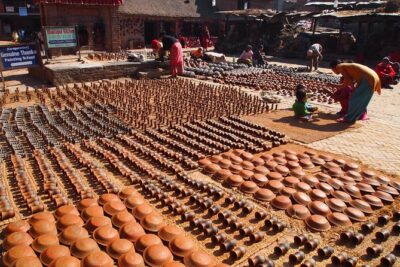
Next comes Pottery Square. This is one of the most rewarding stops for anyone interested in working traditions. Local potters shape and dry their wares in the open, giving you a direct look at a craft that is easy to miss if you only visit the main square.
A pottery lesson is listed as part of the wider experience, but the exact amount of hands-on participation may depend on the day and the artisans available. Think of this as a working neighborhood first and a staged demonstration second.
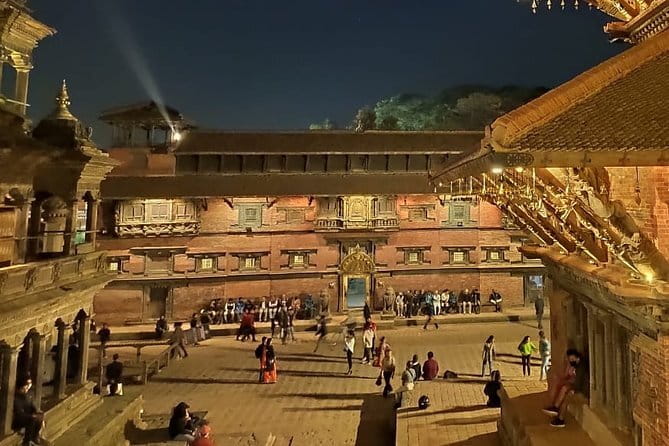
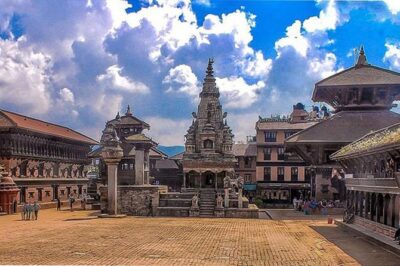
Bhaktapur Durbar Square follows. This is the grand architectural center of the city, with palace buildings, temples, carved details, and open spaces shaped by the old royal court. The tour allows about an hour here, enough for an introduction but not enough to inspect every corner at leisure.
The next stops take you away from the most famous buildings. Chandeshwori Temple is a smaller three-story pagoda shrine in Tibukchhen Tole. It gives you a sense of how worship is woven into residential quarters, not confined to major monuments.
You then have the chance to try Newari food. Food is not included in the tour price, and tasting is optional, but this is one place where I would budget extra. Ask the guide which dishes are best that day and how they are normally eaten.
Dattatreya Temple comes later, reached through Khacha Pokhari. The temple is associated with King Yaksha Malla and dates to the 14th century. It is an important stop for understanding Bhaktapur’s religious mix, with Hindu and Buddhist traditions often sharing the same urban space.
The final Bhaktapur visit is connected with the Navadurga temples on the edge of the city. These shrines are linked with protection of Bhaktapur and have a particular order of worship. This part may appeal most to visitors who want religious context rather than only architecture.
The day includes several admission sites and plenty of walking. Wear shoes that handle uneven paving, and do not expect the schedule to feel like a relaxed museum visit.
Day two: Patan’s courtyards, fountains, and fine metalwork
Patan, also called Lalitpur, has a different mood from Bhaktapur. It was a major Malla capital, and its old center is packed with Buddhist monasteries, Hindu temples, water fountains, and workshops.
Start at Patan Dhoka, the old gateway into the city. It is a useful orientation point, because the route then leads through neighborhoods rather than taking you straight to the main square.
Pimbahal Stupa comes next, about 650 meters from Patan Durbar Square. The stupa sits beside Jagamadu Pond and remains important to Buddhist practice. The pond and shrine also show how water, religion, and public space once worked together in the old city.
Nagbahal Hiti is another compact but worthwhile stop. A hiti is a traditional stone water fountain, and this one is believed to date to the eighth century. It is still used for cultural events, which makes it more than an archaeological object.
The Golden Temple, or Hiranya Varna Mahavihar, is one of Patan’s essential visits. It is a Newar Buddhist monastery founded in 1409. Despite its popular name, it is not made entirely of gold. The appeal lies in its decorated courtyards, metalwork, and active religious setting.
The narrow entrance and enclosed design can make the monastery feel surprisingly intimate. Take time to look upward and around the courtyard instead of rushing toward the next stop.
Kumbheshwor Temple follows. This older Hindu shrine is associated with the late 14th century and adds another layer to Patan’s religious life. You are moving between Buddhist and Hindu places throughout the day, often within a short walk of one another.
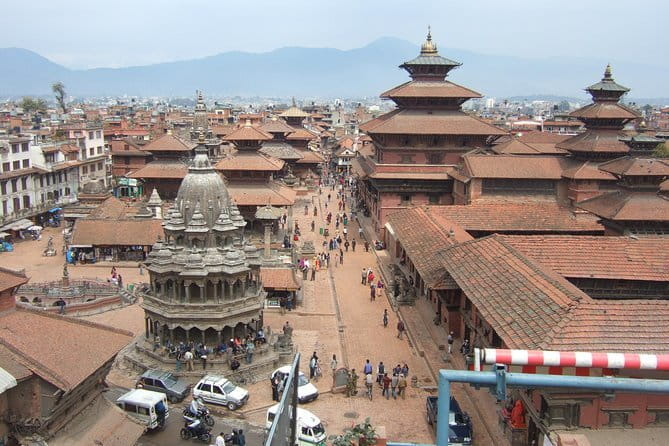
Patan Durbar Square is the major architectural highlight. The royal palace complex is surrounded by temples and courtyards, with some of the valley’s finest carved details concentrated in a small area.
The square can feel crowded and visually packed, so listen carefully to the guide’s explanation of the palace, temples, and rebuilding work. The tour includes admission, which helps keep the day simple, but you may want extra time here if you are especially interested in photography or wood carving.
After the square, the route continues to the Golden Fountain. This ornate water spout has been studied by Nepali art historian Gautama Vajracharya. It is an excellent example of why Patan rewards slow walking. Important art is not always displayed behind a formal entrance.
Mahaboudha Temple is another highlight. Built in the 14th century, it uses clay bricks and extensive terra-cotta decoration. Its appearance differs from the more familiar pagoda forms around it, making it a good reminder that Buddhist architecture in Nepal is not one single style.
Rudravarna Mahavihar, also known as Oku Bahal, adds another Buddhist monastery to the day. Its three courtyards each have their own details, and the quieter setting offers a counterpoint to Patan Durbar Square.
The final portion takes you through old Patan lanes where Shilpakar families continue woodwork traditions. The tour also includes a religious idol hand-carving session. This is one of the strongest reasons to choose the program over a standard palace-square visit.
The exact workshop setting is not specified, so you should not expect a guaranteed private demonstration by a particular artisan. Still, the chance to see local craft in its working context gives the day more meaning than a series of monument visits.
Day three: Kathmandu markets, hilltop worship, and major stupas
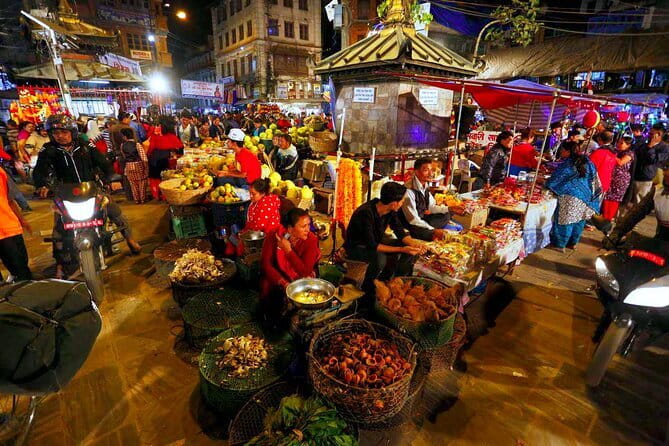
The final day begins in Kathmandu’s central old town. The route passes through Thamel and the narrow lanes of Ason Tole, one of the city’s long-standing shopping areas, before reaching Newroad Gate and Kathmandu Durbar Square.
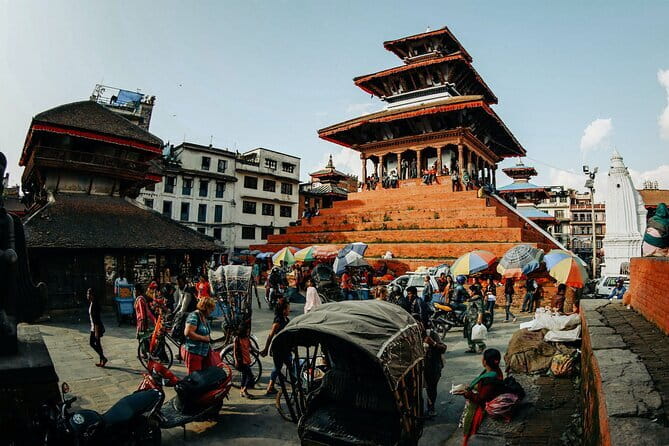
Ason is especially useful if you want to see Kathmandu as a living city rather than a collection of monuments. Shops and local commerce fill the lanes, and the streets can be crowded and difficult for vehicles. This is a walking section, so keep valuables secure and stay close to the guide.
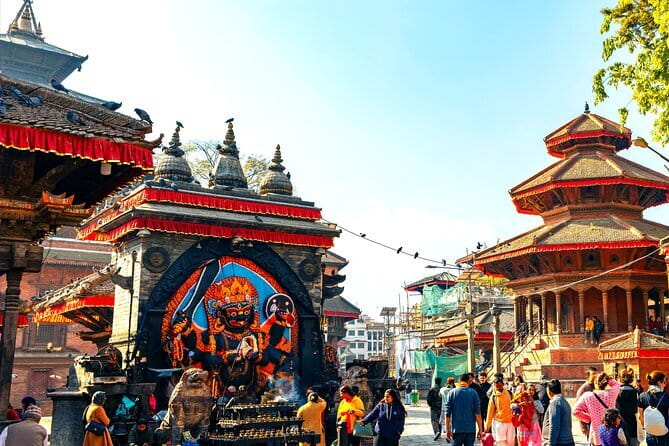
Kathmandu Durbar Square brings together palace courtyards, temples, and old royal buildings. The visit lasts about two hours, giving you time to connect the architecture with the city’s political and religious past.
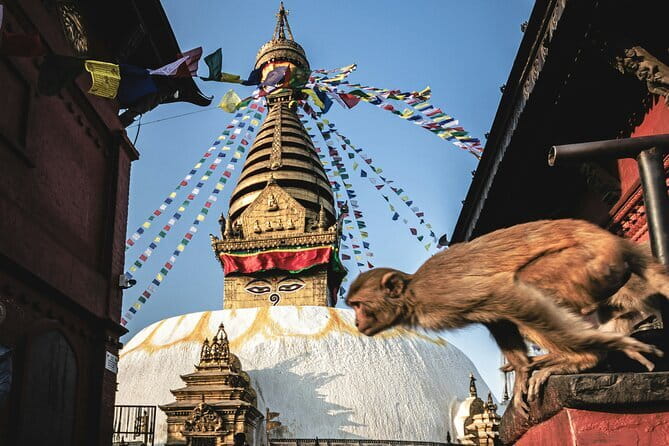
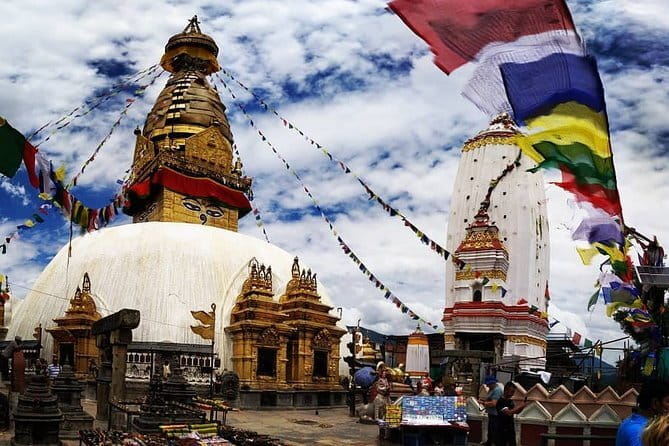
The route then goes to Swayambhunath, often called the Monkey Temple. The hilltop stupa is one of Kathmandu Valley’s best-known religious sites. You can expect steps and an active temple environment, along with broad views over the city when conditions are clear.
Budhanilkanth Temple is a shorter stop, about 30 minutes. Also called Jal Narayan, it is known for its large reclining Vishnu image set in water. The peaceful setting provides a change from the noise and density of central Kathmandu.
Boudhanath Stupa receives a longer visit of about two hours. The great white stupa is closely linked with Tibetan Buddhist practice and has likely existed in some form since after AD 600. Walking around the stupa is more rewarding when you slow down and observe the religious activity rather than treating it as a quick photo stop.
Pashupatinath Temple follows. Located on the Bagmati River, it is one of Nepal’s most important Hindu pilgrimage places. Parts of the complex may be restricted to non-Hindu visitors, so your guide’s explanation and the permitted viewing areas are important.
The day ends with an optional evening in Thamel or Jhamsikhel. The advertised escorted access includes restaurants, pubs, clubs, and streets, but the cost of food, drinks, and evening entertainment is not included. You can use this option to continue the social side of the trip, or simply end after Pashupatinath if three full days have worn you out.
More Bhaktapur day tours:
- Private Bhaktapur and Nagarkot Day Tour From Kathmandu
★ 5.0 · 305 reviews - Day Trip to Bhaktapur and Panauti from Kathmandu
★ 5.0 · 184 reviews - Nagarkot Sunrise & Bhaktapur UNESCO Heritage Private Tour
★ 5.0 · 66 reviews - Bhaktapur & Nagarkot Day Tour with Lunch – Private/Group
★ 4.9 · 62 reviews
What the $385 price really covers
At $385 per person, this is not a bargain city walk. It is priced as a private, three-day program with an air-conditioned vehicle, a professional local guide, entrance fees, environmental management fees, and one bottle of water per day.
The value is strongest if you want one organized package covering three historic cities and the major religious sites. Paying separately for transport, admissions, and a private guide could become complicated, especially when traffic and unfamiliar streets enter the picture.
Meals and accommodation are not included. That gives you freedom to choose among hotel brands and luxury options, but it also means the final budget will be higher than the tour price. Group discounts may be available, so the per-person cost could make more sense for families or small groups.
Food is optional at some stops, but I would plan for meals rather than treating them as an afterthought. Newari food is one of the best ways to connect the different neighborhoods you are visiting.
Who will enjoy this tour most
I would choose this experience if you want context, local craft, and old-city walking in addition to the major monuments. It suits first-time visitors who want a structured introduction to Kathmandu Valley without joining a large group.
It also works well for families and private groups that prefer their own vehicle. Most people can participate, public toilets are available, and service animals are allowed.
I would hesitate if you want a slow holiday with late starts. The schedule begins at 9:15 a.m. and packs many stops into each day. You should also be comfortable walking through narrow lanes, standing at temples, and managing uneven surfaces.
The tour has a five-star rating from seven submitted reviews, with particular praise for the local guides, the Juju Dhau session, pottery, food, shopping, and access to less familiar corners of Bhaktapur and Patan. That pattern tells me where the tour earns its price: in the human details between the major monuments.
Free cancellation is available up to 24 hours before the start time. Changes or cancellations inside that window are not accepted for a refund.
Should you book it?
Book this tour if you want Kathmandu Valley explained through its living traditions, not just its famous squares. The strongest parts are the Bhaktapur food and pottery visits, Patan’s monasteries and carving traditions, and the guide’s ability to connect old buildings with present-day local life.
Skip it if you prefer independent wandering, low-cost sightseeing, or a lighter schedule. For everyone else, the private format, included admissions, and native guide make $385 a reasonable price for three very full days, provided you budget separately for meals and lodging.
FAQ
How long is the Kathmandu, Bhaktapur, and Patan tour?
The experience lasts approximately three days, with a full sightseeing program each day.
What time does the tour start?
The listed start time is 9:15 a.m.
Is transportation included?
Yes. Private transportation in an air-conditioned vehicle is included.
Are entrance fees included?
Yes. Entrance fees and environmental management fees for the attractions listed in the program are included.
Are meals included?
No. Food is not included, although the guide will advise you about local dining and tasting options.
Is accommodation included?
No. Accommodation is separate, and several hotel and luxury options may be selected.
Is the tour private?
Yes. Only your group participates in the private activity.
Which local food experience is included?
In Bhaktapur, you can watch a live preparation session for Juju Dhau, the city’s well-known yogurt. Optional Newari food tasting is also offered.
Does the tour include craft demonstrations?
Yes. The program includes pottery and art in Bhaktapur, plus religious idol hand-carving in Patan and visits through old artisan areas.
Can I cancel for a refund?
You can cancel up to 24 hours before the experience starts for a full refund. Cancellations or changes made less than 24 hours before the start time are not accepted for a refund.
More UNESCO heritage sites in Kathmandu
- Private Kathmandu Sightseeing Tour | UNESCO World Heritage sites
★ 5.0 · 756 reviews - Kathmandu: Full Day 7 UNESCO Tour with Lunch – Private/Group
★ 5.0 · 415 reviews - Kathmandu: Full Day Top 4 UNESCO Tour with Lunch – Private/Group
★ 5.0 · 269 reviews - UNESCO Seven World Heritage Tour in Kathmandu
★ 5.0 · 253 reviews
Just added around Kathmandu
- Traditional Momo Making Class★ 5.0 · 10 reviews
- Wildlife Adventure in Chitwan Nepal★ 4.0 · 4 reviews
- Walking tour of real Kathmandu through back streets.★ 5.0 · 3 reviews
- Kathmandu 2 Nights 3 Days Chitwan Jungle Safari Tour★ 5.0 · 9 reviews
- Kathmandu Street Food Walking Tour – Eat Like a Local★ 5.0 · 3 reviews
- Private Manaslu Circuit Trek at Himalayas★ 5.0 · 3 reviews
- Walking tour of Kathmandu with awesome local guides★ 5.0 · 4 reviews
- Visit Swayambhunath and Bauddhanath Stupa with Guide★ 5.0 · 5 reviews
Bhaktapur Tours from Kathmandu, compared.
Private Bhaktapur and Nagarkot Day Tour From Kathmandu
Read our review →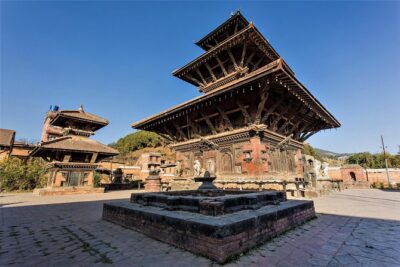
Day Trip to Bhaktapur and Panauti from Kathmandu
Read our review →
Nagarkot Sunrise & Bhaktapur UNESCO Heritage Private Tour
Read our review →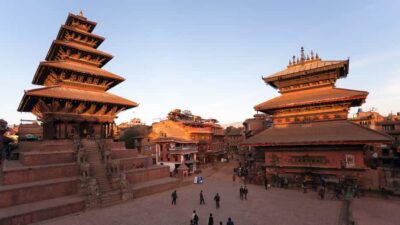
Nagarkot Sunrise & Bhaktapur Heritage Tour -Private Full Day Trip
Read our review →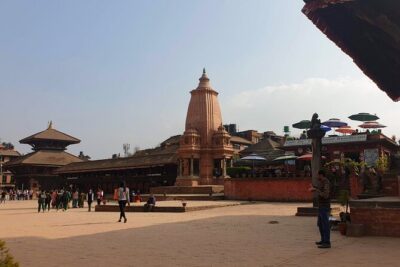
Browse the lists this tour appears in