
Reviewed · NEPAL PILGRIMAGE AND SPIRITUAL TOURS FROM KATHMANDU
Kathmandu: Kailash Mansarovar Yatra Tour 2025
Mount Kailash and Lake Mansarovar are the heart of this 15-day journey, but the trip begins with Nepal’s temples, old cities, and a short Himalayan hike. The three-day Kailash Kora is the main test: you cross Droma La Pass at high altitude, then sleep in basic lodgings near the trail.
I like the thoughtful build-up, from Kathmandu sightseeing and Nagarkot to acclimatization in Kerung and Saga. I also like the small group limit of 10 and the practical support from Peregrine Treks, including passport and permit help from Mr. CarKey. The hard truth is that roads can be rough, weather can stop the plan, and a night at Zutulpuk may be very basic.
Key points to know before booking
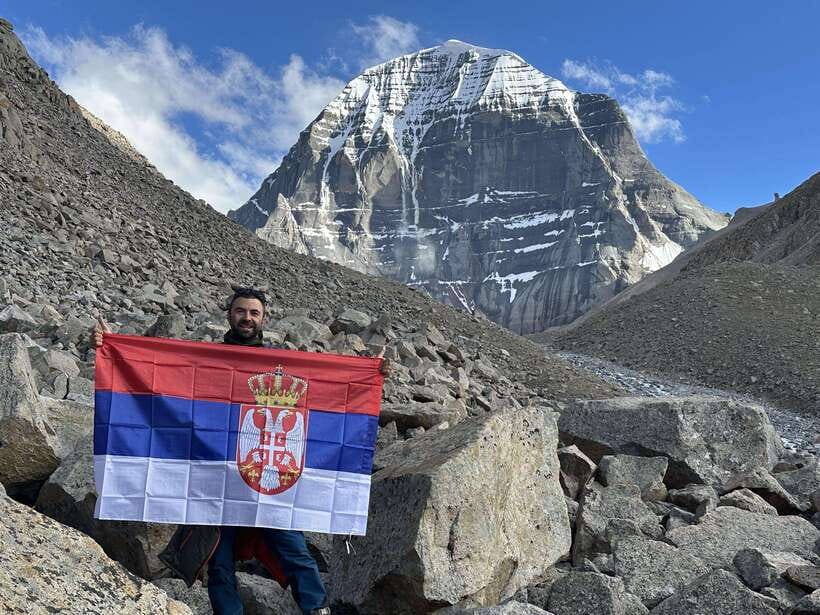
- A true high-altitude pilgrimage: The Kora reaches Droma La Pass, where fitness and careful pacing matter.
- Strong Nepal opening: You visit four Kathmandu UNESCO sites, then explore Patan and Bhaktapur.
- Lake Mansarovar is a major highlight: Time is set aside for rituals and quiet reflection beside the sacred lake.
- Small group support: The group is limited to 10, with an English-speaking guide in Tibet.
- Basic nights are part of the deal: Three nights use shared guest houses at Mansarovar, Darchen, and Zutulpuk.
- The $4,013 price is not all-inclusive: Lunches, dinners, porter or pony hire, insurance, visa costs, and some delays cost extra.
Kathmandu gives you a useful start
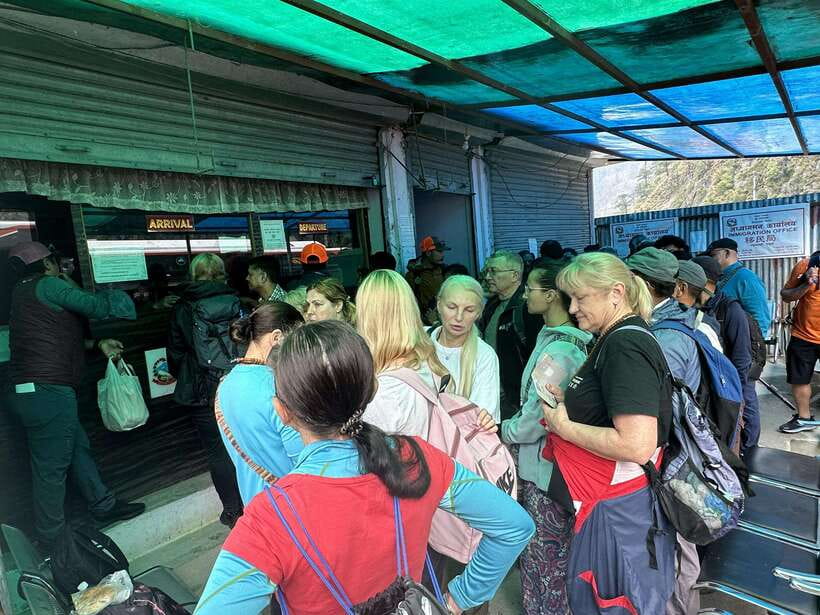
Your first day is deliberately simple. An airport transfer takes you from Tribhuvan International Airport to your hotel, giving you time to rest and begin adjusting to Nepal.
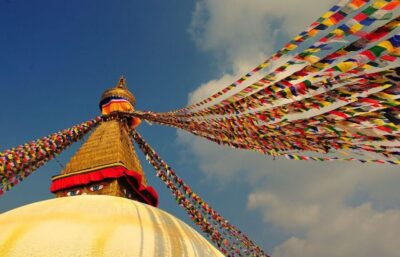
Day two brings four major sights: Kathmandu Durbar Square, Swayambhunath, Boudhanath Stupa, and Pashupatinath Temple. This is a strong introduction to the religious mix you will encounter later in Tibet. At Pashupatinath, Hindu visitors can take part in worship, while the temple grounds also offer plenty to observe if you follow another faith.
There is also paperwork. Your passport is submitted for the Tibet Travel Permit and Chinese Group Visa. One useful detail from the trip arrangements is that the passport was returned after about four days, along with copies of the visa and permit. You should keep your own copies and carry your passport whenever it is returned to you.
Day three takes you to Patan and Bhaktapur. Their Durbar Squares show off Newari design, carved wood, brick buildings, and old royal courtyards. This day is less about ticking off sights and more about seeing how much Nepal changes from one historic city to the next.
More Nepal pilgrimage trips:
- Kathmandu Spiritual Sites: Bodhnath & Pashupatinath Tour
★ 5.0 · 185 reviews - From Kathmandu: 2 Stupas and Kopan Monastery Spiritual Tour
★ 4.8 · 115 reviews - Shamanism Tour in Nepal – One-to-one Consultation with Sharmans
★ 4.5 · 42 reviews
Nagarkot is more than a warm-up hike
On day four, you hike from Bhaktapur toward Nagarkot. The route gives you a gentler physical start before Tibet, with Himalayan views when weather allows. You also have time to prepare for the Kora, shop for supplies, and check that your warm clothing and footwear are ready.
I like this stop because it breaks up the city sightseeing. Still, do not mistake a short Nepal hike for preparation for the Kailash crossing. The Kora is longer, higher, and more demanding. You need to be comfortable walking uphill and following a steady pace.
The tour includes a private vehicle, an English-speaking guide, and entrance fees for the Nagarkot hike. That makes this day easy to manage, but you should use it to ask the guide practical questions about food, water, altitude, and the three-day trek.
The road to Rasuwagadhi sets the tone
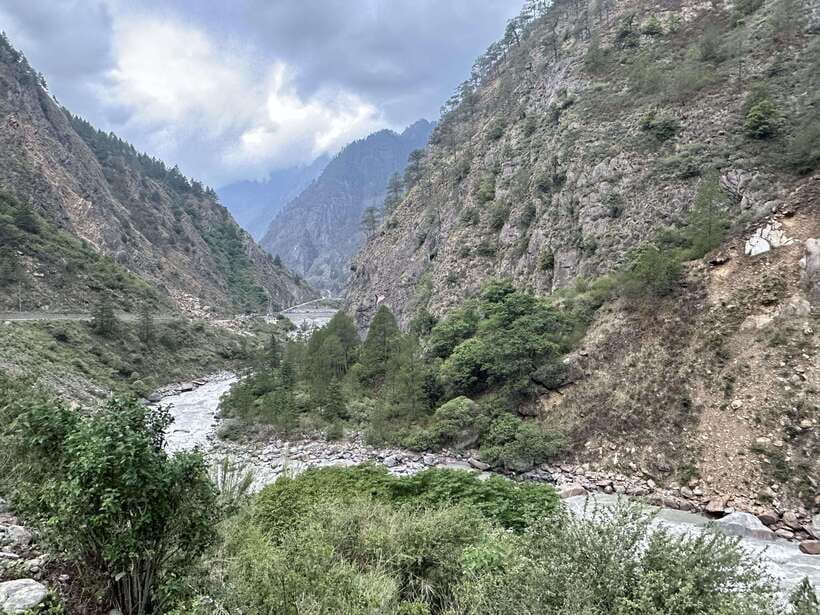
Day five takes you by private jeep toward Rasuwagadhi, the Nepal side of the border. The drive passes through the Langtang region, but the road can be rough, steep, and full of bends. One useful piece of advice is to leave extra time in Kathmandu at the end of the trip. Landslides and rain have caused delays, including an unexpected extra night in Kerung.
A helicopter option is available, but it changes the cost sharply. A private helicopter is listed at $1,600, while a shared helicopter costs $320 per person. Unless road conditions force a change, the jeep keeps the price lower and lets you see more of the route.
After crossing into Tibet on day six, you continue to Kerung. This is your first useful altitude adjustment, so take it slowly. Kerung has local temples and a small-town feel, but do not expect a full range of tourist services. Carry cash, since ATMs may not be available.
Saga and the long Tibetan plateau
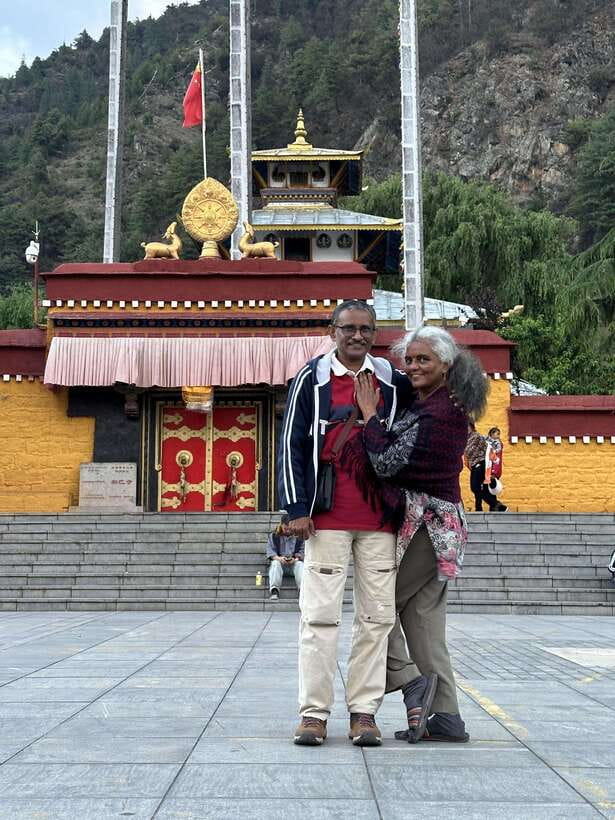
The drive to Saga on day seven takes you farther into Tibet. You will see broad high-altitude scenery, the Tibetan plateau, and views connected with the Brahmaputra River. The distance and dryness can be tiring even when you are sitting in a vehicle.
This section is not packed with sightseeing stops. Its value is the gradual change in scale and scenery. Nepal’s crowded roads and steep hills give way to wide, open country. Saga also provides another chance to rest before the sacred sites and the Kora.
The itinerary includes transportation within Tibet and an English-speaking Tibetan guide. The group size, capped at 10, should make border procedures, meals, and daily departures easier to coordinate than they would be with a large coach group.
Same city, a completely different sort of day:
- Everest Base Camp Trek – 14 Days
★ 5.0 · 1,499 reviews - Private Kathmandu Sightseeing Tour | UNESCO World Heritage sites
★ 5.0 · 756 reviews - Everest Base Camp Helicopter Tour landing at Everest View Hotel
★ 5.0 · 668 reviews - Half day cooking class in Thamel kathmandu
★ 5.0 · 607 reviews
Lake Mansarovar is the emotional center
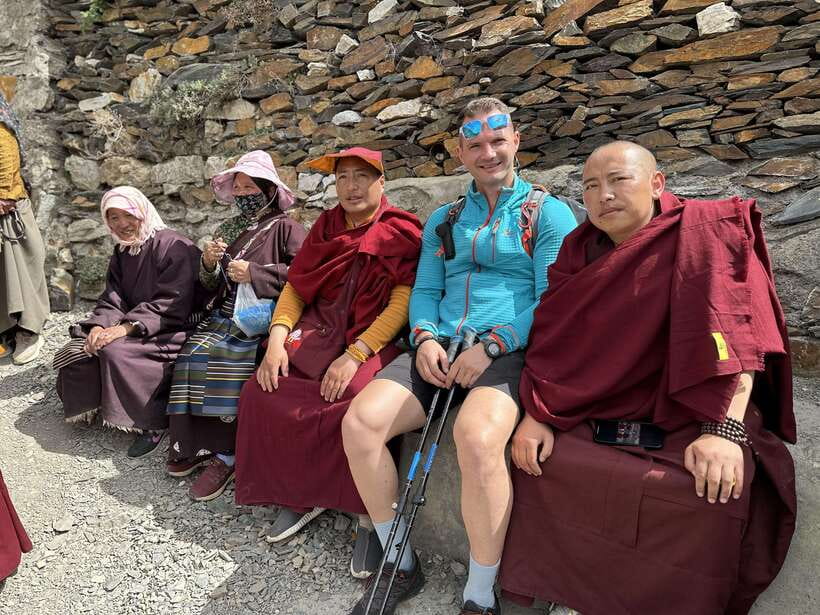
On day eight, you reach Lake Mansarovar. For Hindus, Buddhists, Jains, and Bon followers, this is a sacred place connected with purity, spiritual practice, and renewal. The lake’s clear water, surrounding mountains, and open silence create a sharp contrast with Kathmandu.
The schedule allows time for rituals beside the lake. Bathing or taking a purifying dip is possible within the experience described by past participants, but you should follow local guidance and your own health limits. At this altitude, cold water and exertion are not minor matters.
Accommodation at Mansarovar is a shared guest house. Keep your expectations modest. The setting is powerful, but comfort is limited, and the package includes breakfast rather than full board. Lunch and dinner during the Kailash portion are extra, so budget for food and carry snacks.
Darchen is the staging point for Kailash
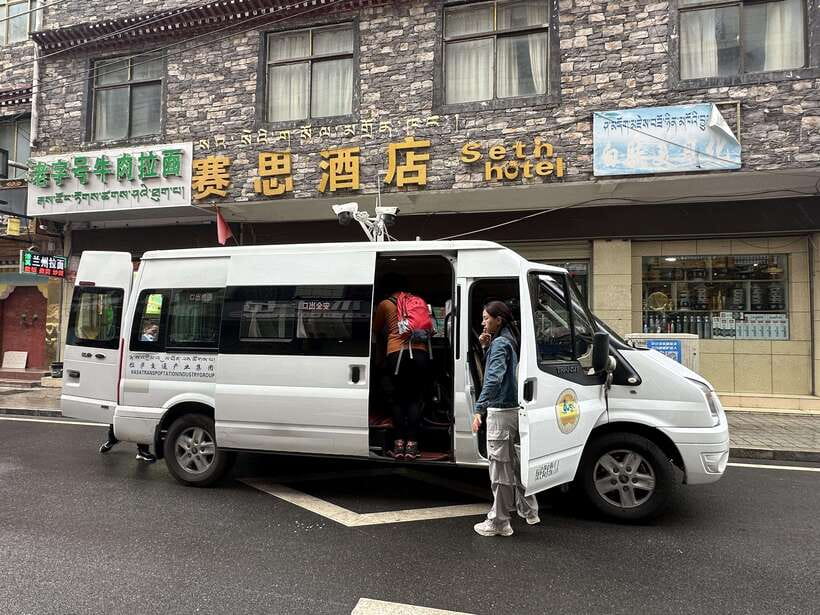
Day nine includes a short drive to Darchen, the base area for Mount Kailash. This is where you prepare for the Kora, check your equipment, and organize any porter or pony support.
The listed porter fee is $350 for three days, covering up to 12 kilograms along with the porter’s food and accommodation. Pony hire is listed at $600 for three days. These are not small extras, but they can make a major difference if you are unsure about carrying your own bag at altitude.
Darchen accommodation is also basic. One practical point is that you may be able to pay extra for a better stay in Darchen, but you should confirm the exact option before booking. The included plan lists a shared guest house here.
The first Kora day reaches Derapuk
On day 10, the Kora begins. The route takes you toward Derapuk, with views of Mount Kailash’s north face. This is likely the most striking mountain view of the journey, but the trail is still a serious physical effort.
The walk from Yamdwar to Derapuk has been described as manageable compared with the next day. That does not mean it is easy. You are at high altitude, and a slow pace is sensible. Comfortable shoes, warm layers, sunscreen, a hat, water, and snacks belong in your day pack.
Derapuk accommodation is basic. You will be tired, and the focus is on shelter and rest rather than comfort. The reward is the mountain itself, along with the knowledge that the most demanding section is still ahead.
Droma La Pass is the hard day
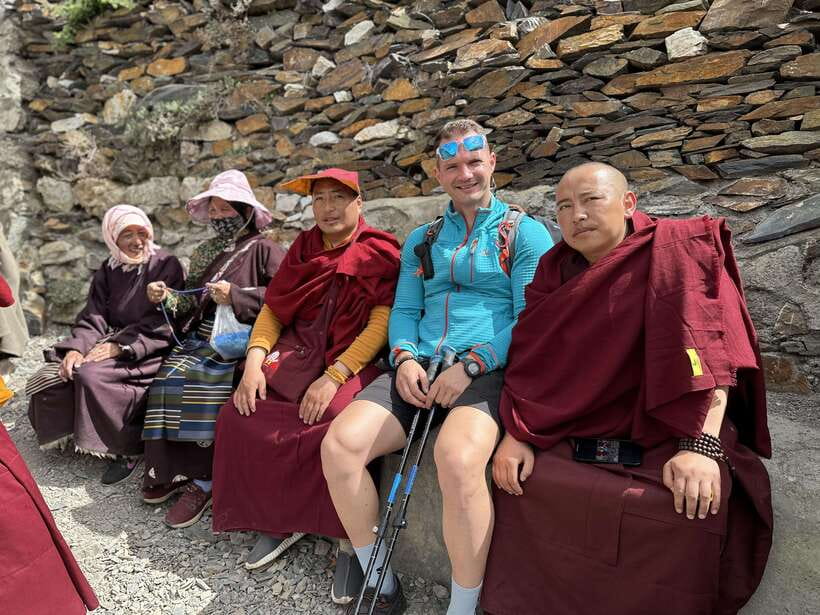
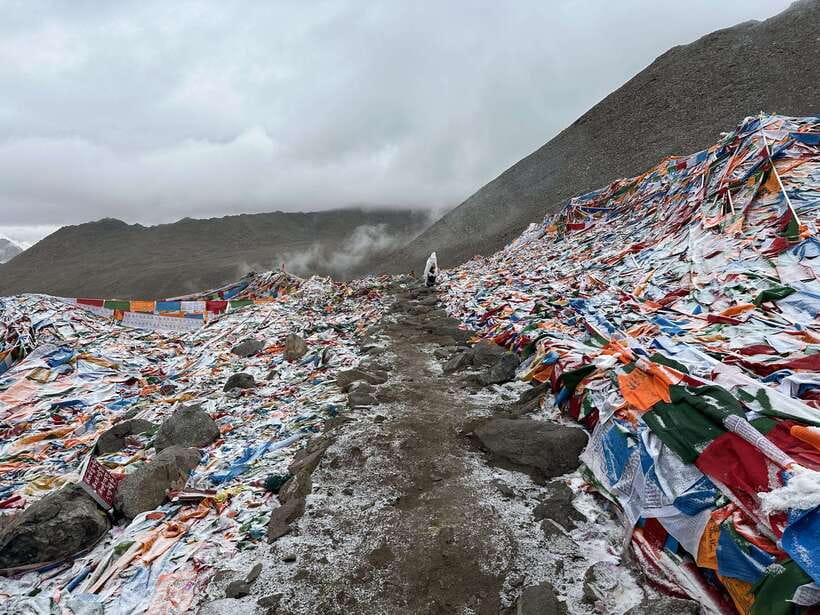
Day 11 takes you from Derapuk to Zutulpuk over Droma La Pass, the highest point of the Kora. This is the day to treat the itinerary as a demanding trek rather than a sightseeing walk.
Weather can change fast. Wind, cold, snow, rain, and low visibility are possible concerns, so warm clothing must be easy to reach. Follow the guide’s instructions, keep your own pace steady, and do not push through symptoms that concern you.
The pass also carries strong religious meaning. People from several faiths view the Kora as an act of devotion, and the physical effort is part of that experience. You then continue to Zutulpuk Monastery, another important spiritual stop.
Zutulpuk has been the weakest accommodation point. The guest house is described as poor, with basic toilets, including outdoor facilities. If you need hotel-style comfort, this section may test your patience. If you understand that the setting is remote and the night is part of a pilgrimage, it becomes easier to accept.
Completing the Kora and returning to Saga
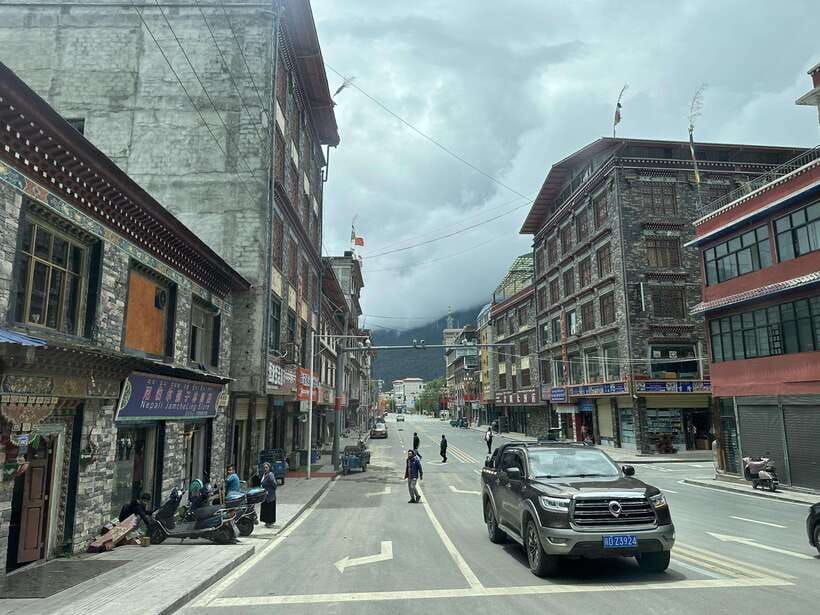
Day 12 completes the Kora back at Darchen, followed by the drive to Saga. Finishing the circuit is the main goal of the trip, and the schedule gives you a clear sense of progress: Mansarovar, Darchen, Derapuk, Droma La, Zutulpuk, then back to Darchen.
The return drive is not a lazy cooldown. You have just completed the hardest walking section, then face another long vehicle journey. Plan to use this evening for recovery and reflection rather than extra activity.
Days 13 and 14 retrace the route toward Kerung and then back into Nepal. These days are useful reminders that the border is not a minor detail. Road conditions, weather, and political rules can affect timing. If the itinerary extends because of natural or political problems, extra accommodation and other costs are your responsibility.
What the $4,013 price really covers
At $4,013 per person, the package offers substantial logistical support for a complicated route. It includes Kathmandu airport transfers, the private vehicle for Kathmandu sightseeing, entrance fees, the private jeep to Rasuwagadhi and back, Tibetan transportation, the Tibet Travel Permit, an English-speaking guide, six nights in 3-star Tibetan hotels, three shared guest-house nights, and nine Tibetan breakfasts.
That is useful value because Tibet permits and border arrangements are difficult to organize independently. The small group of up to 10 also gives you more personal support than a large departure.
The price does not cover everything. You still need to budget for:
- International airfare
- Travel insurance
- Nepal visa fees
- The Chinese Group Visa fee of $250 for American, Canadian, and British passport holders
- Lunch and dinner during the Kailash tour
- Porter or pony hire
- Personal expenses and snacks
- Extra nights caused by delays
- Optional helicopter transfers
There is a wording issue worth clearing up before payment. The inclusions list says Kathmandu accommodation is in a 3-star hotel with breakfast, while the exclusions separately mention Kathmandu accommodation and meals. Ask Peregrine Treks to confirm exactly what your $4,013 includes in Kathmandu.
Guides, paperwork, and group support
The strongest practical feature is the support system. An airport pickup is arranged around your flight details, and the group stays small. Mr. CarKey is specifically associated with pre-trip advice and help during the journey, while a Tibetan guide leads the Tibet section and a Kathmandu guide handles city sightseeing.
Passport handling is part of the process. You must provide the original passport for permits and visa work, so use a company you trust and keep photocopies and digital copies of your documents. The permit and group visa are essential to the route.
You also need to follow strict Tibet rules. Items and digital content connected with the Dalai Lama or other Tibetan leaders are prohibited, including photos, books, CDs, DVDs, and related devices. Posting such content on social media is also forbidden during the Tibet tour.
Who should book this pilgrimage?
This tour suits adults who want both cultural sightseeing and a serious religious trek. It is a good match if you can accept shared rooms, rough roads, simple toilets, changing weather, and extra costs for support on the Kora.
It is not suitable for children under 10, pregnant women, wheelchair users, or people with heart or back problems. You need good fitness for the high-altitude walk, and travel insurance is essential.
If your main goal is luxury, easy transport, or a flexible holiday, choose another trip. If your priority is reaching Lake Mansarovar and completing the Kora with permits, transport, and guides arranged, this itinerary offers a practical route.
Should you book the Kailash Mansarovar Yatra?
I would book this tour if Mount Kailash is your main reason for going and you are prepared for basic conditions. The combination of Kathmandu temples, Nagarkot, Lake Mansarovar, the north face of Kailash, and Droma La Pass gives the journey real variety.
Before booking, confirm the Kathmandu hotel wording, ask about the exact food plan, and set aside money for a porter or pony. Add buffer days in Kathmandu after the tour if your flight schedule is tight. With those precautions, Peregrine Treks offers a well-supported way to approach one of Asia’s most demanding and meaningful pilgrimages.
FAQ
How long is the Kailash Mansarovar Yatra?
The tour lasts 15 days, beginning and ending in Kathmandu.
What is included in the $4,013 price?
The price includes airport transfers in Kathmandu, listed Kathmandu sightseeing services, transport to Rasuwagadhi and within Tibet, Tibet accommodation, nine Tibetan breakfasts, an English-speaking Tibetan guide, entrance fees, the Tibet Travel Permit, and government taxes.
Is the Kailash Kora included?
Yes. The itinerary includes the three-day Kora, with walks from the Mount Kailash base area to Derapuk, over Droma La Pass to Zutulpuk, and back to Darchen.
How many people are in the group?
The group is limited to 10 participants.
Is the tour suitable for children?
No. The tour is not suitable for children under 10 years old.
Are meals included during the Tibet portion?
Breakfast is included for nine mornings in Tibet. Lunch and dinner during the Kailash tour are not included.
Can I hire a porter or pony?
Yes. A porter costs $350 for three days and carries up to 12 kilograms, including food and accommodation. A pony costs $600 for three days.
What happens if weather or political problems cause a delay?
If natural or political events require extra nights or changes to the schedule, you are responsible for the additional costs. A landslide or rain can affect the road between Nepal and Tibet.
What should I bring?
Bring your passport, comfortable shoes, warm clothing, a hat, camera, snacks, sunscreen, and water. You should also have suitable travel insurance and cash for personal expenses.
Just added around Kathmandu
- Traditional Momo Making Class★ 5.0 · 10 reviews
- Wildlife Adventure in Chitwan Nepal★ 4.0 · 4 reviews
- Walking tour of real Kathmandu through back streets.★ 5.0 · 3 reviews
- Kathmandu 2 Nights 3 Days Chitwan Jungle Safari Tour★ 5.0 · 9 reviews
- Kathmandu Street Food Walking Tour – Eat Like a Local★ 5.0 · 3 reviews
- Private Manaslu Circuit Trek at Himalayas★ 5.0 · 3 reviews
- Walking tour of Kathmandu with awesome local guides★ 5.0 · 4 reviews
- Visit Swayambhunath and Bauddhanath Stupa with Guide★ 5.0 · 5 reviews
Nepal Pilgrimage and Spiritual Tours from Kathmandu, compared.
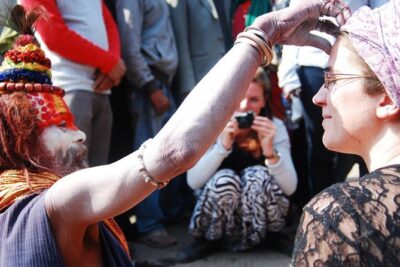
Kathmandu Spiritual Sites: Bodhnath & Pashupatinath Tour
Read our review →
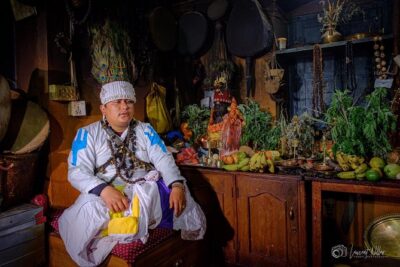
Shamanism Tour in Nepal – One-to-one Consultation with Sharmans
Read our review →
Spiritual Nepal: Expert insight into Multifaith Journey
Read our review →
Browse the lists this tour appears in