
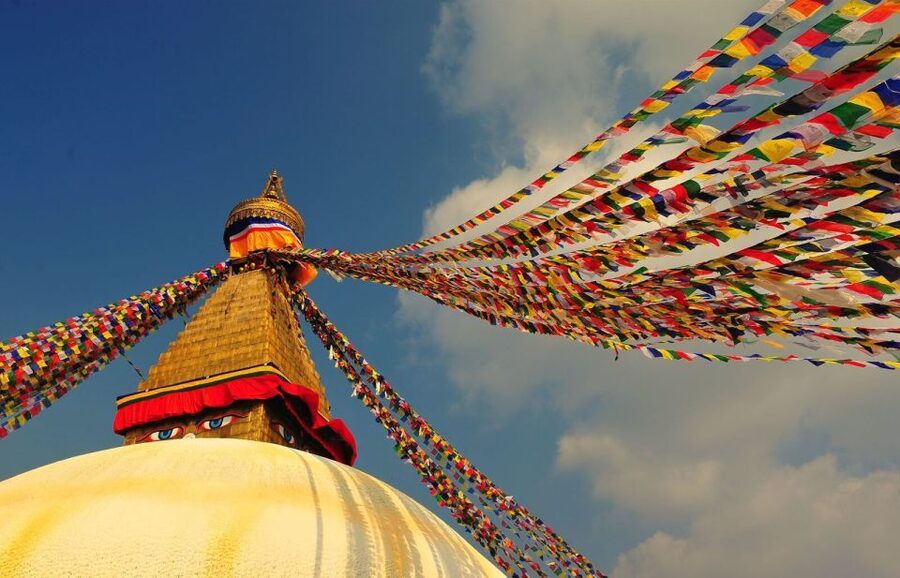
Reviewed · NEPAL PILGRIMAGE AND SPIRITUAL TOURS FROM KATHMANDU
Spiritual Nepal: Expert insight into Multifaith Journey
Boudhanath’s white dome and Pashupatinath’s riverside shrines give you two very different windows into Nepalese faith in one four-hour outing. I like the chance to walk the Kora with local Buddhists and later watch the Aarati light ceremony beside the Bagmati River. The guide can also help explain Sadhu customs and negotiate fees for palm readings or photographs.
I also like the small private format, capped at 12 people, and the fact that entrance fees and the necessary transfers are covered. The main caution is timing: traffic can squeeze the schedule, and the Sadhu encounter may feel thin if you do not actively ask questions or choose to offer an alms payment.
Key points at a glance
- Two UNESCO sites in four hours: See Boudhanath and Pashupatinath without committing a full day.
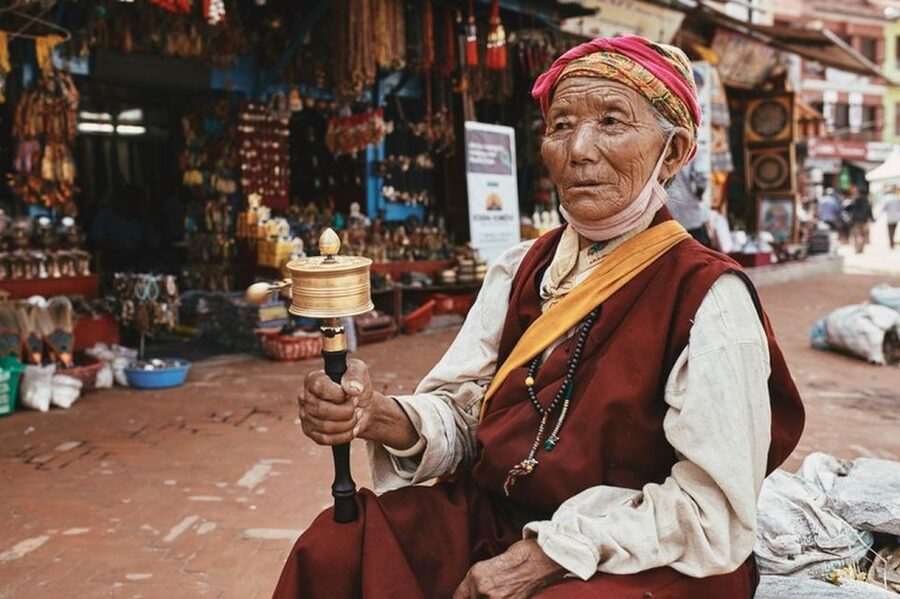
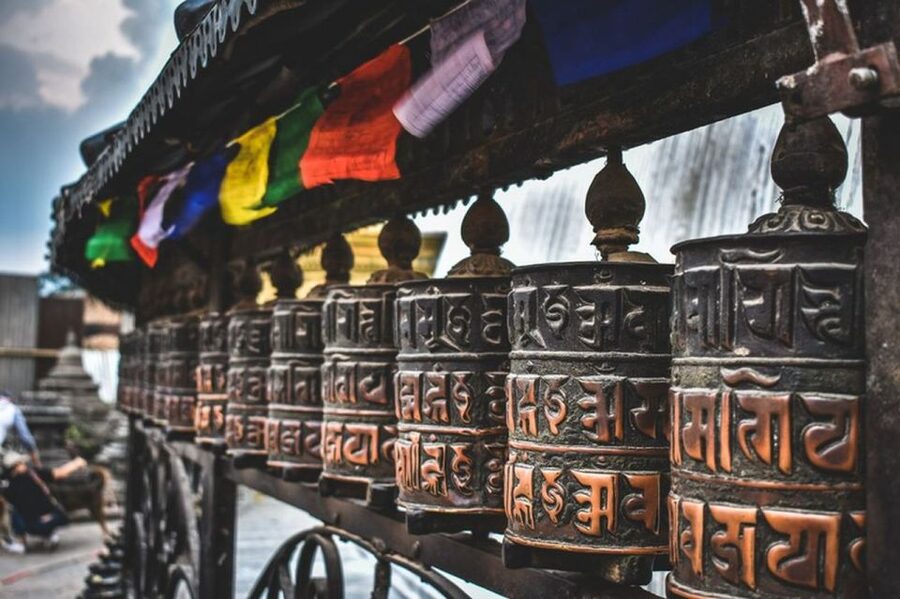
- A living Buddhist ritual: Turn prayer wheels and walk the Kora around Boudhanath’s white stupa with local worshippers.
- A Hindu riverside ceremony: Watch cremations along the Bagmati and attend Aarati, the evening offering of lamps to Lord Pashupatinath.
- Personal guidance: The private format and maximum group size of 12 make it easier to ask questions.
- Optional local encounters: A palm reading costs about $7.50 to $9 per person, while interacting with a Sadhu costs about $7.50.
- Modest dress matters: Cover your shoulders and knees, and men should often wear long trousers at religious sites.
Why these two Kathmandu sites belong together
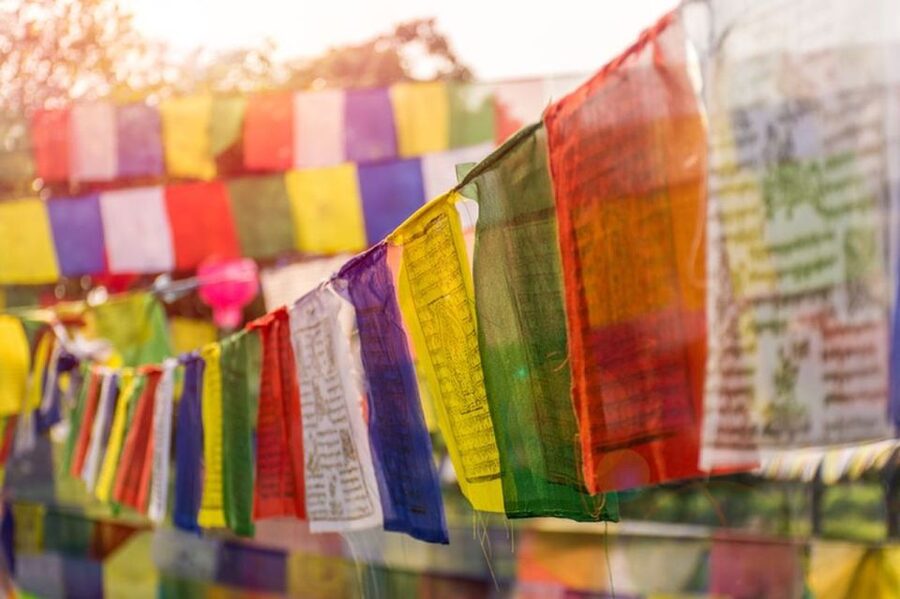
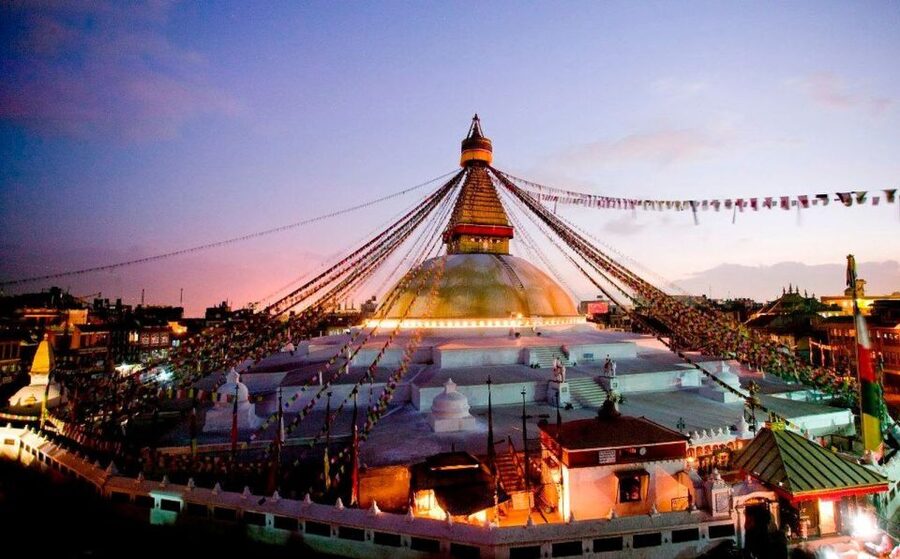
This tour works because Boudhanath and Pashupatinath show two major religious traditions in close succession. At Boudhanath, the mood is shaped by Buddhist prayer, repeated movement, and the great white dome. At Pashupatinath, Hindu worship centers on temple courtyards, Sadhus, the Bagmati River, cremation rites, and lamps offered during Aarati.
You do not need to be especially religious to appreciate the visit. One of the most useful parts is seeing how faith fits into ordinary Nepalese life rather than treating religion as something sealed inside a museum. You will see people praying, walking, giving offerings, and following daily customs while your guide explains what is happening.
The four-hour length is useful for a first visit to Kathmandu. You get a focused introduction without giving up an entire day. At the same time, this is not a slow, meditative retreat. You cover about 2 kilometers on foot, cross busy areas, and need to stay close to your guide and group.
More Nepal pilgrimage trips:
- Kathmandu Spiritual Sites: Bodhnath & Pashupatinath Tour
★ 5.0 · 185 reviews - From Kathmandu: 2 Stupas and Kopan Monastery Spiritual Tour
★ 4.8 · 115 reviews - Shamanism Tour in Nepal – One-to-one Consultation with Sharmans
★ 4.5 · 42 reviews
Beginning at Hotel Marshyangdi
The meeting point is Hotel Marshyangdi. From there, transportation takes you to Boudhanath, and the group later travels from Pashupatinath back to the endpoint. The transfer arrangement saves you from arranging separate taxis between the two sites, which is helpful in Kathmandu’s traffic.
Your guide speaks English and leads the visit in a private group format. Guides used by the operator include Rozit, Bini, Subash, and Bidhya. The exact guide is not guaranteed, but the names matter because the quality of the visit depends heavily on how well your guide explains religious practice and handles the optional Sadhu and palm reader encounters.
Allow a little flexibility. One visit was squeezed by traffic, though the full program was still completed. Since each site receives about two hours, a late start or slow road can reduce time for questions. Keep your morning or afternoon free of another tightly timed booking.
Boudhanath and the Buddhist Kora
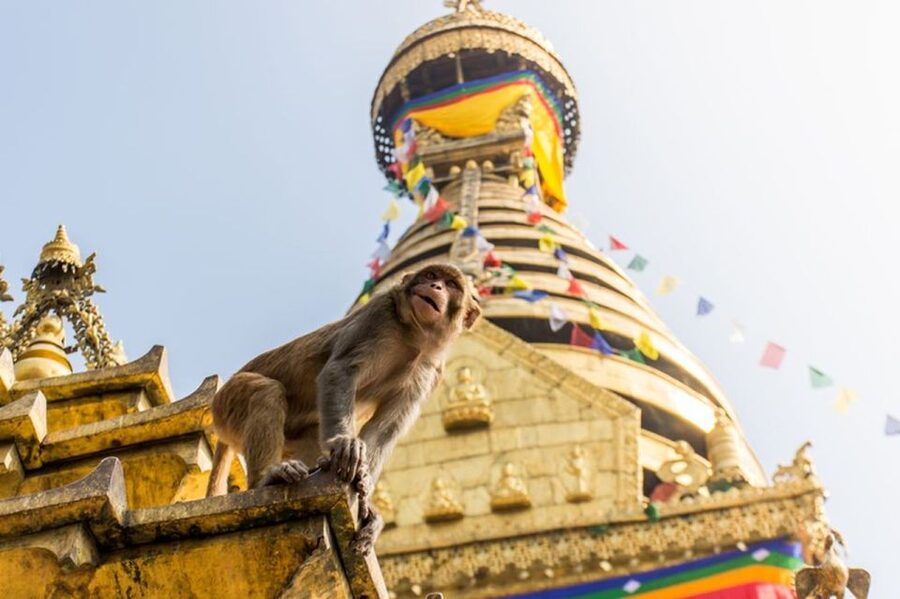
Boudhanath is the first major stop, with about two hours set aside. The large white spherical stupa is the visual center, but the real value comes from seeing how people use the space. You can rotate the prayer wheels and join the Kora, the clockwise walk around the stupa.
The Kora is simple in action but meaningful in context. You are not just circling a monument for a photograph. You are following a practice carried out by local Buddhists, and your guide can help you understand the gestures, objects, and rhythm of the walk.
I like this part because it gives you something to do. Rather than listening to a short lecture and moving on, you take part in a public ritual. Move at a respectful pace, follow your guide’s instructions, and watch how local worshippers use the area.
You may also have the option to offer butter lamps. The supplied information does not give a fixed price for this, so ask your guide before paying. This is a good place to ask questions about Buddhist practice, the meaning of the prayer wheels, and the role of the stupa in local religious life.
Two hours is enough for a proper introduction, though the stop can feel short if you want extended time for photographs, quiet observation, or detailed questions. One especially flexible private visit also included a rooftop meal with a view of the stupa and a stop at a traditional mandala painting school. Those additions are not promised, but a small group gives your guide more room to adjust when time and traffic allow.
The short transfer to Pashupatinath
After Boudhanath, Pashupatinath is about a 15-minute walk away, or you may travel by vehicle. The choice depends on the day, the group, and local conditions. Walking adds a little physical effort but connects the two sites more directly. A vehicle is useful if traffic, weather, or group needs make walking less practical.
The walking distance for the full visit is approximately 2 kilometers. You do not need serious hiking ability, but comfortable shoes will make the tour easier. The route is not presented as a strenuous walk, yet standing and moving through crowded religious areas for several hours can tire you.
Same city, a completely different sort of day:
- Everest Base Camp Trek – 14 Days
★ 5.0 · 1,499 reviews - Private Kathmandu Sightseeing Tour | UNESCO World Heritage sites
★ 5.0 · 756 reviews - Everest Base Camp Helicopter Tour landing at Everest View Hotel
★ 5.0 · 668 reviews - Half day cooking class in Thamel kathmandu
★ 5.0 · 607 reviews
Pashupatinath, Sadhus, and the Bagmati River
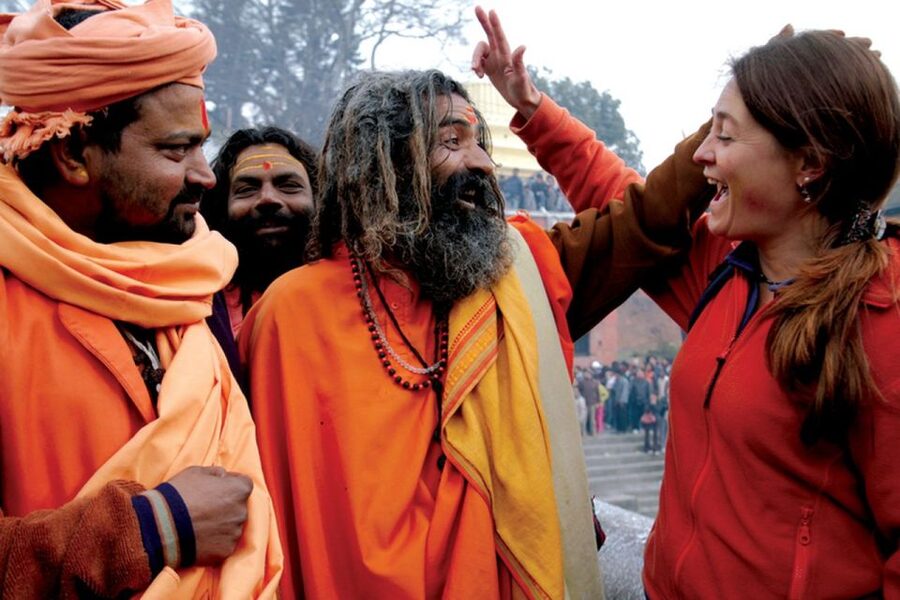
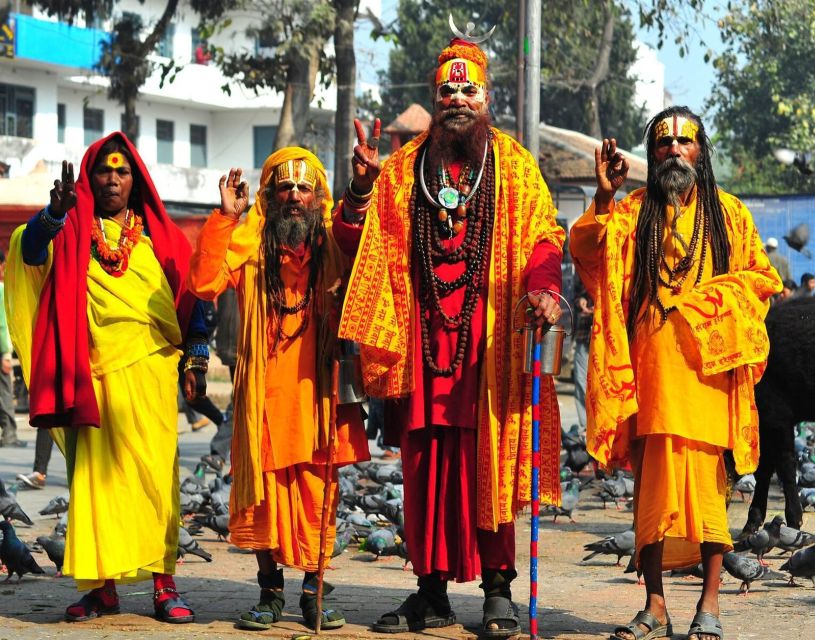
Pashupatinath is Nepal’s largest Hindu pilgrimage site, and the second half of the tour carries a different tone. Here you see temple grounds, religious activity, Sadhus, the Bagmati River, and cremation ceremonies.
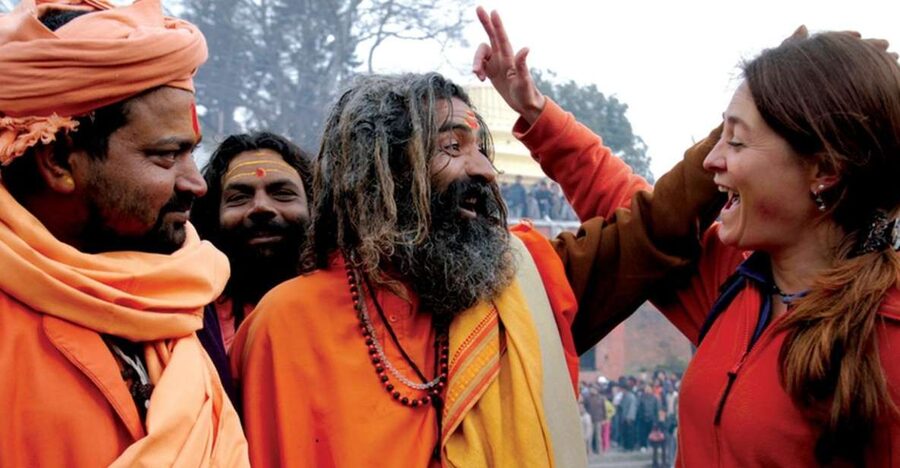
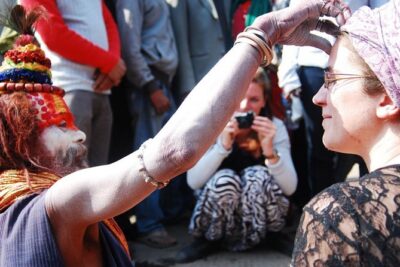
Sadhus are Hindu holy men who have renounced ordinary household life. You can look at their distinctive appearance and ask about their way of life, but do not expect every encounter to turn into a long conversation automatically. The guide may help you approach them, and an alms payment can open the way to a more personal explanation.
There is a stated cost of about $7.50 to interact with or photograph a Sadhu. Your guide can help negotiate the amount. This is important because the encounter is not simply a free photo opportunity. Payment supports Sadhus who otherwise have little access to tourist money, but you should decide in advance if this kind of interaction fits your travel style.
One weakness of the tour is that you may need to take the lead here. Ask direct questions and tell the guide that you want more time with the Sadhus. If you hang back, the visit can become a quick look rather than a useful conversation.
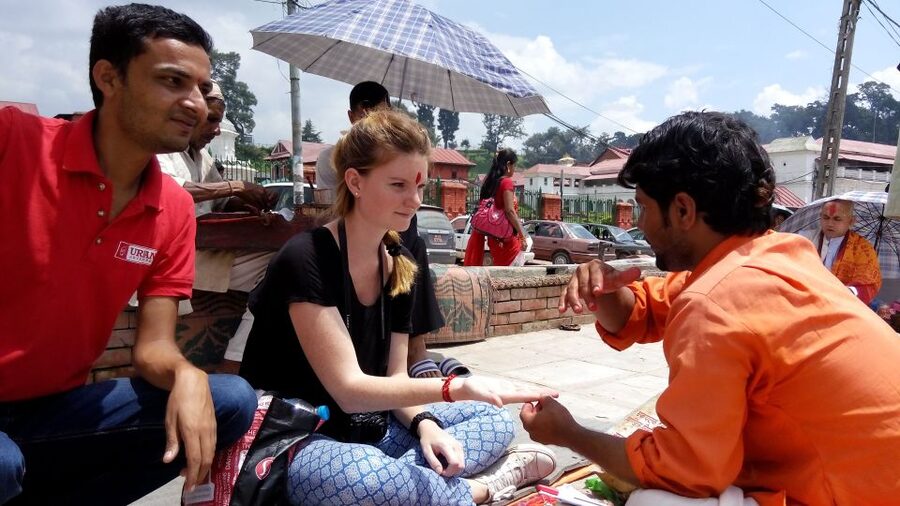
A local palm reader is another optional feature. The fee varies from about $7.50 to $9 per person. The guide can help with the practical side, but the reading itself is for entertainment or personal interest, not something included in the $150 price.
The most serious part of Pashupatinath is the cremation area beside the Bagmati River. You can witness cremation ceremonies as part of the visit. This is a real funeral setting, not a staged performance, so you need to approach it with care and restraint.
Your guide should explain what you are seeing and how to behave. Keep your attention on the dignity of the ceremony rather than treating it as a spectacle. The presence of cremations may be difficult for some people, particularly children or anyone uncomfortable with public funeral rites.
Aarati and the glow of evening lamps
The tour also includes a chance to watch Aarati, the offering of light to Lord Pashupatinath. Lamps, movement, and ritual create a very different scene from the quiet turning of prayer wheels at Boudhanath.
Timing matters. Aarati is tied to the local ritual schedule, and traffic can affect how much time you have at the site. Stay close to your guide and group as you move through the area. The crowds and active temple surroundings can make it easy to lose sight of your group.
Aarati is one of the strongest reasons to choose this tour instead of visiting both sites alone with a quick taxi ride. The guide helps place the ceremony within Hindu practice, so you are not left trying to work out the meaning from a distance.
What the $150 price includes
At $150 per person, this is not a budget sightseeing walk. The price includes an English-speaking Nepali guide, entrance fees to both Boudhanath and Pashupatinath, transportation from the meeting point to Boudhanath, and transport from Pashupatinath to the endpoint.
The value improves if you care about interpretation and organization. You are paying for access to two important sites, a guide who can explain Buddhist and Hindu customs, and help handling optional payments and local encounters. A private group of up to 12 also gives you more chance to ask questions than a large bus tour.
The value is weaker if you mainly want transport and quick photographs. You will still need to pay for food and drinks, palm reading, Sadhu interaction, and any optional offering. Budget extra money only if you actually want those additions.
Children under six can join free. The tour is child-friendly, but the cremation ceremonies and Sadhu encounters may not suit every young child. Parents should consider their child’s comfort before booking.
The experience is also described as carbon neutral and operated by a B Corp certified company. That gives the tour a stated environmental and social purpose, though the most direct local spending comes from optional payments to palm readers and Sadhus.
Dress, manners, and practical preparation
Dress conservatively. Cover your shoulders and knees, and bring a long skirt or sarong if needed. Men often need long trousers at religious sites. Proper clothing is not just a rule to check off; it helps you enter these places without causing unnecessary distraction.
Wear shoes suitable for about 2 kilometers of walking. Carry water, since food and drinks are not included. Keep small amounts of cash available if you want a palm reading, Sadhu interaction, or offering, and ask the guide about the price before agreeing.
Stay close to your group at Pashupatinath. The tour information specifically warns about navigating the crowded area, and this is practical advice rather than a formality. A private group helps, but it does not remove the need to pay attention.
The cancellation policy is flexible: you can cancel up to 24 hours ahead for a full refund. You can also reserve now and pay later, which helps if your Kathmandu plans are still shifting.
Who will enjoy this tour most
I would choose this tour if you want a compact introduction to Kathmandu’s religious life and prefer explanation over independent wandering. It suits first-time visitors, curious families, and anyone who wants to compare Buddhist and Hindu practice in one outing.
It is a particularly good match for you if you enjoy asking questions. The best moments depend on discussion with the guide, especially at Pashupatinath. Guides such as Rozit, Bini, Subash, and Bidhya have been praised for answering questions, explaining the two religions clearly, and paying attention to individual interests.
You may prefer a different plan if you want a quiet spiritual retreat, long unhurried photography sessions, or complete control over your pace. Four hours passes quickly, and traffic can cut into time. You should also think carefully about the cremation ceremony before booking.
Should you book Spiritual Nepal?
Book it if Boudhanath, Pashupatinath, Buddhist prayer, Hindu Aarati, and the human side of religious practice are high on your Kathmandu list. The strongest features are the two major sites, the hands-on Kora, the riverside ceremony, and a guide who can connect what you see to Nepalese life.
Go in with realistic expectations. The Sadhu encounter is not automatically an extended conversation, and optional readings or photographs cost extra. Ask questions, dress properly, stay close to the group, and allow for traffic. At $150, the tour earns its price through guidance and access rather than sheer sightseeing volume.
FAQ
How long does the Spiritual Nepal tour last?
The tour lasts four hours. About two hours are allocated to Boudhanath and about two hours to Pashupatinath.
Where does the tour start?
The meeting point is Hotel Marshyangdi.
Which sites does the tour visit?
You visit Boudhanath Stupa and Pashupatinath Temple, both UNESCO Heritage Sights.
Is transportation included?
Transportation from the meeting point to Boudhanath and from Pashupatinath Temple to the endpoint is included. The transfer between the two sites may be a walk of about 15 minutes or a drive.
Are palm readings and Sadhu payments included?
No. Palm reader fees vary from about $7.50 to $9 per person, and interacting with or photographing a Sadhu costs about $7.50. Alms to Sadhus and monks are also not included.
What should I wear?
Wear modest clothing that covers your shoulders and knees. Men often need long trousers, while women may want a long skirt or sarong for religious sites.
Can I cancel the booking?
You can cancel up to 24 hours in advance for a full refund. The tour also allows you to reserve now and pay later.
Just added around Kathmandu
- Traditional Momo Making Class★ 5.0 · 10 reviews
- Wildlife Adventure in Chitwan Nepal★ 4.0 · 4 reviews
- Walking tour of real Kathmandu through back streets.★ 5.0 · 3 reviews
- Kathmandu 2 Nights 3 Days Chitwan Jungle Safari Tour★ 5.0 · 9 reviews
- Kathmandu Street Food Walking Tour – Eat Like a Local★ 5.0 · 3 reviews
- Private Manaslu Circuit Trek at Himalayas★ 5.0 · 3 reviews
- Walking tour of Kathmandu with awesome local guides★ 5.0 · 4 reviews
- Visit Swayambhunath and Bauddhanath Stupa with Guide★ 5.0 · 5 reviews
Nepal Pilgrimage and Spiritual Tours from Kathmandu, compared.
Kathmandu Spiritual Sites: Bodhnath & Pashupatinath Tour
Read our review →

Shamanism Tour in Nepal – One-to-one Consultation with Sharmans
Read our review →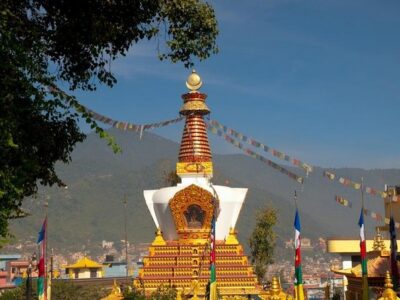
Browse the lists this tour appears in