
Reviewed · BHAKTAPUR TOURS FROM KATHMANDU
Kathmandu: Private Patan and Bhaktapur Sightseeing Tour
Patan and Bhaktapur give you two very different views of the Kathmandu Valley. Patan feels like a living workshop of Newari metalwork and woodcarving, while Bhaktapur opens into grand squares lined with medieval temples and palaces. The private format lets you move at a sensible pace rather than follow a large group.
I like the close look at Patan’s Golden Temple and Krishna Temple, where fine detail matters more than size. I also like the chance to watch artisans at work in Bhaktapur’s Pottery Square and wander beyond the main monuments. The main consideration is time: six hours covers a lot, but the schedule is full, and entrance fees and lunch cost extra.
Key points at a glance
- Two UNESCO-listed city centers: Compare Patan’s refined courtyards with Bhaktapur’s broad ceremonial squares.
- A private vehicle and guide: Hotel pickup, transport, and hotel drop-off are included, with an English-speaking guide.
- Patan’s small-scale details: See Krishna Temple, Kumbheshwor Temple, the Patan Museum, and Hiranya Varna Mahavihar, also called the Golden Temple.
- Bhaktapur’s famous landmarks: Visit Durbar Square, Taumadhi Square, the 55-Window Palace area, and Dattatraya Temple.
- Real craft traditions: Pottery Square gives you a better feel for local life than a quick palace photo stop.
- A compact six-hour plan: Good for a first visit, though you should expect plenty of walking and a fairly quick lunch break.
Why Patan and Bhaktapur make a strong day out
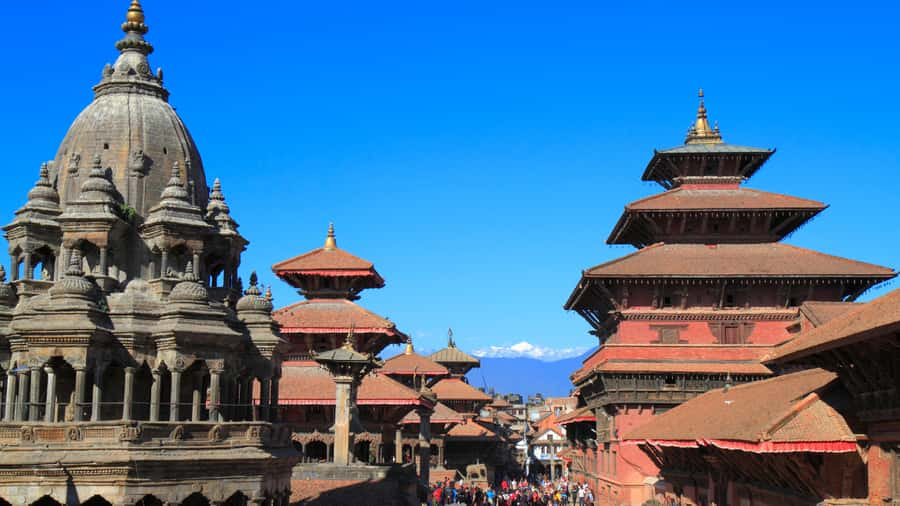
The Kathmandu Valley is not one single historic center. It is a group of old cities, each shaped by Newari traditions, royal courts, temples, and craft guilds. Patan, also called Lalitpur, and Bhaktapur are the two most rewarding places to compare in one outing.
Patan is known for intricate woodwork, metal images, courtyards, and religious buildings tucked into ordinary city streets. Bhaktapur feels more open and theatrical, with large squares, tall temples, brick lanes, and grand palace buildings.
I like this pairing because you see both the intimate and monumental sides of Newari culture. You are not only checking off famous buildings. You are also seeing how workshops, shrines, markets, and homes fit around them.
The tour lasts six hours, including driving between the cities, guided visits, walking, and a lunch break. That makes it a practical choice if you have limited time in Kathmandu. It is not the right format if you want a slow photographic study of every courtyard or a long meal.
More Patan day tours:
- Bhaktapur & Patan Durbar Square Day Tours
★ 5.0 · 122 reviews - Kathmandu: Private Patan and Bhaktapur Sightseeing Tour
★ 4.7 · 64 reviews - Patan and Bhaktapur City Full Day Tour
★ 5.0 · 24 reviews
Starting from Kathmandu in a private vehicle
Your guide and driver collect you from your hotel at the selected pickup location. The private vehicle matters here because the day includes two separate cities and several stops within them.
You can ask questions as you go, and the private setting offers more flexibility than a fixed group outing. A Japanese guest specifically valued being able to adjust things during the private tour. That is useful in Patan, where a short walk through a side lane can be more rewarding than rushing straight from one major monument to the next.
The vehicle also gives you a place to leave anything you do not want to carry through the heritage areas. Still, keep your essentials with you, including your passport or ID card and Nepalese currency for entrance fees.
The exact starting time depends on availability. Since the tour ends in the late afternoon, confirm the pickup details before setting out and wear shoes suited to uneven streets and temple courtyards.
Patan Durbar Square and the Patan Museum
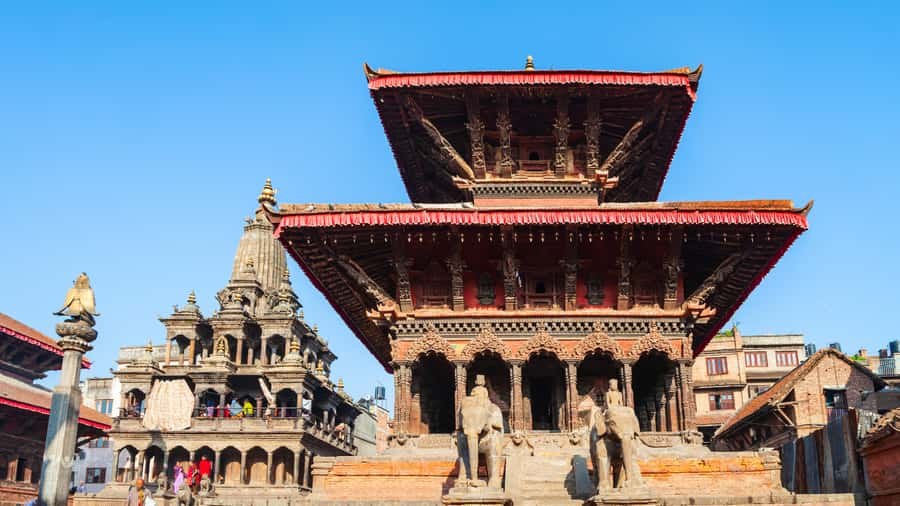
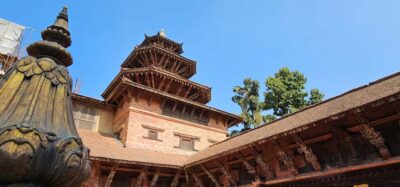
Patan Durbar Square is the first major stop. It brings together old palaces, temples, courtyards, and carved façades in a compact area, so your guide can explain the city’s royal and religious past without long transfers between sights.
The square is a good place to begin because it shows the basic visual language you will see all day: brick construction, carved timber, metalwork, tiered roofs, and shrines used by local worshippers. Allow yourself time to look upward and sideways. Some of the best details are around doorways, window frames, and small courtyards rather than in the most famous building.
The Patan Museum follows, with about 45 minutes set aside for the visit. This is valuable context before you see more temples. Museum displays can help you understand the symbols, figures, and craftsmanship found outside, so you are not simply looking at old buildings without knowing what you are seeing.
The itinerary also allows some shopping around Patan. The city is associated with metalwork, pottery, and weaving, and you may find workshops or craft shops along the narrow lanes. Treat shopping as optional rather than the main purpose of the tour. The most useful approach is to browse first and buy only if you understand the material and price.
Krishna Temple and Kumbheshwor Temple
Krishna Temple receives a short guided visit of about ten minutes. It is a compact stop, but its stone construction gives you a change from the carved timber and brickwork seen elsewhere in Patan.
Because the scheduled time is brief, listen closely to the guide’s explanation and take your photos promptly. If you are especially interested in temple architecture, you may want to ask whether there is a little flexibility here, although the rest of the day still has to fit into the six-hour schedule.
Kumbheshwor Temple has about 15 minutes. This stop adds another layer to Patan’s religious character and shows how several important shrines can sit close together within the old city.
The short timings at these two temples reveal the nature of the tour. It is designed to give you a strong first look at many sites, not an extended study of each one. That suits first-time visitors who want orientation. If you already know Patan well, you might prefer a slower private tour focused on fewer buildings.
More Bhaktapur day tours:
- Private Bhaktapur and Nagarkot Day Tour From Kathmandu
★ 5.0 · 305 reviews - Day Trip to Bhaktapur and Panauti from Kathmandu
★ 5.0 · 184 reviews - Nagarkot Sunrise & Bhaktapur UNESCO Heritage Private Tour
★ 5.0 · 66 reviews - Bhaktapur & Nagarkot Day Tour with Lunch – Private/Group
★ 4.9 · 62 reviews
The Golden Temple and Patan’s artisan character
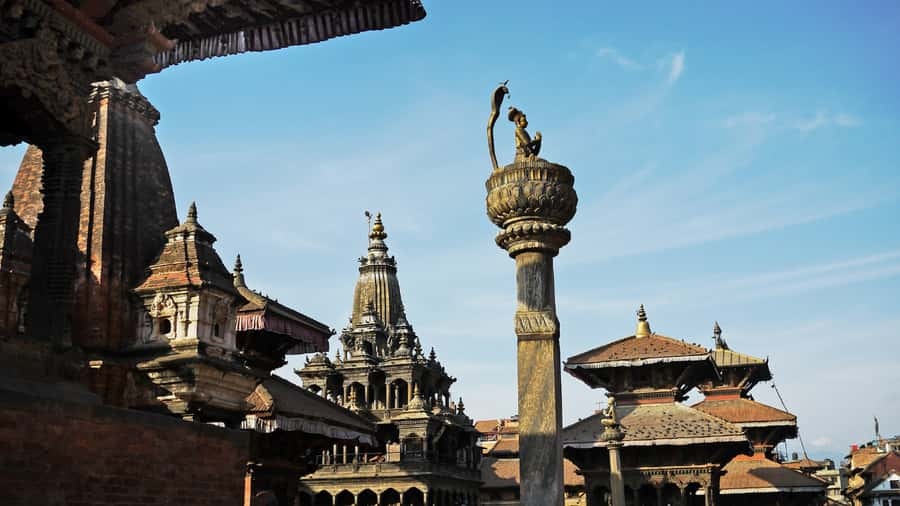
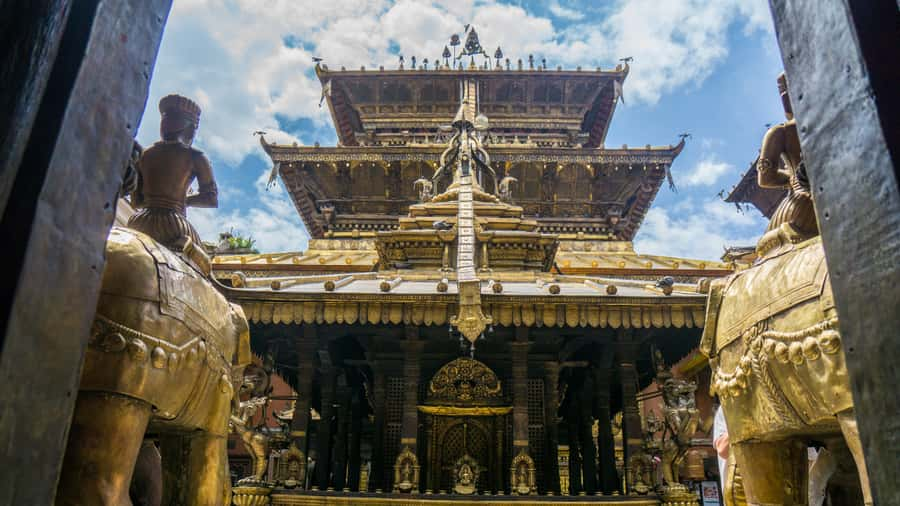
Hiranya Varna Mahavihar, commonly called the Golden Temple, receives about 30 minutes and is one of Patan’s most memorable stops. The complex is known for its detailed metalwork and intimate religious setting.
The name can suggest a giant landmark, but the appeal is in the decoration and atmosphere. Look at the metal figures, ornament, and carefully worked surfaces. This is the sort of place where a guide adds real value, since the visual details can be easy to miss if you simply walk through.
Patan’s craft tradition is not sealed away from daily life. The lanes around the old center are connected with metalworkers, potters, and weavers. You might see artisans at work, depending on the day and the route your guide takes.
One guide praised in the tour feedback was Rameshwar ji, whose storytelling was credited with bringing royal dynasties and old court life into focus. Guide assignments can vary, so do not assume he will lead every departure, but the English-language guiding is an important part of the experience.
Crossing to Bhaktapur Durbar Square
After Patan, you drive to Bhaktapur. The transfer provides a break from walking, followed by a different kind of old-city experience.
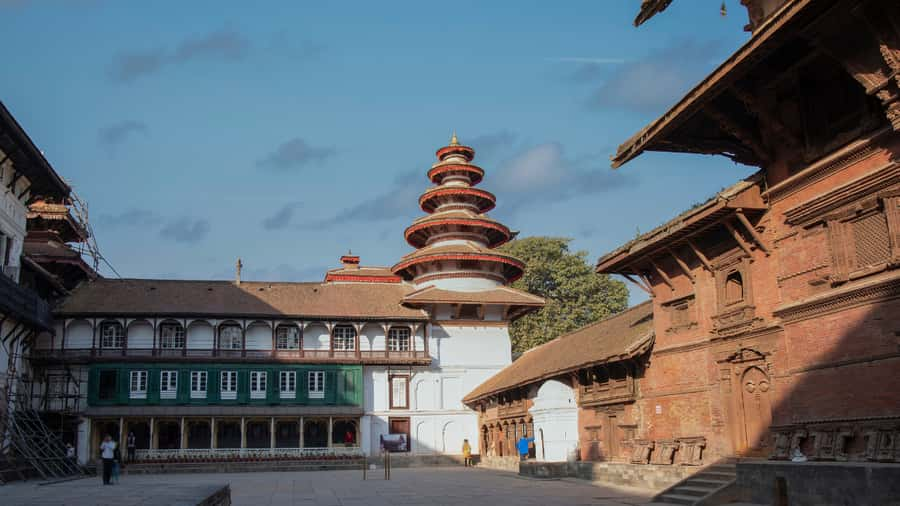
Bhaktapur means City of Devotees, and its central area has a more ceremonial feel than Patan’s compact courtyards. Bhaktapur Durbar Square includes royal buildings, temples, and carved windows, with time for a guided visit, photos, and some shopping.
The 55-Window Palace is one of the most recognizable buildings in the square. The schedule allows about ten minutes to see it, mainly as a sightseeing and pass-by stop. The carved windows are the feature to watch for, but the palace area also helps you understand how Bhaktapur’s royal center was arranged.
You will not have an hour to study every façade. The square can also be busy with local activity, and the walking surfaces are not designed like a modern museum. Keep your camera ready, but do not let photographs replace looking at the carved brick and wood in front of you.
Taumadhi Square and Bhaktapur’s tall temples
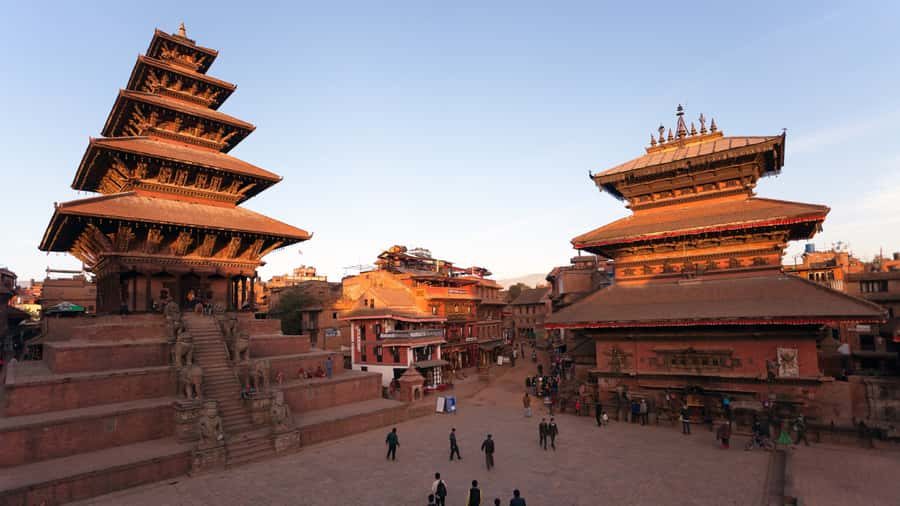
Taumadhi Square gets around 30 minutes and offers one of Bhaktapur’s strongest architectural views. This is where the scale rises, with tall tiered temples and open space giving you a better sense of the old city’s ceremonial design.
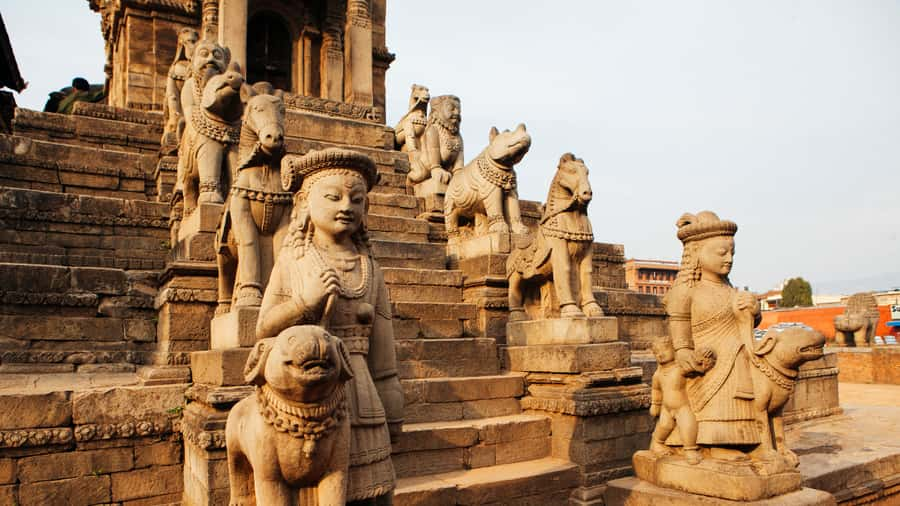
The Nyatapola Temple is the famous landmark associated with the square. Its stacked levels and stairway make it easy to recognize, but the important detail is how the structure controls the whole square. From ground level, look at the figures lining the steps and the way the roof tiers narrow as they rise.
The visit is guided, so ask about the square’s religious use and the buildings around it. A short explanation can turn a quick stop into a clearer picture of how worship, royal power, and public space worked together.
The tour allows time for sightseeing and walking, but not a long pause at every angle. If you are traveling with someone who needs frequent breaks, mention this early. The private format may help, but the schedule still has several stops ahead.
Pottery Square: the most hands-on stop
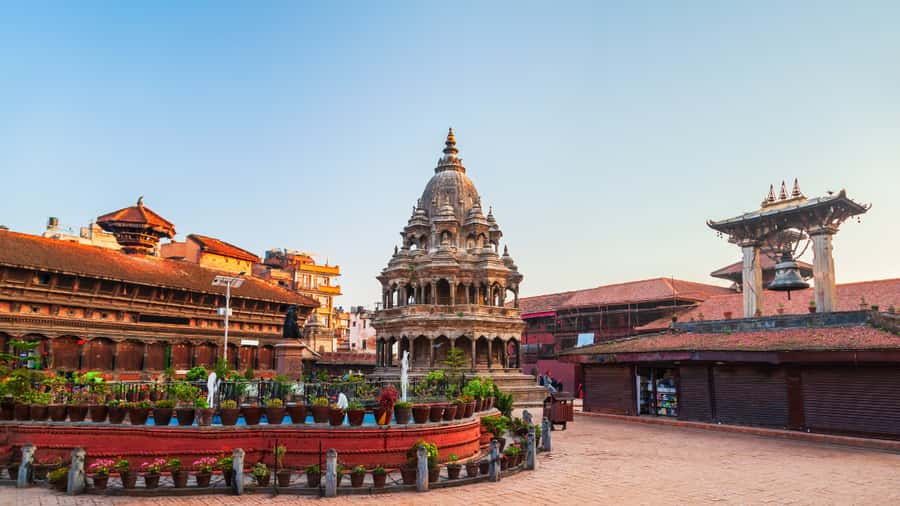
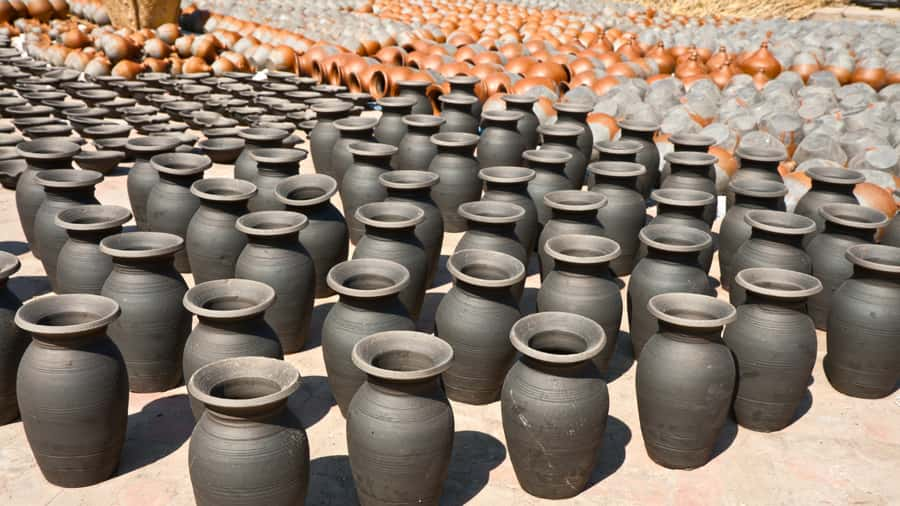
Pottery Square is one of the tour’s most useful additions. It moves you away from grand monuments and toward a working craft area where you may see traditional pottery being made.
The stop includes a guided walk of about 30 minutes. That is enough time to watch the process, see finished pieces, and understand why Bhaktapur is more than a collection of preserved buildings.
This is also a good place to notice the difference between a display of culture and culture that remains part of local work. You might see activity change with the time of day, so the exact scene cannot be guaranteed. Still, the square gives the itinerary a practical, human scale.
If you want to buy something, ask about packing and transport before committing. Food and drinks are not included, and the tour places lunch between the Patan and Bhaktapur visits. Your guide can help direct you toward a suitable meal, but plan to pay separately.
Dattatraya Temple and the final return
Dattatraya Temple is the last listed sightseeing stop, with about 30 minutes for a visit and guided explanation. It adds another important religious site to the day and takes you farther into Bhaktapur beyond the most photographed central square.
This final stop helps prevent the Bhaktapur visit from becoming only a palace-and-temple circuit. You get another look at the city’s older lanes and religious buildings before returning to the vehicle.
Afterward, the driver takes you back toward Kathmandu, with drop-off available at the stated location, including Himalayan Social Journey in Kathmandu. The tour is expected to finish in the late afternoon, though traffic can affect the exact return time.
What the $39 price really covers
At $39 per person, the tour offers solid value if you want private transport, a guide, and two major heritage cities in one half-day. Hotel pickup and drop-off remove the need to arrange separate taxis, and the private vehicle is especially useful for fitting Patan and Bhaktapur together.
The price does not include entrance fees, food, or drinks. This is important because the advertised cost is not your full spending total. Carry Nepalese currency for entry charges, and keep some extra money for lunch or craft purchases.
Value also depends on your priorities. If you want efficient coverage and personal guidance, the price is attractive. If you prefer to linger at one square, shop slowly, or spend a long time eating, a longer private arrangement may suit you better.
The strong feedback centers on professional guiding, clear English, and good organization. The English guide is not just a driver pointing out buildings. The most useful part is the explanation of dynasties, religious traditions, and architectural details that can otherwise blur together during a busy day.
Practical advice for a smoother six hours
Wear comfortable shoes. You will walk inside both heritage areas, along narrow lanes and across old surfaces.
Bring sunglasses and a sunhat, especially if your visit includes long periods in open squares. Carry your passport or ID card, along with Nepalese currency for entrance fees.
Keep the day moving by eating a reasonably quick lunch. The schedule includes a meal break, but it does not include food or drinks, and the itinerary has several stops after Patan.
Use the private format to ask questions. You can ask your guide to explain a carving, identify a temple style, or point out local craftwork. A clear English explanation was an important strength for one Japanese participant, so communication should be a central part of what you expect from the guide.
The tour has a perfect rating from six recorded bookings, with praise directed at the guides, drivers, organization, and flexibility. That is encouraging, but the small number means you should still judge the tour by its structure. It is a busy cultural overview, not a leisurely day with open-ended time.
Who should book this Patan and Bhaktapur tour?
I would choose this tour if you are staying in Kathmandu for a short time and want to see both cities without arranging transport yourself. It also suits first-time visitors who want an English-speaking guide to connect the temples, palaces, craft traditions, and local religious life.
It is a good match for couples, families, and small private parties that value flexibility. The private vehicle means you are not tied to a large group’s pace, and the guide can respond to your questions as the day unfolds.
I would hesitate if your main goal is long photography sessions, extensive shopping, or a slow meal. The six-hour plan is full, and the short visits to Krishna Temple, Kumbheshwor Temple, and the 55-Window Palace leave limited room for lingering.
For most people, though, the combination is well chosen. Patan gives you fine detail and artisan work. Bhaktapur gives you grand squares and taller temple architecture. Together, they offer a clear and engaging introduction to the Kathmandu Valley’s Newari culture.
FAQ
How long does the Patan and Bhaktapur tour last?
The tour lasts six hours, including hotel pickup, transport, guided sightseeing, walking, a lunch break, and hotel drop-off.
Is hotel pickup and drop-off included?
Yes. Hotel pickup and drop-off are included, with the listed return location including Himalayan Social Journey in Kathmandu.
Is the tour private?
Yes. Transportation is provided in a private vehicle, and the tour includes a professional English-speaking guide.
Are entrance fees included in the price?
No. Entrance fees are not included. You should carry Nepalese currency to pay them separately.
Is food included?
No. Food and drinks are not included, but a lunch break is scheduled between the Patan and Bhaktapur visits.
What should I bring?
Bring your passport or ID card, comfortable shoes and clothing, sunglasses, a sunhat, and Nepalese currency for entrance fees.
Should you book it?
Book this tour if you want an efficient, well-guided introduction to Patan and Bhaktapur, with private transport and enough time to see the major temples, squares, museum, palace area, and pottery district. The $39 price is good for the transport and guide, as long as you budget separately for entry fees and lunch.
Skip it if you want a slow, unstructured day. For everyone else, this is a practical way to compare two of the Kathmandu Valley’s finest old cities in one carefully packed outing.
More sightseeing tours in Kathmandu
- Private Kathmandu Sightseeing Tour | UNESCO World Heritage sites
★ 5.0 · 756 reviews - Kathmandu Private Sightseeing Tour | UNESCO World Heritage Sites
★ 5.0 · 109 reviews - Kathmandu Valley City Day Tour
★ 5.0 · 40 reviews - Nepal Cultural Highlights Tour in 10 Days
★ 5.0 · 40 reviews
Just added around Kathmandu
- Traditional Momo Making Class★ 5.0 · 10 reviews
- Wildlife Adventure in Chitwan Nepal★ 4.0 · 4 reviews
- Walking tour of real Kathmandu through back streets.★ 5.0 · 3 reviews
- Kathmandu 2 Nights 3 Days Chitwan Jungle Safari Tour★ 5.0 · 9 reviews
- Kathmandu Street Food Walking Tour – Eat Like a Local★ 5.0 · 3 reviews
- Private Manaslu Circuit Trek at Himalayas★ 5.0 · 3 reviews
- Walking tour of Kathmandu with awesome local guides★ 5.0 · 4 reviews
- Visit Swayambhunath and Bauddhanath Stupa with Guide★ 5.0 · 5 reviews
Bhaktapur Tours from Kathmandu, compared.
Private Bhaktapur and Nagarkot Day Tour From Kathmandu
Read our review →
Day Trip to Bhaktapur and Panauti from Kathmandu
Read our review →
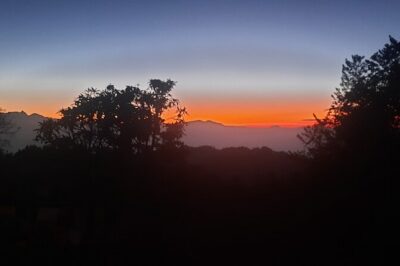
Nagarkot Sunrise & Bhaktapur UNESCO Heritage Private Tour
Read our review →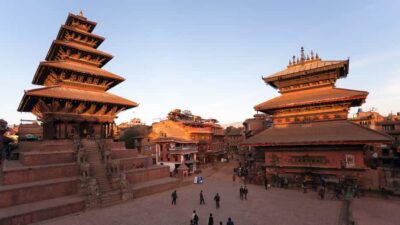
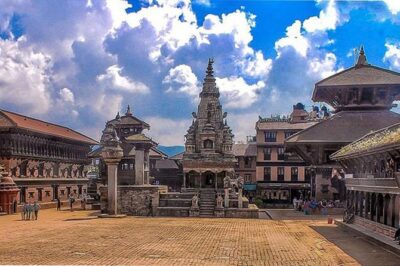
Nagarkot Sunrise & Bhaktapur Heritage Tour -Private Full Day Trip
Read our review →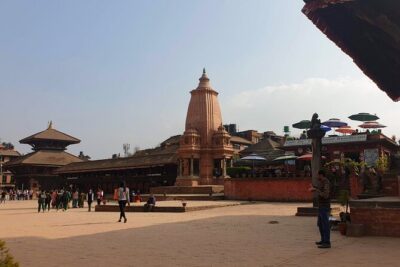
Browse the lists this tour appears in