
Reviewed · KATHMANDU CITY SIGHTSEEING TOURS
Kathmandu Sightseeing Tour by Private Vehicle
Kathmandu’s great advantage is variety: in one half-day, you can move from royal courtyards at Patan Durbar Square to the hilltop eyes of Swayambhunath, then on to two major religious centers. This tour is built around that quick sweep, with hotel pickup and transport between the sights.
I like the air-conditioned vehicle and the simple hotel-to-hotel service. I also like the route itself, which gives you Buddhist, Hindu, and Newar cultural landmarks in a single outing. The main catch is important: despite references to a guide, the inclusions list only an English-speaking driver and specifically excludes a tour guide. Treat this chiefly as a sightseeing transfer service unless you confirm otherwise.
Key points at a glance
- Four major sights in five to six hours: Patan, Swayambhunath, Boudhanath, and Pashupatinath make for a full half-day.
- Hotel pickup and drop-off included: You do not need to arrange separate taxis between the monuments.
- Air conditioning matters in Kathmandu traffic: The vehicle gives you a cooler, more comfortable base between stops.
- Admission fees are extra: Foreign visitors should budget roughly 200 to 1,000 Nepalese rupees at each site, depending on the monument.
- Shared transport, up to 15 people: This is not necessarily a truly private car for each booking.
- Driver, not clearly a dedicated guide: Ask before booking if detailed commentary is essential to you.
Four Kathmandu landmarks in one half-day
This is a practical orientation tour rather than a slow cultural walk. You begin at 9:15 am, travel by shared vehicle, and spend about an hour at each listed stop. Actual timing can shift with traffic, queues, and the time you choose to linger.
That structure works well on a first visit. Kathmandu Valley’s sights are spread across different parts of the city, and arranging four separate rides can waste a good part of your day. Here, transport is planned around the major stops, and hotel pickup and drop-off remove some of the usual friction.
The tradeoff is pace. One hour per site is enough for a first look, some photographs, and a walk around the main area. It is not enough for a deep visit, long museum time, or an unhurried religious experience. If you want to sit quietly at one stupa, study every carved window, or follow a detailed architectural explanation, you will probably want a separate visit later.
More sightseeing tours in Kathmandu:
- Private Kathmandu Sightseeing Tour | UNESCO World Heritage sites
★ 5.0 · 756 reviews - Kathmandu Private Sightseeing Tour | UNESCO World Heritage Sites
★ 5.0 · 109 reviews - Kathmandu: Private Patan and Bhaktapur Sightseeing Tour
★ 4.7 · 64 reviews
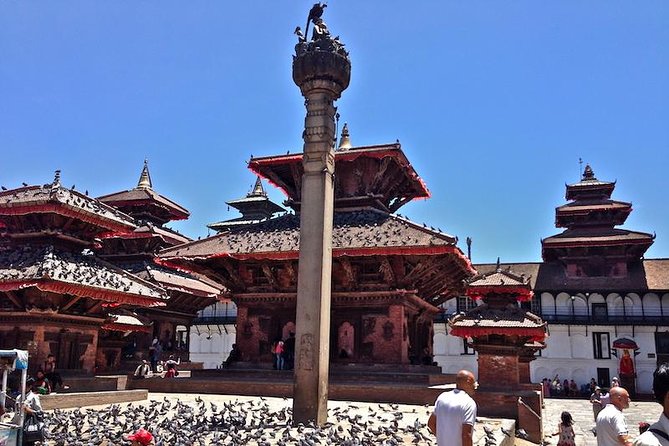
Patan Durbar Square and the Newar royal center
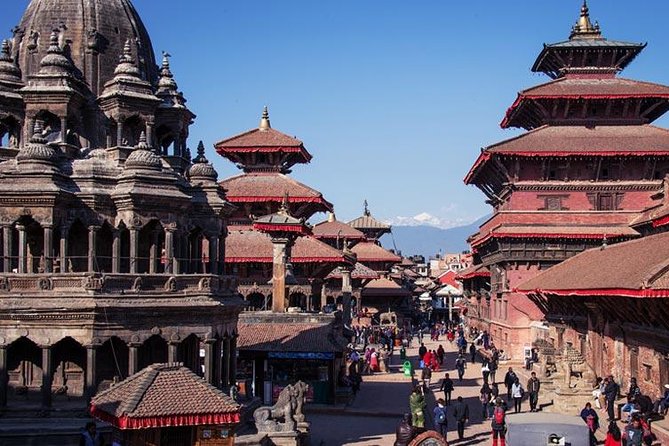
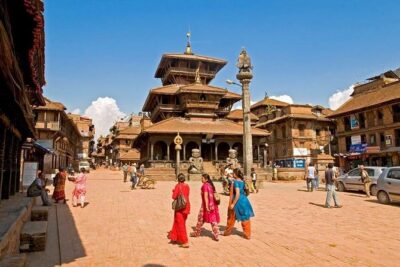
Patan Durbar Square sits in the center of Lalitpur, the city often called Patan. It is one of three royal squares in the Kathmandu Valley recognized as UNESCO World Heritage Sites. The setting brings together palace courtyards, temples, and the distinctive craftsmanship of the Newar tradition.
This is the tour’s strongest stop for architecture. Walk the smaller streets with your driver or guide, and look closely at the carved wood, metalwork, and layered temple forms. The square is not just a single monument. It is a concentrated old city area where the royal court and religious life once shared the same space.
You are scheduled for about an hour here, with admission charged separately. That is enough to see the main square and get a feel for the surrounding lanes, but it can feel short if you enjoy details. Patan rewards patience. A quick circuit shows you the outline; a slower visit lets you notice the craft in doorways and windows.
There is also a practical warning. One reported outing could not visit Patan, so you should confirm the day’s route with the operator, especially if Patan is the reason you booked. The tour description includes it as a planned stop, but traffic, local conditions, or operating changes can affect the route.
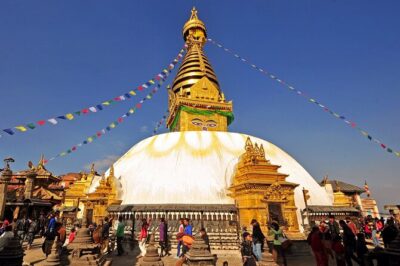
Swayambhunath, the hilltop Monkey Temple
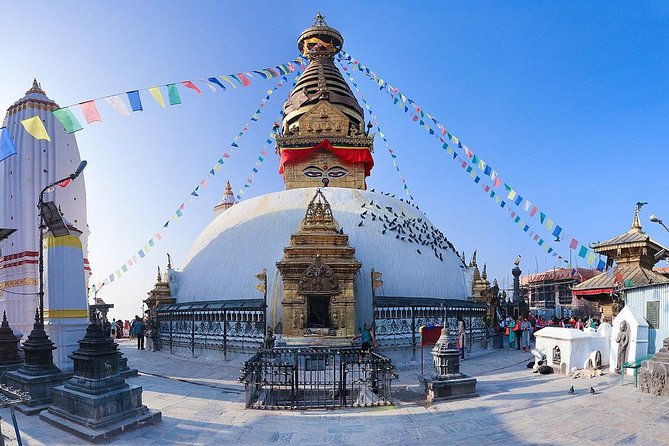
Swayambhunath is described as an approximately 2,600-year-old Buddhist stupa overlooking Kathmandu Valley. It is often called the Monkey Temple because of the monkeys living around the site. The nickname is memorable, but the religious importance is the real reason to come.
The stupa’s high position gives this stop a different feel from the city squares. You get a broad view over the valley, along with a major Buddhist shrine and the activity around it. The name Swayambhunath means self-existent god, pointing to the site’s long-standing spiritual role.
Plan for roughly an hour here, plus the time needed to get in and out of the vehicle. Admission is not included. Since this is a religious site, dress and behavior should be respectful, and you should keep a close eye on personal belongings around monkeys. Those are sensible precautions for any temple visit, not special requirements stated by the operator.
Swayambhunath is one of the places where a dedicated guide would add real value. A driver can get you there and point out the main area, but the meaning of the stupa, its symbolism, and the blend of Buddhist and local traditions are easier to understand with proper commentary. If the person accompanying you is only providing transport, bring a guidebook or arrange a separate guide.
Boudhanath Stupa and Tibetan Buddhist life
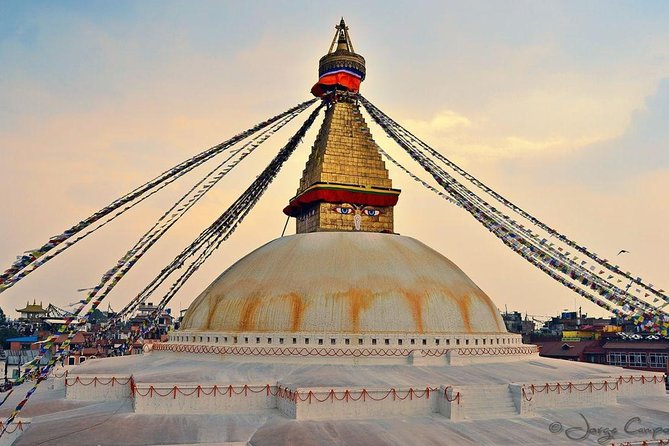
Boudhanath Stupa is presented as one of the largest stupas in the world and a major site for Tibetan visitors. Its construction dates back to the fourth century. The large shrine is often described as having a shape linked to Tibet, and the site is associated with wisdom.
This is another place where the scale matters. Boudhanath is not simply a monument to photograph from the roadside. The stupa forms the center of a religious area, and your hour is best used by walking around it and taking in the structure from different angles.
The stop gives the tour a useful contrast. Swayambhunath offers a hilltop setting and views across the valley. Boudhanath gives you a major Buddhist center in a more concentrated urban setting. Seeing both helps you understand that Kathmandu is not defined by one faith or one style of worship.
Again, admission is extra. The tour allows about an hour, which should be enough for a first circuit, but not for lingering in every nearby shrine or spending a long time observing religious practice. If Boudhanath is high on your list, consider returning independently when you can set your own pace.
A handful more Kathmandu trips to weigh up
- Kathmandu: Full Day 7 UNESCO Tour with Lunch – Private/Group
★ 5.0 · 415 reviews - Private Bhaktapur and Nagarkot Day Tour From Kathmandu
★ 5.0 · 305 reviews - Kathmandu: Full Day Top 4 UNESCO Tour with Lunch – Private/Group
★ 5.0 · 269 reviews - Kathmandu: Full-Day 7 UNESCO Tour with Lunch – Private/Group
★ 4.9 · 247 reviews
Pashupatinath Temple on the river
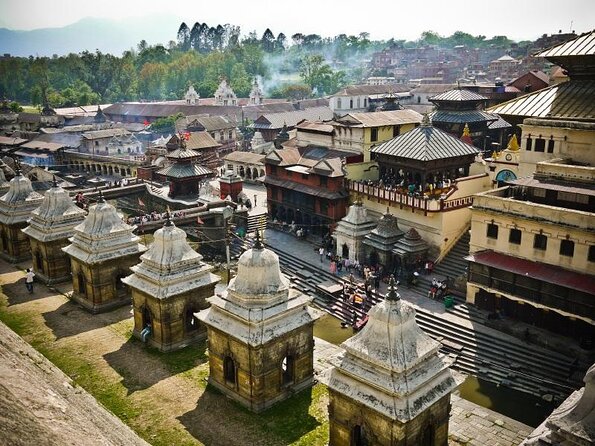
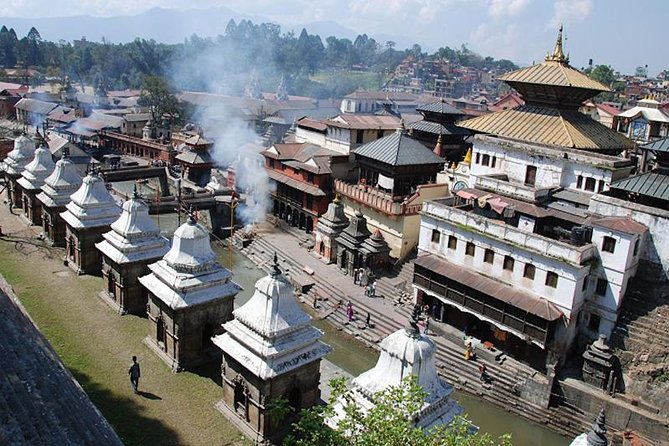
Pashupatinath Temple is one of the subcontinent’s major Hindu temples. Its name refers to the god of animal lives, and the temple stands on the bank of a river. The site attracts millions of visitors each year, making it one of Kathmandu’s most important religious destinations.
This stop adds a Hindu center to the two Buddhist sites and the royal square. That range is the tour’s main cultural strength. In a few hours, you see how Kathmandu Valley’s religious traditions sit close together, each with its own symbols, rituals, and sense of place.
The scheduled visit lasts about an hour, and the entrance fee is not included. The supplied information does not explain access rules for every part of the temple, so do not assume that every area is open to every visitor. Your driver or local representative should clarify what you can enter on the day.
Pashupatinath is also a place where a little context helps. Without explanation, you may see a large temple complex and a riverbank without understanding why the site matters. Ask before booking whether the English-speaking driver provides sightseeing commentary or only drives. That one question can shape your experience here.
What the $60 price really covers
At $60 per person, the value rests mostly in convenience. You are paying for transport, hotel pickup and drop-off, an air-conditioned vehicle, and a planned route through four important sites. If you were hiring separate taxis and negotiating each ride, the fixed arrangement could be worth the cost, particularly for a first day in Kathmandu.
The price does not cover monument admission. One direct account put foreign entrance charges at about 200 to 1,000 Nepalese rupees per site. Rates can vary, so carry extra Nepalese currency and treat the $60 as the transport and service price, not the complete cost of sightseeing.
The word private needs some care. The tour is described as operating on a sharing basis, with a maximum of 15 people. That means you may not receive a car reserved only for you and your companions. If you want a genuinely private vehicle, ask the provider to confirm the arrangement before paying.
There is a second value question: guide service. The general description refers to a guide explaining the city, but the included services list an English-speaking driver and excludes a tour guide. Those details do not match perfectly. I would book this as a vehicle-based city tour with possible commentary, not as a fully guided cultural tour, unless the provider confirms that a guide will join you.
The practical rhythm of the 9:15 am start
The start time gives you a full morning and early afternoon in the city. Pickup is offered from your accommodation in Kathmandu, though the supplied information does not specify a pickup window or list every eligible hotel. Have your accommodation details ready when booking.
The route includes four stops of about one hour each, but road time sits between them. Kathmandu traffic can make a five-hour plan feel tight, so keep the day flexible after drop-off. Do not schedule a flight, long-distance bus, or an important appointment immediately afterward.
A shared vehicle can also affect the pace. You may need to wait for other participants at pickup points or leave a site when the group is ready. That is the price of a lower-effort group outing. The maximum group size of 15 is manageable for transportation, but it is too large for the intimate feel of a private walking tour.
The clean, air-conditioned car is one of the most useful features. Kathmandu sightseeing involves dust, heat, traffic, and plenty of time on the road. A comfortable vehicle will not change the traffic, but it makes the gaps between monuments easier.
The biggest strength: easy transport between major sights
The clearest praise attached to this experience concerns its simple operation. Pickup and drop-off work well for someone who wants to avoid arranging four rides in an unfamiliar city. The car is clean and air-conditioned, and the service gets you to the main attractions without requiring much planning.
That matters more than it may sound. Kathmandu’s monuments are not arranged in one neat pedestrian district. A first-time visitor can lose time figuring out routes, fares, and return transport. This service handles the basic movement so you can focus on the sites.
Still, transport is not the same as interpretation. If you already know Kathmandu’s religious traditions and architectural terms, the tour may give you exactly what you need. If you want the stories behind the shrines, ask about the guide before booking, or plan to use your own reading during the visit.
Who will get the most from this tour?
I would point this tour toward several kinds of visitors:
- First-time visitors with one free day: You get a quick introduction to the valley’s major sights.
- People who prefer arranged transport: Hotel pickup and an air-conditioned vehicle remove much of the city logistics.
- Couples or small groups watching the budget: Sharing the vehicle can cost less than arranging separate private transport.
- Visitors with limited mobility or low tolerance for long road planning: The vehicle provides a base between stops, though the information does not give detailed accessibility specifications.
- Independent sightseers: You can use the transport and explore each site at your own pace within the group’s schedule.
I would hesitate if your priority is a private, slow, highly guided experience. The four-stop plan is efficient, not leisurely. It also may not suit anyone who wants certainty that a professional guide will explain every monument.
Service animals are allowed, and the experience is near public transportation. Most people can participate according to the supplied information, but you should discuss any specific mobility needs with the provider before booking because the details of walking distances and vehicle access are not given.
Small details that can make the day better
Carry cash for entrance fees. The listed charges can range from about 200 to 1,000 Nepalese rupees per site for foreign visitors, and none of the four admissions is included in the tour price.
Wear shoes that are comfortable for walking and clothing suitable for religious places. You will be moving through temple and stupa areas, not simply viewing them from the vehicle.
Keep your schedule open after the tour. Five to six hours is the expected duration, but Kathmandu traffic can affect the finish time. If Patan is essential, confirm that it remains on the day’s route before setting out.
Finally, ask one direct question at booking: Is an English-speaking guide joining the group, or is the English-speaking driver providing transport only? The answer will tell you whether this is the experience you want.
Should you book the Kathmandu sightseeing tour?
Book it if you want a well-organized first look at four major Kathmandu Valley sites and value clean, air-conditioned transport over a slow, deeply guided visit. The route is broad and useful, the hotel pickup is convenient, and the shared format can make the $60 price reasonable.
Skip it, or arrange extra help, if you want detailed cultural explanations, a guaranteed private vehicle, or long visits at each monument. Admission fees add to the cost, Patan may need confirmation, and the guide arrangements are not fully clear.
For many people, this works best as an orientation day. Use it to learn the shape of Kathmandu, decide which site deserves more time, and return later on your own if a particular stupa, square, or temple catches your attention.
FAQ
What is included in the Kathmandu sightseeing tour?
The tour includes an air-conditioned vehicle, an English-speaking driver, shared transportation, and hotel pickup and drop-off.
Are entrance fees included?
No. Monument entrance fees are paid separately. A direct estimate places foreign entrance charges at roughly 200 to 1,000 Nepalese rupees per site.
Which places does the tour visit?
The planned stops are Patan Durbar Square, Swayambhunath, Boudhanath Stupa, and Pashupatinath Temple.
How long does the tour last?
The experience takes approximately five to six hours. Each listed stop is planned for about one hour.
Is the tour private?
The tour operates on a sharing basis and can include a maximum of 15 people. Confirm with the provider if you require a vehicle reserved only for your party.
What is the cancellation policy?
You can cancel at least 24 hours before the start time for a full refund. Cancellations or changes made less than 24 hours before the experience are not accepted for a refund.
Just added around Kathmandu
- Traditional Momo Making Class★ 5.0 · 10 reviews
- Wildlife Adventure in Chitwan Nepal★ 4.0 · 4 reviews
- Walking tour of real Kathmandu through back streets.★ 5.0 · 3 reviews
- Kathmandu 2 Nights 3 Days Chitwan Jungle Safari Tour★ 5.0 · 9 reviews
- Kathmandu Street Food Walking Tour – Eat Like a Local★ 5.0 · 3 reviews
- Private Manaslu Circuit Trek at Himalayas★ 5.0 · 3 reviews
- Walking tour of Kathmandu with awesome local guides★ 5.0 · 4 reviews
- Visit Swayambhunath and Bauddhanath Stupa with Guide★ 5.0 · 5 reviews
Kathmandu City Sightseeing Tours, compared.
Private Kathmandu Sightseeing Tour | UNESCO World Heritage sites
Read our review →
Full Day Kathmandu City Sightseeing Tour of UNESCO Heritage Sites
Read our review →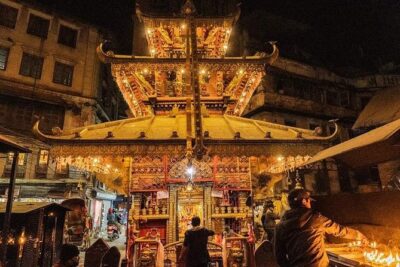
Browse the lists this tour appears in