
Reviewed · KATHMANDU WALKING TOURS
Kathmandu Walking Tour
Kathmandu reveals itself on foot, one crowded lane at a time. This four-hour walk leads you from the old market at Ason to Kathmandu Durbar Square, then uphill to Swayambhunath, the Monkey Temple, with a broad view across the Kathmandu Valley. In between, you pass shops, shrines, courtyards, and the much-talked-about Freak Street.
I like the small group limit of 10, which gives you a better chance to ask questions than a large bus tour. I also like the route itself: it connects everyday Kathmandu with two UNESCO World Heritage Sites instead of keeping you inside a sightseeing bubble. The main drawback is physical. You walk for four hours, climb at Swayambhunath, and pay monument fees separately.
Key points to know before you book
- Ason gives you a close look at daily Kathmandu life: This old market is a working part of the city, not just a photo stop.
- Two UNESCO sites fit into one walking route: You visit Kathmandu Durbar Square and Swayambhunath in the same half-day.
- Swayambhunath rewards the climb: The hilltop offers a panoramic view of the Kathmandu Valley.
- The group stays small: A maximum of 10 people should make it easier to hear the English-speaking guide and ask questions.
- Your feet do most of the work: Pickup is on foot from a Thamel-area hotel, and you can walk back or pay for a taxi from Swayambhunath to Thamel.
- Bring cash for entrance fees: Monument tickets are not included, and mineral water is the only listed refreshment.
Starting in Thamel and heading toward Ason
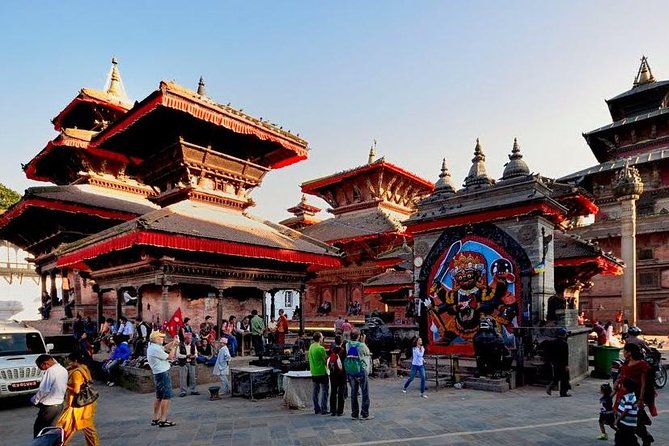
The tour begins with pickup from your hotel in the Thamel area. You need to provide the hotel name when booking, and the guide comes to meet you there. That simple start matters in Kathmandu, where a clear meeting point saves time and avoids confusion in the city’s busy streets.
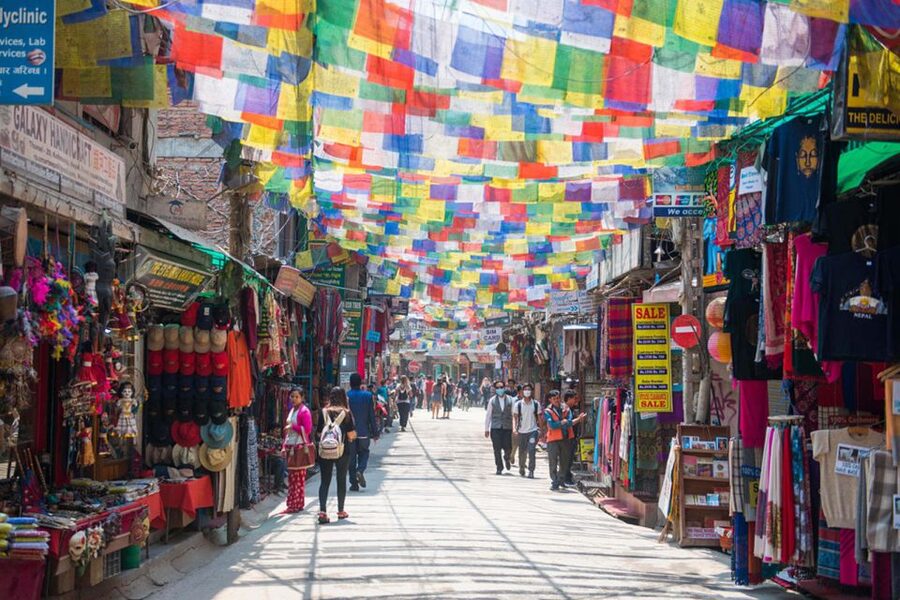
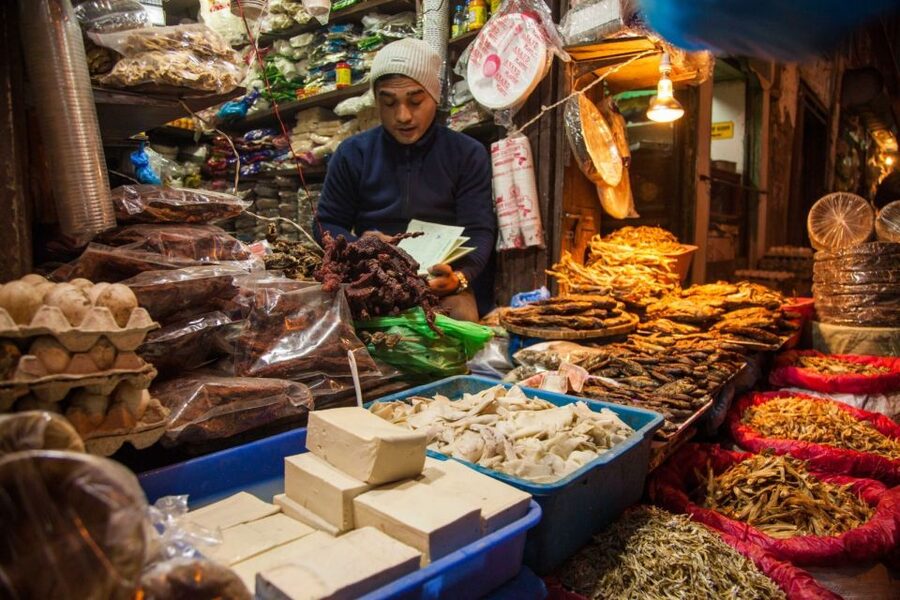
From Thamel, you walk toward Ason. The route is part sightseeing and part orientation lesson. You pass shops, squares, old temples, and side streets where Kathmandu’s routines carry on around you. This is the part of the tour that can help you get your bearings early in a Nepal trip, especially if you have just arrived and want to understand how the central city connects together.
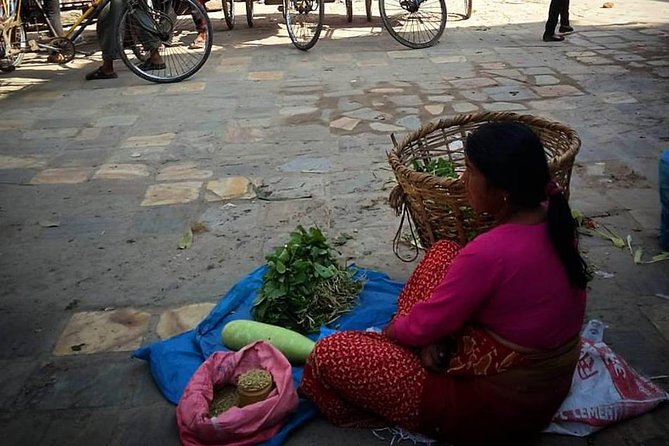
Ason is described as the oldest market place in Kathmandu. It is not presented as a quiet historic quarter. Expect activity, traffic, people shopping, and narrow passages where you need to pay attention to your footing and the flow around you.
I like that Ason is treated as a living market rather than a quick backdrop. You see the city being used for ordinary purposes, while the guide explains what you are passing. The trade-off is that this is a working urban area, so the walk may feel noisy and crowded rather than polished or relaxed.
More walking tours in Kathmandu:
- Kathmandu Food and Drink Walking Tour
★ 5.0 · 266 reviews - Kathmandu: Food and Drink Walking Tour
★ 4.9 · 119 reviews - Walking Street Food Tour in Kathmandu
★ 5.0 · 111 reviews
Ason market and the everyday city
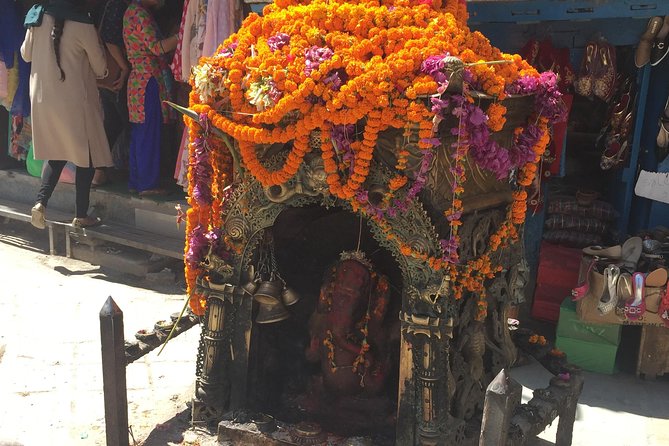
Ason is an important early stop because it puts Kathmandu’s religious and commercial life side by side. Ancient temples and shrines appear along streets filled with shops. That mix is one of the most useful things about a walking tour here: you do not have to choose between monuments and local life.
The guide’s role matters most in this section. Without context, a small shrine can look like one more colorful feature in a dense street. With explanation, you have a better chance of understanding why a particular temple or square matters and how religious places fit into daily routines.
Several past participants specifically praised the quality of the guiding. Shankar Bhattarai was singled out for explaining stories clearly, while Madan Sakota was praised for covering Kathmandu’s history, cultures, shrines, and daily life. Those names do not guarantee who will lead your departure, but they show the kind of guide this tour aims to provide: a person who explains rather than simply points.
You should keep your expectations practical. This is a walking visit through an active market, not a private photography session. You may pause often, but the tour still has to cover a fair amount of ground before reaching the next major site.
Kathmandu Durbar Square and the old royal center
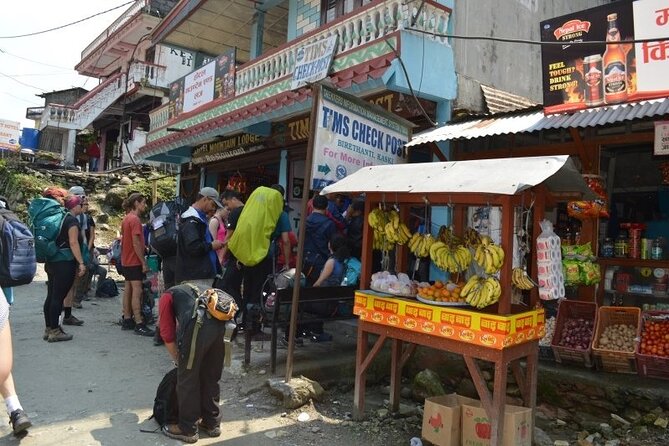
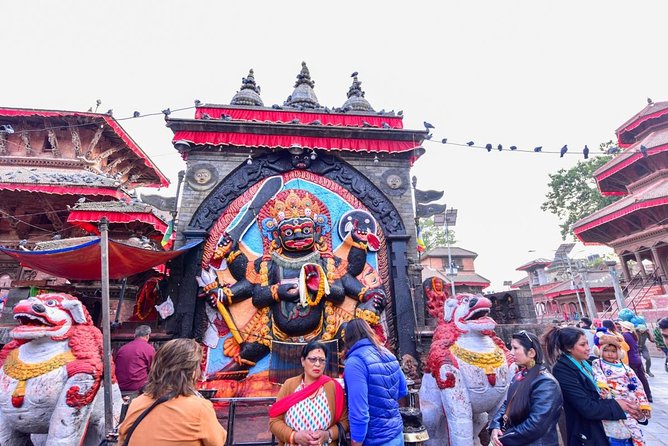
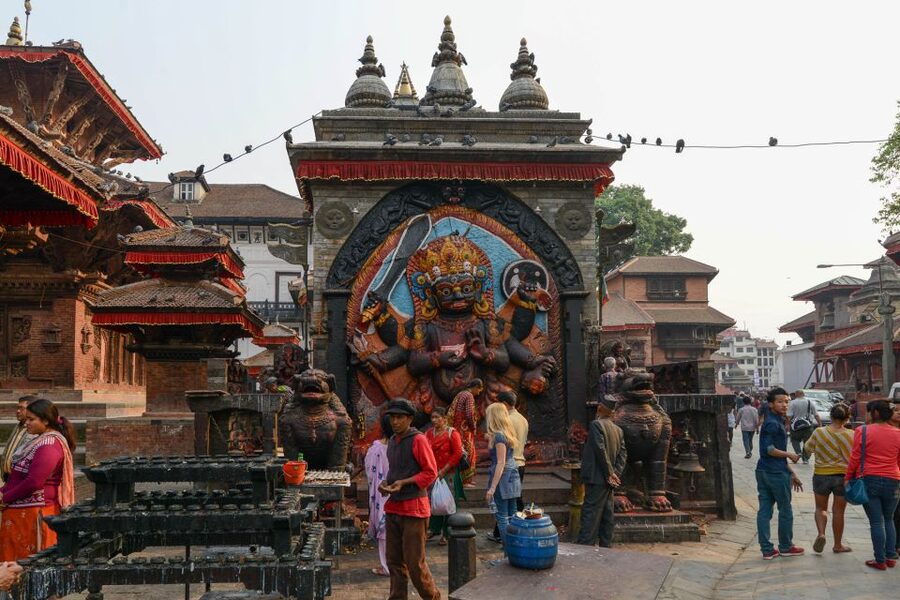
From the market area, the walk continues to Kathmandu Durbar Square, one of the two UNESCO World Heritage Sites on the route. The square is a major historical and religious center, with temples, palaces, and shrines grouped in a compact area.
This is the point where the tour shifts from street observation to concentrated monument viewing. You can expect the guide to explain the role of the square and help place its buildings within Kathmandu’s past. The value of having a guide here is clear: a row of carved details or a shrine can mean much more when you know what to look for.
Entrance fees are not included in the $30 price. Set aside cash for the monuments, and carry your passport or another form of identification as advised. The activity notes also indicate skip-the-ticket-line access, but that does not remove the entrance charge itself.
The square is a strong stop for anyone who wants both architecture and religious context in one place. It is less ideal if you want a slow, unstructured wander. The four-hour schedule includes several districts and sites, so your time at each location is likely to be guided and purposeful rather than open-ended.
Freak Street and a glimpse of Kathmandu’s recent past
After Durbar Square, the route takes you to nearby Freak Street. The name is tied to Kathmandu’s hippie era, when the street became a well-known meeting point for visitors seeking a different kind of life in the city.
Freak Street adds a useful layer to the tour. A visit focused only on temples and palaces can make Kathmandu seem frozen in the past. This stop reminds you that the city has also been part of more recent travel history and changing social scenes.
Do not expect a separate half-day visit here. It is described as a nearby junction on the walking route, so its value comes from the guide’s explanation and its connection to Durbar Square. If you are especially interested in the hippie era, you may want to spend extra time in the area after the tour, but the scheduled experience continues to Swayambhunath.
Same city, a completely different sort of day:
- Everest Base Camp Trek – 14 Days
★ 5.0 · 1,499 reviews - Private Kathmandu Sightseeing Tour | UNESCO World Heritage sites
★ 5.0 · 756 reviews - Everest Base Camp Helicopter Tour landing at Everest View Hotel
★ 5.0 · 668 reviews - Half day cooking class in Thamel kathmandu
★ 5.0 · 607 reviews
Climbing to Swayambhunath, the Monkey Temple
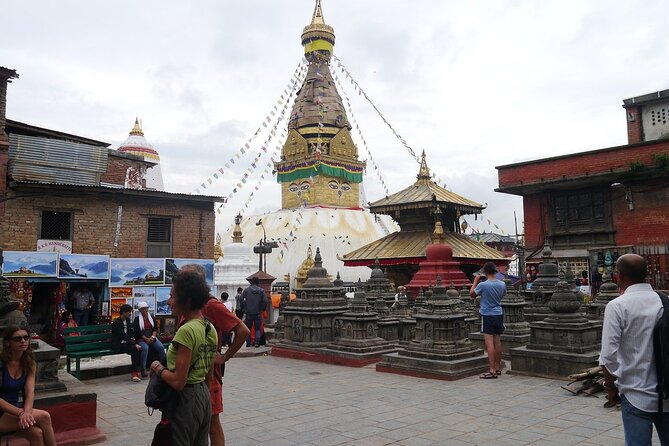
The final major stop is Swayambhunath, also called the Monkey Temple. It sits on top of a hill, which gives the tour its biggest physical challenge and its broadest view.
The climb is worth keeping in mind when deciding if this outing fits you. The activity is not suitable for wheelchair users or pregnant women, and comfortable shoes are specifically recommended. Even for an able walker, four hours on Kathmandu streets followed by a hilltop visit can be tiring, especially if you are not used to walking on uneven urban surfaces.
At the top, the reward is a panoramic view of the Kathmandu Valley. This is a fine way to finish the sightseeing portion because you can look back across the city after seeing it close up. Ason showed you the streets at ground level. Durbar Square showed you a historic center. Swayambhunath lets you see how the city spreads across the valley.
The name Monkey Temple is part of the site’s popular identity, but the visit is not only about animals or the view. The tour description emphasizes temples and shrines throughout the walk, and Swayambhunath is another chance to connect religious places with Kathmandu’s wider setting.
Returning to Thamel after the hilltop view
After Swayambhunath, you can walk back to Thamel or take a taxi. Taxi fare is not included, so carry cash if you want the easier option after the climb.
This final choice gives the tour some useful flexibility. Walking back keeps the outing active and avoids an extra cost. Taking a taxi saves energy and may make sense if you have evening plans, feel worn out, or simply want to finish after the main viewpoint.
The route is described as lasting four hours, but the exact start time depends on availability. Since the walking distance, site visits, and return option all affect how the morning or afternoon feels, check the available departure time before booking.
What the $30 price really covers
At $30 per person, the tour is priced as a guided introduction to central Kathmandu rather than as a full package with every cost included. You receive an experienced English-speaking guide, hotel pickup from the Thamel area, a small group capped at 10 people, and mineral water.
The price makes the most sense if you value explanation and a planned route. A local guide can connect Ason, Durbar Square, Freak Street, and Swayambhunath in a way that may be harder to manage alone during a first visit. You also avoid spending time working out how to link the sites.
The extra costs are important. Monument entrance fees are separate, and any taxi is also your responsibility. The tour is therefore not a $30 all-in sightseeing budget. Think of it as $30 for the guiding and route, plus the site charges and possible transport afterward.
For a private tour, you would normally expect to pay more. Here, the small group size gives you some of the benefits of personal attention without making the price as high as a one-to-one outing. If the group reaches the full limit of 10, it will still feel more manageable than a large coach group, though you should not expect a completely private pace.
The guides and the value of good explanations
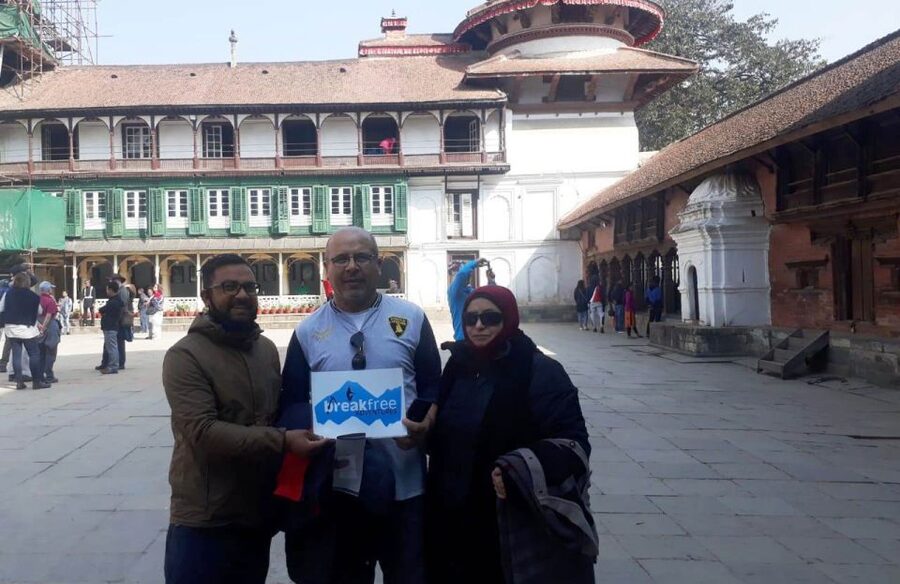
The strongest part of this activity is the human element. The written feedback connected the best experiences with guides who explained Kathmandu clearly, answered questions, and covered more than dates and buildings.
Shankar Bhattarai received particular praise for the way he told stories and shared facts. Madan Sakota was noted for creating a better understanding of the city’s history, cultures, shrines, and daily life. One English-language review described the guide as friendly and competent, with pickup on time and a return to the hotel afterward.
Again, a named guide may not be the person assigned to your group. Still, these comments point to the right expectation: the tour works best when you use the guide actively. Ask about the temples, the market, religious practices, the old royal center, or the hippie era. A quiet group that only follows along will get less from the four hours.
The activity is offered in English. If you need another language, this is not the right choice based on the information provided.
Who should take this Kathmandu walking tour
I would suggest this tour to a first-time visitor who wants a quick but meaningful introduction to central Kathmandu. It suits you if you enjoy walking, want local context, and prefer to see several important places without arranging each leg yourself.
It is also useful early in a Nepal stay. The route can help you understand the shape of central Kathmandu, the relationship between markets and religious sites, and the difference between seeing a monument alone and hearing how it fits into city life.
You may want another option if you dislike crowds, have limited stamina, or want a slow visit at each temple. Four hours is a lot of time on foot, and the route includes active streets plus a hilltop site. Pregnant women and wheelchair users should not book this activity because it is specifically listed as unsuitable for them.
Bring comfortable shoes, cash, mineral water if you prefer more than the included bottle, and your passport or ID card. The guide supplies mineral water, but cash remains useful for entrance fees and a possible taxi.
Booking flexibility and practical details
You can cancel up to 24 hours before the activity for a full refund. You can also reserve now and pay later, which is useful when your Kathmandu schedule is still changing.
Pickup is included only from hotels in the Thamel area, so give the hotel name at the time of booking. The information does not promise pickup from every part of Kathmandu, and it does not include transfers from elsewhere.
The group is limited to 10 people. That size should help with hearing the guide in busy streets and asking questions at the sites. The activity has a 4.3 rating from 15 reviews, with the strongest praise focused on clear explanations, friendly service, and guides who brought together history, religion, and ordinary life.
Should you book it?
Book this tour if you want a guided first look at Kathmandu on foot, especially if Ason’s market, Durbar Square, and the Swayambhunath viewpoint all appeal to you. The route is well chosen, the group is small, and the guide can add the context that makes shrines, streets, and old buildings easier to understand.
Skip it if you need step-free access, do not want to walk for four hours, or prefer to explore one monument at your own pace. For most active first-time visitors staying in Thamel, $30 is a fair starting price, provided you budget separately for entrance fees and perhaps a taxi back from the hill.
FAQ
How long does the Kathmandu Walking Tour last?
The tour lasts four hours. Starting times vary, so you need to check availability when booking.
Where does the tour begin?
Pickup is included from your hotel in the Thamel area. Provide the hotel name when you book so the guide knows where to meet you.
Which UNESCO World Heritage Sites are included?
The route visits Kathmandu Durbar Square and Swayambhunath, also known as the Monkey Temple.
Is transportation included after Swayambhunath?
No. You can walk back to Thamel or take a taxi, but taxi costs are not included.
Are entrance fees included in the $30 price?
No. Monument entrance fees are separate, so bring cash to cover them.
Is the tour suitable for wheelchair users or pregnant women?
No. The activity is listed as unsuitable for wheelchair users and pregnant women, and comfortable shoes are recommended for the walking route and hilltop visit.
Just added around Kathmandu
- Traditional Momo Making Class★ 5.0 · 10 reviews
- Wildlife Adventure in Chitwan Nepal★ 4.0 · 4 reviews
- Walking tour of real Kathmandu through back streets.★ 5.0 · 3 reviews
- Kathmandu 2 Nights 3 Days Chitwan Jungle Safari Tour★ 5.0 · 9 reviews
- Kathmandu Street Food Walking Tour – Eat Like a Local★ 5.0 · 3 reviews
- Private Manaslu Circuit Trek at Himalayas★ 5.0 · 3 reviews
- Walking tour of Kathmandu with awesome local guides★ 5.0 · 4 reviews
- Visit Swayambhunath and Bauddhanath Stupa with Guide★ 5.0 · 5 reviews
Kathmandu Walking Tours, compared.

Walking Food Tour in Hidden Local Eateries of Kathmandu
Read our review →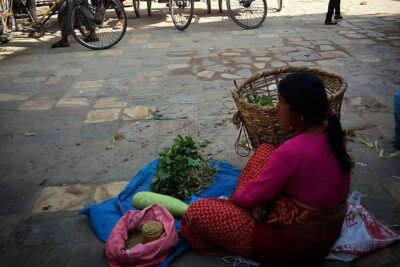
Old Kathmandu Walking Tour, Historic World Heritage Durbar Square
Read our review →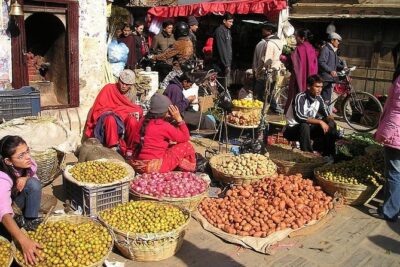
Browse the lists this tour appears in