
Reviewed · KATHMANDU CITY SIGHTSEEING TOURS
Private Full-Day Kathmandu City Tour
Kathmandu’s biggest cultural sights fit into one long, well-planned day here: Durbar Square, Boudhanath, Swayambhunath, and Pashupatinath. You get a private guide, an air-conditioned vehicle, and hotel pickup, which makes this a smart first look at a city that can feel confusing on your own.
I like the way this tour mixes Hindu and Buddhist places rather than showing you only one side of Nepal. I also like the private format, since you can ask questions, adjust your pace, and hear the stories behind the carved temples instead of simply collecting photographs. The main drawback is the packed schedule: six to eight hours is a lot of sightseeing, and lunch is not included.
Four Kathmandu sights, one useful first-day route
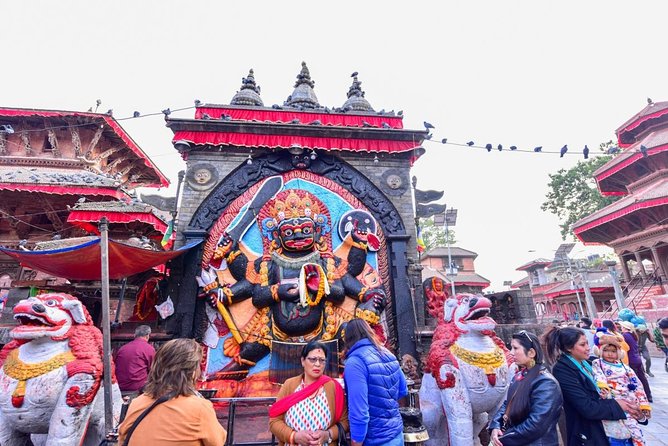
- Durbar Square opens with royal Kathmandu: See historic palace courtyards and the place associated with Nepal’s living goddess.
- Pashupatinath brings you close to Hindu tradition: This major Shiva temple complex is one of Nepal’s holiest religious sites.
- Boudhanath gives you a full Buddhist pause: Walk around one of South Asia’s largest stupas and watch the sacred space at its own steady pace.
- Swayambhunath adds hilltop views and monkeys: The famous Monkey Temple combines religious importance with one of Kathmandu’s best-known settings.
- A private vehicle saves time: Hotel pickup and drop-off remove the need to arrange city transport between distant sites.
- Guides can make or break the day: Guides associated with this experience include Siri and Sandy, and the operator may assign a multilingual guide.
Why this private Kathmandu day works for first-time visitors
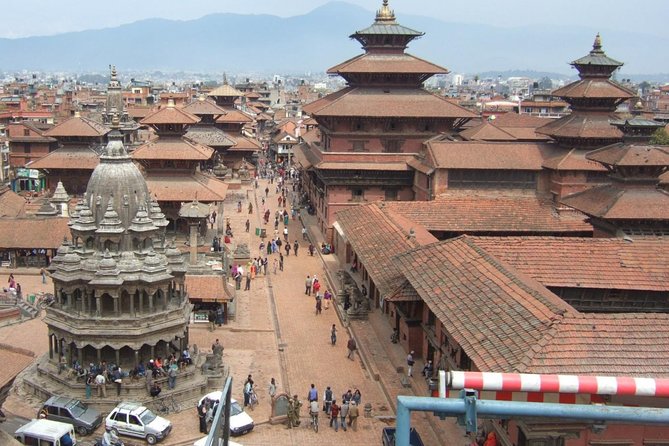
Kathmandu is not a city you understand from a quick walk down one street. Its major sights are spread across different parts of the capital, and each one represents a different part of Nepal’s religious and royal story. This tour connects them in a single outing.
The value is not just seeing four famous places. It is having someone explain why they matter. A guide can point out the difference between a Hindu temple and a Buddhist stupa, explain the role of the living goddess, and set Pashupatinath within Nepal’s Hindu tradition.
You begin around 9:00 or 9:30 in the morning, depending on the confirmed pickup time. The stated duration is about six to eight hours, though the day can feel longer if you take full time at each stop. The route is private, so you do not have to wait for a large group or follow someone else’s pace.
I would choose this tour if I had only one full day in Kathmandu. It is also useful after arriving in Nepal, when you want the basic cultural framework before exploring more independently.
More sightseeing tours in Kathmandu:
- Private Kathmandu Sightseeing Tour | UNESCO World Heritage sites
★ 5.0 · 756 reviews - Kathmandu Private Sightseeing Tour | UNESCO World Heritage Sites
★ 5.0 · 109 reviews - Kathmandu: Private Patan and Bhaktapur Sightseeing Tour
★ 4.7 · 64 reviews
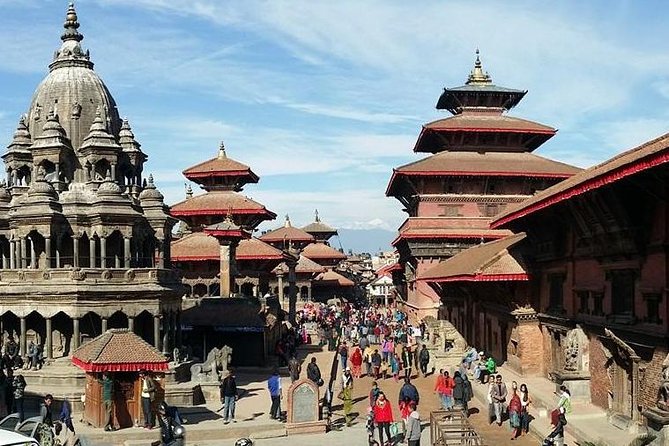
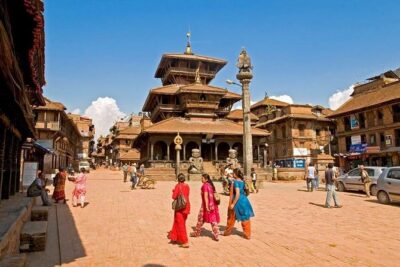
Kathmandu Durbar Square: royal courtyards and the living goddess
The first major visit is Kathmandu Durbar Square, with about two hours set aside. This is the place to begin because it gives you a strong introduction to the capital’s royal, artistic, and religious traditions.
The square is connected with Nepal’s former royal center and includes the home of the living goddess, known as the Kumari. The tour description highlights the chance to see this important site, but you should keep your expectations realistic. Seeing the Kumari herself is not guaranteed, and the value of the visit is also in the courtyard, architecture, and explanation of the tradition.
This is the stop where a guide’s commentary matters most. A carved doorway may look like decoration if you do not know what you are seeing. With context, the square becomes a record of royal power, religious practice, and Newar craftsmanship.
Two hours is a useful amount of time here. You can look carefully instead of rushing from one structure to the next. The main practical issue is that historic squares can involve uneven paving and plenty of walking. The tour is described as suitable for most people, but comfortable shoes are still a sensible choice.
Admission is listed as free for this experience. That does not mean every possible activity or personal expense during the day is covered, so keep some money available for food and anything you choose to buy.
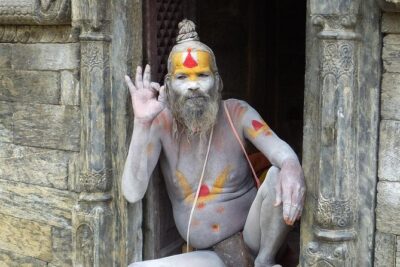
Pashupatinath: a serious Hindu center by the river
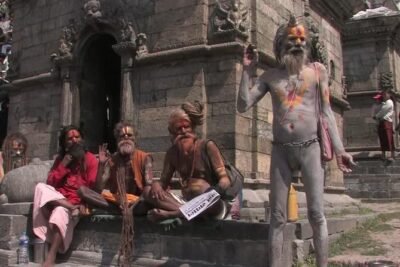
Pashupatinath is listed as the next stop and is located about five kilometers east of central Kathmandu. The temple is dedicated to Shiva, one of the central deities in Hinduism, and is regarded as one of the holiest Hindu places in Nepal.
This is not simply another ornate temple for your camera. Pashupatinath is an active religious center. A guide helps you understand what you are seeing and how the site fits into Nepalese Hindu life. The tour description calls it a fourth-century Hindu center, giving the place a very long historical span.
The stated stop time is only two minutes, which appears too brief for a meaningful visit. The overall tour description presents Pashupatinath as one of the four main stops, so I would confirm the intended amount of time when booking or at pickup. This is an important point because the site deserves more than a quick look from a vehicle.
Access and viewing arrangements can vary within religious sites. The supplied details do not promise entry into every temple building, and you should not assume that all areas are open to everyone. Your guide can explain what you may see and how to behave respectfully.
The best attitude here is observant and quiet. Religious places are not stage sets. You may find that the atmosphere feels more serious than at the other stops, and that is part of what makes Pashupatinath important.
Boudhanath Stupa: a slower Buddhist hour
Boudhanath receives about one hour on the schedule. This is one of the world’s largest Buddhist stupas and is described as the largest stupa in South Asia. Its broad white dome and large central structure make it easy to recognize, but the real pleasure is walking around it.
The circular layout gives you a clear way to experience the site. Rather than moving through a series of disconnected rooms, you follow the stupa’s outer path and take in its Buddhist symbols, surrounding buildings, and devotional activity.
This is a good place to let the day slow down. After the royal architecture of Durbar Square and the solemn religious importance of Pashupatinath, Boudhanath offers a different rhythm. Your guide can explain the religious meaning of the stupa and the customs connected with it.
One hour should give you enough time for a thoughtful visit, though it may feel short if you want to browse every nearby shop or stop for a drink. Since lunch is not included, Boudhanath may also be a practical point to ask your guide about food timing, though the tour details do not specify a restaurant or meal stop.
The private vehicle is especially useful on this part of the route. You can leave your sightseeing gear in the car and continue without arranging a separate taxi between the city’s major religious centers.
More full-day trips in Kathmandu:
- Kathmandu: Full Day 7 UNESCO Tour with Lunch – Private/Group
★ 5.0 · 415 reviews - Kathmandu: Full Day Top 4 UNESCO Tour with Lunch – Private/Group
★ 5.0 · 269 reviews - Kathmandu: Full-Day 7 UNESCO Tour with Lunch – Private/Group
★ 4.9 · 247 reviews - Kathmandu: Full Day 7 UNESCO Tour with Lunch – Private/Group
★ 5.0 · 101 reviews
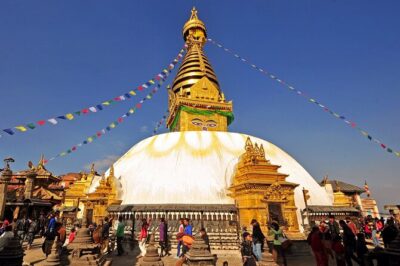
Swayambhunath: the Monkey Temple on the hill
Swayambhunath, often called the Monkey Temple, is given about two hours. The nickname comes from the monkeys found around the hilltop site, but the religious meaning is much more important than the animal sightings.
The guide explains the cultural, historical, and religious importance of the stupa. That explanation is useful because Swayambhunath can look like a simple photo stop when you first arrive. The hilltop setting, the stupa, and the surrounding religious features create a strong sense of place, but you will appreciate it more when you understand what you are looking at.
The stop may involve steps or uphill walking. The information does not provide a precise step count or promise a particular route, so ask your guide about the easiest approach if mobility is a concern. Most people can participate, but the tour does not provide booster seats for children, and the overall day is not designed around young children’s equipment.
The monkeys are part of the setting, not an attraction to handle. The wording suggests you may see them close by, but you should follow your guide’s instructions and avoid treating them as pets.
Two hours allows time for the site itself and for taking in the hilltop views. I would save some energy for this stop, especially if you have already spent the morning walking through Durbar Square.
The private car matters more than it first appears
Hotel pickup and drop-off are included, along with transport in a private air-conditioned vehicle. In Kathmandu, that is a real convenience. You do not need to find a taxi at each stop, negotiate the next ride, or keep checking the map while trying to absorb the sights.
The vehicle also gives the day a useful pause between visits. Four major religious and cultural sites can be tiring, and a private car lets you sit down, cool off, and gather your thoughts.
The tour is priced at $99 per group of up to two people. That means the price is not per person, so a pair pays about $49.50 each before any personal expenses. For two people, a private vehicle, hotel transfers, and a full-day guide make the price reasonable, especially if you value convenience and cultural explanation.
The additional information also says a booking can include up to 10 people, while the main price description specifies a group of up to two. I would clarify the final group size and price before paying if you are booking for more than two people. The private format means only your own party participates, but the exact pricing structure may change with group size.
What the guide adds to the day
A guide is the difference between recognizing four famous sites and understanding how they connect. The tour is intended to provide commentary on Nepal’s history and culture, not just transportation between monuments.
Guide names associated with the experience include Siri and Sandy. If one of them is assigned to your group, you can expect the day to include help at each stage, from navigating the sites to offering suggestions about what deserves your attention. The operator may also provide a multilingual guide.
The strongest praise attached to the experience concerns the guides’ help throughout the day and the drivers’ punctuality and navigation. Those details matter. A private tour is only good if the driver gets you between sites efficiently and the guide remains attentive rather than leaving you to figure things out alone.
Because the tour covers religious places, I would use the guide actively. Ask when photography is appropriate, which areas are restricted, and what customs you should follow. The tour gives you access to local explanation, so make use of it.
Timing, lunch, and the day’s small drawbacks
The tour begins at roughly 9:00 or 9:30 and ends in the evening after a full day of sightseeing. The information gives a six to eight-hour duration, so the exact finish depends on pickup time, traffic, and how long you spend at each stop.
Lunch is not included. That is easy to overlook when you see the full-day label. Bring money for a meal and ask early in the day how the schedule will handle lunch. No restaurant is specified, so do not assume that a set meal forms part of the booking.
The cancellation terms are strict: the experience is non-refundable and cannot be changed for any reason after cancellation or amendment. I would only book once your Kathmandu plans are firm.
A mobile ticket is offered, and confirmation is received at booking. Hotel pickup is included, but you should make sure the operator has the correct hotel details and confirmed start time.
Who should book this Kathmandu tour?
I think this is best for a first visit, a short stay, or anyone who wants a clear cultural introduction without managing city transport. It also suits couples and small private groups who prefer questions and conversation over a fixed large-group script.
It is a good fit if you want to see both Hindu and Buddhist sites in one day. It is less suitable if you prefer long, unhurried visits to one or two places, since four major stops create a full schedule.
Families should note that booster seats are not available. Most people can participate, but the day includes walking and likely steps, especially at Swayambhunath. If you need a slower pace, discuss that with the operator before booking.
Should you book it?
Book this tour if you have one free day in Kathmandu and want the city’s main cultural sites arranged for you. The combination of private transport, hotel transfers, and a guide gives you strong practical value at $99 for two people.
I would confirm three things first: the exact pickup time, the intended time at Pashupatinath, and the price if your party is larger than two. If those details suit your plans, this is a sensible and efficient introduction to Kathmandu, with enough cultural explanation to help the rest of your Nepal trip make more sense.
FAQ
What sites does the tour visit?
The tour visits Kathmandu Durbar Square, Pashupatinath Temple, Boudhanath Stupa, and Swayambhunath, also known as the Monkey Temple.
How long does the tour last?
The tour lasts approximately six to eight hours, with pickup beginning around 9:00 or 9:30 in the morning.
Is hotel pickup included?
Yes. Hotel pickup and drop-off are included, with evening return after sightseeing.
Is transportation private?
Yes. Transportation is provided in a private air-conditioned vehicle, and only your group participates in the activity.
Is lunch included?
No. Lunch is not included in the tour price.
How much does the tour cost?
The listed price is $99 per group of up to two people. The price is per vehicle. The additional information allows a maximum of 10 people per booking, so confirm the rate for groups larger than two.
Will I have a private guide?
Yes. A private guide is included. The guide may be multilingual, and guide names associated with the experience include Siri and Sandy.
Are booster seats available for children?
No. Booster seats for children are not available.
Just added around Kathmandu
- Traditional Momo Making Class★ 5.0 · 10 reviews
- Wildlife Adventure in Chitwan Nepal★ 4.0 · 4 reviews
- Walking tour of real Kathmandu through back streets.★ 5.0 · 3 reviews
- Kathmandu 2 Nights 3 Days Chitwan Jungle Safari Tour★ 5.0 · 9 reviews
- Kathmandu Street Food Walking Tour – Eat Like a Local★ 5.0 · 3 reviews
- Private Manaslu Circuit Trek at Himalayas★ 5.0 · 3 reviews
- Walking tour of Kathmandu with awesome local guides★ 5.0 · 4 reviews
- Visit Swayambhunath and Bauddhanath Stupa with Guide★ 5.0 · 5 reviews
Kathmandu City Sightseeing Tours, compared.
Private Kathmandu Sightseeing Tour | UNESCO World Heritage sites
Read our review →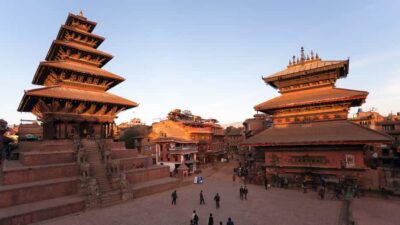
Full Day Kathmandu City Sightseeing Tour of UNESCO Heritage Sites
Read our review →
Browse the lists this tour appears in