
Reviewed · KATHMANDU CITY SIGHTSEEING TOURS
Traditional Kathmandu Day Tour with History and Mystery
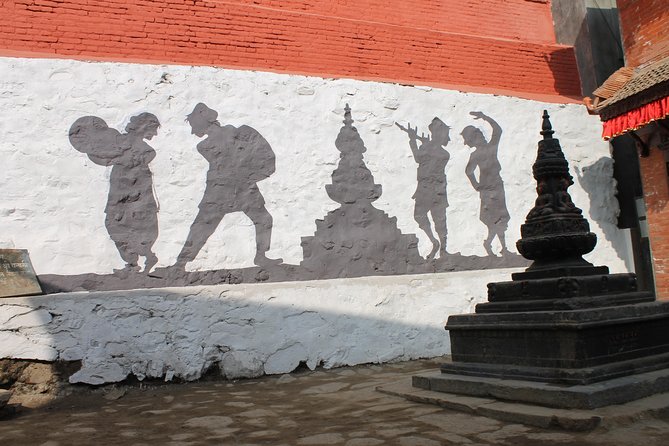
Kirtipur’s narrow lanes, old temples, and hilltop views give this Kathmandu tour its real character. Instead of concentrating on the valley’s famous World Heritage sites, you spend the day in traditional Newar towns, village communities, and places tied to local legends. Khokana and Bungamati are especially useful stops if you want to see daily life beyond the usual sightseeing circuit.
I like the mix of culture and folklore, and I like that the tour is designed for solo visitors who want company. The air-conditioned vehicle also matters in Kathmandu, where road conditions and midday heat can make a day of moving around tiring. The main concern is current availability: the overall score is a modest 3.9 out of 5 from seven ratings, including one severe report saying the tour no longer existed. Confirm that the departure is operating before building your day around it.
Key points at a glance
- Kirtipur’s old lanes: Walk through a traditional Newar town, visiting Bagh Bhairab Temple, Uma Maheshwar Temple, and Chilancho Bahal.
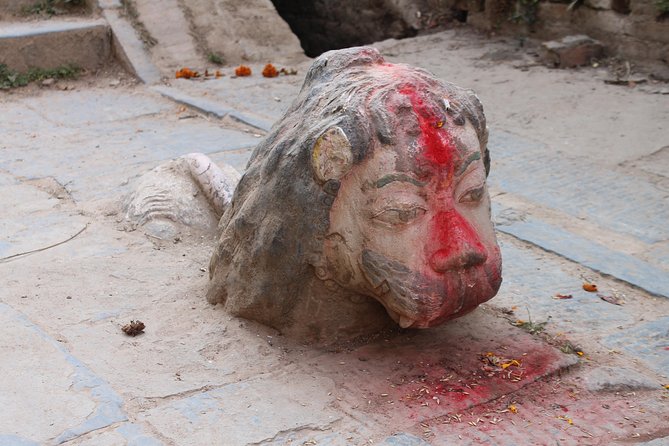
- Khokana without the usual crowds: See traditional homes, local work, ponds, and unusual village customs, including the claim that you will not see chickens there.
- Bungamati’s craft traditions: Visit the museum and Macchendranath Temple, with local wood carving and masks forming part of the visit.
- Taudaha’s myths and birds: Walk beside a lake linked to the serpent Karkotak Naag, with fish feeding and winter migratory ducks.
- A social day out: The tour is intended to bring solo and international visitors together in a group of up to 30.
- Low upfront cost: At $32 per person, transport and a licensed English-speaking guide are included, but food, drinks, bottled water, and entry fees are not.
Why this route feels different from a standard Kathmandu tour
Kathmandu sightseeing often centers on major temples, stupas, and palace squares. This outing takes a quieter path through the southern part of the valley, where the interest comes from old settlements, local traditions, and stories that are not always easy to find on your own.
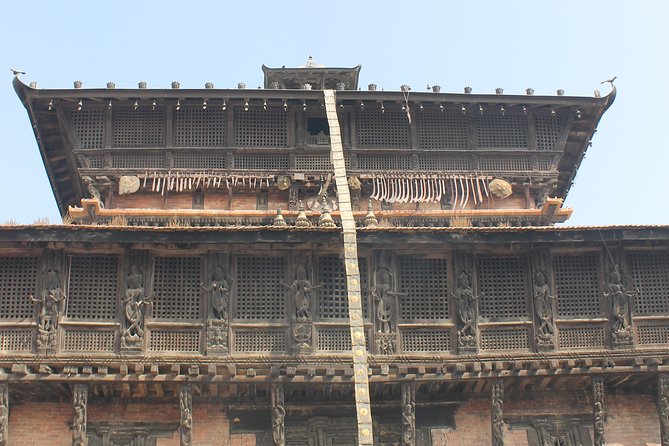
The focus is the Newar culture of the valley. You see it in the layout of Kirtipur, the woodwork in Bungamati, the traditional homes of Khokana, and the ponds and temples woven into village life. The guide’s role matters here. A street or shrine may look ordinary until someone explains its legend, religious use, or place in local memory.
This is also a friendship-style tour. You are not simply being driven from one famous monument to another. You spend a full day with other international visitors, which can be helpful if you are traveling alone. The maximum group size is 30, so do not expect a private walk or a quiet, highly tailored guide experience.
The stated duration is about five to seven hours, with a 9:45 am start from Leknath Marg in Kathmandu. That is a useful middle ground: long enough to reach several less familiar places, but not an exhausting full-day excursion outside the valley. The tour returns to the same meeting point.
More sightseeing tours in Kathmandu:
- Private Kathmandu Sightseeing Tour | UNESCO World Heritage sites
★ 5.0 · 756 reviews - Kathmandu Private Sightseeing Tour | UNESCO World Heritage Sites
★ 5.0 · 109 reviews - Kathmandu: Private Patan and Bhaktapur Sightseeing Tour
★ 4.7 · 64 reviews
Kirtipur begins with Bagh Bhairab Temple
The first stop is Bagh Bhairab Temple, in Kirtipur at the southern foothills of Kathmandu. From the temple area, you can look across the Kathmandu Valley and get a sense of its setting, with the city spread below and hills around it.
The temple is dedicated to Bhairab, a fierce form of Shiva, and Kirtipur itself is a traditional Newar town. The attraction here is not just the shrine. It is the chance to start the day in a settlement with its own legends, stories, and mysteries rather than in a modern city district.
You have about 30 minutes at Bagh Bhairab. An admission fee may apply, and entry tickets are not included in the tour price. Carry some Nepalese rupees if you want to avoid hunting for change, though the exact fee is not specified.
This stop involves an uphill town setting and views, so comfortable shoes are sensible. The tour description does not give a difficulty rating, but you should expect walking rather than a vehicle-only visit.
Chilancho Bahal and Kirtipur’s narrow lanes
The Kirtipur walk continues for about an hour and includes Chilancho Bahal, a Buddhist temple, along with Uma Maheshwar Temple. The route passes through narrow alleys where the main attraction is the traditional pattern of life around them.
This is the section where a guide can add the most value. In a compact old town, you may see more than you would on a quick independent walk, but you may not know what you are looking at. The guide is described as a government-certified, English-speaking professional who shares information about the town and its stories.
Chilancho Bahal is free to enter according to the tour details. The walk is likely to feel more personal than a stop at a large monument because the streets themselves form part of the experience. You are looking at homes, shrines, lanes, and local routines rather than only taking photographs of a single landmark.
Keep your expectations sensible. This is not presented as a polished museum visit with extensive displays. It is a guided look at a living traditional town. That makes it valuable for some visitors and less appealing for anyone who wants a fast list of major attractions.
Khokana shows a village side of the valley
The next major stop is Khokana Bus Park, used as the access point for a traditional Newar village. You spend about an hour here looking at local housing, culture, and livelihood.
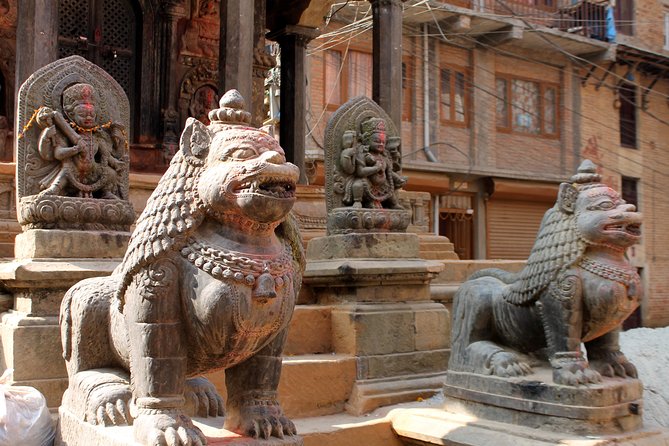
Khokana is described as one of the less visited places in Nepal, even by some people from Kathmandu. That gives the stop a different feel from the city’s main monuments. The village is presented as a place where traditional homes, local customs, and old stories remain central to the visit.
One detail is especially unusual: you will not see any chickens in the village. The tour treats this as part of Khokana’s mystery and local identity. The description does not explain the reason, so the guide’s explanation becomes an important part of the stop. This is a good example of why the outing is built around storytelling rather than simple sightseeing.
The main drawback is that Khokana is not a conventional attraction with a neat viewing platform or a long list of formal exhibits. You are going to observe a community and hear its stories. Be respectful around homes and residents, and let the guide set the tone for photography.
More UNESCO heritage sites in Kathmandu:
- UNESCO Seven World Heritage Tour in Kathmandu
★ 5.0 · 253 reviews - Kathmandu: Full Day Private Top 4 UNESCO Heritage Tour W/Lunch.
★ 5.0 · 86 reviews - Kathmandu World Heritage Tour
★ 5.0 · 74 reviews - Nagarkot Sunrise & Bhaktapur UNESCO Heritage Private Tour
★ 5.0 · 66 reviews
Bungamati Museum and Macchendranath Temple
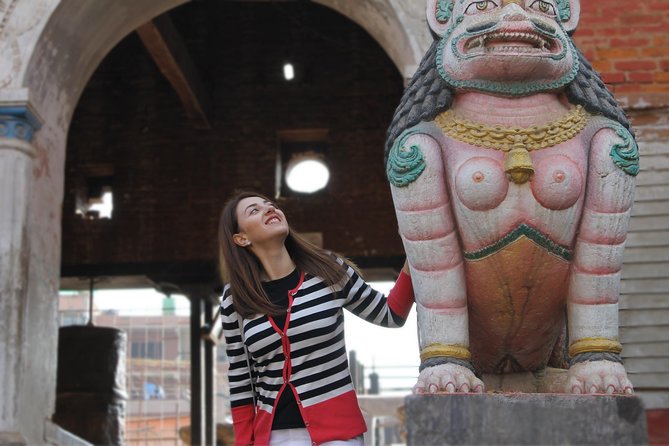
Bungamati follows Khokana, with about an hour devoted to the museum, Macchendranath Temple, and the surrounding settlement. Like Khokana, Bungamati offers a look at Newar traditions through the places where people live and work.
Wood carving is a key feature here. Local craftspeople are known for carving masks, and the stop gives you a chance to connect the finished objects with the wider culture of the town. You can also see traditional ponds, which help explain how older settlements were organized around shared water sources.
The museum gives the visit a more structured element than the village walk. The temple adds a religious focus, while the crafts and ponds keep your attention on daily life. If you enjoy architecture, handwork, and small cultural details, this may be one of the strongest portions of the day.
Admission to the listed sites is not included in the $32 price. The information provided specifically identifies some stops as free and others as requiring an admission ticket, but it does not give the exact charges. Budget a little extra rather than assuming every entrance is covered.
Taudaha Lake brings in myth, fish, and winter birds
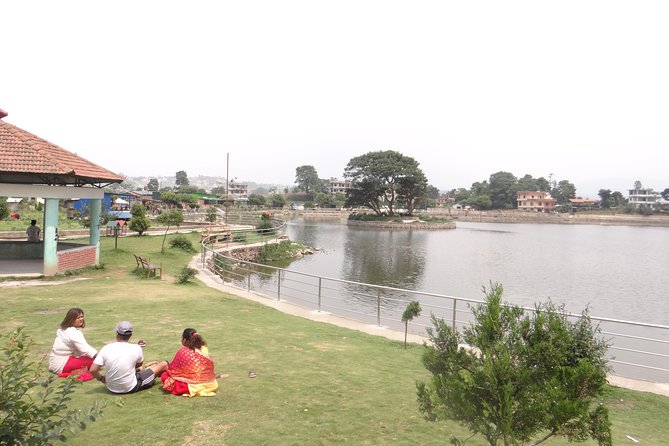
Taudaha Lake is the final named stop. It lies about 10 kilometers south of Kathmandu and gives the tour a change of pace after the temple and village walks.
You have about an hour to walk around the lake. The setting is described as peaceful, with fish in the water and the option to feed them. In winter, Siberian ducks arrive during migration, adding a seasonal reason to visit. The tour also connects the lake with Karkotak Naag, a popular serpent figure in local beliefs.
This is a useful final stop because it is less about buildings and more about place, belief, and quiet observation. The myths surrounding the lake give the guide something to explain, while the walk gives you time to slow down after a busy day.
There is no bottled water or food included, and the tour does not include drinks. Bring your own water unless you plan to buy it along the way. The exact rules about fish food are not stated, so follow the guide’s instructions rather than feeding the fish with anything you happen to carry.
Manjushree Park and the Bagmati gorge
The tour overview also includes Manjushree Park, where you can see old caves and the gorge of the Bagmati River. These features are not given separate timed stops in the detailed schedule, so the exact order and length of this visit may vary.
The park adds another layer to the day. The caves and river gorge connect the route to older stories about the Kathmandu Valley and its religious geography. It is a useful bridge between the built heritage of Kirtipur and the open setting of Taudaha Lake.
Because the detailed stop list does not state a separate admission charge or a fixed duration for Manjushree Park, ask the guide at the start how it fits into the day. The same applies to the reference to Bagmati village in the overall route description. The named schedule gives more detail for Kirtipur, Khokana, Bungamati, and Taudaha than it does for every park and village mentioned earlier.
What the $32 price really covers
At $32 per person, this is a reasonably priced way to cover several scattered places in southern Kathmandu Valley. The air-conditioned vehicle is the main practical benefit. Reaching Kirtipur, Khokana, Bungamati, Manjushree Park, and Taudaha independently would require piecing together local transport and working out the order yourself.
The price includes:
- Air-conditioned transportation
- A government-certified English-speaking guide
- Service charges and taxes
You pay separately for entrance tickets, bottled water, meals, and drinks. Since the tour lasts five to seven hours, food is the main omission to plan around. The start is at 9:45 am, and no meal is listed, so eat beforehand and carry water or money to purchase it.
The value is strongest if you want transportation and interpretation more than luxury. It is less compelling if you prefer to move slowly, choose your own lunch stop, or spend a long time at one village. A group of up to 30 can also affect how quickly everyone moves through narrow lanes and temples.
Practical concerns before you reserve
The departure point is on Leknath Marg, Kathmandu 44600, and the tour ends back there. It is near public transportation, but the information does not provide hotel pickup. Plan to reach the meeting point before the 9:45 am start.
You receive confirmation when booking, and mobile tickets are supported. Still, the reported operating-status problem deserves attention. One serious complaint states that the tour no longer existed and caused a major loss of time during a short Kathmandu visit. Since the overall score is only 3.9 from seven ratings, I would not rely on the booking page alone. Contact the operator and confirm the date, meeting point, and guide before you go.
Free cancellation is available if you cancel at least 24 hours before the start time. Cancellations made inside that period are not refunded, and changes are not accepted. That policy is fair enough, but it makes a last-minute confirmation even more important.
Most people can participate, according to the supplied information. No detailed accessibility information is given, so anyone concerned about narrow lanes, uneven temple areas, or walking time should ask before booking.
Who will enjoy this Kathmandu day?
I would recommend this outing to you if you have already seen the main city sights, prefer local neighborhoods to major monuments, or want a social day while traveling alone. It also suits anyone interested in Newar culture, village architecture, religious stories, wood carving, and local myths.
You may want a different tour if this is your first and only day in Kathmandu. The route does not focus on the valley’s best-known World Heritage sites, so it is not a substitute for the classic city highlights. It is better as an alternative day or a second-day experience.
The group format is another deciding point. Up to 30 people can join, and the tour is specifically designed to help international visitors meet one another. That can be friendly and useful, but it will not offer the pace or privacy of a private guide.
Should you book it?
Book it only after confirming that it is currently running. If the operator verifies your date, the tour offers good value for $32: transport, a licensed English-speaking guide, several traditional Newar communities, Taudaha Lake, and stories you would be unlikely to assemble easily on your own.
The strongest reason to go is the route. Kirtipur, Khokana, Bungamati, Manjushree Park, and Taudaha show a side of Kathmandu that a standard monument tour can miss. The strongest reason to hesitate is reliability, followed by the group size and extra costs for food, water, and admission tickets. Confirm first, carry water, wear comfortable shoes, and choose this for culture and local stories rather than a checklist of famous sights.
FAQ
How long does the Traditional Kathmandu Day Tour last?
The tour lasts approximately five to seven hours.
What time and where does the tour start?
It starts at 9:45 am from Leknath Marg, Kathmandu 44600, Nepal.
Where does the tour finish?
The activity ends back at the meeting point.
Are meals, drinks, and bottled water included?
No. Meals, drinks, and bottled water are not included.
Are entrance tickets included in the price?
No. Tourist entry tickets and entrance fees are not included.
How many people can join the tour?
The maximum group size is 30 travelers.
Just added around Kathmandu
- Traditional Momo Making Class★ 5.0 · 10 reviews
- Wildlife Adventure in Chitwan Nepal★ 4.0 · 4 reviews
- Walking tour of real Kathmandu through back streets.★ 5.0 · 3 reviews
- Kathmandu 2 Nights 3 Days Chitwan Jungle Safari Tour★ 5.0 · 9 reviews
- Kathmandu Street Food Walking Tour – Eat Like a Local★ 5.0 · 3 reviews
- Private Manaslu Circuit Trek at Himalayas★ 5.0 · 3 reviews
- Walking tour of Kathmandu with awesome local guides★ 5.0 · 4 reviews
- Visit Swayambhunath and Bauddhanath Stupa with Guide★ 5.0 · 5 reviews
Kathmandu City Sightseeing Tours, compared.
Private Kathmandu Sightseeing Tour | UNESCO World Heritage sites
Read our review →
Full Day Kathmandu City Sightseeing Tour of UNESCO Heritage Sites
Read our review →
Browse the lists this tour appears in