
Reviewed · HIKING & TREKKING
Mohare Danda Trek
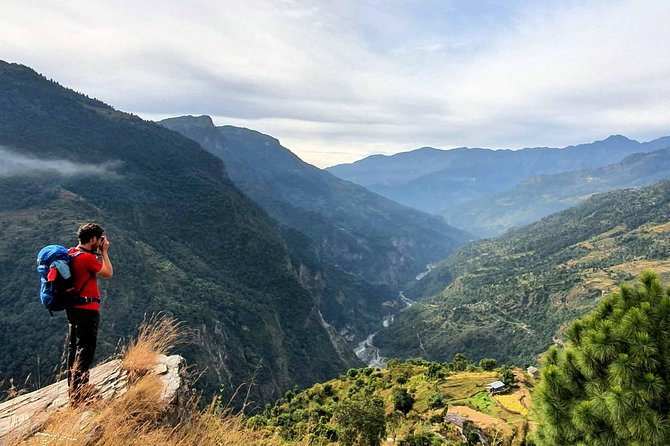
Mohare Danda is a quieter alternative to Nepal’s better-known trekking routes, built around community lodges and Magar villages rather than busy mountain hubs. The reward is a broad Himalayan panorama, with possible views of as many as 42 peaks, including Annapurna, Dhaulagiri, and Manaslu, all rising above 8,000 meters.
I like two things right away: your money supports local education, women’s work, and village development, and the route gives you real time in places such as Nagi and Tikot. I also like the small maximum group of 11, plus guides, porters, meals, permits, sleeping gear, and ground transport included in the $799 price.
The main drawback is the amount of road travel. You spend about six to seven hours reaching Pokhara, then more time driving toward the trailhead, and the return to Kathmandu takes about seven hours. This is a community trek with fine views, but not a road-free wilderness walk.
Key points to know before booking
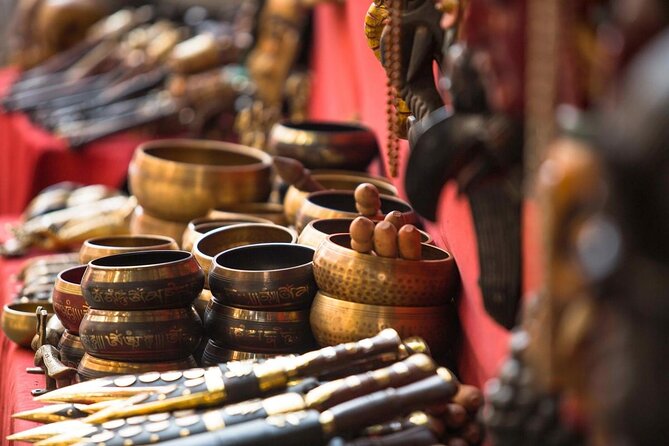
- Community-based trekking: Your stay in local lodges helps support rural jobs, education, women’s empowerment, and village development.
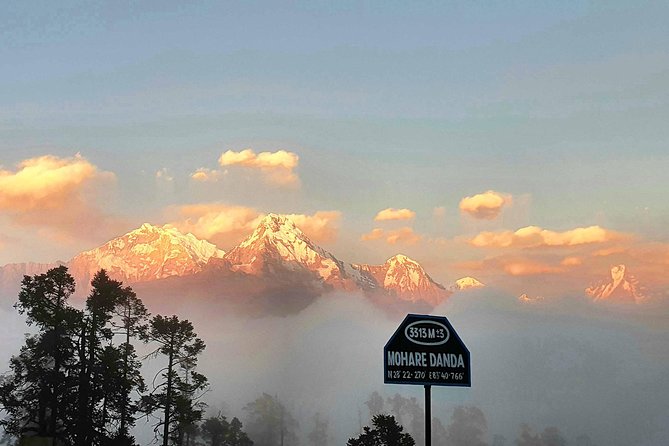
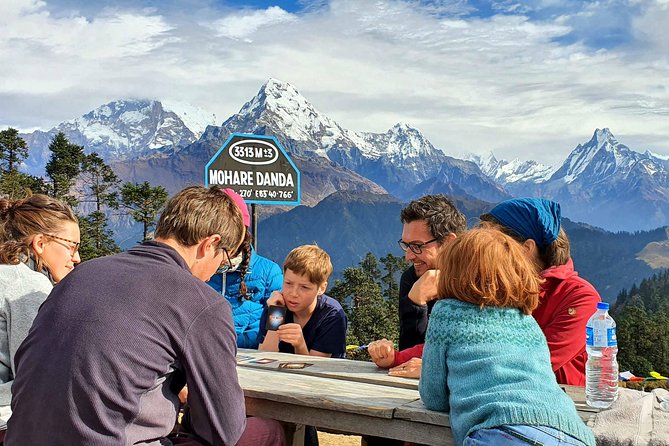
- High point at 3,313 meters: Mohare Danda brings sunrise views and mountain scenery without the extreme altitude of many Himalayan routes.
- Magar culture: Nagi and Tikot offer contact with Poon Magar traditions, local food, and village life.
- Small groups: The tour accepts a maximum of 11 people, which makes guide support and pace adjustments easier.
- Useful equipment included: A sleeping bag, down jacket, first-aid kit, oxygen monitor, trekking map, and duffle bag are provided.
- Some long transport days: Road journeys connect Kathmandu, Pokhara, Beni Bazaar, and the return route, so expect both walking and vehicle time.
What the $799 price really covers
At $799 per person, this is not simply a guided hike. The cost includes trekking guides and porters, their wages, insurance, and gear, along with the permits and paperwork needed for the route.
You also receive breakfast on nine occasions, lunch six times, and dinner five times. The package covers ground transportation, a complimentary trekking duffle bag, a trekking map, a sleeping bag, a down jacket, and basic medical equipment. A short visit to Baglung High Bridge and its entry fee is included as well.
That package gives the trip solid value, especially if you would otherwise need to hire a guide, rent cold-weather equipment, arrange road transfers, and buy permits separately. The community focus adds another layer of value: your spending is intended to support local education, women’s empowerment, the rural economy, and village development.
The price does not cover tips for your guide or porter, drinking water, snacks, bar bills, personal purchases, or lunch and dinner in Kathmandu and Pokhara. Those extras are normal for Nepal trekking, but you should budget for them before you arrive.
More day hikes and treks in Kathmandu:
- Everest Base Camp Trek – 14 Days
★ 5.0 · 1,499 reviews - Everest Base Camp Trekking
★ 5.0 · 485 reviews - Nagarkot Sunrise View and Day Hiking from Kathmandu
★ 5.0 · 471 reviews
Days 1 and 2: Kathmandu to Pokhara
Your first day begins at Tribhuvan International Airport. A representative meets you after immigration and baggage collection, then takes you to the Thamel area. The schedule allows about three hours for this arrival and transfer period, though your actual timing will depend on your flight and airport formalities.
Thamel is a useful place to get organized. You can check your equipment, settle in, and prepare for the road journey ahead. Since meals in Kathmandu are not included, this is also when you begin paying for your own city meals.
Day two starts with a long drive west along the Prithivi Highway. The trip to Pokhara covers about 200 kilometers and is expected to take six to seven hours. The road time is not a minor detail. You should choose this trek because the community route appeals to you, not because you expect to reach the mountains quickly.
Pokhara provides a pleasant pause before the walking begins. The itinerary includes time around Phewa Tal, the city’s well-known lake. Lunch and dinner in Pokhara are not included, so you can choose and pay for your own meals before the mountain section starts.
Day 3: Reaching Beni Bazaar and the first trail
The first trekking day begins with another road journey from Pokhara toward Beni Bazaar. This drive takes about four hours, after which the walking section begins.
The schedule is less specific about the day’s exact walking destination, so you should ask the operator for the planned overnight stop before departure. That small bit of planning matters because this is the point when a relaxed road holiday becomes a multi-day mountain trek.
Beni is the gateway to the route, and starting here gives you a clear sense of the trek’s character. You are moving away from the major tourist centers and toward villages where the community lodge system is central to the experience.
Day 4: Walking toward Nagi and Ramche
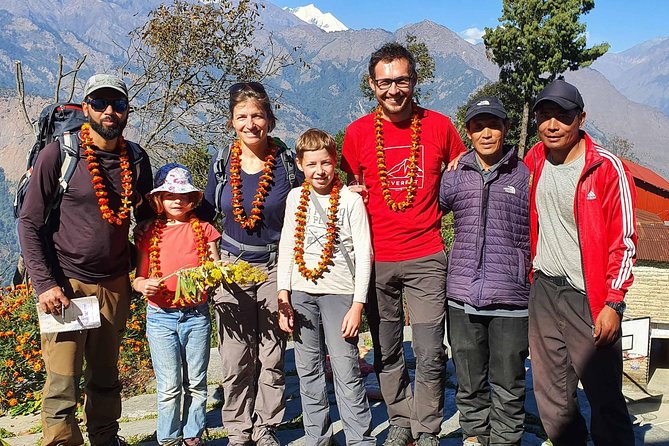
Day four brings a walk toward Nagi Village, with Ramche listed as a stop. This is where the route begins to show its strongest appeal: forest, mountain views, village life, and local culture mixed together rather than separated into formal sightseeing stops.
Nagi is linked with the Poon Magar community, and the route is designed to let you see how local people live and work. The value here is not a staged cultural show. It is the chance to stay in community-run accommodation and spend time in a settlement that forms part of everyday rural Nepal.
The walk is listed at about three hours, making this one of the more manageable trekking days in the schedule. That shorter distance can be welcome after the road transfer from Pokhara and the first trail section. Still, the route includes mountain paths and stone steps, so comfortable walking shoes are essential.
If you have joint problems or find downhill walking on stone stairs difficult, tell Trekking Trail Nepal in advance. The operator says it can help arrange an easier route. That does not remove the physical demands of trekking, but it gives you a chance to discuss your needs before you are on the trail.
Same city, a completely different sort of day:
- Private Kathmandu Sightseeing Tour | UNESCO World Heritage sites
★ 5.0 · 756 reviews - Everest Base Camp Helicopter Tour landing at Everest View Hotel
★ 5.0 · 668 reviews - Half day cooking class in Thamel kathmandu
★ 5.0 · 607 reviews - Kathmandu: Full Day 7 UNESCO Tour with Lunch – Private/Group
★ 5.0 · 415 reviews
Day 5: The climb to Mohare Danda
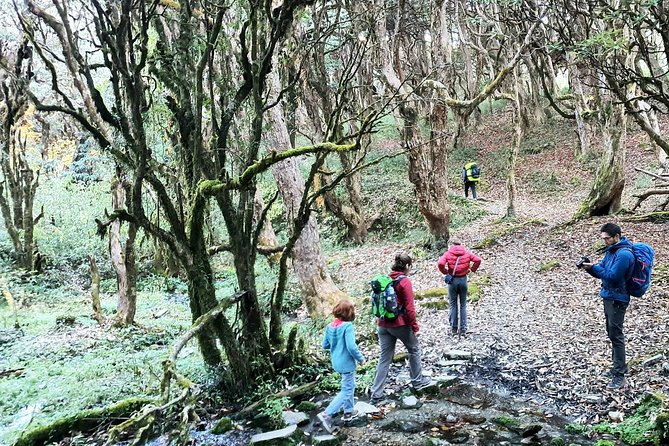
From Nagi, you walk toward Mohare Danda, the main destination of the trip. The ascent takes about four to six hours, depending on pace and trail conditions.
This is likely to feel like the central walking day. You are gaining height and moving toward the route’s best-known viewpoint, so expect more effort than on the shorter village day. The reward is the setting around Mohare Danda and the prospect of a broad sunrise view the following morning.
The route is described as easier and shorter than many high Himalayan circuits, but that should not be confused with effortless. You still need to walk uphill for several hours, carry your daypack, and handle uneven paths. Your porter carries the main luggage, but you should keep water, warm clothing, rain protection, and personal medicine with you.
Day 6: Sunrise at 3,313 meters
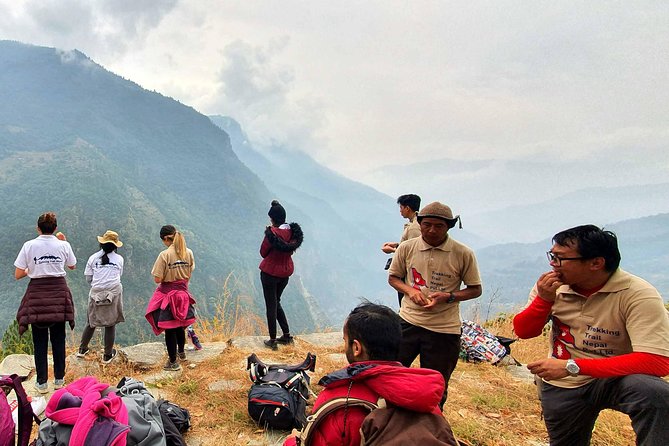
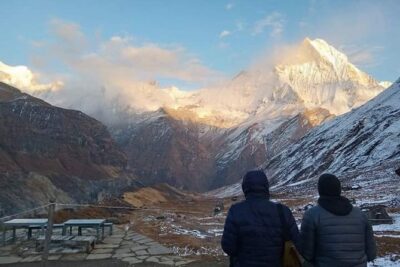
Mohare Danda is the highest point of the trip at 3,313 meters. This is the day for the big view: early light on the Himalayas, clear mountain air, and possible sights of Annapurna, Dhaulagiri, Manaslu, and many surrounding peaks.
The itinerary lists the day at about 15 hours, which suggests a very early start and a long combined schedule of viewing, walking, and onward activity. Ask for the precise plan, especially the sunrise time and the day’s next destination. The high point is not technically extreme by Himalayan standards, but an early morning at this altitude can be cold.
A sleeping bag and down jacket are included, which is useful at the community lodge. You also receive access to an oxygen monitor and first-aid kit through the trekking team. These items do not replace sensible pacing, but they show that the operator has planned for basic mountain safety.
This is the moment when the route earns its appeal. The scenery is not the only attraction. You are seeing it from a locally operated lodge, with your overnight spending directed toward the communities that maintain the route. The combination of mountain views and local benefit gives Mohare Danda a clear identity.
Day 7: From Mohare to Tikot
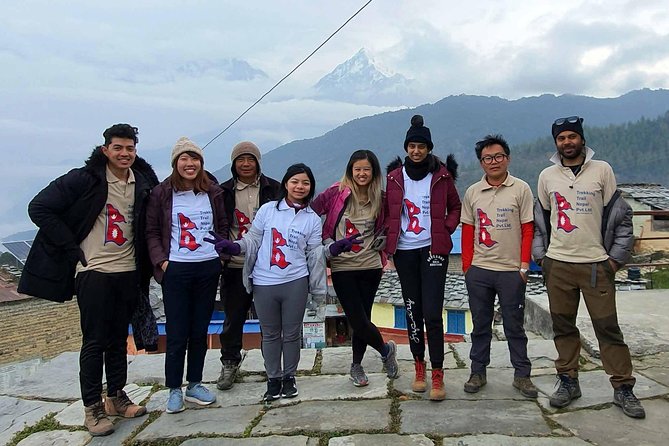
The trek continues to Tikot, an ethnic Magar settlement. The route passes viewpoints including Thula Kharka and Sikha Danda, giving you more chances to stop for photographs and take in the mountain views.
The schedule lists about 10 hours for this day, so it is one of the longest and most demanding sections. A long downhill stretch can be harder on your knees than an uphill climb, particularly on stone steps. Use trekking poles if you normally rely on them, and tell the guide early if your joints are causing trouble.
Tikot adds a strong cultural element to the route. Instead of moving from one large trekking lodge center to another, you reach a village where the ethnic identity and local setting are part of the experience. The route’s community purpose becomes especially clear here, since your meals and overnight stay help keep local services in use.
Food is one of the pleasures of this section. The trip’s appeal is partly the chance to eat local dishes and share ordinary village hospitality. The exact menu is not specified, so do not expect a fixed restaurant-style selection. You should bring personal snacks if you have particular dietary needs.
Day 8: The final trail to Basari
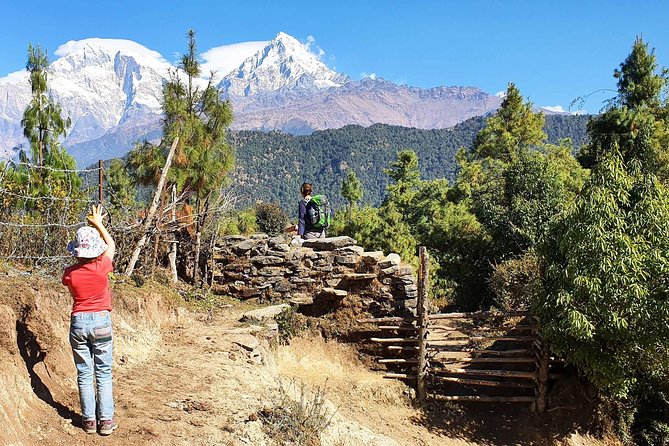
Day eight is the last mountain walking day, taking you toward Basari. By this point, you have passed the highest section and are moving toward the road and the return to Pokhara.
The route may feel easier psychologically, but downhill walking can still be tiring. This is a good day to protect your knees, keep your pace steady, and avoid treating the final stage as a race. The guide and porter team can help with the rhythm of the walk and luggage.
Basari marks the end of the main trail experience. You then reconnect with the vehicle portion of the trip, so be prepared for a change from quiet footpaths to road travel. The transition is practical rather than dramatic, but it is part of the trek’s design.
Day 9: Returning to Kathmandu
The final full day includes the drive back to Kathmandu from Pokhara, taking about seven hours. The schedule allows around 12 hours for the day, which leaves room for road delays and arrival arrangements.
This return journey is the least romantic part of the tour, but it is useful to understand it before booking. Nepal’s mountain routes depend on road transfers, and the long drives are the price of reaching a quieter trail without taking a domestic flight.
You return to Thamel, with the rest of the day available for rest. Lunch and dinner in Kathmandu are your own responsibility. You may want to keep this evening flexible rather than planning a demanding activity after the road journey.
Day 10: Airport transfer and departure
The last day is set aside for your transfer to Tribhuvan International Airport. The schedule allows about three hours, though you should follow your departure instructions and confirm the pickup time with the operator.
You receive a certificate of achievement after completing the Mohare Danda Trek. It is a small detail, but it can be a pleasant keepsake after a route that combines physical effort with community support.
Guides, porters, and group size
The maximum group size is 11, which is a practical limit for mountain walking. It is small enough for the guide to notice changes in pace or comfort, yet large enough to provide a social element if you are not traveling with friends.
The package includes the guide and porters, their pay, insurance, and equipment. Tips are not included, so plan to thank them separately if their work meets your expectations.
Apar is associated with a Mohare Danda group that also included a Poon Hill section, while another four-day group traveled with Apar, Ashish, Lokendra, and Joyendra. Lokendra has also guided routes for the same operator. Because guide assignments can change, confirm your actual guide’s name before departure rather than assuming a particular person will lead your trip.
The strongest praise attached to the guiding is practical: safety advice, patience, support when health problems arise, and flexibility with the walking plan. Those qualities matter more than a polished speech. On a mountain route, you want a guide who notices when you need a slower pace and explains what comes next.
Who should book this trek?
I would choose Mohare Danda if you want Himalayan views and village contact without signing up for a very high-altitude expedition. It suits people who value community tourism, modest group sizes, and local lodges more than polished resorts or a packed list of famous landmarks.
It is also a good fit if you want a shorter-feeling mountain route within a 10-day Nepal holiday. The highest point is 3,313 meters, and the itinerary describes the route as relatively easy and short compared with many trekking circuits.
I would think twice if you dislike long bus rides, uneven stone paths, or changing standards of accommodation. The itinerary includes several substantial vehicle transfers, and the walking days range from about three hours to roughly 10 hours. This is not a gentle sightseeing tour.
The route may suit people with some joint concerns, but you must speak with the operator early. Downhill stone stairs are specifically identified as a possible problem, and an easier route may be available.
Booking, weather, and cancellation
Confirmation is provided at booking, and service animals are allowed. Most people can participate, but you should disclose medical or joint concerns before the trip.
The experience depends on good weather. If poor weather forces cancellation, you are offered another date or a full refund. You can cancel for a full refund up to 24 hours before the start time. Cancellations or changes made within 24 hours are not refunded or accepted, and the cutoff follows local Nepal time.
Should you book the Mohare Danda Trek?
Book it if you want a quieter Himalayan route where your spending has a clear local purpose. The strongest reasons are the community lodges, Magar villages, high mountain views, included equipment, and the practical support of guides and porters.
Do not book it expecting a nonstop mountain walk. The Kathmandu to Pokhara drive, the transfer to Beni, and the return road journey take up a meaningful part of the 10 days. At $799, the trip offers good value for the permits, staff, meals, transport, equipment, and community stays, but you should allow extra money for city meals, water, snacks, and tips.
For a first Nepal trek, or for someone who wants mountain scenery without the crowds of a major circuit, Mohare Danda is a sensible choice. Ask for the exact day-three overnight stop, confirm the guide assignment, and prepare properly for the long downhill sections. Do that, and this route gives you a more personal connection to Nepal than a quick viewpoint visit ever could.
FAQ
How long is the Mohare Danda Trek?
The full experience lasts about 10 days, including arrival and departure in Kathmandu, road travel to Pokhara and Beni Bazaar, the mountain trek, and the return journey.
What is the highest point on the trek?
Mohare Danda is the highest point at 3,313 meters above sea level.
How large can the group be?
The tour accepts a maximum of 11 travelers.
Are meals included?
Breakfast is included nine times, lunch six times, and dinner five times. Lunch and dinner in Kathmandu and Pokhara are not included.
Is equipment provided?
The package includes a sleeping bag, down jacket, first-aid medical kit, oxygen monitor, trekking map, and a complimentary trekking duffle bag.
Are permits and transportation included?
Required trekking permits and documentation are included. Ground transportation is also included, including the main transfers listed in the itinerary.
What is not included in the price?
Tips for the guide and porter, drinking water, snacks, drinks, bar bills, personal expenses, and meals in Kathmandu and Pokhara are not included.
What happens if bad weather cancels the trek?
If poor weather causes cancellation, you can choose another date or receive a full refund. You can also cancel up to 24 hours before the start time for a full refund.
Just added around Kathmandu
- Traditional Momo Making Class★ 5.0 · 10 reviews
- Wildlife Adventure in Chitwan Nepal★ 4.0 · 4 reviews
- Walking tour of real Kathmandu through back streets.★ 5.0 · 3 reviews
- Kathmandu 2 Nights 3 Days Chitwan Jungle Safari Tour★ 5.0 · 9 reviews
- Kathmandu Street Food Walking Tour – Eat Like a Local★ 5.0 · 3 reviews
- Walking tour of Kathmandu with awesome local guides★ 5.0 · 4 reviews
- Private Manaslu Circuit Trek at Himalayas★ 5.0 · 3 reviews
- Visit Swayambhunath and Bauddhanath Stupa with Guide★ 5.0 · 5 reviews
Hiking & Trekking, compared.
Nagarkot Sunrise View and Day Hiking from Kathmandu
Read our review →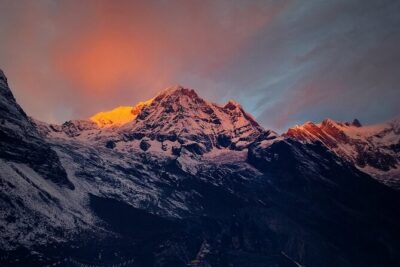
Browse the lists this tour appears in