
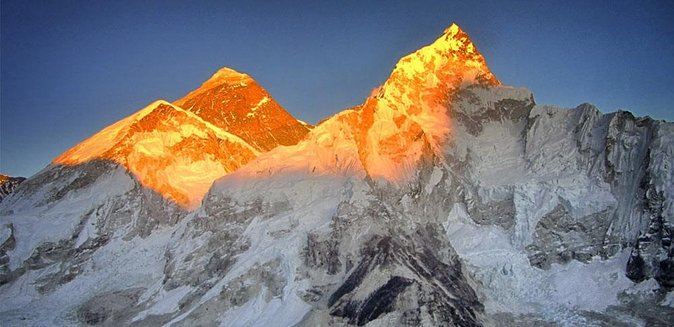
Reviewed · EVEREST BASE CAMP TREKS FROM KATHMANDU
Everest Base Camp Trek -14 Days
Everest Base Camp is the main event here, but the real reward is the slow approach through Sherpa villages, pine forests, stone-walled fields, monasteries, and the high Khumbu. You trek to 17,598 feet, sleep in basic lodges, and watch Everest appear by degrees rather than all at once. I like the included Lukla flights and the built-in acclimatization days, both important on a trek where rushing can spoil the trip.
I also like the small group limit of 12 people and the strong guide support. Guides including Sujal, Laxman, Ram, Nir, Subash, and Saugat have been singled out for patience, flexibility, and care. The main drawback is comfort: rooms and meals become simpler as you climb, drinks and Wi-Fi cost extra, and the advertised 14 days appear as roughly 13 itinerary days, so check the exact schedule before paying.
Key points at a glance
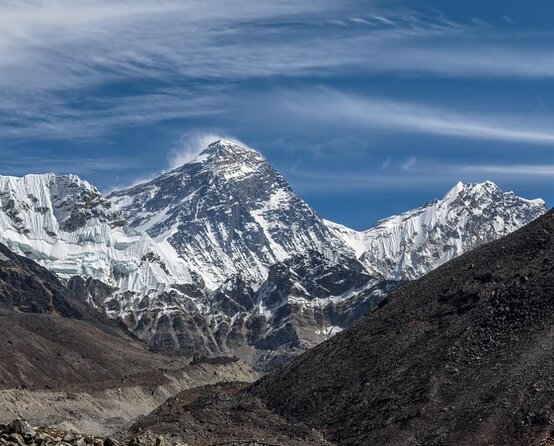
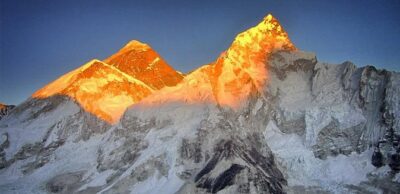
- Kala Patthar adds the best sunrise view: You see Everest, Nuptse, Lhotse, Pumori, and other peaks from a high lookout.
- Two acclimatization stops matter: Namche Bazaar and Dingboche give your body time to adjust before the highest walking days.
- The 12-person limit keeps the group manageable: You can meet fellow trekkers without joining a large procession.
- Full-board meals are included: Breakfast, lunch, and dinner are covered during the trek, though drinks and snacks are not.
- Lukla flights save days of road travel: The package includes return flights, departure taxes, permits, and a licensed guide.
- The price is solid for an organized trek: At $1,420 per person, the package covers the core costs, but porter service and personal extras remain yours.
What the $1,420 package really covers
At $1,420 per person, this is not a bare-bones guide arrangement. The price includes the Kathmandu to Lukla and Lukla to Kathmandu flights, trekking lodges, meals during the trek, a government-licensed guide, national park and TIMS paperwork, local and government taxes, and a first aid kit.
That matters because Everest Base Camp planning has several moving parts. You do not need to negotiate separately for a guide, arrange permits on arrival, or buy each lodge night as you go. The agency also provides emergency rescue support, funded through travel insurance, which means you still need suitable insurance rather than assuming rescue is free.
The package does not include international flights, Nepal entry fees, pre-trek or post-trek accommodation and food, porter service, water, tea, coffee, hot showers, snacks, Wi-Fi, or tips. Those exclusions are reasonable, but they can add up. I would budget extra for every drink, occasional internet access, showers, and staff gratuities.
The wording around duration deserves attention. The title says 14 days, the summary says about 13 days, and the supplied schedule runs from Day 1 through Day 13. It includes arrival in Kathmandu, the trek, the return flight, and leisure time in Kathmandu, but you should ask Alpine Ramble Treks to confirm the precise number of hotel nights and trekking days.
More Everest Base Camp treks:
- Everest Base Camp Trek – 14 Days
★ 5.0 · 1,499 reviews - Everest Base Camp Trekking
★ 5.0 · 485 reviews - Everest Base Camp Trekking – 13 Day
★ 5.0 · 365 reviews
Kathmandu arrival and the flight to Lukla
Day 1 is simple. Staff meet you at Tribhuvan International Airport and transfer you to your Kathmandu hotel. This gives you a soft landing before the high-altitude section begins, though accommodation and food before and after the trek are not included in the listed package.
Day 2 begins early with a scenic flight of about 35 minutes to Lukla. This is more than a quick transfer. Lukla is the gateway to the Khumbu, and arriving there puts you straight into Sherpa country and the walking rhythm of the trek.
You meet the guide and the support crew in Lukla, then begin with a short acclimatization walk of about two hours. The first trail leads through pine forest and along the Dudh Koshi River. You may get an early glimpse of Everest, Kusum Kanguru, and other peaks, but do not expect the full mountain drama yet.
The flight is one of the practical weak points of any Lukla itinerary. The schedule depends on local conditions, and the program does not describe a backup day. I would keep international flight plans flexible and avoid arranging a tight same-day connection after the return from Lukla.
Namche Bazaar and the first acclimatization test
Day 3 brings a longer walk through forest, across suspension bridges, and along the river valley toward Namche Bazaar. The route has shade, uphill sections, and the first real sense that you are climbing into the Himalayas rather than simply walking between villages.
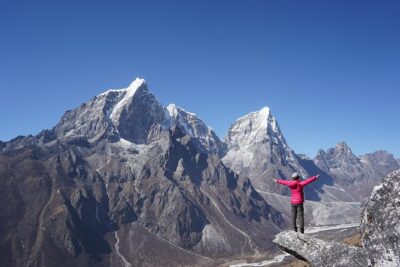
Namche is the key trading center of the Khumbu and the first major altitude stop. Day 4 is set aside for acclimatization, with a climb to a lookout for broad views of Everest, Lhotse, Cholatse, Thamserku, Kwangde, Kangtega, and Ama Dablam.
This rest day is not wasted time. You still walk, but you return to Namche to sleep at the same altitude. That pattern helps you adjust before the trail rises higher. The schedule also gives you time to enjoy the town, meet your group, and get used to lodge life.
You should treat the word rest carefully. The program describes an ascent to a viewpoint, so this is an active recovery day rather than a day spent in bed. Tell your guide early if you develop a headache or feel unwell. The included medical kit lists Diamox, but medication decisions should be handled responsibly and not treated as a substitute for sound altitude judgment.
Tengboche and the rhododendron trail
Day 5 follows the main Everest route, with a descent toward the Dudh Koshi River and a climb through rhododendron country. This kind of trail profile can fool you. You may lose altitude and feel relieved, only to face a long climb afterward.
Tengboche arrives on Day 6. The monastery and surrounding peaks are especially striking in the early light, and the trail continues through forest after breakfast. Tengboche is one of the most memorable stops because it combines high mountain views with Sherpa Buddhist culture.
The walking day from Tengboche toward the higher villages can feel demanding even when the distance is not extreme. At this height, every uphill section takes longer. Your guide’s role becomes more useful here, not just for navigation, but for setting a steady pace and noticing when you need a break.
The lodges are practical rather than polished. You get a bed, meals, and shelter, but not hotel-level comfort. The supply chain becomes harder as you climb, so a repeated menu is possible. One detailed account described simple food and limited variety over the trek, with some accommodation less comfortable than others, particularly in Lukla. That is a fair warning for anyone expecting boutique lodging.
More day hikes and treks in Kathmandu:
- Nagarkot Sunrise View and Day Hiking from Kathmandu
★ 5.0 · 471 reviews - Annapurna Circuit Trek with Tilicho Lake
★ 5.0 · 368 reviews - Annapurna base camp trek 5 Days
★ 5.0 · 252 reviews - Everest Base Camp Trekking – 2025/2026
★ 5.0 · 199 reviews
Dingboche gives your body time to catch up
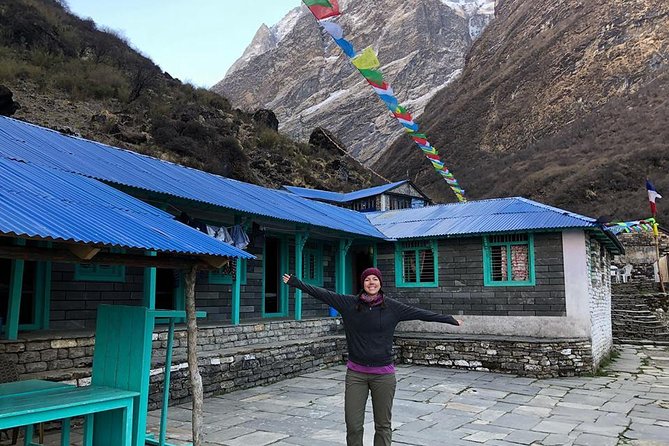
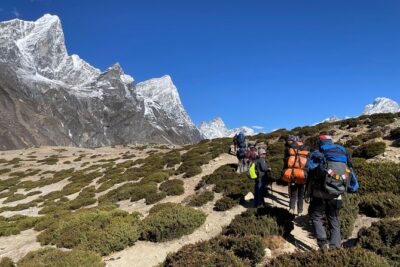
Day 7 is another acclimatization day in Dingboche, a popular base for people heading toward Everest, Ama Dablam, or Imja Tse. The village is surrounded by fields enclosed by stone walls, a practical sign of how people farm in a high, cold valley.
The schedule uses Dingboche correctly as a pause before the highest section. You may make a short climb for views, but the point is to sleep at altitude and avoid gaining height too quickly. I would use this day to organize your daypack, check your water supply, and keep your pace gentle.
From here, the atmosphere changes. Trees become less common, the air feels thinner, and the trail is more exposed. The mountain scenery becomes larger, but walking becomes the main task. You should enjoy the views, but do not let excitement push you into racing ahead.
The package covers meals, but not bottled water or hot and cold drinks. Carry enough money in local currency for these purchases. Wi-Fi is also extra and may not be worth prioritizing when rest, hydration, and keeping warm matter more.
Memorials, glaciers, and Everest Base Camp
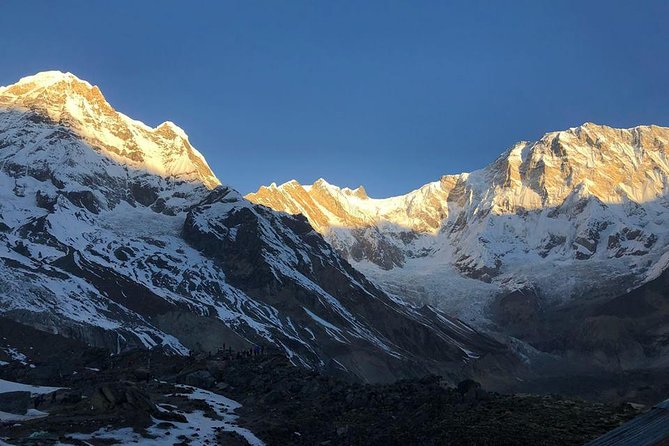
Day 8 climbs toward Duglha and then up to Chukpo Lari. This is one of the most poignant sections because the ridge contains memorials to climbers who died on Everest. It is a quiet reminder that the mountain is not just a photo stop or a personal challenge.
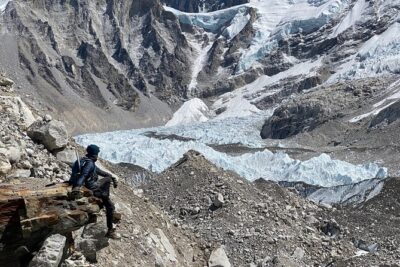
Day 9 is the long-awaited arrival at Everest Base Camp. From Lobuche, the trail follows the Khumbu Glacier and rises onto the lateral moraine. The route is rocky and uneven, and the high altitude makes a modest climb feel serious.
Base Camp itself is not a permanent village or a comfortable summit. Its appearance changes with the season and climbing activity, and the stop is tied to the route and conditions at the time of your visit. The value lies in reaching this famous point on foot, beside the glacier, after days of gradual effort.
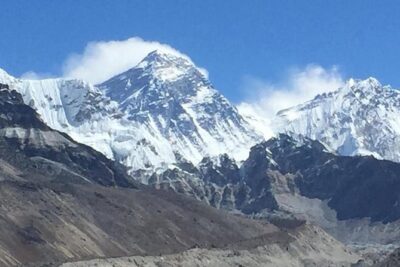
This is the day many people picture when they book, but it may not be the most scenic day. The glacier and moraine are stark, and the walk can be tiring. The finest panoramic view of Everest comes the next morning from Kala Patthar, so do not judge the whole trek by your first look at Base Camp.
Kala Patthar sunrise is the visual high point
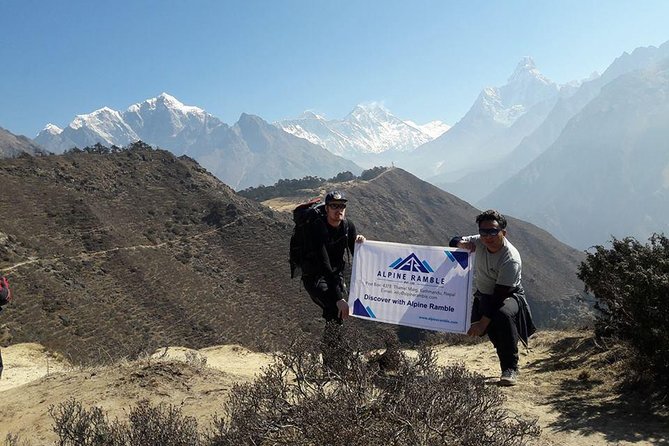
Day 10 starts early with a climb of about two hours to Kala Patthar, below Mount Pumori. From the top, you get a 360-degree mountain panorama that includes Everest, Nuptse, Lhotse, and Pumori, with sunrise providing the strongest light.
This is often the emotional high point of the route. Everest can be partly hidden from some lower viewpoints, but Kala Patthar offers the classic broad view that many people hope to see. The climb is short on paper but serious at altitude, especially after the previous day at Base Camp.
Bring patience and warm clothing for this morning. The description confirms the early start and sunrise setting, but it does not promise specific weather. Clouds can change the view quickly. Your guide can help with pace and timing, but no operator can guarantee clear skies.
After Kala Patthar, the route turns downhill. That sounds easy, but tired legs, loose trail, and altitude still demand care. A guide who stays attentive is valuable here. Several guide names connected with this program, including Laxman, Ram, Nir, Subash, and Saugat, have been praised for support, organization, and flexibility, while Sujal was noted for being attentive to personal needs.
The return through Sherpa villages
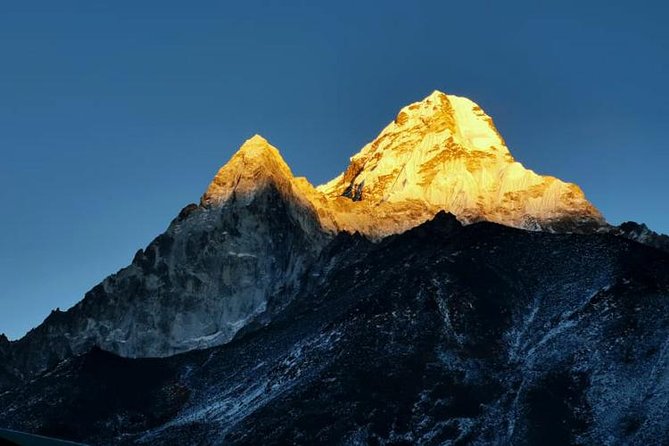
Day 11 takes you down through the high villages toward the Dudh Koshi River, then back through Dingboche and up toward Tengboche. It is a reminder that the return is not one long downhill glide. You can still face climbs, and the trail may feel harder after the main objective is complete.
Day 12 continues down through Jorsalle, Monjo, Benkar, Phakding, and smaller settlements. Several suspension bridges cross the Dudh Koshi, adding variety to the walk. The lower valley usually feels warmer and greener than the high country, though your legs may be ready for a proper rest.
Day 13 is the return flight to Kathmandu, followed by free time in the city. The broader package description also refers to celebrating with a night at a top Kathmandu hotel and dinner, but the day-by-day schedule does not spell out the hotel name or exact dinner arrangement. Confirm those details before booking if that celebration is important to you.
The return flight can be affected by the same conditions as the outward flight. This is another reason not to schedule an international departure too soon afterward.
Group size, guides, and porter choices
A maximum group of 12 is a useful middle ground. You have company on long walking days, but the group should remain small enough for the guide to notice different speeds and comfort levels.
The strongest personal touch in the supplied material is the repeated emphasis on guide care. Laxman was described as especially supportive with two teenagers, Ram helped a solo trekker manage the route without a porter, and Saugat was associated with close attention from arrival in Kathmandu through the return flight. Those details matter more than a generic promise of professional service.
A porter is not included. You can carry your own luggage, hire a local porter separately, or ask Alpine Ramble Treks to arrange one. If you choose the last option, clarify the cost, weight limit, and whether the porter is assigned before departure.
Who should book this trek
You should consider this trip if you want a classic Everest Base Camp route with the main logistics handled in advance. It suits people with moderate physical fitness who are comfortable walking for multiple days, sleeping in simple trekking lodges, and coping with high altitude.
It is a good match for solo trekkers who want built-in company, couples, friends, and families with older teenagers. The guide support can make a major difference for first-time high-altitude trekkers, though no package removes the physical demands.
This is not the right pick if you want private bathrooms, varied restaurant meals, reliable internet, or a relaxed sightseeing schedule. You also need to accept that flights to and from Lukla can disrupt plans and that weather may hide the peaks.
Booking confirmation is provided at the time of purchase, pickup is offered, and the meeting point is in Thamel, Kathmandu. Cancellation is free up to 24 hours before the start time. Inside that window, the stated policy gives no refund.
Should you book Alpine Ramble Treks?
I would book this trek if you value a well-organized classic route more than luxury. The included flights, permits, meals, lodges, licensed guide, acclimatization days, and small group make $1,420 a sensible starting price for the core arrangements.
Before paying, I would confirm four points: the exact 13 or 14-day schedule, the Kathmandu hotel and dinner, the plan if a Lukla flight is delayed, and the current cost of a porter. If those answers are clear and you have suitable insurance, this is a practical way to reach Base Camp and Kala Patthar without handling every detail yourself.
FAQ
How high is Everest Base Camp on this trek?
Everest Base Camp is listed at 17,598 feet, or 5,364 meters, above sea level.
What is the maximum group size?
The group is limited to a maximum of 12 people.
Are meals included during the trek?
Yes. Breakfast, lunch, and dinner are included during the trekking portion. Water, hot and cold drinks, coffee, tea, and snacks cost extra.
Are flights between Kathmandu and Lukla included?
Yes. The package includes round-trip Kathmandu to Lukla flights and departure taxes.
Is a porter included?
No. A local porter is optional and must be paid for separately if you need one.
What is the cancellation policy?
You can cancel at least 24 hours before the experience starts for a full refund. Cancellations or changes made within 24 hours are not accepted for a refund.
Just added around Kathmandu
- Traditional Momo Making Class★ 5.0 · 10 reviews
- Wildlife Adventure in Chitwan Nepal★ 4.0 · 4 reviews
- Walking tour of real Kathmandu through back streets.★ 5.0 · 3 reviews
- Kathmandu 2 Nights 3 Days Chitwan Jungle Safari Tour★ 5.0 · 9 reviews
- Kathmandu Street Food Walking Tour – Eat Like a Local★ 5.0 · 3 reviews
- Private Manaslu Circuit Trek at Himalayas★ 5.0 · 3 reviews
- Walking tour of Kathmandu with awesome local guides★ 5.0 · 4 reviews
- Visit Swayambhunath and Bauddhanath Stupa with Guide★ 5.0 · 5 reviews
Everest Base Camp Treks from Kathmandu, compared.
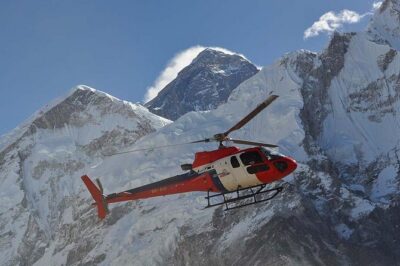
Everest Base Camp Trek with Helicopter Return from Gorakshep to Lukla
Read our review →Browse the lists this tour appears in