
Reviewed · EVEREST BASE CAMP TREKS FROM KATHMANDU
Everest Base Camp Trekking
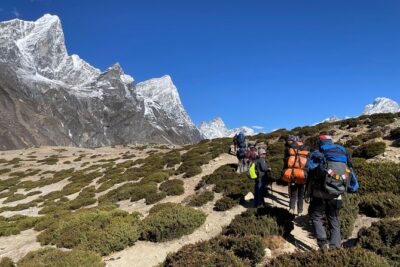
Everest Base Camp is not a quick mountain outing. It is a serious 12-day trek through Sherpa villages, high mountain passes, and thin air, with the reward of reaching the foot of the world’s highest peak. This trip takes care of the hard planning, including permits, tea-house lodging, meals, porters, and domestic flights.
I like the practical setup: one porter serves two trekkers, and an English-speaking guide stays with you throughout. I also like the human side of the route, from Namche Bazaar and Tengboche Monastery to Sherpa homes and the memorials for climbers who never came back.
The main drawback is that this is still a demanding high-altitude trek, not a sightseeing tour. You need strong physical fitness, and several costs remain outside the $1,350 price, including Kathmandu lodging, personal insurance, hot showers, Wi-Fi, charging, drinks, and emergency evacuation.
Key points to know before you book
- Everest Base Camp and Kala Patthar: Reach base camp, then seek the famous close mountain views from Kala Patthar.
- Lukla flight included: Round-trip flights between Kathmandu, or Ramechhap, and Lukla are covered, though the flight experience is part of the adventure.
- Sherpa culture along the trail: Namche Bazaar, Tengboche, and local villages add meaning beyond the mountain views.
- Tea-house comfort: Eleven nights of basic accommodation are included, along with breakfast, lunch, and dinner during the trek.
- Guide and porter support: A licensed English-speaking guide leads the group, with one porter assigned for every two trekkers.
- Small group size: The maximum group size is 15, useful on a route where a calm pace and clear communication matter.
What the $1,350 price really covers
At $1,350 per person, this trek offers good value if you want the main logistics handled in one booking. The price includes 11 nights in basic tea houses, all trekking meals, national park fees, local fees, TIMS fees, applicable taxes, round-trip flights, a licensed guide, porter support, guide and porter insurance, salaries, and accommodation.
That list matters. Planning Everest Base Camp on your own means arranging permits, domestic air tickets, lodging, food, baggage support, and local transport. Here, those pieces are joined together, so your job is mainly to arrive fit, prepared, and ready to walk.
The price also includes a sleeping bag, duffel bags, and a down jacket upon request. Ask for these items before departure rather than assuming they will be waiting for you automatically.
You still need a separate budget for Kathmandu accommodation and meals. Personal expenses also add up: bottled or mineral water, alcoholic drinks, laundry, telephone calls, tips, hot showers, battery charging, and Wi-Fi are not included.
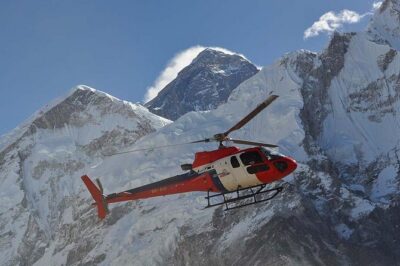
Personal medical, accidental, and rescue insurance is not included either. Emergency evacuation costs are also excluded. This is one area where you should not cut corners, since a helicopter rescue could be expensive.
More Everest Base Camp treks:
- Everest Base Camp Trek – 14 Days
★ 5.0 · 1,499 reviews - Everest Base Camp Trekking
★ 5.0 · 485 reviews - Everest Base Camp Trekking – 13 Day
★ 5.0 · 365 reviews
Starting in Thamel and flying toward Lukla
The meeting point is in Thamel, Kathmandu, with a listed start time of 6:15 am. Domestic airport pickup and drop-off are included, which removes one early-morning worry.
The flight arrangement is described as Kathmandu, or Ramechhap, to Lukla and back. That wording matters because the departure airport can affect your morning plans. Confirm the exact airport and transfer details before setting out, particularly if you are booking separate accommodation or transport in Kathmandu.
The Lukla flight is one of the memorable parts of the trip. It is also a practical reminder that this trek depends on mountain air connections. The flight itself is described as thrilling, but you should approach it as transport in a mountain region rather than a guaranteed sightseeing event.
Your guide meets you at the stated meeting point and remains with you during the trek. The group can contain up to 15 people. That is small enough for a shared experience, but not so small that the trip feels like a private walk.
Namche Bazaar and the first taste of Sherpa life
Namche Bazaar is the famous gateway to Everest and one of the most interesting places on the route. It is known as a high-altitude market town, and it gives you an early look at how trade, tourism, and Sherpa life meet in the Khumbu region.
I would pay attention here instead of treating Namche as just a place to sleep. The value is not only the mountain setting. It is the chance to see the practical side of life on the route, where supplies and people move toward villages farther up the valley.
The altitude begins to matter as you go higher. The tour requires a strong level of physical fitness, and that warning should shape your decision. Even if you are comfortable with long walks at home, high-altitude trekking is a different test.
The supplied schedule does not spell out each walking day or acclimatization period, so ask for the exact day-by-day plan before booking. A clear schedule will help you judge the pace and understand how much time is set aside in the higher villages.
Following Hillary and Tenzing’s route
Part of the appeal is walking along the same broad trail associated with Sir Edmund Hillary and Tenzing Norgay Sherpa. That connection gives the route a sense of purpose, but you should not confuse following their path with climbing Mount Everest.
Your goal is Everest Base Camp, not the summit. The trek lets you experience the approach used by mountaineers, while staying at tea houses and traveling with a local support team.
Tea-house accommodation is basic. It is included and practical, but it should not be mistaken for hotel comfort. Hot showers, hot water, Wi-Fi, and battery charging cost extra, and those services may be limited along the way.
This is where packing discipline helps. The porter arrangement, one porter for two trekkers, means you should carry a sensible daypack and avoid bringing unnecessary weight. Your duffel bag and sleeping bag are covered by the package when requested, but personal equipment remains your responsibility.
More day hikes and treks in Kathmandu:
- Nagarkot Sunrise View and Day Hiking from Kathmandu
★ 5.0 · 471 reviews - Annapurna Circuit Trek with Tilicho Lake
★ 5.0 · 368 reviews - Everest Base Camp Trek -14 Days
★ 5.0 · 321 reviews - Annapurna base camp trek 5 Days
★ 5.0 · 252 reviews
Tengboche Monastery and the cultural heart of the trek
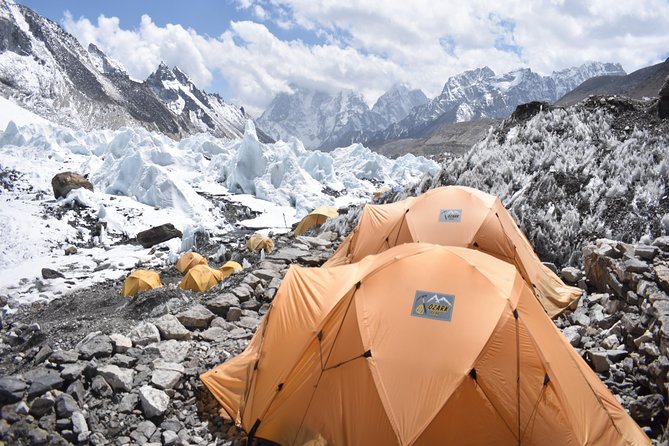
Tengboche Monastery gives the trek a welcome change of pace. You have the chance to seek blessings from a monk and explore one of the best-known monasteries in the Everest region.
For me, this is one of the reasons to choose a guided trek rather than racing from village to village. A guide can explain the cultural meaning of places like Tengboche and help you treat the monastery as more than a photo stop.
The trip also promises contact with Sherpa culture and daily life. That is a valuable part of the route, but it depends on how much attention you give it. Look beyond the mountain views. Notice the villages, the local routines, and the way the trail connects communities.
The cultural elements are not separate from the trek. They are woven into the route, and they help explain why reaching base camp feels like a journey through a living region rather than a single mountain objective.
Khumbu Glacier and Everest Base Camp
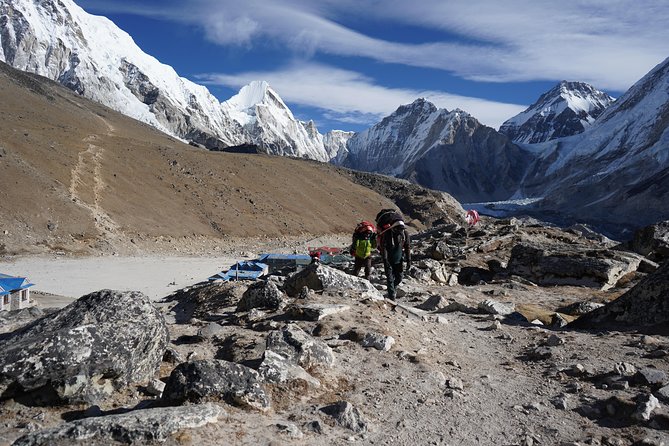
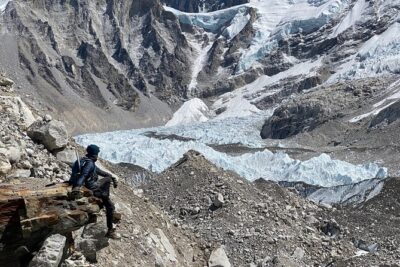
The Khumbu Glacier is one of the major natural sights on the route. It brings home the scale and difficulty of the Everest climbing area, even if you are not attempting the summit.
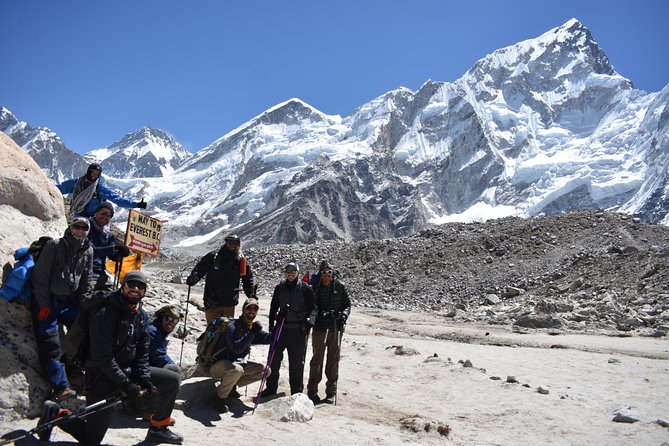
At Everest Base Camp, you reach the central goal of the trip. The guide accompanies you and explains the cultural and natural value of the places along the way. The listed stop gives a five-hour duration, but the full program is described as approximately 12 days, so treat that figure as a stop-specific estimate rather than the length of the whole trek.
Base Camp itself is not necessarily the best place for a wide view of Everest. The itinerary sensibly includes Kala Patthar, the famous viewpoint known for close mountain views. If your main goal is to see Everest clearly, that viewpoint may be as important to you as the base camp marker.
You also get the chance to see memorials for climbers who died on the mountain. These memorials add a sober note to the trek. They remind you that the route is tied to real risk, not just dramatic scenery and personal achievement.
Kala Patthar and the mountain views
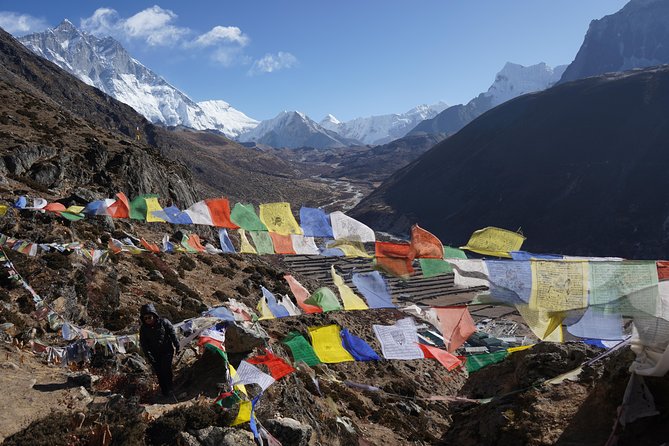
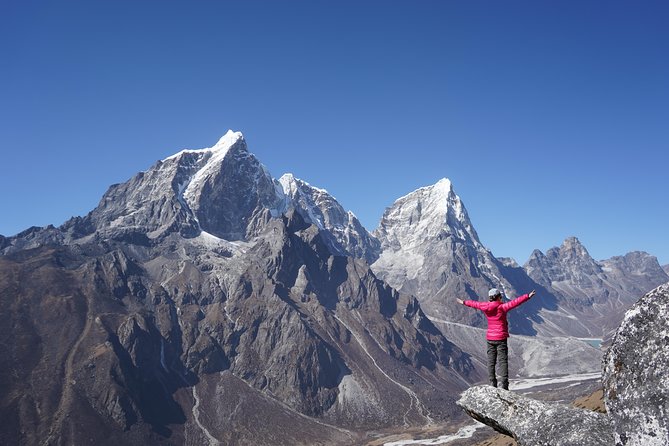
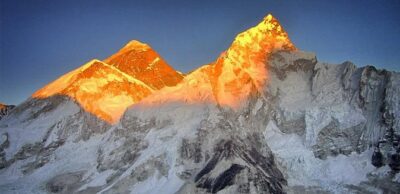
Kala Patthar is highlighted for its close view of Everest and the surrounding peaks above 8,000 meters. This is the visual high point of the journey for many people who want a strong mountain panorama.
The wording promises panoramic views, but mountain weather can always affect what you see. You should book this experience for the trek itself, the villages, the culture, and the chance of clear views, not for a guaranteed postcard moment.
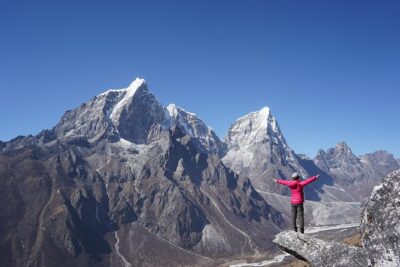
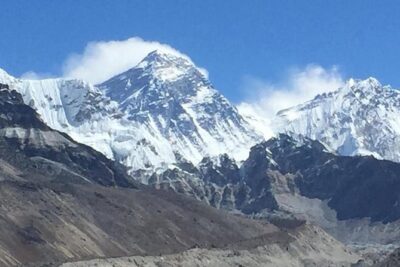
That said, the route offers repeated opportunities to look toward the world’s highest peak. The mountain scenery is not confined to one viewpoint. You will have time on the trail to see the high peaks and the glacier region from changing angles.
Your guide’s role is especially useful here. A good guide can help identify peaks, manage the pace, and keep the group moving safely when the altitude makes every step feel more deliberate.
Guide, porter, and group support
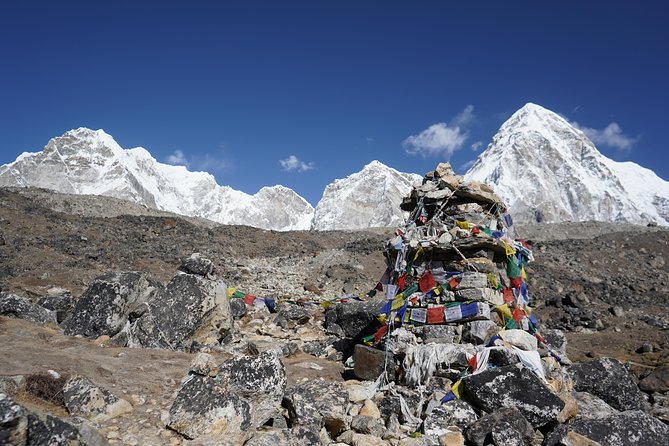
The package uses a government-licensed English-speaking trekking guide and a porter system of one porter for every two trekkers. Guide and porter insurance, food, salaries, and accommodation are included.
That structure gives you support without making the trip feel like a fully private expedition. You still need to carry your own essentials during the day and take responsibility for your personal gear.
The guide names connected with individual experiences include Ram Dhakal and Dillip. Ram was praised for looking after a group throughout its trek, while Dillip was singled out for support on a solo journey. These names are useful points of reference, but you should confirm who will lead your own departure.
Communication also matters. One solo trekker credited manager Nadin with good communication before the trip. Ask your own guide or manager direct questions about the schedule, airport transfer, luggage, and equipment before you leave Kathmandu.
The maximum group size is 15. If you prefer a private trek, this package does not promise that. If you like having company and shared support while keeping the group fairly limited, the size is reasonable.
Food, tea houses, and everyday costs
Breakfast, lunch, and dinner are included during the trekking portion. A vegetarian option is available, but you need to request it when booking.
Kathmandu meals are not included. Kathmandu accommodation is not included either, so build those nights into your total budget. The package does include domestic airport pickup and drop-off, which helps with the arrival and departure logistics.
At tea houses, expect basic accommodation rather than luxury. Hot water, showers, Wi-Fi, and battery charging are all extra. Bottled water and other drinks are also personal expenses.
Tips for guides and porters are not included. The same applies to laundry and telephone bills. None of these costs should surprise you, but they are easy to overlook when you focus on the headline price.
Fitness, insurance, and preparation
The operator requires a strong physical fitness level. Take that seriously. This is a long, high-altitude trek with multiple days on foot, and the package is not designed for a casual walk.
Your preparation should include asking for the full route plan, checking what equipment is supplied, and arranging personal insurance that covers medical care, accidents, and rescue. The included insurance applies to the guide and porters, not to you.
Emergency evacuation expenses are excluded. Personal rescue coverage, including helicopter rescue, is also excluded, so confirm that your policy covers the conditions and altitude involved in this trip.
The package includes a trekking map for one group and trekking certificates after the trip. Those are small extras, but they are useful reminders of what the tour provides and what remains your own responsibility.
Who should book this Everest trek
I would consider this trip if you want Everest Base Camp without handling every permit, flight, tea house, meal, and porter arrangement yourself. It suits an active person who values local guidance and accepts basic lodging.
It may also work well for a solo trekker who wants support while joining a group. The maximum group size of 15 gives you company, while the guide and porter system reduce the burden of carrying everything yourself.
I would hesitate if you want comfort, privacy, flexible sightseeing, or a low-risk mountain holiday. Kathmandu lodging is not included, personal insurance is essential, and extra costs appear throughout the trek.
The strong points are clear: a 12-day structure, practical inclusions, cultural stops, base camp access, Kala Patthar views, and experienced guide support. The main question is not whether the route is attractive. It is whether you are ready for the physical demands and basic conditions.
Should you book it?
Book this Everest Base Camp trek if reaching base camp is your goal and you want a local operator to handle the main logistics. The $1,350 price is fair for the permits, flights, meals, tea houses, guide, porter, and airport transfers included.
Before paying, confirm the exact departure airport, the full day-by-day schedule, your assigned guide, what equipment you will receive, and the insurance requirements. If those details suit you and you are fit for a demanding high-altitude walk, this is a practical way to experience Namche Bazaar, Tengboche, the Khumbu Glacier, Kala Patthar, and Everest Base Camp in one organized trip.
Free cancellation is available up to 24 hours before the start time for a full refund. Changes or cancellations made less than 24 hours before departure are not accepted.
FAQ
How long is the Everest Base Camp trek?
The experience lasts approximately 12 days and includes 11 nights of basic tea-house accommodation during the trek.
What is included in the $1,350 price?
The price includes tea-house accommodation during the trek, breakfast, lunch and dinner while trekking, round-trip flights between Kathmandu or Ramechhap and Lukla, a licensed English-speaking guide, porter support, permits, fees, taxes, guide and porter insurance, and domestic airport pickup and drop-off.
Is accommodation in Kathmandu included?
No. Accommodation in Kathmandu is not included, and breakfast, lunch, and dinner in Kathmandu are also excluded.
Are the Lukla flights included?
Yes. Round-trip airfare between Kathmandu or Ramechhap and Lukla is included.
Is airport pickup available?
Yes. Domestic airport pickup and drop-off facilities are included. The stated meeting point is in Thamel, Kathmandu, and the listed start time is 6:15 am.
How large can the group be?
The activity has a maximum group size of 15 people.
Do I need strong physical fitness?
Yes. The tour information states that you should have a strong physical fitness level.
Is personal medical or rescue insurance included?
No. Personal medical, accidental, and rescue insurance are not included. Emergency evacuation expenses, including helicopter rescue, are also excluded.
Can I request vegetarian meals?
Yes. A vegetarian option is available if you request it when booking.
What happens if I need to cancel?
You can receive a full refund if you cancel at least 24 hours before the experience start time. Cancellations or changes made less than 24 hours before the start time are not accepted.
Just added around Kathmandu
- Traditional Momo Making Class★ 5.0 · 10 reviews
- Wildlife Adventure in Chitwan Nepal★ 4.0 · 4 reviews
- Walking tour of real Kathmandu through back streets.★ 5.0 · 3 reviews
- Kathmandu 2 Nights 3 Days Chitwan Jungle Safari Tour★ 5.0 · 9 reviews
- Kathmandu Street Food Walking Tour – Eat Like a Local★ 5.0 · 3 reviews
- Private Manaslu Circuit Trek at Himalayas★ 5.0 · 3 reviews
- Walking tour of Kathmandu with awesome local guides★ 5.0 · 4 reviews
- Visit Swayambhunath and Bauddhanath Stupa with Guide★ 5.0 · 5 reviews
Everest Base Camp Treks from Kathmandu, compared.
Everest Base Camp Trek with Helicopter Return from Gorakshep to Lukla
Read our review →Browse the lists this tour appears in