
Reviewed · HISTORICAL TOURS
Pick 2-Wonders of Kathmandu: A 3-Hour Heritage Hop
Kathmandu’s best sights are spread across the valley, so this three-hour tour makes a smart short visit possible. You choose two major heritage sites, then travel between them in a private air-conditioned vehicle with a guide who can explain the temples, symbols, and customs as you go. I especially like the choice between a broad city introduction and a more focused religious visit. I also like that guides such as Nilakantha Acharya have adjusted the pace for questions, photographs, and changing interests.
The main caution is time. Three hours is enough for a useful introduction, not a full study of two large sites. Entrance fees are extra, traffic can eat into your sightseeing, and some locations require walking on uneven surfaces. Still, at $3.94 per person, the private transport and guide make this a strong value if your schedule is tight.
Key points to know before you book
- Choose your own pair of sites: Pick from Kathmandu Durbar Square, Swayambhunath, Pashupatinath, Boudhanath, Patan Durbar Square, and Bhaktapur Durbar Square.
- A private three-hour outing: Hotel pickup and drop-off in Thamel keep the tour simple, with no group waiting or fixed route once you begin.
- Best for a first look at Kathmandu: You can see royal squares, Buddhist stupas, Hindu temples, and Newari design in one compact visit.
- Kumari sighting is possible: Kathmandu Durbar Square is home to the Kumari, Nepal’s living goddess, though an appearance is not guaranteed.
- Great rooftop views at Swayambhunath: The hilltop Monkey Temple offers 360-degree views over Kathmandu Valley.
- Strong guide feedback: Nilakantha Acharya, Prakash, Hari, and Ram are among the staff praised for clear explanations, patience, and helpful service.
Why a two-site tour works in Kathmandu
Kathmandu Valley is not one compact sightseeing district. Its major monuments are spread across Kathmandu, Lalitpur, and Bhaktapur, and road traffic can turn a short drive into a slow one. A full-day tour gives you more room, but a three-hour plan can be just right after a flight, before a trek, or during a short city stay.
You get a private vehicle, hotel pickup, bottled water, and an English or Hindi-speaking guide. The route begins and ends in Thamel, with pickup at your hotel lobby or residential entrance. You should wait five to ten minutes before the scheduled pickup time.
The central decision is not simply which sites look best in photographs. It is what kind of Kathmandu you want to meet. Choose Kathmandu Durbar Square and Swayambhunath for royal architecture, mythology, and city views. Choose Pashupatinath and Boudhanath for Hindu and Buddhist worship. Choose Patan and Kathmandu for Newari palace squares. Choose Bhaktapur if you want one concentrated old-city visit with a slower, more traditional feel.
The private format matters here. You can ask to spend more time on temple art, religious customs, or photography instead of being pushed along by a large group. Nilakantha Acharya was praised for changing the pace to match individual interests, and one guest even stopped at a rooftop for coffee when jet lag became a problem. That sort of flexibility is especially useful on your first day in Nepal.
More UNESCO heritage sites in Kathmandu:
- Private Kathmandu Sightseeing Tour | UNESCO World Heritage sites
★ 5.0 · 756 reviews - UNESCO Seven World Heritage Tour in Kathmandu
★ 5.0 · 253 reviews - Kathmandu Private Sightseeing Tour | UNESCO World Heritage Sites
★ 5.0 · 109 reviews
Kathmandu Durbar Square and Swayambhunath
This is the broadest choice for a first visit. It gives you a royal square in the old city, followed by a hilltop stupa with wide views.
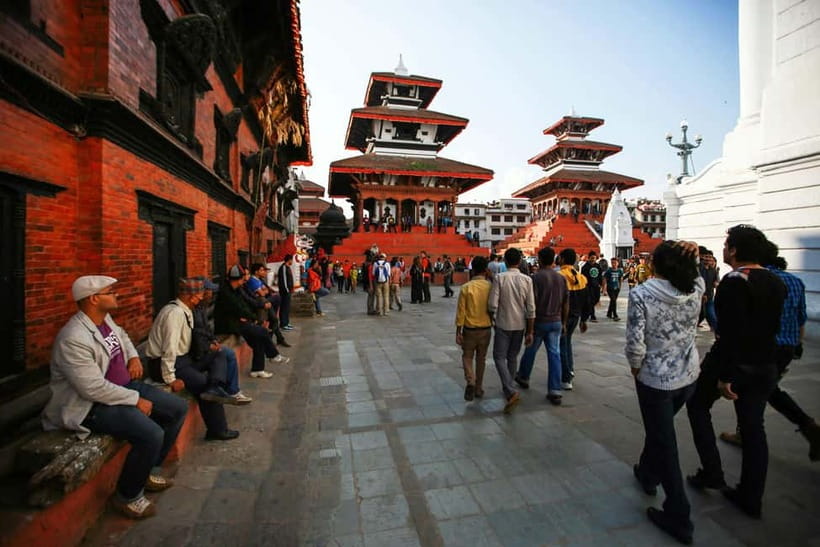
Kathmandu Durbar Square was the center of royal life under the Malla and Shah dynasties. You can see palace buildings, courtyards, temples, and the nine-storied Nautale Durbar. The square is also one of the clearest places to see Newari design, with carved timber windows, brick façades, tiered roofs, and detailed temple work.
The Kumari Temple adds a rare living tradition to the architecture. The Kumari is a young girl regarded as a living goddess, and the tour gives you the chance to see her residence and possibly catch a brief appearance. Keep your expectations sensible. A sighting depends on timing and custom, and you should follow any instructions about photography and behavior.
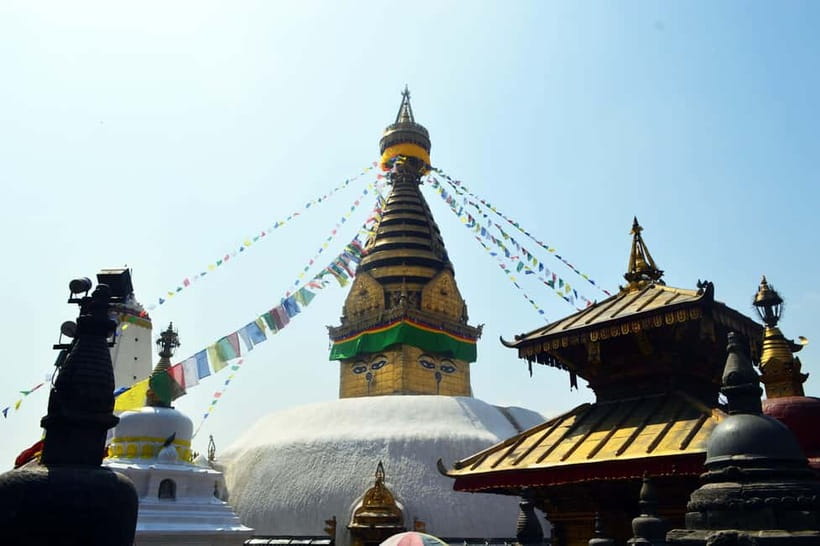
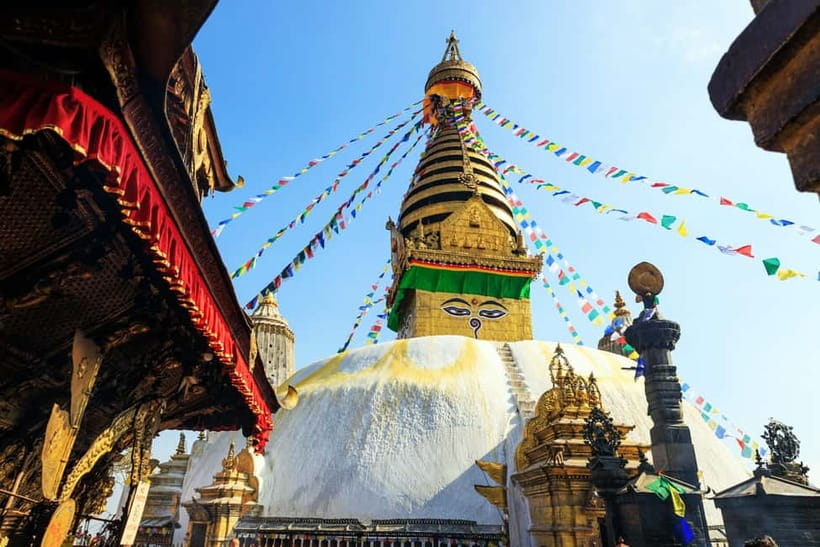
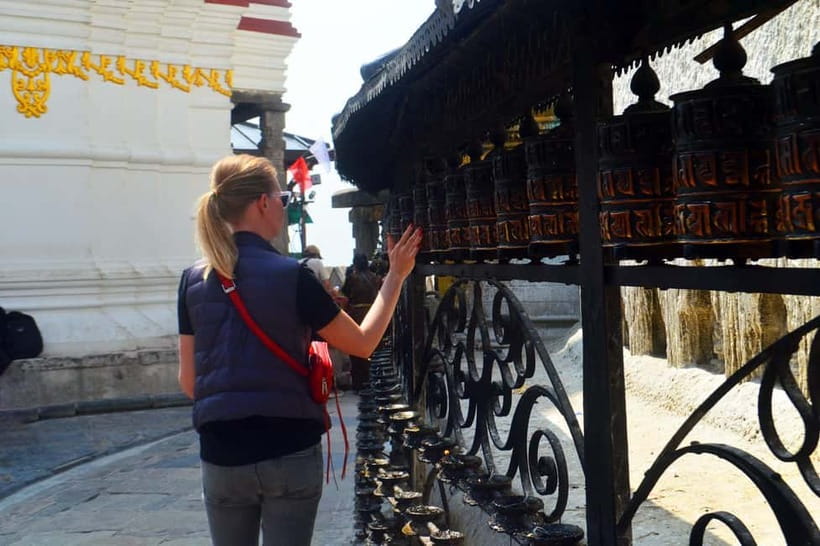
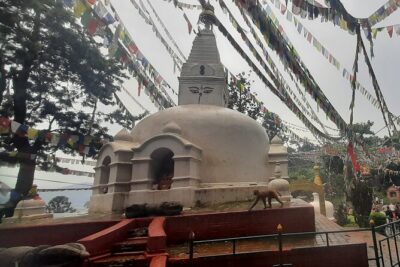
Swayambhunath, often called the Monkey Temple, sits on a hill above the city. The stupa’s painted eyes look over the valley, while the site brings together Buddhist and Hindu elements. Monkeys are part of the scene, but do not treat them as tame animals or carry food openly near them.
The reward here is the 360-degree view. From the hilltop, you can see across Kathmandu Valley and get a useful sense of the city’s scale. The climb and uneven paths may be tiring for some people, so this option is not suitable for wheelchair users. If you want one pair that covers architecture, religion, local custom, and city views, this is my top pick.
Pashupatinath and Boudhanath
Choose this pair for a stronger religious focus. The two sites show different traditions, yet both remain active places of worship rather than silent museum pieces.
Pashupatinath Temple is one of Hinduism’s most important sites and is dedicated to Lord Shiva. It sits beside the Bagmati River, where traditional cremation rituals may be visible along the banks. This can be a powerful and serious part of the visit. Your guide can explain what you are seeing, but you should approach the riverfront with respect and avoid treating ceremonies as a spectacle.
Access and viewing rules can differ by area, especially for non-Hindu visitors. The tour description does not promise entry into every part of the temple complex, so ask your guide what you can see when you arrive. The value here comes from understanding the rituals, symbols, and setting, not from collecting photographs.
Boudhanath Stupa offers a quieter contrast. This huge Buddhist stupa is one of Nepal’s most important mandalas and was once linked to the ancient trade route toward Tibet. Its broad white dome, prayer flags, and surrounding religious life make it an excellent place to learn about Tibetan Buddhist practice in Nepal.
One guide-led visit on a festival day included explanations of rituals and symbols that would have been easy to miss alone. That is the real advantage of this pairing. You get context for both Hindu and Buddhist traditions in one afternoon, rather than simply driving between famous buildings.
Allow a little emotional and visual space for Pashupatinath. If you want a light sightseeing outing with constant photo stops, choose another option. If you want religious context and are prepared for a serious visit beside the river, this is likely the most rewarding pair.
Patan and Kathmandu Durbar Squares
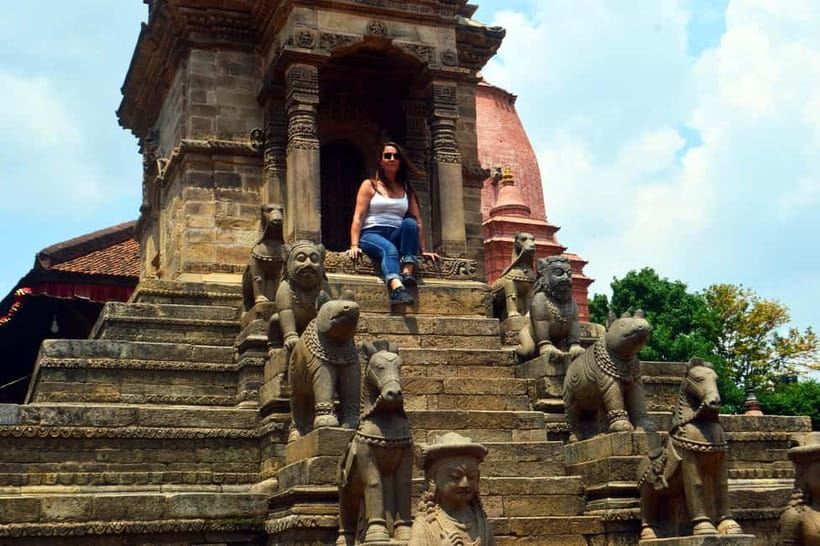
This option is for architecture lovers. Both squares grew around royal courts, and both show how much of Kathmandu Valley’s identity comes from Newari craftsmanship.
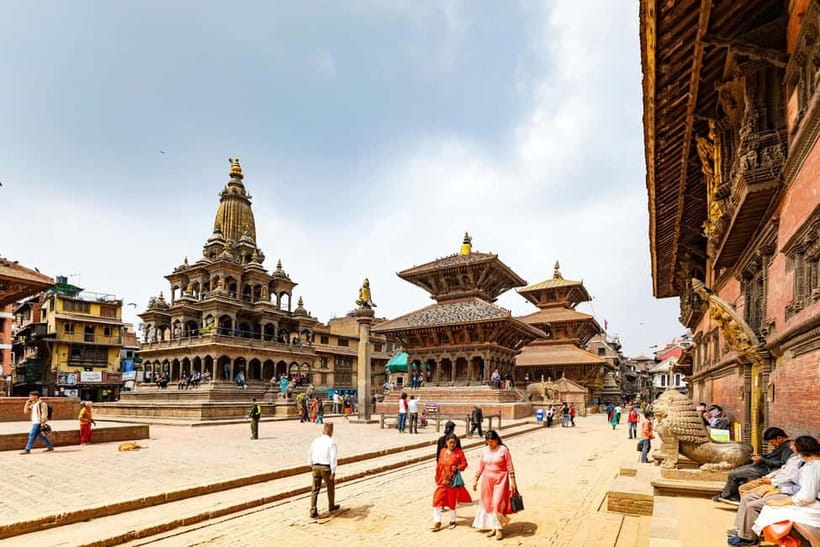
Patan Durbar Square, in Lalitpur, is known for its red brick paving, palace complex, temples, statues, and finely worked details. The square is often described as the artistic center of the valley, and the appeal is easy to understand as you move from one carved doorway or shrine to the next.
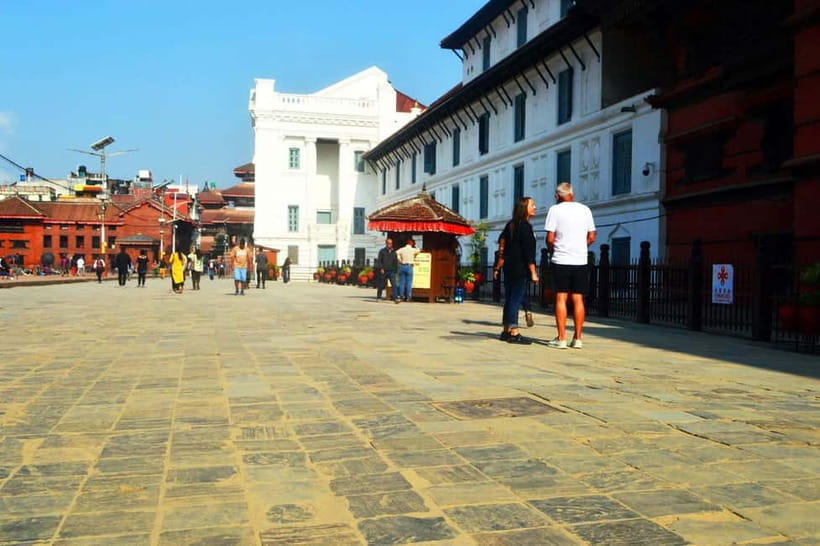
Kathmandu Durbar Square gives you a different royal setting in the old city. Its buildings include palace courtyards and temples tied to Nepal’s royal past, along with the Kumari’s residence. Visiting both squares lets you compare their scale, layout, and architectural character.
This pair is a good fit if you enjoy looking closely. A guide can point out the difference between a palace detail, a temple image, and a living shrine. Without that help, it is easy to see a collection of beautiful façades without understanding how the buildings function.
The drawback is that the two squares can feel similar if you are mainly seeking dramatic scenery. You also have less time at each site than you would on a full-day cultural tour. I would choose this route if you have a clear interest in architecture, wood carving, royal history, or Newari urban design.
More three-hour experiences in Kathmandu:
- Everest Base Camp: 3 Hour Helicopter Sightseeing Tour
★ 4.4 · 17 reviews - 3 Hours Night Pashupatinath Aarati Tour
★ 4.5 · 4 reviews - Private 3-Hour Nagarkot Sunset Tour from Kathmandu
★ 3.5 · 3 reviews - Kathmandu: About 3-hour Cooking Class Experience near Thamel
★ 5.0 · 3 reviews
Bhaktapur’s four connected squares
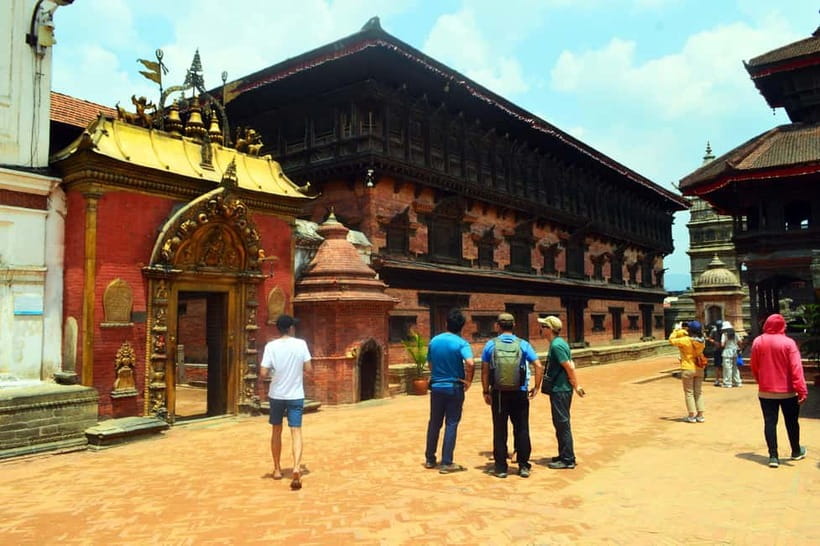
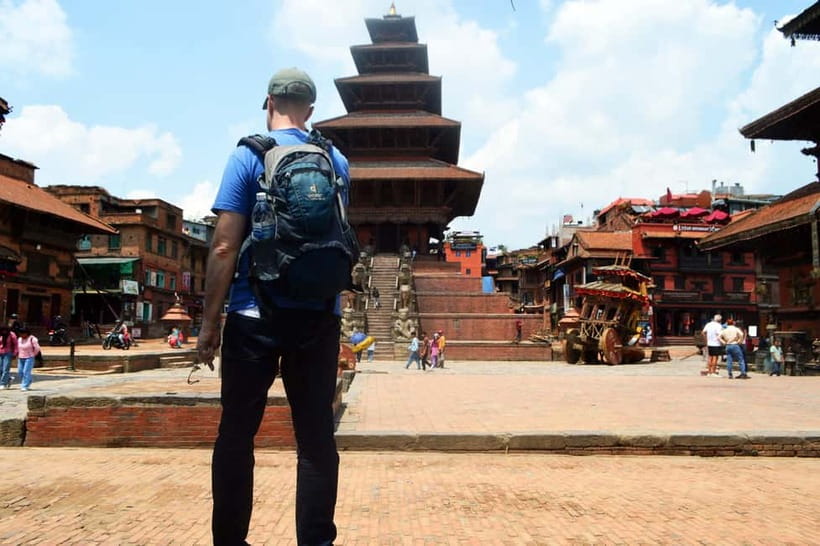
Bhaktapur is the most concentrated option. It is the smallest district in Nepal, yet its Durbar Square is the country’s largest and includes four linked squares. This gives you a more unified old-city visit than the paired routes.
The centerpiece is Nyatapola Temple, Nepal’s tallest temple at five stories. Its height and tiered form make it easy to spot, but the surrounding streets and courtyards are just as important. You can expect a strong sense of continuity between the palace square, temples, brick-paved areas, and local urban life.
Bhaktapur suits you if you prefer to spend the full three hours in one historic city rather than split the visit between two distant sites. You avoid some of the mental reset that comes with moving from a palace square to a hilltop or river temple.
There is one practical limitation: the experience includes one major heritage area rather than two separate sites. The tour is still sold as a two-wonder choice, but the Bhaktapur selection focuses on a single large complex with several connected sections. Pick it for depth and atmosphere, not for ticking off two different parts of the valley.
What the guide and vehicle add
The vehicle is more than a comfort feature. Kathmandu traffic, unfamiliar streets, and the distance between heritage sites can make independent planning slow. With private pickup and drop-off, you can focus on the visit rather than arranging taxis between monuments.
The guide is the most important part of the experience. Nilakantha Acharya received repeated praise for clear explanations, patience, and a willingness to answer many questions. Prakash was also singled out for teaching visitors a great deal during the tour. Other reported guide and driver combinations included Nilakantha with Hari and Ram, with the transport team helping visitors move between sites.
You should tell the guide at the start if you care most about architecture, religion, photography, or local customs. The tour works best when you use its private format rather than treating it as a fixed script. One guest took many photographs and still had time for a relaxed visit because the guide adjusted the pace.
The advertised languages are English and Hindi. Bottled water is included. Meals and beverages are not, though a coffee stop may be possible if timing and the guide allow it. Do not count on that as a formal part of the tour.
Price, tickets, and the three-hour limit
At $3.94 per person, this is an unusually low price for private transport and a guide. The value is strongest if you are already staying in Thamel and want a compact introduction without arranging separate taxis or hiring a guide on your own.
Monument entrance fees are not included. An add-on option is available, but you should check the booking details before confirming so you understand how tickets will be handled. Bring your passport and cash, as requested for the activity.
The phrase skip the ticket line is included among the tour benefits, but it does not mean the entrance cost disappears. You still need to allow for admission charges, and the time saved may vary by site and crowd levels.
Three hours also means you should not try to turn this into a full valley tour. Choose two sites that fit your interests and accept that each visit will be an introduction. If you want lengthy museum time, extensive photography, or a meal break, a longer tour will be a better match.
Who should choose this tour
I would recommend it for a first visit, a short stop in Kathmandu, or a free afternoon before or after a trek. It also suits people who prefer private touring and want to ask questions without holding up a large group.
The Pashupatinath and Boudhanath route fits anyone curious about religion and ritual. Kathmandu and Swayambhunath work best for first-time orientation. Patan and Kathmandu reward careful attention to design. Bhaktapur is the best choice if you want one large historic area rather than two separate stops.
It is less suitable if you use a wheelchair, are traveling with a baby under one year, or are over 95. Large bags, luggage, alcohol, and drugs are not allowed. Uneven ground, steps, and the short schedule also make this a poor match for anyone who needs a slow, fully accessible route.
Free cancellation is available up to 24 hours before the tour, and you can reserve now and pay later. That flexibility helps if your Kathmandu plans depend on flights, weather, or trekking arrangements.
Should you book the two-wonder tour?
Book it if you want a low-cost, private introduction and can choose your two sites carefully. The combination of hotel transport, bottled water, a live English or Hindi-speaking guide, and a flexible pace is hard to beat at this price, even after adding entrance fees.
My first choice for most people is Kathmandu Durbar Square and Swayambhunath. It gives you palace architecture, the Kumari tradition, Buddhist and Hindu elements, and a wide city view. Choose Pashupatinath and Boudhanath instead if religious practice matters more to you than royal architecture.
Skip it if you want a relaxed full-day visit or hope to see every major monument in one outing. Three hours goes quickly, but used well, it gives you a clear and memorable first look at Kathmandu.
FAQ
How long does the tour last?
The tour lasts three hours, including pickup and return to Thamel.
Where does pickup take place?
Pickup is from your hotel in Kathmandu. You should wait in the hotel lobby or at the entrance of your residential apartment five to ten minutes before pickup.
Which sites can I choose?
You can select from Kathmandu Durbar Square, Swayambhunath, Pashupatinath Temple, Boudhanath Stupa, Patan Durbar Square, and Bhaktapur Durbar Square, according to the selected tour option.
Are entrance fees included?
No. Monument entrance fees are not included, though an add-on option is available.
Is the tour private?
Yes. The activity uses a private group, a private air-conditioned vehicle, and a live guide.
Which languages are available?
Guiding is available in English and Hindi.
Can I cancel the booking?
You can cancel up to 24 hours in advance for a full refund. You can also reserve now and pay later.
Just added around Kathmandu
- Traditional Momo Making Class★ 5.0 · 10 reviews
- Wildlife Adventure in Chitwan Nepal★ 4.0 · 4 reviews
- Walking tour of real Kathmandu through back streets.★ 5.0 · 3 reviews
- Kathmandu 2 Nights 3 Days Chitwan Jungle Safari Tour★ 5.0 · 9 reviews
- Kathmandu Street Food Walking Tour – Eat Like a Local★ 5.0 · 3 reviews
- Private Manaslu Circuit Trek at Himalayas★ 5.0 · 3 reviews
- Walking tour of Kathmandu with awesome local guides★ 5.0 · 4 reviews
- Regular Yoga for all levels of practitioners in Kathmandu★ 5.0 · 4 reviews
Historical Tours, compared.
Private Kathmandu Sightseeing Tour | UNESCO World Heritage sites
Read our review →
Full Day Private Top 4 UNESCO Heritage Tour W/Lunch.
Read our review →
Nagarkot Sunrise & Bhaktapur UNESCO Heritage Private Tour
Read our review →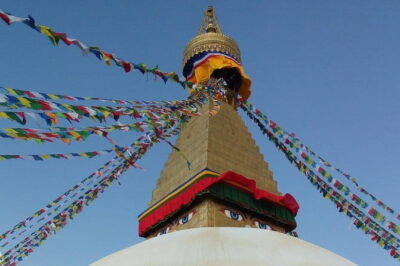
Kathmandu Top 4 or 2 UNESCO World Heritage Sites Day Tour
Read our review →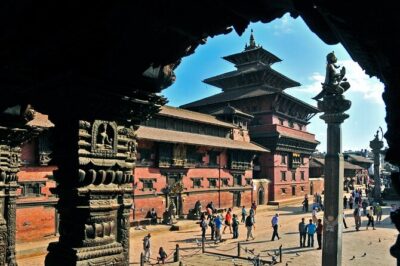
Kathmandu Highlights: Private UNESCO World Heritage Sites Tour
Read our review →Browse the lists this tour appears in