
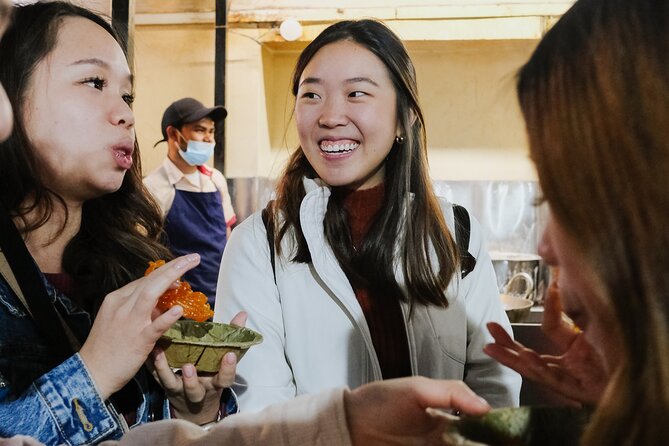
Reviewed · KATHMANDU FOOD TOURS
Walking Food Tour in Hidden Local Eateries of Kathmandu
Kathmandu’s best food often sits behind an unmarked door or in a tiny shop you would pass without a second glance. This two-hour walking tour takes you through Indrachowk and toward Kathmandu Durbar Square, where a guide leads you to local eateries for Nepali and Indian snacks.
I like the way the tour connects food with place. You are not simply handed a plate, you are walking through an old market and historic square while learning how local people eat. I also like the small maximum group of 12, which should make it easier to ask questions and follow the guide through narrow lanes. The main consideration is comfort: some tastings are eaten standing up, and the eateries may be simple rather than polished.
Key points to know before booking
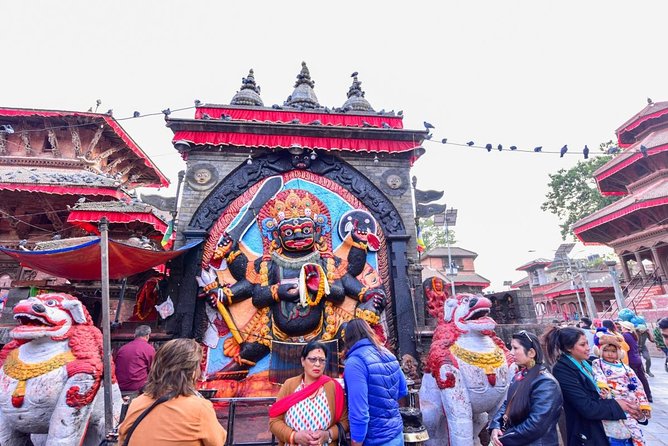
- Indrachowk is the starting point: Meet at Akash Bhairab Temple and begin with local tidbits around the old market.
- Kathmandu Durbar Square adds cultural context: The food walk continues through one of the city’s main historic areas.
- The food is the main event: Nepali and Indian snacks are included, and the portions can add up to a full meal.
- Small eateries are part of the appeal: You may enter places that are difficult to find without a local guide.
- A small group keeps it personal: The maximum is 12 people, with group discounts available.
- Plan around the practical details: The tour lasts about two hours, ends where it begins, and requires good weather.
A food walk through Kathmandu’s everyday side
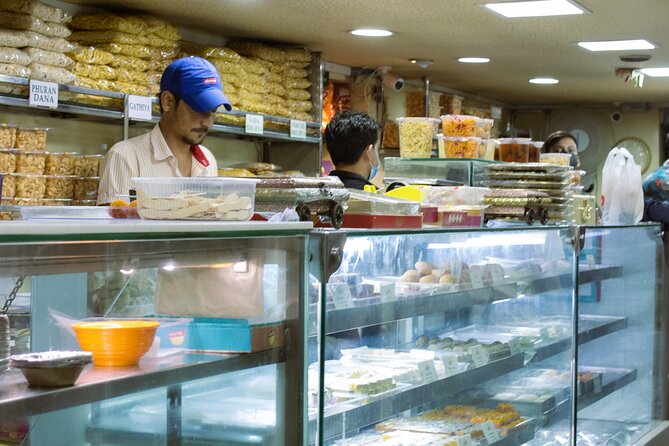
Kathmandu can be hard to read at street level. A lane may look quiet until you step through a doorway and find a busy food counter inside. A small shop may have no useful sign for a visitor, yet locals know exactly what to order.
That is where this tour earns its keep. You spend the evening moving between modest food stops rather than sitting in one restaurant. The guide explains what you are eating and places it in the setting of Kathmandu’s markets, lanes, temples, and daily routines.
I like this format for a first visit because it gives you both food and orientation. After two hours, you should have a better sense of where people eat in the central city, and you may have a few ideas for snacks to seek out later.
The tour is not designed as a formal restaurant meal. It is a tasting walk, and the food comes in several small portions. The amount can be surprisingly generous, so arrive with an empty stomach rather than treating this as a light nibble before dinner.
More walking tours in Kathmandu:
- Kathmandu Food and Drink Walking Tour
★ 5.0 · 266 reviews - Kathmandu: Food and Drink Walking Tour
★ 4.9 · 119 reviews - Walking Street Food Tour in Kathmandu
★ 5.0 · 111 reviews
Starting at Akash Bhairab Temple and Indrachowk
The meeting point is Akash Bhairab Temple, listed at P845+9PQ, Kathmandu 44600. This is in the Indrachowk area, a useful location for beginning a food walk because the old market provides an immediate sense of central Kathmandu’s street life.
The first hour focuses on Indra Chowk. You walk through the area while stopping for several small bites. The details of the exact food selection can vary, but the tour centers on Nepali and Indian snacks and everyday local flavors.
Indrachowk is a good place for this kind of introduction. Instead of being separated from the city in a dining room, you are surrounded by shops, foot traffic, and the working rhythm of the market. The guide can explain not only the food, but also how and when it is eaten.
This part may feel busy and informal. You should expect to walk through crowded areas and pause at small food counters. Some food is eaten while standing, so comfortable shoes and a willingness to keep things casual will help.
The best reason to have a guide here is practical. You might notice a shop, but you will not necessarily know which door to enter, what to order, or how one snack fits into local food culture. Guides including Fahid, Shazia, and Dhuksang have been praised for being friendly, patient, and good at explaining the dishes.
The guide assigned to your date may be different, so do not book on the assumption that one particular person is guaranteed. Still, the repeated praise for the guides points to an important part of the experience: the value comes from the person connecting the food stops rather than from a fixed restaurant menu.
Continuing toward Kathmandu Durbar Square
The second hour moves toward Kathmandu Durbar Square. This gives the tour more range than a simple market crawl. You are tasting local food while passing through one of Kathmandu’s best-known cultural areas.
The square provides a stronger sense of place. Food here is not treated as an isolated activity, because the guide links the stops with the city’s customs and daily life. You get a short walking introduction to the area while sampling food at small places locals use.
I like this combination because the walking route helps the meal feel connected to Kathmandu. You are not just collecting tastes. You are seeing how food stalls and small eateries fit into an older urban center.
Do keep your expectations realistic. The experience does not promise a long guided tour of every monument in the square, and entrance tickets are not listed as part of the activity. The main focus remains food, with the square serving as the setting and cultural backdrop.
The route ends back at the meeting point. That makes the tour easier to fit into a day of sightseeing, especially if you are staying near central Kathmandu or using public transport. Private transportation is not included, so you need to make your own way to Akash Bhairab Temple.
What you may eat, and how much
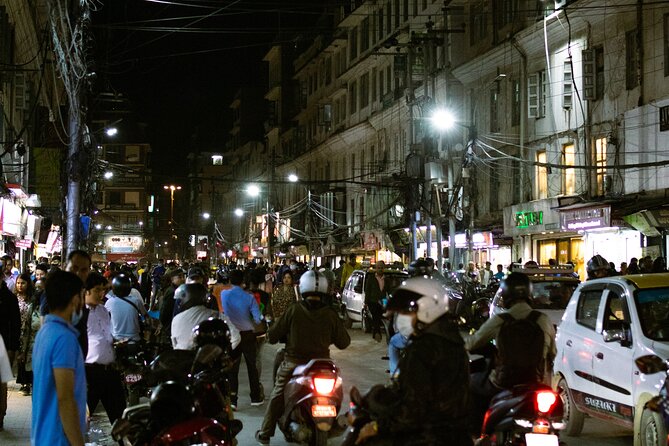
The experience includes snacks, with tastings drawn from Nepali and Indian food traditions. The exact dishes are not specified, which is worth noting if you need to plan around a particular menu or allergy.
You can expect a mix of sweet and savory flavors based on the food stops available that day. The tastings are intended to show the range of local eating rather than repeat one kind of snack. Several people found the food filling enough to count as a substantial meal, so arrive hungry is sound advice.
This is also a good choice if you tend to order cautiously. A guide can take you beyond the dishes you would normally choose from a menu. That matters in Kathmandu, where a small local eatery may not have clear explanations in English or a menu aimed at visitors.
Vegetarians were accommodated without difficulty during the experience described in the feedback. That does not mean every possible dietary need is covered, so you should raise restrictions when booking or before the walk begins. The available information does not confirm arrangements for allergies, vegan diets, or religious restrictions.
The first stop may not be your favorite food of the day. That is a normal risk with a tasting route, since personal taste varies and the tour includes several places. The overall appeal is the range and the chance to try food you probably would not locate or order by yourself.
More food tours in Kathmandu:
- Secret Food Tour – Food Bites and Sights Kathmandu 14+ Testings
★ 5.0 · 82 reviews - Kathmandu Secret Food Crawl & Local Market Tour
★ 4.7 · 54 reviews - Kathmandu Food Crawl & Market Tour
★ 5.0 · 26 reviews - Discover Ranjana Lipi the Traditional Newari Script
★ 5.0 · 9 reviews
Why the small eateries matter
The tour’s strongest feature is access. Some stops are described as places that are not easy to find on a map, including tucked-away rooms reached through small lanes or doors. You may walk past them alone without realizing there is a food counter inside.
That access is more useful than a list of famous restaurants. Popular restaurants often make it easy to find familiar dishes, but they do not always show how people eat during an ordinary day. Small eateries give you a closer look at local habits, even when the setting is plain.
Do not confuse local with luxurious. The food places may be basic, and cleanliness standards may not match what you expect from a modern restaurant. One of the strongest practical points in the feedback is that the setting can be rough around the edges while the food remains satisfying.
I would choose this tour if you want a real introduction to Kathmandu’s food culture and are comfortable with a little uncertainty. I would choose a conventional restaurant meal instead if you need a quiet seat, a fixed menu, or a carefully controlled dining environment.
The guide makes the difference
A good food walk depends heavily on the guide. Here, the guide handles the route, introduces the eateries, explains the food, and helps the group move from one stop to the next.
Fahid is praised for being friendly, polite, funny, and careful with the group. Shazia is described as offering useful context about Nepali food and culture. Dhuksang is noted for taking people to places not easily found on maps and for being patient and helpful.
Those details matter because the tour is not simply a food delivery service. You need someone who can explain unfamiliar dishes, answer questions, and keep the pace comfortable as the group moves through busy lanes.
The group limit is 12 people. That is small enough to feel more personal than a large city tour, though your actual group could be smaller or close to the maximum. Group discounts are available, which may improve the price for families or friends traveling together.
Is $36 a fair price?
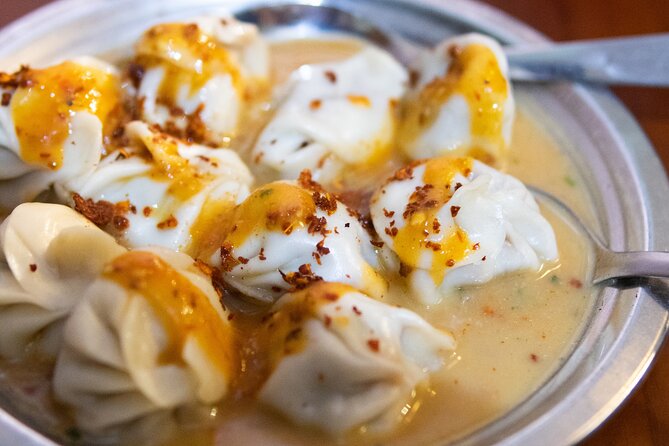
At $36 per person, the tour is not the cheapest way to buy snacks in Kathmandu. If you already know the city and can confidently find local eateries on your own, you could likely spend less by ordering independently.
The price is easier to justify if you value guidance and variety. It includes the food tastings, a route through two important central areas, and the work of finding places that are not obvious to newcomers. You are also paying for explanations, translation of the food experience, and a small-group format.
I see the value as strongest for a first visit. You can use the tour to learn what local snacks look like, decide what you enjoy, and get ideas for eating later. It is less valuable for someone who prefers a single long meal or already has strong local connections.
Transportation is not included, and the walk begins and ends at the temple meeting point. Factor in your own cost and time for reaching Indrachowk, but the central location and public transport access make the arrangement fairly simple.
Timing, comfort, and practical planning
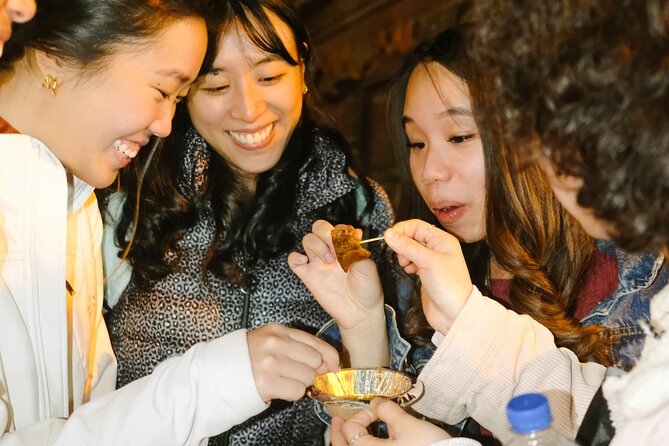
The activity lasts about two hours. That is long enough for several food stops without taking over your whole day, and it leaves room for sightseeing before or after.
Because some tastings are eaten standing up, wear shoes suited to walking and do not expect a formal dining setup. You may want water with you, although the included item is listed as snacks rather than drinks.
The tour requires good weather. If poor weather forces a cancellation, you are offered another date or a full refund. It also requires a minimum number of people, so a cancellation is possible if that number is not reached.
Confirmation is provided at booking, and mobile tickets are available. You can cancel for a full refund up to 24 hours before the start time. Cancellations or changes made within 24 hours are not refunded or accepted.
Most people can take part, but the walk is still better suited to anyone comfortable on foot and with informal food stops. The supplied information does not give a precise distance, so do not book it if you need a fully seated or highly controlled experience.
Who should book this Kathmandu food walk?
I would recommend it to first-time visitors who want food to help them understand the city. It suits curious eaters, couples, friends, and small groups who enjoy trying unfamiliar snacks without having to decode every menu themselves.
It is also a smart early-trip activity. The route can give you a sense of central Kathmandu, while the guide may point out places and foods you can revisit later. Since the tastings are filling, it works best when you plan your next meal with some restraint.
Vegetarians should find the tour workable, based on the food arrangements described. If your diet is strict or allergy-related, ask for confirmation before booking because the available details do not promise specific substitutions.
I would skip it if you want a polished culinary event with table service, a published dish-by-dish menu, or private transport. I would also think twice if you dislike standing while eating or feel uneasy in simple local food settings.
Should you book it?
Book this tour if you want an affordable, guided introduction to Kathmandu’s small eateries and are willing to trade comfort for access. The best parts are the local stops, the mix of Nepali and Indian snacks, and the guide’s help in making sense of food you might otherwise miss.
The $36 price makes the most sense when you count the included tastings and the time saved searching for suitable places. Arrive hungry, wear comfortable shoes, and keep your schedule flexible. If that sounds like your kind of evening, this is a strong way to start eating your way through Kathmandu.
FAQ
How long does the walking food tour last?
The tour lasts approximately two hours.
Where does the tour begin?
It begins at Akash Bhairab Temple, P845+9PQ, Kathmandu 44600, Nepal.
Where does the tour end?
The activity ends back at the meeting point.
What areas does the tour visit?
The route begins in the old market area of Indrachowk and continues toward Kathmandu Durbar Square.
Is food included in the price?
Yes. Snacks and food tastings are included.
What type of food will be served?
The tour features Nepali and Indian cuisine, with a variety of local snacks and street foods.
Is private transportation included?
No. Private transportation is not included.
How many people can join the tour?
The maximum group size is 12 people.
Can vegetarians take part?
Yes. Vegetarian food was accommodated during the experience described in the available information.
What is the cancellation policy?
You can cancel at least 24 hours before the start time for a full refund. Cancellations or changes made less than 24 hours before the start time are not refunded or accepted. If poor weather or an insufficient number of bookings cancels the tour, you are offered another date or a full refund.
Just added around Kathmandu
- Traditional Momo Making Class★ 5.0 · 10 reviews
- Wildlife Adventure in Chitwan Nepal★ 4.0 · 4 reviews
- Walking tour of real Kathmandu through back streets.★ 5.0 · 3 reviews
- Kathmandu 2 Nights 3 Days Chitwan Jungle Safari Tour★ 5.0 · 9 reviews
- Kathmandu Street Food Walking Tour – Eat Like a Local★ 5.0 · 3 reviews
- Private Manaslu Circuit Trek at Himalayas★ 5.0 · 3 reviews
- Walking tour of Kathmandu with awesome local guides★ 5.0 · 4 reviews
- Visit Swayambhunath and Bauddhanath Stupa with Guide★ 5.0 · 5 reviews
Kathmandu Food Tours, compared.
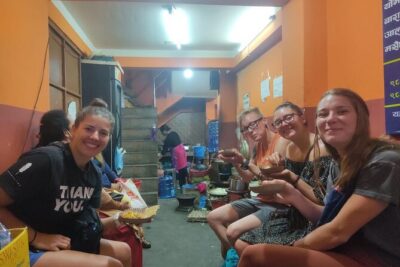
Secret Food Tour – Food Bites and Sights Kathmandu 14+ Testings
Read our review →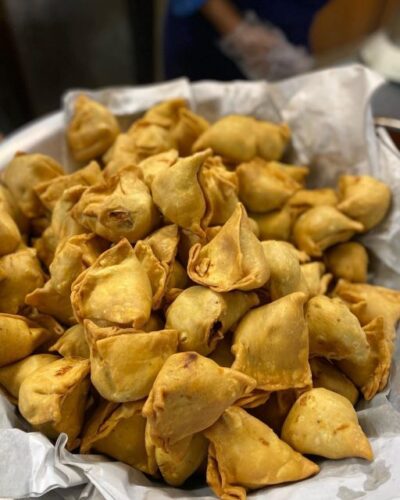
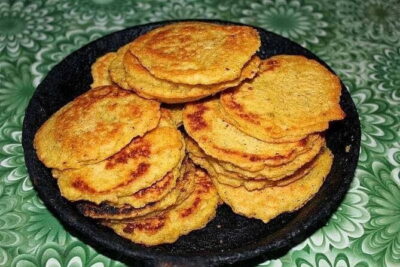
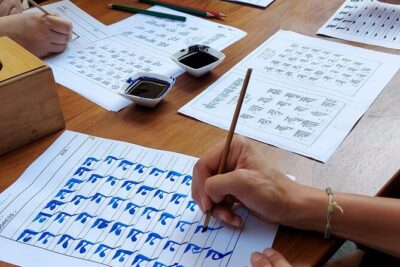
Discover Ranjana Lipi the Traditional Newari Script
Read our review →Browse the lists this tour appears in