
Reviewed · KATHMANDU COOKING CLASSES
Momo Making Class in Kathmandu with Pickup & Drop off from Hotel
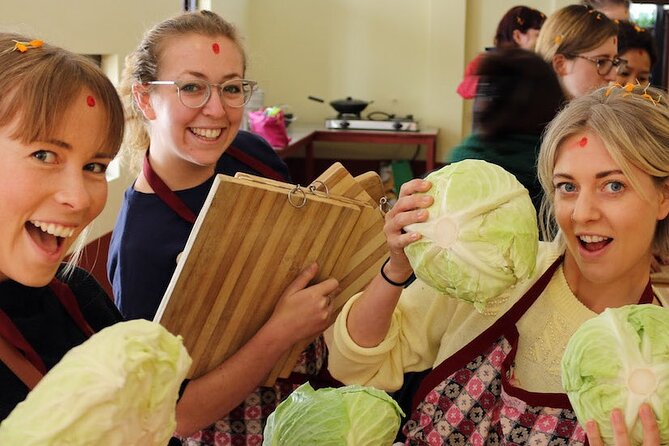
The best part of this Kathmandu cooking class happens before the cooking begins: you visit a local market and choose the ingredients that will go into your momos. That small step gives the meal a real connection to Kathmandu, rather than making the class feel like a set kitchen demonstration.
I like the hands-on format and the choice of vegetarian, vegan, or chicken fillings. I also like that you can make standard steamed momos or try soup momo, a more unusual Nepali style. The main consideration is time: at about two hours, this is a compact introduction, not a long food tour or full cooking course.
Key details before you book
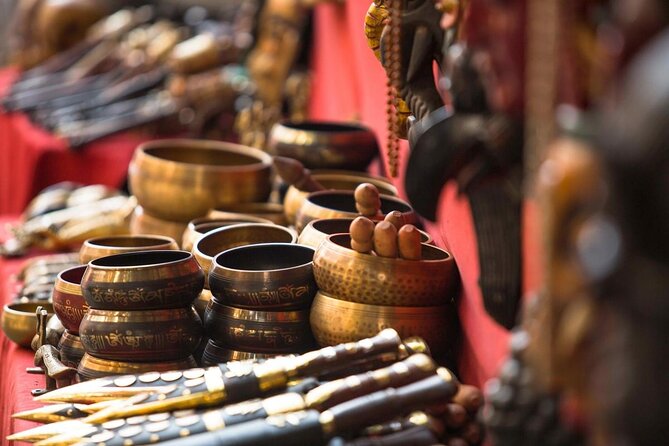
- Fresh ingredients come from a market visit: You help choose the produce and filling ingredients before returning to the cooking academy.
- You make the food yourself: The chef guides you through dough, filling, shaping, and cooking.
- Soup momo is an option: You can stay with classic steamed momos or try the soup-filled style.
- Dietary choices are built in: Vegetarian, vegan, and chicken options are available.
- The group is limited to 10 people: That keeps the class smaller than a large demonstration.
- Hotel transport is optional: Pickup and drop-off are offered within Kathmandu Valley, while the class itself begins at Kathmandu Cooking Academy in Thamel.
Why making momos is a smart Kathmandu food experience
Momos are one of the easiest ways to connect with everyday Nepali food. You will find them across Kathmandu, from simple local eateries to more polished restaurants, but eating a plate tells you only part of the story. This class lets you handle the dough, prepare the filling, and learn how the little dumplings are sealed.
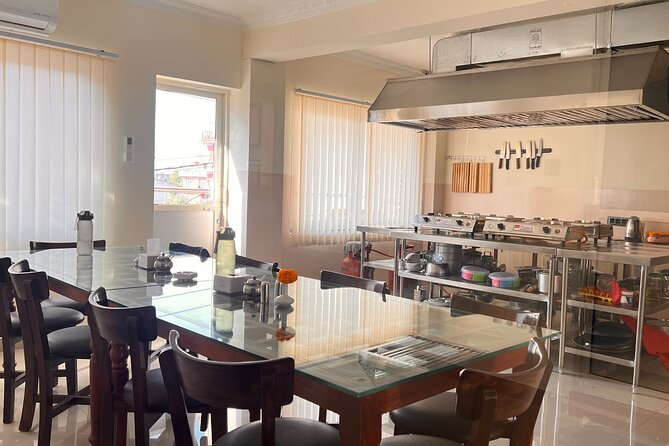
The experience begins at 1 PM at Kathmandu Cooking Academy on Yapikhya Marg in Kathmandu. The class is designed for beginners, so you do not need special cooking skills. You will work with a local chef who explains each step and adjusts the process to your preferences.
I like this approach because momos look simple until you try to make them. The dough needs the right texture, the filling needs balance, and the folding takes a little practice. A short lesson can give you a better sense of why two plates of momos can taste so different.
The price is $29 per person. That includes the market visit, ingredients, instruction, cooking equipment, tasting, and Nepali masala tea. It is a fair price if you want one focused food activity in Kathmandu, especially since you are not merely watching someone else cook.
More cooking classes in Kathmandu:
- Half day cooking class in Thamel kathmandu
★ 5.0 · 607 reviews - Kathmandu: Local Women-Led Nepali Cooking & Momo Class
★ 4.9 · 360 reviews - Kathmandu: Local Lead Nepali Cooking & Momo-Making Class
★ 5.0 · 212 reviews
Starting at the Kathmandu Cooking Academy
Your meeting point is Kathmandu Cooking Academy, Nepali Cooking Class, on Yapikhya Marg in Thamel. The activity ends back at this same location, unless you use the optional hotel pickup and drop-off service within Kathmandu Valley.
The class lasts about two hours. That length suits a half-day sightseeing plan. You can spend the morning visiting temples or markets, attend the 1 PM class, then continue your afternoon in Thamel or elsewhere in Kathmandu.
Hotel pickup can make the start easier, particularly if you are still getting used to Kathmandu’s streets. It is not required, though. If you choose to make your own way there, the academy is the fixed meeting point.
The transport detail matters because the class is short. Losing time finding the location can cut into your cooking session. If you are staying within Kathmandu Valley and prefer a simpler start, request the pickup option when booking.
Choosing ingredients at the local market
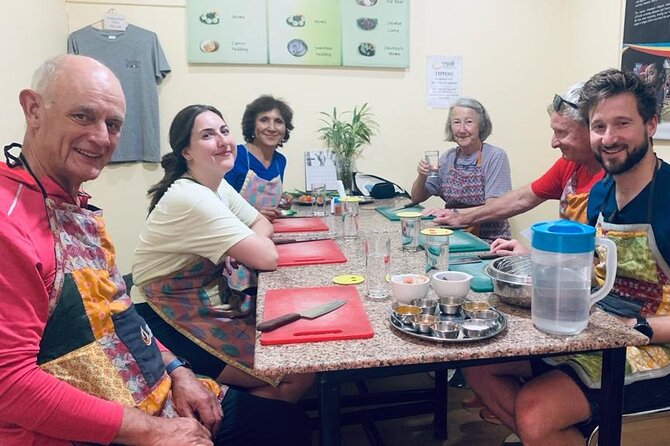
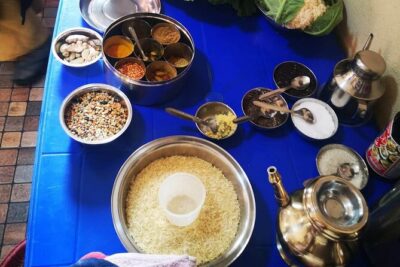
The first active part of the experience is a guided market visit. Instead of arriving to find every ingredient measured and waiting, you help select what will be used for the filling.
This is a useful touch. A market visit shows you the raw ingredients behind the finished dish, and it gives the class a local food setting before you sit down to cook. You can expect to choose ingredients for a vegetarian, vegan, or chicken filling.
The market portion is not described as a long market tour, so keep your expectations in check. The goal is to gather ingredients for the class, not to spend several hours sampling stalls or learning every detail of Kathmandu’s food trade. Still, even a short visit adds purpose to the cooking.
You should tell the chef your preferred filling early. Vegetarian and vegan participants have a clear route through the class, while chicken is also available. The information provided does not give a separate list of ingredients for each option, so anyone with a serious allergy should clarify the details before booking.
The market stop also helps you understand the class as a complete process. You see the ingredients, bring them back, prepare them, and eat the result. For me, that is more satisfying than a lesson where the food appears from nowhere.
Learning the dough and filling from scratch
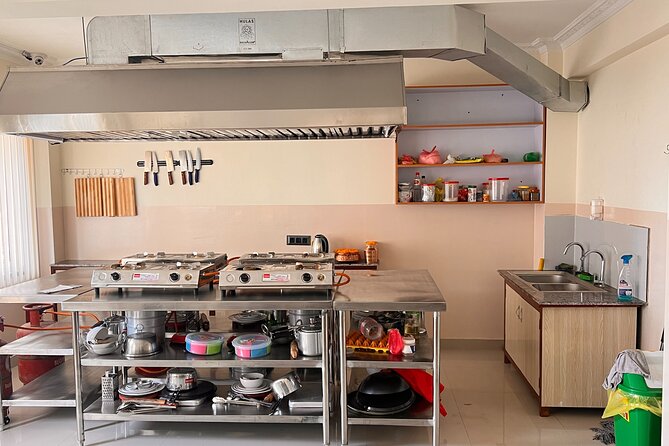
Back at the academy, the chef leads you through the basic preparation. You learn how to make the dough and prepare the filling, with the necessary cooking equipment and accessories supplied.
The dough is an important part of the lesson. Momos depend on a wrapper that is thin enough to cook well but strong enough to hold the filling. You will get a chance to work with it directly rather than simply hearing a recipe read aloud.
The filling is where your choice matters. A chicken mixture will have a different texture from a vegetable filling, and a vegan version may use a different balance of ingredients. The chef guides you through the preparation rather than leaving you to guess at quantities or technique.
This is where the class earns its price. You are learning a repeatable method, not only eating a snack. The course does not promise an advanced culinary qualification, and the two-hour schedule limits how far the instruction can go. But for a first lesson, it covers the useful basics.
A participant specifically appreciated being able to make requests suited to personal needs. That is a good reason to speak up during the class. If you want a particular filling or need a dietary adjustment, mention it clearly at the start rather than waiting until the food is ready.
Same city, a completely different sort of day:
- Everest Base Camp Trek – 14 Days
★ 5.0 · 1,499 reviews - Private Kathmandu Sightseeing Tour | UNESCO World Heritage sites
★ 5.0 · 756 reviews - Everest Base Camp Helicopter Tour landing at Everest View Hotel
★ 5.0 · 668 reviews - Everest Base Camp Trekking
★ 5.0 · 485 reviews
Folding momos, with steamed or soup style
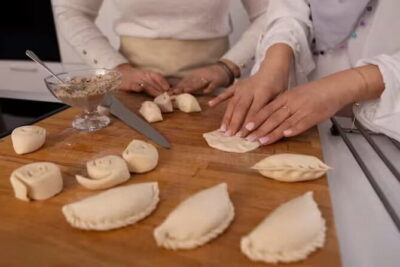
Once the dough and filling are ready, you shape the momos. This is likely to be the most playful part of the session, and also the part where patience helps. Small changes in how you fold the dough affect the final appearance and how securely the filling stays inside.
You can choose traditional steamed momos or try soup momo. Steamed momos are the familiar choice, with the filling sealed inside a wrapper and cooked until tender. Soup momo offers a different experience, since the dumpling includes broth and needs careful handling.
The class is tailored to your preferences, but the available information does not specify if every participant makes the same style or if the class can be split between styles. If soup momo is the main reason you are booking, confirm that choice with the chef at the beginning.
I would choose steamed momos if I wanted the clearest introduction to folding and cooking. Soup momo makes sense if you have already eaten standard momos and want something less familiar. Neither option is presented as the single correct choice, which is useful for a mixed group.
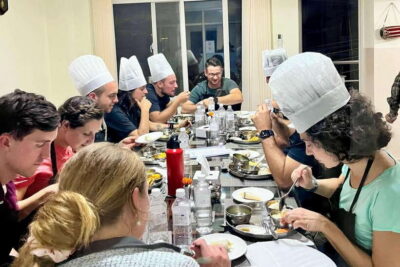
The group limit is 10 people. That is small enough to make this feel personal, though not private. You should have more opportunity to ask for help than in a large demonstration, but the pace can still depend on the other people in your group.
Tasting your own momos with masala tea
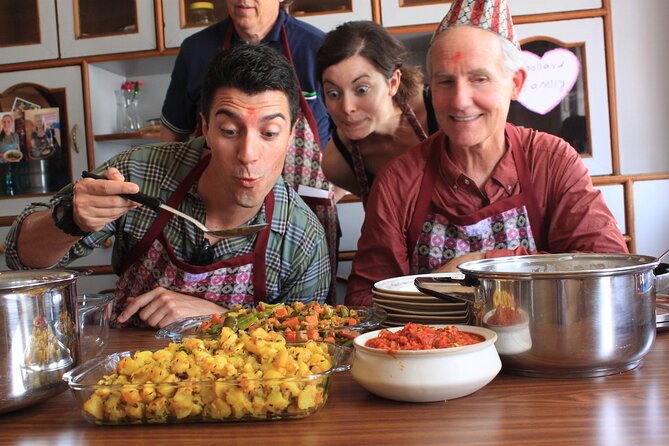
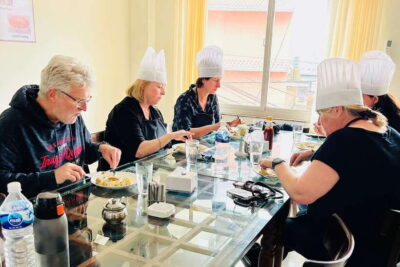
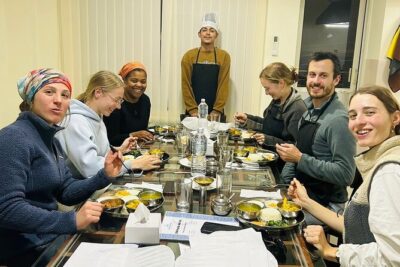
After cooking, you sit down to eat the momos you made. The tasting session is included, as is a cup of traditional Nepali masala tea.
This final meal gives the class a clear payoff. You can see how the dough, filling, folding, and cooking came together, and you can compare the result with the momos you may eat elsewhere in Kathmandu.
The masala tea is a small but welcome addition. It turns the final tasting into a simple Nepali food break rather than a rushed bite at the counter. Specialty drinks and alcohol are not included, so plan to pay separately if you want something beyond the supplied tea.
The food is the main event, but the tasting also gives you a chance to talk with the chef about what you made. If a wrapper split or the filling felt too dry, that is a useful moment to ask what went wrong. The class is most valuable when you treat the meal as part of the lesson.
What the $29 price includes
At $29 per person, this experience offers good value for someone who wants food, instruction, and a small local outing in one booking.
The price includes:
- Hands-on momo instruction
- The guided market visit
- Ingredients for vegetarian, vegan, or chicken momos
- Cooking equipment and accessories
- The momos you prepare and taste
- Nepali masala tea
- Optional hotel pickup and drop-off within Kathmandu Valley
The transport inclusion deserves a closer look. Pickup is offered, but the activity information describes it as optional. Confirm the arrangement for your hotel when booking, rather than assuming every address receives the same service.
The class does not include alcoholic or specialty drinks. Tips for the chef and staff are also not included. Tipping is discretionary, but you should budget for it if the instruction and service suit you.
The value is strongest for first-time visitors who want a short, structured activity. If you already know how to make dumplings and only want to eat momos, you may find the lesson less useful. In that case, a local restaurant meal could be cheaper. If you want to understand the technique and take part in the process, the $29 fee is easier to justify.
Who will enjoy this class most
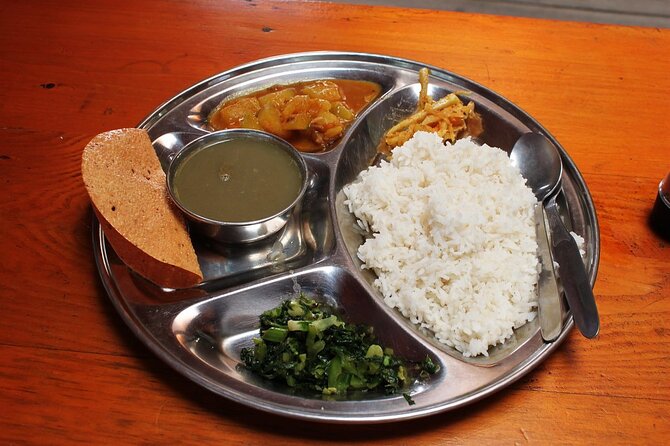
This class is a good match for solo visitors, couples, families, and small groups who want a practical food activity. The maximum group size is 10, and the format is suitable for beginners as well as people who already cook at home.
It also works well for mixed dietary groups. One person can choose chicken while another chooses vegetarian or vegan ingredients, subject to the class arrangements. Tell the chef what you need before the market visit so the ingredients can be selected properly.
Families should consider the two-hour length. It is long enough to feel like a real activity but short enough to fit into a busy Kathmandu day. The hands-on work may keep older children interested, though the supplied details do not give a minimum age or specific child policy.
This is less suitable if you want a broad survey of Nepali cuisine. The focus stays on momos, the market ingredients connected to them, and masala tea. You will not be covering several separate dishes in the same session.
It is also not the best choice for someone seeking a private, advanced chef lesson. The group can include up to 10 people, and the instruction is aimed at a general audience.
Timing, booking, and cancellation
The class starts at 1 PM and lasts approximately two hours. The fixed start time makes it easy to pair with morning sightseeing, but you should allow enough time to reach the academy or arrange pickup before the lesson begins.
Confirmation is provided at booking. The activity returns to the meeting point at the end, with pickup and drop-off available within Kathmandu Valley if selected.
Free cancellation is available when you cancel at least 24 hours before the local start time. A cancellation made less than 24 hours before the start is not refunded, and changes within that same period are not accepted.
That policy is fairly simple, but Kathmandu plans can shift with traffic, weather, and sightseeing delays. Book the class on a day when you can protect the 1 PM start, and do not leave the cancellation decision until the last minute.
My practical verdict
I would book this class if I wanted a short, useful food experience rather than a formal culinary course. The market visit gives the session more character, the dough and filling work make it genuinely hands-on, and the choice between steamed and soup momo adds a little room for personal taste.
The strongest feature is the ability to request a filling that suits you. The main limitation is that two hours cannot provide a full study of Nepali food or advanced cooking skills. You also need to clarify any allergy concerns and confirm the exact pickup arrangement before the day.
For $29, this is a sensible choice for a first visit to Kathmandu, especially if you enjoy learning by doing. Skip it if you only want a quick plate of momos, but choose it if you want to understand how the dumplings are made and eat the results with Nepali masala tea.
FAQ
Where does the momo class begin?
It begins at Kathmandu Cooking Academy, Nepali Cooking Class, on Yapikhya Marg in Kathmandu 44600, Nepal.
What time does the class start?
The class starts at 1 PM.
How long does the experience last?
The activity lasts approximately two hours.
Is hotel pickup available?
Yes. Optional hotel pickup and drop-off are available within Kathmandu Valley.
Where does the activity end?
It ends back at the Kathmandu Cooking Academy meeting point.
What types of momo fillings are available?
You can choose vegetarian, vegan, or chicken options.
Can I make soup momo?
Yes. You can choose between traditional steamed momos and soup momo, subject to the class arrangement.
Are cooking equipment and ingredients included?
Yes. The class includes the necessary cooking equipment and accessories, as well as ingredients selected during the market visit.
Is Nepali tea included?
Yes. The tasting session includes a complimentary cup of Nepali masala tea.
What is the cancellation policy?
You can receive a full refund if you cancel at least 24 hours before the local start time. Cancellations and changes made less than 24 hours before the start are not accepted for a refund.
Just added around Kathmandu
- Traditional Momo Making Class★ 5.0 · 10 reviews
- Wildlife Adventure in Chitwan Nepal★ 4.0 · 4 reviews
- Walking tour of real Kathmandu through back streets.★ 5.0 · 3 reviews
- Kathmandu 2 Nights 3 Days Chitwan Jungle Safari Tour★ 5.0 · 9 reviews
- Kathmandu Street Food Walking Tour – Eat Like a Local★ 5.0 · 3 reviews
- Private Manaslu Circuit Trek at Himalayas★ 5.0 · 3 reviews
- Walking tour of Kathmandu with awesome local guides★ 5.0 · 4 reviews
- Visit Swayambhunath and Bauddhanath Stupa with Guide★ 5.0 · 5 reviews
Kathmandu Cooking Classes, compared.
The best Private Nepali Cooking Class in Kathmandu
Read our review →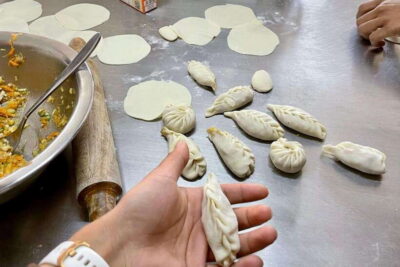
Browse the lists this tour appears in