
Reviewed · EVEREST BASE CAMP TREKS FROM KATHMANDU
Everest Base Camp with Gokyo Lake 17 Days
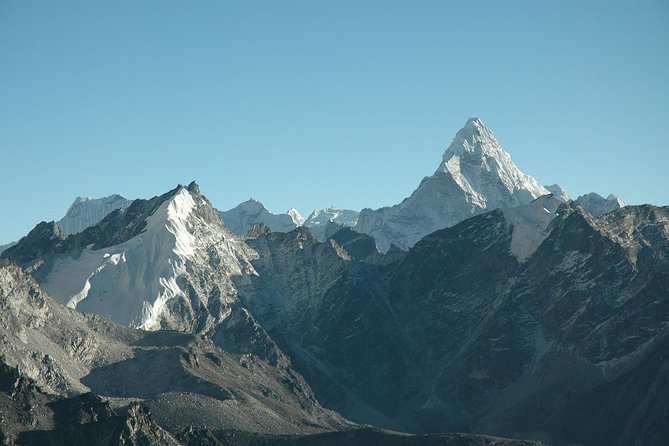
Everest Base Camp is only half the story here. This 17-day trek through Gokyo Lake and Cho La Pass gives you two great Himalayan viewpoints before reaching the Everest region, with Gokyo Ri, Kala Patthar, and the high villages of Khumbu along the way. The route is demanding, but it offers far more variety than a simple out-and-back trek to base camp.
I like the practical setup: airport transfers, flights between Kathmandu and Lukla, trekking permits, a guide, a porter for every two people, meals, and lodge stays are bundled into the price. I also like the built-in acclimatization day at Namche Bazaar and the chance to see Gokyo Lake before joining the Everest Base Camp route. The main caution is altitude. Cho La reaches 5,420 meters, and the schedule has several long, strenuous days.
Key points at a glance
- Gokyo Lake and Everest Base Camp in one route: You see two of the Khumbu region’s major highlights rather than taking the standard route alone.
- Cho La Pass at 5,420 meters: This is the trek’s toughest crossing and requires good fitness, steady pacing, and proper acclimatization.
- Gokyo Ri viewpoint: The climb gives you a high view over Gokyo Lake and the surrounding mountain range.
- Namche acclimatization day: You get a planned rest and exploration day before moving higher.
- Useful inclusions: Meals during the trek, tea or coffee, permits, guide, porter support, sleeping bag and down jacket if needed, and airport transfers are included.
- Small maximum group: The group limit is 18 people, enough for company without creating a huge walking crowd.
Why the Gokyo route is worth the extra effort
The usual Everest Base Camp trek is already a major undertaking. Adding Gokyo Lake and Cho La Pass makes it harder, but also gives you a more varied experience. You pass through high-altitude villages, green lower valleys, open mountain country, a sacred lake, a high pass, and the famous Everest Base Camp area.
I particularly like the route’s shape. You do not simply walk up one valley and turn around. The trail moves from Lukla to Namche, branches toward Dole and Gokyo, crosses Cho La, then reconnects with the Everest route at Lobuche. That creates a stronger sense of progress and discovery.
The price is $1,480 per person. For a guided Himalayan trek, that covers a substantial set of services: city hotel accommodation with breakfast, trekking lodges, meals during the walking days, guide costs, porter support, permits, airport transfers, transportation, and the Kathmandu farewell program. International airfare, insurance, tips, personal spending, entrance fees, and extra Kathmandu meals remain your responsibility.
That price can be good value if you need an organized trip and plan to use the included gear. It is less attractive if you already have local contacts, equipment, and experience arranging permits and transport yourself. Ask for a clear list of the city hotel, flight arrangements, and exactly what happens if weather affects the Lukla flight.
More Everest Base Camp treks:
- Everest Base Camp Trek – 14 Days
★ 5.0 · 1,499 reviews - Everest Base Camp Trekking
★ 5.0 · 485 reviews - Everest Base Camp Trekking – 13 Day
★ 5.0 · 365 reviews
Kathmandu to Lukla, then a gentle first walk
The trip begins with arrival in Kathmandu and a transfer to your hotel. The city stay is in a three-star property with breakfast, based on twin sharing. A cultural show and farewell dinner are also included, giving the trip a little context beyond the trail.
On day two, you fly to Lukla and walk to Phakding at 2,620 meters. The trek begins at a manageable altitude compared with the days ahead, though the flight and first walking day still make this more than a sightseeing outing.
Phakding is your first overnight stop in the trekking region. The listed meal plan for trekking days includes breakfast, lunch, dinner, and tea or coffee. The use of lodges keeps the trip simple and local, but you should expect basic accommodation rather than hotel comfort.
Namche Bazaar and the first acclimatization test
The trail from Phakding to Namche Bazaar reaches 3,420 meters and takes you deeper into Sagarmatha National Park. This is the first major gain in altitude, so the planned rest day at Namche is important, not wasted time.
Namche is the largest settlement on this section of the route and serves as a useful place to rest, explore, and adjust before the trail climbs higher. You may find shops and services here that are harder to access later, so it is a sensible point to check your clothing, water, and personal supplies.
The schedule gives you a full day for acclimatization and exploration. Take it seriously. The days after Namche become higher and more exposed, and rushing this part can make the rest of the trek much less enjoyable.
Dole, Machhermo, and the climb toward Gokyo
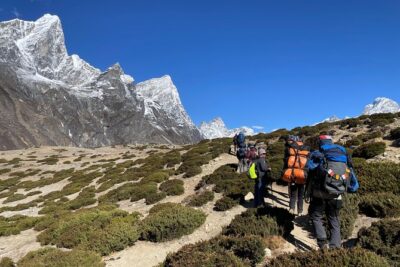
After Namche, you trek to Dole at 4,110 meters. The listed walking time is about six hours, making this one of the first days when the combination of altitude and distance becomes a real test.
The next stop is Machhermo at 4,410 meters, reached in three to five hours. The shorter day helps, but the altitude continues to rise. I would treat the easier timing as a chance to walk slowly and protect your energy, not as an excuse to push harder.
From Machhermo, the route reaches Gokyo at 4,760 meters. Gokyo is one of the trip’s most memorable stops because of its sacred lake and high mountain setting. The lake is not simply a photo stop. It gives this route its own identity, separate from the more familiar Everest Base Camp trail.
Accommodation in these settlements is in trekking lodges. The package includes the lodges and full meals during the trek, but you should still expect simple rooms and basic facilities at this altitude.
Same city, a completely different sort of day:
- Private Kathmandu Sightseeing Tour | UNESCO World Heritage sites
★ 5.0 · 756 reviews - Everest Base Camp Helicopter Tour landing at Everest View Hotel
★ 5.0 · 668 reviews - Half day cooking class in Thamel kathmandu
★ 5.0 · 607 reviews - Nagarkot Sunrise View and Day Hiking from Kathmandu
★ 5.0 · 471 reviews
Gokyo Ri and the route to Thagnak
Day eight begins with a hike to Gokyo Ri, followed by a trek to Thagnak at 4,678 meters. Gokyo Ri is the key viewpoint on the Gokyo side of the route, giving you a high perspective over Gokyo Lake and the surrounding peaks.
This is a demanding day because it combines a viewpoint climb with a move to another lodge. The itinerary calls it a day hike to Gokyo Ri and then a trek onward, so you should be ready for a long day at high altitude.
Thagnak is important because it places you near Cho La Pass. The stop also gives your body time to adjust before the highest crossing. Keep your pack light, use the porter service sensibly, and keep warm after arriving.
Cho La Pass, the hardest day of the trek
The crossing from Thagnak to Dzonglha via Cho La Pass reaches 5,420 meters. This is the physical centerpiece of the journey and the part you should consider most carefully before booking.
At this height, even a moderate walking pace can feel slow. Weather and trail conditions can affect the crossing, and the itinerary does not promise an easy route. The group has a guide, and the guide’s support matters here, but no guide can remove the effects of altitude or fatigue.
Dzonglha is at 4,840 meters, according to the route sequence implied by the following day’s descent toward Lobuche. The official outline does not give a separate elevation for the stop, so confirm the exact lodge location and expected walking time before departure.
This pass is a strong reason to choose this trip, but also the clearest reason not to choose it casually. You need moderate physical fitness at minimum, and you should be comfortable with several hours of mountain walking on consecutive days.
Lobuche and Gorak Shep at extreme altitude
The trail continues to Lobuche at 4,940 meters. The environment becomes more severe here, with less oxygen and fewer comforts. Walking slowly is not a sign of weakness. It is the sensible way to handle the altitude.
The next stop is Gorak Shep at 5,147 meters. This is one of the highest overnight points on the itinerary and a critical staging place for the Everest Base Camp or Kala Patthar outing.
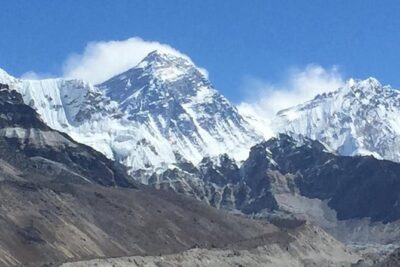
The schedule allows a morning hike on day 12 to either Everest Base Camp at 5,365 meters or Kala Patthar at 5,550 meters. Those are not identical experiences. Base Camp gives you the symbolic destination tied to Everest expeditions, while Kala Patthar is the higher viewpoint. Since the itinerary says either one, confirm in advance how the choice is made and whether your group can select its preferred option.
Returning through Pheriche and Tengboche
After the morning hike, you descend to Pheriche at 3,950 meters. The drop in altitude should feel welcome, but the day may still be tiring because it combines an early high-altitude outing with a long descent.
The route then continues to Tengboche at 3,860 meters. Tengboche is known for its large monastery, one of the cultural highlights of the Khumbu area. It adds a spiritual and architectural element to a trek otherwise dominated by altitude, walking, and mountain views.
From Tengboche, you continue to Monjo at 2,635 meters, then Lukla at 2,840 meters. These lower days let you recover a little, though your legs may still feel the accumulated strain from the pass and high camps.
Lukla to Kathmandu and the value of support
Day 16 is the flight back to Kathmandu, followed by the final departure day. The tour includes airport pickup and departure assistance, as well as transportation by air-conditioned car and tourist deluxe bus during the trip where applicable.
The guide’s salary, accommodation, meals, and insurance are included. A porter is assigned for every two people to carry baggage, which is a useful arrangement on a route with long climbs and high passes. You should still pack carefully and bring only what you need for the walking portion.
The provider has used guides named Pemba, Pasang, and Dawa on different trips. If having a particular guide matters to you, ask whether that person is assigned to your departure rather than assuming it. Guide quality is especially important on the Cho La section and during the high-altitude days.
Meals, gear, and what you still pay for
During the trek, breakfast, lunch, and dinner are included, along with tea or coffee. That removes one of the biggest daily decisions and makes the package easier to budget.
Sleeping bags and down jackets are available if needed. Confirm whether these are provided at no extra charge, as the inclusion list says they are available but does not explain the rental or deposit terms.
You pay separately for international flights, travel insurance, tips for the trekking crew, extra meals in Kathmandu, bar bills, personal expenses, and tour entrance fees. Insurance deserves special attention because the itinerary reaches 5,550 meters. The supplied information does not specify coverage, so you need to check the policy yourself before booking.
The booking has free cancellation up to 24 hours before the experience start time. Changes or cancellations made within 24 hours are not accepted for a refund.
Who should book this trek
I would recommend this route to you if you want the Everest region’s major sights but prefer a more varied route than the standard base camp trek. It suits hikers who enjoy long days, high passes, simple lodges, and a guided schedule.
I would not choose it for a first mountain holiday if you dislike basic accommodation, have little walking experience, or want a flexible daily plan. The route is not a gentle introduction to Nepal. The combination of altitude, Cho La Pass, and several long days demands preparation.
The group maximum is 18 people. That gives you company and shared support, though the pace may not suit everyone in a group of that size. Ask how the group handles different walking speeds and what happens if someone cannot continue over the pass.
Should you book Everest Base Camp with Gokyo Lake?
Book it if you want Gokyo Lake, Gokyo Ri, Cho La Pass, Everest Base Camp or Kala Patthar, and Tengboche in one organized trip. The $1,480 price is attractive because it includes many major costs, especially meals, permits, guide services, porter support, lodges, and airport transfers.
Before paying, confirm the Cho La plan, the Base Camp versus Kala Patthar choice, sleeping bag terms, Lukla flight arrangements, and the exact insurance requirements. If those details suit you and you are ready for high-altitude trekking, this is a strong way to experience the Khumbu region without arranging every moving part yourself.
FAQ
How long does the Everest Base Camp with Gokyo Lake trek last?
The advertised duration is approximately 14 to 19 days, with a detailed itinerary covering 17 days.
Where does the trek start?
The experience starts in Kathmandu, Nepal. You are transferred to the hotel before flying to Lukla and beginning the trek.
What is the highest point on the route?
The itinerary reaches 5,550 meters at Kala Patthar, if that option is selected. Cho La Pass reaches 5,420 meters, and Everest Base Camp is listed at 5,365 meters.
Is Everest Base Camp guaranteed on day 12?
The schedule allows a morning hike to either Everest Base Camp or Kala Patthar. Confirm with the provider which destination will be used for your group.
Are meals included?
Breakfast, lunch, and dinner are included during the trekking portion, along with tea or coffee. Extra meals in Kathmandu are not included.
Is accommodation included?
Yes. The package includes a three-star city hotel with breakfast on a twin-sharing basis and trekking lodge accommodation during the route.
Is a guide included?
Yes. The guide’s salary, accommodation, meals, and insurance are included. Guides named Pemba and Pasang have been associated with this route and service.
Is porter support included?
Yes. One Sherpa porter is provided for every two people to carry baggage.
What is the cancellation policy?
You can cancel up to 24 hours before the experience start time for a full refund. Cancellations or changes made less than 24 hours before the start time are not accepted.
Just added around Kathmandu
- Traditional Momo Making Class★ 5.0 · 10 reviews
- Wildlife Adventure in Chitwan Nepal★ 4.0 · 4 reviews
- Walking tour of real Kathmandu through back streets.★ 5.0 · 3 reviews
- Kathmandu 2 Nights 3 Days Chitwan Jungle Safari Tour★ 5.0 · 9 reviews
- Kathmandu Street Food Walking Tour – Eat Like a Local★ 5.0 · 3 reviews
- Private Manaslu Circuit Trek at Himalayas★ 5.0 · 3 reviews
- Walking tour of Kathmandu with awesome local guides★ 5.0 · 4 reviews
- Visit Swayambhunath and Bauddhanath Stupa with Guide★ 5.0 · 5 reviews
Everest Base Camp Treks from Kathmandu, compared.
Everest Base Camp Trek with Helicopter Return from Gorakshep to Lukla
Read our review →Browse the lists this tour appears in