
Reviewed · HIKING & TREKKING
From Kathmandu: 12-Day Everest Base Camp Guided Trekking
The high point here is not only reaching Everest Base Camp at 5,364 meters. It is the steady change from Lukla’s mountain air to Namche Bazaar, the quiet of Dingboche, the Khumbu glacier, and the final climb to Kala Patthar at 5,545 meters. I like that the route includes two acclimatization days, and I like that the price covers flights, permits, tea houses, and the guide’s costs. The catch is that meals, porter service, drinks, showers, internet, and travel insurance are not included.
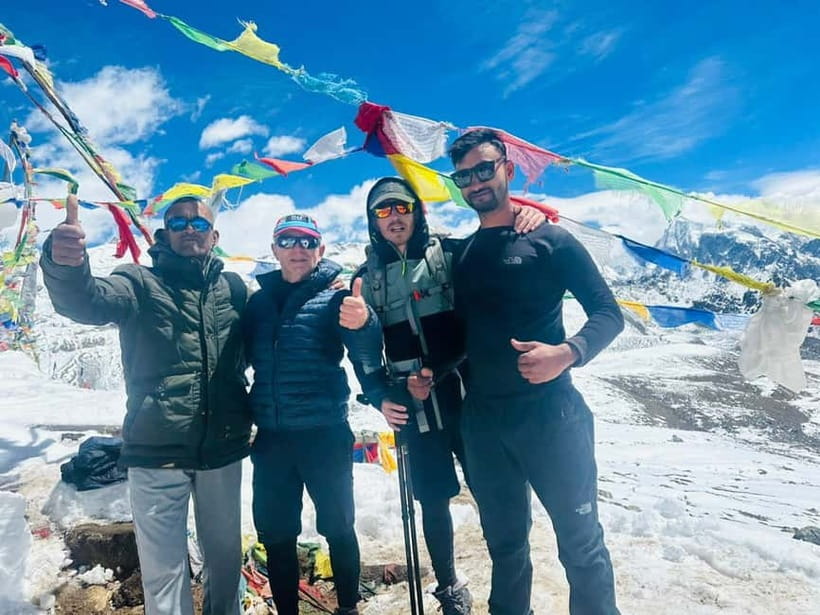
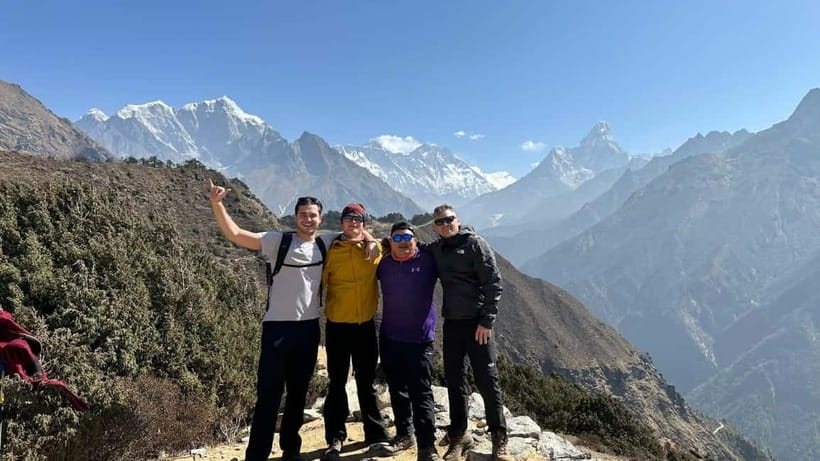
The small-group limit of 15 keeps the walk more personal, while guides such as Padam, Nishan, and Rohan have earned praise for their care, humor, and ability to adjust the pace. You should still take the altitude seriously. December nights can be very cold, and the long high-altitude days are demanding even when the organization is smooth.
Key points to know before you go
- The route reaches Everest Base Camp and Kala Patthar: You get both the famous base camp and the best high viewpoint on this schedule.
- Two acclimatization days are built in: You rest in Namche Bazaar and Dingboche before climbing higher.
- The price covers the costly essentials: Return flights to Lukla, permits, tea house lodging, guide expenses, and airport transfers are included.
- Meals and porter service are extra: Budget for three daily meals, drinks, and help carrying bags if you do not want to carry your own.
- Guides receive especially strong praise: Padam, Nishan, Adhish, and Rohan are named as helpful, cheerful, and attentive leaders.
- Weather can affect the flight plan: A past group had its aircraft changed to a helicopter because of conditions, with the switch handled professionally.
What the $1,002 price really buys you
At $1,002 per person, this trek offers good value for a guided Everest Base Camp trip, mainly because the expensive transport and official fees are already handled. The price includes airport pickup and drop-off in Kathmandu, domestic transfers, the return flight between Kathmandu and Lukla, national park entry, TIMS fees, tea house accommodation, and the guide’s salary, food, lodging, transport, and insurance.
That matters in the Khumbu. Lukla flights are not a minor detail, and permits add up. Having the guide’s costs covered also means you are not negotiating those expenses along the route.
You will need extra money for breakfast, lunch, and dinner throughout the trek. Alcoholic and non-alcoholic drinks are also separate, as are hot showers and internet access. A porter can be hired for an added fee, with one porter carrying up to 25 kilograms for two people. Travel insurance is your responsibility and should include trekking at high altitude.
The package also provides a jacket, sleeping bag, and duffle bag if you request them. That can reduce the amount of expensive equipment you need to bring, although you should confirm what is available before departure.
More day hikes and treks in Kathmandu:
- Everest Base Camp Trek – 14 Days
★ 5.0 · 1,499 reviews - Everest Base Camp Trekking
★ 5.0 · 485 reviews - Nagarkot Sunrise View and Day Hiking from Kathmandu
★ 5.0 · 471 reviews
Day 1: Lukla to Phakding starts the mountain rhythm
Your day begins with hotel pickup in Kathmandu and a flight from Tribhuvan International Airport to Lukla. From there, transport takes you to the trailhead, and you walk to Phakding for your first night in a tea house lodge.
This opening day gives you a useful introduction to the trip. You move quickly from city traffic to a mountain trail, but the walking distance is not presented as one of the hardest days. The key challenge is the sudden change in setting and altitude, along with the early start.
Your guide handles the practical transition from airport to trail. Keep your passport available, since it is the one item specifically required for the activity. Large bags are not allowed, so pack with the trek’s carrying limits in mind.
Day 2: The trail to Namche Bazaar
The walk from Phakding to Namche Bazaar takes you to 3,440 meters. Namche is the main town in the Khumbu region and an important place to pause before the route becomes higher and more remote.
This is a meaningful jump in altitude, so do not treat the day as a simple uphill walk. Your guide’s role becomes important here, especially in helping you keep a sensible pace and notice how your body is reacting.
Namche is more than a stop for the night. It is the last major place on this route to settle in before the long climb toward Dingboche and Lobuche. You spend a second night here on Day 3 for acclimatization, which is one of the strongest features of the schedule.
Day 3: A needed rest day in Namche
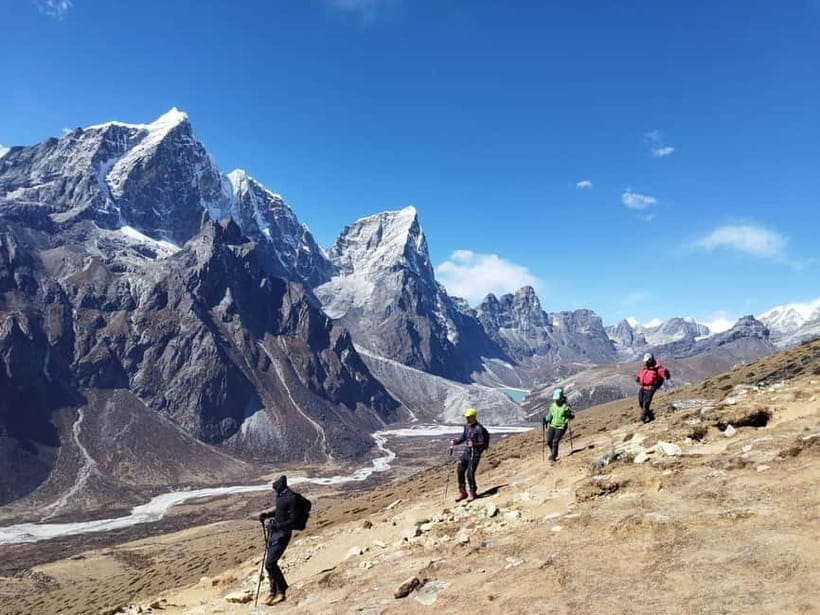
The Namche rest day gives your body time to adjust to 3,440 meters. You can relax in town and enjoy a second overnight stay rather than gaining height immediately.
A rest day does not mean you should plan a full day of exertion. The value is in keeping the day easy. You may want to use it for checking equipment, arranging your pack, and speaking with your guide about the days ahead.
I like this pause because rushed Everest itineraries often try to save time by cutting acclimatization. Here, the schedule gives you a better chance to continue safely and enjoy the higher sections.
A handful more Kathmandu trips to weigh up
- Kathmandu: Private City Guided Tour
★ 4.9 · 174 reviews - Full Day Guided Tour in Kathmandu
★ 5.0 · 61 reviews - Kathmandu and Bhaktapur Cities Guided Tour
★ 5.0 · 34 reviews - Kathmandu Heritage Day Tour with Guide.
★ 5.0 · 30 reviews
Day 4: Namche to Tyangboche and its mountain setting
From Namche, the trail reaches Tyangboche at 3,867 meters. This section takes you farther into the high mountain region, with the route shifting from the busy feel of Namche to a more open and elevated setting.
Tyangboche is an important overnight stop because it breaks the climb into manageable stages. You are still gaining height, so the night can feel different from the lower tea houses. The guide’s experience is useful when the trail gets harder and the air thinner.
The trek’s appeal grows here. You are not simply walking toward a single endpoint. Each day gives you a new mountain setting, and the route gradually places you among the peaks that make the Everest region so famous.
Day 5: Through rhododendron forest into the Imja Valley
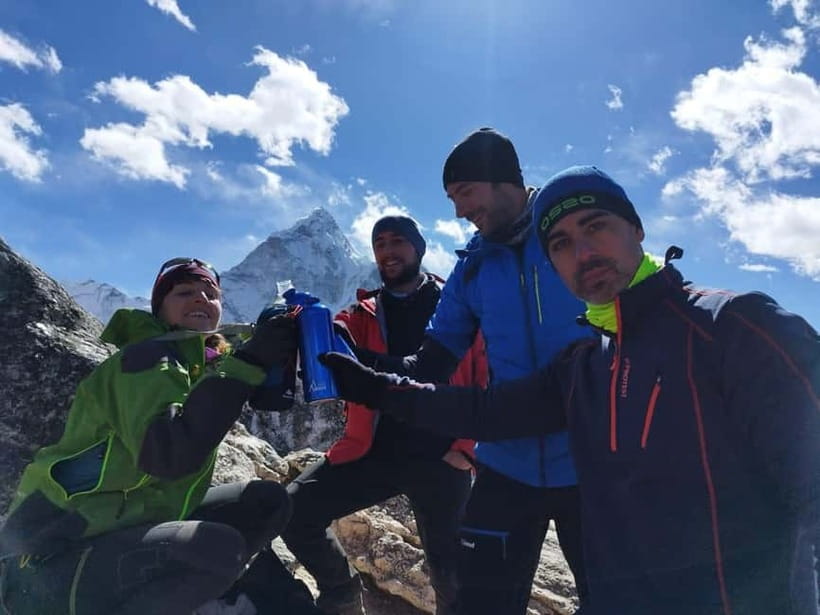
Day 5 is one of the most scenic parts of the trek. You walk through rhododendron forest, cross a suspension bridge over the Imja Khola, and continue toward Minlinggo before entering the Imja Valley.
The scenery opens beneath Ama Dablam, Nuptse, and Lhotse. These are the kinds of views that make the steady walking worthwhile, especially after the earlier days of climbing and altitude adjustment.
The overnight stop is Dingboche at 4,260 meters. You may feel the altitude more clearly here. The benefit of this schedule is that Dingboche is not just a quick pass-through. You sleep here, then stay another night for acclimatization.
Day 6: Dingboche gives you another adjustment day
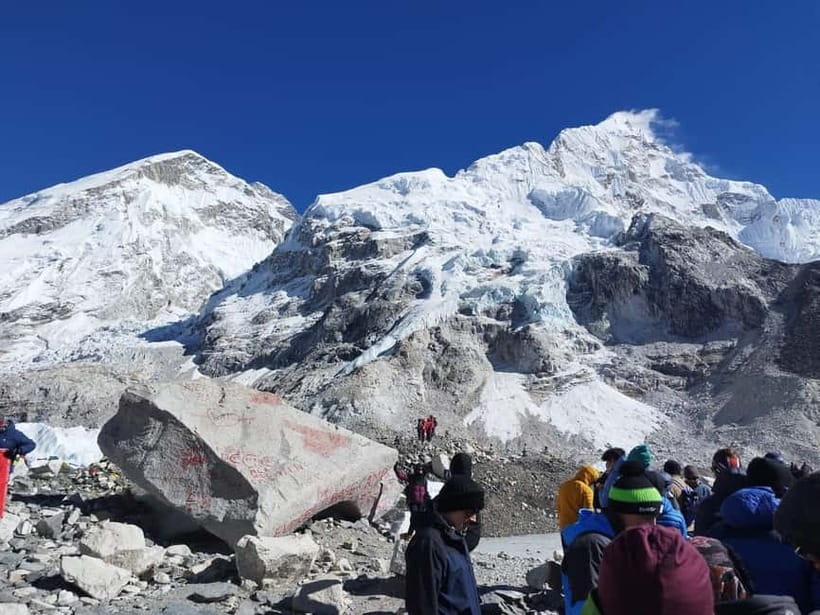
Dingboche is the second planned rest stop. You spend the day acclimatizing and return to a tea house lodge for the night.
This pause has practical value. The next days take you above 4,900 meters, so the rest day helps separate the moderate-altitude portion from the hardest section. I would use it to keep your day calm, stay close to your guide, and prepare your layers and day bag.
You should not expect luxury in Dingboche or elsewhere on the trail. Tea house lodging gives you a place to sleep and a base for the walk, while hot showers and internet are extra and may not be part of your daily routine.
Day 7: Dingboche to Lobuche at 4,930 meters
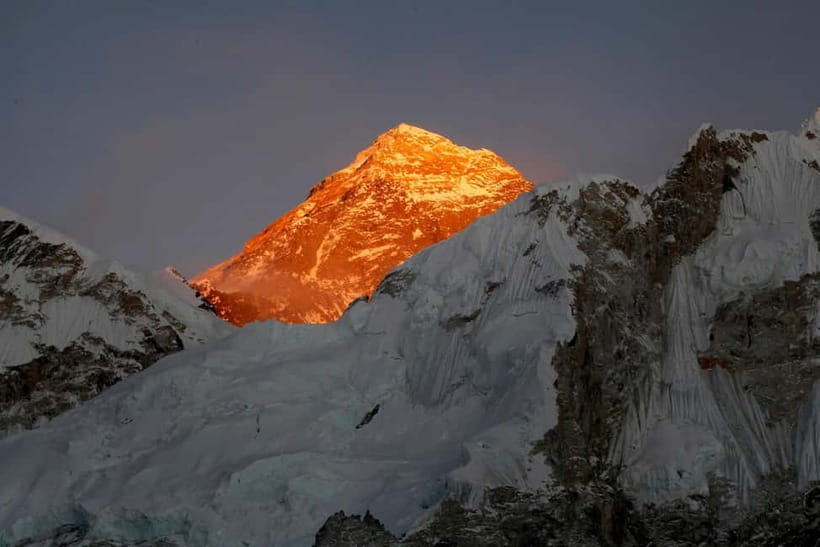
The hike from Dingboche to Lobuche takes about 5.5 hours. You stop for lunch in Dugla, then continue to Lobuche at 4,930 meters.
This is where the trek begins to feel serious. The distance may not sound extreme, but altitude changes the effort. A short climb can take more time than expected, and the cold can add to the strain.
Your guide can help you keep a controlled rhythm. The named guides connected with this trip, including Padam, Nishan, and Rohan, are praised for being attentive and positive. That matters when the day becomes tiring and you need steady encouragement rather than a rushed pace.
Day 8: Gorakshep and Everest Base Camp
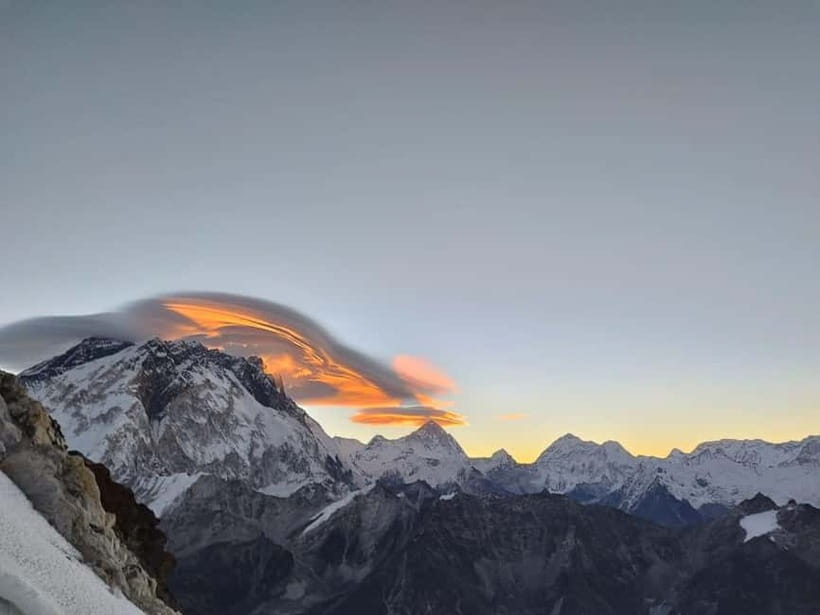
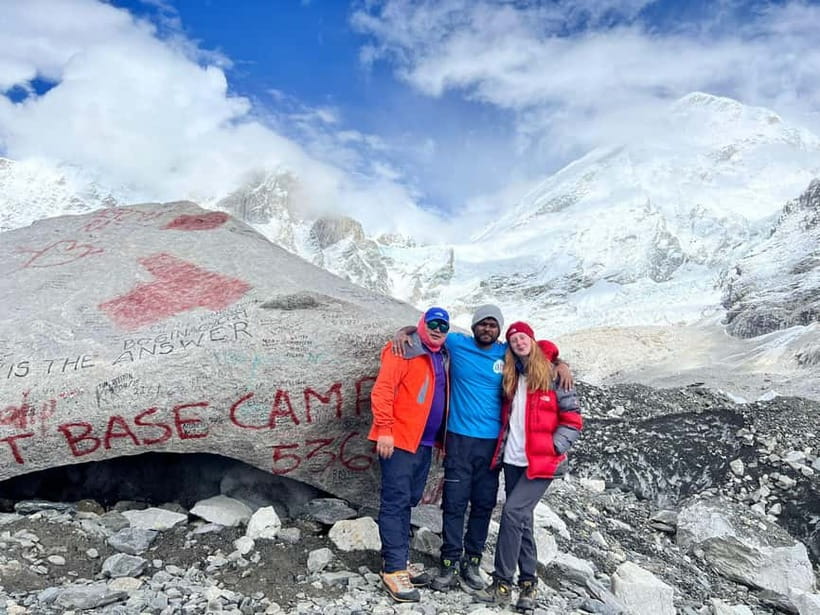
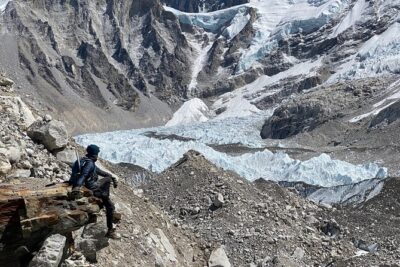
After breakfast in Lobuche, you walk toward Gorakshep and then continue to Everest Base Camp. The route follows rocky paths with views of the Khumbu glacier before reaching the base camp at 5,364 meters.
This is the trek’s main prize, but it is not an easy photo stop. You are walking at very high altitude, and the surface is rocky. The surrounding glacier and peaks, including Khumbetse, Nuptse, Lingtren, and Lhotse, give the day its powerful sense of scale.
After visiting base camp, you return to Gorakshep for the night. That return is important. You do not finish at base camp and then continue to another lower village on the same day. The overnight at Gorakshep keeps the schedule realistic, though it also means a cold and basic night at high altitude.
Day 9: Kala Patthar before the descent to Pheriche
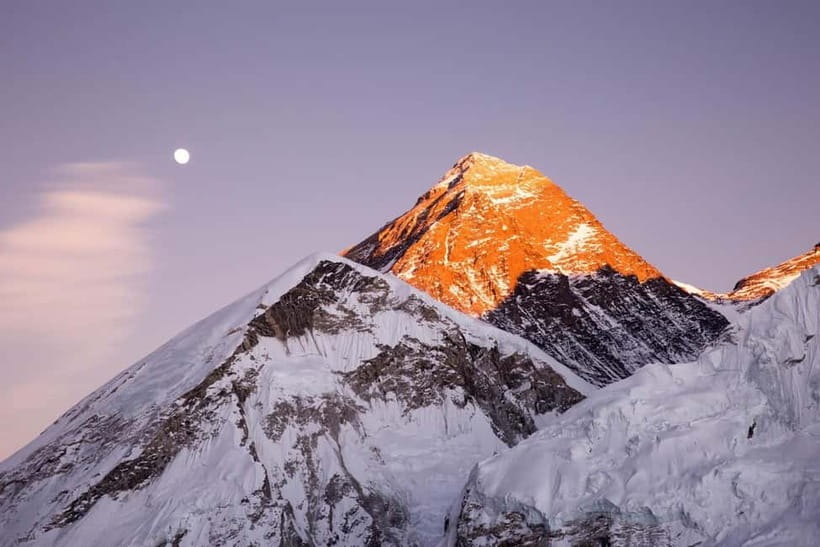
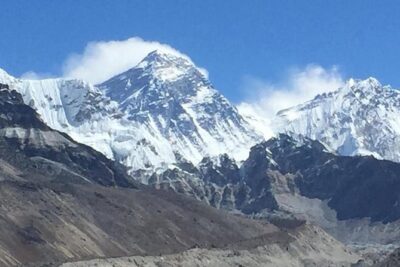
You climb from Gorakshep to Kala Patthar at 5,545 meters, the highest point on this route. From there, the views toward Everest and the surrounding peaks are a major reward for the effort.
Kala Patthar is not Everest Base Camp, but it often provides the more impressive viewing position. Base camp gives you the famous destination. Kala Patthar gives you the high mountain panorama.
After the climb, you descend to Pheriche at 4,243 meters for the night. This is a long and demanding day, but the descent should feel welcome after the early climb. You may still be tired, so keep your expectations realistic and follow the guide’s pace.
Day 10: The return route toward Namche
The schedule takes you from Pheriche down toward Tyangboche and then onward to Namche Bazaar at 3,440 meters. This is a substantial return day, with a large amount of descending and trail time.
The route is described as passing through Tyangboche before continuing to Namche, so you should confirm the exact day’s walking plan with your guide. The published schedule is ambitious here, and the combination of distance, altitude changes, and tired legs may make it one of the toughest days even though you are going downhill.
The good news is that the descent brings you to lower air and a more comfortable altitude. Reaching Namche again gives you a clear sense that the hardest part is behind you.
Day 11: Namche to Lukla
You continue from Namche back to Lukla and spend your final night there. This is the closing trail day, but it is not a small one. After the high route, you still need to cover the full return path to the airport town.
The last night in Lukla gives you a buffer before the flight to Kathmandu. Weather can affect mountain flights, so keeping the return day within the organized plan is useful.
One group had to switch from an airplane to a helicopter because of weather, and the change was handled well. That does not guarantee a particular outcome for your departure, but it shows why flexibility matters on this route.
Day 12: The flight back to Kathmandu
You take an early flight from Lukla to Kathmandu, where a representative transfers you to your hotel. You spend the night in Kathmandu.
After nearly two weeks on foot, the return to the city will feel abrupt. That final hotel night is helpful because it gives you a proper end to the trip rather than sending you straight from the airport into another transfer.
Guides, group size, and the human side of the trek
The group limit is 15 people, which offers a middle ground. You are not on a private trek, but the group is small enough for a guide to keep track of the pace and practical needs.
Guide quality matters greatly here. Padam is described as funny, helpful, and experienced. Nishan is noted for kindness and for adjusting the walk to suit individual needs. Adhish helped make one trip fun, while Rohan received praise for experience and care, alongside porter Bahla.
These details tell you what to look for: not just someone who knows the route, but a guide who can keep morale up when the cold, rocky trails, or altitude wear you down. The trip is conducted in English.
Porter service is not included. One porter can assist two people with up to 25 kilograms, so decide early if you want that help. Carrying less can make the higher days more manageable, but the added cost belongs in your planning.
What to pack and what to budget for
Bring your passport, and do not arrive with large luggage. The supplied jacket, sleeping bag, and duffle bag may help, but request them if needed rather than assuming they will appear automatically.
You should also plan financially for:
- Breakfast, lunch, and dinner each day
- Alcoholic and non-alcoholic drinks
- Porter service
- Hot showers
- Internet access
- Travel insurance
The lack of included meals keeps the headline price lower, but it means the real budget will be higher than $1,002. Still, the package covers the large fixed costs, especially flights, permits, accommodation, and the guide’s expenses.
The schedule is not suitable for pregnant women, people with heart problems, or wheelchair users. Those restrictions are sensible given the altitude, rocky paths, suspension bridge, and long walking days.
Who should book this Everest Base Camp trek?
I would choose this trip if you want a structured route with an English-speaking guide, included Lukla flights, tea house lodging, and planned acclimatization. It suits someone who values support and organization but is comfortable paying separately for food, drinks, porters, and insurance.
I would think twice if you want a soft adventure, private rooms, included meals, or a flexible itinerary with plenty of spare days. The high-altitude nights are basic, and December can be especially cold. Day 8 and Day 9 are major efforts, while Day 10 appears particularly ambitious on the return.
The strongest reason to book is the combination of classic route coverage and strong guide support. You reach both Everest Base Camp and Kala Patthar, and you have guides such as Padam, Nishan, or Rohan helping manage the difficult sections.
Should you book it?
Book this trek if reaching Everest Base Camp is a serious goal and you want the main logistics arranged in advance. The $1,002 price is fair for the included flights, permits, lodging, transfers, and guide expenses, but set aside extra money for meals, a porter, drinks, showers, internet, and insurance.
Before paying, confirm the exact Day 10 route, ask whether you need the supplied equipment, and prepare for cold nights and long walking days. If you are fit for a demanding high-altitude trek and prefer a friendly small group to going alone, this is a strong, practical choice.
FAQ
How long is the Everest Base Camp trek?
The activity lasts 12 days, including the flights from Kathmandu to Lukla and back, the trek to Everest Base Camp, and the return to Kathmandu.
What is the highest point on the route?
Kala Patthar is the highest point, at 5,545 meters. Everest Base Camp is at 5,364 meters.
Is the flight from Kathmandu to Lukla included?
Yes. The return domestic flight between Kathmandu and Lukla is included, along with domestic airport pickup and drop-off.
Are meals included during the trek?
No. Breakfast, lunch, and dinner are not included. Alcoholic and non-alcoholic drinks are also separate costs.
Is a porter included?
No. Porter service is available for an added fee. One porter can carry up to 25 kilograms for two people.
Where do you sleep during the trek?
You stay in lodges or tea houses along the route, including nights in Phakding, Namche Bazaar, Tyangboche, Dingboche, Lobuche, Gorakshep, Pheriche, and Lukla.
Are acclimatization days included?
Yes. You have a rest day in Namche Bazaar on Day 3 and another acclimatization day in Dingboche on Day 6.
What language does the guide speak?
The live tour guide speaks English.
What does the cancellation policy allow?
You can cancel up to 24 hours in advance for a full refund. You can also reserve the trip and pay later.
Just added around Kathmandu
- Traditional Momo Making Class★ 5.0 · 10 reviews
- Wildlife Adventure in Chitwan Nepal★ 4.0 · 4 reviews
- Walking tour of real Kathmandu through back streets.★ 5.0 · 3 reviews
- Kathmandu 2 Nights 3 Days Chitwan Jungle Safari Tour★ 5.0 · 9 reviews
- Kathmandu Street Food Walking Tour – Eat Like a Local★ 5.0 · 3 reviews
- Private Manaslu Circuit Trek at Himalayas★ 5.0 · 3 reviews
- Walking tour of Kathmandu with awesome local guides★ 5.0 · 4 reviews
- Visit Swayambhunath and Bauddhanath Stupa with Guide★ 5.0 · 5 reviews
Hiking & Trekking, compared.
Nagarkot Sunrise View and Day Hiking from Kathmandu
Read our review →
Browse the lists this tour appears in