
Reviewed · HIKING & TREKKING
Kanchenjunga Circuit Trek 19 Days
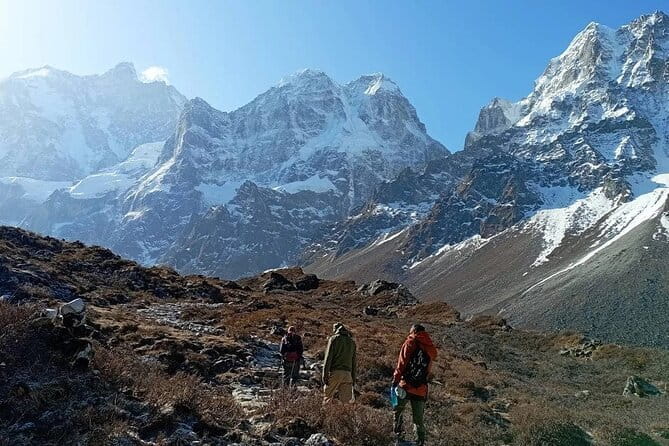
The Kanchenjunga Circuit is Nepal trekking at its most remote. Over 19 days, you move from jungle and tea country to glacier valleys, stone villages, high passes, and the base camps of the world’s third-highest mountain. Pang Pema, the North Base Camp, is the great prize, but the quieter trail and changing scenery make the whole route worthwhile.
I like two things right away. First, the trip includes both domestic flights and the long jeep transfers, so you do not have to walk every road section. Second, the small maximum group of eight gives the guide room to manage a demanding route without the feel of a large trekking party. Raj and Jangbu are among the guides named in past bookings, with Raj especially praised for his care and hard work.
The tradeoff is clear: this is not a gentle mountain holiday. The food is basic, the return drive is long, some trails cross landslide-prone ground, and several days reach serious altitude. You need strong fitness, proper insurance, and patience with rough roads and simple tea houses.
Key points to know before booking
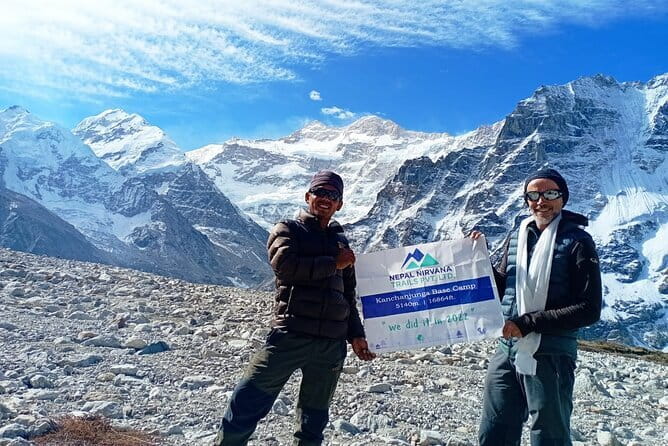
- Both Kanchenjunga Base Camps: Reach Pang Pema in the north and the Yalung Glacier area in the south.
- Quiet eastern Nepal route: Expect fewer people and less-developed villages than on Nepal’s better-known circuits.
- High passes above 4,400 meters: Sele Le, Sinion La, Mirgin La, and Sinelapche Bhanjyang make this a demanding trek.
- Road travel saves walking days: Private jeeps connect Bhadrapur, Taplejung, Sekathum, Yamphudin, and the airport.
- Small groups and porter support: One porter is provided for every two trekkers, with a maximum group size of eight.
- Strong value at $2,000: Flights, permits, lodging, meals, guide, porter, transport, taxes, and basic first aid are included.
Why the Kanchenjunga Circuit feels different
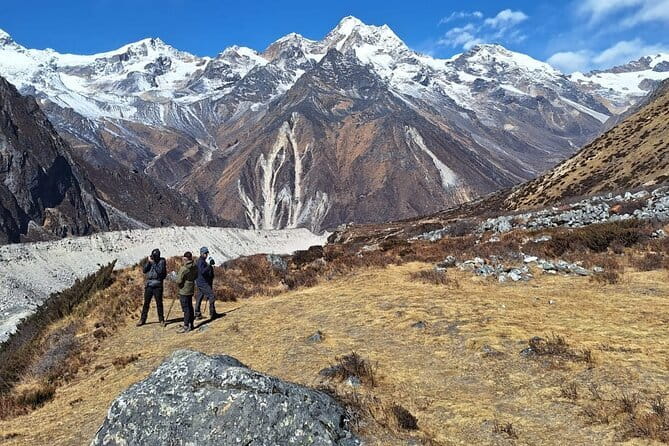
Kanchenjunga sits in far eastern Nepal, close to the borders with India and Tibet. The region feels less built for trekking than the Annapurna or Everest areas. Villages have fewer beds, the route has more rough edges, and the long road approach keeps casual visitors away.
That remoteness is the main reason to choose this trip. You get crystal-clear rivers, dense woodland, rhododendron forests, open high valleys, glaciers, and large mountain views without spending every day in a busy trail corridor. The route also gives you several distinct trekking chapters instead of one long climb and return.
The price is $2,000 per person. For 19 days, that is a fair package rate because it includes two domestic flights, private jeep transport, permits, three Kathmandu hotel nights with breakfast, tea-house lodging, 18 breakfasts, 17 lunches, and 16 dinners. It also covers a licensed guide, a porter shared between two trekkers, their wages, food, equipment, and insurance.
You still need to budget for international flights, a Nepal entry visa, personal drinks and snacks, bottled water, Wi-Fi, charging, hot showers, extra Kathmandu nights, and tips. Travel and health insurance with emergency rescue and evacuation cover is not included. At these altitudes, that insurance is not an optional extra.
More day hikes and treks in Kathmandu:
- Everest Base Camp Trek – 14 Days
★ 5.0 · 1,499 reviews - Everest Base Camp Trekking
★ 5.0 · 485 reviews - Nagarkot Sunrise View and Day Hiking from Kathmandu
★ 5.0 · 471 reviews
Days 1 and 2, Kathmandu preparation
Your arrival day is simple. An airport representative meets you at Tribhuvan International Airport and takes you to the booked three-star hotel in Thamel. Pickup is included, which helps after an international flight, especially if this is your first visit to Kathmandu.
Day 2 is for permits and preparation. The team collects your original passport around 9 a.m. to arrange the required paperwork, then returns it later in the afternoon. This is also your chance to sort clothing, check your pack, and ask practical questions before leaving the city.
The meeting point is Nepal Nirvana Trails in Kathmandu, and the trip ends with a drop-off at your hotel. The schedule lists a maximum of eight people. That is small enough for a guide to keep track of the group on narrow and rough sections, while still giving you company on long walking days.
Days 3 and 4, Bhadrapur to Sekathum by air and jeep
The first flight takes you from Kathmandu to Bhadrapur, also called Chandragadhi Airport. The flight lasts about 45 to 50 minutes. From there, a private jeep heads toward Taplejung, passing through Kanyam and the Mechi Highway.
Day 3 is mostly a transport day, with about 12 hours listed for the journey. The road trip is part of the eastern Nepal experience, but it is also one of the less comfortable parts. You should expect a long ride rather than a quick transfer.
On Day 4, the jeep continues to Sekathum. The road approach means you skip some walking that trekkers once had to do from Taplejung. That saves time within a fixed 19-day plan, but it also means two early days are spent largely in a vehicle.
The reward comes when you finally begin on foot. Sekathum marks the real start of the high mountain route, with the Ghunsa Khola and several bridges ahead.
Days 5 to 7, jungle trails and Ghunsa
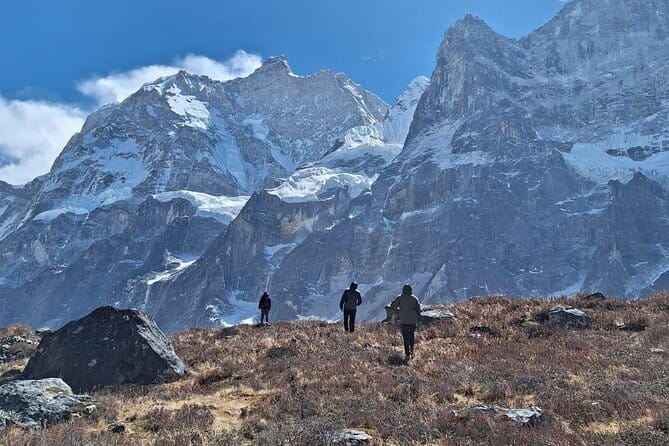
From Sekathum, the trail climbs beside the Ghunsa Khola. You cross bridges, walk through dense woodland, and begin to feel the route change from road journey to wilderness trek. Day 5 ends at Amjilosa.
The following day takes you to Gyabla, also called Kyapra. The trail continues through thick forest with no human settlement for parts of the route. That isolation is appealing, but it also means you should carry the personal items you need during the day and listen closely to your guide.
Day 7 leads through more woodland to Phale village and then Ghunsa. Ghunsa is an important stop because many groups use it for acclimatization. It is also one of the larger settlements on this part of the route, giving you a useful pause before the trail climbs into colder, higher country.
The scenery here is less about instant mountain panoramas and more about gradual change. Rivers, bridges, forest, and village life make these days feel varied. They also build the physical base you need for the glacier sections ahead.
Same city, a completely different sort of day:
- Private Kathmandu Sightseeing Tour | UNESCO World Heritage sites
★ 5.0 · 756 reviews - Everest Base Camp Helicopter Tour landing at Everest View Hotel
★ 5.0 · 668 reviews - Half day cooking class in Thamel kathmandu
★ 5.0 · 607 reviews - Kathmandu: Full Day 7 UNESCO Tour with Lunch – Private/Group
★ 5.0 · 415 reviews
Days 8 and 9, Khambachen and a needed rest
From Ghunsa, the trail climbs toward Khambachen through open pine forest. The route offers a chance to spot blue sheep and, if luck is on your side, snow leopards. Sightings are never guaranteed, but the possibility adds interest to an already dramatic stretch.
The trail also passes through areas prone to landslides. This is one reason a licensed guide matters. Conditions can change, and your guide can help you judge pace and safe passage. Keep your footing steady and avoid treating this section like a casual forest walk.
Day 9 is a rest and acclimatization day at Khambachen. The plan includes a short hike to nearby glaciers, viewpoints, and lakes rather than a full day sitting inside the tea house. That is a sensible approach to altitude: you gain height gradually, then make a controlled outing before going higher.
Accommodation remains in tea houses. These are practical mountain lodges, not hotels. Food is described as basic, and the operator suggests choosing vegetarian meals during the trek. Bring snacks you know you will eat, since personal food, drinks, and bottled water cost extra.
Days 10 to 12, the glacier route to Pang Pema
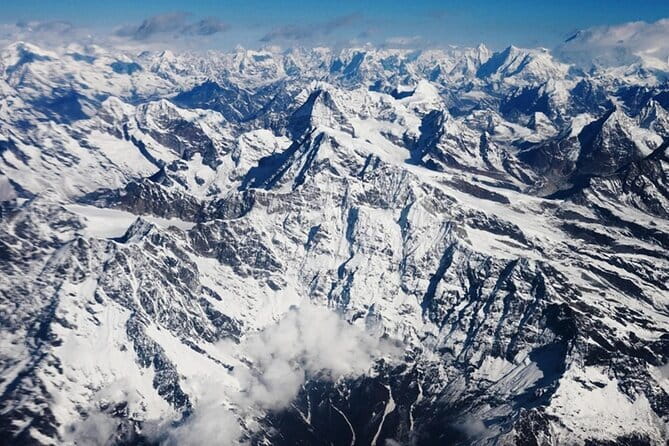
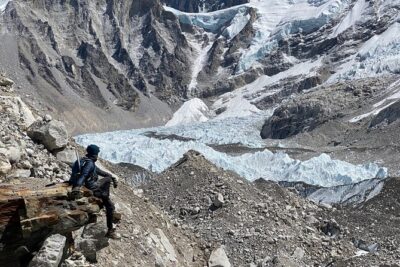
Day 10 takes you to Lhonak along the Kanchenjunga Glacier. This is where the route becomes more stark and open. The surrounding peaks grow larger, the vegetation thins, and the trail follows a high valley toward the North Base Camp.
Day 11 is the key walking day: the hike to Pang Pema, Kanchenjunga’s North Base Camp. You follow glacial moraines and climb gradually rather than charging straight uphill. The setting is austere and powerful, with the mountain views doing most of the talking.
This is a long, high-altitude outing. You need to respect the pace and communicate with your guide if you feel unwell. A base camp is not simply a viewpoint reached by a short path. At this height, weather, cold, terrain, and fatigue all matter.
Day 12 retraces the route to Ghunsa. Returning over familiar ground may sound repetitive, but it gives you a different view of the valley and allows the schedule to use established tea-house stops. It is also a relief to lose some altitude after the Pang Pema excursion.
Days 13 and 14, Sele Le and the high passes
Day 13 leaves the main trail to Gyabla and climbs toward Sele Le. The route passes through dense forest, with another chance of seeing snow leopards. Settlements are isolated here, and the few tea houses may operate only during the trekking season.
This is a more basic section, so do not expect the same choice of food or facilities you might find in Kathmandu or on Nepal’s busiest routes. The lack of development is part of the appeal, but it also makes flexibility important.
Day 14 is one of the hardest days. From Sele Le Pass, you cross Sinion La at 4,440 meters, Mirgin La at 4,480 meters, and Sinelapche Bhanjyang at 4,645 meters. The route delivers wide mountain views, but it demands strong legs, careful pacing, and good acclimatization.
This high-pass crossing is a major reason I would not recommend the trip to someone looking for a relaxed introduction to Nepal. You need to be comfortable with steep ground, long days, cold conditions, and limited services.
Days 15 and 16, the Yalung Glacier and southern base camp
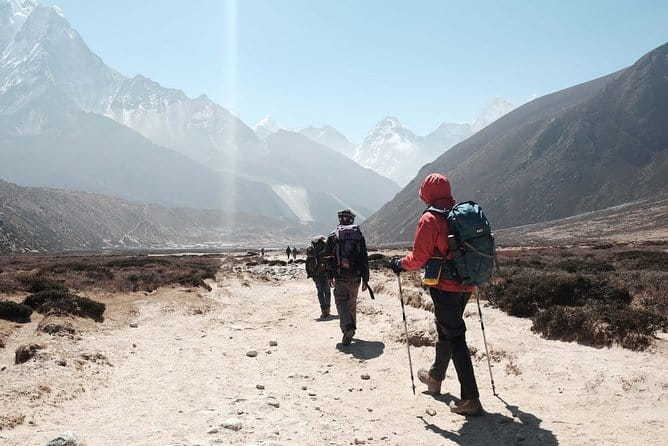
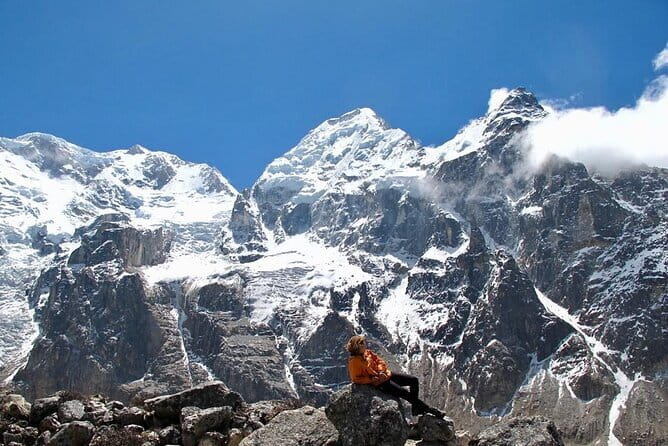
After the passes, the route reaches the Yalung Glacier area. Day 15 brings views of Rathong at 6,682 meters and Kabru at 7,412 meters. The mountains here feel close and sharply defined, with the glacier adding a raw edge to the scenery.
The circuit’s great strength is that it does not stop with the northern viewpoint. The itinerary also takes you toward Kanchenjunga’s South Base Camp area, giving you another angle on the mountain and surrounding peaks. Seeing the same giant from two sides makes the route feel like a true circuit rather than an out-and-back walk.
Day 16 turns downhill through rhododendron forest and along the Simbuwa Khola to Tortong. After the cold, open glacier country, forest shade and lower altitude provide a welcome change. The downhill is easier for breathing, though steep descents can be hard on knees.
Days 17 to 19, Yamphudin, tea country, and Kathmandu
From Tortong, Day 17 continues down toward the Amji Khola. The trail passes Lasiya or Lamite Bhanjyang at 3,415 meters and Dhupi Bhanjyang at 2,665 meters before reaching Yamphudin.
There are steep slope sections on the way, so the final trekking days are not effortless. Yamphudin marks the return to more settled country and gives you a last mountain-village night before the road transfer.
Day 18 follows the Kabeli Khola, then leaves the trail by jeep for Kanyam. The area is known for green tea cultivation, which gives the return journey a very different feel from the glacier valleys.
On Day 19, you have time to look around the tea-growing area before a two to three-hour drive to Bhadrapur Airport. The flight back to Kathmandu takes about 45 to 50 minutes and is scheduled for later in the day. The trip ends with hotel drop-off in Kathmandu.
Guides, porters, meals, and comfort
The package provides a government-licensed, first-aid-trained guide and one porter for every two trekkers. Guide and porter wages, food, equipment, and insurance are included. Past bookings specifically name guides such as Raj and Jangbu, while Abinta was praised for her understanding of local culture, nature, and trails.
That staff support matters on a route with rough roads, remote tea houses, altitude changes, and landslide-prone sections. The service can be warm and personal, but you should still expect a practical trekking operation rather than luxury treatment.
Meals include breakfast on 18 days, lunch on 17 days, and dinner on 16 days. The operator warns that food is basic and recommends vegetarian choices. Drinks, snacks, beer, soft drinks, juice, water, Wi-Fi, battery charging, and hot showers are paid separately.
Cancellation is flexible up to 24 hours before the start time, when a full refund is available. Inside that 24-hour window, the payment is not refunded and changes are not accepted.
Who should book this 19-day trek?
I would choose this route if you want a quieter part of Nepal, care about mountain scenery more than polished facilities, and have the fitness for long, high-altitude walking. It suits experienced trekkers especially well, though a strong and well-prepared first-time trekker may also manage it with the guide’s support.
I would not choose it if you want reliable hot showers, varied meals, short transfers, or a low-risk mountain itinerary. The jeep rides are long, the villages have limited capacity, and the high passes require respect.
At $2,000, the package offers solid value because the expensive moving parts are already covered: flights, private road transport, permits, lodging, meals, guide, porter, taxes, and basic first aid. You still need rescue insurance and spending money, but the main cost is clear.
Should you book the Kanchenjunga Circuit?
Book it if your ideal Nepal trip includes quiet trails, remote villages, glaciers, two base camps, and a real sense of distance from the usual trekking crowds. The route gives you a bigger range of scenery than many shorter treks, and the small group size is a real advantage.
Skip it if you want comfort or easy access. The strongest reasons to go are also the hardest parts: long road transfers, basic food, sparse facilities, high passes, and serious altitude. With good preparation, this is a demanding but rewarding way to see Kanchenjunga from more than one side.
FAQ
How long is the Kanchenjunga Circuit Trek?
The trek lasts approximately 19 days, including arrival and preparation in Kathmandu, domestic flights, jeep transfers, trekking days, and the return to Kathmandu.
What is included in the $2,000 price?
The price includes trekking permits, three nights in a three-star Kathmandu hotel with breakfast, tea-house accommodation, meals listed in the itinerary, a licensed guide, a porter shared between two trekkers, private jeep transport, flights between Kathmandu and Bhadrapur, first aid supplies, taxes, and VAT.
Are flights included?
Yes. The package includes a flight from Kathmandu to Bhadrapur and a return flight from Bhadrapur to Kathmandu. Each flight takes about 45 to 50 minutes.
How many people can join the trek?
The maximum group size is eight people.
Is a porter included?
Yes. One porter is provided for every two trekkers. The porter’s salary, food, equipment, and insurance are included.
How difficult is this trek?
You should have a strong physical fitness level. The route includes high-altitude walking, glacier and moraine trails, landslide-prone areas, and passes reaching 4,645 meters.
Is food included during the trek?
Yes. The package includes 18 breakfasts, 17 lunches, and 16 dinners. Food is described as basic, and vegetarian meals are recommended. Snacks, drinks, water, and other personal purchases cost extra.
What happens if I cancel?
You can receive a full refund if you cancel at least 24 hours before the experience start time. Cancellations or changes made within 24 hours are not accepted and are not refunded.
Just added around Kathmandu
- Traditional Momo Making Class★ 5.0 · 10 reviews
- Wildlife Adventure in Chitwan Nepal★ 4.0 · 4 reviews
- Walking tour of real Kathmandu through back streets.★ 5.0 · 3 reviews
- Kathmandu 2 Nights 3 Days Chitwan Jungle Safari Tour★ 5.0 · 9 reviews
- Kathmandu Street Food Walking Tour – Eat Like a Local★ 5.0 · 3 reviews
- Walking tour of Kathmandu with awesome local guides★ 5.0 · 4 reviews
- Private Manaslu Circuit Trek at Himalayas★ 5.0 · 3 reviews
- Visit Swayambhunath and Bauddhanath Stupa with Guide★ 5.0 · 5 reviews
Hiking & Trekking, compared.
Nagarkot Sunrise View and Day Hiking from Kathmandu
Read our review →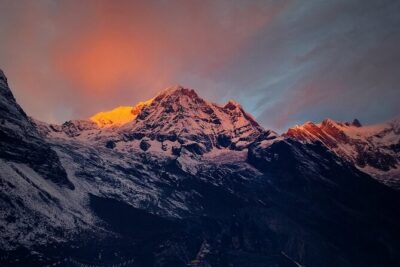
Browse the lists this tour appears in