
Reviewed · KATHMANDU WALKING TOURS
Kathmandu Food & Drink Walking Tour Taste Local Delicacies
Kathmandu’s best food discoveries often hide behind ordinary doors and crowded market lanes. This three-hour walking tour takes you from Thamel through Jyatha, Asan, Indrachowk, and Chhetrapati, where a local guide helps you find food stalls you could easily pass without noticing.
I like the small, local eating spots and the way guides such as Umesh and Ananta explain the customs behind each dish. I also like the low price: at $15, you get a practical introduction to Kathmandu’s food culture without committing to a long formal meal.
The main thing to consider is that this is a walking tour through busy streets, markets, and alleys. The route may feel noisy and hectic, and the food included is described broadly rather than as a fixed menu. Alcohol costs extra, and picky eaters may need to be clear about what they do not want to try.
Key points to know before booking
- Five central Kathmandu neighborhoods: Walk from Thamel through Jyatha, Asan, Indrachowk, and Chhetrapati, with roughly 30 minutes allocated to each area.
- Newari and Nepali flavors: Expect a range of street foods, snacks, local drinks, and traditional dishes rather than one sit-down meal.
- Guides who shape the experience: Umesh and Ananta are specifically associated with warm, patient explanations and help for first-time tasters.
- Asan market adds local context: The route passes through one of Kathmandu’s oldest trading areas and its traditional spice market.
- Small-group format: The group limit is 15 people, which should allow questions while keeping the walk social.
- Strong value at $15: Coffee or tea, food items, snacks, meals as provided during the tour, and bottled water are included, but personal purchases and alcohol are not.
Why this Kathmandu food walk works
This is not a restaurant crawl built around polished dining rooms. It is a guided look at how Kathmandu eats in its streets, market lanes, small eateries, and family-run food spots.
That distinction matters. You may know the names of a few Nepali dishes before arriving, but knowing what to order in a crowded market is another skill. A local guide can point out a stall, explain what is being served, and tell you how it fits into daily life. That makes the food easier to understand and takes away some of the guesswork.
The route also gives the meal a sense of place. Instead of sitting in one neighborhood, you move through several parts of central Kathmandu. Thamel shows the city’s tourist side. Asan brings you into a major local market. Indrachowk adds old temples, textile shops, and street commerce. Chhetrapati connects the busy visitor district with older parts of town.
I would not book this if you want a quiet, slow dinner with a fixed menu. I would book it if you want to use food as your way into the city and are willing to eat in informal places.
More walking tours in Kathmandu:
- Kathmandu Food and Drink Walking Tour
★ 5.0 · 266 reviews - Kathmandu: Food and Drink Walking Tour
★ 4.9 · 119 reviews - Walking Street Food Tour in Kathmandu
★ 5.0 · 111 reviews
Starting in Thamel, Kathmandu’s visitor center
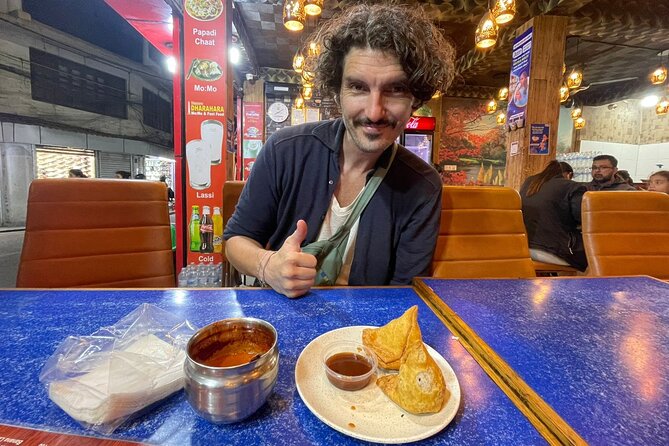
The walk begins at Nepal Handloom Pashmina Traders on Narsingh Chowk Marg in Thamel. Thamel is full of shops, cafes, stalls, and tour businesses, so the meeting point is in an area that is easy to reach and close to public transportation.
The first half hour helps set the tone. Thamel is not the most local-feeling part of Kathmandu, but it is an interesting meeting point because modern tourism and older city life overlap here. You will see the shopping streets and cafe culture that many visitors know, then begin moving toward less visitor-focused lanes.
This is also a useful place to ask your guide about the food you will try. Guides have different styles, and Umesh and Ananta have been praised for making newcomers feel comfortable. If you are unsure about an ingredient or spice, ask early. The food walk is meant to introduce you to new things, not pressure you into eating anything you dislike.
The route ends back at the same meeting point, which is convenient if you have plans afterward. Still, allow yourself a little flexibility. A walking route through market streets does not work like a timed museum visit, and the exact pace can depend on food stops and street conditions.
Jyatha and the pleasure of finding a small eatery
From Thamel, the walk continues into Jyatha, a quieter neighborhood close to the tourist center. This section is valuable because it shows how quickly Kathmandu can change from shop-lined visitor streets to residential lanes and small traditional businesses.
Jyatha is where the guide’s local knowledge becomes especially useful. Small eateries are not always obvious, and you might walk past a food stop without realizing what it serves. A guide can explain what to look for and help you understand the setting before you order.
The tour’s food is not described as a fixed list, so you should expect some variation. You may try local snacks, traditional dishes, and drinks selected for the group and the day. The point is variety, not a guaranteed tasting menu.
I like this flexible approach because it can feel more connected to daily life. The tradeoff is less certainty. If you need to know every dish in advance because of allergies, dietary rules, or strong dislikes, contact the operator before booking and repeat those concerns to your guide at the start.
Asan market and Kathmandu’s spice trade
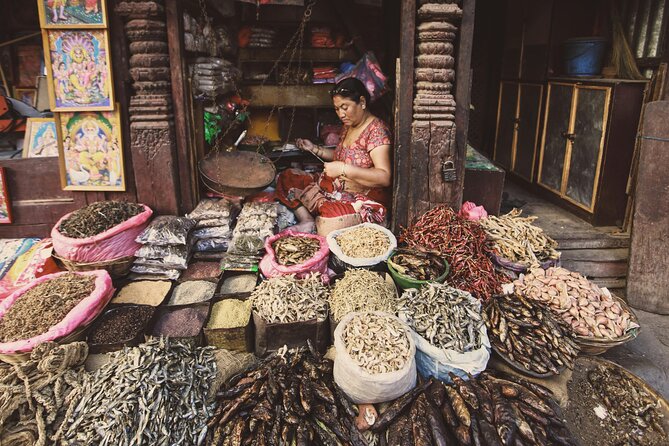
Asan is the route’s strongest market stop. Six streets meet here, and the area has served as a trading center for centuries. It is also known for its traditional spice market, making this a good place to connect the food on your plate with the ingredients sold around you.
You will see market activity, shops, and vendors as the guide explains how food and trade fit into Kathmandu’s daily rhythm. This is more than a quick photo stop. The market gives you a reason to pay attention to spices, produce, and the movement of people through the streets.
Asan can also be the most demanding part of the walk. Crowds, noise, and narrow lanes are part of the setting. Keep your attention on the group, watch your footing, and do not expect the calm atmosphere of a food school or a private tasting room.
For me, this is the stop that justifies the walking format. A food tour can tell you about local ingredients, but walking through a market lets you see the setting where those ingredients are bought and sold. It also helps you recognize places you may want to revisit later on your own.
More food tours in Kathmandu:
- Secret Food Tour – Food Bites and Sights Kathmandu 14+ Testings
★ 5.0 · 82 reviews - Kathmandu Secret Food Crawl & Local Market Tour
★ 4.7 · 54 reviews - Kathmandu Food & Drink and Shopping Rickshaw Tour
★ 5.0 · 48 reviews - Walking Food Tour in Hidden Local Eateries of Kathmandu
★ 5.0 · 40 reviews
Indrachowk, old squares and everyday street food
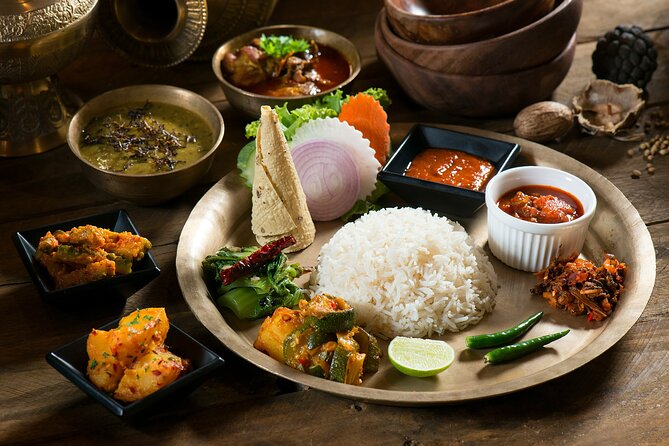
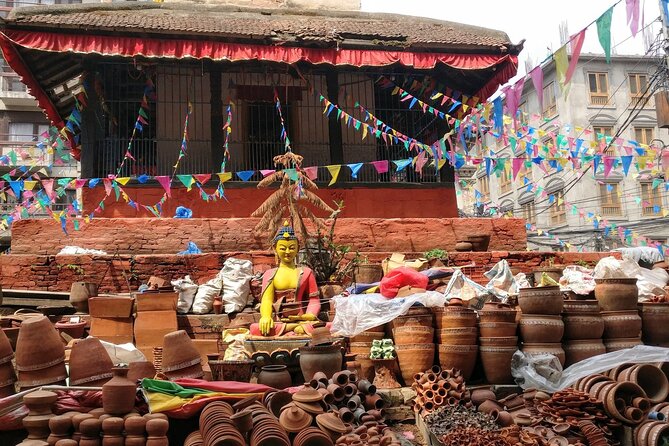
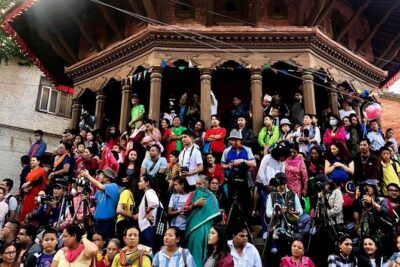
Indrachowk, also called Indra Chowk, sits near Kathmandu Durbar Square. It is a historic square with old temples, textile shops, and food vendors. The stop adds a cultural layer to the tastings because the food is being sampled in one of the city’s long-established public spaces.
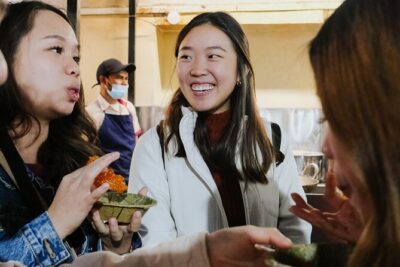
The guide’s explanations matter here. Food is tied to festivals, neighborhoods, family customs, and religious life in Nepal. You will learn the cultural meaning behind the dishes rather than simply being told whether something is sweet, spicy, or savory.
This is also a good place to slow down mentally. Kathmandu can be visually busy, and it is easy to notice only the obvious sights. Look at the shop fronts, temple details, market goods, and the way people use the square. The food is the reason for the stop, but the surroundings give it context.
The practical drawback is that street food is not presented in a controlled dining room. Conditions may be basic, and your comfort level will depend on how adventurous you are. The guides are there to help, and the tour is designed for ordinary visitors, but you should still use your own judgment.
Chhetrapati and the return toward Thamel
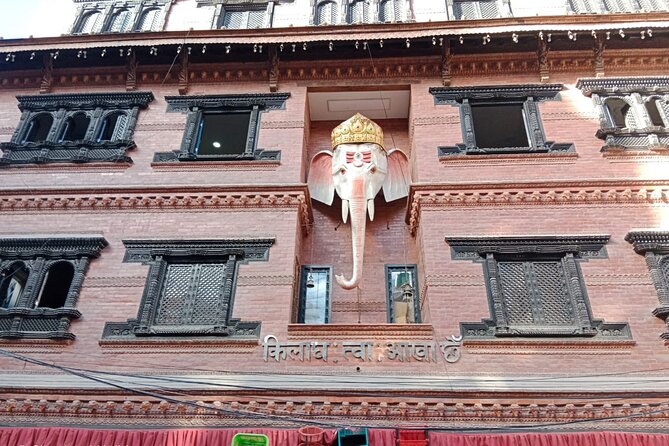
The final neighborhood is Chhetrapati, a busy junction between Thamel and the older parts of Kathmandu. It is easy to pass through without stopping, yet the area gives you another look at ordinary local life and the connection between the tourist center and historic districts.
By this point, you will have spent about three hours walking, eating, and listening. The route is not only about collecting samples. It shows how the city changes from one neighborhood to the next and how food appears in each setting.
Chhetrapati is a fitting final stop because it brings the tour back toward its starting area. You finish at the meeting point rather than being left in an unfamiliar part of the city. That is useful if you are still finding your bearings in Kathmandu.
The five-stop structure is easy to understand, with about 30 minutes assigned to each place. Those blocks include walking and food-related time, so you should not assume that you will spend a full half hour seated at every stop.
What you may eat and drink
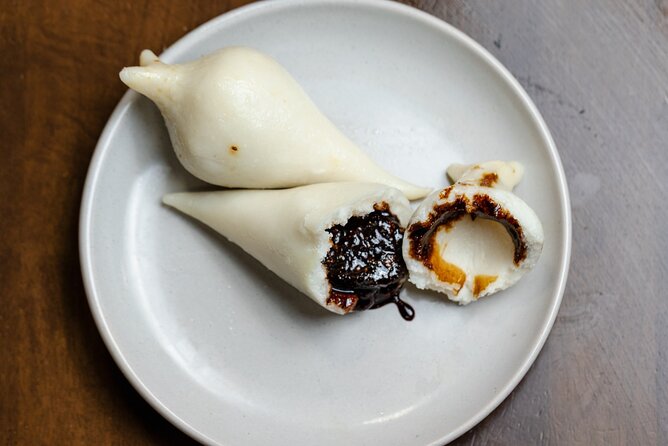
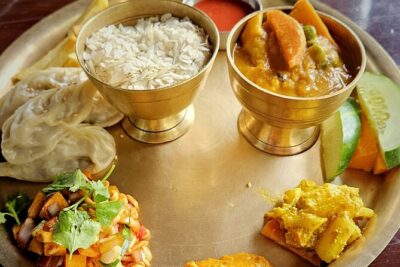
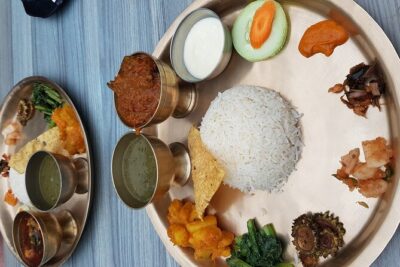
The tour description includes Nepali and Newari street food, snacks, local drinks, coffee or tea, bottled water, and meals provided during the walk. It also lists breakfast, lunch, dinner, and brunch, but that does not necessarily mean you receive four full meals. Think of it as a food-tasting walk with several servings rather than a formal meal schedule.
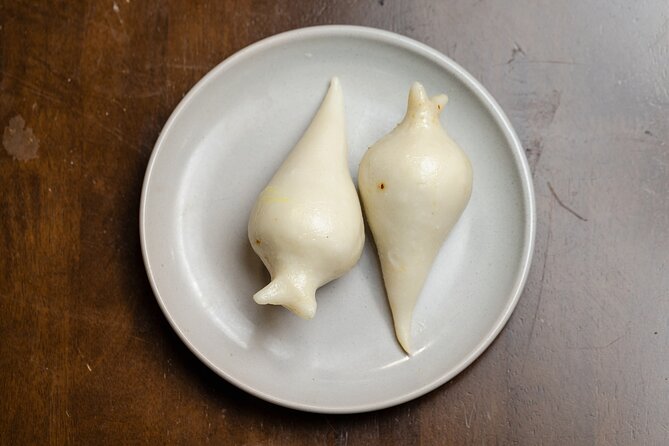
The most appealing part is the chance to try foods from small stalls and modest eateries instead of relying only on restaurants designed for international visitors. You might be introduced to less familiar dishes, with the guide explaining what they are and how they are eaten.
Local drinks are included in the food theme, but alcoholic drinks are specifically excluded. If you want beer or another alcoholic beverage, you will need to pay for it yourself. Personal shopping, insurance, and tips for the guide are also not included.
Because the exact menu can vary, do not book this expecting a particular dish unless the operator confirms it. The advantage is flexibility. The disadvantage is that you cannot plan your entire food day around a guaranteed list.
The guides make the difference
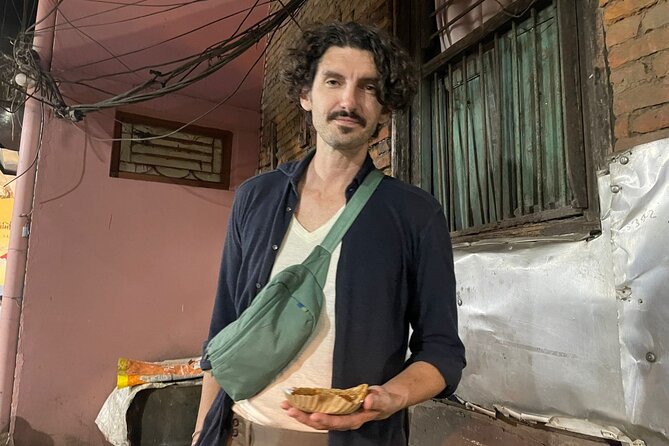
A food walk depends heavily on the person leading it. The guides connected with this experience include Umesh and Ananta, and their roles go beyond pointing out stalls.
Umesh is described as patient and helpful when introducing unfamiliar food and drink. Ananta is noted for clear explanations about food, culture, and history, along with a warm manner. That combination is important in Kathmandu, where a dish can be hard to identify if you do not know the local names or customs.
You should feel free to say no to anything. One of the strongest features of the guiding approach is that you are not expected to try every item. If you have an allergy, religious restriction, or simple dislike, tell the guide before the tastings begin.
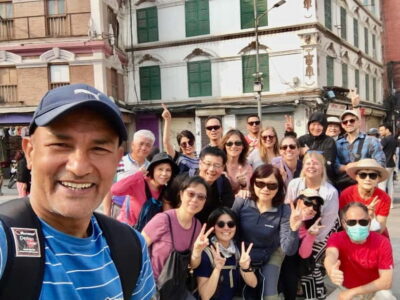
The group limit is 15 people. That is not a private tour, but it is small enough to keep the guide within reach and allow questions. Group size can affect the pace at busy stalls, so people who want a completely personal food itinerary may prefer a private arrangement if one is available.
Is $15 good value?
At $15 per person, this is inexpensive for a three-hour guided introduction to Kathmandu. The price covers a local guide, food tastings, drinks such as coffee or tea, bottled water, and the chance to visit several neighborhoods with someone who knows where to stop.
The real value is the access. You are not just paying for calories. You are paying for interpretation, route planning, and confidence in places where you might otherwise hesitate to order.
Still, keep the price in perspective. It is not a luxury culinary tour, and the included food is not described as a full restaurant meal. You may want to budget extra for personal purchases, alcohol, or any snacks you buy outside the included tastings.
Group discounts may be available, and pickup is offered. The published start and end point is Nepal Handloom Pashmina Traders, so confirm pickup details when booking if you do not want to make your own way to Thamel.
Who should book this walk?
I would recommend it for first-time visitors who want an easy introduction to Nepali food and central Kathmandu. It also suits anyone who likes markets, informal eating, and local stories more than polished dining.
It is a good choice for curious eaters who want a guide to help them try unfamiliar dishes. The patient approach associated with the guides also makes it suitable for people who feel nervous about street food but still want to give it a fair try.
You may want to choose something else if you have serious dietary restrictions that cannot be accommodated, dislike walking in crowded city streets, or want a guaranteed menu. The tour is also less suitable for someone seeking a quiet evening meal.
The experience requires good weather. If poor weather causes cancellation, you can receive a full refund or move to another date. You can cancel for a full refund up to 24 hours before the start time. Within 24 hours, the payment is not refunded and changes are not accepted.
Should you book the Kathmandu food walk?
Book it if you want local food with city context, especially at the start of your stay. The route gives you a useful map of Thamel, Jyatha, Asan, Indrachowk, and Chhetrapati, while the guide helps you understand what you are eating and why it matters.
The $15 price makes the decision easy for most food-minded visitors. Just arrive ready to walk, expect informal surroundings, and treat the menu as flexible. If Umesh or Ananta leads your group, you can expect patient help and plenty of explanation. For an inexpensive first taste of Kathmandu’s street food culture, this is a sensible booking.
FAQ
How long does the Kathmandu food and drink walking tour last?
The tour lasts approximately three hours.
Where does the tour start?
It starts at Nepal Handloom Pashmina Traders on Narsingh Chowk Marg, Kathmandu 44600, Nepal.
Where does the tour end?
The activity ends back at the meeting point.
What areas does the walking tour visit?
The route includes Thamel, Jyatha, Asan, Indrachowk, and Chhetrapati.
What food and drinks are included?
The inclusions list coffee or tea, brunch, dinner, snacks, meals, lunch, breakfast, and bottled water. The tour also includes tastings of local food and drinks during the walk.
Are alcoholic drinks included?
No. Alcoholic drinks are not included, and you must pay for them yourself.
How many people can join the tour?
The maximum group size is 15 people.
Can I cancel for a refund?
You can cancel at least 24 hours before the start time for a full refund. Cancellations or changes made within 24 hours are not accepted for a refund. If poor weather cancels the activity, you will be offered another date or a full refund.
Just added around Kathmandu
- Traditional Momo Making Class★ 5.0 · 10 reviews
- Wildlife Adventure in Chitwan Nepal★ 4.0 · 4 reviews
- Walking tour of real Kathmandu through back streets.★ 5.0 · 3 reviews
- Kathmandu 2 Nights 3 Days Chitwan Jungle Safari Tour★ 5.0 · 9 reviews
- Kathmandu Street Food Walking Tour – Eat Like a Local★ 5.0 · 3 reviews
- Walking tour of Kathmandu with awesome local guides★ 5.0 · 4 reviews
- Private Manaslu Circuit Trek at Himalayas★ 5.0 · 3 reviews
- Visit Swayambhunath and Bauddhanath Stupa with Guide★ 5.0 · 5 reviews
Kathmandu Walking Tours, compared.
Walking Food Tour in Hidden Local Eateries of Kathmandu
Read our review →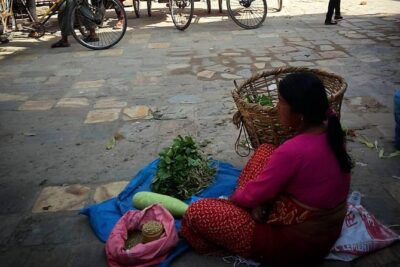
Old Kathmandu Walking Tour, Historic World Heritage Durbar Square
Read our review →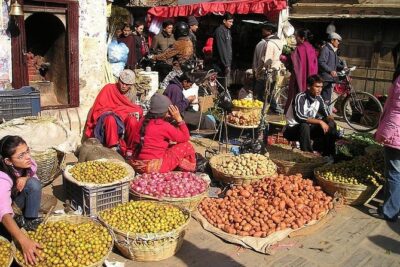
Browse the lists this tour appears in