
Reviewed · KATHMANDU COOKING CLASSES
Kathmandu: Momo Making Class with a Local Chef
Momos are Nepal’s great everyday comfort food, and this one-hour class lets you learn them from the inside out. You will make the dough, season the filling, fold each dumpling, and cook the batch yourself rather than simply watching a demonstration.
I like the hands-on format and the small group limit of eight. I also like that the class ends with a meal, so you get a useful cooking lesson and a filling taste of Nepal in one short stop.
The main drawback is the tight schedule. One hour is enough for a focused introduction, but not a leisurely cooking session. You should also clarify the note about bringing ingredients, since ingredients for momo preparation are listed as included.
Key points to know before you book
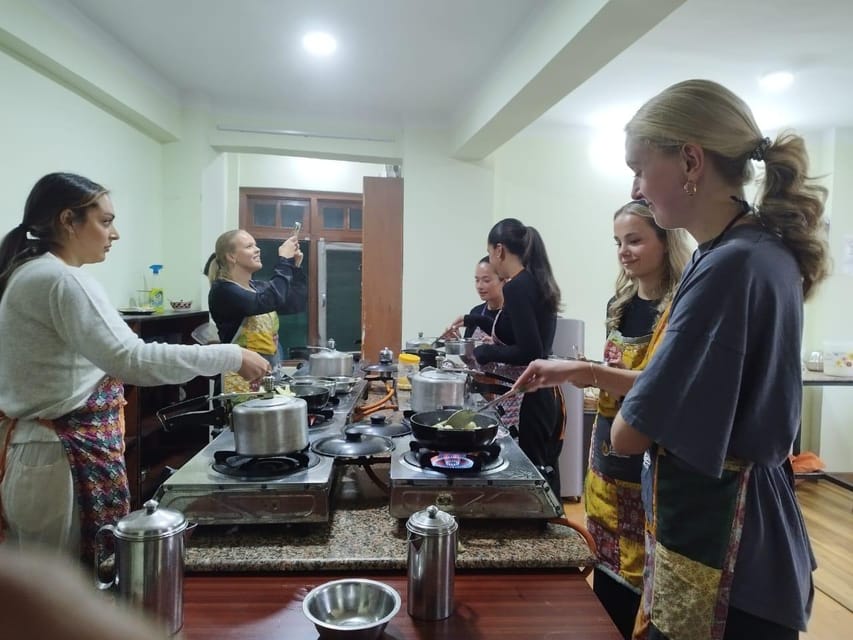
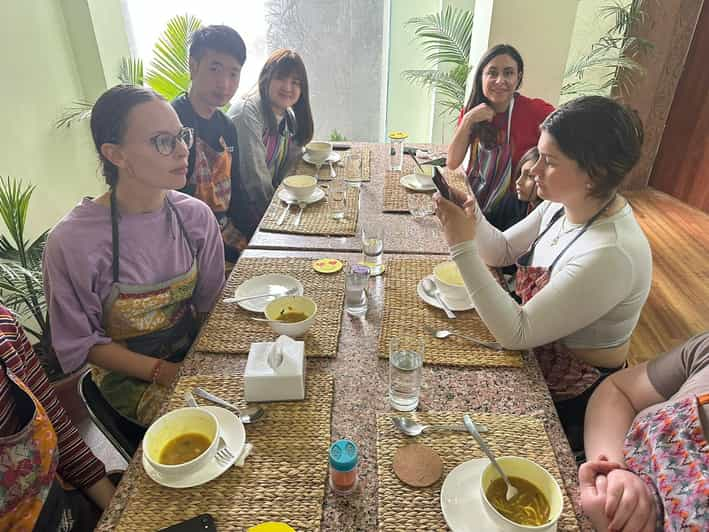
- You make every part of the momo: The class covers dough, filling, shaping, cooking, and eating.
- The class is in Thamel: Meet at Nepal Cooking School on Paknjaol Marg, opposite Ganesh Temple, on the third floor of the building with Delicious Pizza.
- The group is limited to eight: This keeps the class smaller and more practical than a large demonstration.
- English instruction is provided: The chef or instructor explains the process in English.
- You can work with meat or vegetables: Ground meat is used if you choose a nonvegetarian filling, alongside vegetables and seasonings.
- Wear clothes that can get messy: Flour, filling, and cooking can turn this into a pleasantly untidy hour.
Why a momo class makes sense in Kathmandu
Momos are dumplings associated with Tibet, Nepal, and the Himalayan regions. In Kathmandu, they are not just a special-occasion food. They are a familiar meal and a common part of local eating culture. Learning to make them gives you a more useful connection to Nepali food than simply ordering a plate at a restaurant.
I like classes such as this because the food is simple enough to understand quickly. You do not need advanced cooking skills. The basic sequence is clear: make a dough, prepare a filling, fold it into a dumpling, cook it, and serve it with a sauce or side.
That simplicity also makes the class practical after your trip. Once you understand the dough and folding method, you can try the recipe at home with ingredients that are easier to find than many specialized Nepali dishes. The class is less about collecting a recipe sheet and more about learning the feel of the dough and the shape of a finished momo.
The experience takes place in Thamel, Kathmandu’s well-known visitor district. That makes it easy to pair with other plans in the area, though you need to arrange your own transport to the school. The activity provider is Epic Adventures Private Limited, and the cooking venue is Nepal Cooking School.
More cooking classes in Kathmandu:
- Half day cooking class in Thamel kathmandu
★ 5.0 · 607 reviews - Kathmandu: Local Women-Led Nepali Cooking & Momo Class
★ 4.9 · 360 reviews - Kathmandu: Local Lead Nepali Cooking & Momo-Making Class
★ 5.0 · 212 reviews
Finding Nepal Cooking School on Paknjaol Marg
The meeting point is specific but worth reading carefully. Nepal Cooking School is on Paknjaol Marg, opposite the Ganesh Temple, on the third floor of the building that houses Delicious Pizza.
This is not a street-level meeting point with a large outdoor sign described in the information provided. Give yourself enough time to find the building and reach the third floor, especially if you are unfamiliar with Thamel’s side streets.
Transportation is not included. You will need to make your own way there and back, and personal expenses are also separate. Since the class lasts only one hour, a taxi or other quick local ride may cost more in time and effort than the class itself if you are staying far from Thamel. For someone already exploring the neighborhood, the location is much more convenient.
The class is offered in English. No guide name is provided, so you should not book expecting a particular instructor. You will meet the chef or teacher at the school and receive guidance throughout the cooking process.
The first step: mixing the momo dough
The class starts with the foundation of the dish, the dough. You work with flour and water, mixing and preparing the dough before moving to the filling.
This part matters more than it may seem. A dumpling wrapper has to be firm enough to hold the filling, but workable enough to fold without tearing. Making it yourself helps you understand why the consistency matters. You are not simply handling ready-made wrappers from a packet.
The short class format means the chef will keep this stage moving. You should expect practical instruction rather than a long discussion of flour types or regional variations. That is a sensible tradeoff for a one-hour activity.
Wear comfortable clothing that can get dirty. Flour on your hands is part of the process, and you will be working directly with the dough. This is not a class for someone who wants to keep their hands clean or remain seated as an observer.
Building a meat or vegetable filling
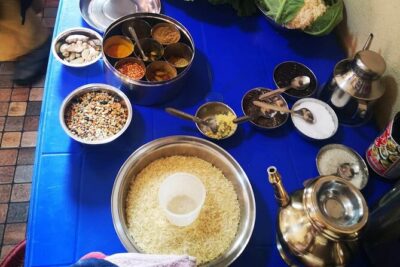
Next comes the filling. The ingredients listed for the class include vegetables, ground meat if you choose a nonvegetarian option, and various spices and seasonings.
The filling is where you can get a clearer sense of the flavor style. You are handling the ingredients, combining them, and preparing them for cooking. The focus is on commonly used momo ingredients rather than on rare products that would be difficult to use again at home.
If you eat meat, the class may use ground meat in the filling. If you prefer vegetarian food, vegetables are available as part of the preparation. The information does not specify a full list of fillings or whether every dietary requirement can be accommodated, so you should ask ahead if you have an allergy or a strict dietary need.
I like this part because it turns the dish into more than a wrapper exercise. You see how the filling is prepared before it disappears inside the dumpling. That gives you a better chance of recreating the result later.
The chef or instructor helps explain the process, and one verified booking described the cook as very helpful and willing to explain a lot. That is a useful sign for beginners, since the folding stage can feel awkward the first time.
Same city, a completely different sort of day:
- Everest Base Camp Trek – 14 Days
★ 5.0 · 1,499 reviews - Private Kathmandu Sightseeing Tour | UNESCO World Heritage sites
★ 5.0 · 756 reviews - Everest Base Camp Helicopter Tour landing at Everest View Hotel
★ 5.0 · 668 reviews - Everest Base Camp Trekking
★ 5.0 · 485 reviews
Folding each dumpling by hand
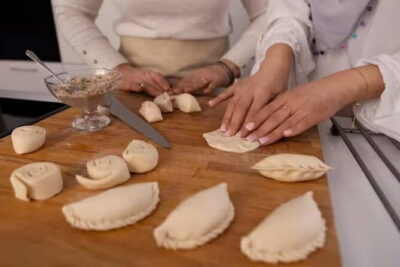
Shaping the momos is the most distinctive part of the lesson. You portion the dough and filling, then fold the wrappers into dumplings before cooking them.
There is a real skill here. The filling must be enclosed neatly, and the edges need to stay closed. Your first few may look less tidy than the chef’s. That is normal, and it is part of the value of a hands-on class. You learn by making the folds yourself rather than watching perfect dumplings appear at a demonstration table.
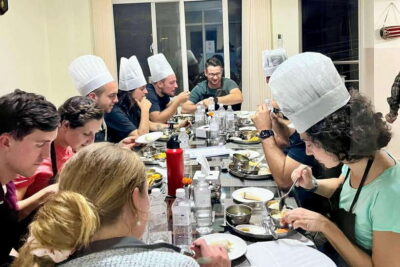
The small group size helps. With no more than eight participants, the instructor has a better chance of seeing what each person is doing. It also means you are likely to spend more time shaping dumplings and less time waiting for a turn.
Do not expect an elaborate design lesson in one hour. The goal is to learn the basic method and produce edible momos. If you want highly polished folds, you would need more time and practice. The class is better suited to curiosity and participation than to mastering restaurant-level presentation.
Cooking and eating what you made
After shaping the dumplings, you cook them. The provided information does not specify the exact cooking method, so you should expect the instructor to guide you through the technique used at the school rather than assume a particular type of steamer or pan.
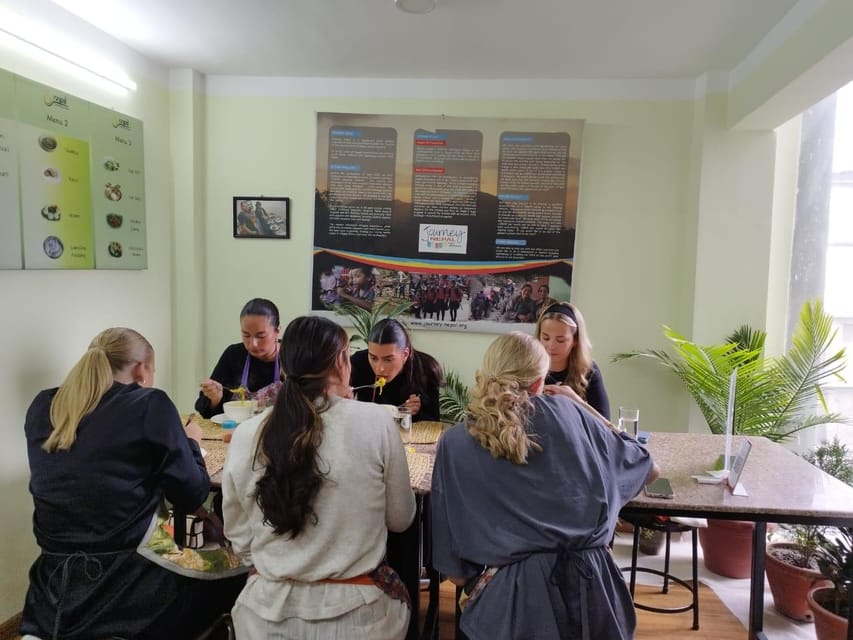
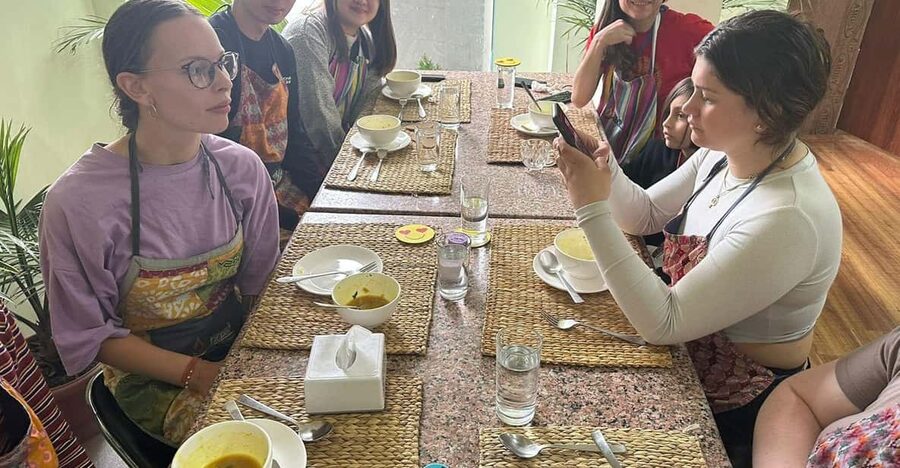
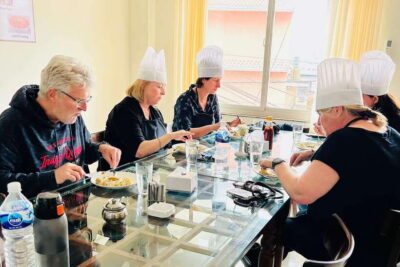
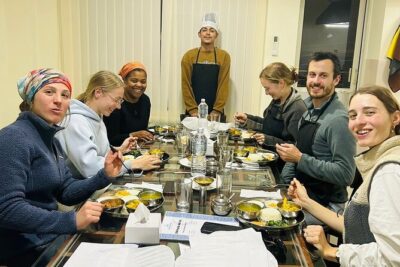
This final stage gives the class a satisfying purpose. You are not preparing food only to pack it away or watch someone else finish it. You sit down to eat the momos you made, often with dipping sauces or sides.
That meal is included as part of the activity’s basic appeal, though the details of the accompanying sauces and sides can vary. The important point is that the class ends with a proper taste of the finished dish.
One verified participant gave the experience the highest rating and specifically praised the cook’s explanations, helpful approach, and the taste of the finished momos. I would place the most weight on that combination. A cooking class works best when the instructor can teach clearly and the result is worth eating. This one appears to aim at both.
What the one-hour schedule really gives you
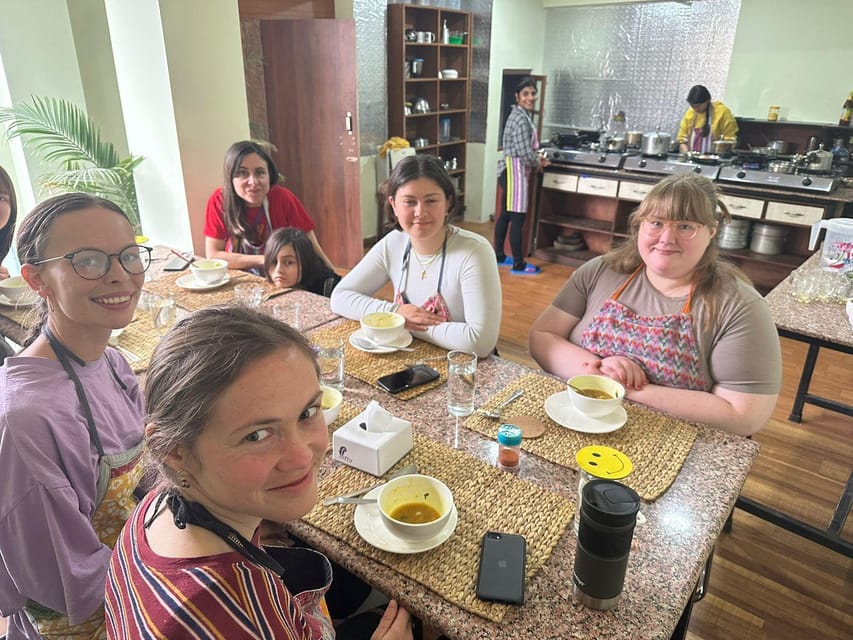
One hour is a compact format. It works well if you want to add a food activity to a day of sightseeing without giving up half a day. You get the full basic sequence, from dough to meal, in a single sitting.
The tradeoff is that there is little room for delays, long questions, or extensive variations. If the group arrives late or takes extra time with the folding, the session may feel brisk. You should arrive ready to participate from the start.
For me, the short duration improves the value for certain schedules. You can fit the class between other plans in Thamel, and the experience does not require a major commitment. It is also a good choice if you are trying a cooking class for the first time and do not want an all-day activity.
The price is not provided, so I cannot judge the exact cost against similar classes. The value comes from what is included: an instructor, ingredients, a small group, active preparation, and a meal of the finished food. If the price is close to other one-hour food activities in Kathmandu, the hands-on format makes it easier to justify than a simple tasting stop.
Who will enjoy this class most
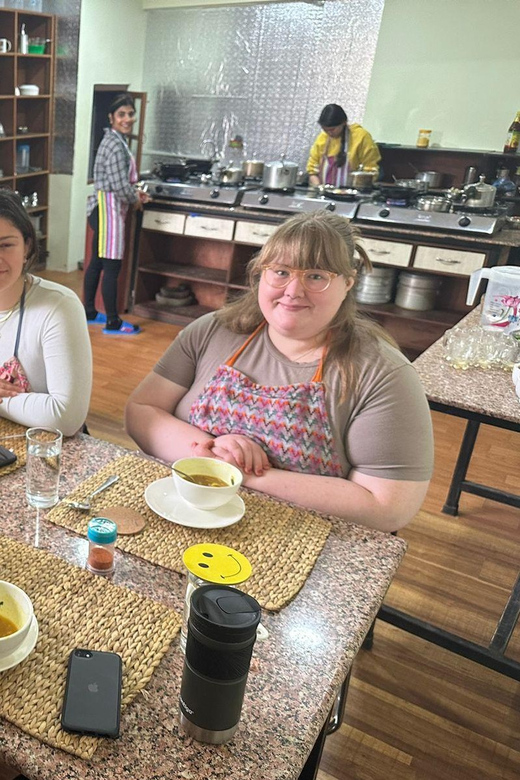
I would recommend this class to you if you want a short, active introduction to Nepali food. It suits first-time cooks, couples, families, solo visitors, and anyone who likes learning by doing.
It is also a good fit if you are curious about momos but have never made dumplings. The recipe has enough technique to feel like a real lesson, while the steps remain approachable.
Vegetarians may also find the class useful because vegetables are included among the filling options. If you have a serious allergy, follow a strict diet, or need a particular preparation method, contact the provider before booking. The available information does not promise separate work surfaces or customized recipes.
You may want to choose another activity if you prefer a long, detailed culinary workshop. The one-hour schedule is designed for a direct introduction, not an extended course in Nepali cooking.
Practical details for a smoother visit
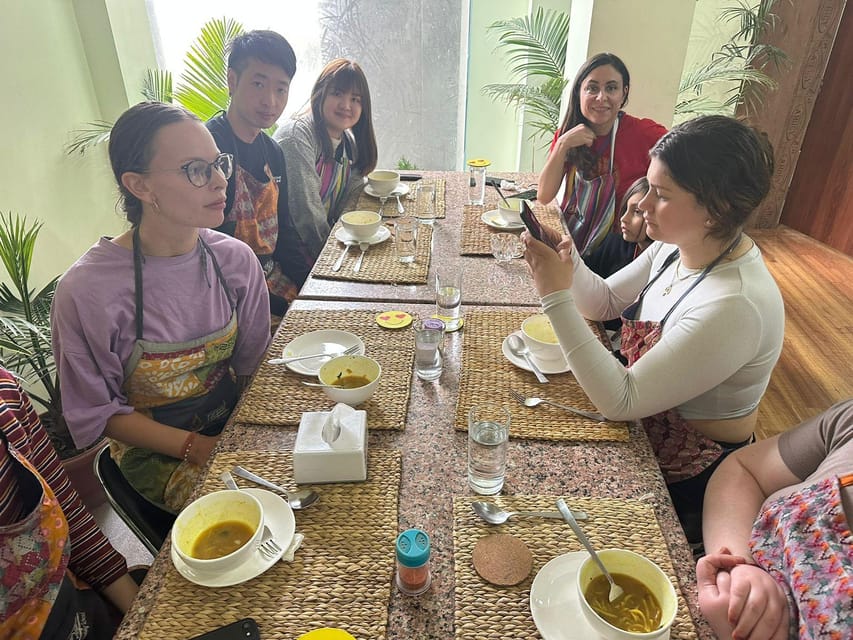
Wear clothes that are comfortable and able to get dirty. You will handle flour, filling, and dough, so this is not the right time for your best travel outfit.
The information lists ingredients among the things to bring, while also stating that ingredients for momo preparation are included. Because those instructions conflict, ask Epic Adventures Private Limited what you need to carry before the class. Do not assume you must shop for food unless the provider confirms it.
The meeting point is at Nepal Cooking School, Paknjaol Marg, opposite Ganesh Temple, on the third floor of the Delicious Pizza building. Transportation is not included, so plan your route in advance.
You can cancel up to 24 hours before the class for a full refund, and the reserve-now, pay-later option lets you hold a place without paying at the time of booking. Check the available starting times, since the duration is fixed at one hour but the start time can vary.
Should you book this momo-making class?
Book it if you want to eat a familiar Nepali dish while learning how it is built. The strongest points are the active format, the English instruction, the small group of no more than eight, and the chance to eat your own finished momos.
Skip it if you want a long cooking course, a named chef, or a detailed menu of regional dishes. The schedule is short, the exact filling choices are not fully specified, and you will need to confirm the instruction about bringing ingredients.
For most visitors already spending time in Thamel, I think this is a sensible one-hour addition. You get flour on your hands, learn a useful dumpling technique, and leave with a meal you helped make. That is a better souvenir than another hurried restaurant plate.
FAQ
Where does the momo-making class take place?
The class takes place at Nepal Cooking School on Paknjaol Marg in Thamel. The school is opposite the Ganesh Temple, on the third floor of the building with Delicious Pizza.
How long does the class last?
The class lasts one hour, including the cooking lesson and food tasting.
Is the class taught in English?
Yes. The listed instructor language is English.
How many people are in the group?
The class is limited to eight participants.
Are ingredients included?
Ingredients for momo preparation are listed as included. The instructions also say to bring ingredients, so contact the provider to clarify exactly what you need to bring.
Can I cancel for a refund?
Yes. You can cancel up to 24 hours in advance for a full refund.
Just added around Kathmandu
- Traditional Momo Making Class★ 5.0 · 10 reviews
- Wildlife Adventure in Chitwan Nepal★ 4.0 · 4 reviews
- Walking tour of real Kathmandu through back streets.★ 5.0 · 3 reviews
- Kathmandu 2 Nights 3 Days Chitwan Jungle Safari Tour★ 5.0 · 9 reviews
- Kathmandu Street Food Walking Tour – Eat Like a Local★ 5.0 · 3 reviews
- Private Manaslu Circuit Trek at Himalayas★ 5.0 · 3 reviews
- Walking tour of Kathmandu with awesome local guides★ 5.0 · 4 reviews
- Visit Swayambhunath and Bauddhanath Stupa with Guide★ 5.0 · 5 reviews
Kathmandu Cooking Classes, compared.
The best Private Nepali Cooking Class in Kathmandu
Read our review →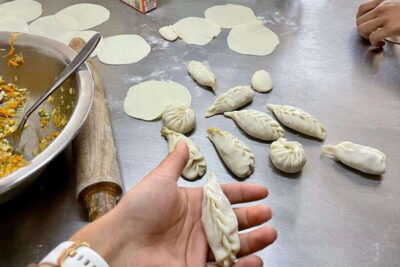
Browse the lists this tour appears in