
Reviewed · KATHMANDU CRAFT WORKSHOPS
Knife (Khukuri) Making Workshop- Forge of the Gurkhas
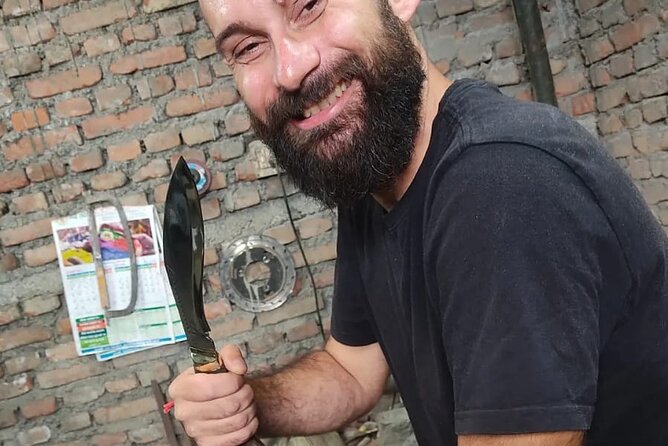
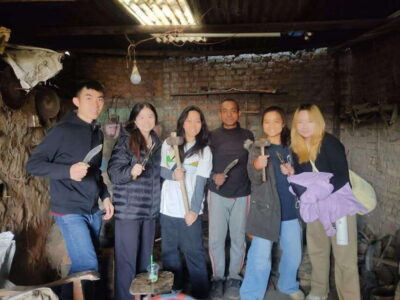
The most memorable part of this Kathmandu experience is watching a rough piece of steel become a real khukuri, Nepal’s famous curved knife. At Indra’s home workshop, you help hammer the metal, take part in early shaping and polishing, and leave with a knife made for you rather than pulled from a souvenir shop shelf.
I like the personal setting and the skilled guidance from Indra, a blacksmith with more than 40 years of experience. I also like the useful souvenir: the standard knife is about six inches, sharply finished, and can be personalized. The main drawback is that you will not handle every stage. Safety comes first, so Indra does the most dangerous grinding, and the workshop can feel long for young children.
Key points to know before you book
- A real home workshop: You visit Indra’s family setting in a more remote part of Kathmandu, not a polished tourist showroom.
- Hands-on, but safely controlled: You hammer the steel and help with shaping, grinding, buffing, and polishing, while the host handles the riskiest blade work.
- A six-inch khukuri is included: Larger blades may be available for an additional fee, but confirm the current price before booking.
- Small groups matter: The maximum group size is five, giving you time at the forge and direct help from the blacksmith.
- Plan on four to five hours: Pickup and drop-off are offered, and the ride also gives your guide time to explain Nepal and local life.
- Cancellation needs care: Full refunds require cancellation at least 24 hours before the start time.
Turning scrap steel into a Nepalese khukuri
A khukuri is not simply a curved knife sold to visitors. It is tied to Nepal’s hill communities and to the Gurkha tradition, where it represents loyalty, service, and practical skill. The shape is useful for everyday work, from cutting meat and vegetables to shaping timber.
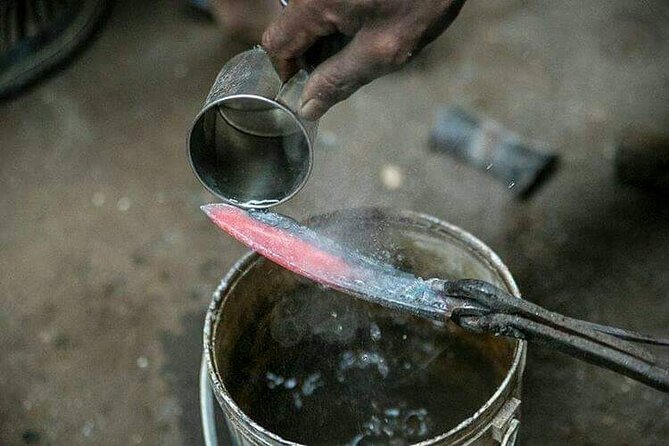
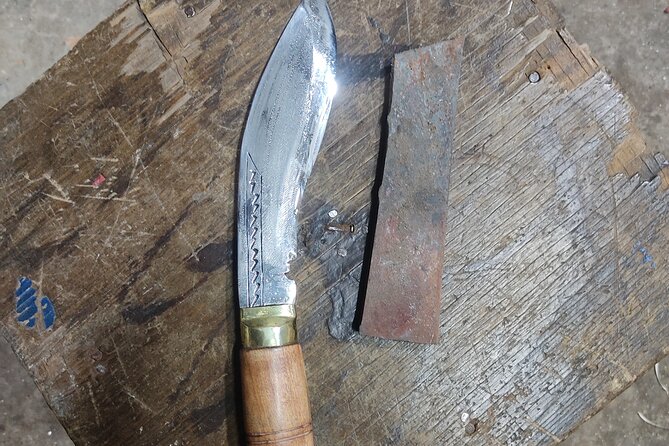
The knife made during this workshop is small, about six inches, but it is still a working blade. The steel is heated, hammered, shaped, ground, polished, and fitted with a handle. The finished knife comes with a scabbard, traditionally made from wood and leather, though the exact materials and finish can vary.
You also learn about the blade’s small notch near the handle. It helps keep blood from reaching the handle and carries symbolic meaning linked to Brahma, Vishnu, and Shiva. That detail gives the object a little more depth than a standard souvenir knife.
I like that the process begins with plain material. Some visitors have worked with recycled steel, including old truck suspension springs, and watched a block of wood become part of the handle. You see the work rather than simply hearing a story about it.
More craft workshops in Kathmandu:
- Knife Khukuri Making Workshop
★ 4.9 · 38 reviews - Gurkha Knife Making
★ 5.0 · 19 reviews - Handmade Jewellery Workshop with Nepali Women
★ 5.0 · 6 reviews
Meeting Indra at the forge
Pickup is offered from your Kathmandu hotel, and guides such as Swoyam or Namrata may accompany you. The ride to the workshop takes you away from the main tourist areas toward a quieter, more rustic part of the city. Guides also use the travel time to explain Nepal, local places, and practical tips for your stay.
The workshop is connected to Indra’s home and family. That setting is central to the experience. You are not standing behind a glass barrier while someone performs a demonstration. You are close to the forge, the tools, the heat, and the people who do this work as a craft.
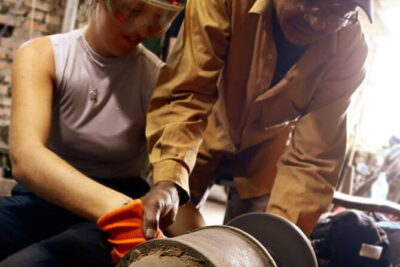
Indra has spent more than four decades making khukuris. His hammer work is a major part of the show, but it is not just a show. He is also shaping the piece you will eventually carry home. His patience matters because the raw steel does not turn into a knife through one dramatic strike. It takes repeated heating, hammering, checking, and correcting.
His assistants or apprentice relatives can help when you need a rest. That is useful because the physical work can be tiring, especially in the heat of the forge. You get a better sense of the effort involved without being expected to perform like a trained blacksmith.
The four-hour making process
The activity lasts about four hours, though some sessions run closer to four and a half or five hours. Allow extra time if you have a later appointment, since transportation and the pace of the work can vary.
1. Heating and hammering the steel
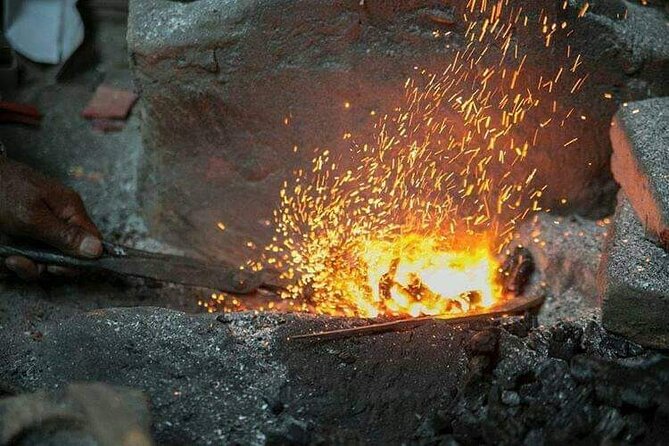
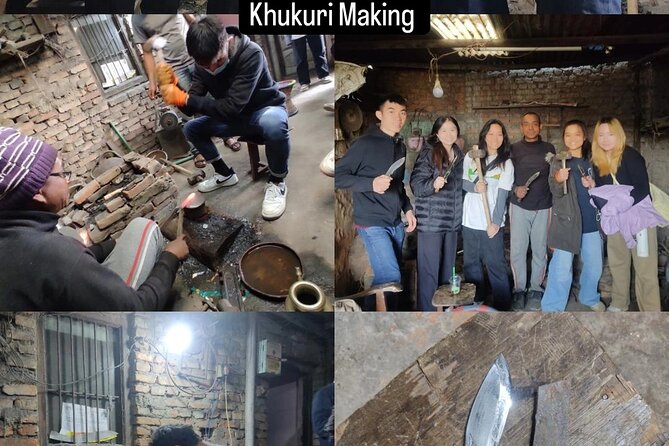
The first hands-on stage is hammering. Under direction, you help work the heated metal into the rough form of a blade. This is the part that gives you the clearest physical connection to the finished object.
Do not expect to make every strike independently. Indra sets the pace and takes over when accuracy or force matters. That is a sensible arrangement. Poor hammer work can damage the metal, and a knife is not the place for a casual experiment.
The hammering also shows why handmade blades cost more than factory souvenirs. The blacksmith must judge the shape by sight and touch while the steel is hot. You begin with something that looks ordinary and gradually see the familiar khukuri profile appear.
More cooking classes in Kathmandu:
- Half day cooking class in Thamel kathmandu
★ 5.0 · 607 reviews - Kathmandu: Local Women-Led Nepali Cooking & Momo Class
★ 4.9 · 360 reviews - Kathmandu: Local Lead Nepali Cooking & Momo-Making Class
★ 5.0 · 212 reviews - The best Private Nepali Cooking Class in Kathmandu
★ 5.0 · 83 reviews
2. Initial shaping and grinding
The next stage brings the blade closer to its final form. You may take part in the first grinding and shaping, depending on the host’s safety instructions and the condition of the blade.
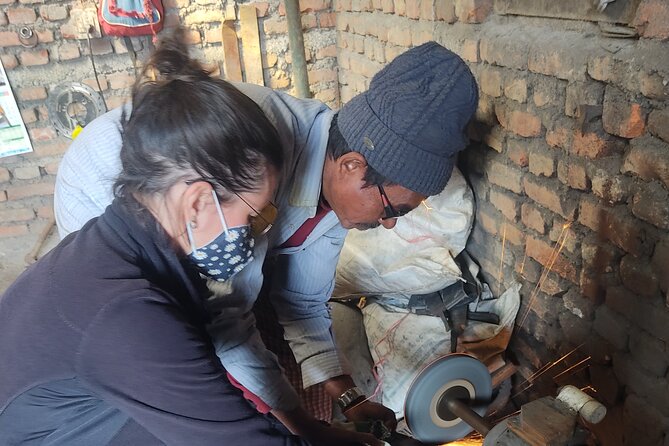
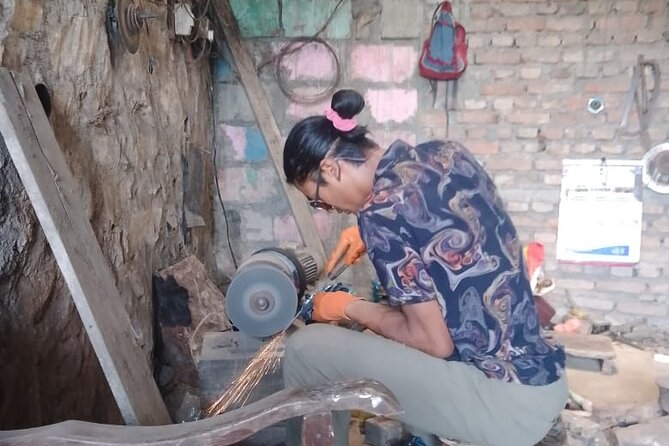
The official safety guidance is important: the host handles blade grinding when sparks and serious risk are involved, and you should stay clear during that stage. Some sessions allow you to help with a safer part of grinding or use a wheel under close supervision. The amount of control you receive can differ, so do not book this expecting a full blacksmith apprenticeship.
This is one of the few points where expectations need managing. Several people have wanted to do more of the process themselves. The balance here is between participation and a sound finished knife. Indra’s experience helps protect both you and the blade.
3. Buffing and polishing
At the end, you help with buffing and polishing. This stage gives the knife its cleaner finish and makes the result feel complete.
Polishing can seem less dramatic than hammering, but it changes the object in front of you. The rough, dark metal becomes a bright blade with a clear edge. The knife may be personalized, adding another small link between the object and your time in Nepal.
Take care when you first handle the finished khukuri. The edge can be very sharp. It is a working knife, not a blunt display piece, and you should pack and transport it according to current airline and customs rules.
4. Fitting the handle and final checks
The handle is generally made from wood or buffalo horn. The host fits it to the blade and checks the finished knife. The standard workshop includes a small khukuri, while some sessions have offered a ten-inch version for an extra fee.
The supplied information is not fully consistent about the exact size language, so ask before you start if blade length matters to you. The advertised inclusion is a six-inch khukuri. A larger blade should not be assumed to be part of the base price.
Why the home setting adds value
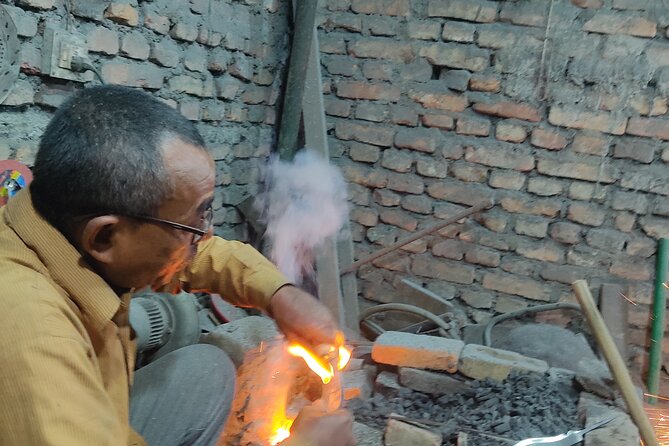
The strongest part of this activity is the human scale. You spend time with the blacksmith and his family, often over tea or lunch, rather than rushing through a factory-style demonstration. One session included a home-cooked lunch, and several descriptions point to a warm, family-like welcome.
That does not mean the setting is polished. It can be rustic, and the forge is described as primitive compared with a modern metalworking shop. I see that as part of the appeal, provided you know what you are booking. You come for traditional work in a working home, not air-conditioning, display cases, or a staged cultural performance.
You also get a look at how old materials can be reused. Recycled steel and simple tools become part of a useful object. The process gives you a better sense of the labor behind a Nepalese knife than buying one from a shop in Thamel.
The visit can also feel more personal because the group is capped at five. A small group gives you a better chance to ask questions, receive help, and spend time at the forge. It also means the experience may feel slower if another participant needs frequent breaks.
What the guides add
Swoyam and Namrata have both accompanied sessions. Their role is more than arranging transport. They translate, explain the steps, help with communication, and keep the day moving.
Swoyam is particularly useful if you want context during the ride and at the workshop. Namrata has also joined participants at the forge and helped translate while keeping the conversation flowing. Since the blacksmith’s work is the main focus, a guide who can explain what is happening makes a real difference.
The guides also help bridge the gap between watching and doing. If you are unsure how to hold the hammer, when to step back, or what part of the process you are seeing, ask. The workshop is more rewarding when you understand why each step matters.
The best fit, and the weak spots
This is a strong choice if you like practical crafts, local homes, traditional tools, and souvenirs with a story. It suits people who would rather spend an afternoon learning a skill than visiting another shop or museum.
It is also a good match for anyone interested in Gurkha culture and Nepalese village craft. The khukuri connects daily utility with national identity, so the object carries cultural meaning as well as practical use.
Families can attend, but young children may lose patience. A four-hour process is a long stretch for a four-year-old or six-year-old, especially when only some stages are safe for direct participation. If you bring children, take distractions and expect that adults will get more from the craft than young ones do.
The workshop is less suitable if you want total control over the finished knife. You will not personally perform every task, and the host may take over whenever safety or quality requires it. That is not a flaw, but it should be clear before you pay.
There is also a small quality risk in handmade work. Cracks can sometimes appear in the metal later in the process. The operator has offered to remake and deliver a replacement in such cases, but ask your guide what the remedy is before leaving if you notice a problem.
Is $68 a fair price?
At $68 per person, the value is not in the raw metal. A factory-made knife may cost less. The price covers transport, guidance, translation, several hours of instruction, time with an experienced blacksmith, and a handmade khukuri to take home.
The pickup and drop-off matter because the workshop is outside the most central tourist areas. You do not have to arrange your own route, and the ride becomes part of the cultural explanation. For a small group activity lasting about four hours, that makes the price reasonable if you value time with a craftsperson.
The included knife is the main measure of value. You receive a six-inch blade, and some participants have paid extra for a larger ten-inch version. Confirm the size, materials, personalization, and any added charge before work begins.
I would not choose this activity for a cheap souvenir. I would choose it because the souvenir records your time at the forge. That difference is why the workshop feels more worthwhile than buying a similar-looking khukuri from a tourist shop.
Practical advice before you go
Wear clothes and shoes you do not mind exposing to dust, heat, or sparks. Stay outside the marked working area when the host is grinding, and follow instructions closely. A sharp blade and a hot forge require attention, even when the mood is relaxed.
Keep your schedule open for at least four and a half hours. The stated duration is approximately four hours, but the transfer, group pace, lunch, or extra polishing can extend the visit.
Confirm your pickup location soon after booking. Pickup is offered, but the provider may not be able to collect you far outside Kathmandu. One failed booking involved a location about 40 kilometers away, with communication arriving too late to arrange the transfer.
Also note the cancellation rule. You can receive a full refund when you cancel at least 24 hours before the start time. Changes or cancellations inside that window are not accepted for a refund, so this is not a good booking to leave until your plans are uncertain.
Should you book the Forge of the Gurkhas workshop?
Book it if you want a personal Kathmandu experience, enjoy hands-on work, and would value a useful souvenir that you helped create. The small group, hotel pickup, skilled blacksmith, and home setting give the afternoon a clear sense of place.
Skip it if you want a quick demonstration, dislike heat and physical work, or expect to operate every tool yourself. For most people who understand those limits, the workshop offers a rare chance to spend time with a traditional craft and take home a khukuri with a real connection to Nepal.
FAQ
Where does the khukuri-making workshop take place?
The workshop takes place in Kathmandu, at the home workshop of blacksmith Indra in a more remote part of the city.
How long does the activity last?
The stated duration is approximately four hours. Some sessions can take about four and a half to five hours.
What does the $68 price include?
The price includes the workshop, participation in the knife-making process, and a small khukuri of about six inches. Pickup is offered, and a larger knife may cost extra.
How many people can join?
The maximum group size is five participants.
What parts of the process can I do myself?
You can take part in hammering the iron, the first grinding or shaping stage when permitted, and the final buffing and polishing.
Does the host do any of the work?
Yes. For safety and quality, the host handles the most dangerous blade-grinding work and may take over other stages when needed.
Who is the blacksmith?
The blacksmith is Indra, who has more than 40 years of experience making khukuris.
Are guides included?
A guide accompanies the experience, with Swoyam and Namrata named among the guides who have led sessions. The guide helps with translation, transportation, and explanations.
Can I make a larger knife?
Some participants have made a ten-inch khukuri for an additional fee. The standard included knife is about six inches, so confirm the current upgrade price before booking.
What is the cancellation policy?
You can cancel for a full refund at least 24 hours before the local start time. Cancellations or changes made less than 24 hours before the experience are not refunded.
Just added around Kathmandu
- Traditional Momo Making Class★ 5.0 · 10 reviews
- Wildlife Adventure in Chitwan Nepal★ 4.0 · 4 reviews
- Walking tour of real Kathmandu through back streets.★ 5.0 · 3 reviews
- Kathmandu 2 Nights 3 Days Chitwan Jungle Safari Tour★ 5.0 · 9 reviews
- Kathmandu Street Food Walking Tour – Eat Like a Local★ 5.0 · 3 reviews
- Walking tour of Kathmandu with awesome local guides★ 5.0 · 4 reviews
- Private Manaslu Circuit Trek at Himalayas★ 5.0 · 3 reviews
- Visit Swayambhunath and Bauddhanath Stupa with Guide★ 5.0 · 5 reviews
Kathmandu Craft Workshops, compared.
Browse the lists this tour appears in