
Reviewed · HIKING & TREKKING
Pikey Peak Trek
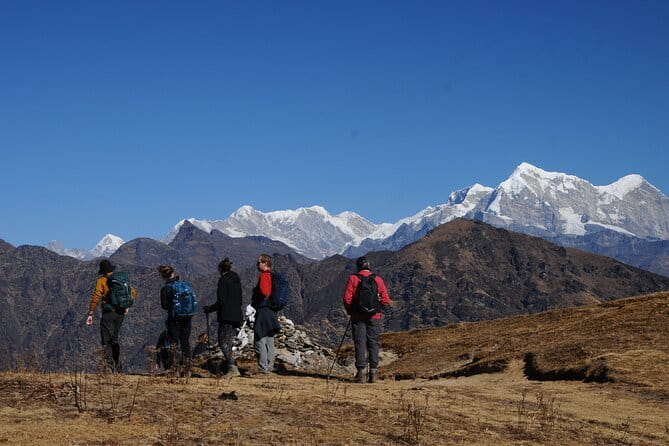
Pikey Peak gives you something the famous Everest trail often cannot: wide Himalayan views without the crowds. The seven-day route from Kathmandu reaches a 4,066-meter viewpoint, follows part of the historic Hillary Trail, and finishes near Junbesi and Phaplu.
I like the peaceful walking, especially through blooming rhododendron forest, and the chance to see Everest without flying to Lukla. I also like the human side of the trip: tea-house stays, warm local hospitality, and a visit to Tupten Choling, one of the region’s largest nun monasteries. The main consideration is the long road journey, including a roughly 10-hour return drive to Kathmandu.
Key points to know before booking
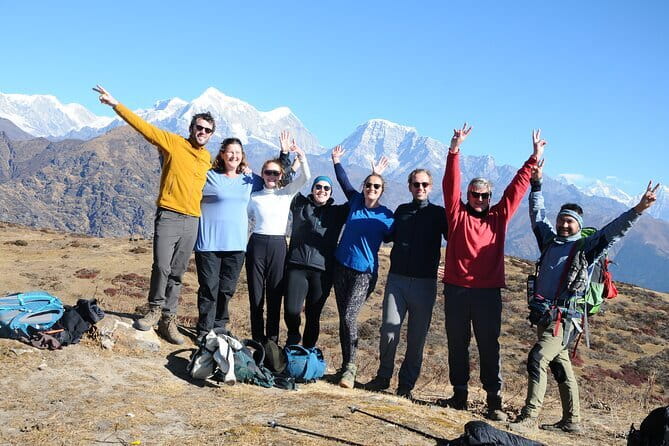
- A quiet route to a 4,066-meter viewpoint: You get big Himalayan views on a trail that can feel wonderfully empty.
- Sunrise is the main event: The early hike to Pikey Peak is planned around a panoramic morning view of Everest and other high peaks.
- No Lukla flight is needed: The trip begins and ends by road from Kathmandu, which removes one common source of trekking stress.
- Tea houses keep the trek simple: Breakfast, lunch, and dinner are included, with basic mountain accommodation along the route.
- A cultural finish near Junbesi: Tupten Choling Monastery adds a calm, meaningful stop beyond mountain scenery.
- Good for first-time trekkers and seniors: The route is described as suitable for most participants, though uphill walking and altitude still require sensible pacing.
Why Pikey Peak makes a smart Everest alternative
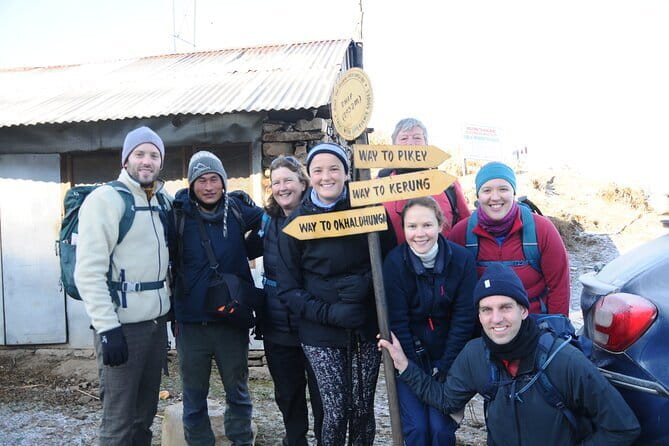
I see Pikey Peak as a good choice for you if Everest is the goal but the full Everest Base Camp route feels too long, too busy, or too demanding. You still get a high Himalayan viewpoint and a chance to see Mount Everest, but the trip lasts about a week and avoids the flight to Lukla.
The route reaches roughly 4,066 meters, high enough for impressive views but below Everest Base Camp. That does not make altitude irrelevant. You will still spend several days walking uphill and sleeping at high elevation, so a steady pace matters. The route is called suitable for all ages, including senior citizens and families, but that should be read as accessible for a wide range of people, not as a promise of an effortless walk.
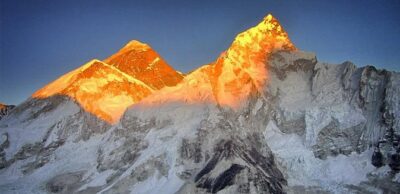
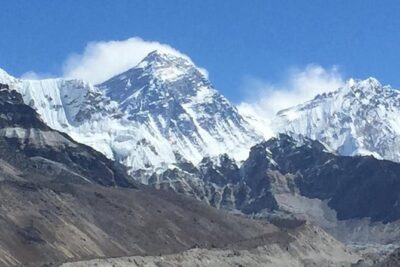
The scenery is a major reason to choose this trip. From Pikey Peak, you can see seven of the world’s highest mountains, with Everest among the peaks visible in clear conditions. The best view comes early, when the sunrise colors the Himalayan skyline. Weather can change, so the view is never guaranteed, but the viewpoint is the clear centerpiece of the trek.
More day hikes and treks in Kathmandu:
- Everest Base Camp Trek – 14 Days
★ 5.0 · 1,499 reviews - Everest Base Camp Trekking
★ 5.0 · 485 reviews - Nagarkot Sunrise View and Day Hiking from Kathmandu
★ 5.0 · 471 reviews
Day 1: Kathmandu to Dhap beside the Sunkoshi River
The trip begins at 6:15 a.m. from Breeze Adventure’s meeting point on Thamel Marg in Kathmandu. From there, you drive toward Dhap, with the journey taking about five hours.
This first day is more about reaching the trail region than walking. You get views of villages, local homes, and daily life outside Kathmandu. The route also gives you glimpses of the Himalayas as the road climbs away from the city.
The drive is useful, but it is not a sightseeing bus with a long list of formal stops. You should expect road time and changing scenery. If you prefer to begin trekking immediately, this may feel slow. I see it as a practical trade: you reach a quieter trailhead without taking a domestic flight.
Lunch and dinner are included on the trip, and WiFi is listed on board. The exact quality of a road journey can vary, so it is sensible to keep your first day flexible and avoid planning anything important in Kathmandu that evening.
Day 2: Dhap to Jhapre and the first mountain sunrise
Day two begins with a sunrise view and breakfast before the walk to Jhapre. The trek takes about five hours and is described as an easy day, with much of the route following a newly built road.
That road makes the day more manageable for beginners, families, and older hikers. It also means the walking may feel less wild than you expect from a Himalayan trek. You are not on a narrow mountain path the entire time. Some readers will appreciate the easier footing, while others may prefer a more rugged route.
The reward is the setting. You get a gradual introduction to the mountains, rather than a hard first climb. The route passes local communities and gives you time to settle into the rhythm of walking, eating, and sleeping in tea houses.
The guide matters here. Breeze has used guides including Sabin, Raj, and others, with the specific guide depending on the departure. Sabin is described as energetic and helpful, while Raj is noted for speaking English well and paying attention to physical condition. You should confirm your guide before departure if that detail matters to you.
Day 3: The climb toward Pikey Peak Base Camp
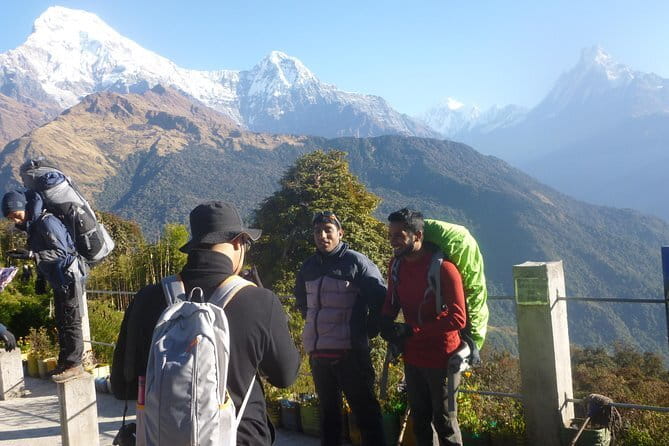
The third day is more demanding. After breakfast, you walk toward Pikey Peak Base Camp for about six hours. The trail is mostly uphill, with some downhill sections along the way.
This is where the trek begins to feel properly mountainous. The climb is not described as technical, but the steady uphill work can test your legs, especially at altitude. Take your time, drink regularly, and let your guide set a sensible pace.
The area is known for peaceful walking and rhododendron forest. If you visit during blooming season, the trees add a bright splash of color to the route. The forest is one of the trek’s most memorable details because it gives the day variety: open mountain views, wooded sections, and rising ridgelines instead of one long road walk.
Accommodation is in tea houses, with meals included. These are practical mountain lodges rather than luxury hotels. They give you a bed, food, and a place to warm up, but you should keep expectations simple. The appeal is being close to the route and sharing local hospitality, not having hotel-style comfort.
Same city, a completely different sort of day:
- Private Kathmandu Sightseeing Tour | UNESCO World Heritage sites
★ 5.0 · 756 reviews - Everest Base Camp Helicopter Tour landing at Everest View Hotel
★ 5.0 · 668 reviews - Half day cooking class in Thamel kathmandu
★ 5.0 · 607 reviews - Kathmandu: Full Day 7 UNESCO Tour with Lunch – Private/Group
★ 5.0 · 415 reviews
Day 4: The early hike to Pikey Peak
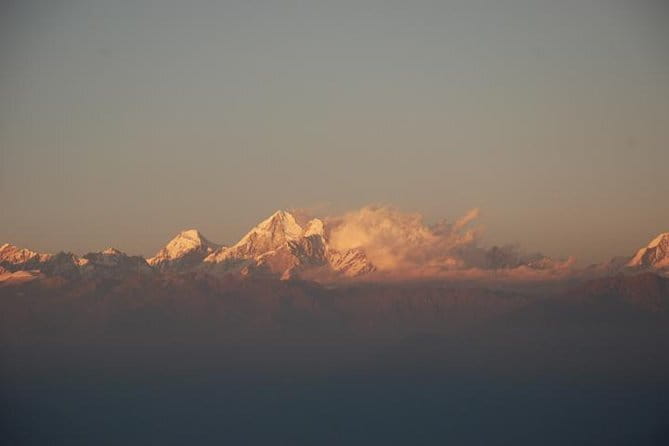
Day four is the highlight. You wake early and hike for about an hour to Pikey Peak for sunrise. The viewpoint offers panoramic Himalayan views, including Mount Everest and six other major high peaks.
The early start is worth accepting. Sunrise is not a minor extra here; it is the reason the schedule is built around this morning climb. Bring warm layers and keep your camera ready, but do not spend the whole time looking through a screen. The view is the point.
At about 4,066 meters, Pikey Peak is high enough to bring real altitude considerations. The short final hike does not mean the morning is effortless. Cold air, darkness, and the uphill grade can slow you down. Your guide should help you walk at a pace that suits the group.
The high point also gives you a feeling of space that is harder to find on the packed Everest Base Camp route. The route’s appeal is not just the mountain view. It is the quiet around it. Several accounts describe walking for long stretches without meeting other tourists, which is a strong reason to choose Pikey Peak before the route becomes busier.
Day 5: Down toward Junbesi
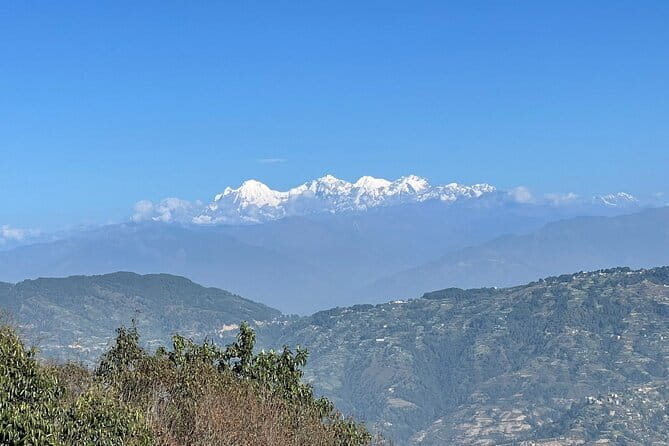
After the sunrise at Pikey Peak, the trek continues toward Junbesi. This is a roughly five-hour day, though the exact route depends on your overnight stop.
If you stay at Jasmane Bhanjyang, the plan first takes you toward Taktor for around three and a half hours. From there, the route continues toward Junbesi. The day gives you a change of pace after the early summit morning, with more downhill walking and a gradual move toward a well-known local settlement.
Junbesi is an appealing place to finish the walking section because it links mountain scenery with Sherpa culture and local community life. The information provided does not promise a formal cultural program, so I would not expect a guided tour of every local site. Instead, the value is in slowing down, staying locally, and seeing how the route’s communities support trekking.
The downhill sections may be easier for your lungs but harder on your knees. Walking poles can be useful, though equipment is not listed among the inclusions. Pack only what you need for the day and let the guide help you manage the pace.
Day 6: Tupten Choling Monastery and Phaplu
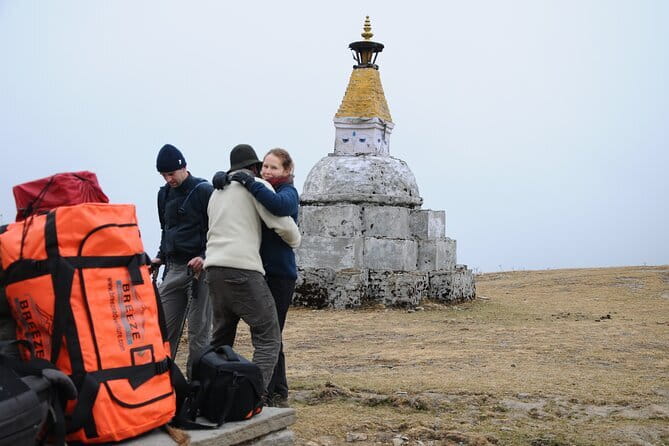
After breakfast, you visit Tupten Choling Monastery, one of the largest nun monasteries in the region. It sits at the foot of a mountain and is home to around 20 nuns.
This is an important part of the trip because it breaks up the mountain-view routine. You get a chance to see a religious site connected to the local community and to spend time in a quiet setting. The monastery visit also gives the final trekking day a clear purpose before the return drive begins.
The route then continues toward Phaplu Airport. Despite the airport name, you are not required to fly. The trip returns to Kathmandu by road on day seven. Phaplu is simply the transport point that connects the walking route with the road journey.
The day lasts about six hours and includes breakfast, lunch, and dinner according to the overall meal plan. As with any monastery visit, dress and behave respectfully. The provided details do not specify a dress code or visiting hours, so your guide will be the best source of practical instructions on the day.
Day 7: The long road back to Kathmandu
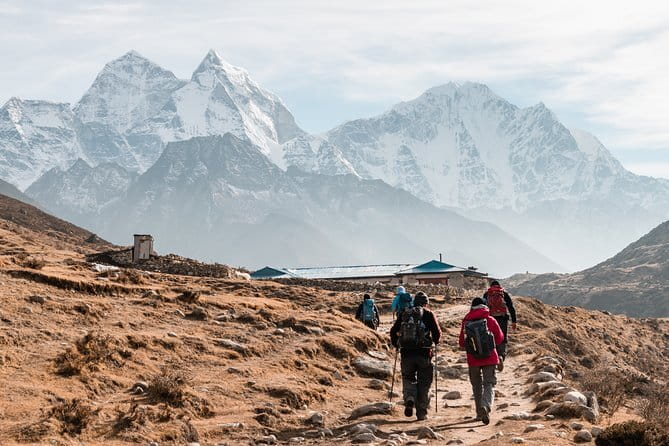
The final day begins early because the drive from Phaplu to Kathmandu takes about 10 hours. After roughly two hours, you stop at Dhap Thade for breakfast and a mountain view before continuing toward the capital.
This is the least glamorous day, but it is part of the price of avoiding a Lukla flight. A road return gives you a direct connection to Kathmandu and avoids adding another flight to the trip. The tradeoff is a full day sitting in a vehicle after several days of walking.
You return to the original meeting point on Thamel Marg. Keep the evening open. A long mountain road can take more or less time depending on conditions, and the itinerary does not provide a guaranteed arrival hour.
What the $899 price includes
At $899 per person, this is not a bare trekking permit with transport added later. The package includes seven breakfasts, seven lunches, six dinners, WiFi on board, guided arrangements, and the road transfers built into the seven-day plan.
The value comes from convenience. You do not need to arrange the Kathmandu to Dhap drive, trail logistics, meals, or return from Phaplu yourself. You also get an organized visit to Tupten Choling Monastery and a route plan that connects Dhap, Jhapre, Pikey Peak, Junbesi, and Phaplu.
Still, check what the price does not cover. A fuel surcharge is listed separately, and the accommodation is in tea houses rather than upscale lodges. The information does not specify porter service, drinks, equipment rental, permits, or personal expenses, so ask Breeze Adventure for a full cost sheet before paying.
For you, the price makes the most sense if you value a ready-made route and local support. Independent trekkers who already know the area may find the package less necessary. First-time hikers, families, and people who want one point of contact will likely find the organization useful.
Guides, group size, and the feel of the walk
The maximum group size is 20 people. That is small enough to keep the trip personal, though the actual departure may be smaller. A group of 20 moves differently from a private trek, especially on uphill sections, so ask about the expected number before booking.
The strongest praise centers on the guiding and organization. Kishwor, who works with the Breeze office, is described as quick to answer questions and reliable with arrangements. Guides named in connection with the trip include Sabin, Raj, and Geli, while Amrit is mentioned as a porter on one departure.
The guide names do not guarantee who will lead your own trek. I would treat them as examples of the team rather than a promise. Ask who will guide your dates, how many people are in the group, and how the company handles a slower walker.
Most people can participate, service animals are allowed, and the activity is near public transportation. Those points are useful, but they do not remove the need for basic fitness. You should be comfortable walking for five to six hours on several days, including uphill sections, and you should speak with a medical professional if altitude is a concern.
Who should book this trek?
I would recommend Pikey Peak to you if you want:
- Everest views without the full Everest Base Camp schedule
- A route that avoids flying to Lukla
- Quiet trails and a lower-key mountain experience
- Tea-house accommodation and included meals
- A first Himalayan trek with a guide
- A trip that works for families or older hikers who can manage steady walking
I would be more cautious if you dislike long road journeys, want hotel-level comfort, or need a highly flexible schedule. The 10-hour return drive is a real part of the experience. The route is quieter partly because it is less developed and less visited.
The trek also suits photographers and people who care about atmosphere. Sunrise at Pikey Peak, rhododendron forest, village life, and Tupten Choling Monastery give the week more variety than a simple out-and-back mountain walk.
Should you book Pikey Peak?
I think you should book this trek if you want a shorter, quieter alternative to the main Everest route and you are happy with basic tea houses and a long return drive. The strongest reasons are the 4,066-meter sunrise viewpoint, the lack of heavy foot traffic, the historic Hillary Trail, and the monastery visit.
Before booking, confirm the fuel surcharge, guide assignment, group size, accommodation details, and what equipment or permits are included. If those points suit you, the $899 price buys more than a view. It gives you a structured way to reach Everest country without Lukla flights or a crowded multiweek trek.
Free cancellation is available up to 24 hours before the 6:15 a.m. start time. After that, the amount paid is not refunded, and changes are not accepted within 24 hours.
FAQ
How long is the Pikey Peak Trek?
The trip lasts approximately seven days, beginning and ending in Kathmandu.
Where does the trek start?
It starts at Breeze Adventure Pvt. Ltd. on Thamel Marg in Kathmandu, Nepal.
What time does the tour start?
The scheduled start time is 6:15 a.m.
Do I need to fly to Lukla?
No. The route travels by road from Kathmandu to the trekking area and returns by road from Phaplu.
How high is Pikey Peak?
Pikey Peak reaches about 4,066 meters.
Are meals included?
Yes. The package includes seven breakfasts, seven lunches, and six dinners.
Is the trek suitable for beginners or senior citizens?
The route is described as suitable for people of all ages, including families and senior citizens. You should still be prepared for five to six hours of walking on several days, including uphill sections.
What is the cancellation policy?
You can cancel at least 24 hours before the experience start time for a full refund. Cancellations or changes made less than 24 hours before the start are not accepted, and the payment is not refunded.
Just added around Kathmandu
- Traditional Momo Making Class★ 5.0 · 10 reviews
- Wildlife Adventure in Chitwan Nepal★ 4.0 · 4 reviews
- Walking tour of real Kathmandu through back streets.★ 5.0 · 3 reviews
- Kathmandu 2 Nights 3 Days Chitwan Jungle Safari Tour★ 5.0 · 9 reviews
- Kathmandu Street Food Walking Tour – Eat Like a Local★ 5.0 · 3 reviews
- Private Manaslu Circuit Trek at Himalayas★ 5.0 · 3 reviews
- Walking tour of Kathmandu with awesome local guides★ 5.0 · 4 reviews
- Regular Yoga for all levels of practitioners in Kathmandu★ 5.0 · 4 reviews
Hiking & Trekking, compared.
Nagarkot Sunrise View and Day Hiking from Kathmandu
Read our review →
Browse the lists this tour appears in