
Reviewed · NEPAL PILGRIMAGE AND SPIRITUAL TOURS FROM KATHMANDU
Spiritual Journey to Kailash Manasarovar 16 Days Overland Trip
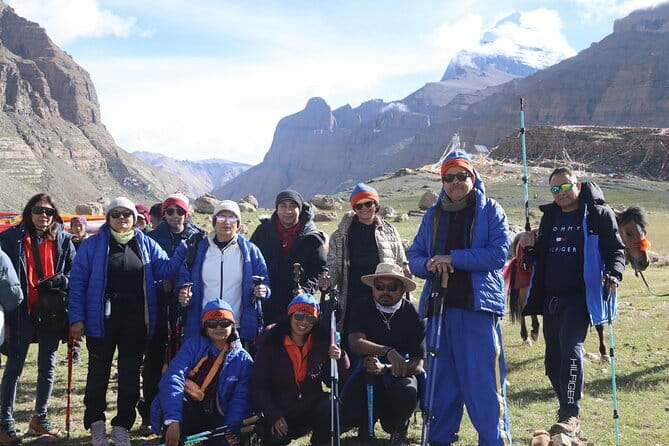
Mount Kailash is the heart of this 16-day overland pilgrimage, but the road to it matters just as much. You move from Kathmandu’s Hindu temples and medieval squares to the high Tibetan plateau, Lake Manasarovar, and the three-day Kora around the sacred mountain. This is a serious high-altitude journey, not a sightseeing holiday with a few easy walks added on.
I like the way the trip gives you time to prepare in Kathmandu, and I like the practical support built into the price: Tibet permits, full-board vegetarian meals, private transport, oxygen, and daily blood pressure and oxygen checks. The small maximum group of 10 also gives the team a better chance to notice when someone needs help.
The main caution is the physical demand. The Kora reaches 4,575 meters at Darchen and crosses the difficult Dolma La Pass, while two trekking days run for seven and nine hours. Pony and horse costs are extra, and the fixed departure dates mean you need to plan well ahead.
Key points to know before you book
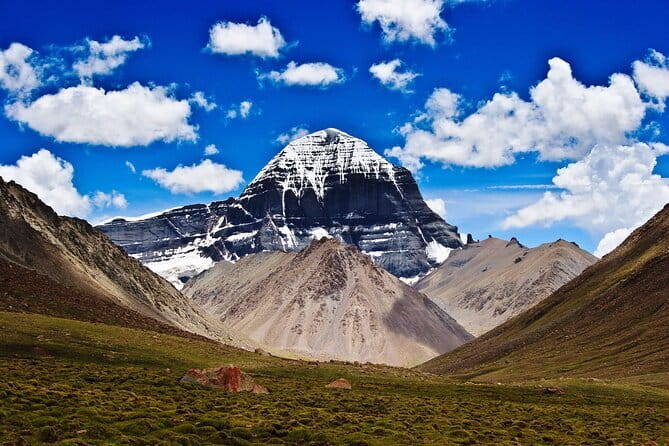
- The Kailash Kora takes three days: You walk from Darchen to Dirapuk, cross Dolma La Pass to Zuthulphuk, then return to Darchen.
- Kashyap leads a hands-on support team: The experience includes a guide, chef, porter support, and help with individual needs, according to the information provided.
- You cross from Nepal into Tibet by road: The route uses the Rasuwa Gadhi and Gyirong border area, with long driving days on both sides.
- Health support is built into the trip: Daily blood pressure and blood oxygen checks are included, as is an oxygen cylinder for altitude sickness.
- The group is intentionally small: The maximum is 10 people, with private group arrangements available for groups larger than five.
- Extra costs still matter: Monument entry in Kathmandu is about $30, while pony fees, personal expenses, and tips are not included.
Why this pilgrimage is more than a mountain visit
At $3,999 per person, this trip bundles far more than transport to a remote mountain. You get 15 nights of dinner and breakfast, 11 lunches, private transport, Tibet visa and permit fees, accommodation, Kathmandu sightseeing, a Shivapuri National Park hike, and support during the Kora.
That package can offer good value because Tibet permits and border arrangements are not simple items to organize alone. The route also includes a chef and full-board pure vegetarian meals, which matters when you are spending long days on the road and walking at altitude.
Still, the price is not the final bill. You need to allow for Kathmandu monument entry, roughly $30, plus tips, personal spending, and horse or pony hire during the Kora. If you are not confident walking the full route, ask about those animal costs before departure. They are specifically excluded.
The tour uses three-star hotels in Kathmandu and the best available accommodation during the Parikrama. That wording suggests comfort can vary once you reach the remote Tibetan section. Go in expecting practical lodging rather than polished city hotels.
More Nepal pilgrimage trips:
- Kathmandu Spiritual Sites: Bodhnath & Pashupatinath Tour
★ 5.0 · 185 reviews - From Kathmandu: 2 Stupas and Kopan Monastery Spiritual Tour
★ 4.8 · 115 reviews - Shamanism Tour in Nepal – One-to-one Consultation with Sharmans
★ 4.5 · 42 reviews
Days 1 to 4: Kathmandu prepares you for the road
The first evening begins at Pashupatinath Temple, where the aarti takes place beside the Bagmati River. Oil lamps, bells, hymns, and prayers create a powerful introduction to the Hindu traditions connected with Lord Shiva. You have about two hours here, enough to watch the ceremony without rushing through it.
Day 2 combines a practical task with a city view. After breakfast, you go to the Chinese Visa Centre to handle the Tibet visa formalities, then continue to Chandragiri Hills for about three hours. Admission to Chandragiri is not included, so carry funds for that visit.
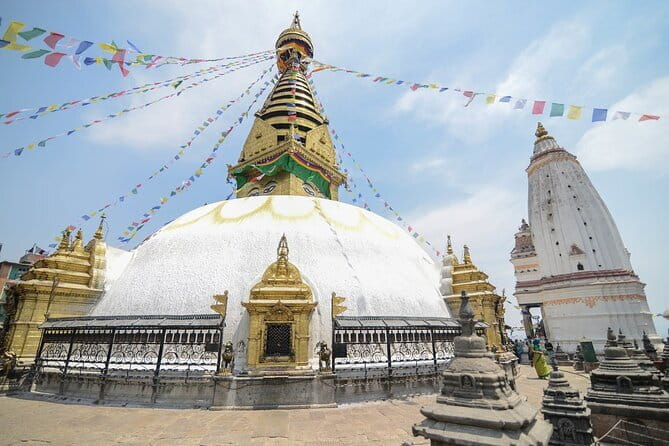
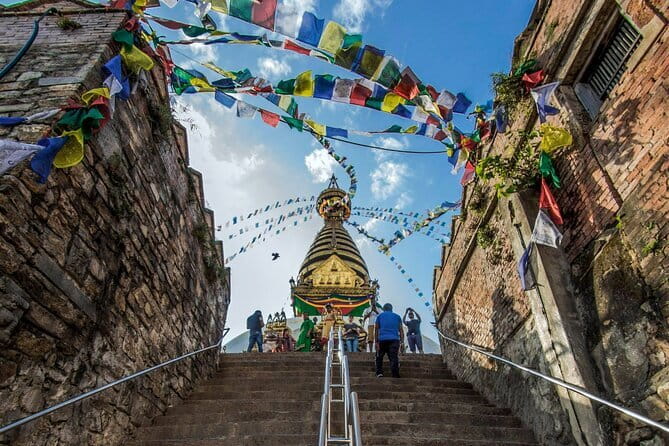
The schedule gives you another Kathmandu day on Day 3. Swayambhunath, Boudhanath, Pashupatinath, and Patan Durbar Square provide a useful cultural frame for the pilgrimage. You see Buddhist and Hindu sites together, along with Kathmandu architecture and religious customs. Since Pashupatinath appears on both the first evening and this sightseeing day, expect the second visit to serve a different purpose, or confirm the precise schedule before you go.
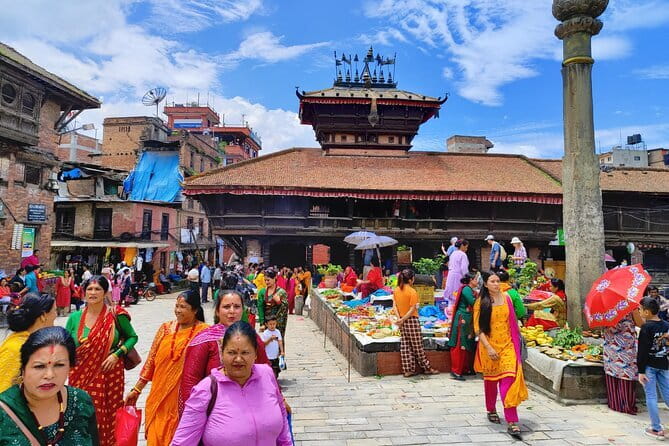
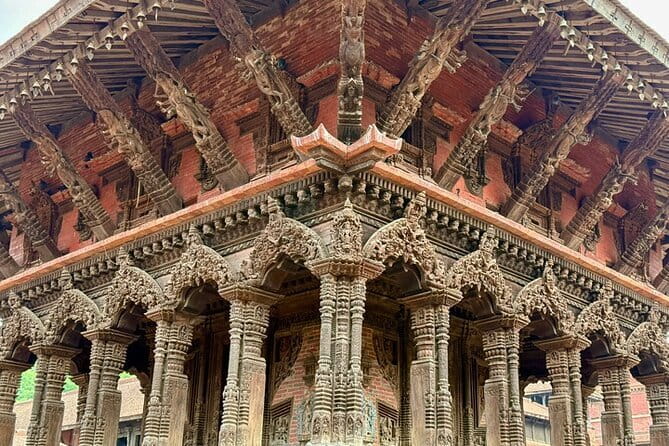
Day 4 heads to Bhaktapur, one of the strongest cultural days before the border crossing. Bhaktapur Durbar Square is known for its medieval buildings, wooden temples, the 55-Window Palace, and Nyatapola Temple. Doleshwor Mahadev adds a smaller but important Hindu pilgrimage stop, linked with Lord Shiva and the Kedarnath tradition.
The day also includes the Kailashnath Mahadev statue at Sanga. At 143 feet, it is described as the tallest Shiva statue in the world and sits above the Kathmandu Valley. Together, these stops give you more than postcard views. They explain why Shiva devotion is such a central part of the journey.
Kathmandu sightseeing is listed as included, but entry fees for monuments are not. The estimate is about $30, so treat that as part of your real trip budget.
Days 5 to 7: Long roads to the Tibetan plateau
Day 5 is a long seven-hour drive from Kathmandu to Syabrubesi, a village at about 1,550 meters. You collect the Tibet visa and continue toward the Nepal-Tibet border. The road offers Himalayan foothill scenery, but the journey will be tiring. Keep water, snacks, medication, and warm clothing close at hand rather than packed away.
The next day brings the border crossing and the drive to Gyirong, also written as Kyirong. This is where the trip changes pace. You leave Nepal’s lower valleys and begin adjusting to higher ground, with snow peaks and broad valleys around the road.
Border days can be slow and procedural. The itinerary allows about seven hours, but timing at an international crossing can never feel as tidy as a city transfer. Your passport must be valid for at least six months, and after booking you need to send a passport photo within two days. The Tibet permit application requires booking at least 20 days before departure.
Day 7 continues from Gyirong to Saga County, a six-hour drive through the Tibetan plateau. The route includes open views, nomadic herders, traditional villages, and wide stretches of high country. This is a day for looking out the window and letting the scale of the place sink in, not for fitting in lots of short stops.
The altitude is now part of the experience. You may feel the difference even when sitting in the vehicle. The built-in daily blood pressure and blood oxygen monitoring is useful here, but it does not remove the need to report symptoms promptly and follow the team’s advice.
Days 8 and 9: Lake Manasarovar and Darchen
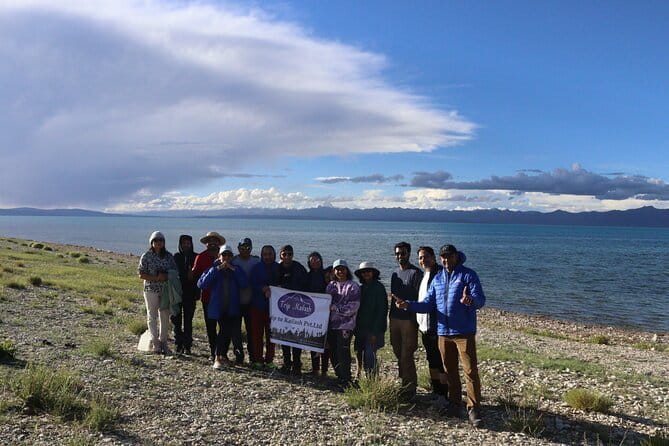
On Day 8, you drive to the Manasarovar Wetland and Lake Mansarovar, one of the world’s highest freshwater lakes. The lake is sacred to Hindus and Buddhists, and the itinerary includes a puja on its shores. This is one of the most meaningful moments of the trip because the ritual connects the physical setting with the purpose of the pilgrimage.
The scheduled visit lasts about four hours. You should not expect a long lakeside holiday. The high altitude, road conditions, and onward travel keep the day focused. Mount Kailash views are part of the setting, and the open shore gives you time for prayer and reflection.
Day 9 takes you to Darchen, at about 4,575 meters. This town is the starting point for the Kora and the practical base for the next three days. A seven-hour drive gets you there, leaving little spare energy for anything ambitious.
Darchen’s altitude is one of the biggest facts to take seriously. You are not simply arriving at a trailhead at the end of an easy transfer. You are preparing to walk for long hours at a height where breathing and recovery can be difficult. The daily health checks and oxygen cylinder are reassuring support, but they are not a substitute for reasonable fitness or honest communication with the guide.
Same city, a completely different sort of day:
- Everest Base Camp Trek – 14 Days
★ 5.0 · 1,499 reviews - Private Kathmandu Sightseeing Tour | UNESCO World Heritage sites
★ 5.0 · 756 reviews - Everest Base Camp Helicopter Tour landing at Everest View Hotel
★ 5.0 · 668 reviews - Half day cooking class in Thamel kathmandu
★ 5.0 · 607 reviews
Days 10 to 12: The three-day Kora around Mount Kailash
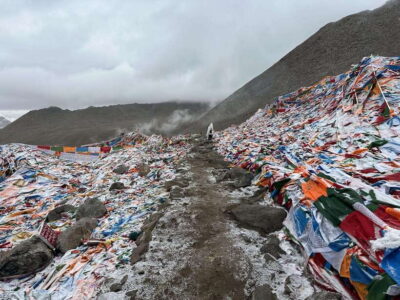
The Kora begins on Day 10 with the route from Darchen to Dirapuk Monastery. This is a seven-hour walk over rugged ground with views toward Mount Kailash and nearby Himalayan peaks. The sacred mountain is the focus, but the route itself requires concentration. Uneven terrain and altitude make the hours feel longer than the distance suggests.
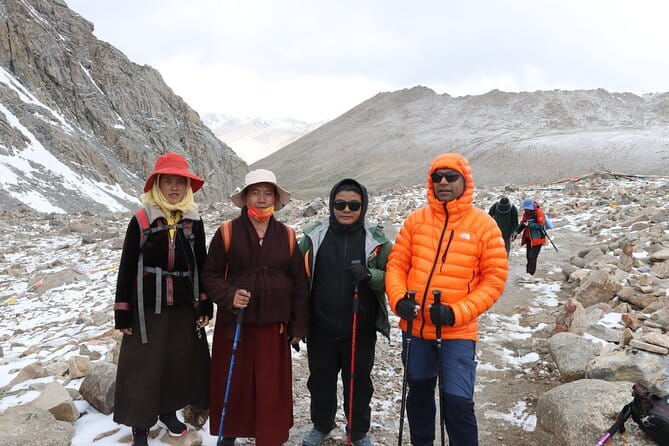
Day 11 is the hardest section. You walk from Dirapuk to Zuthulphuk, a journey scheduled for about nine hours, and cross Dolma La Pass, the highest point of the Kora. This is the day to pace yourself carefully. The appeal is obvious: the pass brings the strongest sense of high mountain pilgrimage and spiritual challenge. The cost is real physical strain.
Pony and horse fees are not included. If you are unsure about completing the full walking route, ask the operator in advance how animal support works, what it costs, and where it may be available. Do not wait until you are exhausted on the trail to think through that choice.
Day 12 completes the Kora from Zuthulphuk back to Darchen. The scheduled walking time is about seven hours. Returning to the starting point can feel satisfying, but it is not necessarily an easy day. Your legs may still be tired from the pass, and the altitude remains high.
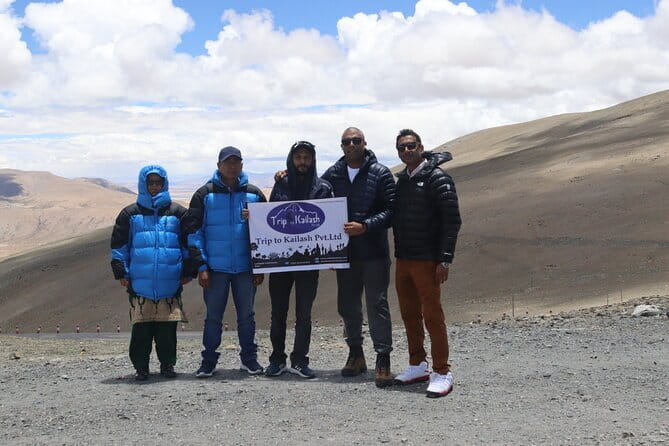
The Kora is the central test of the tour. You need moderate physical fitness, but that phrase should not be read too casually. Several consecutive long days at high altitude are a different challenge from a moderate walk at sea level. The operator’s team includes a guide, chef, and porter support, and the supplied information gives special credit to Kashyap for motivation and attention to individual needs. That personal support may be particularly valuable when the route gets difficult.
Days 13 to 16: The return road to Kathmandu
Day 13 reverses the route from Darchen to Saga, with about six hours of driving. It is a useful recovery day after the Kora, though the road remains long. Day 14 continues from Saga to Gyirong, with about five hours on the road and an overnight stay.
The itinerary notes that team members help with necessary arrangements in Gyirong. That matters because the return border process can feel just as tiring as the crossing into Tibet. You get a chance to rest before the final border formalities.
On Day 15, you complete immigration procedures at the Rasuwa Gadhi border and drive to Kathmandu. The stated journey is about 265 kilometers and can take nine to 11 hours, although the schedule lists around eight hours. Either way, this is a full day. Keep the next morning light and avoid making important onward plans too early.
Day 16 includes breakfast and departure for Tribhuvan International Airport. Airport transfer time is listed at about two hours. The tour begins at the airport at 10:15 a.m., so confirm the exact pickup arrangements and flight timing before booking airfare.
Small groups and practical support
A maximum of 10 people is a sensible size for a pilgrimage with border procedures, altitude checks, and difficult walking. It should be easier to ask questions, keep track of the group, and receive attention when you are tired.
The strongest personal detail connected with the team is Kashyap. The supplied information describes him as a steady source of motivation and support, with attention to individual needs. It also highlights the chef, porter, and guide team as thoughtful and attentive. That is important here because meals, luggage, and pacing are not minor comforts. They affect how well you manage a demanding route.
The tour promises private transportation, but the exact vehicle type is not specified. You should expect long road days and ask about luggage limits, vehicle comfort, and how many people will share the transport. Mobile tickets and airport pickup make the start simpler, but the border crossing and permit process remain the parts that need the most patience.
Who should book this Kailash journey?
You should consider this trip if you want a structured spiritual pilgrimage rather than an independent trek. It suits someone who values Hindu and Buddhist sites, accepts long drives, can handle basic accommodation outside Kathmandu, and is ready for three demanding days around Mount Kailash.
It is also a good match if you want logistics handled for you. The operator arranges Tibet permits, transport, meals, hotels, health checks, and airport pickup. Small group size and the support around Kashyap’s team add practical value.
Think twice if you dislike fixed schedules or need luxury accommodation throughout. The five to 11-hour road days are frequent, the border can be slow, and the Kora is not a gentle walk. If altitude has caused problems for you before, get medical advice before booking and discuss your concerns with the operator.
The fixed departure dates supplied for 2024 are May 12, June 10, July 8, August 11, and September 9. Confirm current dates before paying, since those listed dates may no longer apply. You must book at least 20 days ahead, and the cancellation terms become much less generous close to departure: six or more full days before the start allows a full refund, two to six days allows 50 percent, and less than two days allows no refund.
Should you book it?
Book this tour if you want the spiritual focus of Mount Kailash without arranging the complicated Nepal and Tibet logistics yourself. The strongest value comes from the permits, private transport, meals, health monitoring, and small support team included in the $3,999 price.
Do not book it simply because the package sounds inspiring. Book only if you are ready for high altitude, long drives, basic remote accommodation, and a strenuous Kora. If you are, the route offers a rare combination of Kathmandu’s sacred sites, Lake Manasarovar, and a carefully supported pilgrimage around Mount Kailash.
FAQ
How long is the Kailash Manasarovar overland trip?
The trip lasts approximately 16 days, beginning in Kathmandu and ending with departure from Tribhuvan International Airport.
Where does the tour start?
The meeting point is Tribhuvan International Airport in Kathmandu, Nepal. The listed start time is 10:15 a.m.
What is included in the price?
The price includes private transportation, taxes, Tibet visa and permit fees, accommodation, full-board pure vegetarian meals, Kathmandu sightseeing, a Shivapuri National Park hike, oxygen for altitude sickness, and daily blood pressure and blood oxygen checks.
Are monument entry fees included?
No. Entry fees for monuments during Kathmandu sightseeing are not included and are estimated at about $30.
Are horse and pony fees included during the Kora?
No. Horse and pony fees during the Kora are excluded, along with personal expenses and tips.
How difficult is the Kora?
The itinerary requires moderate physical fitness. The three sections take about seven hours, nine hours, and seven hours, with the second day crossing the Dolma La Pass.
How many people can join the tour?
The maximum group size is 10 people. A private tour can be arranged for a group of more than five people.
How far in advance should I book?
You need to book at least 20 days before departure because the Tibet entry permit must be arranged. After confirmation, you must send a passport photo within two days, and your passport must be valid for at least six months.
Just added around Kathmandu
- Traditional Momo Making Class★ 5.0 · 10 reviews
- Wildlife Adventure in Chitwan Nepal★ 4.0 · 4 reviews
- Walking tour of real Kathmandu through back streets.★ 5.0 · 3 reviews
- Kathmandu 2 Nights 3 Days Chitwan Jungle Safari Tour★ 5.0 · 9 reviews
- Kathmandu Street Food Walking Tour – Eat Like a Local★ 5.0 · 3 reviews
- Private Manaslu Circuit Trek at Himalayas★ 5.0 · 3 reviews
- Walking tour of Kathmandu with awesome local guides★ 5.0 · 4 reviews
- Visit Swayambhunath and Bauddhanath Stupa with Guide★ 5.0 · 5 reviews
Nepal Pilgrimage and Spiritual Tours from Kathmandu, compared.
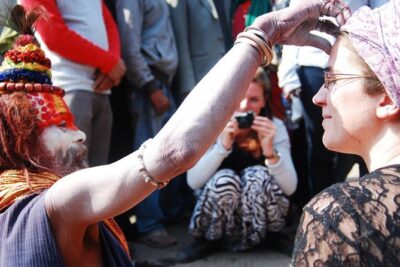
Kathmandu Spiritual Sites: Bodhnath & Pashupatinath Tour
Read our review →
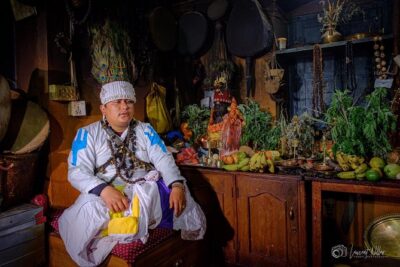
Shamanism Tour in Nepal – One-to-one Consultation with Sharmans
Read our review →
Spiritual Nepal: Expert insight into Multifaith Journey
Read our review →
Browse the lists this tour appears in